Top 10 Clear Tempered Glass Manufacturers & Wholesalers
A buyer-side guide to supplier due diligence, product fit, future procurement trends and custom clear tempered glass specifications for appliance, display, smart-home, access-control and architectural programs.
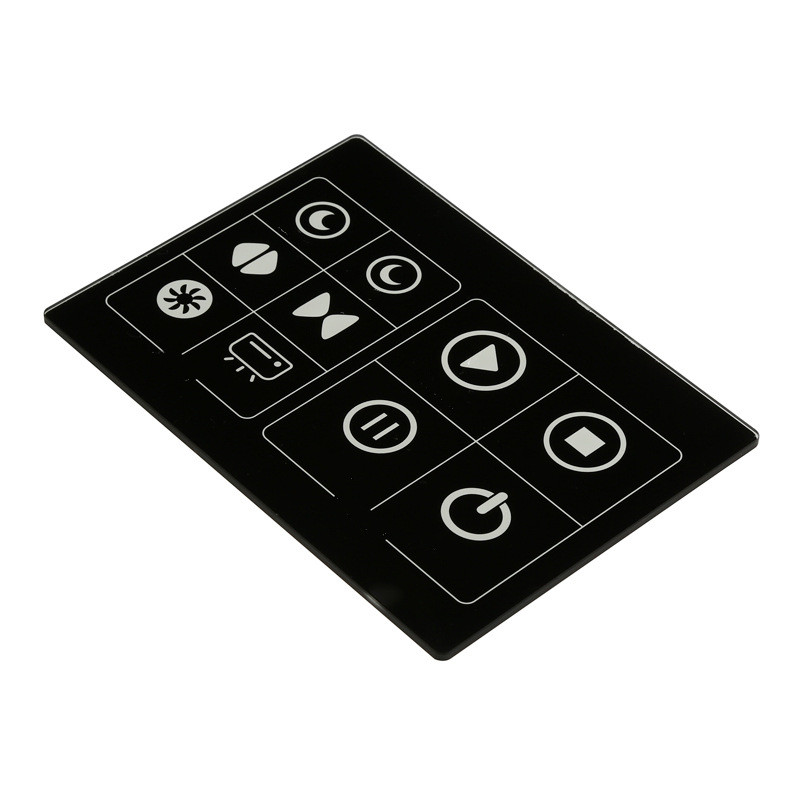
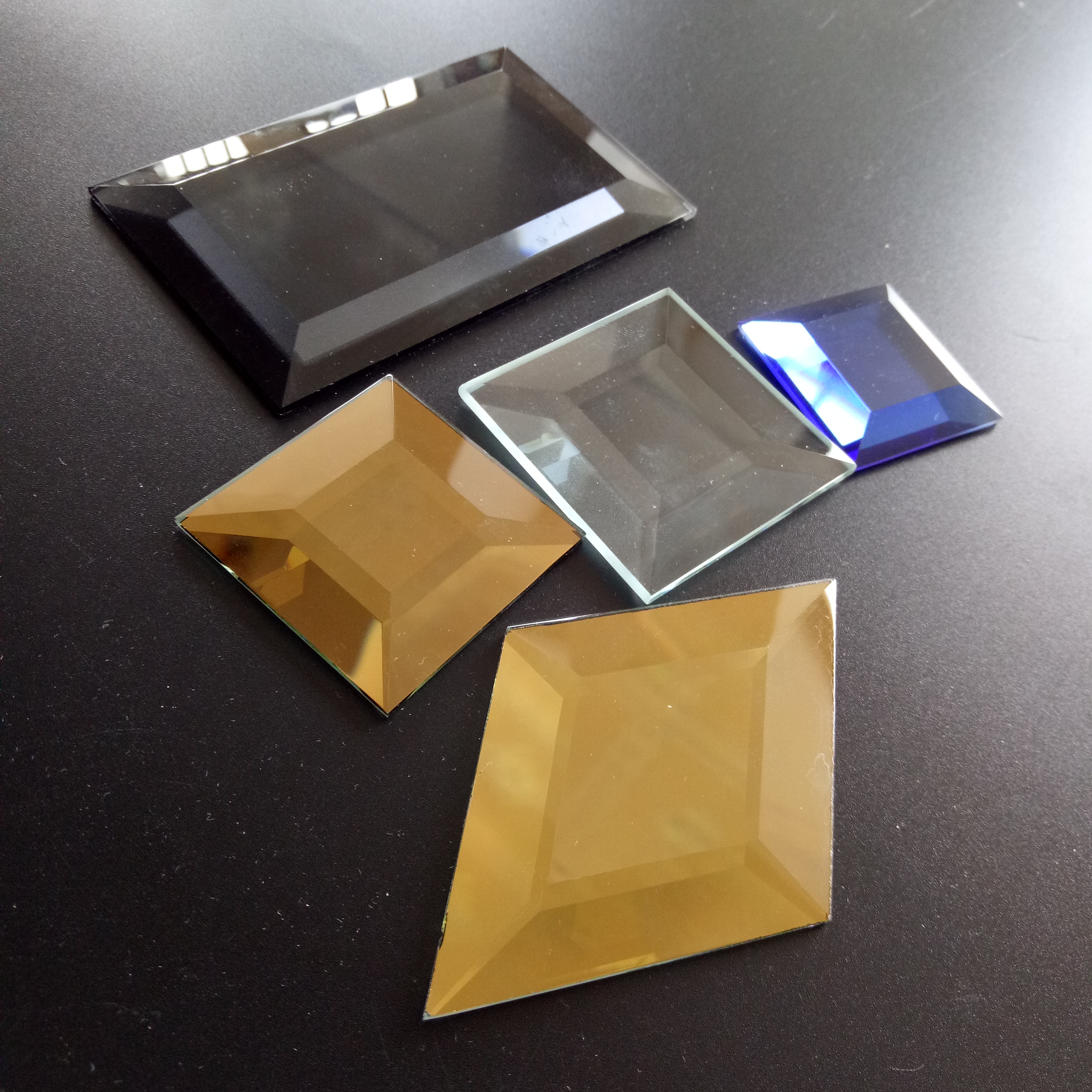
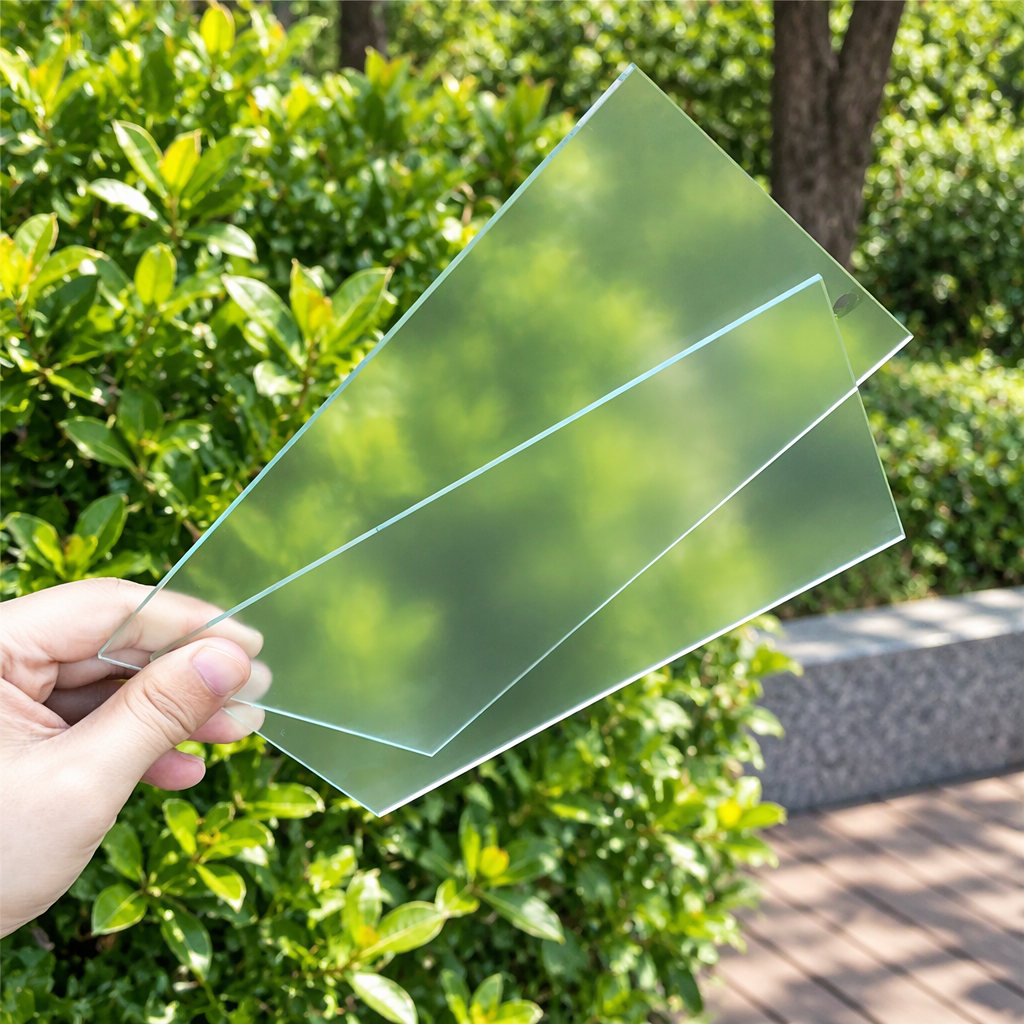
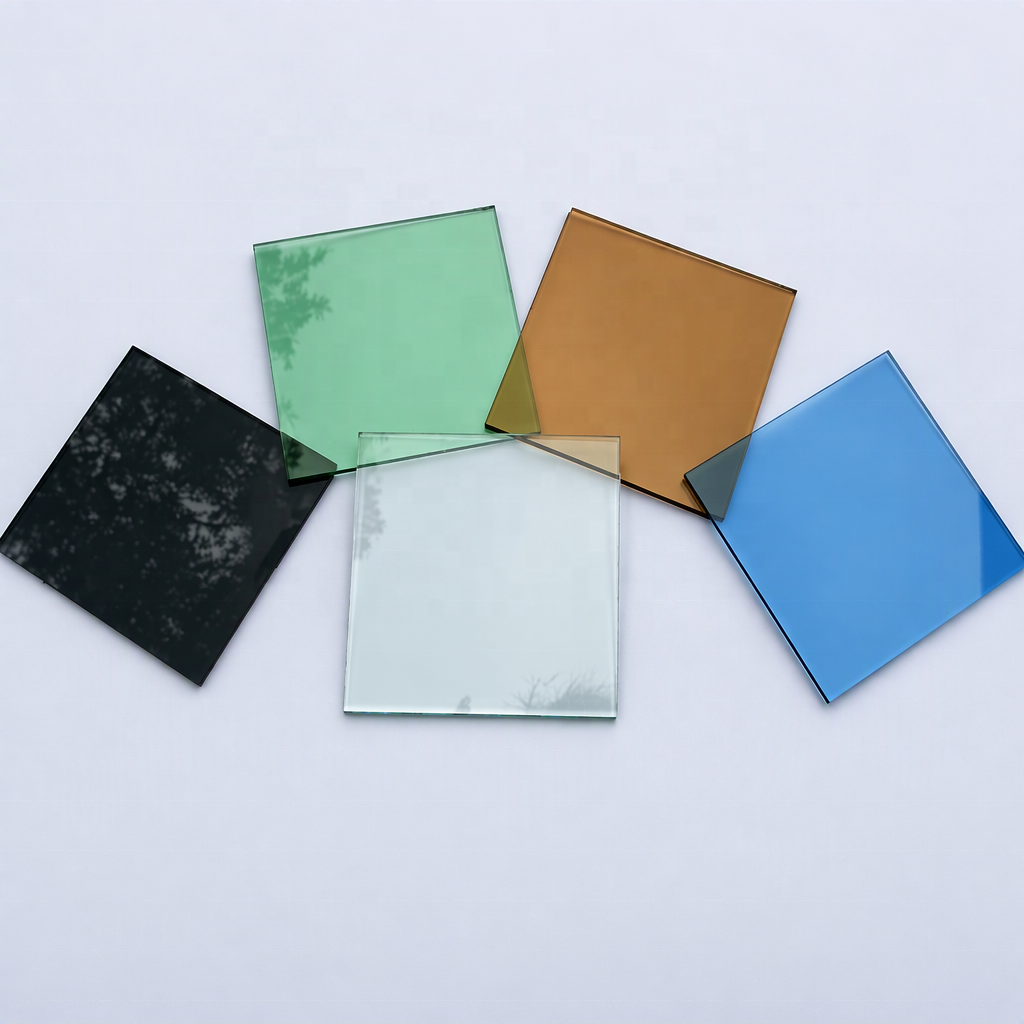
8 Clear Tempered Glass Products to Shortlist Before You Request a Quote
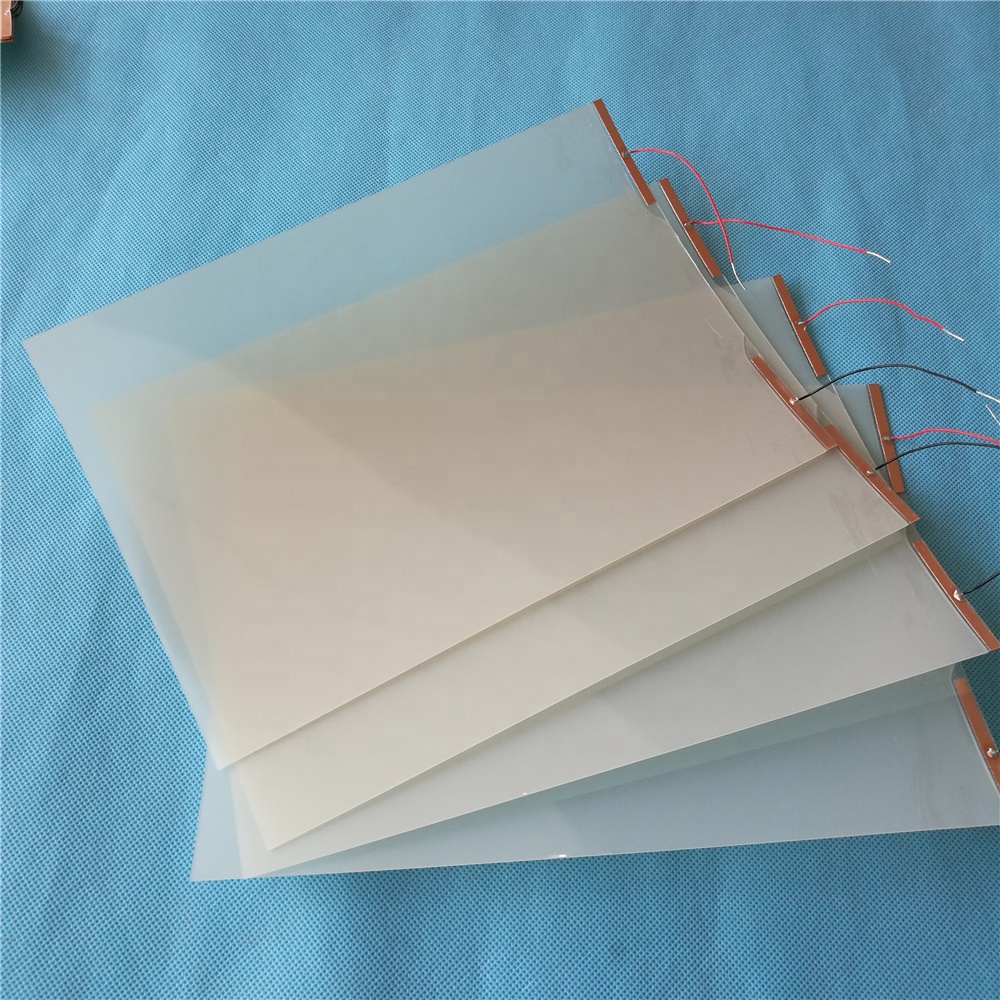
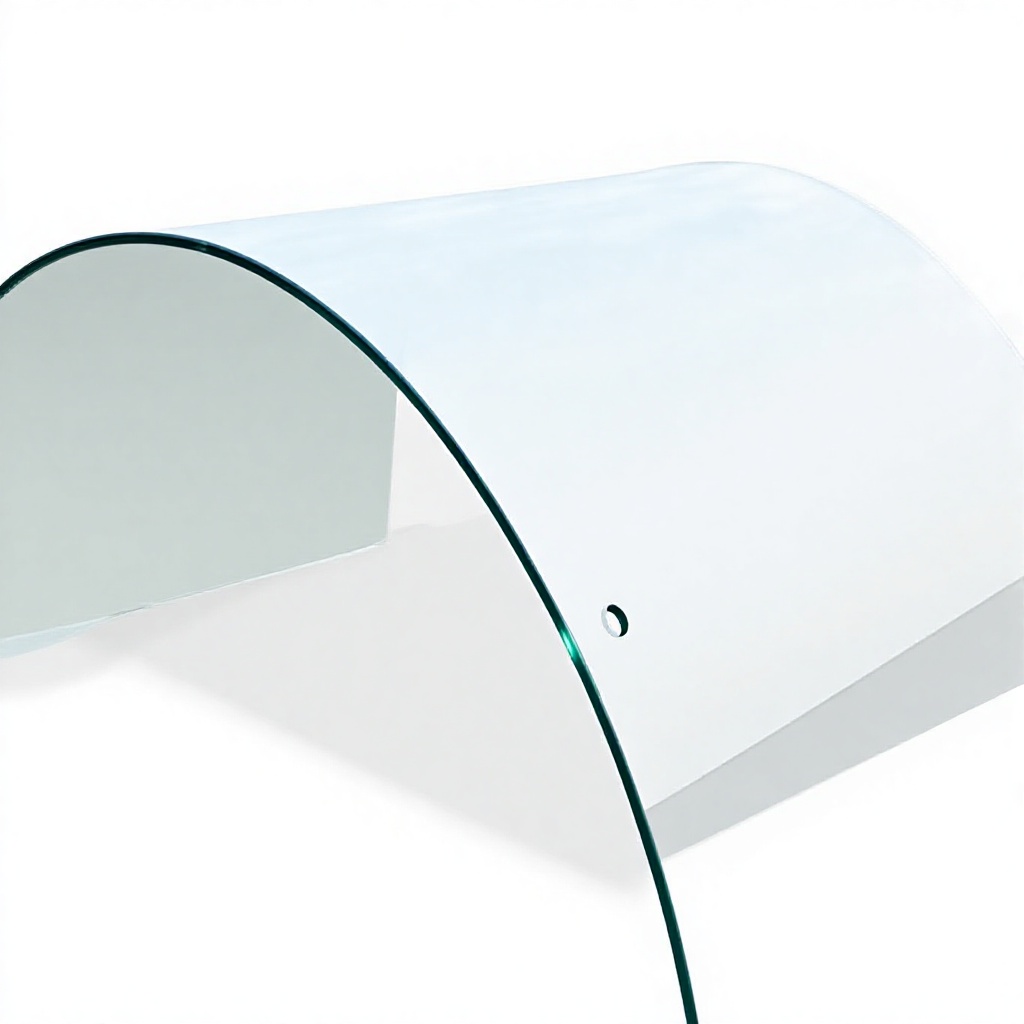
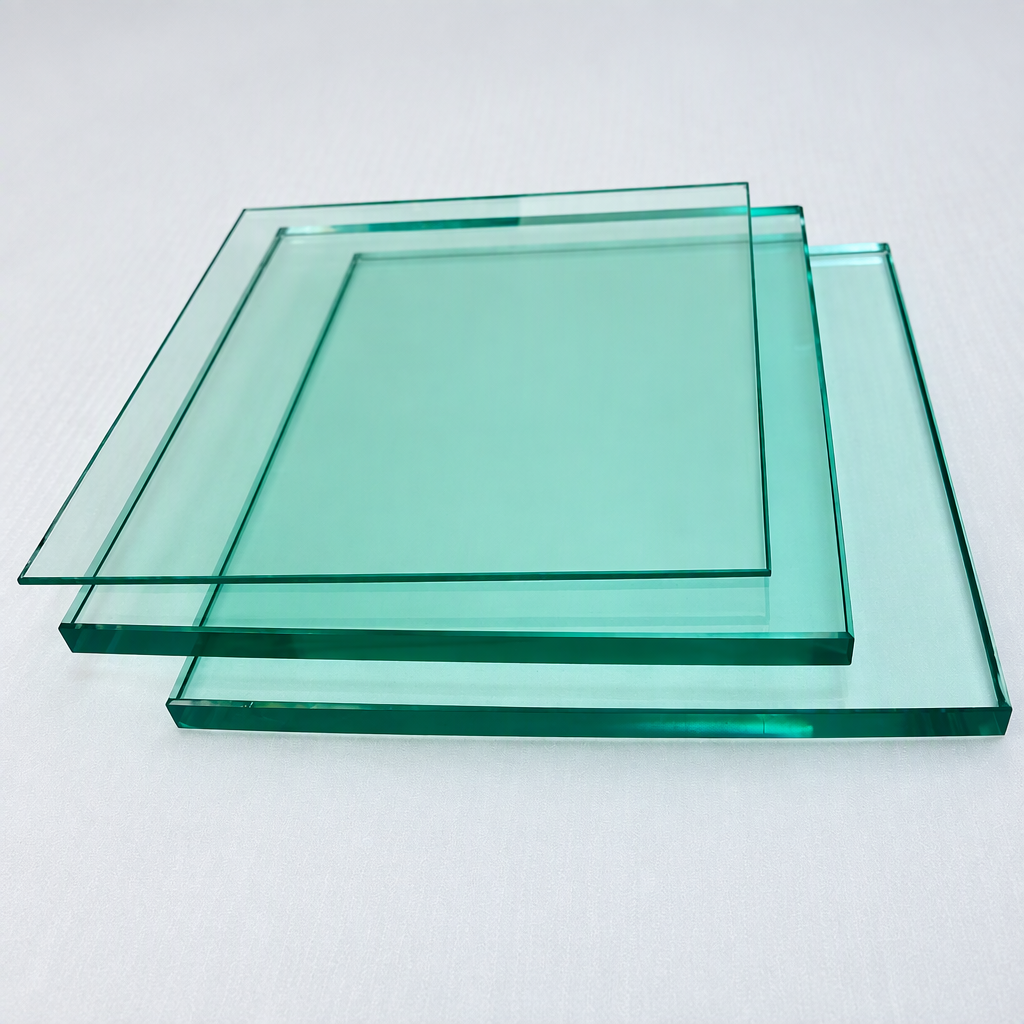
These eight product families illustrate the practical range of clear, tinted, printed, coated, curved and safety tempered glass that OEM buyers compare during supplier qualification. Every product URL below is preserved from the original product data, and each image is displayed without cropping or forced distortion.

Need a specification check before sending an RFQ? Share your drawing, thickness, coating, print artwork, edge finish and annual volume with the engineering team.
Why clear tempered glass sourcing is shifting from price shopping to capability due diligence
For appliance, display, smart-home, access-control, industrial and architectural buyers, clear tempered glass is no longer a generic sheet purchase. It is an engineered component that affects touch reliability, optical clarity, breakage risk, assembly yield and the perceived quality of the finished product. Buyers who compare only the price per square meter often discover hidden costs later: re-tooling after incorrect strengthening advice, delayed launches because print colors drift between batches, or rejected shipments because a coating fails a simple adhesion test.
The strongest manufacturers and wholesalers therefore compete on process transparency, not only price. They can explain why a 3 mm physically tempered panel is appropriate for a cooktop door while a 1.1 mm chemically strengthened cover may be better for a capacitive touch interface. They provide drawings with tolerances, artwork proofs, edge-finish photos and packing validation before mass production. They also document certifications such as ISO 9001, RoHS and CE, and can connect those certificates to real production lots.
This guide uses a top-10 due-diligence framework rather than a popularity vote. The aim is to help sourcing teams build a defensible shortlist, compare manufacturer-direct quotations and find a partner whose capabilities match the application, not merely the lowest landed cost. For custom programs, the supplier’s ability to control cutting, printing, tempering, coating and inspection under one roof is often the single biggest predictor of launch stability.
Procurement priorities for 2025–2026
Buyer-side qualification weighting for custom clear tempered glass programs; adjust by application, annual volume and destination market.
Top 10 Criteria Professional Buyers Use to Rank Clear Tempered Glass Manufacturers & Wholesalers
A credible shortlist should be built from evidence. Use the ten criteria below to compare manufacturers, wholesalers and trading companies before you commit to samples, tooling or a purchase order.
Certified quality management
Verify ISO 9001 scope, issuing body and validity. A certificate is useful only when it covers the actual glass processing and inspection activities in your project.
In-house process chain
Cutting, CNC shaping, drilling, edging, printing, tempering and coating under one roof reduce tolerance drift, handling damage and finger-pointing between subcontractors.
Strengthening know-how
The supplier must recommend physical tempering or chemical strengthening based on thickness, strength, flatness, breakage pattern, touch function and post-processing limits.
Print and coating control
Ask for color references, ink type, curing method, adhesion testing, coating durability and sample photos under different lighting angles and environmental conditions.
Sampling and DFM feedback
Top suppliers review drawings for manufacturability before quoting, flag risk areas such as small holes near edges, tight bend radii or hidden sensor windows.
Traceability and inspection
Incoming material inspection, in-process checks and final product inspection should be documented with lot traceability, defect criteria and packing confirmation.
Export packing and logistics
Glass export requires foam, paper interleaving, corner protection, moisture control and carton strength suitable for sea freight, air freight or consolidated delivery.
OEM and ODM responsiveness
Look for drawing-based customization, private-label packaging, color matching, touch-key design support and clear version control for artwork and approvals.
Compliance documentation
RoHS and CE claims should match the product family and destination market. For regulated applications, request material declarations and certificate numbers for verification.
Total cost and lead-time stability
Compare tooling, sampling, rework risk, packaging, freight and communication time. Stable process control is often cheaper than a low quote that triggers repeated revisions.
Qingdao Maupe Glass Co., Ltd.: a verifiable deep-processing partner for custom clear tempered glass
Founded in 2012 in Qingdao, Shandong, Qingdao Maupe Glass Co., Ltd. is an ISO 9001 certified glass deep-processing manufacturer and international supplier. Its factory footprint is listed as 3,000–5,000 m², with eight production lines and an export share of 91–100% of output. The company is located close to Qingdao seaport and airport, which supports fast sample dispatch, consolidated export packaging and convenient buyer factory audits.
Core capabilities include precision cutting and CNC shaping, edge polishing, drilling, engraving, silk screen printing, physical tempering, chemical strengthening, and AR/AG/AF surface coating. This matters because leading manufacturers and wholesalers are evaluated not only by the glass sheet they purchase but by the process chain they control. A single factory that aligns printing, strengthening and coating avoids the tolerance drift and quality disputes that occur when multiple subcontractors handle a panel.
Quality documentation includes ISO 9001 certificate 24025Q20015R1S, RoHS certificate 25TYT12395 and CE certificate 23TYT082593S. The company profile also states SGS onsite assessment and Fortune 500 supply experience with verified procurement contracts. Procurement teams should still check the current certificate scope, validity date and product match against the actual bill of materials. No serious buyer should accept a logo as proof without document review.



Factory, cutting and printing capability images from the original company profile.
| Decision area | Deep-processing manufacturer | General wholesaler |
|---|---|---|
| Process control | Owns cutting, printing, tempering and coating steps; can isolate root causes quickly. | May outsource key steps; issue resolution can depend on third parties. |
| Engineering feedback | DFM review before quotation; flags tolerance and strengthening risks. | May forward drawings to a factory and return less specific feedback. |
| Traceability | Lot-based inspection and production records are easier to verify. | Mixed sourcing can make batch traceability less transparent. |
| Customization flexibility | Custom sizes, print layouts, holes, coatings and packaging can be aligned. | Often limited to available stock or existing factory programs. |
| Compliance evidence | Certificates can be matched to the processing scope and product family. | Documentation may be partial or forwarded without scope review. |
Quality and compliance evidence to request
- Current ISO 9001 certificate with scope and expiry date
- RoHS declaration matched to inks, coatings and materials
- CE certificate for the applicable product and market
- Sample inspection report with dimension and appearance criteria
- Coating adhesion, hardness and environmental test records
- Export packing drawing and drop-test or transit validation notes

ISO 9001 Quality Management
Certificate No. 24025Q20015R1S · Scope covers float glass and technical glass products · Valid to 02/2028.

RoHS Compliance
Certificate No. 25TYT12395 · Restricts hazardous substances for EU electrical and electronic equipment · Valid to 12/2030.

CE Marking
Certificate No. 23TYT082593S · Tempered glass · Supports market access across the European Economic Area · Valid to 08/2028.
Product recommendations by application
The right clear tempered glass specification depends on the interface, environment and risk profile. Use these application routes to narrow your RFQ before comparing supplier quotations.
Kitchen appliance and cooktop glass
High-temperature inks, black printing, precise viewing windows and heat-resistant tempered glass for oven doors, cooktops, range hoods and microwave applications.
View solutionSmart-home switch panel glass
Backlight-ready icons, touch-zone printing, scratch-resistant surfaces and consistent color for 86-type switches, sockets and scene panels.
View solutionDisplay protection and anti-glare glass
AR, AG and AF coatings improve readability, reduce reflection and resist fingerprints for monitors, HMIs, medical screens and industrial displays.
View solutionAccess control and card reader covers
Printed borders hide sensors while clear windows preserve RFID, IC, ID, QR and camera performance. Chemical strengthening is available for thin covers.
View solutionSmart lock and security terminal glass
Touch-key layouts, fingerprint windows, camera apertures and durable decorative printing for smart locks and face-recognition terminals.
View solutionPDLC privacy and architectural glass
Switchable privacy glass for office partitions, curtain walls and design-led interiors, combined with safety glass processing and export packing.
View solutionFuture procurement trends for clear tempered glass buyers
Procurement teams are moving from annual price negotiations to continuous capability verification. The trends below are especially relevant for OEM programs that combine printed glass, coatings, touch function and regulated market access.
Dual sourcing with process overlap
Buyers increasingly qualify one primary manufacturer and one backup supplier, checking whether critical steps such as tempering, printing and coating are comparable rather than merely quoting the same drawing.
Evidence-based compliance
RoHS, CE and ISO claims are being connected to material declarations, inspection records and lot traceability. A certificate image is no longer enough for sophisticated OEM buyers.
Faster low-volume customization
Smart-home and industrial device lifecycles reward suppliers that can sample 10–100 piece custom runs quickly while keeping color, tolerance and touch-zone consistency.
Digital RFQ and drawing control
DXF, DWG, PDF drawings and AI artwork files are now reviewed through structured approval loops. Version control for print files and edge-finish requirements reduces costly rework.
Landed-cost thinking
Purchasing teams are comparing packaging, breakage risk, communication time and rework cost alongside FOB price. Stable quality can outweigh a lower initial quote.
ESG and process efficiency
Buyers ask about energy use, ink compliance and waste handling in glass deep processing. Suppliers with documented process control are better positioned for future audits.
Product development trends shaping the next generation of clear tempered glass
New applications are pushing suppliers to combine optical performance, touch reliability, printable design and safety into one glass component.
AR, AG and AF multi-coatings
Anti-reflective, anti-glare and anti-fingerprint treatments are becoming standard in display covers, especially for industrial HMIs, medical screens and bright retail environments.
Chemically strengthened thin glass
Thin 0.5–2 mm glass is increasingly specified for touch covers and small electronics where flatness, optical clarity and weight reduction are critical.
Printed hidden-window designs
Silk screen printing is used to hide sensors, seal borders and create backlight icons while leaving precise clear windows for RFID, cameras and light sensors.
Switchable privacy glass
PDLC and electrochromic privacy glass are moving from architectural showpieces into office partitions, curtain walls and high-end residential interiors.
High-temperature appliance glass
Cooktop, oven and microwave panels require inks and tempered glass that survive heat cycling, cleaning chemicals and mechanical impact without delamination.
Larger formats and narrower bezels
Display windows for TVs, signage and control consoles are moving toward larger sizes, thinner borders and stricter flatness requirements for flush mounting.
Physical tempered or chemically strengthened clear glass?
Choosing the wrong strengthening method is one of the most common causes of re-tooling in cover glass projects. Physical tempering is typically used for thicker glass and safety-critical panels, while chemical strengthening is preferred for thin glass that must remain optically flat. Confirm the final process before cutting, drilling, printing or coating, because post-strengthening machining is not allowed.
| Criteria | Physical tempered | Chemically strengthened |
|---|---|---|
| Typical thickness | About 2 mm and thicker | 0.5–2 mm thin glass |
| Strength profile | Roughly 4–5× annealed glass, with a safety breakage pattern | High surface compression suited to thin parts |
| Breakage pattern | Small blunt fragments | Larger pieces, more like annealed glass |
| Flatness and optics | Very good; slight roller wave may occur | Excellent flatness with no heat distortion |
| Best-fit applications | Appliance doors, switch panels, display windows, industrial covers | Touch covers, small electronics, wearables, optical windows |
Example RFQ package for a faster, more accurate quote
- 2D drawing in DWG, DXF or PDF with dimensions, holes and tolerance
- Glass type and thickness: clear, ultra-clear, tinted or high-alumina
- Edge finish: flat polish, pencil edge, beveled edge or safety corners
- Print artwork in AI or PDF with color references and layer order
- Coating requirement: AR, AG, AF, anti-UV or no coating
- Application environment: heat, outdoor exposure, touch sensor or medical use
- Annual volume, first-order quantity and target market compliance
- Packaging, labeling, protective film and delivery destination
Frequently asked questions about clear tempered glass sourcing
These answers reflect common OEM purchasing questions for printed, coated, tempered and chemically strengthened glass components.
What is the minimum order quantity for custom clear tempered glass?
Many custom printed panels start from 10 to 100 pieces depending on size, thickness and number of print colors. Large display cover glass may start from 10 pieces, while complex multi-step printing, coating or special edge work can require higher quantities for efficient setup. Samples are typically available for fit and print verification before mass production.
Should I choose physically tempered or chemically strengthened glass?
Physical tempering suits glass around 2 mm and thicker, such as appliance doors, switch panels and display windows, and it breaks into small blunt fragments. Chemical strengthening suits thin glass from 0.5 mm to 2 mm, touch covers and components that require excellent flatness and optical quality.
How can buyers verify ISO 9001, RoHS, CE and SGS claims?
Ask for the current certificate numbers, issuing bodies, scope, validity dates and product coverage. Match the certificate scope to the exact process and material used in your project. For higher-risk programs, request recent inspection reports or schedule a factory audit.
What is the difference between a manufacturer, wholesaler and trading company?
A deep-processing manufacturer controls key production steps such as cutting, printing, tempering and coating. A wholesaler may hold stock but offer less customization. A trading company may coordinate multiple factories. The best choice depends on your customization level, traceability requirements and need for engineering feedback.
Which files and details are needed to start a custom glass project?
Send a 2D drawing with dimensions, thickness, edge finish, hole positions and tolerances, plus print artwork in AI or PDF with color references. State coating requirements such as AR, AG or AF, the intended application environment and your expected annual volume.
How are clear tempered glass panels packed for export?
Export packing usually uses paper interleaving, foam separators, corner protection, moisture-control materials and strong cartons or crates. For large panels, crates and custom pallets may be required. Confirm packing drawings and handling marks before shipment, especially for sea freight or multi-stop delivery.
Have a drawing ready? Let our engineers review it.
Share your specifications, product application and target market. The team can review manufacturability, recommend physical tempering or chemical strengthening, confirm coating options and prepare a quotation for custom clear tempered glass.