8 Cover Glass Product Families That Separate Capable Factories from Trading Companies
The first filter in a serious cover glass factory shortlist is not a glossy catalogue, but whether the supplier can show the product family, the process chain and the compliance evidence behind the quotation. The eight product families below represent the application areas global OEM buyers most often request when they compare cover glass factories and exporters.
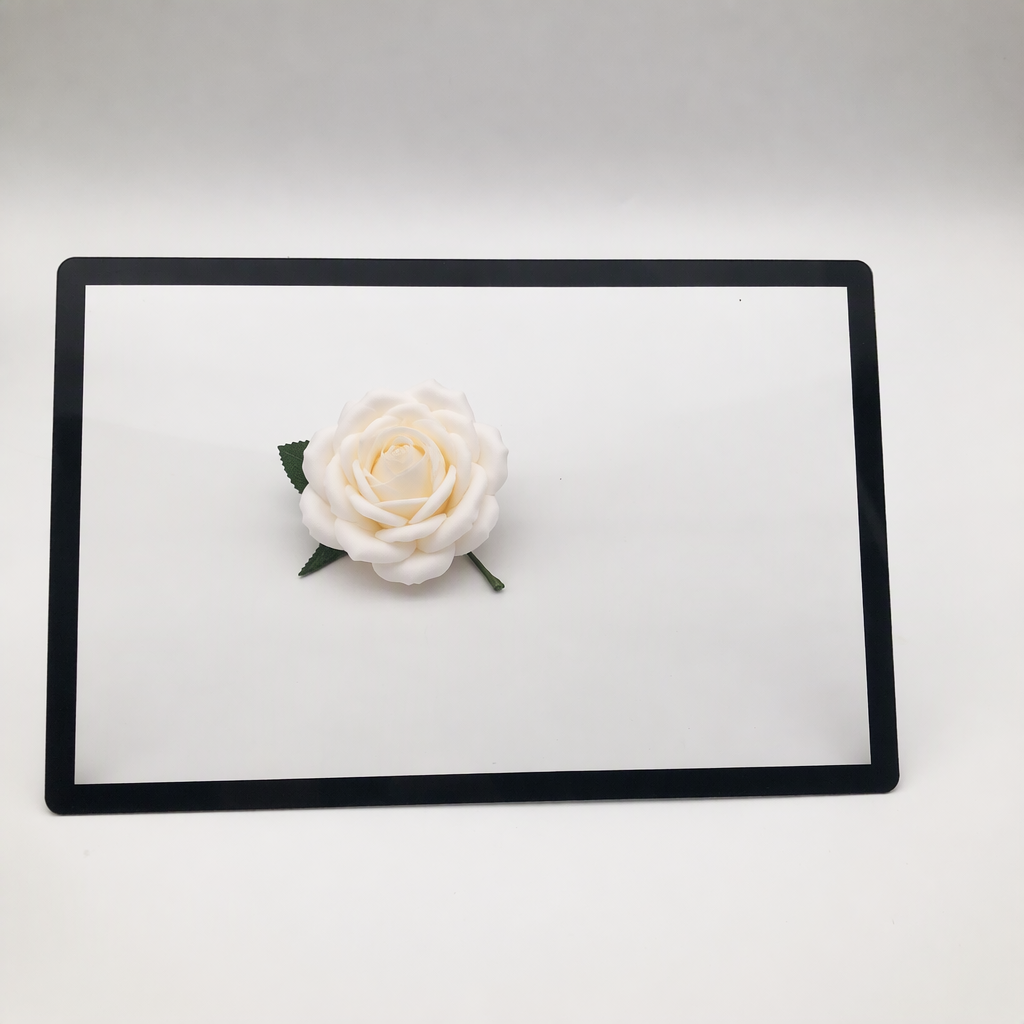
Ultra-Thin Silk Screen Printed Tempered Glass for Display Panels
Thin, flat and printable cover glass for compact displays, touch modules and industrial HMI windows where optical clarity and dimensional consistency matter.
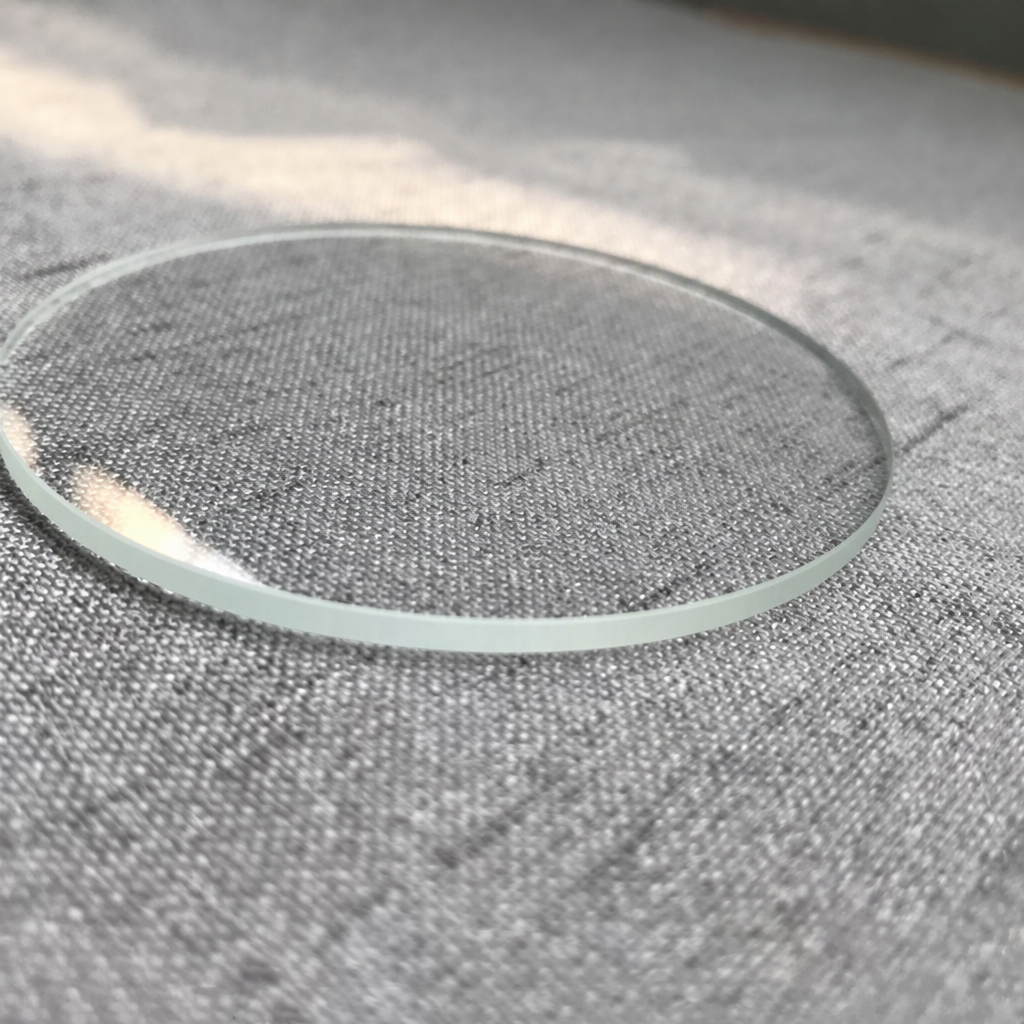
Pressure-resistant Glass Tempered Viewing Mirror Custom Size Clear Glass Panel for Industrial Workshop
Designed for industrial observation windows, machine guards and workshop viewing panels that need impact resistance, clarity and custom dimensions.
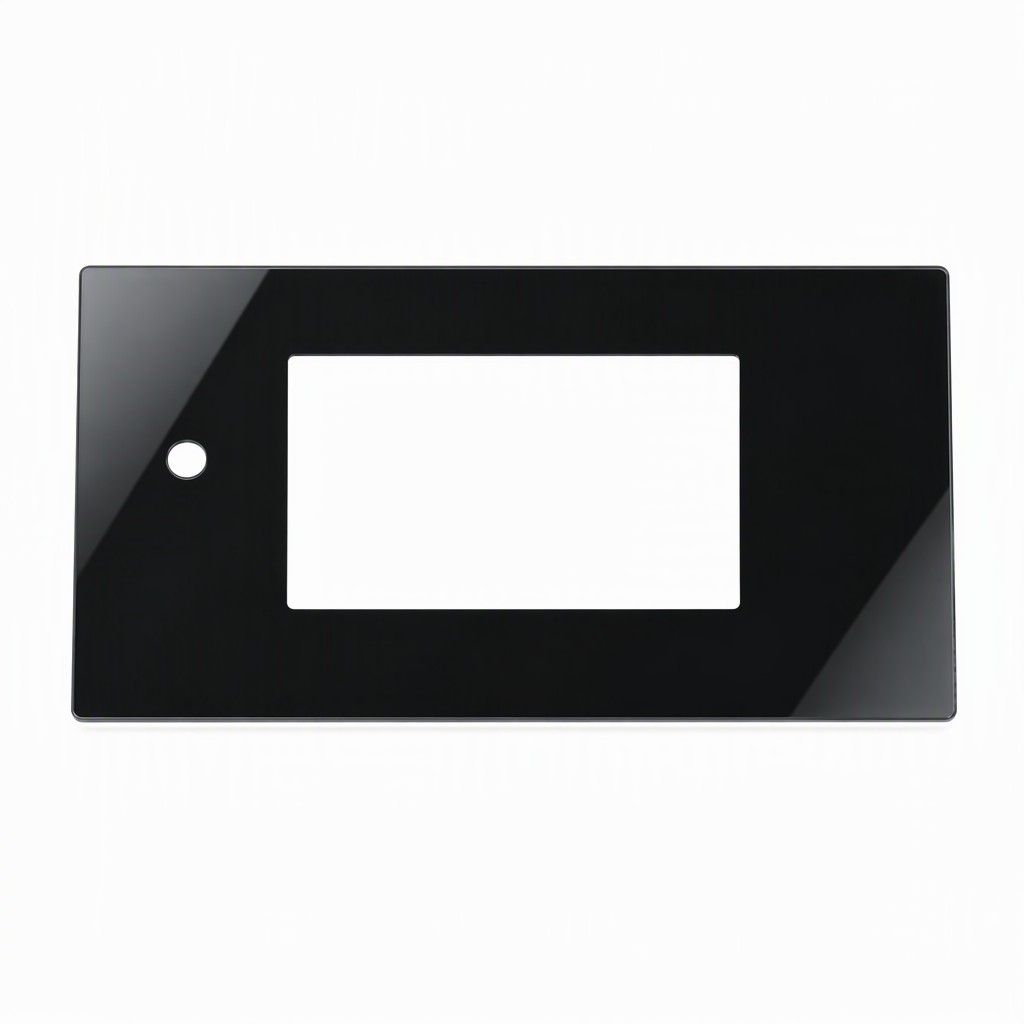
Gorilla Glass Display Protection Cover AR AF Coated LCD Touch Panel Digitizer Front Cover Glass for Industrial Medical Screens
Optical-grade front glass with anti-reflective and anti-fingerprint treatment for medical, analytical, industrial and high-brightness screen assemblies.
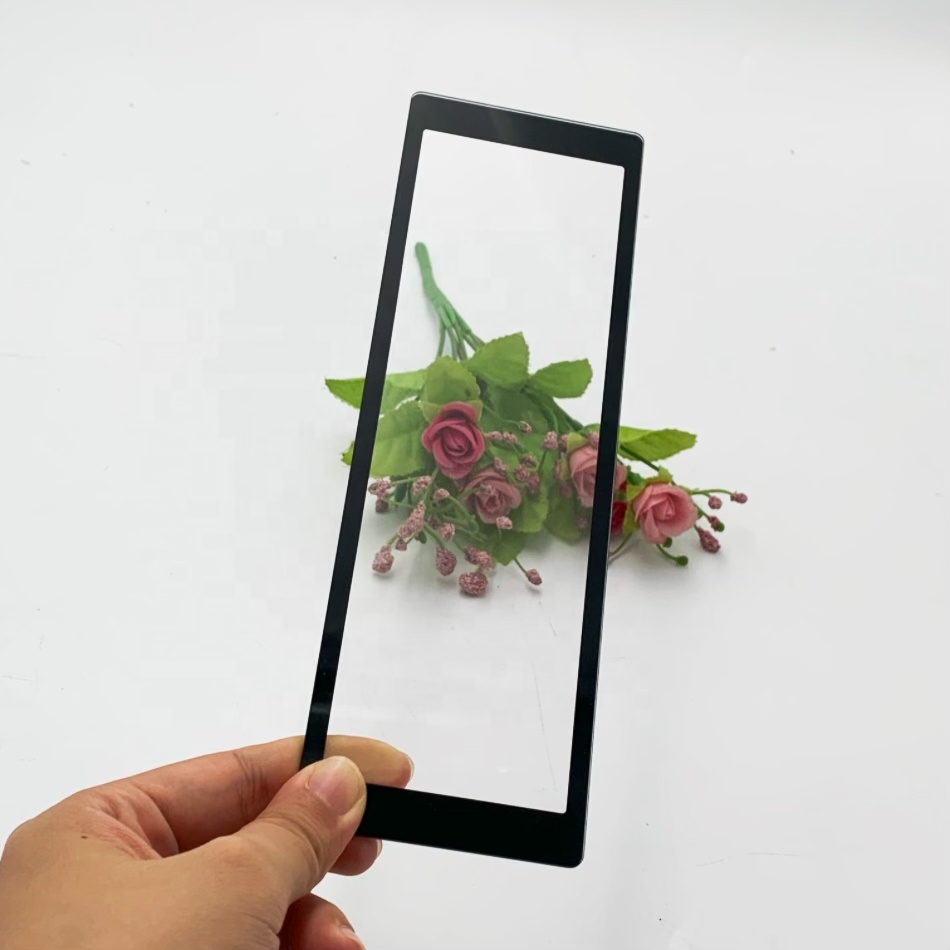
Custom Silk Screen Printed Tempered Glass Panel Touch Screen Display Cover Glass
Multi-colour printed cover glass with icons, borders, touch zones and logos for control panels, smart devices and equipment interfaces.
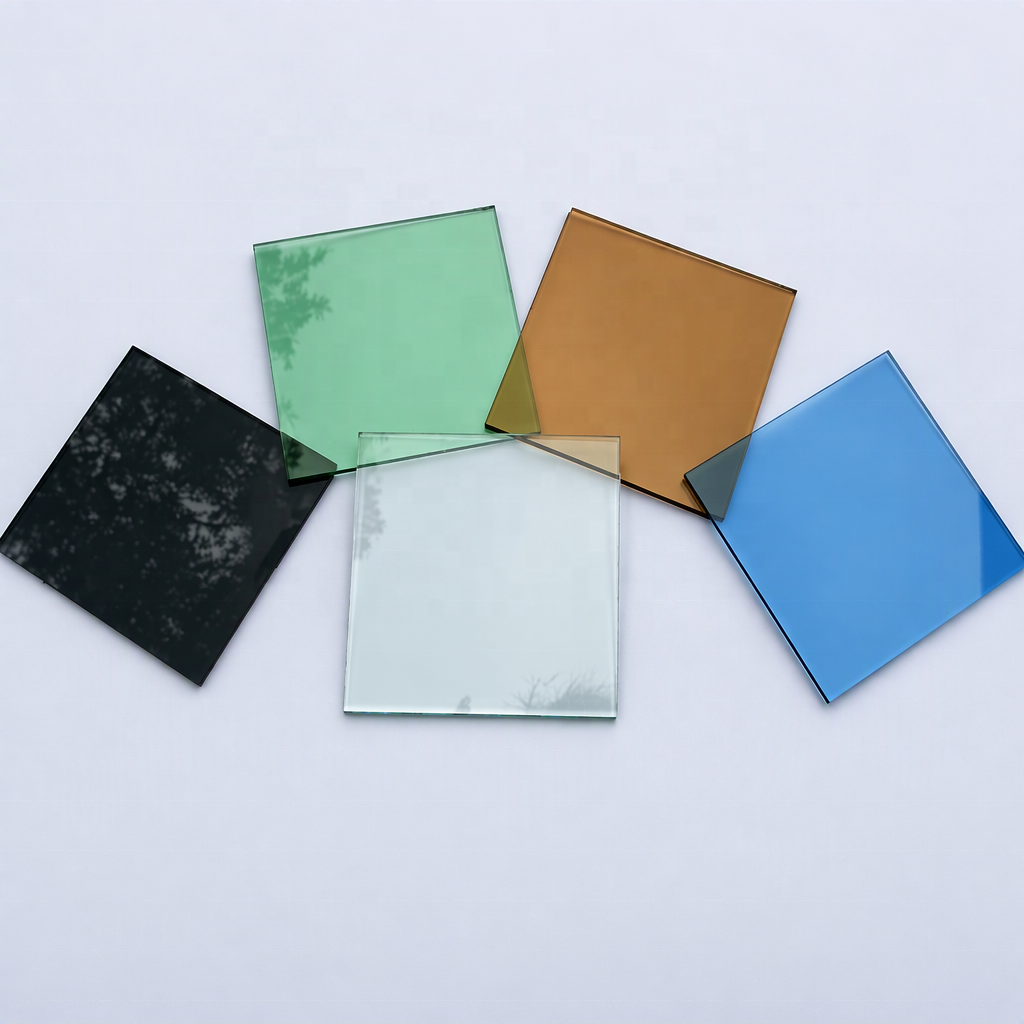
Customized Tinted Tempered Glass Flat Sheet 3mm to 10mm Reflective Colored Glass Toughened Glass
Decorative and functional tinted glass for appliance fronts, architectural accents, partitions and equipment covers with controlled colour consistency.
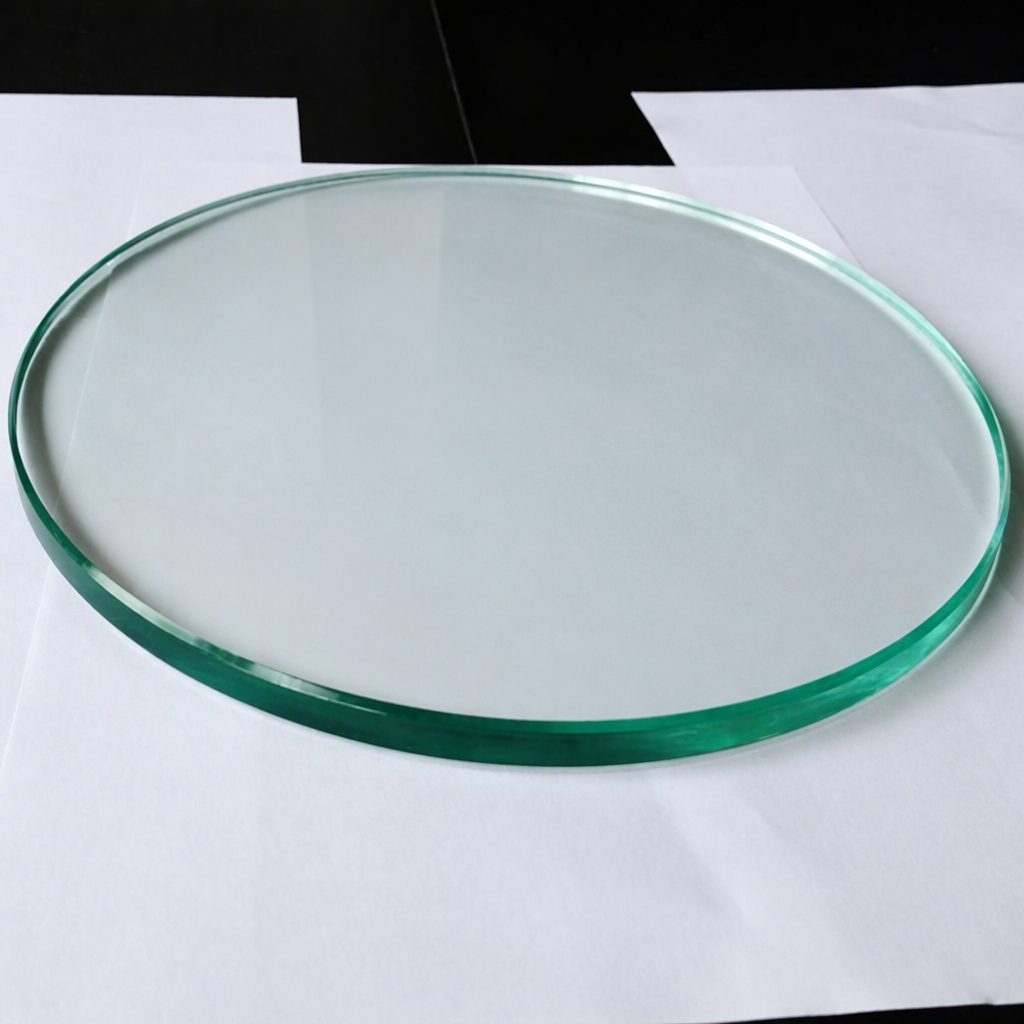
12mm Tempered Glass Round Tempered Glass Beveled Round Glass Pieces
Heavy-duty beveled round glass pieces for furniture, retail displays, industrial tables and design-led applications that require safe edges and strength.
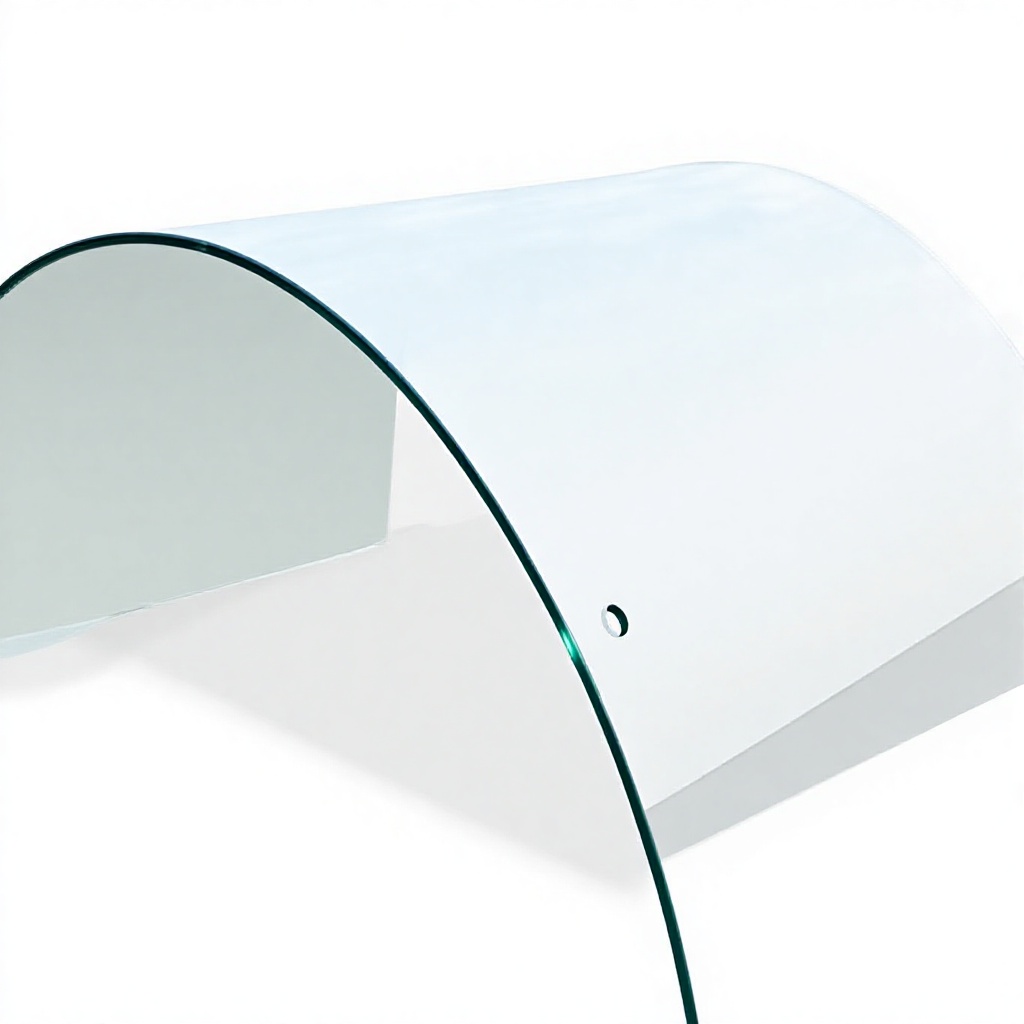
Custom Curtain Wall Glass Balcony Glass Tempered Glass Curved
Curved and flat tempered glass for balconies, curtain walls and interior architectural features where shape, safety and delivery planning converge.
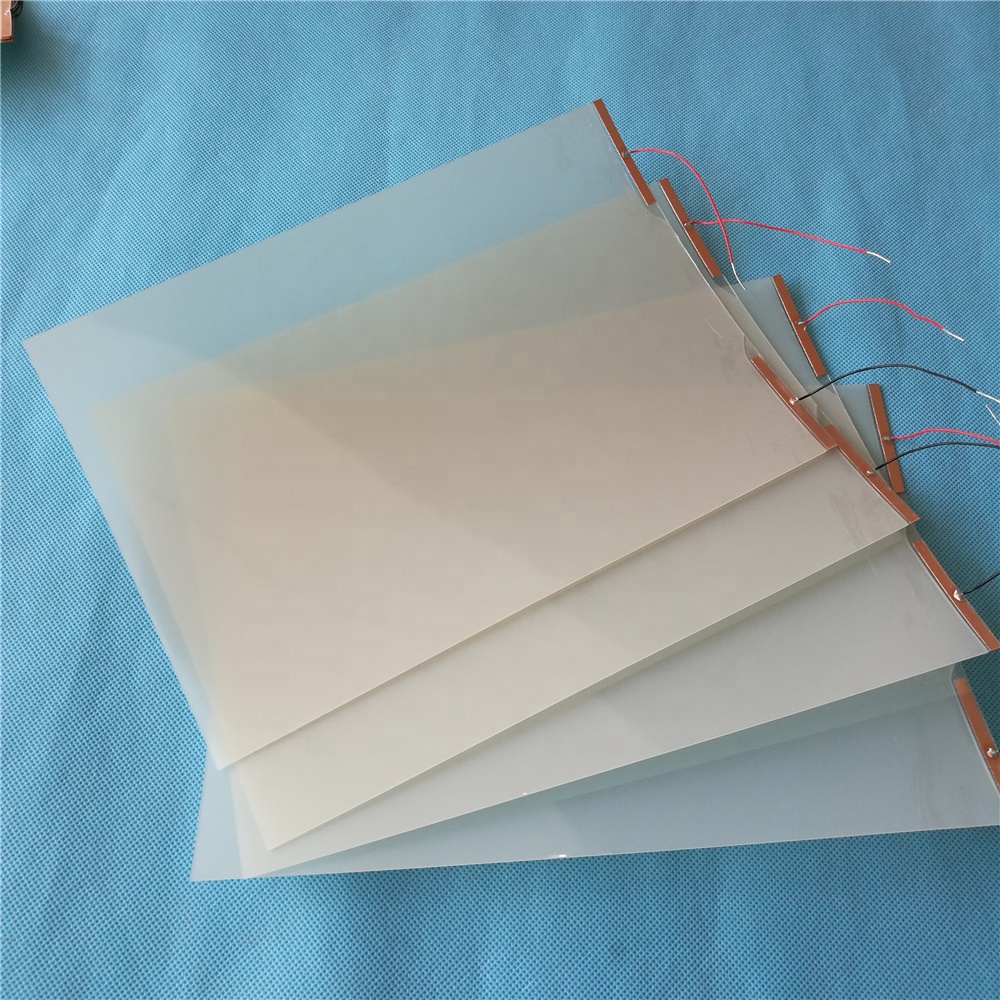
Factory Price Electrochromic Anti-UV PDLC Film Smart Switchable Privacy Glass Office Partition and Curtain Walls
Switchable privacy glass for offices, meeting rooms, clinics and premium interiors, combining laminated safety glass with dynamic film control.
Inside the 10-Point Cover Glass Factory Scorecard
A credible Top 10 list is not a popularity chart. It is a shortlist built from evidence. For cover glass factories and exporters, the difference between a real manufacturer and a trading intermediary usually appears in process depth, documentation and sample-to-production repeatability. The scorecard below is the practical filter global buyers should use before placing a custom order.
Certification traceability
ISO 9001, RoHS and CE claims should be supported by certificate numbers, scope and validity dates, not logo images alone.
In-house process chain
Cutting, CNC shaping, edging, drilling, printing, tempering and coating under one roof reduce hidden subcontracting risk.
Strengthening fit
Physical tempering and chemical strengthening solve different problems. The factory must recommend the right method for thickness and use.
Print accuracy
Icon alignment, ink adhesion, colour consistency and layer order are especially important for control panels and touch interfaces.
Coating consistency
AR, AG and AF coatings must be matched to the screen environment, viewing angle, cleaning regime and target optical performance.
Flatness and optics
Roller wave, surface haze, scratches and edge chips are visible in finished assemblies. Inspection criteria should be agreed before mass production.
Tolerance discipline
Hole position, notch shape, bevel width and outer dimensions determine whether the glass fits the housing without assembly stress.
Sample repeatability
A good sample is not enough. The factory must prove that production units will repeat the approved colour, print and fit.
Export packaging
Edge protection, interleaving, moisture control and carton strength matter as much as the glass itself for international delivery.
Engineering response
Fast, specific feedback on drawings, tolerances and change control is a reliable indicator of long-term supply quality.
Cover Glass Procurement Trends Reshaping Buyer Decisions in 2026–2030
Cover glass is no longer a commodity accessory. It is part of the user interface, the product safety envelope and the brand experience. That shift is changing how factories and exporters are evaluated.
Compliance-first sourcing
Procurement teams now ask for certificate scope, material declarations, RoHS evidence and traceability before approving a cover glass factory. Suppliers that cannot answer with documents lose credibility early.
Thin glass plus chemical strengthening
As devices become slimmer, 0.5–2 mm chemically strengthened cover glass is winning against thicker tempered glass where flatness, weight and optical quality matter.
AR, AG and AF as default specifications
Medical monitors, outdoor HMIs and industrial panels increasingly combine anti-reflective, anti-glare and anti-fingerprint performance in one cover glass stack.
Touch integration
Buyers want cover glass supplied with print, adhesive, optical bonding readiness and sensor-friendly flatness, not as a loose sheet that creates assembly problems later.
Smart glass and privacy demand
PDLC switchable glass and laminated privacy solutions are moving from showcase projects into offices, clinics and premium residential partitions.
Supply resilience
Single-source purchasing is giving way to documented dual-source planning. Exporters close to seaports, with stable packaging and repeatable QC, have an advantage.
Which Cover Glass Product Should You Specify?
The recommended start point depends on the assembly, the environment and the failure mode you are trying to prevent. The table below translates common buying intent into practical specification guidance.
| Product direction | Best-fit application | Critical specification focus | Procurement note |
|---|---|---|---|
| Ultra-thin silk-printed glass | Compact displays, touch modules, industrial HMI | Thickness, print alignment, flatness, edge quality | Chemical strengthening is often preferable for very thin parts. |
| Pressure-resistant viewing glass | Machine windows, workshop observation panels | Impact resistance, clarity, sealing edge, custom size | Confirm pressure and impact assumptions before choosing thickness. |
| AR/AF coated display cover | Medical screens, outdoor devices, analytical instruments | Reflectance target, AF durability, cleaning chemicals | Agree optical acceptance criteria under real lighting. |
| Custom printed touch cover | Control panels, smart devices, equipment interfaces | Icon registration, ink adhesion, touch-zone clarity | Send AI or PDF artwork with colour references. |
| Tinted reflective tempered glass | Appliance fronts, partitions, equipment covers | Colour batch consistency, reflectivity, safety tempering | Approve a physical colour sample, not only a screen image. |
| Thick beveled round glass | Furniture, retail display, industrial tables | Bevel width, edge safety, diameter tolerance, strength | Specify handling environment and load assumptions. |
| Curved architectural glass | Balconies, curtain walls, interior features | Curvature radius, tempering quality, installation tolerance | Plan logistics and site sequence before production release. |
| PDLC smart privacy glass | Office partitions, meeting rooms, clinics | Film lamination, busbar layout, haze, power supply | Clarify control method, voltage and glass build-up early. |
Product Development Trends Buyers Should Build Into Future RFQs
The next generation of cover glass sourcing will reward brands that specify optical performance, compliance evidence and assembly readiness at the design stage rather than correcting them after the first shipment.
Embedded touch, haptic-ready fronts
Cover glass will increasingly be engineered around sensor stacks and adhesive systems, with tighter flatness and print tolerances for seamless touch feedback.
Coating stacks for real environments
AR, AG and AF coatings will be specified by cleaning agents, lighting conditions and touch frequency, not by generic catalogue descriptions.
Decorative plus functional printing
A single panel will carry branding, backlit icons, sensor windows and hidden borders. Print layer order becomes part of product performance.
Smart switchable integration
PDLC and related privacy glass products will require closer coordination between glass processing, lamination, electrical layout and installation.
Larger, curved and safer formats
Architectural and appliance buyers will ask for larger panels and controlled curvature without compromising tempering safety or visual quality.
Documentation as a feature
Digital certificates, inspection reports and change logs will become part of the product package, especially for regulated industries.
Why Qingdao Maupe Glass Co., Ltd. Belongs on a Serious Cover Glass Shortlist
Qingdao Maupe Glass Co., Ltd. is a glass deep-processing manufacturer and international supplier established in 2012 in Qingdao, Shandong. Its advantage is not simply that it sells cover glass; it is that the process chain, export experience and documentation expected by OEM buyers are integrated into the factory workflow.
Certified quality system
The company operates an ISO 9001 quality management system, holds RoHS and CE certificates and has been onsite-assessed by SGS Group as a third-party inspection company.
Full process chain
Cutting, CNC shaping, edge polishing, drilling, engraving, silk screen printing, physical tempering, chemical strengthening and AR/AG/AF coating are handled as an integrated manufacturing sequence.
Export experience
The factory serves buyers in more than 80 countries across North and South America, Europe, Oceania, the Middle East, Africa and Asia, with 91–100% of output exported.
Custom engineering support
OEM and ODM service is supported by drawing review, sampling and manufacturability feedback, so buyers can resolve thickness, tolerance and print questions before mass production.
Production scale with flexibility
The operation includes 8 production lines and a 3,000–5,000 m² factory floor area, balancing repeat production with customization for application-specific cover glass.
Logistics close to the port
The factory is close to Qingdao seaport and airport, simplifying export logistics, sample dispatch and buyer audits while supporting FOB, CIF, DDP and express delivery options.
Quality management system
Certificate No. 24025Q20015R1S. Scope covers float glass and technical glass products, supporting structured incoming material and finished product inspection.
Restricted substances compliance
Certificate No. 25TYT12395. The certificate supports EU electrical and electronic equipment requirements and helps buyers reduce compliance risk.
European market access
Certificate No. 23TYT082593S for tempered glass. This documentation assists European buyers with market access and supplier qualification.
Cover Glass Factories & Exporters: Common Procurement Questions
These are the questions that most often decide whether a quotation moves to sampling, auditing and purchase order approval.
What is the minimum order quantity for custom printed tempered glass?
Most custom silk screen printed panels start from 10 to 100 pieces depending on size, thickness and number of print colours. Large-format display cover glass can start from 10 pieces, while small precision parts may require a higher batch for efficient printing and inspection.
Should I choose physical tempered glass or chemically strengthened glass?
Physical tempering usually suits glass around 2 mm and thicker, such as appliance doors, switch panels and display windows. Chemical strengthening is often better for thin glass from 0.5 mm to 2 mm, touch covers and parts that need excellent flatness and optical quality.
Which certifications should a cover glass factory provide?
At minimum, buyers should verify ISO 9001 certification, RoHS documentation and CE where applicable. Qingdao Maupe Glass Co., Ltd. holds ISO 9001, RoHS and CE certificates and has been onsite-assessed by SGS Group as a third-party inspection company.
What files are needed to start a custom glass project?
Send a 2D drawing in DWG, DXF or PDF with dimensions, thickness, edge finish, hole positions and tolerance, plus AI or PDF print artwork with colour references. Also state AR, AG or AF coating requirements and the intended operating environment.
Which trade and payment terms are accepted?
Common delivery terms include FOB, CIF, EXW, FAS, FCA, CPT, DDP, DDU and express delivery. Accepted payments include T/T, L/C, PayPal, Western Union and cash, in USD, EUR or CNY, subject to order value and destination.
Can the factory handle both flat and curved glass?
Yes. Product development should define the curvature radius, installation tolerance and strength method early. Curved architectural or appliance glass requires different production and logistics planning from flat cover glass panels.
How should buyers verify print and coating quality?
Approve a physical sample under the same lighting conditions as the final product. Check icon alignment, colour, ink adhesion, reflectance, haze and AF durability against the agreed drawing and inspection standard before releasing mass production.
What is the most effective way to compare exporters?
Ask for evidence, not promises: certificate numbers, process photos, sample records, inspection standards and references to similar applications. A factory that answers technical questions with specific data is usually a safer long-term partner than one that only competes on price.
A Practical Shortlisting Process for Your Next Cover Glass RFQ
Define the failure mode
Clarify whether the priority is impact resistance, optical clarity, print durability, privacy control or cost efficiency.
Send a complete drawing
Include outline, thickness, holes, edge profile, tolerance, artwork and coating requirements in one technical package.
Request evidence and samples
Check certificates, process capability and sample repeatability before comparing final quotations.
Lock inspection criteria
Agree appearance limits, optical targets, packing method and approval workflow before mass production begins.
The strongest cover glass factories and exporters are not the ones with the largest catalogue; they are the ones that can prove process control, explain trade-offs and repeat the approved sample in production. For buyers sourcing silk-screen printed tempered glass, AR/AG/AF coated display covers, appliance panels or smart switchable glass, that evidence-based approach reduces rework, inspection disputes and late-stage assembly surprises.
If you are evaluating a supplier for an upcoming programme, share your drawing, target volume, operating environment and compliance requirements. An engineering review can identify whether physical tempering, chemical strengthening, coating, printing or a different glass build-up is the better route before the RFQ stage becomes expensive.
Have a Drawing Ready? Get a Manufacturability Review.
Send your specifications, artwork and target application. The inquiry team can route your project to the appropriate cover glass manufacturing and export process.