8 High-Demand Flat Glass Products for OEM Procurement
These eight product families cover the most common flat glass sourcing requests: tempered panels, printed cover glass, display protection glass, solar window glass, curtain wall panels and heat-resistant applications. Every item can be customized by size, thickness, edge finish, printing, coating and packing.

Tempered Glass Lazy Susan 50cm 60cm 70cm 90cm Lazy Susan Turntable Strengthened Glass
Round tempered glass turntable panels with polished edges for furniture, dining and display applications.
View product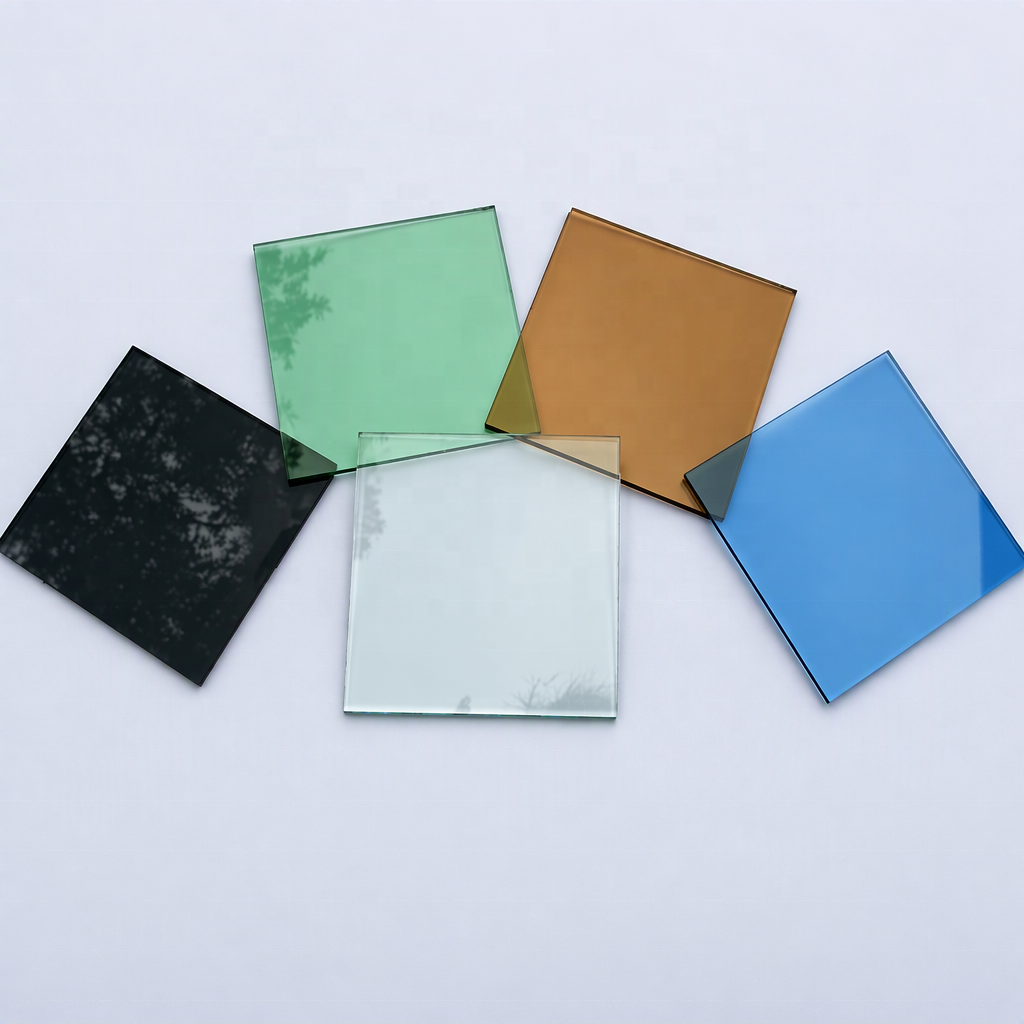
Customized Tinted Tempered Glass Flat Sheet 3mm to 10mm Reflective Colored Glass Toughened Glass
Tinted and reflective flat glass for facades, partitions, appliances and design-led interior products.
View product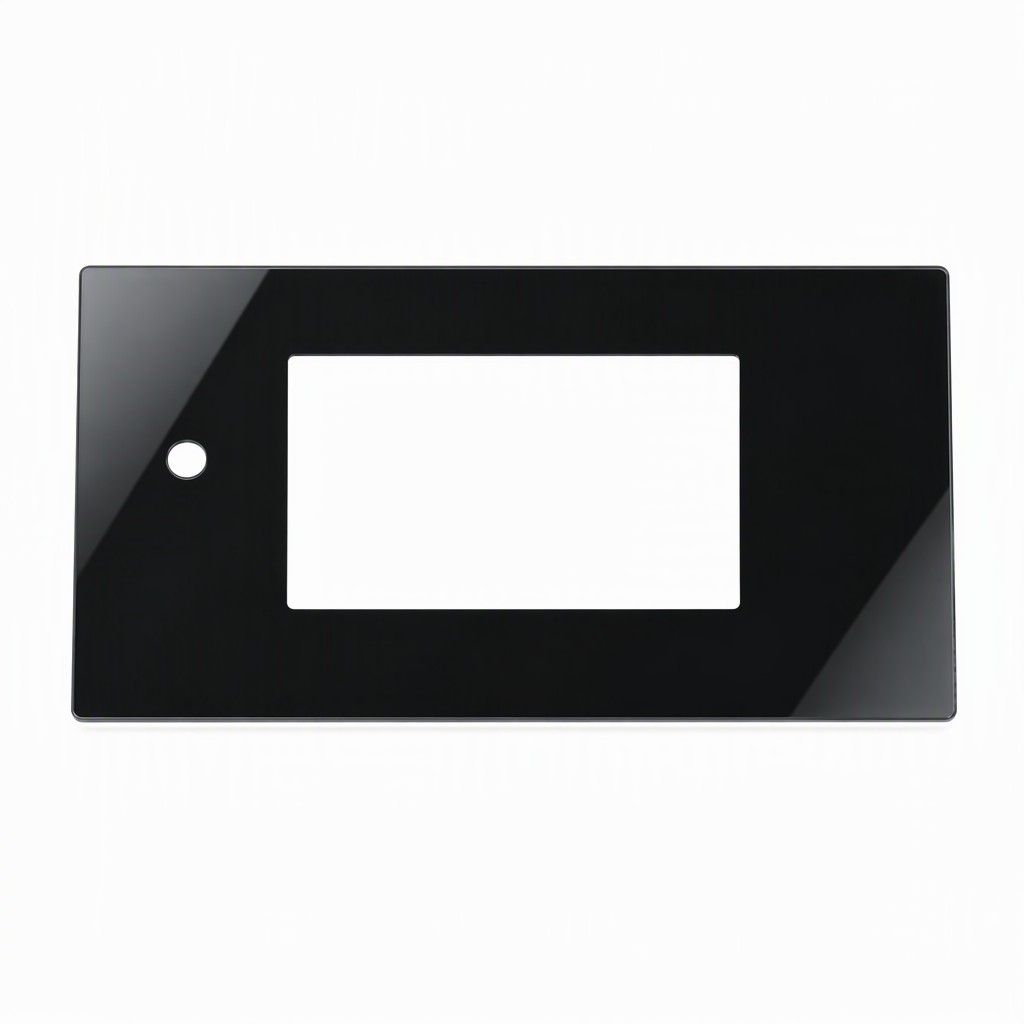
Gorilla Glass Display Protection Cover AR AF Coated LCD Touch Panel Digitizer Front Cover Glass for Industrial Medical Screens
AR and AF coated cover glass for industrial, medical and touch display screens requiring low reflection.
View product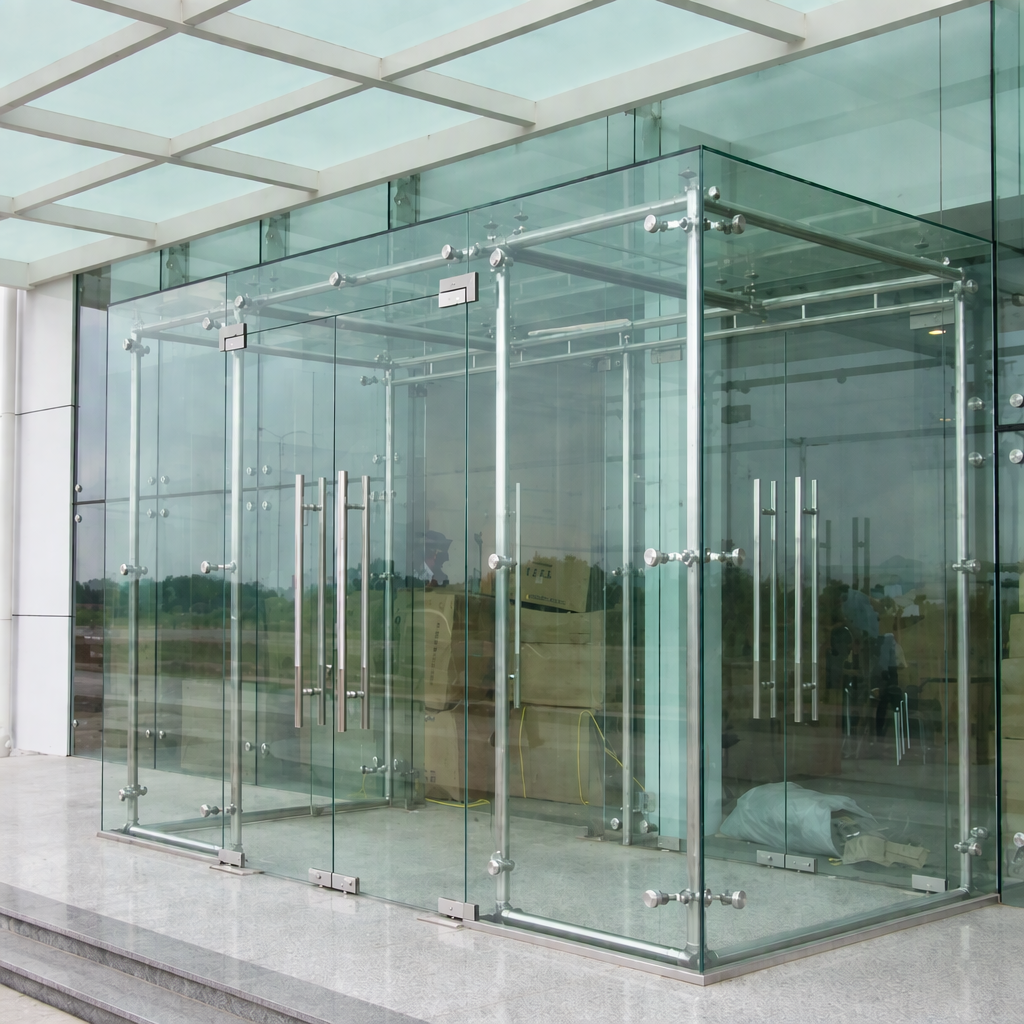
Tempered Glass Solar Window Glass High Transmittance Clear Flat Tempered Glass
High-transmittance flat solar glass for solar modules, windows and energy-related equipment.
View product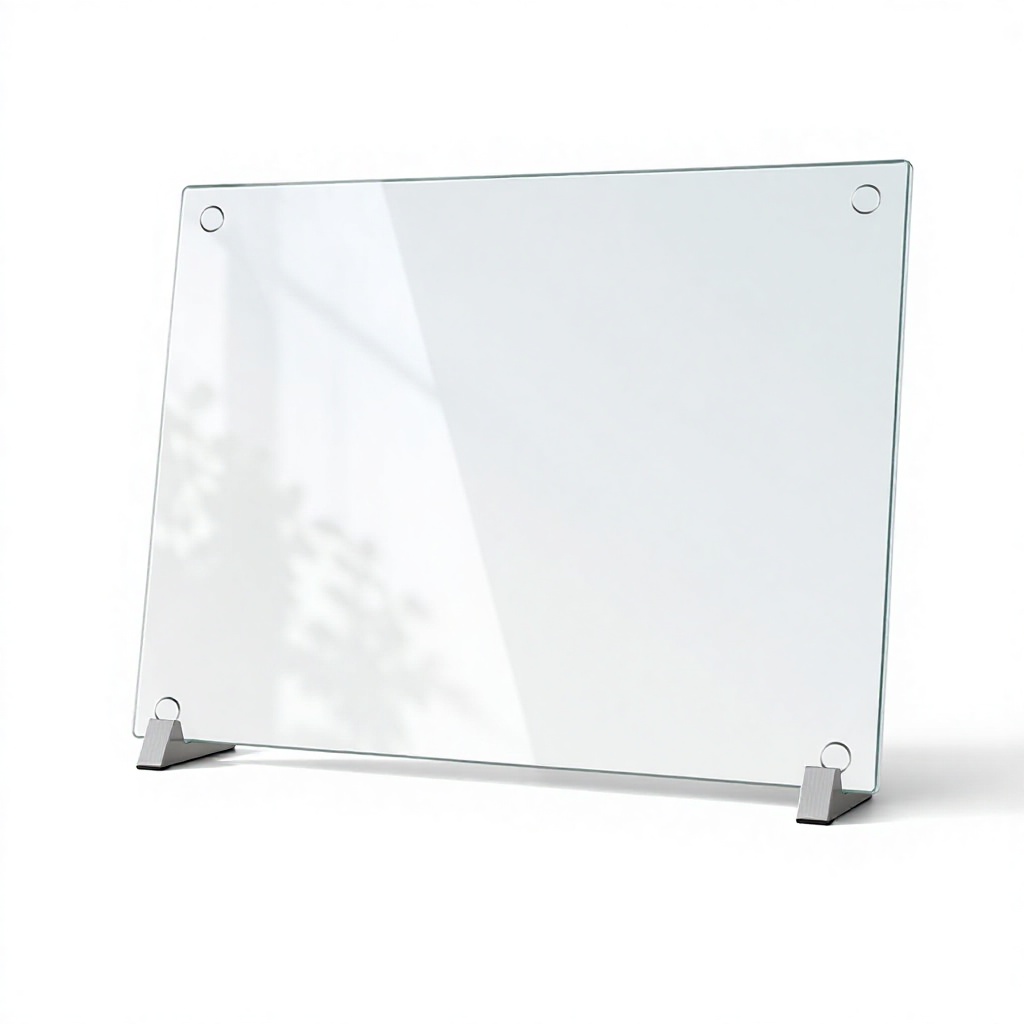
Custom Size Clear Tempered Glass Curtain Wall Panel Multi Function Print Glass Whiteboard Glass
Large-format clear tempered glass for curtain walls, whiteboards, partitions and printed architectural uses.
View product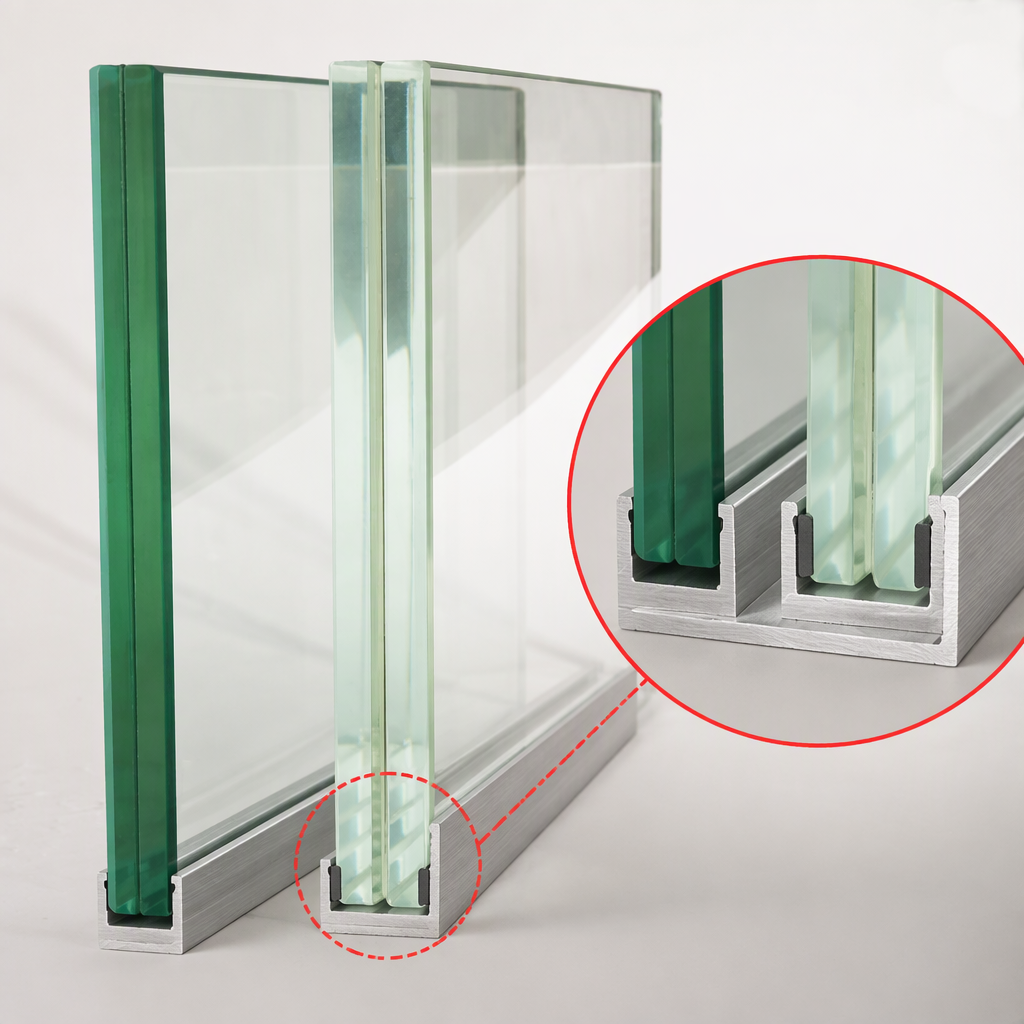
Tempered Glass Flat Solid Tempered Glass Panel Customized Thickness and Size
General-purpose flat tempered glass panels customized by drawing, edge profile and tolerances.
View product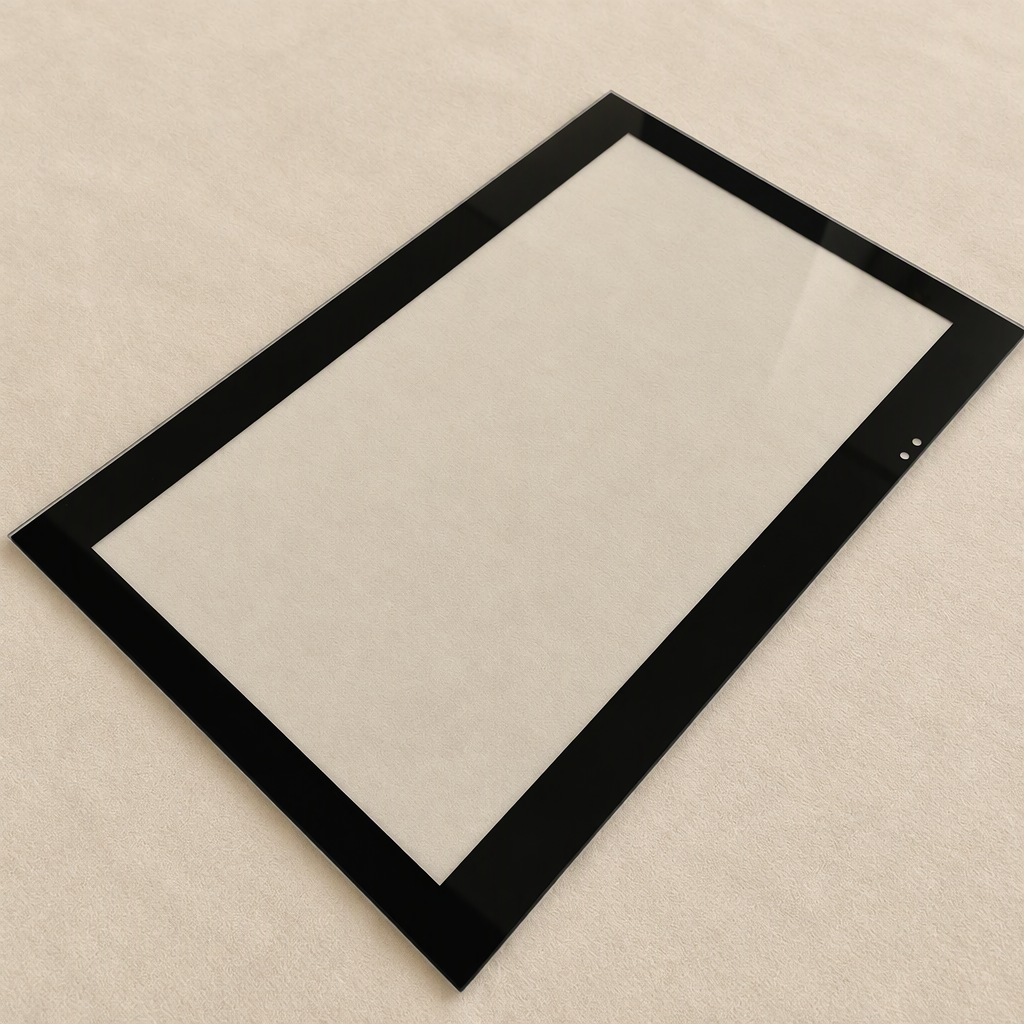
Tempered Glass Panel Silk Screen Printed Flat Display Screen Protector Glass for LCD TV Industrial Decoration
Printed flat glass panels with durable ink, precise icon windows and color matching for control equipment.
View product
Tempered Glass Flat Solid Glass Panels Heat-resistant Tempered Glass for Various Application
Heat-resistant tempered glass for cooktops, ovens, appliances and high-temperature industrial equipment.
View productTop 10 Flat Glass Supplier & Exporter: A Buyer’s Guide Built Around Production Reality
Flat glass looks like a simple commodity until a shipment arrives with edge chipping, inconsistent printed colors, coating haze, roller wave beyond specification, or packaging losses that turn a low quotation into a high total cost. For OEM buyers, the real question is not “Who offers the lowest price per square meter?” but “Which supplier can repeat the same result across lots, certifications, applications and destination markets?”
This guide is written from the production and export perspective of Qingdao Maupe Glass Co., Ltd., an ISO 9001 certified glass deep-processing manufacturer established in 2012. The factory has exported to more than 80 countries, operates 8 production lines and supports OEM/ODM buyers with cutting, CNC shaping, edge polishing, drilling, engraving, silk screen printing, physical tempering, chemical strengthening and AR/AG/AF coating. That production view matters because a flat glass supplier is only as reliable as its weakest process step.
The Top 10 Flat Glass Supplier & Exporter shortlist should therefore be built around evidence, not presentation. Verify raw material grade, in-house strengthening, print durability, coating performance, inspection records, export packing and engineering communication. The following sections provide a practical evaluation framework, product recommendations, procurement trends and product development trends for 2025–2030.
What “Flat Glass” Really Means in OEM Procurement
In sourcing language, flat glass is the base material. In manufacturing language, it is the starting point for a finished functional part. A buyer may request “tempered flat glass,” but the actual product might require printed borders, transparent windows, touch zones, AR anti-reflective coating, AG anti-glare etching, AF anti-fingerprint treatment, heat-resistant ink, CNC holes, countersinks, safety corners and custom export packing.
This is why two suppliers can quote the same drawing and still deliver very different results. The difference is usually not the glass sheet itself; it is the control of downstream processes. A supplier that only cuts and tempers cannot solve a coating or print adhesion problem. A supplier that prints but does not control flatness may cause assembly gaps. A supplier that cannot manage export packing may deliver perfect panels that arrive with broken corners.
| Product family | Typical buyer requirement | Supplier verification point |
|---|---|---|
| Tempered flat glass panels | Impact resistance, heat resistance, safety breakage, flatness | In-house tempering furnace, fragment test, roller wave control and edge quality |
| Printed cover glass | Color accuracy, icon alignment, scratch resistance, backlight windows | Ink type, screen preparation, color master sample, adhesion and wear testing |
| AR/AG/AF display glass | Low reflection, anti-glare readability, fingerprint resistance | Coating line, transmission and haze data, abrasion test and visual inspection standard |
| Solar and high-transmittance glass | Clarity, transmittance, durability and size consistency | Glass grade, tempering quality, edge sealing and light transmission records |
| Large-format curtain wall glass | Flatness, dimensional accuracy, safety and packing | Large-table processing, lifting control, interleaving and export crate design |
| Heat-resistant appliance glass | High-temperature ink, thermal shock resistance and safety | High-temperature printing, tempering control and application-specific testing |
Top 10 Flat Glass Supplier & Exporter Evaluation Criteria
A credible shortlist should include suppliers that can demonstrate capability, not merely claim it. Use these ten criteria during supplier discovery, sample approval and factory audit. Each criterion maps to a real failure mode that buyers encounter in flat glass purchasing.
Material traceability
Confirm glass grade, thickness tolerance, source sheet quality and batch identification. Ask how clear, ultra-clear, tinted and high-alumina glass are separated in storage and production.
In-house strengthening
Physical tempering and chemical strengthening are different processes. Verify the supplier can recommend the right method for your thickness, application and breakage requirement.
CNC precision
Check cutting, CNC shaping, drilling, countersinking and edge polishing capability. Poor edge quality becomes a safety issue and a cosmetic defect after tempering.
Silk-screen printing
Ask about high-temperature and low-temperature inks, multi-color registration, icon clarity, color matching and scratch-resistant finish for touch interfaces.
AR/AG/AF coating
For display glass, request transmission, reflection and haze targets, plus abrasion and cleaning durability. Coating performance should be measured, not judged by appearance only.
Inspection discipline
Look for incoming material inspection, in-process checks and finished product inspection. A written AQL or visual standard prevents disputes over bubbles, scratches and print defects.
Certifications
ISO 9001, RoHS and CE evidence should be verifiable by certificate number and scope. Third-party onsite assessment, such as SGS verification, adds further confidence.
Export packing
Flat glass is vulnerable at corners and edges. Confirm interleaving paper, foam protection, corner guards, moisture control, crate strength and container loading plan.
OEM engineering support
A good supplier reviews drawings for manufacturability before quoting. It should flag tolerance conflicts, edge stress risks, print registration limits and coating constraints early.
Total cost and risk
Compare yield, packing loss, inspection cost, communication speed and lead-time reliability. The lowest unit price is not the lowest total cost if production stops or a shipment fails.
Flat Glass Product Development Trends 2025–2030
Flat glass is moving from passive protection toward integrated function. Buyers are asking for thinner cover glass, larger formats, better optical performance and more printed intelligence on the panel surface. The following product development trends are especially relevant for OEM sourcing plans.
Thin chemically strengthened glass
Touch panels, small electronics and optical windows increasingly use 0.5–2 mm chemically strengthened glass where flatness, clarity and strength matter more than thickness.
Large-format display protection
43-inch to 55-inch and larger protective glass requires stable processing, controlled flatness and export packing designed for long-distance handling.
Multi-functional coatings
AR, AG and AF are increasingly combined on one panel. Buyers expect measurable optical performance plus resistance to cleaning, friction and industrial environments.
Heat-resistant appliance glass
Cooktops, ovens, range hoods and microwave doors continue to demand high-temperature inks, reliable tempering and safety breakage patterns.
Switchable privacy glass
PDLC smart film glass is gaining ground in office partitions, meeting rooms and residential interiors where privacy can be controlled electrically.
Decorative functional glass
Tinted, reflective, printed and textured flat glass is being specified not only for appearance but for durability, cleanability and brand consistency.
Flat Glass Procurement Trends Buyers Are Acting On Now
Fewer approved suppliers, deeper control
Buyers are consolidating from many low-cost suppliers to a smaller group with verified process control. This reduces inspection variation and improves long-term engineering communication.
Performance-based specifications
Purchase orders are moving beyond dimensions to include transmittance, haze, adhesion, thermal resistance, breakage patterns and inspection standards.
Low-MOQ validation
Brands need fast samples and small pilot runs before committing to volume. Suppliers offering 10–100 piece starts for many custom panels have an advantage.
Compliance documentation
RoHS, CE and ISO evidence is now a routine procurement request. Buyers want certificate numbers, validity dates and scope clarity before approval.
Port-adjacent logistics
Factories near major seaports and airports can shorten sample dispatch, consolidate export cargo and respond faster to urgent replacement orders.
Supplier-led design for manufacturability
The best suppliers challenge drawings early. They identify unnecessary tolerance, risky edge details, print registration limits and coating requirements before tooling begins.
Why Qingdao Maupe Glass Co., Ltd. Belongs on a Serious Flat Glass Shortlist
For buyers evaluating a Top 10 Flat Glass Supplier & Exporter list, the strongest supplier is the one that can connect engineering, production, inspection, compliance and export logistics in one controlled workflow.
ISO 9001 quality system
Certificate No. 24025Q20015R1S supports a documented quality management approach for float glass and technical glass products.
8 production lines
Cutting, polishing, drilling, printing, tempering, chemical strengthening and coating are coordinated under one factory roof.
80+ export countries
Experience across North and South America, Europe, Oceania, the Middle East, Africa and Asia supports practical export documentation and packing.
OEM / ODM support
More than 10 years of OEM experience, with drawing review, sampling, color matching, custom printing and production consistency checks.



Qingdao Maupe Glass Co., Ltd. was founded in 2012 in Qingdao, Shandong, and operates as a glass deep-processing manufacturer and international supplier. The factory floor area is approximately 3,000–5,000 m², with 8 production lines and an export share of output between 91% and 100%. That export focus is important because it means packaging, documentation and communication are not afterthoughts; they are part of daily production planning.
The company is also positioned close to Qingdao seaport and airport, which simplifies sample dispatch, buyer visits and export logistics. The factory has been onsite-assessed by SGS Group as a third-party inspection company and is recorded as a supplier to a Fortune 500 procurement contract. For buyers who need to defend a sourcing decision internally, these are useful trust signals alongside certificate numbers and product inspection records.
Core processes include precision cutting, CNC shaping, edge polishing, drilling, engraving, silk screen printing, physical tempering, chemical strengthening and AR/AG/AF coating. This matters for flat glass buyers because it keeps tolerance, color, flatness and surface performance traceable from raw sheet to packed carton. When a problem appears, the supplier can investigate the actual process step instead of guessing between outsourced vendors.
ISO 9001
Certificate No. 24025Q20015R1S · Scope: float glass and technical glass products · Valid to 02/2028.
RoHS
Certificate No. 25TYT12395 · Restricts hazardous substances for EU electrical and electronic equipment · Valid to 12/2030.
CE
Certificate No. 23TYT082593S · Tempered glass · Supports market access across the European Economic Area · Valid to 08/2028.
From Drawing to Delivery: A Five-Step Flat Glass Workflow
A reliable flat glass supplier should make the process visible. The following workflow reduces ambiguity between purchasing, engineering and quality teams.
Drawing review
Engineers check manufacturability, tolerance, edge stress, strengthening method and coating feasibility.
Sampling
Print screens, samples and color proofs are prepared for fit, appearance and touch verification.
Mass production
Cutting, edging, drilling, printing, tempering and coating are controlled under one production plan.
Inspection
Incoming material and finished product checks cover dimensions, appearance, print quality and packing.
Export shipping
Protective packing and export documentation are prepared for Qingdao port or airport dispatch.
Flat Glass Purchasing FAQ
What is the minimum order quantity for custom printed tempered glass?
Most custom silk screen printed panels start from 10 to 100 pieces depending on size, thickness and number of print colors. Large-size display cover glass can start from 10 pieces. Samples are available for fit and print verification before mass production.
Should I choose physical tempered glass or chemically strengthened glass?
Physical thermal tempering suits glass typically 2 mm and thicker, such as appliance doors, switch panels and display windows, and breaks into small blunt fragments. Chemical strengthening suits thin glass from 0.5 mm to 2 mm, touch covers and parts that need excellent flatness and optical quality.
What files are needed to start a custom glass project?
Send a 2D drawing in DWG, DXF or PDF with dimensions, thickness, edge finish, hole positions and tolerance. Add print artwork in AI or PDF with color references, and state coating requirements such as AR, AG or AF plus the intended application.
Which certifications should a flat glass supplier provide?
Look for ISO 9001, RoHS and CE evidence where applicable. Verify certificate numbers, validity dates and product scope. Third-party onsite assessment, such as SGS verification, adds confidence in factory capability and export readiness.
Which trade and payment terms are accepted?
Accepted delivery terms include FOB, CIF, EXW, FAS, FCA, CPT, DDP, DDU and express delivery. Accepted payments include T/T, L/C, PayPal, Western Union and cash, in USD, EUR or CNY.
How are large flat glass panels packed for export?
Large panels require edge protection, interleaving material, corner guards, moisture control and reinforced crates. The loading plan should prevent movement inside the container and reduce breakage risk during transshipment.
Can one panel combine printing, tempering and AR/AG/AF coating?
Yes, many projects combine printed borders, tempered glass and optical coating. The sequence must be engineered correctly because printing, tempering and coating can affect each other. Early drawing review prevents coating over print or tempering after incompatible processing.
How can buyers control color matching on printed glass?
Approve a master color sample and print proof before mass production. Confirm ink type, lighting condition, substrate color and whether the panel will be backlit. High-temperature and low-temperature inks can behave differently, so application testing matters.
How to Build a More Defensible Flat Glass Supplier Shortlist
The strongest Top 10 Flat Glass Supplier & Exporter list is not the one copied from a directory. It is the one built around your drawings, your market requirements and your risk tolerance. Start with suppliers that can show process evidence: tempering capability, print control, coating measurement, inspection records and export packing standards. Then compare total cost, communication speed and engineering feedback.
For OEM buyers, the best supplier often becomes a development partner. It reviews drawings before quoting, recommends the right glass thickness and strengthening method, flags tolerance conflicts and proposes packing improvements. That partnership reduces rework and protects launch schedules long after the first order is shipped.
Qingdao Maupe Glass Co., Ltd. supports global buyers with custom flat glass, tempered glass, printed cover glass, AR/AG/AF coated display glass and heat-resistant appliance glass. Share your drawing, target volume and destination market, and the engineering team can review manufacturability and guide the next sampling step.
Send Your Flat Glass Drawing for a Manufacturability Review
Include outline dimensions, thickness, edge finish, print artwork, coating requirements, application environment and annual volume. Our team will confirm feasibility and the quotation path.
Email: info@maupeglass.com · Qingdao, Shandong, China · ISO 9001 · RoHS · CE · SGS onsite assessed