8 Engineered Glass Products for Quartz-Adjacent and Precision Assemblies
The eight product families below are custom technical-glass products from Maupe’s production range. They are relevant to OEMs that pair fused quartz or high-purity silica components with printed cover glass, optical windows, smart privacy glass, architectural glass and industrial touch interfaces.
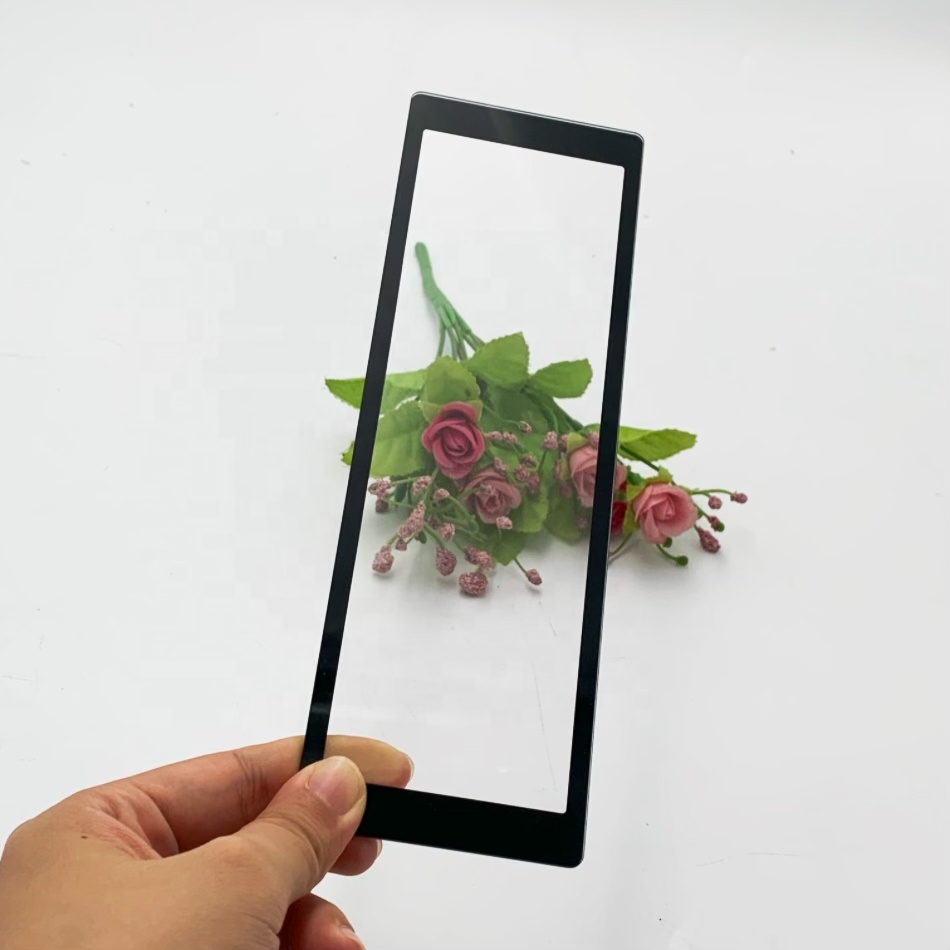
Custom Silk Screen Printed Tempered Glass Panel Touch Screen Display Cover Glass
Printed decorative borders, touch-zone graphics and durable cover glass for display and control interfaces.
View product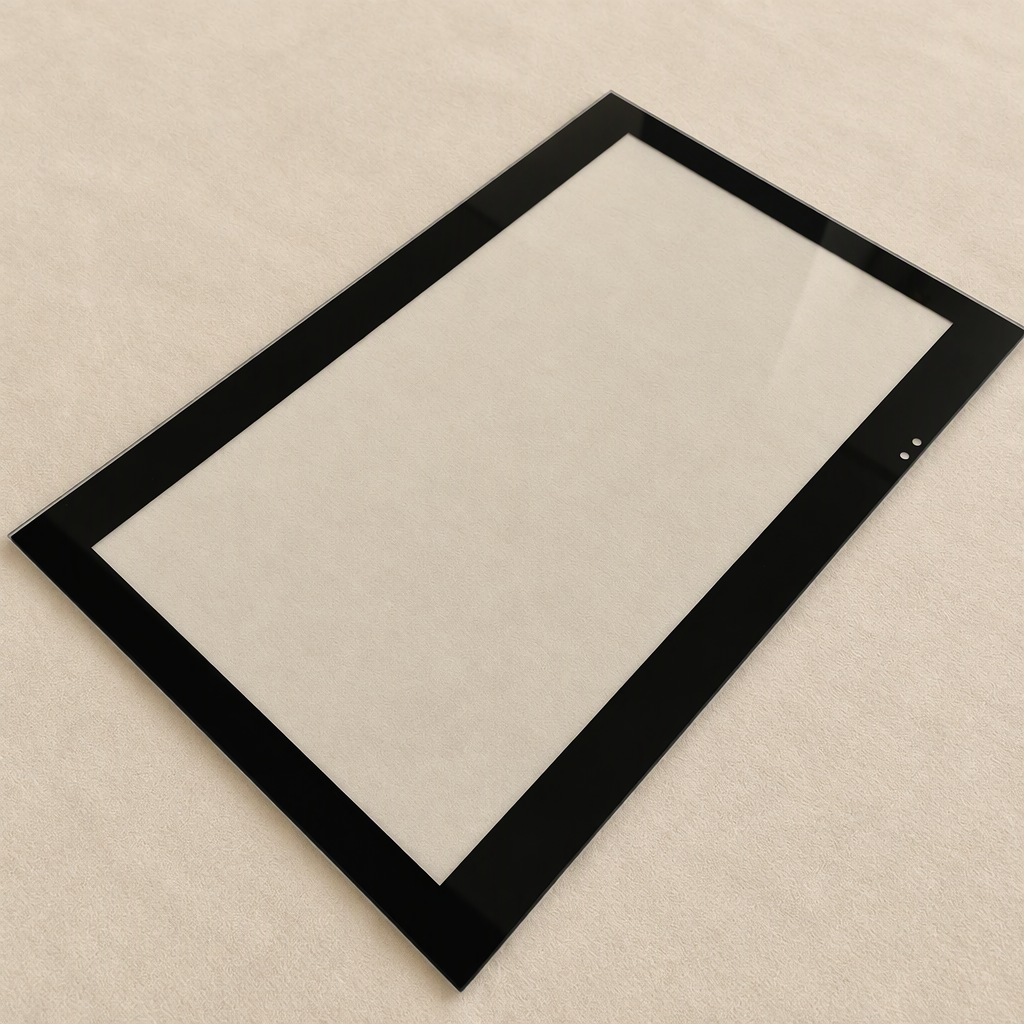
Tempered Glass Panel Silk Screen Printed Flat Display Screen Protector Glass for LCD TV Industrial Decoration
Flat protective glass for LCD TV, industrial displays and decorative control surfaces with custom print.
View product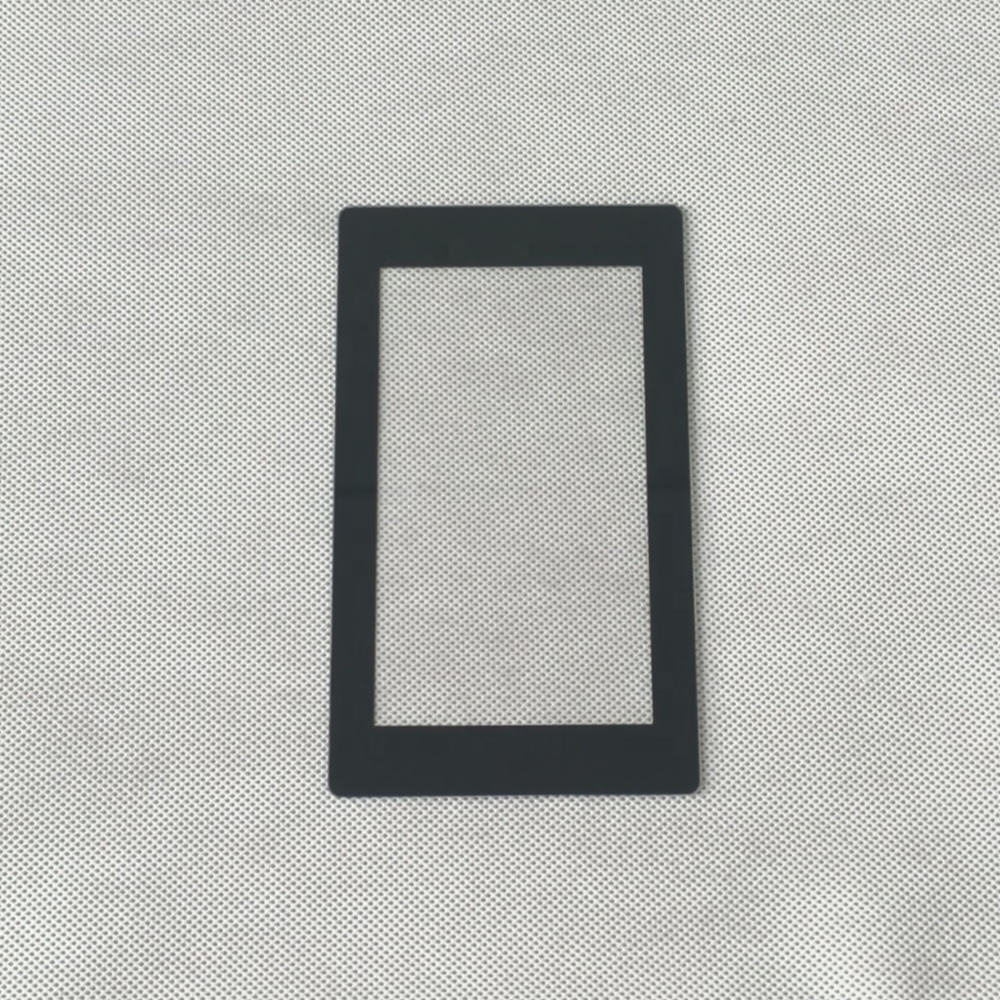
Silk Screen Printed Tempered Glass Panel Self Adhesive Display Cover Glass Flat Electronic Product Glass Screen Protector
Self-adhesive cover glass for electronic devices, touch screens and flat display assemblies.
View product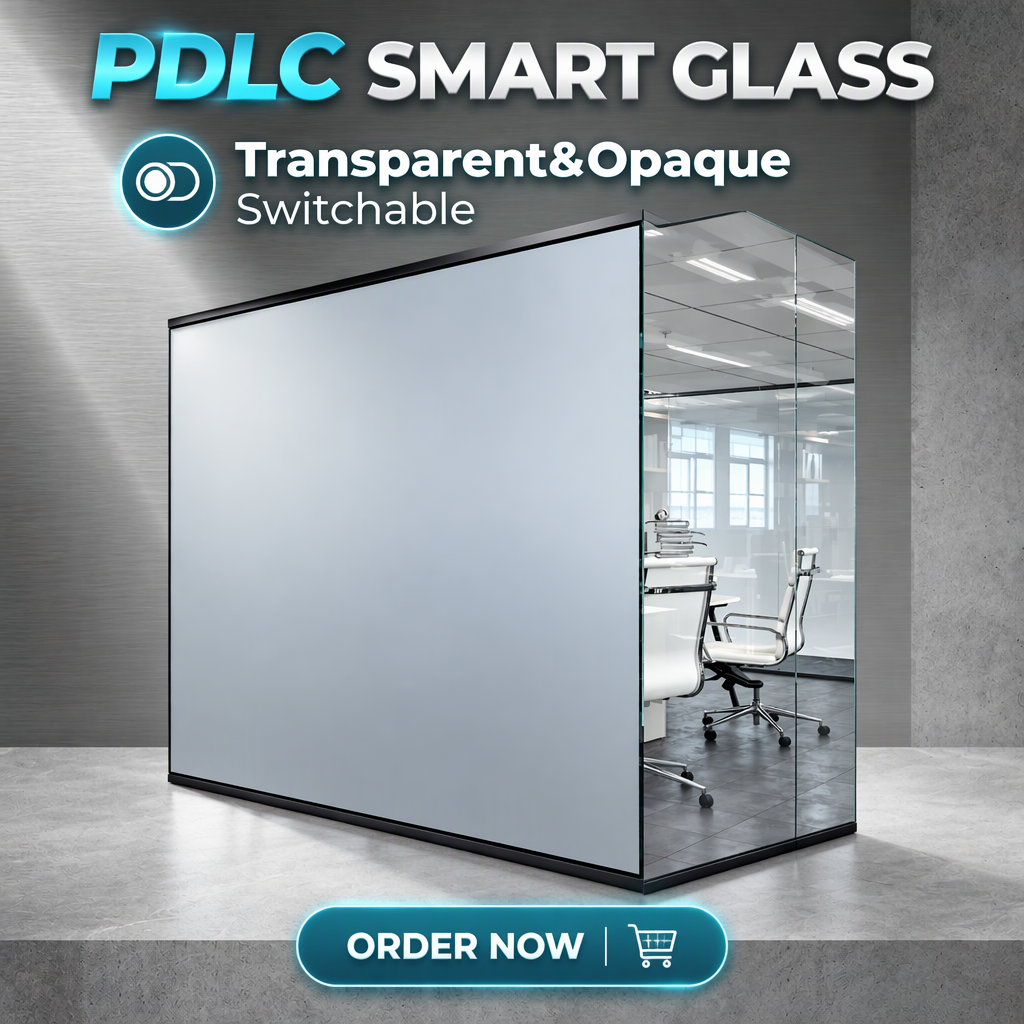
PDLC Smart Film Smart Glass Privacy Film Electrically Transparent Dimmable Glass
Switchable privacy glass for offices, partitions and controlled-light architectural applications.
View product
Glass Factory Customized High Quality Transparent Display Touch Screen Glass Silk Screen 9H Hardness Industrial Screen Protector
Hardened display protection with high light transmission and custom-printed industrial touch zones.
View product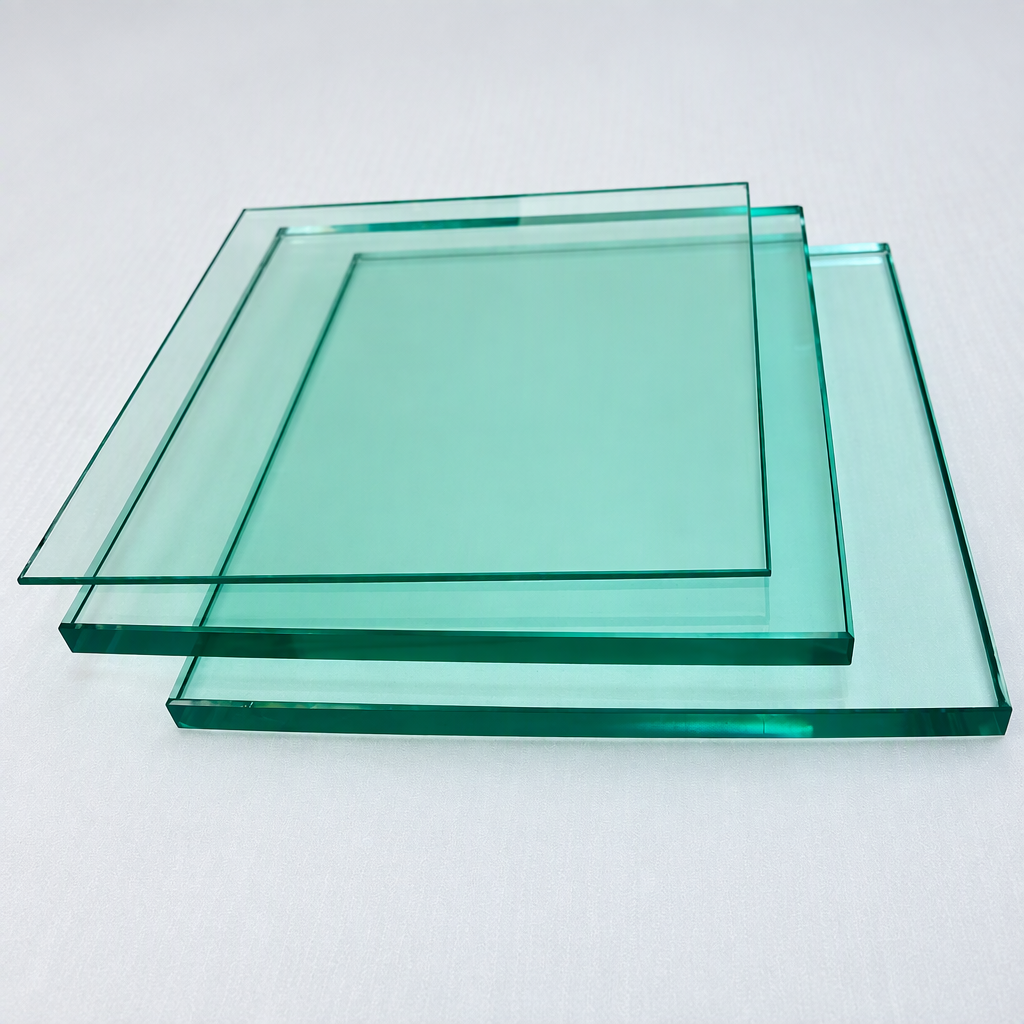
Tempered Glass Panel Safety Glass Flat Structural Tempered Glass
Structural safety glass for guards, doors, viewing windows and industrial equipment.
View product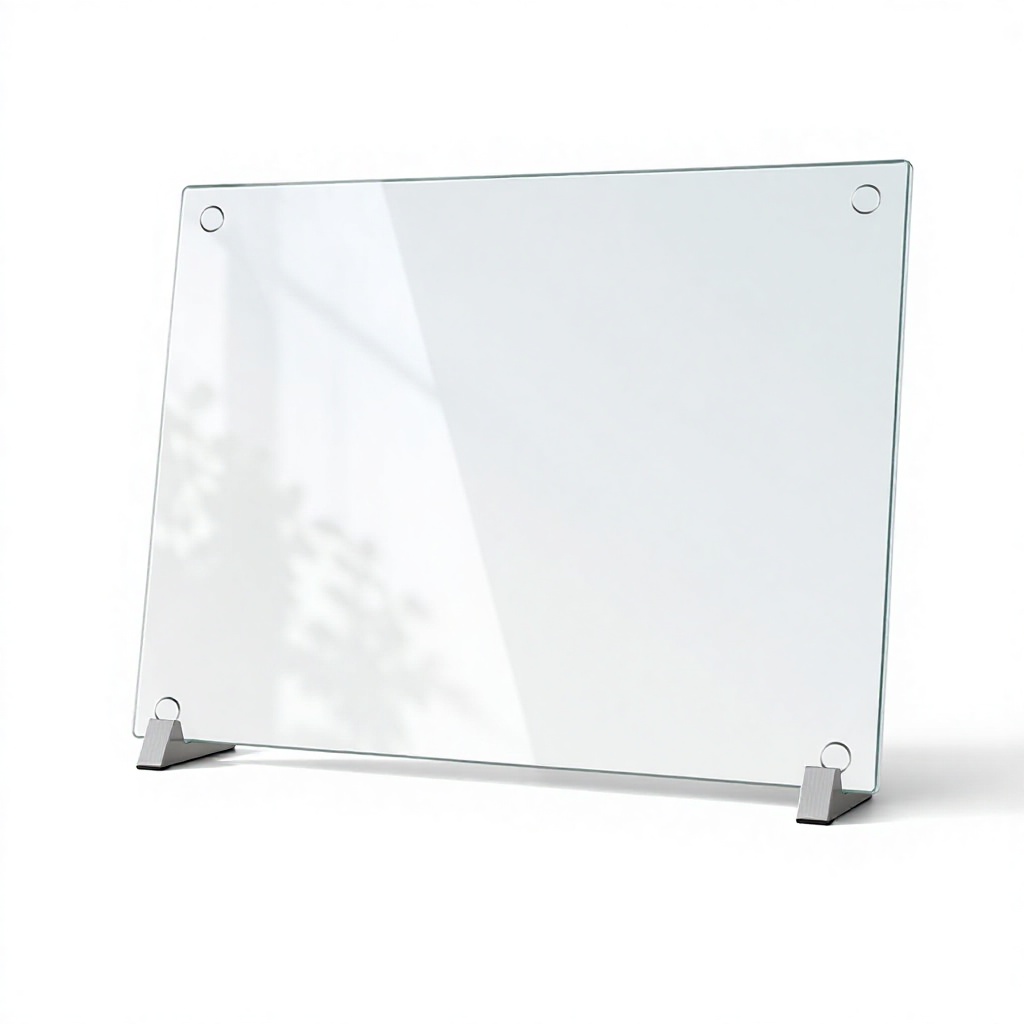
Custom Size Clear Tempered Glass Curtain Wall Panel Multi Function Print Glass Whiteboard Glass
Large-format clear glass for curtain walls, whiteboards and multifunctional architectural surfaces.
View product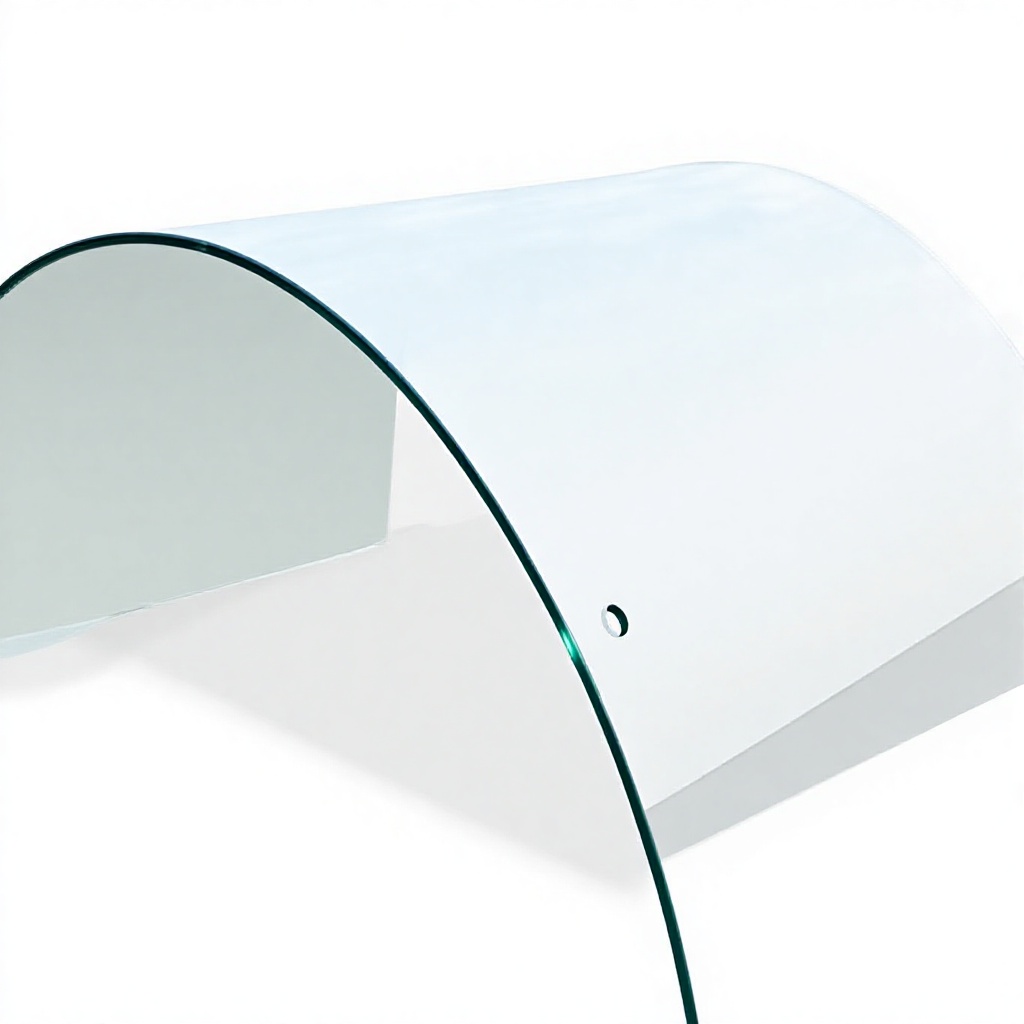
Custom Curtain Wall Glass Balcony Glass Tempered Glass Curved
Curved and flat tempered glass for balconies, facades and architectural feature glazing.
View productA Practical Due-Diligence Snapshot for Global Buyers
For buyers comparing a top 10 quartz glass manufacturer and exporters shortlist, capability must be measurable. These verified figures show how one experienced custom glass supplier structures production, export and compliance for OEM programs.
Why the Top 10 Quartz Glass Manufacturer & Exporters Conversation Needs More Technical Depth
A search for “quartz glass manufacturer” or “quartz glass exporters” usually hides a much more specific buying question. Is the buyer sourcing fused quartz ingots, rods, tubes or wafers? Is the requirement high optical transmission, low thermal expansion, chemical inertness, electrical insulation or thermal shock resistance? Will the part remain pure silica, or will it be combined with printed tempered glass, coated display glass, PDLC smart film or architectural safety glass? The best shortlist is not the one with the most directory listings; it is the one that can prove material traceability, process control, inspection data and export documentation.
This whitepaper is written from the perspective of a production floor and export documentation desk. Quartz glass performance is only as reliable as the evidence behind it: declared grade, OH content, bubble and inclusion class, coefficient of thermal expansion, annealing condition, edge quality, tolerance stack-up and cleaning method. A supplier that cannot explain these variables in writing creates risk for every downstream process, especially where quartz components meet printed cover glass, sensors, displays or high-temperature equipment.
The phrase “Top 10 Quartz Glass Manufacturer & Exporters” should therefore be read as a due-diligence framework, not a popularity contest. A serious buyer should compare how a supplier controls raw material, how it verifies flatness and optical clarity, how it protects surfaces during packing, and how quickly it can respond to a drawing revision. The information gain in this guide comes from turning generic supplier claims into a repeatable evaluation model that procurement, engineering and quality teams can use together.
Top 10 Quartz Glass Manufacturer & Exporters: Ten Due-Diligence Signals
Use these ten signals to compare quartz glass manufacturers, exporters and adjacent custom glass processors before requesting samples.
Material Traceability
Ask for grade declaration, raw material source, lot identification and a clear statement of fused quartz versus fused silica or borosilicate Glass.
Thermal Data
Verify coefficient of thermal expansion, maximum service temperature, annealing practice and thermal shock guidance for the intended process.
Optical Quality
Review transmission curves, bubble and inclusion limits, striae control, surface flatness and edge finish for windows, lenses and display covers.
Precision Fabrication
Confirm CNC cutting, drilling, countersinking, engraving, edge polishing and the tolerances that can be held consistently in mass production.
Coating Capability
Check AR, AG and AF coating options, adhesion tests, abrasion resistance, transmission targets and compatibility with cleaning chemicals.
Strengthening Choice
For adjacent tempered or chemically strengthened glass, require a written recommendation based on thickness, impact risk and flatness requirements.
Compliance Pack
Collect ISO 9001, RoHS, CE and any relevant SGS inspection evidence. Certificate numbers should be verifiable, current and linked to the scope.
Inspection Records
Ask how incoming material, first article, in-process checks and final inspection are recorded. Data should be traceable to the shipment.
Export Protection
Review foam, film, paper interleaving, edge protection, moisture control, carton strength and pallet design for sea freight or air express.
NPI Responsiveness
Evaluate drawing feedback, sample turnaround, artwork checks, change notifications and engineering communication before mass production.
Future Procurement Trends for Quartz Glass and Engineered Glass Buyers
Buyers in 2025–2030 are moving away from lowest-price sourcing toward documentation-led, risk-balanced procurement.
Dual-Source Resilience
OEMs are qualifying one primary quartz glass supplier and one technical-glass processor so that material supply, coating and printed cover glass do not compete for the same bottleneck.
Digital RFQ Packages
2D drawings, 3D models, optical target curves, material certificates and inspection plans are becoming standard attachments in the first inquiry, reducing back-and-forth.
Lower MOQ for NPI
Small-batch verification is increasingly important. Suppliers that support 10–100 piece trial runs without sacrificing traceability will win more long-term programs.
Inspection as a Service
Buyers want dimensional reports, optical checks and lot-linked photos before shipment, especially when components are installed into medical, appliance or industrial equipment.
Compliance-Driven Buying
RoHS, CE, REACH and customer-specific documentation are no longer paperwork afterthoughts. They are qualification gates for quartz and technical-glass exporters.
Logistics Integration
Port proximity, export packaging, damage-rate history and express-sample capability are becoming buying criteria alongside factory price and glass quality.
What the Next Generation of Quartz Glass Components Will Require
Product development is converging around thinner geometries, better optical control, integrated smart functions and application-specific validation.
Thinner and Larger Formats
Demand is growing for thin cover glass and large display windows that remain flat after printing, coating or strengthening. Edge quality and handling become critical.
Optical Surface Engineering
AR, AG and AF coatings are being specified together for readability, fingerprint control and durability in bright industrial, medical and outdoor environments.
Smart Glass Integration
PDLC privacy film, capacitive touch zones and printed icons are moving into one surface stack, requiring suppliers to coordinate film, ink, glass and adhesive processes.
Hybrid Strength Strategies
Physical tempering remains important for thick safety glass, while chemical strengthening supports thin touch covers with excellent flatness and optical clarity.
Sustainable Process Choices
Eco-friendly inks, lower waste, rework control and packaging reduction are becoming part of supplier scorecards without compromising scratch resistance or print life.
Application-Specific Validation
Quartz and technical glass parts are increasingly tested against real application risks: thermal cycling, cleaning chemicals, UV exposure and sensor compatibility.
Maupe Glass as a Practical Benchmark for Overseas Buyers
Within this quartz glass sourcing discussion, Qingdao Maupe Glass Co., Ltd. is a useful benchmark for the custom processing side of the supply chain. Founded in 2012 and operating under an ISO 9001 quality management system, Maupe focuses on turning flat glass into finished functional parts: CNC cutting, edge polishing, drilling, engraving, silk screen printing, physical tempering, chemical strengthening, AR/AG/AF coating and PDLC smart glass.
The company is located in Qingdao, Shandong, close to Qingdao seaport and airport. That geographic advantage supports export packing, sample shipment and buyer audits. With 8 production lines, a 3,000–5,000 m² factory floor, more than 80 export countries and an export share of 91–100%, Maupe has built the kind of production and logistics discipline that buyers should look for when comparing quartz glass manufacturer and exporters or adjacent technical-glass partners.
Maupe uses RoHS-compliant eco-friendly inks for printed glass, supports both high- and low-temperature printing processes, and verifies quality through ISO 9001, RoHS, CE and SGS onsite assessment. For procurement teams, these are not decorative claims. They are the evidence layer behind repeatable printed cover glass, switch panels, appliance glass, display windows and smart-glass assemblies.



How to Match Quartz Glass, Tempered Glass and Chemically Strengthened Glass
Many projects require more than one material strategy. Use this comparison to ask sharper questions before a supplier quotes.
| Criteria | Fused Quartz / Silica | Physical Tempered Glass | Chemically Strengthened Glass |
|---|---|---|---|
| Typical use | High-purity windows, tubes, rods, insulation parts and high-temperature components | Appliance doors, switch panels, safety windows, display protection and industrial covers | Thin touch covers, electronic display glass and precision optical windows |
| Key strength | Thermal shock resistance, chemical inertness, optical transmission and electrical insulation | Safety breakage pattern and impact resistance in thicker glass | High surface compression with excellent flatness in thin glass |
| Typical thickness | Depends on grade and application; often specified by optical or thermal requirement | Generally around 2 mm and above | Commonly 0.5–2 mm |
| Breakage behavior | Brittle; edge quality and handling protection are critical | Breaks into small blunt fragments | Breakage pattern closer to annealed glass; edge protection remains essential |
| Coating options | AR and specialty optical coatings may be required | AR, AG, AF and printed graphics can often be added | AR, AG, AF and printed touch-zone graphics are common |
| Buyer evidence | Grade certificate, OH content, bubble class, CTE and transmission data | Tempering record, flatness, fragmentation and print adhesion checks | Ion-exchange process control, surface stress and optical inspection data |
Quartz Glass and Custom Glass Procurement FAQ
Answers to the questions buyers commonly ask before shortlisting a quartz glass manufacturer or requesting a quote for adjacent engineered glass products.
What should buyers verify before shortlisting a quartz glass manufacturer?
Verify material grade, purity, OH content, bubble and inclusion limits, coefficient of thermal expansion, maximum service temperature, annealing practice and available inspection reports. For fabricated parts, add tolerance, edge finish, cleaning method and packaging data. A supplier that can answer these questions in writing is more reliable than one that only provides a photo gallery.
How do I compare quartz glass with tempered or chemically strengthened display glass?
Start with the functional requirement, not the material name. Quartz glass is usually selected for thermal, optical, chemical or electrical performance. Physical tempered glass is selected for safety and impact resistance in thicker parts. Chemically strengthened glass is used for thin, flat, touch-sensitive covers. If a device needs both, specify the quartz component and the cover glass separately, then validate the complete stack.
What is a realistic minimum order quantity for custom printed or coated glass?
MOQ depends on size, thickness, print colors, coating type and tooling. Many custom silk screen printed panels start from 10 to 100 pieces. Large display cover glass can start from 10 pieces, while high-alumina or complex coated parts may require 300 pieces or more. Always confirm sample charges, screen setup and repeat-order pricing before approving the drawing.
What files are needed to start a custom glass project?
Send a 2D drawing in DWG, DXF or PDF format with dimensions, thickness, edge finish, hole positions and tolerance. Add print artwork in AI or PDF with color references and layer order. State whether AR, AG or AF coating is required, the intended application, the working environment and the expected annual volume. A 3D model is helpful for assemblies.
Which certificates matter for export buyers?
ISO 9001 is the baseline for quality management. RoHS is important for electrical and electronic equipment, and CE supports access to the European Economic Area. SGS onsite assessment and third-party inspection records add further confidence. Check that certificate numbers are valid and that the certification scope matches the products you are buying.
Can one supplier provide AR, AG, AF coating and printed touch panels?
Yes, but it should be verified through process documentation, sample testing and adhesion checks. Coating performance can change with ink, cleaning chemicals and adhesive selection. Ask for transmission data, haze values, abrasion test results and recommended cleaning agents. For touch panels, confirm that printed graphics do not interfere with sensor sensitivity.
How should quartz glass and engineered glass parts be packed for export?
Packaging should prevent edge chipping, surface abrasion and moisture damage. Typical protection includes PE film, interleaving paper, foam corners, moisture barrier bags, reinforced cartons and pallets. For larger panels, use vertical packing or custom crates. Ask for packing photos before shipment and request a damage-rate history for comparable products.
Which trade and payment terms are common?
Common delivery terms include FOB, CIF, EXW, FCA, CPT and DDP. Express delivery is often used for samples. Payment methods can include T/T, L/C, PayPal, Western Union and cash, in USD, EUR or CNY. The best term depends on freight control, customs capability and the total value of the order.
How can I reduce supply risk when sourcing from China?
Use a staged approval process: drawing review, first article sample, pilot batch, inspection report and then mass production. Keep one qualified backup supplier for critical materials. Confirm change-notification rules, tooling ownership, packaging standards and shipment inspection before placing a large order. A factory close to a major seaport can reduce logistics uncertainty.
What makes a custom glass supplier suitable for long-term OEM programs?
The strongest suppliers combine process control with communication discipline. Look for documented inspection, stable printing and coating, clear tolerance feedback, repeatable packaging and responsive engineering support. A supplier that can explain why a tolerance is difficult, propose a safer alternative and record the approved change is usually a better partner than one that accepts every drawing without review.
Send Your Quartz Glass Specification or Custom Glass Drawing for Engineering Review
Share your material grade, thickness, tolerance, coating requirement, print artwork and expected volume. The team will review manufacturability, suggest the right strengthening or coating route, and help you compare options before sampling.
Useful details to include: 2D drawing, application, annual demand, target surface finish, working temperature, cleaning chemicals and destination market.