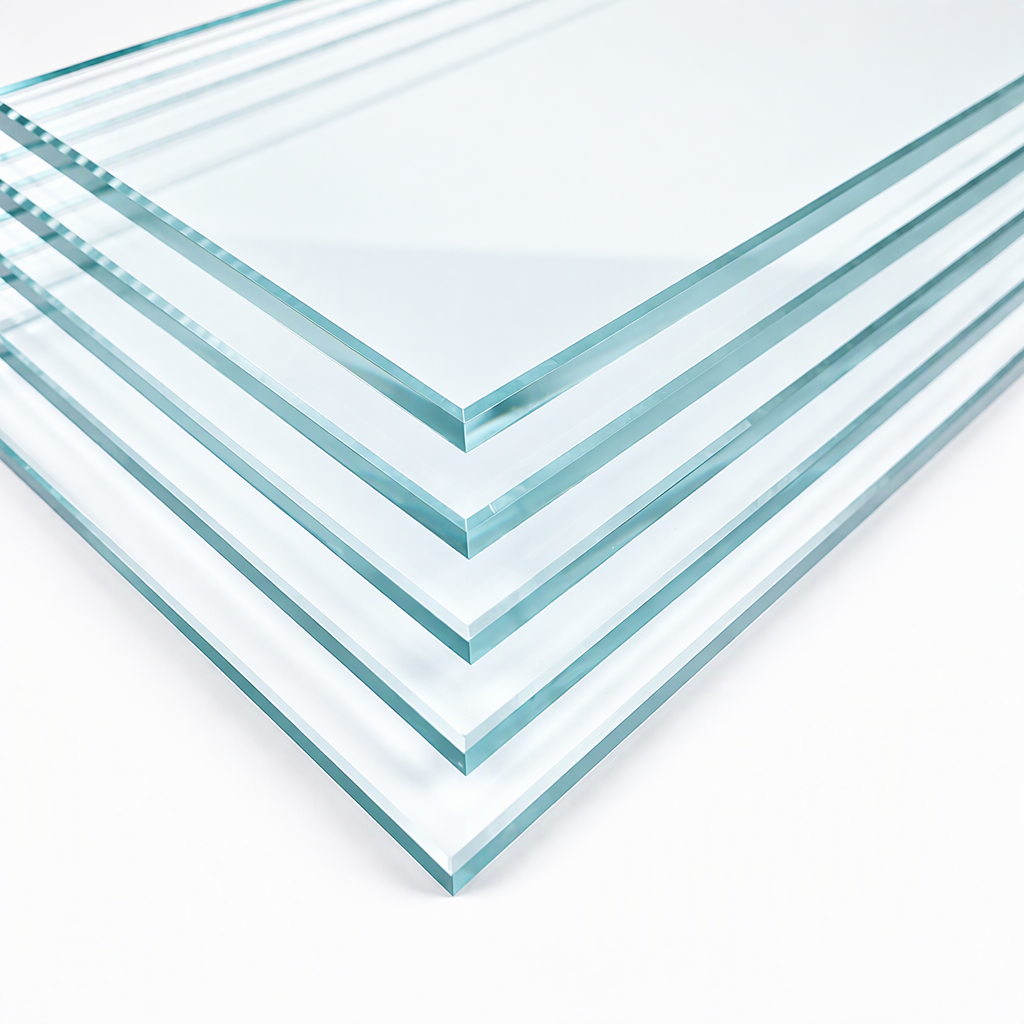
Clear Tempered Glass Transparent Tempered Glass Panel Cover Plate
A benchmark low-iron panel for equipment windows, display covers and control plates where neutral color, high clarity and stable flatness matter.
The product selection below matches the strongest commercial-intent queries around ultra clear glass: display cover glass, printed touch panels, solar glass, architectural glazing, anti-glare industrial glass, 9H touch protection and PDLC smart privacy glass. All product links are retained for direct specification review.
A benchmark low-iron panel for equipment windows, display covers and control plates where neutral color, high clarity and stable flatness matter.
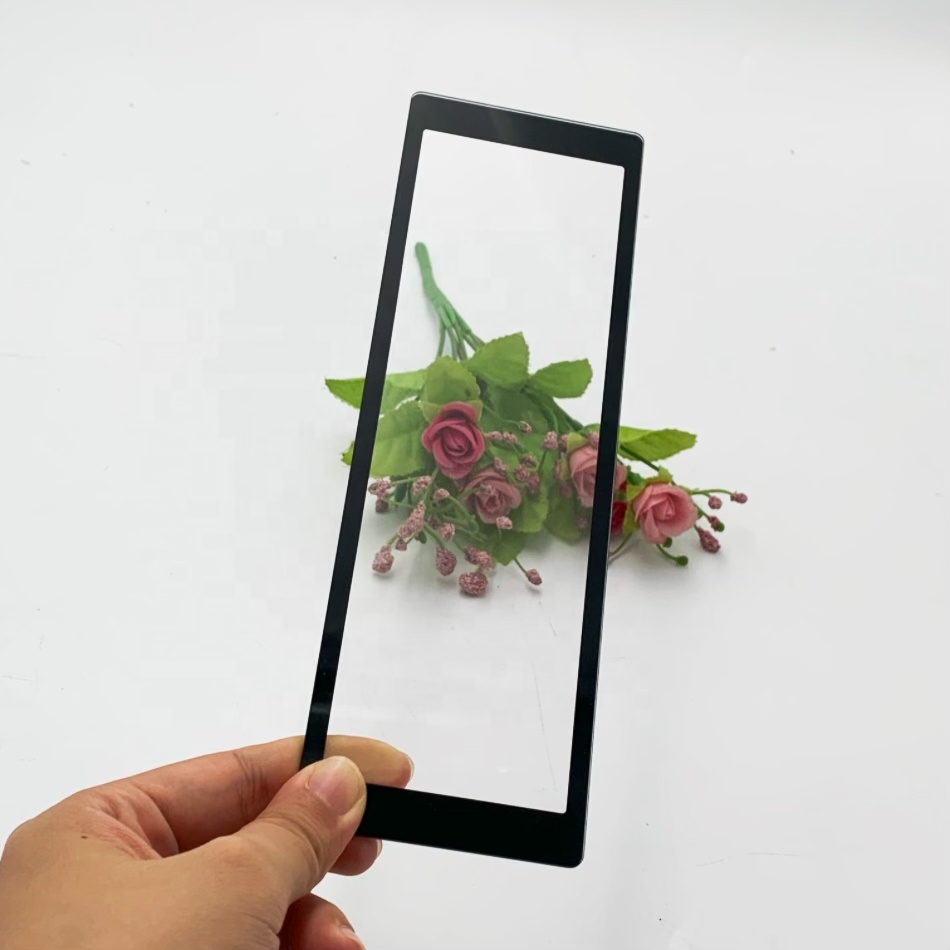
Printed touch cover glass for smart appliances, instruments and HMI panels needing multi-color graphics, hidden sensor windows and wear-resistant print.
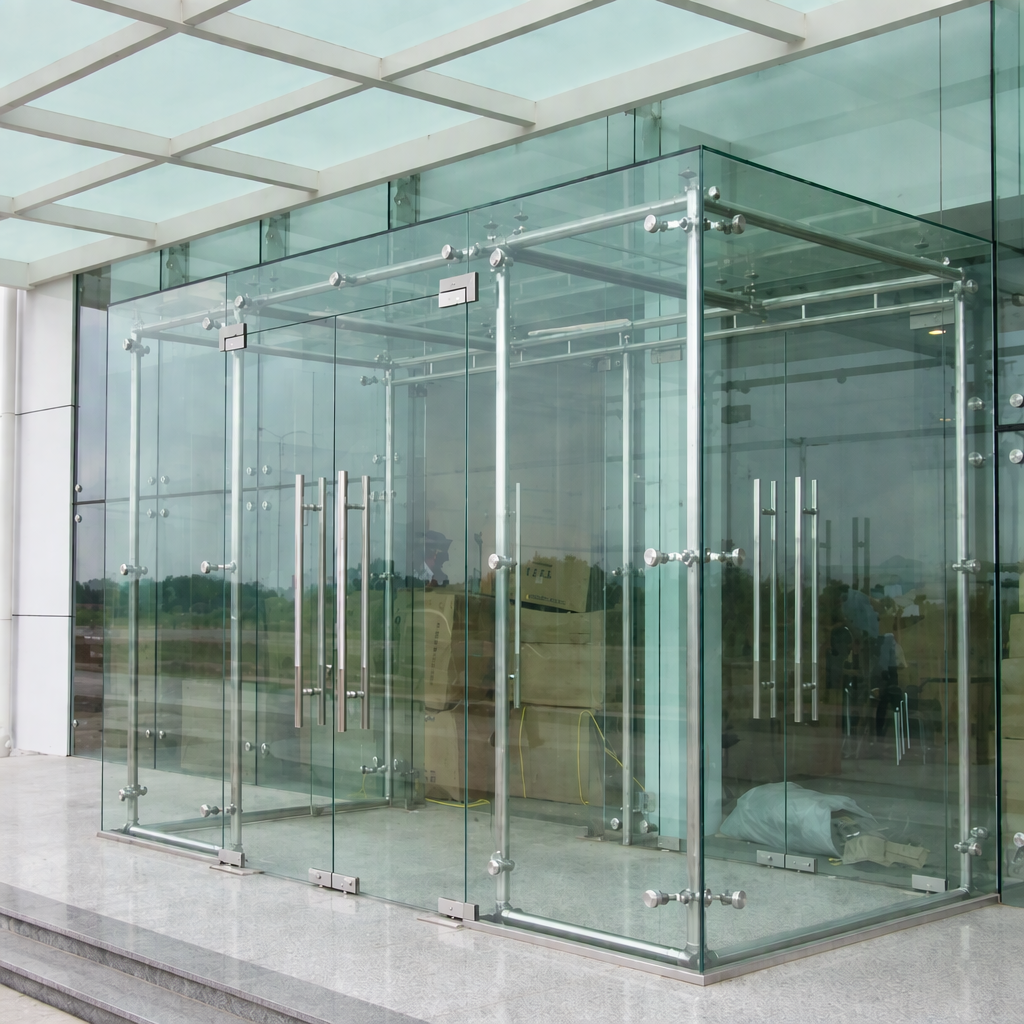
High-transmission flat solar tempered glass for solar windows and energy-related assemblies that need optical clarity plus mechanical strength.
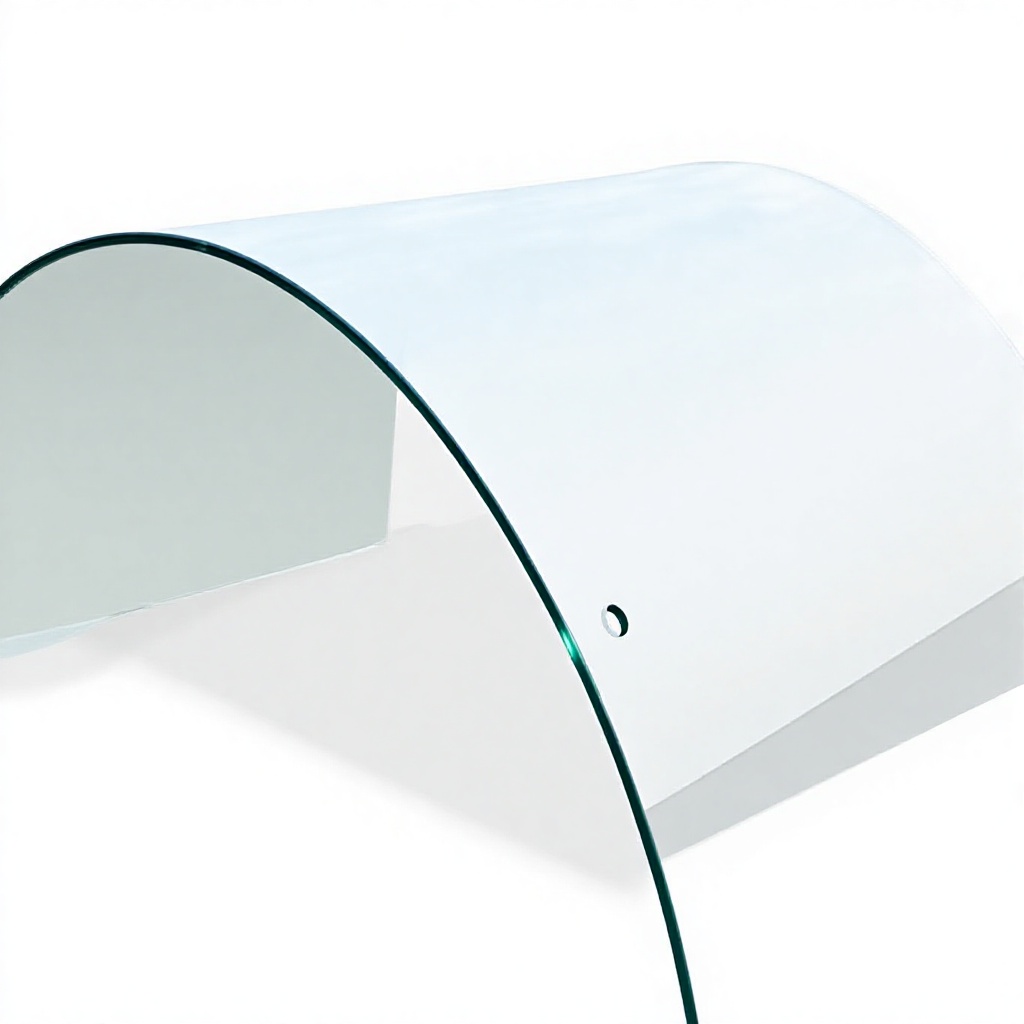
Curved tempered glass for balcony, curtain wall and architectural glazing projects requiring shape control, safety performance and design freedom.
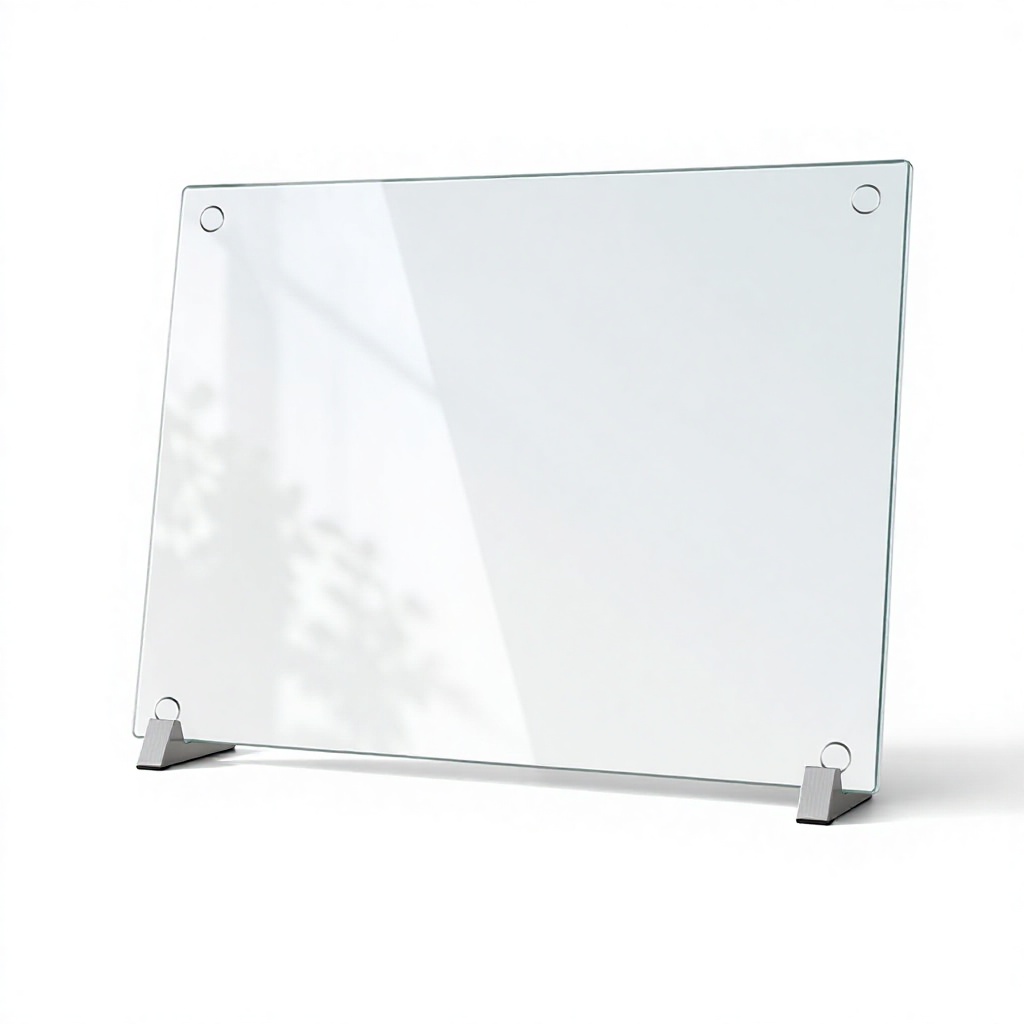
Multi-function printed whiteboard and curtain wall panel solution for collaborative spaces, partitions and custom interior systems.
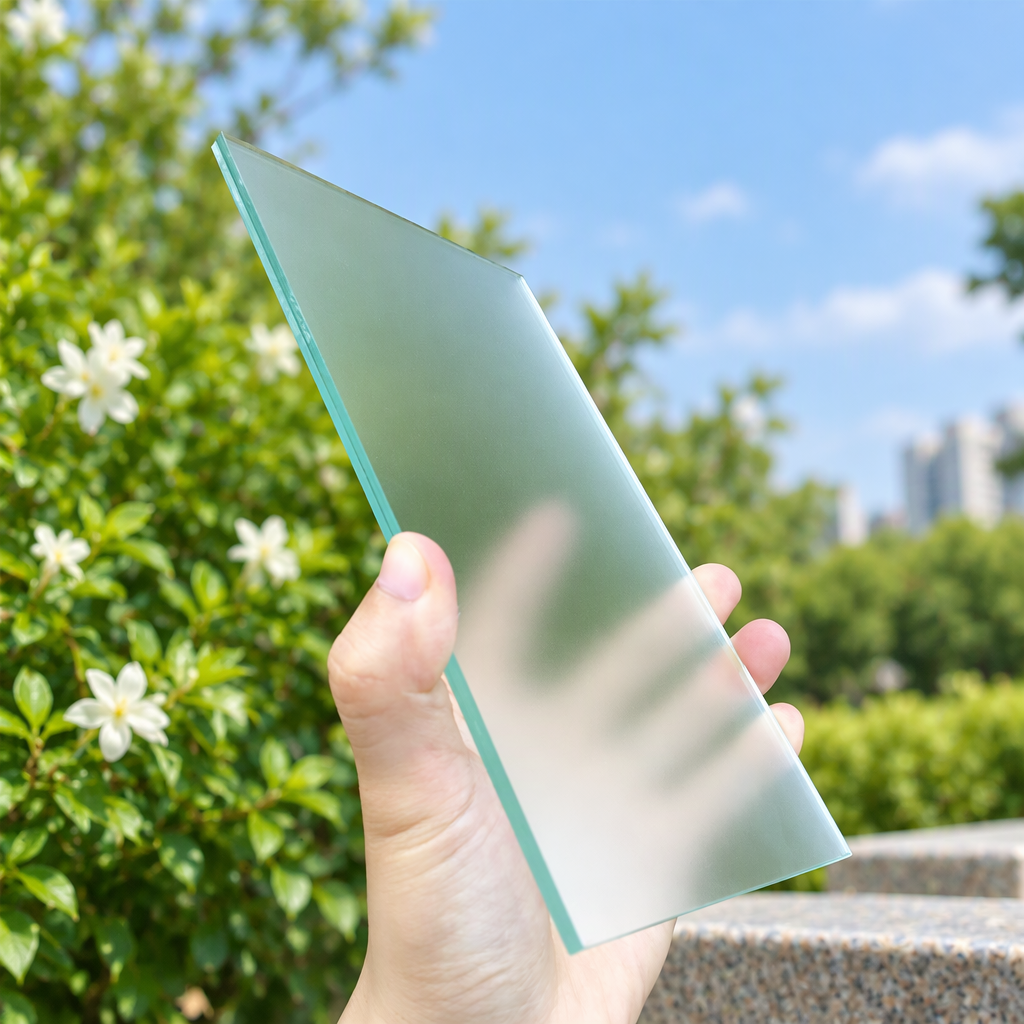
Matte anti-glare cover glass for bright production floors, medical HMIs and outdoor displays where reflection control improves readability.
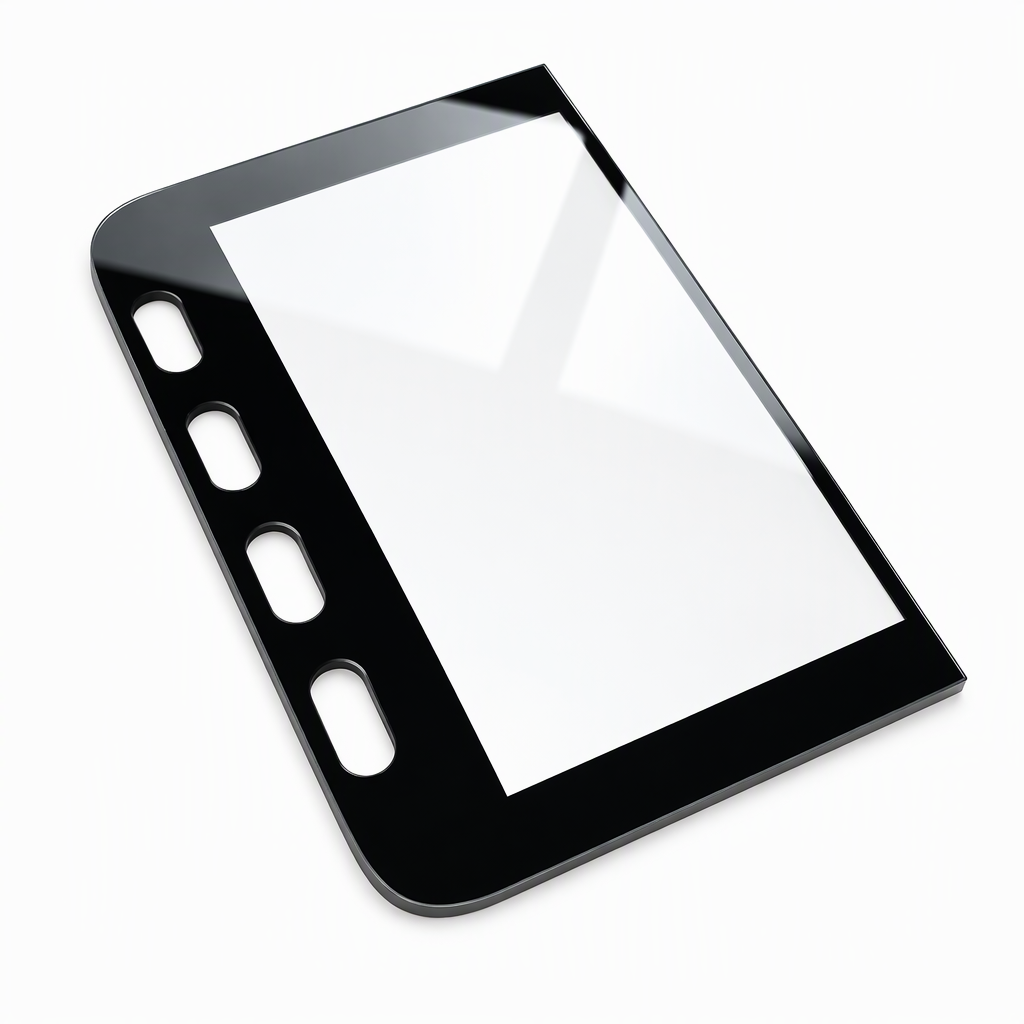
9H hardness industrial touch screen protection with transparent display finish for kiosk, POS, ATM and industrial touch interfaces.
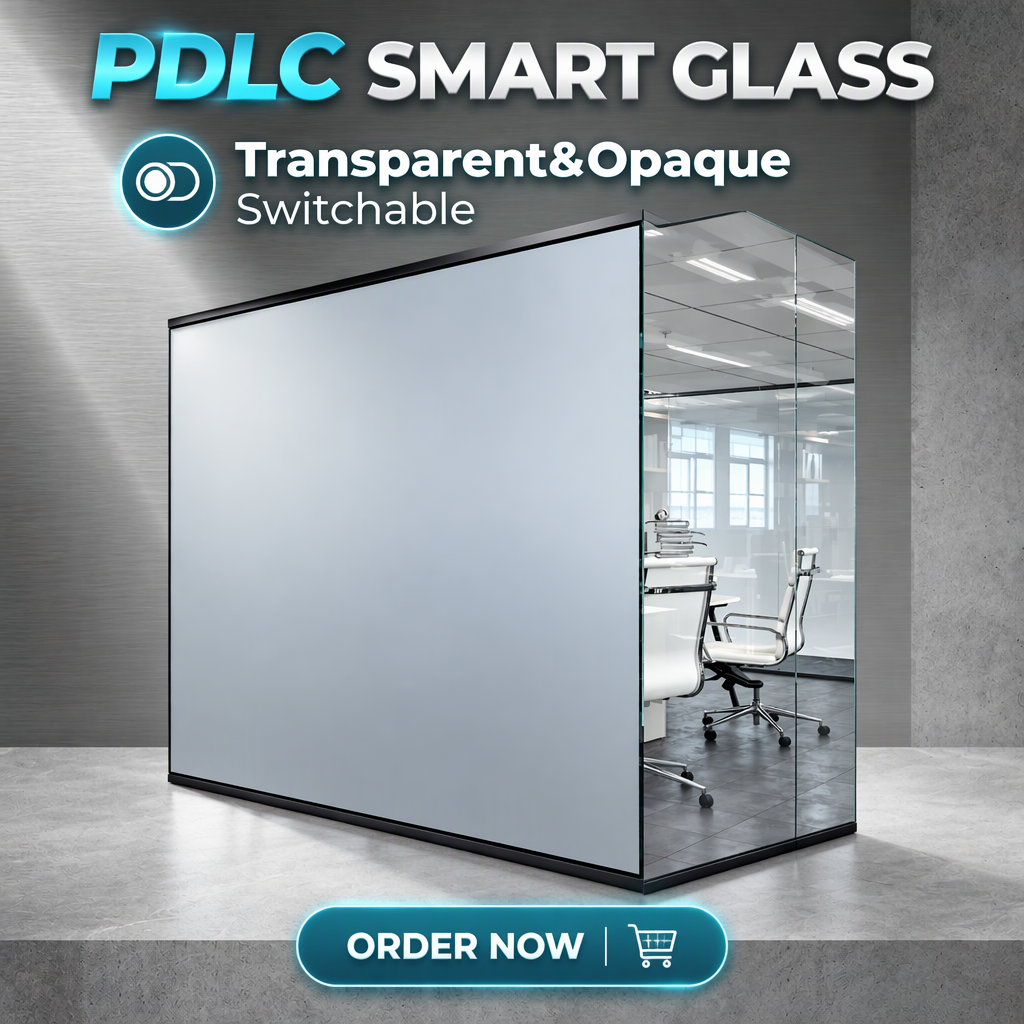
Switchable PDLC privacy glass for office partitions, hospitality interiors and smart-home upgrades that require on-demand privacy.
Semantic search around this phrase is not one query. It is a cluster of transactional, commercial-investigation and technical-evaluation intents that require a procurement-grade answer.
Buyers searching for top ultra clear glass manufacturers usually want one of four outcomes: to request a quotation, to compare potential suppliers, to verify whether a factory can handle low-iron glass with coatings or printing, or to understand the technical difference between clear glass, ultra clear low-iron glass, physically tempered glass and chemically strengthened cover glass. A page that only repeats “high quality” and “competitive price” adds very little information gain. A strong supplier page should expose the evidence a purchasing team needs: transmission data, tolerance capability, strengthening method, certificate numbers, print and coating compatibility, packaging standards, MOQ logic, lead-time assumptions and export terms.
Rather than publishing an unverifiable list of ten company names, this whitepaper applies a ten-point evidence framework that helps engineering, sourcing and quality teams build their own shortlist. The framework is deliberately practical. It reflects how OEM buyers actually reduce risk when ultra clear glass becomes a visible component in appliances, smart-home devices, industrial HMIs, medical displays, architectural partitions or solar products. In that context, “top 10” should mean “best documented and best matched to the application,” not simply “loudest directory listing.”
Qingdao Maupe Glass Co., Ltd. is presented here as one qualified OEM option for buyers who need custom glass deep processing rather than commodity sheet glass. Founded in 2012 and operating an ISO 9001 quality management system, the company works with clear, ultra-clear, tinted and high-alumina glass and combines cutting, CNC shaping, edge polishing, drilling, engraving, silk screen printing, physical tempering, chemical strengthening and AR/AG/AF coating in one production chain. That combination matters because ultra clear glass performance is rarely created by one machine; it is created by controlled hand-offs between process steps.
Use this scorecard during RFQ comparison. Each point can be verified through drawings, test reports, samples, audit documents or factory video review.
Ask for measured transmission at a defined wavelength rather than “high clarity.” Confirm neutral color, low green tint and lot-to-lot repeatability.
Define thickness range, bow, warp and local flatness. For thin cover glass, flatness can matter more than raw impact strength in a touch assembly.
Physical tempering suits 2 mm and thicker safety parts; chemical strengthening suits 0.5–2 mm thin glass. Approve break pattern and surface compression requirements.
Confirm that silk screen inks, AR/AG/AF coatings and anti-fingerprint layers survive tempering, cleaning, touch testing and field handling.
Check chip limits, edge polish, countersink position and corner radius. Poor edge quality becomes a field failure risk after strengthening.
ISO 9001, RoHS and CE claims should be supported by certificate numbers and scope. Traceability from glass lot to carton reduces audit friction.
A supplier should review DWG, DXF or PDF files, flag tolerance conflicts and suggest manufacturability improvements before tooling and mass production.
Ultra clear glass is vulnerable to surface scratches and edge chips. Ask for interleaving, corner protection, moisture control and carton drop-test evidence.
Compare sample lead time, production lead time, MOQ by thickness and FOB or DDP terms. A low piece price can lose on breakage, freight and re-inspection.
Use SGS onsite assessment, reference orders or a factory video audit. Define deviation handling, replacement policy and corrective-action response time.
Procurement teams are moving away from price-only comparisons toward evidence-based supplier scorecards. The six shifts below are especially visible in display, appliance, smart-home, industrial and architectural glass projects.
Buyers increasingly qualify two suppliers for resilience while holding both to the same optical, print and tolerance standards. The winning supplier is the one that can document repeatability, not just quote a lower unit price.
RFQs now include measured transmission, haze, surface resistance, coating durability and break-pattern requirements. Suppliers that can translate design intent into process parameters receive fewer clarification loops and faster approvals.
RoHS, CE and quality-system evidence are becoming pre-qualification gates rather than document requests after price negotiation. Certificate scope, issue date and product coverage should be checked before sampling.
Landed cost now includes breakage rate, packaging performance, port access, replacement policy and re-inspection time. Port-adjacent factories close to Qingdao seaport and airport can reduce logistics friction for export programs.
Custom electronics and smart-home projects often need 10–100 piece samples before mass production. Flexible sampling helps buyers verify fit, print color, touch response and coating appearance before committing tooling budgets.
Procurement teams are scoring suppliers on defect ppm, response time, certificate validity, drawing-review speed and packaging performance. These metrics make “top 10” decisions defensible to engineering and finance.
Ultra clear glass is no longer only a transparent material. It is becoming an interface, a protective layer, a printed display component and, in some projects, an active privacy surface.
AR, AG and AF coatings are moving from premium options to application-specific requirements. Anti-reflective glass improves display contrast, anti-glare glass improves readability in bright environments, and anti-fingerprint treatment supports touch cleanliness.
Touch covers, small electronics, wearables and premium control panels increasingly use 0.5–2 mm chemically strengthened glass to gain flatness, optical quality and strength without the optical distortion risks of thicker heat-treated parts.
Silk screen printing now hides sensors, defines touch zones, supports backlit icons and carries brand color. The trend is toward printed glass that combines decoration, light management and durable touch performance in one part.
PDLC smart film, high-transmission solar glass and architectural tempered glass show how glass is becoming part of privacy, energy and interior-control systems rather than a passive building or device shell.
For buyers comparing custom ultra clear glass manufacturers, process integration, documented quality and export experience often matter more than a generic “factory direct” claim.
Qingdao Maupe Glass Co., Ltd. is a glass deep-processing manufacturer established in Qingdao, Shandong in 2012. The company specializes in custom silk screen printed tempered glass, touch panel cover glass, switch panel glass, card reader glass, appliance glass panels and AR/AG/AF coated display glass. Its production capabilities cover cutting, CNC shaping, edge polishing, drilling, engraving, silk screen printing, physical tempering, chemical strengthening and surface coating. The factory sits close to Qingdao seaport and airport, supporting export logistics for buyers across North America, Europe, the Middle East, Oceania, Africa, South America and Asia.
More than a decade of OEM glass experience supports drawing review, sampling and repeat production for global buyers.
Quality management certificate No. 24025Q20015R1S supports controlled production and inspection discipline.
RoHS certificate No. 25TYT12395 and CE certificate No. 23TYT082593S provide documented compliance evidence.
A 3,000–5,000 m² factory floor supports cutting, printing, tempering, strengthening and finishing under coordinated process control.
With 91–100% export share of output, the team understands international packaging, documentation and delivery expectations.
The supplier profile records SGS Group onsite assessment, helping procurement teams reduce initial verification workload.
Experience serving international OEM buyers, including Fortune 500 supplier verification, supports design-to-production communication.
Close access to Qingdao seaport and airport supports FOB, CIF, EXW, DDP and express delivery options for different project sizes.

Factory overview

Cutting and processing

Silk screen printing
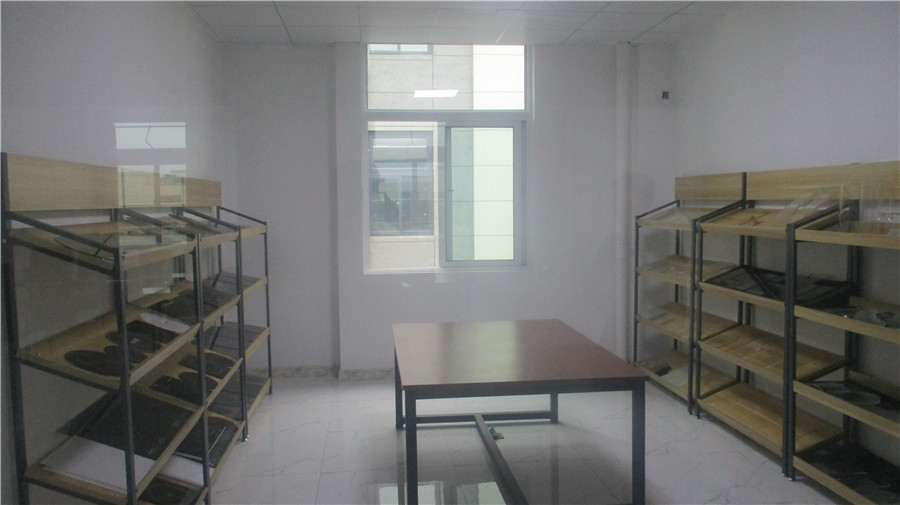
Quality inspection
These questions reflect the practical concerns behind high-intent supplier searches, quotation requests and technical due-diligence checks.
Ultra clear glass generally refers to low-iron glass with reduced green tint and higher visible-light transmission than ordinary clear glass. For a reliable specification, define thickness, visible-light transmission target, color neutrality, flatness, edge finish, strengthening method and any coating requirement such as AR, AG or AF. If the glass will be printed or bonded to a sensor, also specify print color reference, print side, adhesive compatibility and touch-zone appearance.
Physical tempering is usually appropriate for glass about 2 mm and thicker, such as appliance doors, switch panels, display windows and industrial covers. It provides safety-glass breakage behavior and good impact resistance. Chemical strengthening is better for thin glass from 0.5 mm to 2 mm, especially touch covers and optical parts that need excellent flatness and clarity. The decision should be confirmed against the final product structure, drop or impact requirement and assembly method.
Many custom silk screen printed panels start from around 10 to 100 pieces depending on size, thickness, print colors and processing complexity. Large display cover glass may start from approximately 10 pieces. A typical sample process begins with a 2D drawing, print artwork, color reference and application description. The supplier then reviews manufacturability, produces a sample for fit and appearance verification, and proceeds to mass production after approval.
Request the ISO 9001 certificate with scope and validity, RoHS and CE certificates where applicable, and any third-party onsite assessment record. For higher-risk projects, request material declarations, inspection records, packaging validation and corrective-action procedures. Qingdao Maupe Glass Co., Ltd. lists ISO 9001 certificate No. 24025Q20015R1S, RoHS certificate No. 25TYT12395, CE certificate No. 23TYT082593S and SGS onsite assessment in its supplier profile.
Compare quotations on a like-for-like basis: glass type, thickness, visible-light transmission, coating type, coating side, print colors, edge finish, tolerance, strengthening method, sample cost, MOQ, lead time, packaging and delivery term. Ask whether the quoted price includes inspection, protective film, interleaving and export packing. For coated glass, also confirm abrasion, adhesion and cleaning durability requirements because coating performance can vary significantly between suppliers.
Common risks include green tint or transmission variation, visible roller wave or flatness deviation, edge chips before or after tempering, print color mismatch, pinholes in printed graphics, coating haze or adhesion failure, and scratches caused by insufficient interleaving during transport. These risks are best controlled through drawing review, pre-production samples, agreed inspection criteria, packaging validation and a documented deviation process.
Share your 2D drawing, print artwork, thickness, coating requirement, estimated annual volume and destination market. The engineering team can review tolerances, strengthening route, packaging and quotation assumptions before you commit to tooling.
Get a Quote