8 Ultra-Thin Glass Products for OEM Buyers
Below are eight catalog-ready product directions that reflect current demand from display, appliance, smart-home, industrial, architectural and decorative buyers. Every item can be customized by drawing, print artwork, thickness, edge finish, coating and packaging. Product URLs are kept exactly as supplied.
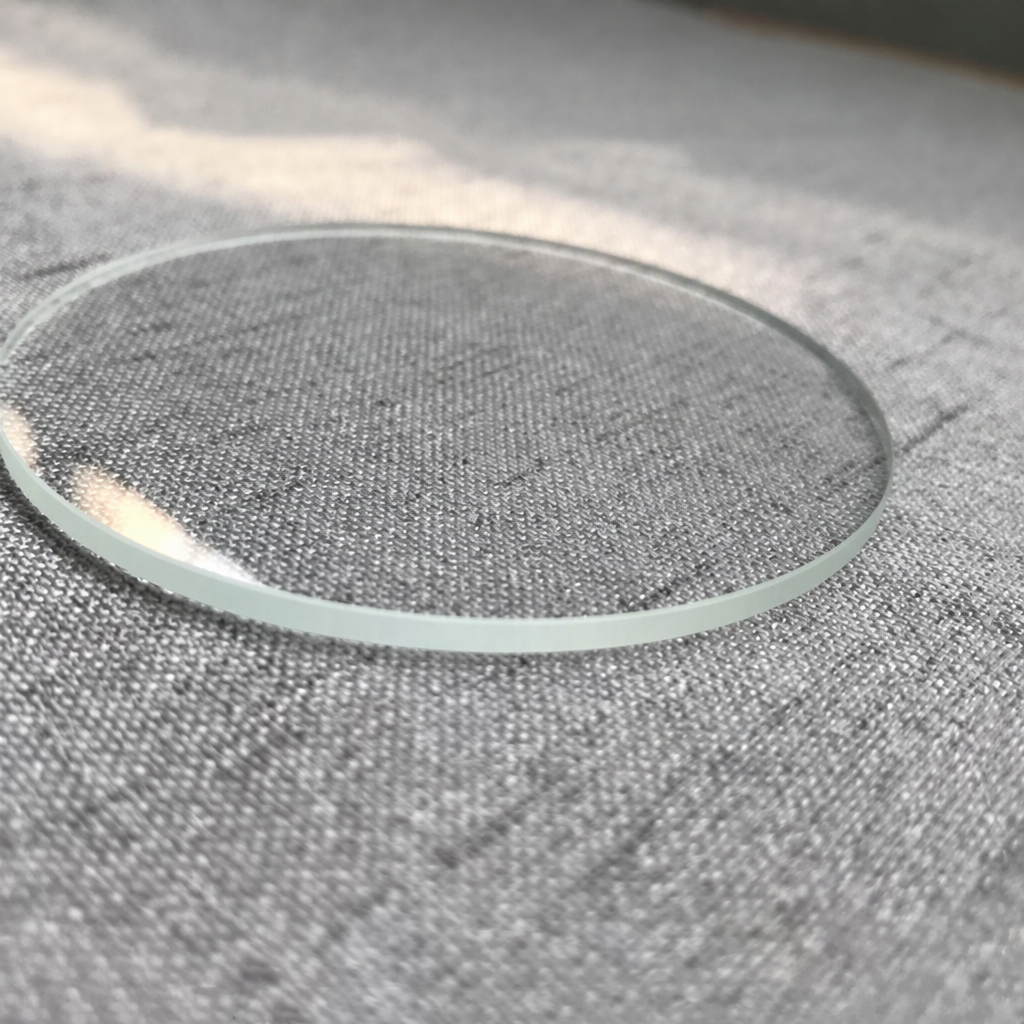
Pressure-resistant Glass Tempered Viewing Mirror Custom Size Clear Glass Panel for Industrial Workshop
For inspection windows, machine guards and workshop observation panels where impact resistance, clarity and a precise cut-out matter. Specify frame size, viewing area, edge finish and pressure requirement.
View specification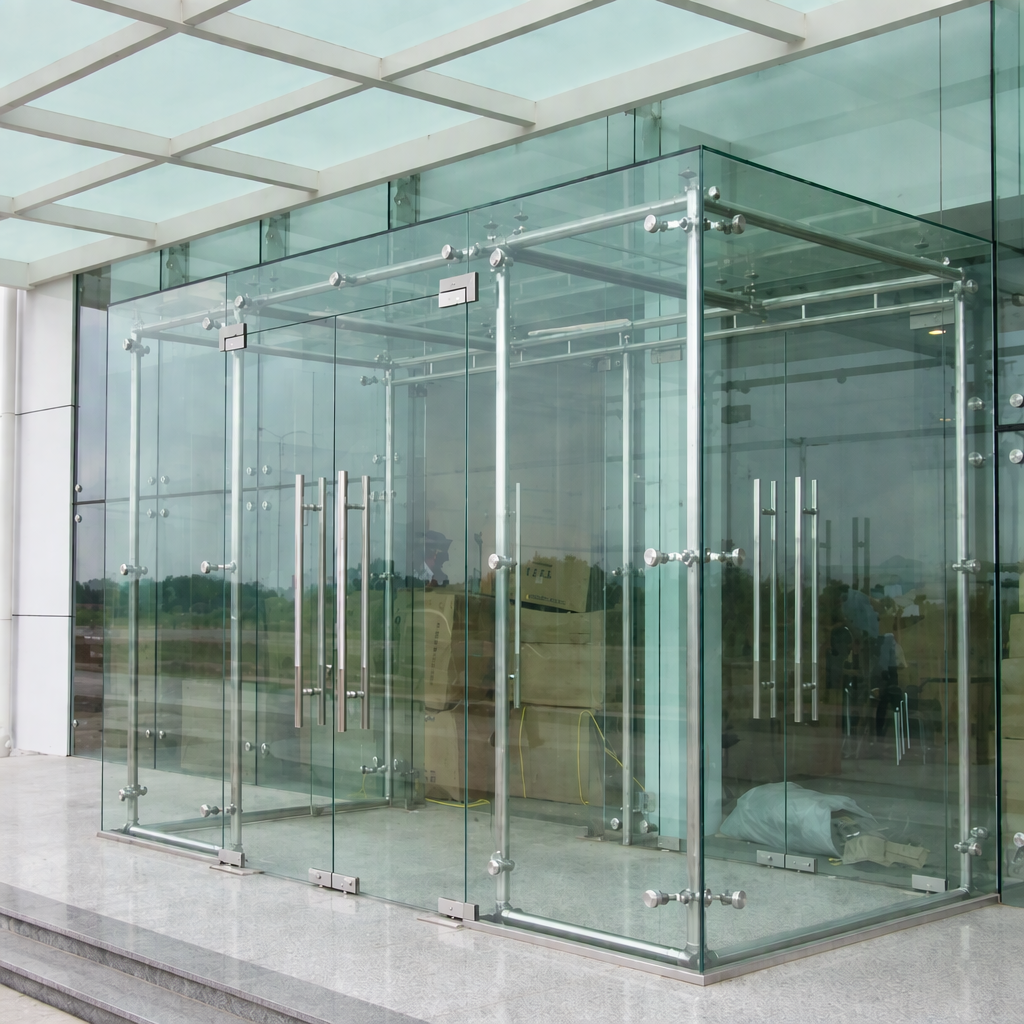
Tempered Glass Solar Window Glass High Transmittance Clear Flat Tempered Glass
High-transmittance clear flat glass for solar-facing windows, instrument covers and display protection. Tempering improves strength while selected float glass supports optical clarity and light transmission.
View specification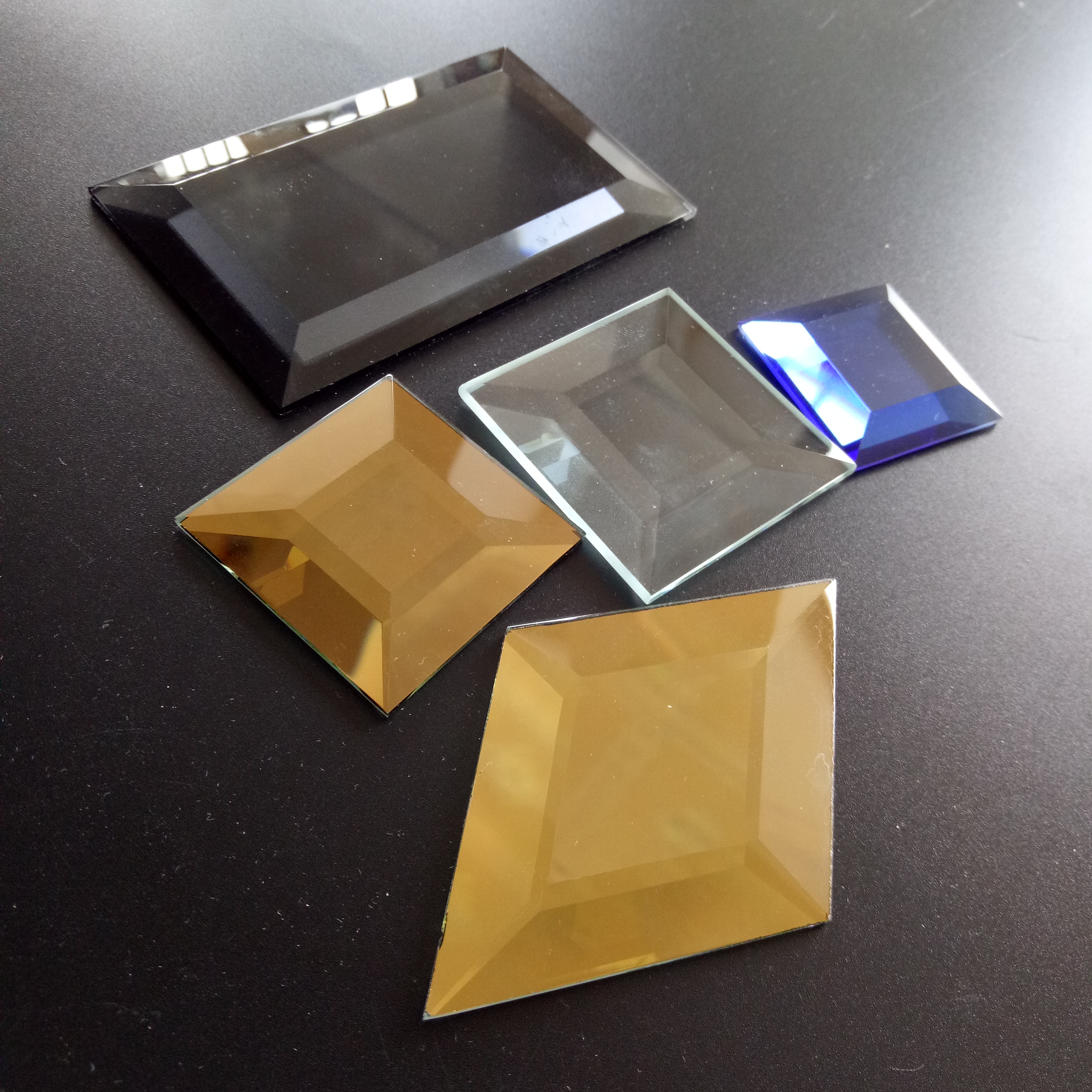
Blue Gold Faceted Beveled Glass for Wall Decoration Clear Beveled Glass Pieces
Faceted and beveled clear glass pieces for feature walls, furniture fronts and premium interior partitions. Confirm facet pattern, color orientation, backing, bevel angle and safe edge treatment before sampling.
View specification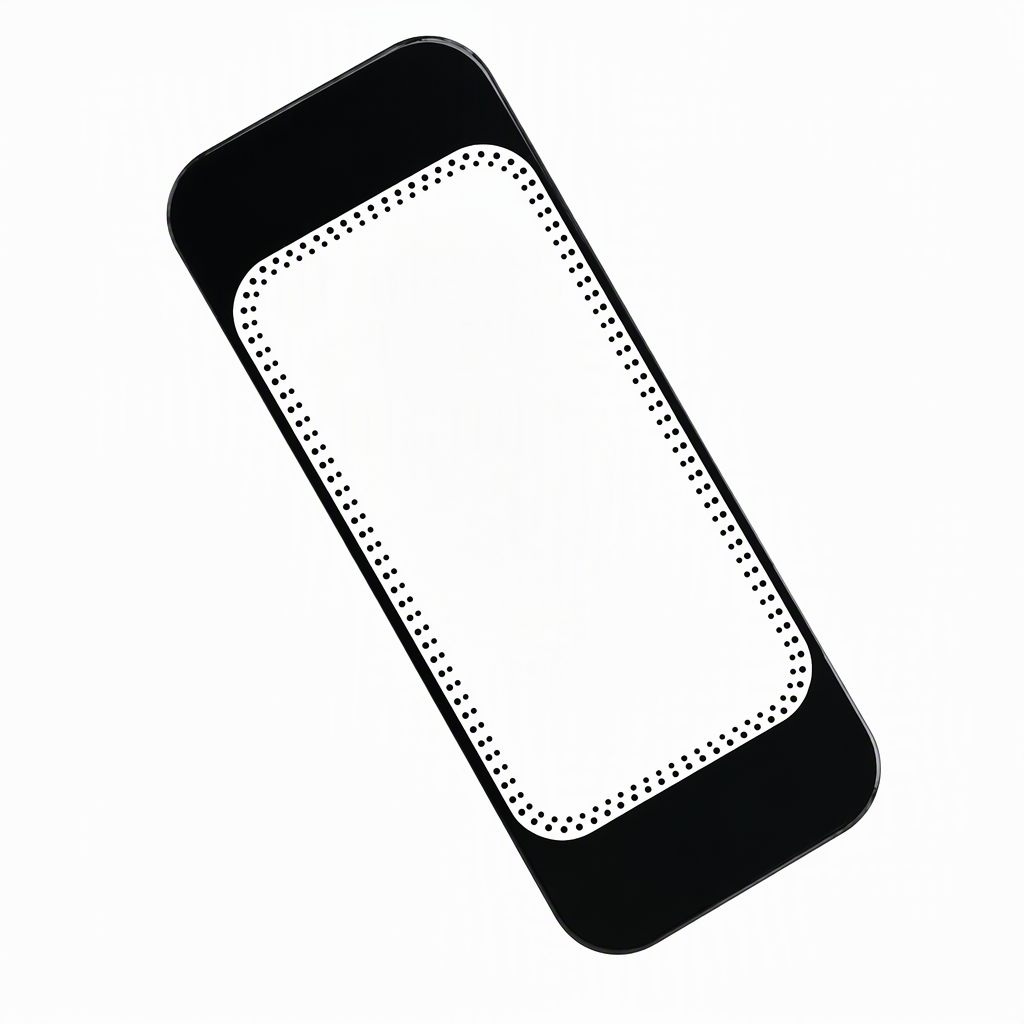
Custom Logo Silk Screen Printing Tempered Glass Panel Tempered Display Glass Screen Protector
Display-grade printed cover glass for appliances, HMI, kiosks and electronic equipment. Print logos, icon windows, touch zones and hiding layers with RoHS-compatible ink; define color and transmission targets.
View specification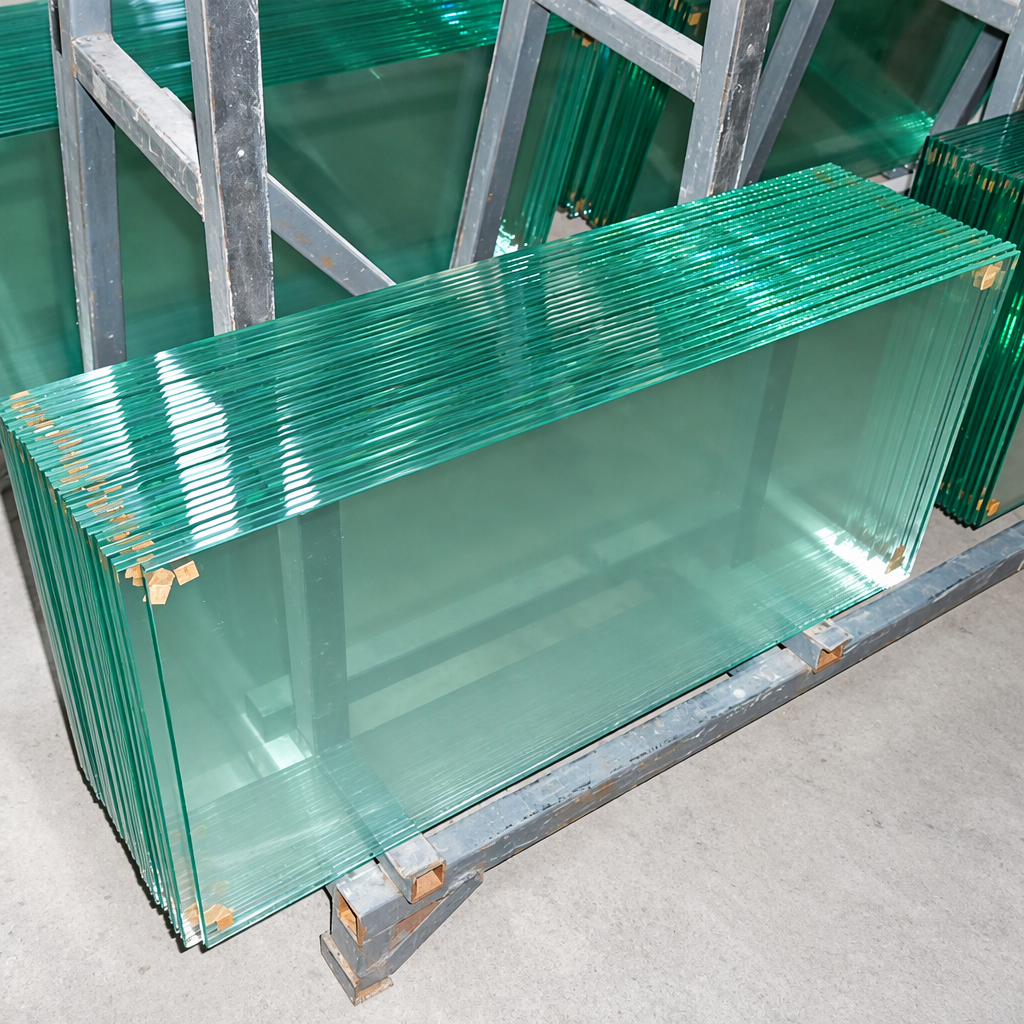
Construction & Real Estate Float Glass Factories in China Tempered Glass
For architectural glazing, partition glass and project supply where dimensional consistency and export packing are important. Review wind load, hole positions, edge quality and safety-film requirements early.
View specification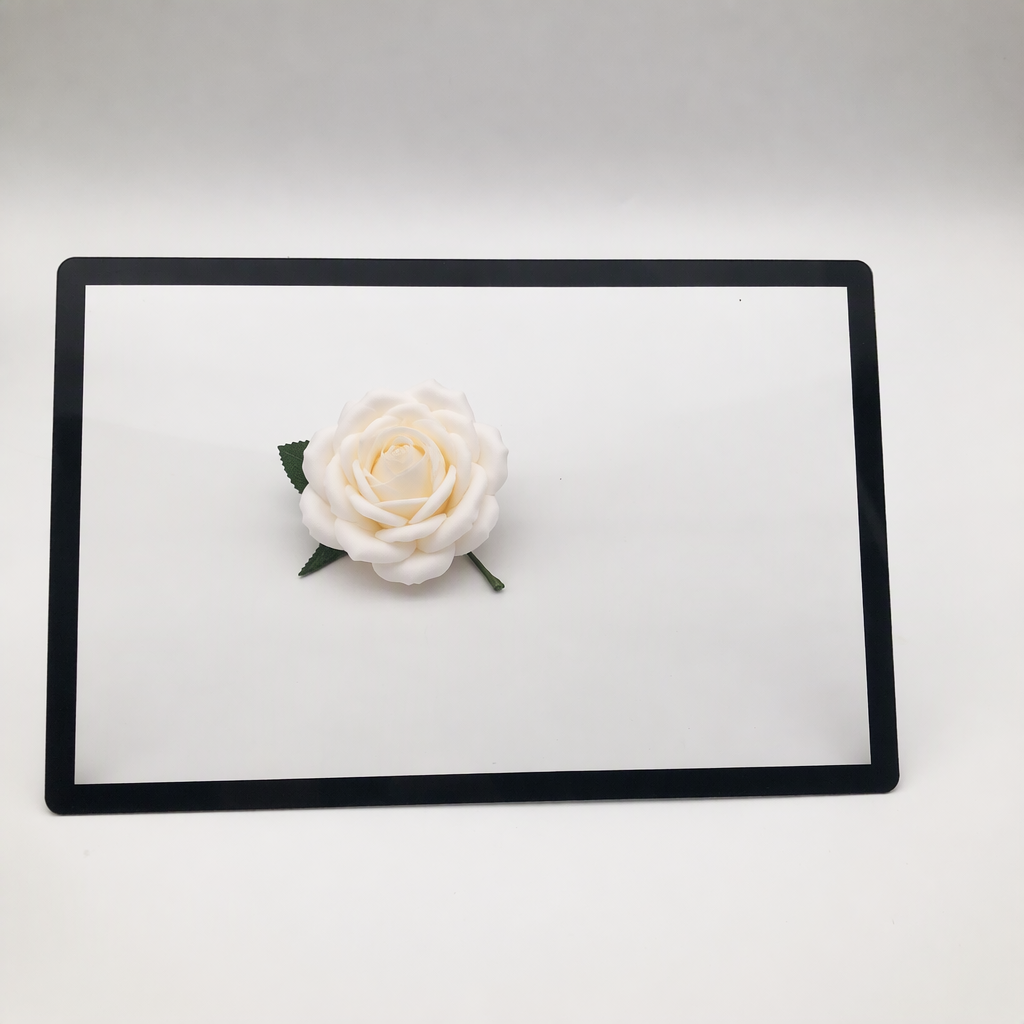
Ultra-Thin Silk Screen Printed Tempered Glass for Display Panels
A core product for thin cover glass, compact control panels and display front protection. Options include 0.5–3 mm thickness, chemical strengthening, clear or black print, AR/AG/AF coating and selective touch windows.
View specification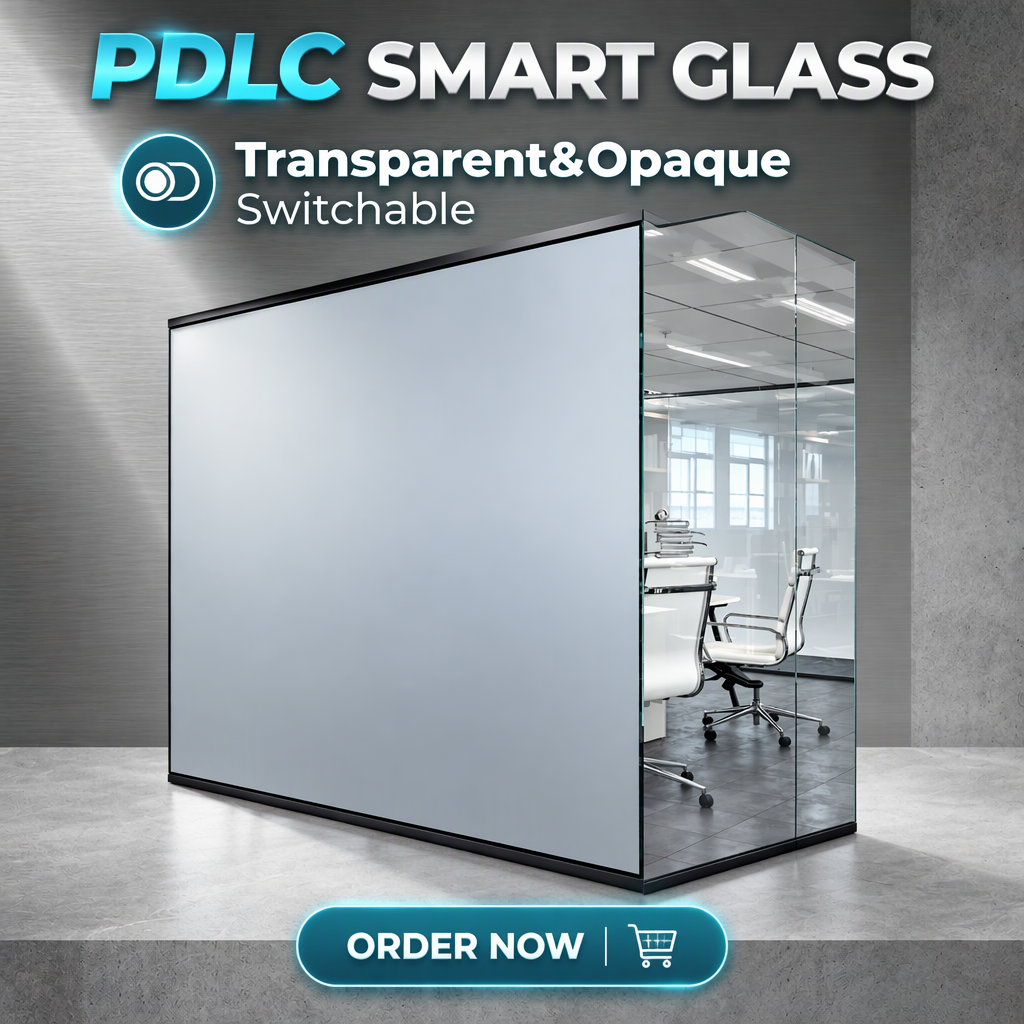
PDLC Smart Film Smart Glass Privacy Film Electrically Transparent Dimmable Glass
Switchable privacy glass for office partitions, meeting rooms and residential features. The glass transitions from transparent to frosted when powered; confirm power supply, film layout and visible seam details.
View specification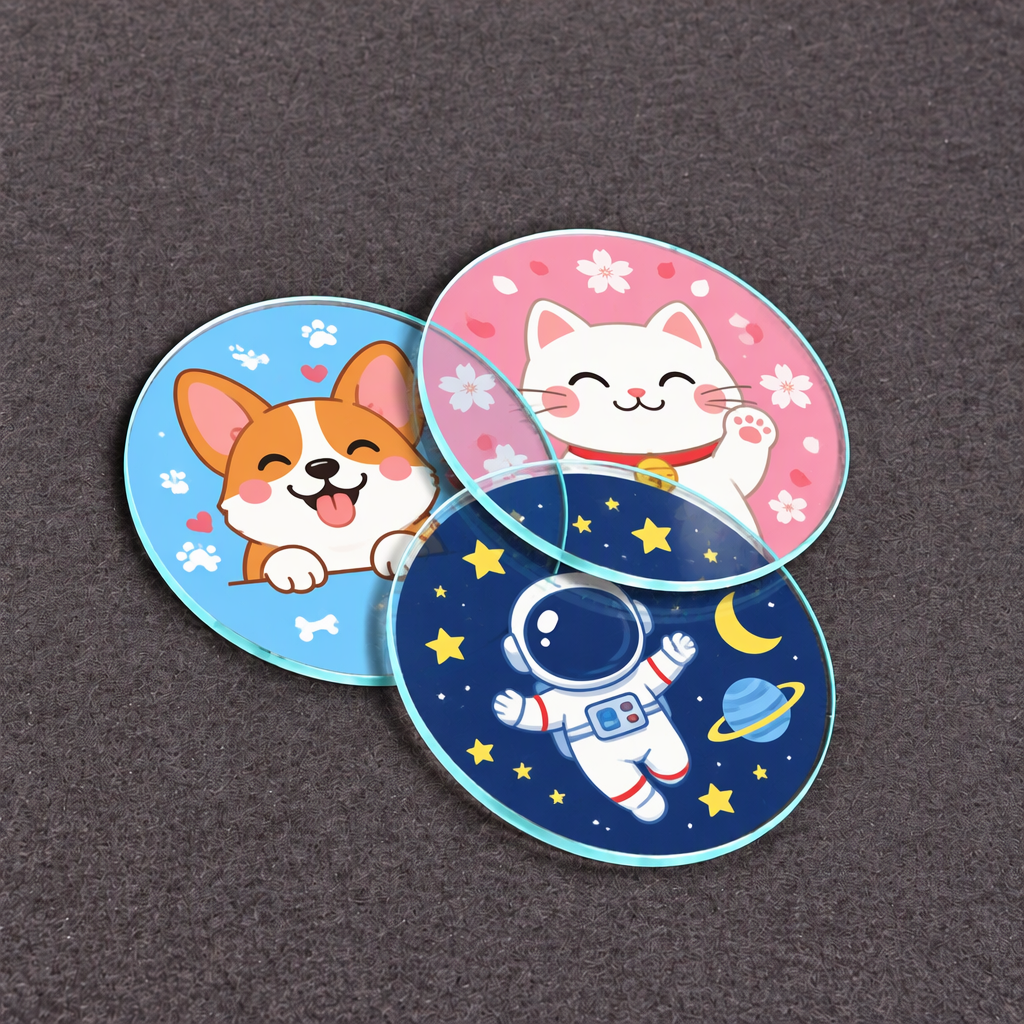
Eco-Friendly Custom Printed Glass Coasters Custom Design Tempered Glass Coaster
Low-to-mid volume decorative tempered glass with custom print. A useful product for branded gifts, tableware sets and sustainable retail programs; specify printable colors, backing option and food-contact requirements.
View specificationNeed to compare these eight product routes against your drawing? Send dimensions, thickness, print artwork and target volume for an engineering review.
Get CatalogWhat “Top 10” Should Mean in Ultra-Thin Glass Supplier Selection
For buyers searching for a top 10 ultra-thin glass supplier, the useful question is not “who is the biggest?” but “which suppliers can meet the drawing, coating, print, certification and delivery requirements with evidence?” Ultra-thin glass suppliers differ significantly in chemical strengthening capability, printing tolerance, coating durability, packing quality and export documentation. A supplier that is strong in 3 mm architectural glass may not be the best fit for a 0.7 mm printed display cover.
This whitepaper is built around the search intent behind “ultra thin glass supplier & suppliers”: commercial investigation, supplier comparison, product recommendation, MOQ and certification checks. Use the evaluation criteria below as a shortlist scorecard. For information gain, we include a total-landed-cost view, a drawing package checklist, certificate details and technical guidance on choosing physical tempering or chemical strengthening.
Qingdao Maupe Glass Co., Ltd. is presented here as one qualified OEM glass supplier to include in a shortlist: founded in 2012, operating an ISO 9001 quality system, holding RoHS and CE certificates, using RoHS-compliant eco-friendly inks, and exporting to more than 80 countries. The product portfolio spans ultra-thin printed cover glass, control panel glass, AR/AG/AF coated glass, tempered glass, PDLC switchable glass and custom decorative glass.
Top 10 Criteria for Comparing Ultra-Thin Glass Suppliers
Use these ten criteria when you issue an RFQ, audit a factory or compare quotations. A supplier that documents all ten is easier to qualify, easier to scale and less likely to create hidden cost during mass production.
Process Integration
Cutting, CNC shaping, edging, drilling, printing, strengthening and coating under one roof reduce handling risk and shorten lead times.
Ultra-Thin Capability
Ask for proven experience with 0.5–2 mm glass, chemical strengthening, low bow, flatness, edge quality and optical inspection.
Print Quality
Check multi-color silk-screen printing, high- and low-temperature inks, layer order, color consistency and RoHS-compliant materials.
Coating Options
AR, AG and AF coatings must match the light environment, touch frequency and cleaning method. Ask for adhesion and durability data.
Certification & Audit
Look for ISO 9001, RoHS and CE evidence, plus third-party onsite assessment. Verify certificate numbers with the issuing body.
Sampling Speed & MOQ
Confirm realistic sample lead time and MOQ by size, print colors, coating and material. Flexible sampling lowers project risk.
Inspection Discipline
Incoming material inspection, in-process checks and finished-product inspection should be documented, not promised verbally.
Export Experience
Verify experience with FOB, CIF, EXW, DDP and express shipments, plus export packing suitable for fragile printed glass.
Engineering Support
Good suppliers review manufacturability, tolerance, hole positions, ink coverage, coating selection and packing before quoting.
Traceability
Batch records, material identity, print parameters, coating lots and final inspection reports make complaints and improvements measurable.
2026 Procurement Trends for Ultra-Thin Glass Suppliers
Purchasing teams are moving from single-price comparison to evidence-based supplier management. The four trends below should be built into your next RFQ and annual supplier review.
Total Landed Cost, Not Unit Price
Total landed cost should include piece price, print yield loss, coating yield, breakage rate, freight, inspection, compliance documentation and inventory carrying cost. A lower unit price can be more expensive if dimensional rework delays assembly.
Dual Sourcing Without Doubling Tooling
Buyers increasingly qualify two suppliers for critical cover glass. Control complexity by sharing a complete drawing package, standardizing print colors and keeping approved sample references for each production process.
Functional Glass Beats Commodity Glass
AR/AG/AF coating, printed touch zones, PDLC privacy films and low-VOC inks create differentiation. Procurement is becoming more involved in optical performance, cleaning durability and material compliance.
Evidence-Based Supplier Management
Request inspection reports, batch records, certificate numbers and change notifications. Digital evidence is now part of supplier qualification, especially for European, North American and regulated industrial buyers.
Product Development Trends: Thinner, Stronger, Smarter Glass
Ultra-thin glass is no longer only a protective layer. It carries brand print, touch sensing, optical control, privacy functions and decorative value. Suppliers that can combine these functions in one part will have an advantage.
0.3–1.1 mm Chemically Strengthened Covers
Thinner glass improves design freedom and weight reduction. Chemical strengthening supports flatness and optical clarity for touch panels, appliance controls and portable electronics.
Printed Touch Zones and Hidden Borders
Silk-screen printing continues to evolve from simple logos to selective windows, dead-front graphics, backlight-ready icons and touch-zone decoration with scratch-resistant ink systems.
AR / AG / AF Coating Integration
Anti-reflective, anti-glare and anti-fingerprint treatments are moving into mainstream projects. Buyers should specify the environment, cleaning chemicals and optical targets before selecting a coating.
Switchable and Decorative Glass
PDLC smart privacy glass, faceted beveled interiors and eco-printed decorative glass expand the meaning of “glass panel.” These products support premium design and new sales channels.
Physical Tempering vs Chemical Strengthening for Ultra-Thin Glass
Choosing the wrong strengthening method is one of the most common causes of re-tooling in cover glass projects. Use this comparison during the design stage, then confirm against your drawing with the supplier’s engineers.
| Criteria | Physical Tempered Glass | Chemically Strengthened Glass |
|---|---|---|
| Typical thickness | About 2 mm and thicker | 0.5–2 mm thin glass; often used for ultra-thin covers |
| Strength gain | Roughly 4–5× annealed glass | High surface compression, well suited to thin parts |
| Breakage pattern | Small blunt fragments for safety glass | Larger pieces, more similar to annealed glass |
| Flatness & optics | Very good; slight roller wave is possible | Excellent flatness with no heat distortion |
| Post-processing | Cut, drill and edge before tempering | Cut, drill and edge before strengthening |
| Best for | Appliance doors, switch panels, display windows, industrial covers | Touch covers, small electronics, wearables, optical windows |
What to include when you send a drawing
- 2D drawing in DWG, DXF or PDF with outline, hole positions, cut-outs and tolerance.
- Glass type and thickness: clear, ultra-clear, high-alumina, 0.5 mm, 1.1 mm or 2 mm and above.
- Edge finish, corner radius, countersink details and safe-edge requirements.
- Print artwork in AI or PDF, color references, layer order and transparent windows.
- Coating requirement such as AR, AG or AF, plus the cleaning method and working environment.
- Annual volume, order frequency, packaging standard and destination for landed-cost calculation.
Why Qingdao Maupe Glass Is a Qualified Ultra-Thin Glass Supplier
For buyers building a top 10 shortlist, supplier capability must be verifiable. Qingdao Maupe Glass Co., Ltd. combines an OEM glass factory, export experience and a broad process chain for functional glass panels.
Established OEM Factory Since 2012
More than a decade of OEM/ODM glass experience, with 8 production lines and a 3,000–5,000 m² factory floor for cutting, edging, printing, tempering, strengthening and coating.
ISO, RoHS and CE Certificates
ISO 9001 certificate No. 24025Q20015R1S, RoHS No. 25TYT12395 and CE No. 23TYT082593S are listed for verification. The company has also been onsite assessed by SGS Group.
One-Stop Functional Glass Process
Cutting, CNC shaping, edge polishing, drilling, engraving, silk-screen printing, physical tempering, chemical strengthening and AR/AG/AF coating are managed within a controlled process chain.
Export Experience in 80+ Countries
Export share of output is 91–100%, with service to North America, Europe, South America, the Middle East, Africa, Oceania and Asia. The factory is close to Qingdao seaport and airport.
Printing & Coating Expertise
Eco-friendly high- and low-temperature inks support logos, icons, touch windows and dead-front graphics. AR, AG and AF coatings help display readability and fingerprint control.
Quality Inspection & OEM Support
Incoming material inspection, finished-product inspection, supplier assessment procedures and OEM/ODM support help engineering and purchasing teams reduce rework and launch risk.
Information gain for sourcing teams
Instead of comparing quotations by unit price alone, ask each supplier to provide: material grade, thickness tolerance, strengthening method, print color target, coating type, edge spec, packaging drop-test plan, sample lead time, MOQ by size and certificate numbers. This creates a comparable scorecard across the top 10 ultra-thin glass suppliers and makes it easier to identify hidden yield or assembly risk.
Qingdao Maupe Glass Co., Ltd. supports custom sizes, printed glass, small-to-medium MOQ, sample verification and export packing. For projects that require both thin printed glass and coated display glass, keeping multiple processes with one supplier can shorten communication and improve accountability.
FAQ for Top 10 Ultra-Thin Glass Supplier & Suppliers
These are the questions buyers ask most often before requesting samples or placing an OEM order.
What is the minimum order quantity for custom printed tempered glass?
Should I choose physical tempered glass or chemically strengthened glass?
Which certifications does Qingdao Maupe Glass Co., Ltd. hold?
What files are needed to start a custom glass project?
Which trade and payment terms are accepted?
How can I verify an ultra-thin glass supplier before ordering?
Ready to Compare Ultra-Thin Glass Suppliers With a Real Drawing?
Share your dimensions, thickness, print artwork, coating target and annual demand. The team can review manufacturability, recommend physical tempering or chemical strengthening, and help you build a comparable RFQ package.
Get Catalog