Top China Borosilicate Glass Window Suppliers & Wholesaler
How procurement teams evaluate heat-resistant borosilicate window glass, verify OEM factories, reduce supply risk, and source wholesale technical glass from Qingdao Maupe Glass Co., Ltd.
8 Technical Glass Products to Evaluate for Your Next Window Program
These production references show the cutting, printing, coating, strengthening, optical and smart-glass capabilities behind a China borosilicate glass window supply program. For each RFQ, Maupe Glass confirms whether borosilicate 3.3, high-alumina glass, tempered soda-lime glass or a laminated assembly is the correct route for the drawing, working temperature and safety standard.
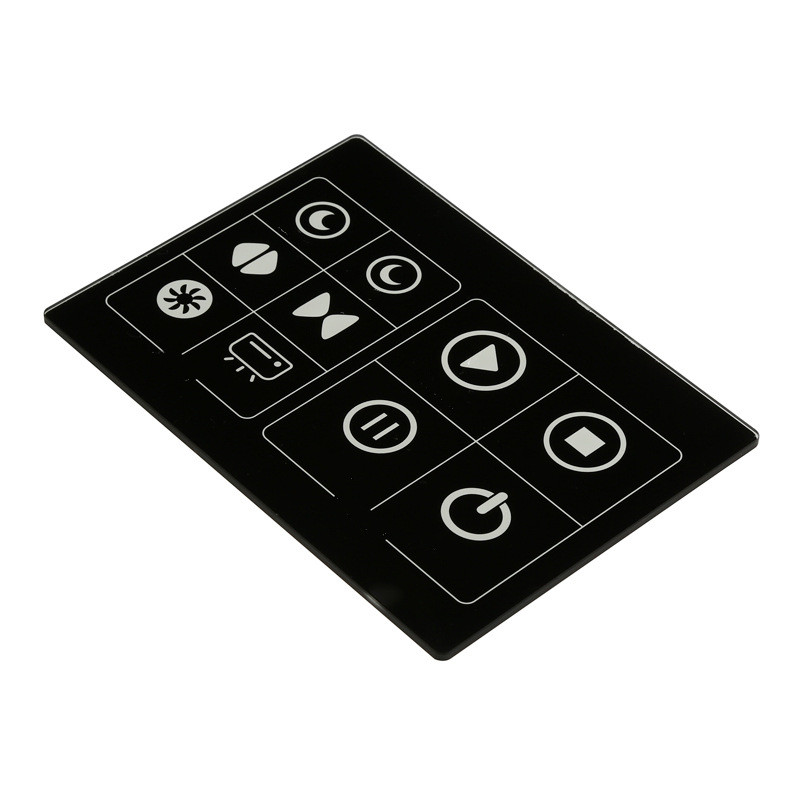
High Temperature Resistant Customized Black Printing Tempered Glass Cooktop Microwave Oven Door Glass for Kitchen
A heat-resistant decorated panel for cooktops, microwave doors and kitchen appliances; specify ink system, glass grade and thermal cycling before substituting a borosilicate window.
View product details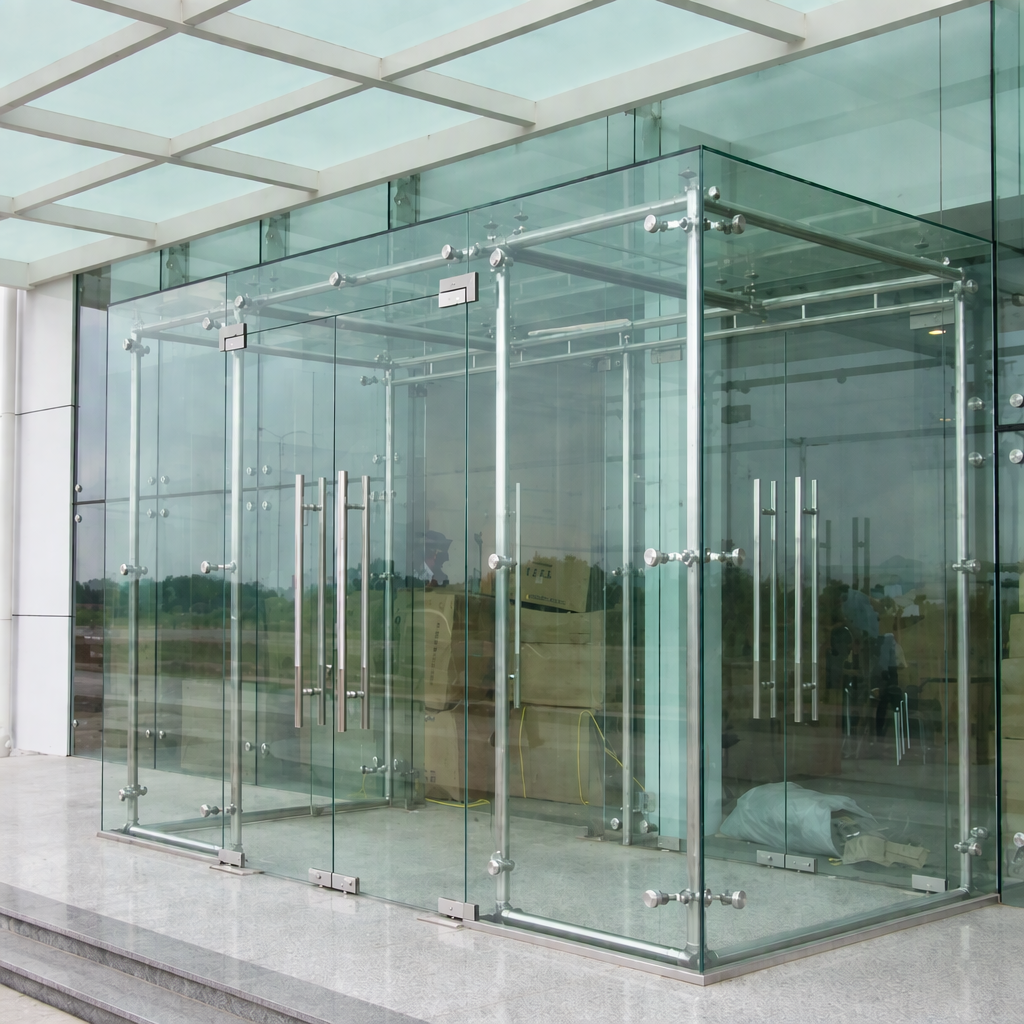
Tempered Glass Solar Window Glass High Transmittance Clear Flat Tempered Glass
Clear flat glass for solar windows and photovoltaic cover applications; evaluate iron content, light transmission, coating compatibility and edge finish.
View product details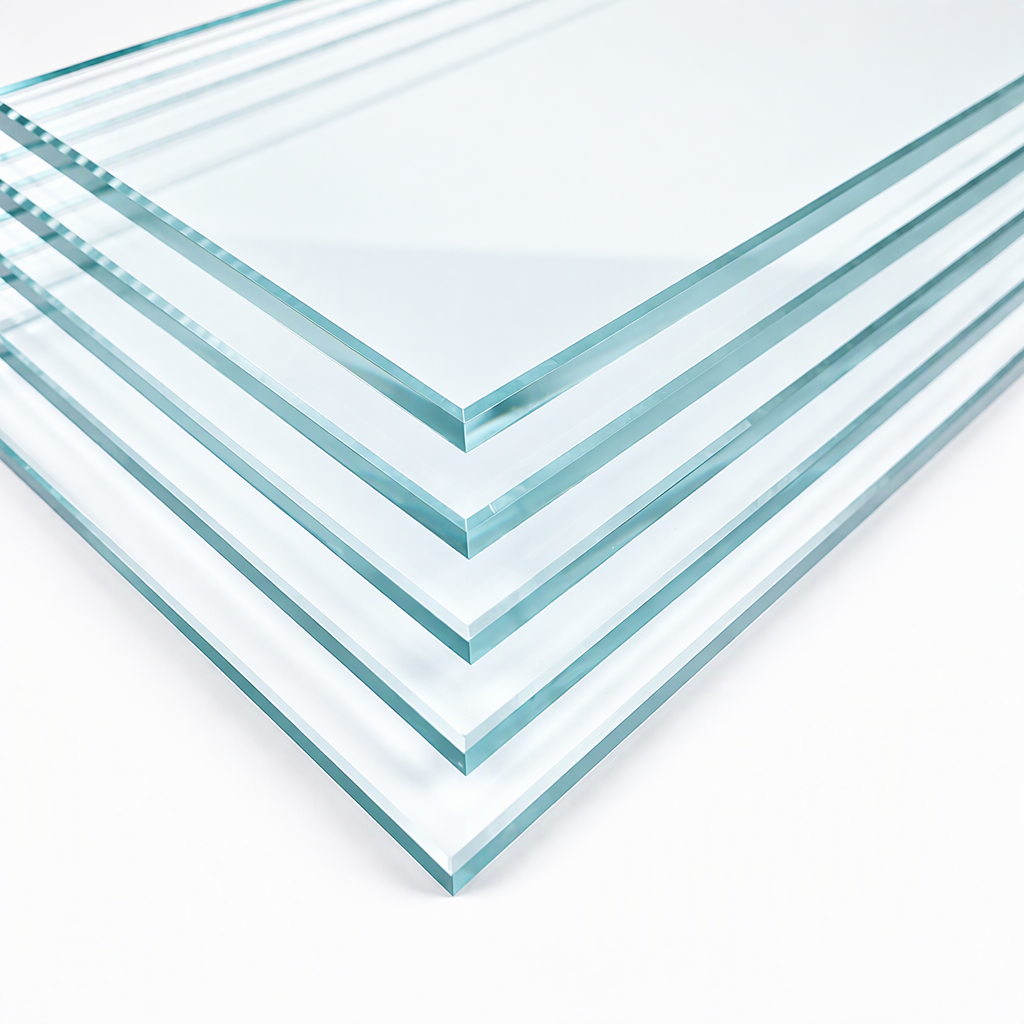
Clear Tempered Glass Transparent Tempered Glass Panel Cover Plate
A clear cover plate for viewports, display windows and equipment guards; a strong reference for evaluating edge quality and optical clarity.
View product details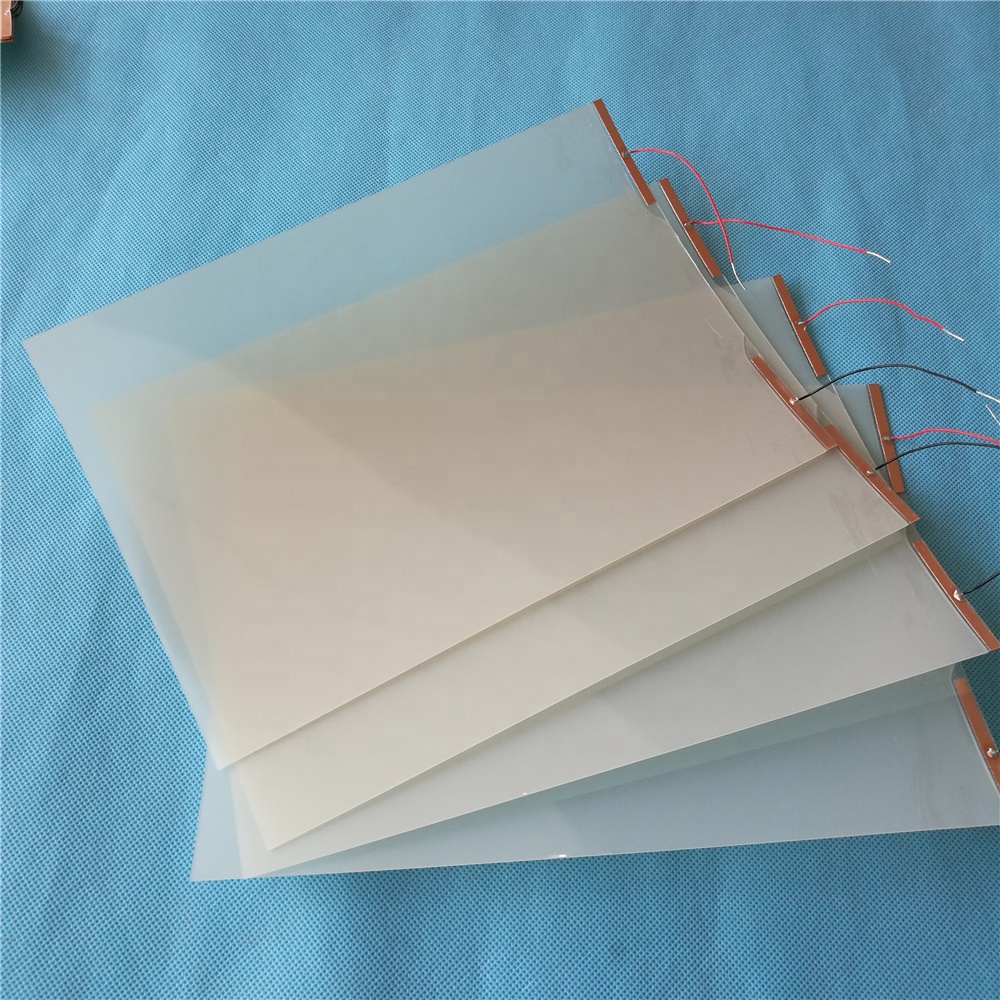
Factory Price Electrochromic Anti-UV PDLC Film Smart Switchable Privacy Glass Office Partition and Curtain Walls
Switchable privacy glass for office partitions and curtain walls; useful when a window program needs tunable privacy, UV control and architectural integration.
View product details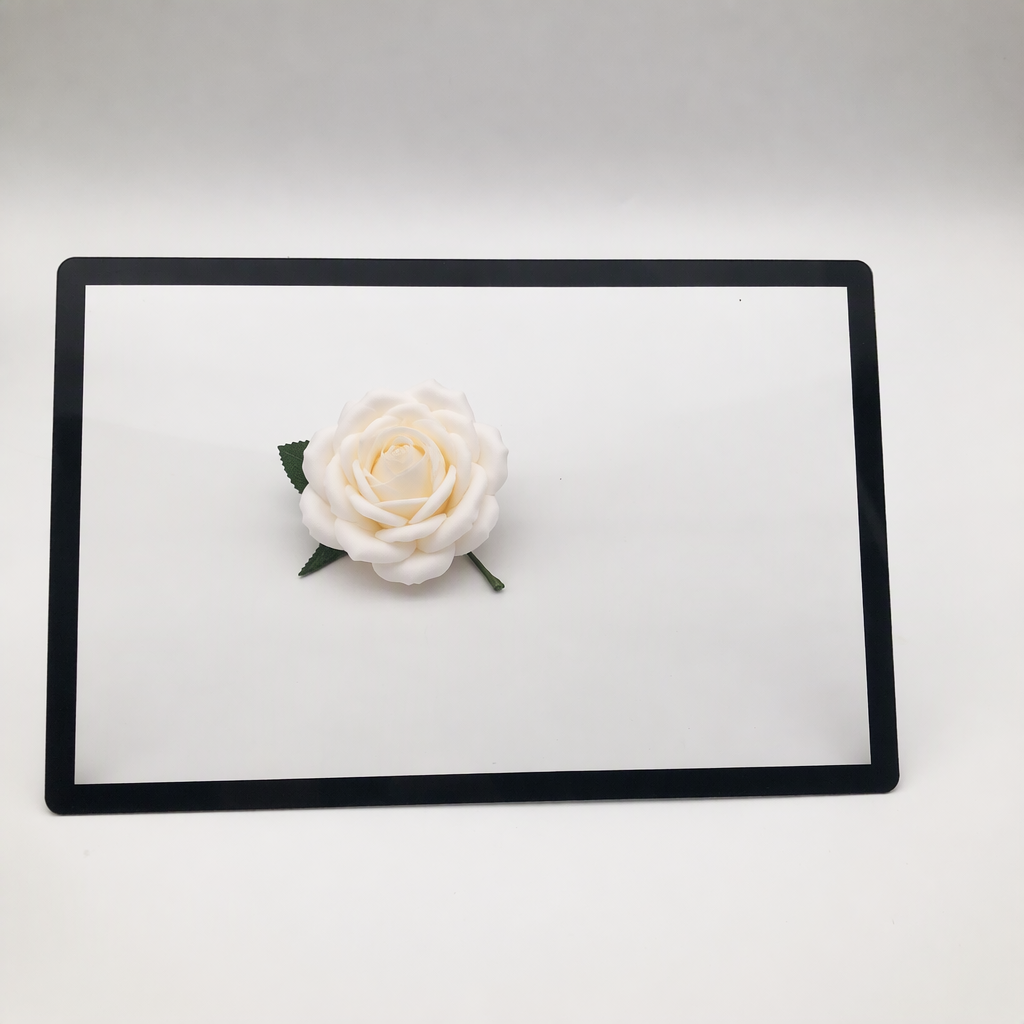
Ultra-Thin Silk Screen Printed Tempered Glass for Display Panels
Thin printed cover glass for compact display panels, sensor windows, instrument covers and HMI interfaces where print registration is critical.
View product details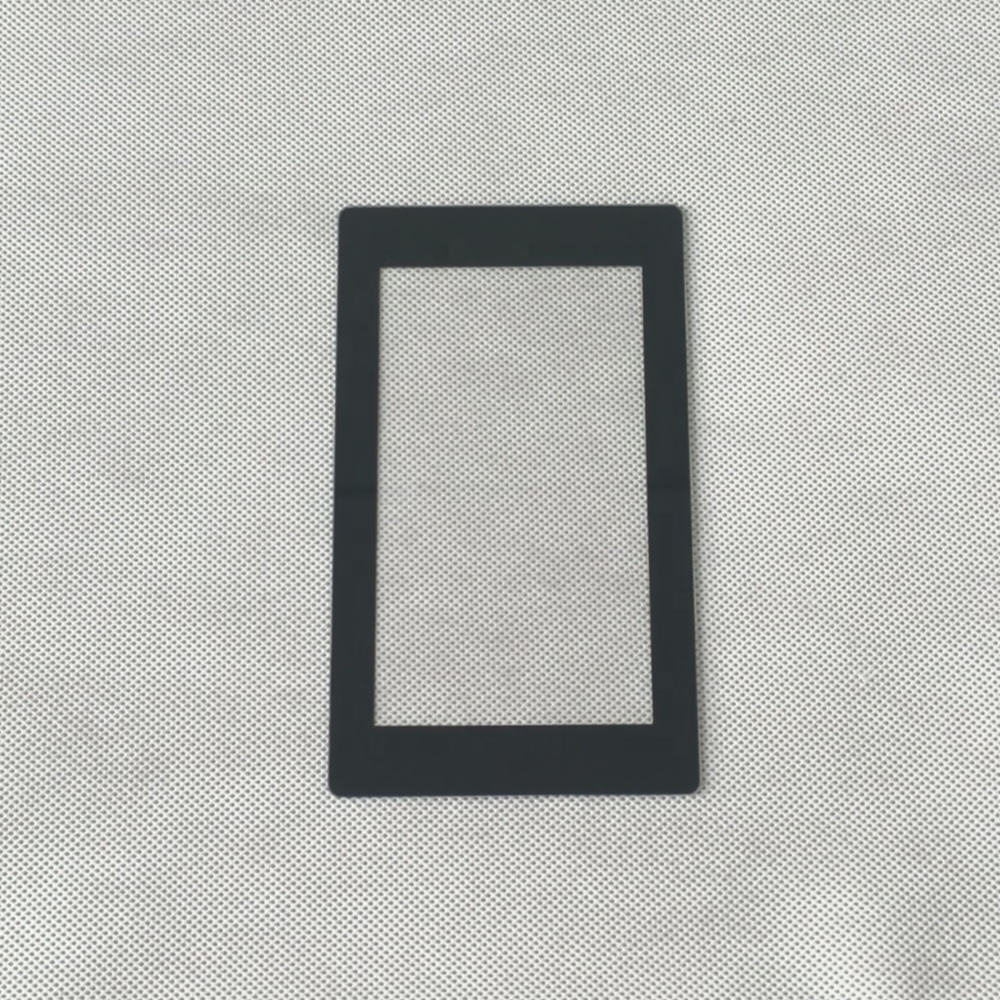
Silk Screen Printed Tempered Glass Panel Self Adhesive Display Cover Glass Flat Electronic Product Glass Screen Protector
Self-adhesive front glass for electronics and display protection; review adhesive type, print opacity, touch-window registration and cleaning durability.
View product details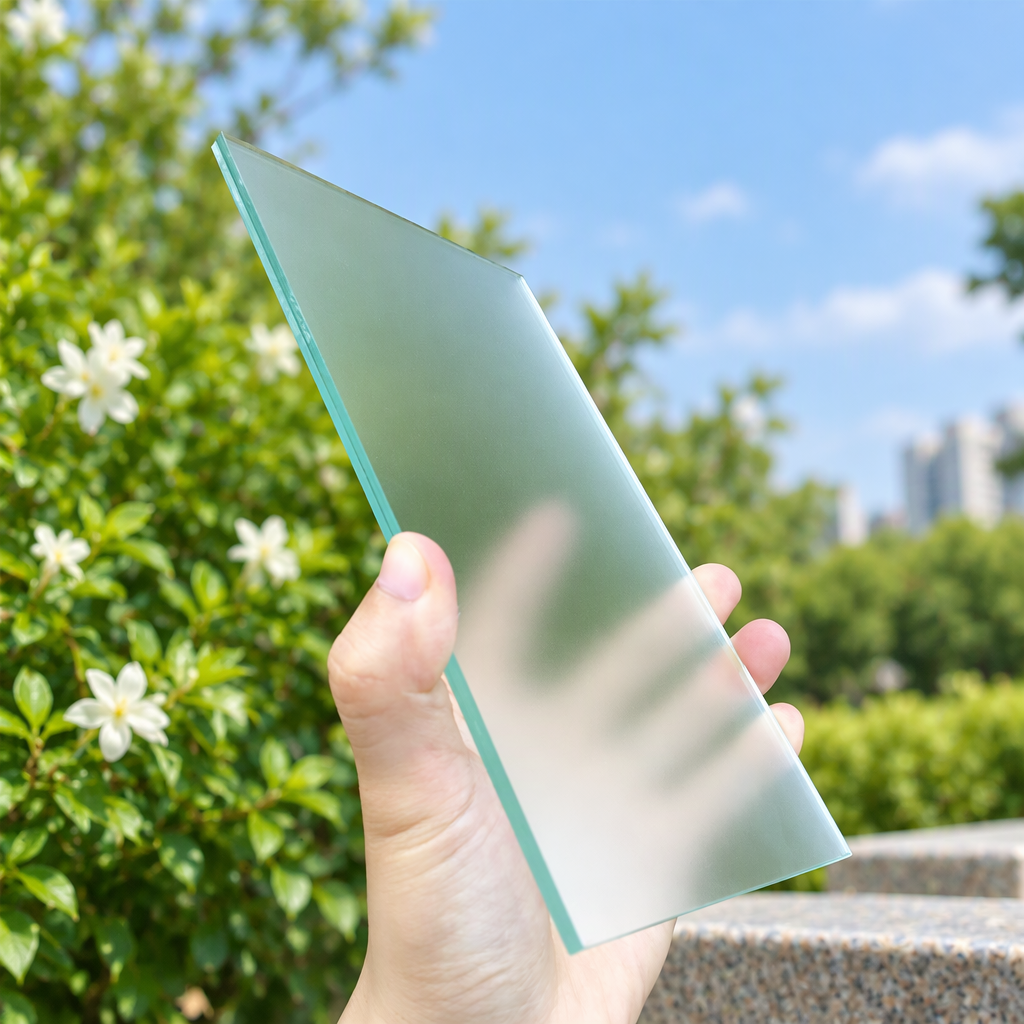
High Quality Industrial Solid Anti-glare Glass Screen Protector Matte Surface Monitor Screen Cover Glass
AG matte cover glass for monitors, industrial HMI and control rooms; reduces reflections while preserving enclosure dimensions and touch performance.
View product details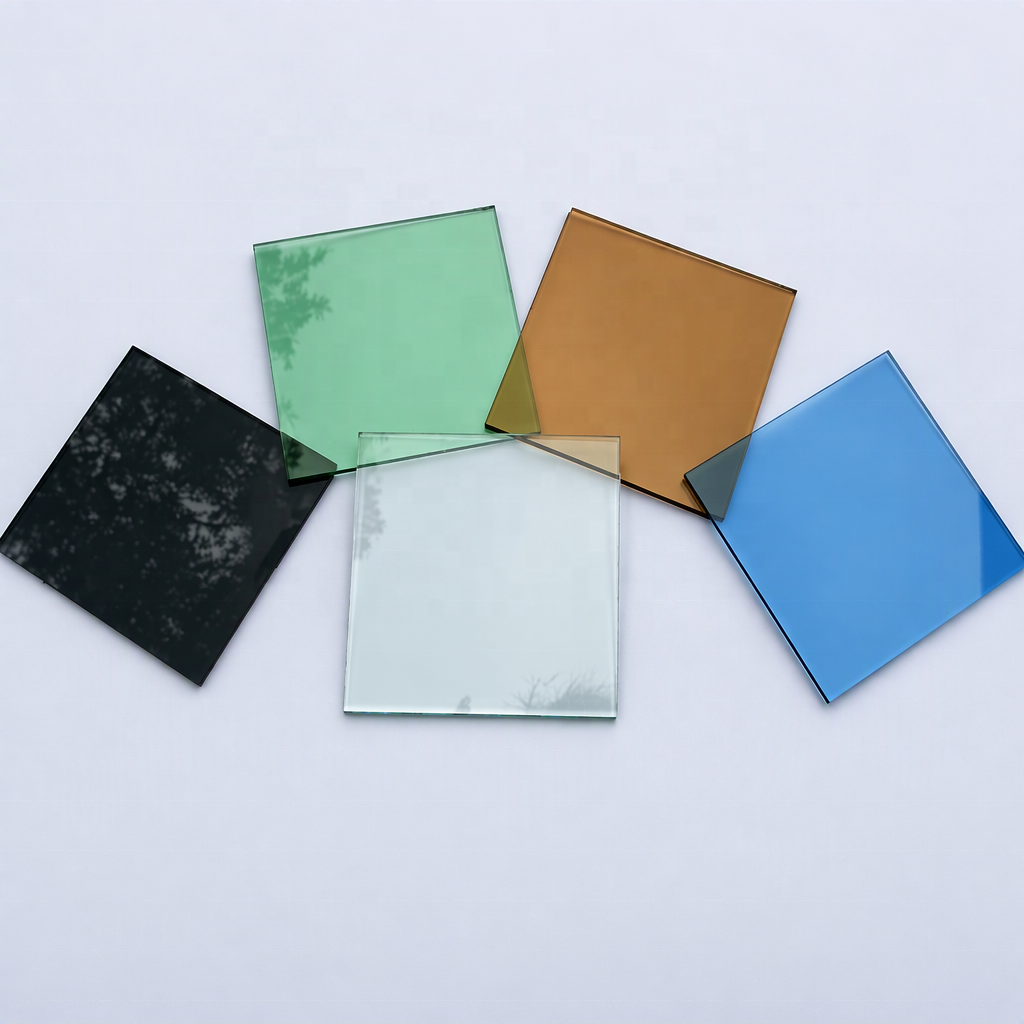
Customized Tinted Tempered Glass Flat Sheet 3mm to 10mm Reflective Colored Glass Toughened Glass
Tinted and reflective flat glass for decorative, privacy and facade-related applications; confirm color, thickness, coating and safety glazing requirements.
View product detailsAll eight product URLs are preserved as provided. For a borosilicate window RFQ, send the drawing so the engineering team can confirm grade, processing route and inspection plan.
What “Borosilicate Glass Window” Really Means for Wholesale Buyers
A borosilicate glass window is not defined by one thickness or one finish. It is a glass component made from borosilicate sheet—typically containing boron trioxide in the glass network—used to protect, view or transmit light in high-temperature, chemical, optical or architectural service. The purchasing specification must therefore be written around the real service condition, not only the product name.
Material Advantage
Borosilicate glass has a low coefficient of thermal expansion, which reduces stress when one surface faces heat and another remains cooler. Grade 3.3 is common in technical windows, but the grade, CTE, transmission and compliance documents must be stated. Borosilicate is not automatically safety glass: safety-critical projects may still need tempering, lamination, edge protection or a framed design.
Sourcing Risk
China offers deep processing capacity and cost flexibility, but borosilicate window sourcing can fail when suppliers substitute glass grade, make unsupported thermal-shock claims, ship chipped edges, misregister printed graphics or omit inspection records. Shortlist suppliers with in-house cutting, edging, drilling, printing, coating, strengthening and export documentation.
Best-Fit Projects
Typical applications include oven and fireplace viewing windows, laboratory and industrial sight windows, solar and display covers, appliance control panels, switchable privacy partitions and architectural feature windows. When impact safety is the primary requirement, engineered tempered or laminated glass may be more appropriate than annealed borosilicate.
Verified Capacity Behind the China Wholesale Offer
Qingdao Maupe Glass Co., Ltd. is an ISO 9001 glass deep-processing manufacturer established in 2012. The figures below show the operating base that supports borosilicate window projects, technical glass panels and OEM export programs.
Why Borosilicate Windows Survive Heat Cycles Better Than Conventional Glass
Borosilicate glass combines silica with boron trioxide. The boron-rich network lowers thermal expansion, so the glass expands and contracts less when a window is heated on one side while the room side remains cooler. In practical procurement, this matters for oven doors, fireplace viewing panes, laboratory windows, industrial sight glass and high-intensity light covers where repeated heating and cooling can generate edge stress.
The benefit is real, but it is not a licence to ignore design. Thermal-shock performance depends on grade, thickness, edge quality, mounting constraints, coating, print coverage and whether the part has been tempered or laminated. A borosilicate window clamped too tightly, installed with a hard gasket or damaged during handling can still fail. Mounting should allow controlled expansion, and edges should be polished and protected.
Chemical durability is another reason buyers specify borosilicate for laboratory and process windows. It resists water, many acids and neutral salt solutions better than conventional soda-lime glass. It is not universal: hydrofluoric acid and hot strong alkalis attack glass, so cleaning chemicals must be reviewed during sampling. Optical requirements also matter. Clear borosilicate can be AR coated for display readability, AG coated to reduce glare, or AF coated for easier cleaning.
The final specification should separate service conditions into hard numbers: continuous temperature, peak temperature, number of thermal cycles, pressure differential, impact risk, cleaning chemistry, transmission target, haze target and safety standard. That information allows a China supplier to quote the correct material route instead of simply matching a low price per square metre.
Indicative Thermal Expansion Comparison
Lower CTE generally means lower thermal stress under the same temperature gradient. Values are indicative; confirm each supplied grade against its material certificate.
Unit: 10⁻⁶ / K. A lower value helps explain why borosilicate is used in high-temperature viewing windows, but the complete assembly—gasket, frame, edge finish and coating—determines real-world reliability.
How Wholesale Glass Buyers Will Source Borosilicate Windows Through 2030
Price per pane is still important, but forward-looking buying teams now compare total cost of ownership, compliance risk, samplability, coating durability, logistics resilience and supplier process control.
Total Cost of Ownership Replaces Lowest Piece Price
Procurement teams are calculating breakage, installation labour, coating rework, line stoppage and compliance checks alongside the unit price. A borosilicate window supplier that documents edge quality, packing validation and tolerance in writing can be cheaper over a full program even when the quoting price is not the lowest.
Small-Batch, High-Mix Programs Become Normal
Appliance, medical, industrial and smart-home brands increasingly launch multiple SKUs with print changes, coating variants and different sizes. Suppliers that support sampling, screen reuse, CNC flexibility and MOQs from 10 to 100 pieces will be preferred over factories that only accept very large single-SKU runs.
Compliance Files Become a Purchasing Filter
ISO 9001, RoHS, CE, SGS onsite assessment, material certificates, dimensional reports and batch traceability are increasingly required before a purchase order is released. Buyers now ask for certificate scope and validity, not just logos on a website, especially for EU, North American and regulated industrial projects.
China Plus Regional Stock and Consolidation
Direct factory sourcing from China remains attractive, but buyers are combining it with regional safety stock and consolidated shipments. A factory close to Qingdao seaport and airport can simplify FOB, CIF, DDP and express movements, while flexible Incoterms help distributors keep inventory balanced across markets.
Coating and Assembly Integration
Demand is rising for AR, AG and AF coatings, printed touch zones, self-adhesive backing, PDLC film lamination and subassemblies ready for the customer’s line. Integrating multiple processes under one quality system reduces handling damage and prevents finger-pointing between separate glass, coating and printing vendors.
Sustainability Becomes a Quotation Question
Distributors and brands increasingly ask about durable glass that reduces replacement frequency, lead-free and RoHS-compliant inks, recyclable packaging and documented process control. Durable borosilicate windows support circular-thinking procurement because a longer service life avoids repeated shipping and remanufacturing.
What Is Changing in Borosilicate Window Design
Designers are asking for lighter assemblies, larger visible areas, lower reflection, touch integration and better edge reliability. These trends affect the drawings, testing plan and supplier capability checklist.
Thinner Glass With Controlled Strengthening
Thin borosilicate and chemically strengthened thin glass are being evaluated for compact appliances, displays and sensor windows. The gain is weight and space, but the trade-off is stricter handling, edge protection and flatness control. Buyers should request actual thickness tolerance, edge specification and strength test data rather than relying on generic claims.
Large-Format and Curved Window Designs
Architectural partitions, premium appliances and display covers are moving toward larger visible glass areas and gentle curves. This increases the importance of uniform heating, mould quality, optical distortion control and packaging engineering. For wholesale programs, a supplier must prove it can repeat the same curvature and visual quality batch after batch.
AR, AG and AF Coatings Become Standard Options
Anti-reflective coatings improve display contrast; anti-glare surfaces reduce reflections in control rooms and bright environments; anti-fingerprint coatings improve touch cleanliness. The purchasing question is not only whether a coating exists, but whether adhesion, haze, transmission and abrasion resistance remain stable through cleaning and environmental testing.
Switchable Privacy and Smart Glass Integration
PDLC smart film and related switchable technologies are appearing in office partitions, privacy windows and architectural glazing. When combined with borosilicate or other technical glass, the supplier must control lamination quality, busbar placement, edge sealing and UV exposure. The glass, film and power supply must be specified as one system.
Printed Touch Windows and Hidden Electronics
Silk-screen printed borders, icons, capacitive touch zones and hidden sensor windows are increasingly integrated into glass. Registration between the print, active touch area and housing becomes a critical tolerance. Ask for first-article reports and a golden sample that defines colour, opacity, print position and touch response.
Laser Processing, Traceability and Data-Rich Inspection
Laser cutting, CNC drilling, automated measurement and batch-level traceability are improving what buyers can verify. For borosilicate windows, this means clearer records for material grade, edge quality, coating batch, print screen, strengthening cycle and packing. Data-rich inspection is becoming part of the product, not an after-sales extra.
Why Qingdao Maupe Glass Co., Ltd. Is a Practical China Wholesaler for Technical Windows
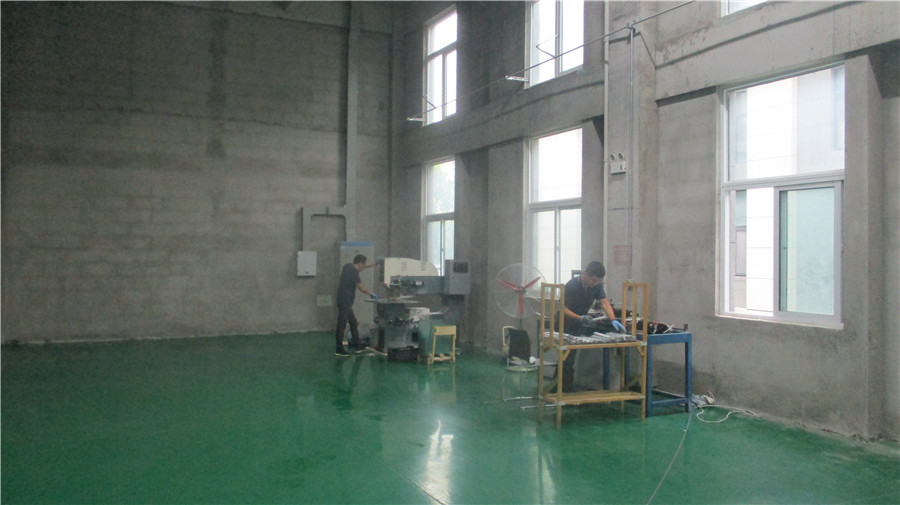
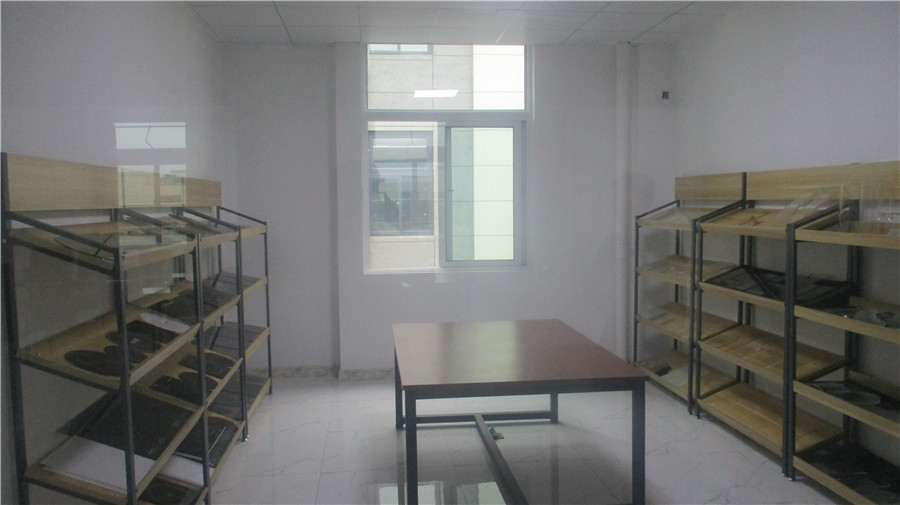
Qingdao Maupe Glass Co., Ltd. was founded in 2012 in Qingdao, Shandong, and operates under an ISO 9001 quality management system. The company is a glass deep-processing manufacturer rather than a simple trading desk: cutting, edge polishing, drilling, engraving, silk-screen printing, physical tempering, chemical strengthening and AR/AG/AF coating are managed as one production chain. That matters for borosilicate window projects because most failures happen at interfaces—edge chips, print misalignment, coating haze, poor flatness or packing damage—not only in the raw glass sheet.
The factory occupies approximately 3,000–5,000 m² and runs 8 production lines. Export accounts for 91–100% of output, with customers in more than 80 countries across North America, Western Europe, Eastern Europe, Northern Europe, South America, the Middle East, Oceania, Africa and Asia. The company has been onsite-assessed by SGS Group, has supplied Fortune 500 buyers, and brings more than 10 years of OEM/ODM experience to custom glass programs.
The quality system is supported by verifiable certificates: ISO 9001 certificate No. 24025Q20015R1S, valid to February 2028; RoHS certificate No. 25TYT12395, valid to December 2030; and CE certificate No. 23TYT082593S, valid to August 2028. Buyers should request current copies and confirm that the scope covers the exact product and process being purchased.
For a borosilicate glass window quotation, the team reviews the drawing, target grade, working temperature, mounting method, safety requirement, print artwork, coating target and annual volume. The factory then confirms manufacturability, suggests whether tempering or lamination is needed, and defines the sampling and inspection plan before mass production.




One Factory, Multiple Process Controls
Keeping the main process steps under one roof shortens communication, makes tolerances traceable and reduces handling damage between subcontractors.
Precision Cutting and CNC Shaping
Straight, round and special-shaped parts are cut and CNC-profiled from clear, ultra-clear, tinted and high-alumina sheet, with dimensions tied to the customer drawing.
Edge Polishing, Drilling and Engraving
Flat, pencil and beveled edges, safety corners, countersunk holes, notches and engraved details support clean assembly and controlled stress at fixing points.
Silk Screen Printing
Eco-friendly high- and low-temperature inks, multi-colour layouts, logos, icons and touch zones with scratch-resistant finishes for window borders and controls.
Physical Tempering
Thermal tempering creates safety glass for appliance doors, switch panels and display windows that must resist impact and heat according to the applicable standard.
Chemical Strengthening
Ion-exchange strengthening is used for thin 0.5–2 mm cover glass where flatness, optical clarity and surface compression are more important than thick safety glass.
AR / AG / AF Surface Coating
Anti-reflective, anti-glare and anti-fingerprint treatments improve readability and cleaning in bright, industrial, medical and touch-heavy environments.
How to Specify and Compare Borosilicate Glass Windows
Use this comparison during the design stage, then confirm the final route with the glass supplier against the drawing, mounting condition and safety standard.
What to include when you send a drawing
A strong RFQ reduces sample rounds and prevents hidden cost. Provide the full service condition, not only the finished size.
| Decision Point | Borosilicate Window Glass | Tempered Soda-Lime Safety Glass |
|---|---|---|
| Primary value | Low thermal expansion, chemical durability and stable optical performance. | High impact strength, safety breakage pattern and broad availability. |
| Thermal shock risk | Generally preferred for repeated heat cycles when grade and mounting are correct. | Tempering improves strength, but thermal expansion remains higher than borosilicate. |
| Break behaviour | Depends on whether the part is annealed, tempered or laminated; specify safety requirement. | Breaks into small blunt fragments when properly tempered. |
| Typical use | Oven and fireplace windows, laboratory sight glass, industrial viewports, high-heat covers. | Appliance panels, architectural safety glazing, display windows and impact-risk covers. |
| Processing | Cutting, drilling, edging, printing and coating must be planned before strengthening. | Cutting, drilling and edging must be completed before tempering. |
| Buyer check | Material grade, CTE, thermal cycling test, edge quality and mounting allowance. | Tempering standard, fragmentation test, flatness, roller wave and edge damage. |
From Drawing to Delivery in Five Controlled Steps
A transparent workflow helps purchasing, engineering and quality teams know exactly what happens before the first bulk shipment leaves Qingdao.
Drawing Review
Engineers check manufacturability, tolerance, edge design, glass grade and strengthening method.
Sampling
Screens and samples are prepared for fit, colour, print registration, coating and touch verification.
Mass Production
Cutting, edging, printing, coating and tempering run through controlled production lines.
Quality Inspection
Incoming material and finished product inspection are completed before packing and release.
Export Shipping
Protective export packing moves through Qingdao port or airport under agreed Incoterms.
Certified Quality You Can Verify
Certificate numbers are listed so compliance teams can check scope and validity directly with the issuing bodies.

ISO 9001 Quality Management
Certificate No. 24025Q20015R1S · Scope: float glass and technical glass products · Valid to 02/2028.

RoHS Compliance
Certificate No. 25TYT12395 · Restricts hazardous substances for EU electrical and electronic equipment · Valid to 12/2030.

CE Marking
Certificate No. 23TYT082593S · Tempered glass · Supports market access across the European Economic Area · Valid to 08/2028.
Where Borosilicate and Technical Window Glass Fit Best
Use application fit to narrow the material route before requesting a quotation.
Oven and Fireplace Windows
High-temperature viewing windows where low thermal expansion, edge quality and gasket design matter.
Industrial Sight Glass and HMI
Control-room windows, machine guards and display covers with AG or AR treatment for readability.
Privacy Partitions and Curtain Walls
Switchable PDLC, tinted and reflective windows for offices, clinics and architectural interiors.
Solar and Display Covers
High-transmittance solar windows, display cover plates and printed electronic glass with tight registration.
Questions Buyers Ask Before Ordering Borosilicate Glass Windows
What is a borosilicate glass window, and where is it used?
+
Is borosilicate glass always better than tempered glass for windows?
+
What thickness should I specify for a borosilicate window?
+
Can borosilicate glass be printed, coated or strengthened?
+
How do I verify a China borosilicate glass window supplier?
+
What is the MOQ for custom borosilicate or technical glass windows?
+
Which trade terms and payment methods are accepted?
+
Which documents should I request before bulk production?
+
Request a Borosilicate Glass Window Quotation
Send your 2D drawing, target glass grade, working temperature, coating requirement, print artwork and annual volume. The engineering team will review manufacturability, confirm whether tempering or lamination is needed, and propose a sampling and inspection plan before mass production.
Supplier: Qingdao Maupe Glass Co., Ltd. · Email: info@maupeglass.com · ISO 9001 · RoHS · CE · SGS Onsite Assessed