Top China Curved Tempered Glass Manufacturer & Factories
A procurement-focused guide for buyers comparing curved tempered glass, printed cover glass, display protection panels and functional glass factories in China.
8 Product Building Blocks for Curved and Flat Glass Programs
Successful curved tempered glass sourcing rarely stops at one bent pane. Buyers also need printed control panels, heat-resistant flat glass, adhesive-backed covers, anti-glare display protection and smart privacy films. The eight products below show the practical range a qualified China glass factory should be able to discuss with your engineering team.
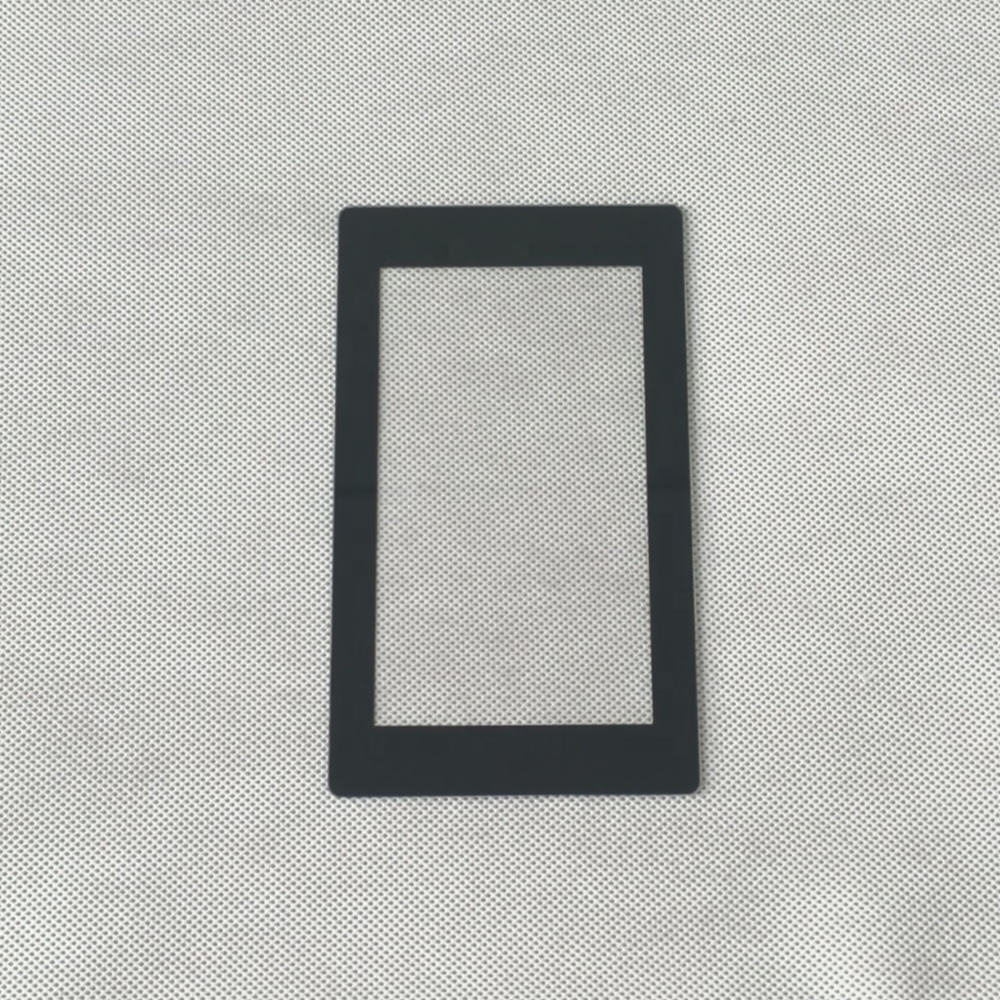
Silk Screen Printed Tempered Glass Panel Self Adhesive Display Cover Glass Flat Electronic Product Glass Screen Protector
Printed, adhesive-backed cover glass for electronics where registration, flatness and clean lamination matter.

Tempered Glass Flat Solid Glass Panels Heat-resistant Tempered Glass for Various Application
Heat-resistant tempered panels for appliance and equipment applications that require stable mechanical performance.
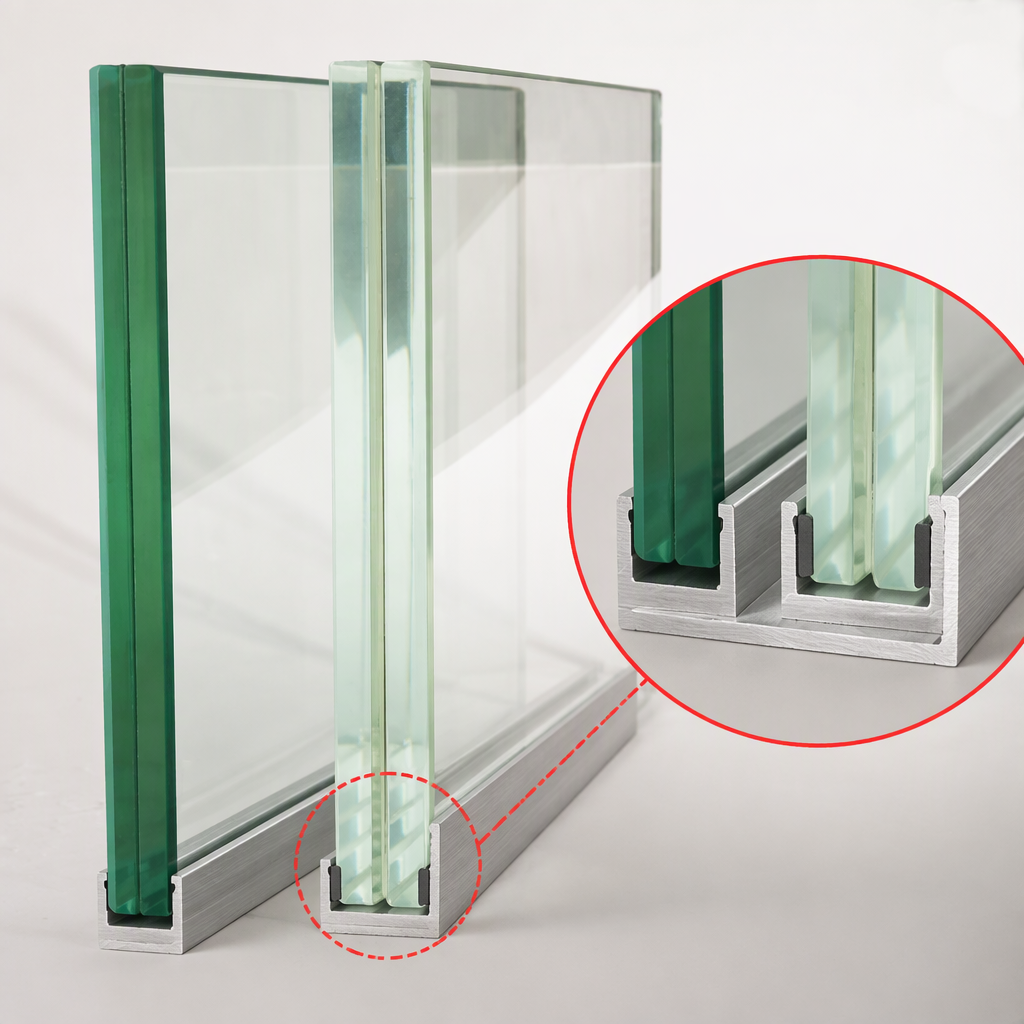
Tempered Glass Flat Solid Tempered Glass Panel Customized Thickness and Size
A flexible specification base for buyers comparing thickness, tolerance, edge finish and drilling before tooling.

Tempered Glass Lazy Susan 50cm 60cm 70cm 90cm Lazy Susan Turntable Strengthened Glass
Large-format strengthened glass for furniture, hospitality and display applications with diameter customization.

Tempered Glass Panel With 3M Adhesive Tape Silk Screen Printing for Electrical Appliance Decoration Front Cover Glass
Decorative front cover glass with 3M adhesive tape, suited to appliance and electronic control surfaces.
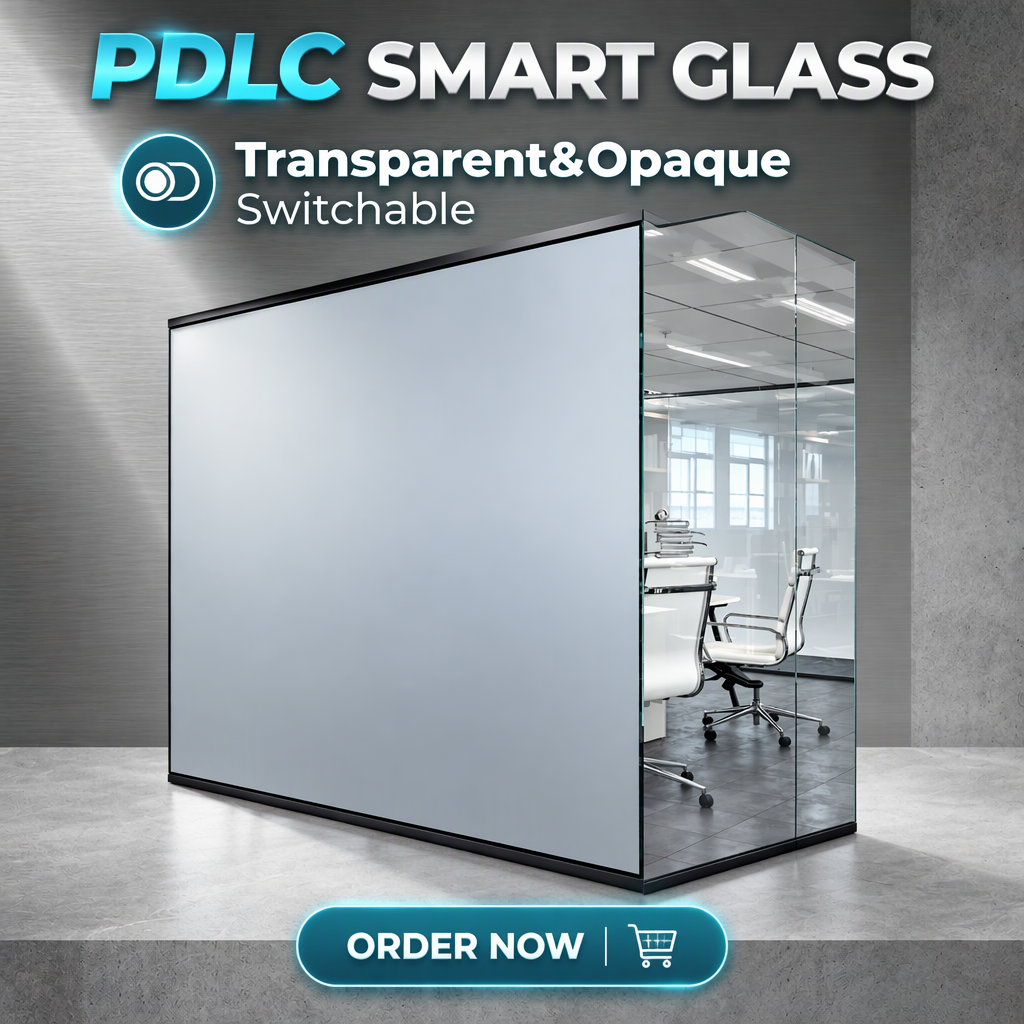
PDLC Smart Film Smart Glass Privacy Film Electrically Transparent Dimmable Glass
Switchable privacy film for smart glass partitions, meeting rooms and controlled-visibility interior spaces.
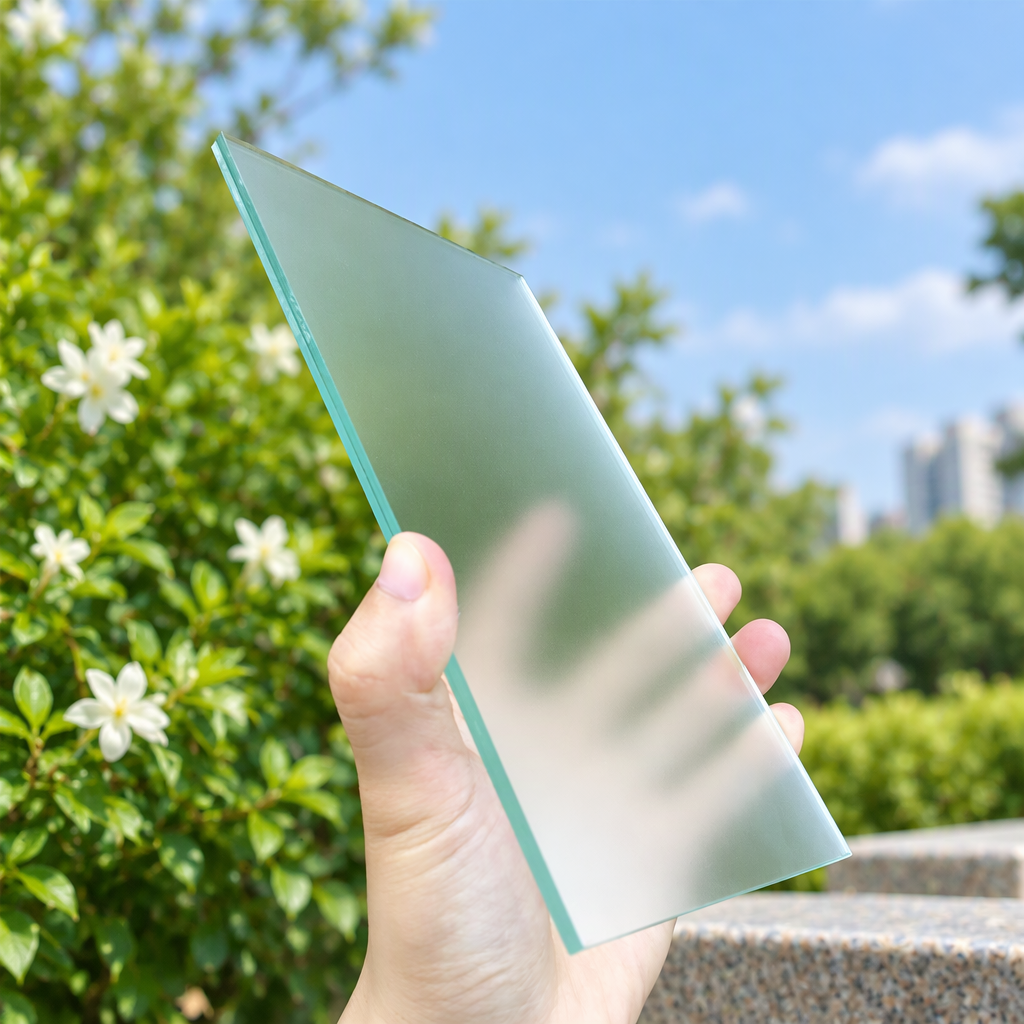
High Quality Industrial Solid Anti-glare Glass Screen Protector Matte Surface Monitor Screen Cover Glass
AG matte cover glass for industrial monitors, HMI panels and bright environments where glare reduces readability.
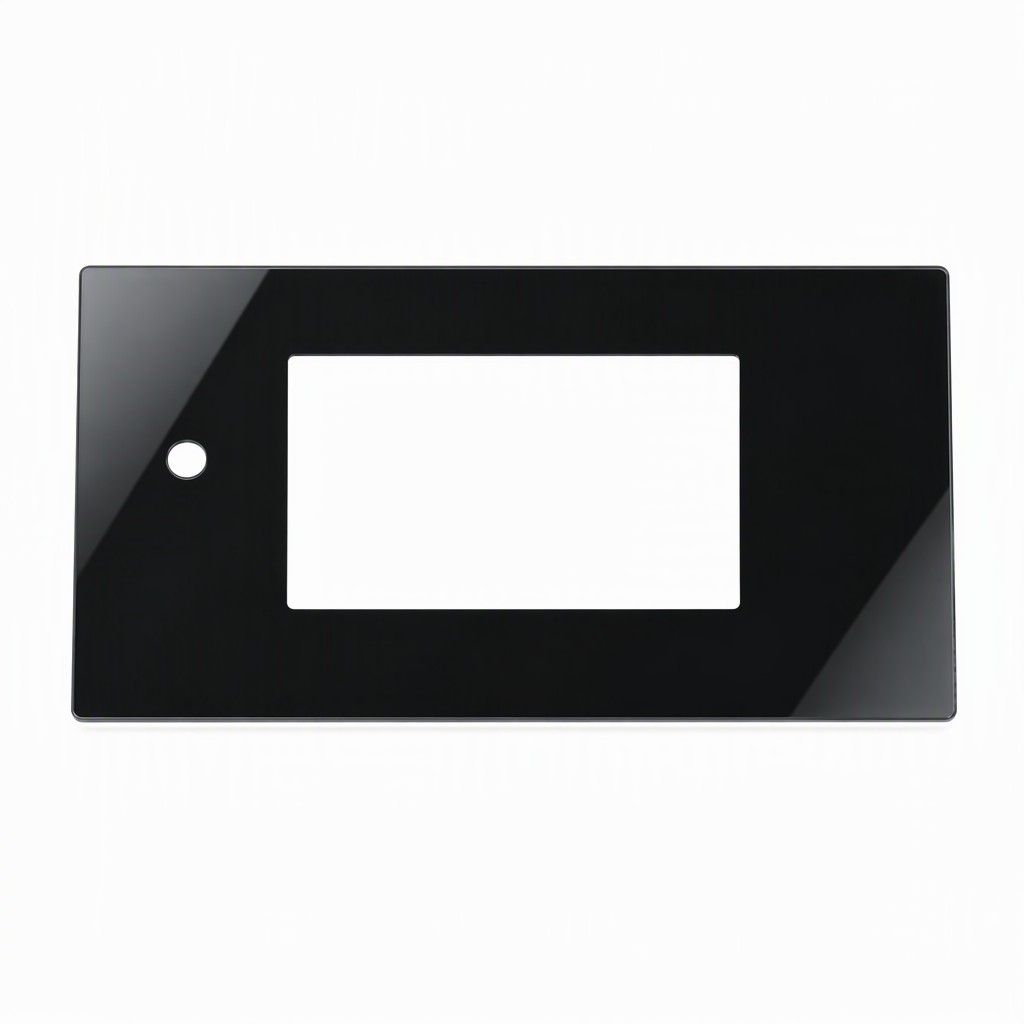
Gorilla Glass Display Protection Cover AR AF Coated LCD Touch Panel Digitizer Front Cover Glass for Industrial Medical Screens
AR and AF coated display cover glass for medical, industrial and touch interfaces with optical clarity requirements.
What Buyers Really Mean by “Top China Curved Tempered Glass Manufacturer”
Search demand around China curved tempered glass factories usually comes from four buyer groups: engineers validating bend tooling, procurement teams benchmarking landed cost, quality managers checking certification, and product teams looking for a factory that can combine bending with printing and coating. A useful supplier page must answer each intent with verifiable process detail—not just a factory list.
Curved glass is a drawing-driven product, not a catalogue item
For curved tempered glass, the real technical conversation starts with the drawing: bend radius, chord height, glass thickness, edge profile, hole positions, print artwork, coating area and the assembly method. A credible manufacturer will request these details before quoting because bending, tempering, printing and coating interact with one another. A print that registers perfectly on a flat panel may shift after bending. An anti-reflective coating applied before or after strengthening can change yield, color and durability. A low piece price that ignores tooling, fixtures and first-article approval is not a comparable quotation.
China remains a strategic source for curved and functional tempered glass because the country combines mature glass deep-processing equipment, a dense supplier ecosystem for inks, coatings and adhesives, and export experience across North America, Europe, the Middle East, Oceania and Asia. However, the category is broad. A factory that produces architectural laminated glass may not be the right partner for a 1.1 mm printed cover panel for a smart-home switch. A supplier that assembles touch modules may not own the tempering furnace. The correct shortlist depends on whether your project needs physical tempering, chemical strengthening, precision printing, optical coating or a combination of all four.
Qingdao Maupe Glass Co., Ltd. is positioned in this practical middle ground: an ISO 9001 glass deep-processing manufacturer established in 2012, with cutting, edge polishing, drilling, engraving, silk screen printing, physical tempering, chemical strengthening and AR / AG / AF coating capabilities. For buyers sourcing curved tempered glass and related display panels from China, that process breadth matters because it reduces the number of handoffs between bending, printing, coating, inspection and packing.
Information gain: five questions that reveal factory depth
- Can the factory define a control plan for curvature, edge quality, print registration and coating?
- Does the quote separate tooling, fixture, first-article and packaging costs from piece price?
- Which breakage pattern, fragmentation and edge-stress checks apply after tempering?
- How is optical distortion measured after bending and coating?
- Can the supplier show traceability from glass sheet to packed carton?
Curved Tempered Glass vs Flat Functional Glass vs Chemically Strengthened Glass
Use this comparison during the design stage. It helps separate a genuine curved tempered glass inquiry from a flat cover-glass project that may be better served by chemical strengthening or a coated flat panel.
| Criteria | Curved tempered glass | Flat tempered cover glass | Chemically strengthened glass |
|---|---|---|---|
| Typical use | Curved appliance windows, HMI covers, architectural and equipment viewing windows | Switch panels, display windows, control covers, appliance fronts | Thin touch covers, electronic display glass, optical windows |
| Tooling impact | Higher; bending molds and fixtures influence cost and lead time | Lower; cutting and CNC programs are more straightforward | Moderate; emphasis is on flatness, edge quality and ion-exchange control |
| Printing risk | Registration on a curved surface must be validated on the actual bend | Mature process with predictable registration | Good for fine icons and touch zones on thin glass |
| Optical inspection | Check distortion, reflection and coating uniformity after bending | Check flatness, print color and surface defects | Check flatness, surface compression and optical clarity |
| Sourcing advice | Ask for DFM feedback, curvature gauge plan and first-article report | Fast sampling; compare print and tape options | Best for 0.5–2 mm thin covers where flatness is critical |
Illustrative OEM sourcing scorecard
Based on common questions raised during glass supplier evaluation, buyers rarely choose on piece price alone. The weighting below is illustrative, not a published statistic; use it to structure your own RFQ review.
- Drawing and tolerance review32%
- Compliance and certification evidence24%
- Sample validation and first-article quality21%
- Lead time and export communication14%
- Packaging and landed-cost risk9%
Use the scorecard to compare responses from multiple China curved tempered glass factories on the same basis.
What to compare beyond the quotation
A curved tempered glass quotation should identify the glass type, thickness, bend direction, curvature tolerance, print layers, coating specification, edge finish, packing method and whether tooling is owned by the buyer. Ask whether the factory performs tempering in-house or outsources it. For printed panels, ask for color references under the agreed lighting condition. For coated panels, ask for reflectance, haze or gloss targets and the test method. For export orders, ask how the factory protects edges and corners during consolidation because shipping damage often appears as a quality complaint even when the glass left the factory in good condition.
Strong suppliers answer with process evidence. They show a control plan, measurement method, inspection photos, certificate numbers and sample reports. Weak suppliers answer with adjectives. That difference is the core of E-E-A-T in glass sourcing: experience is visible in the questions a factory asks before it quotes.
How Curved and Functional Glass Procurement Will Change Through 2030
Procurement teams are moving from price-only comparisons to risk-adjusted sourcing. The following trends are especially relevant for buyers qualifying China curved tempered glass manufacturers and functional display glass factories.
1. Total landed cost replaces piece price
Buyers increasingly compare packaging yield, freight damage, inventory turns and engineering change cost alongside piece price. A slightly higher quotation with fewer defects and better documentation can be cheaper after landed-cost analysis.
2. DFM review before RFQ
More purchasing teams now require a manufacturability review before releasing a broad RFQ. This reduces the risk of comparing quotes that are based on different assumptions for tooling, bend radius, coating or print tolerance.
3. Compliance evidence becomes standard
ISO 9001, RoHS, CE and third-party onsite assessment are moving from differentiators to baseline checks. Buyers want certificate numbers, scope statements and expiry dates they can verify before a supplier enters the approved list.
4. Coating and printing are integrated earlier
AR, AG, AF and printed touch zones are now specified at the drawing stage rather than added after glass sourcing. This forces suppliers to discuss coating sequence, masking, cleaning and handling together with tempering.
5. Low-MOQ sampling gains importance
Product teams want fast fit checks before committing to mass production. Factories that can support 10–100 piece sample runs—depending on size, print colors and tooling—are better placed to win long-term programs.
6. Dual sourcing and regional inventory
Many OEMs keep a China custom-manufacturing source for engineering flexibility while holding regional safety stock for urgent replacement demand. Suppliers that provide consistent documentation and repeatable production are easier to integrate into this model.
Where Curved and Functional Glass Products Are Heading Next
Product development is pushing glass from a passive cover into a functional interface: optically coated, printed, touch-enabled and sometimes switchable.
Curved HMI glass with optical coatings
Curved control surfaces are increasingly specified with anti-glare or anti-reflective treatments so that displays remain readable under bright light. The manufacturer must control coating uniformity across the bend, not only on a flat sample.
Thin chemically strengthened cover glass
Electronic devices continue to move toward thin, flat cover glass in the 0.5–2 mm range. Chemical strengthening supports optical clarity and flatness, making it a strong fit for touch panels, medical screens and industrial interfaces.
Decorative printing with touch zones
Control panels increasingly combine brand decoration, hidden sensor windows, icons, backlighting and capacitive touch areas in one printed glass part. High- and low-temperature inks must match the end use and cleaning process.
PDLC and anti-glare smart surfaces
Switchable PDLC privacy film and AG industrial cover glass show how glass is becoming part of the user experience. Buyers should validate haze, clarity, power supply, edge sealing and long-term environmental stability during sampling.
Why Qingdao Maupe Glass Co., Ltd. Belongs on a China Glass Shortlist
For OEM buyers, the strongest signal is not a long list of machines. It is a traceable process chain, certification evidence, export experience and a team that can review a drawing before production begins.
Founded in 2012 in Qingdao, Shandong, Qingdao Maupe Glass Co., Ltd. is a glass deep-processing manufacturer and international supplier operating under an ISO 9001 quality management system. Its core work is turning flat glass into finished functional parts through cutting, edge polishing, drilling, engraving, coating, silk screen printing, physical tempering and chemical strengthening. For a curved or precision cover-glass program, this breadth helps keep key process steps under one roof and makes quality responsibility easier to trace.
The company’s silk screen printed glass uses RoHS-compliant, eco-friendly inks with high- and low-temperature printing processes. This supports scratch- and wear-resistant prints for displays, electronic control equipment, instrument covers, household and kitchen appliances, furniture and decorative partitions. Buyers can request print color references, layer order, icon detail and touch-zone requirements in the RFQ so that the sample reflects the intended mass-production condition.
Qingdao Maupe Glass serves clients in more than 80 countries across North America, South America, Europe, Oceania, the Middle East, Africa and Asia. The factory is close to Qingdao seaport and airport, which simplifies export logistics and makes buyer visits and onsite audits practical. The company has been onsite-assessed by SGS Group, is a Fortune 500 supplier with procurement contract verification, and provides OEM / ODM service with 10 years of OEM experience. Its factory area is 3,000–5,000 m², with 8 production lines and an export share of output around 91–100%.
Certificate numbers buyers can verify
Compliance evidence should be specific. The company’s ISO 9001 certificate number is 24025Q20015R1S, the RoHS certificate number is 25TYT12395, and the CE certificate number is 23TYT082593S. Buyers should confirm scope, issuing body and validity dates against the current certificate before approving a supplier.
For curved tempered glass projects, ask for a first-article inspection plan covering dimensions, curvature, edge quality, print registration, coating appearance, light transmission or reflectance, and packaging. For flat printed panels, add color consistency, tape adhesion and hole-position checks. The same disciplined approach should be applied whether the part is a large display window or a small smart-home touch cover.
Because the factory works with clear, ultra-clear, tinted and high-alumina sheet, buyers can discuss trade-offs between strength, optical quality, decoration and cost before tooling is committed. That early conversation is often more valuable than a fast quotation based on incomplete specifications.




Certified Process Evidence for International Buyers
Certificate images and numbers help compliance teams move from a general supplier search to a verifiable factory review.

ISO 9001
Certificate No. 24025Q20015R1S · Quality management system for float glass and technical glass products.

RoHS
Certificate No. 25TYT12395 · Supports restricted-substance compliance for electrical and electronic equipment.

CE Marking
Certificate No. 23TYT082593S · Tempered glass certification supporting European market access.
Onsite Assessment
Third-party onsite assessment by SGS Group, adding an independent verification layer to supplier due diligence.
Curved Tempered Glass and Custom Glass Factory FAQ
These are the questions that most often determine whether a China glass factory can move from inquiry to approved supplier.
What is the minimum order quantity for custom printed tempered glass?
Should I choose physical tempered glass or chemically strengthened glass?
Which certifications does Qingdao Maupe Glass Co., Ltd. hold?
What files are needed to start a custom glass project?
Which trade and payment terms are accepted?
How should I evaluate curved tempered glass quality before mass production?
Can printing, adhesive tape, anti-glare or AR/AF coating be combined on one glass panel?
Have a Drawing Ready? Let Our Glass Engineers Review It.
Share your specifications for curved tempered glass, printed cover glass, display protection panels or coated industrial glass. A practical DFM response starts with your drawing, target volume, coating requirement and inspection standard.
info@maupeglass.com