8 Product Recommendations for Float Glass, Tempered Glass and Custom Display Procurement
These eight product families reflect the specifications most often requested by wholesale buyers and OEM engineering teams sourcing from China. Every product URL is preserved, and each item can be customized by drawing, thickness, print artwork, surface coating and export packing plan.

Glass Factory Customized Transparent Display Touch Screen Glass Silk Screen 9H Hardness Industrial Screen Protector
A high-clarity 9H cover option for HMI, kiosk, instrumentation and industrial touch displays. Printed borders, CNC holes and AR/AF coating options help protect screens while keeping touch zones optically clean.
View product specs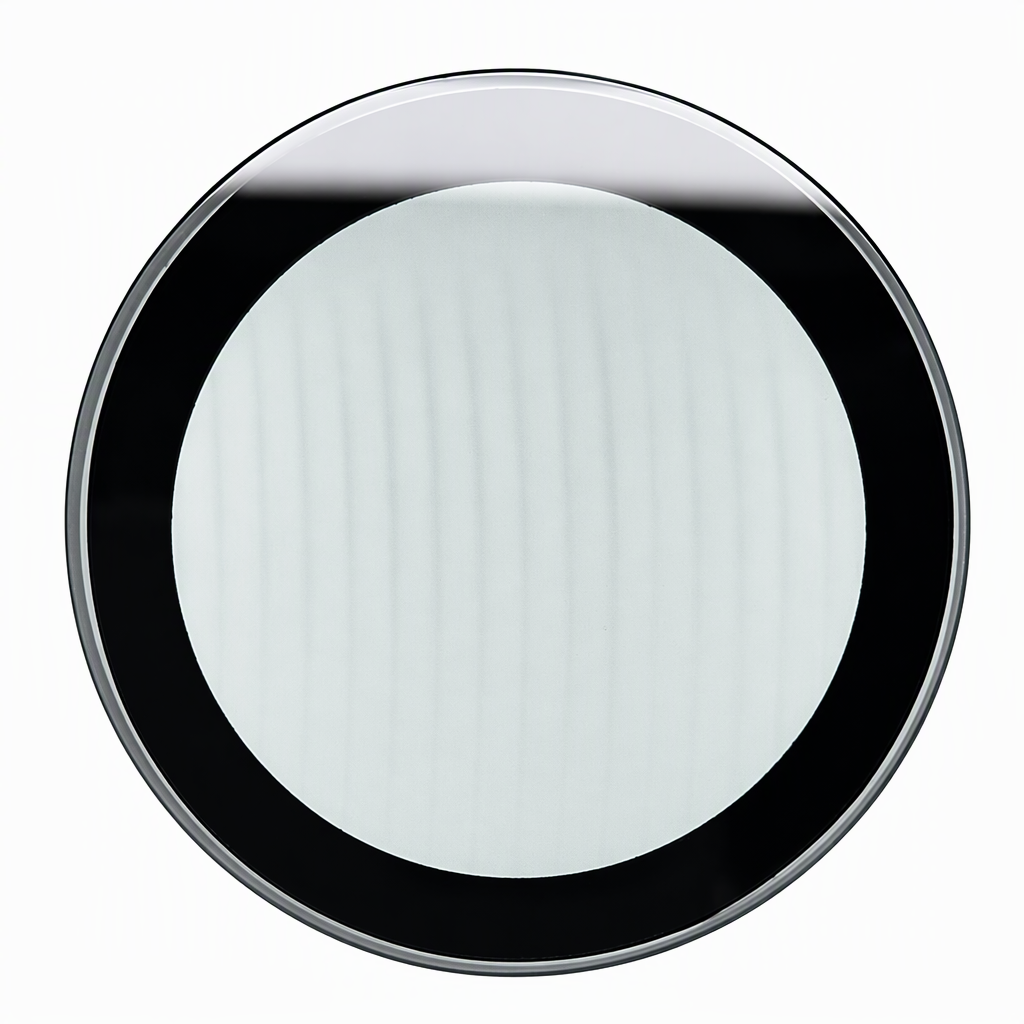
Custom 3–19mm Thickness Flat Tempered Glass Panel for Instrument Use Factory Price Round Shape Printed Tempered Glass
Round or rectangular tempered panels for gauges, control equipment and instrument windows. Buyers can specify thickness, edge finish, holes, countersinks, print colors and flatness requirements before production.
View product specs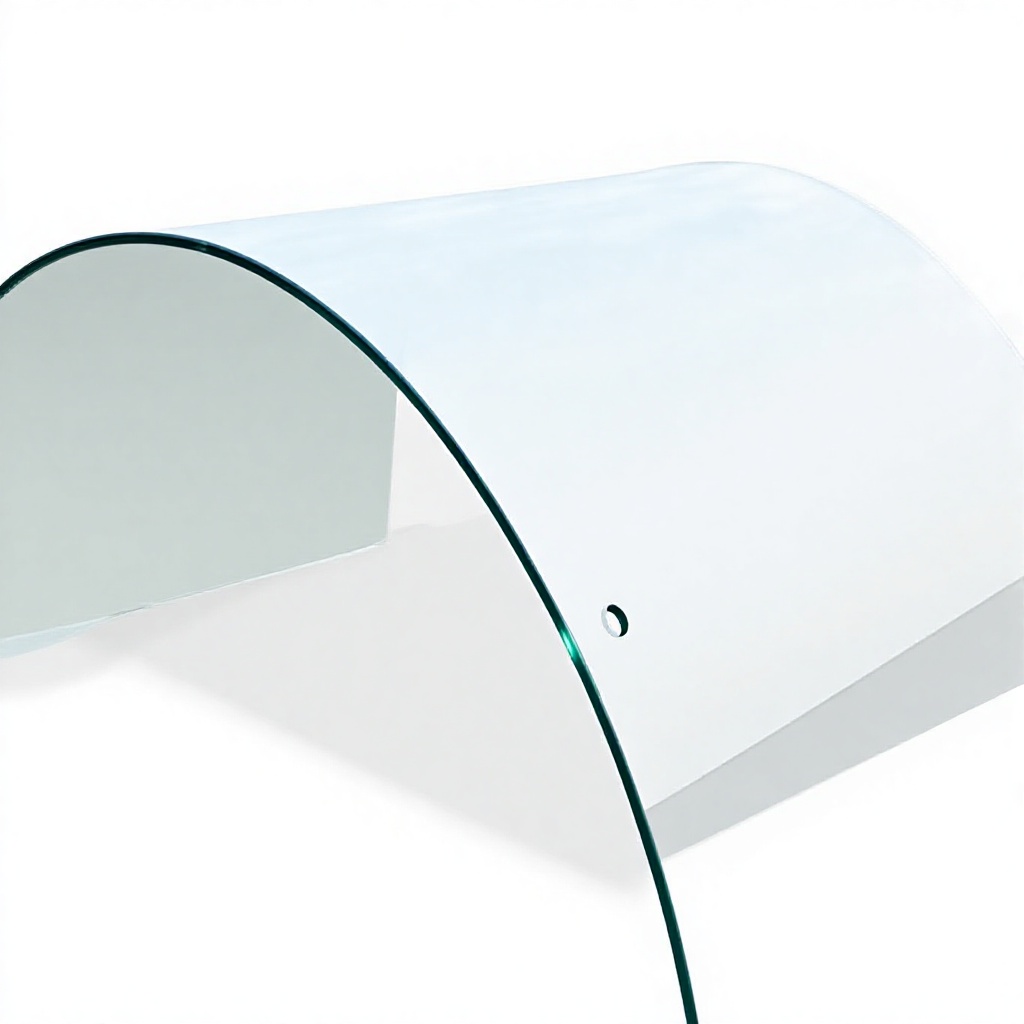
Custom Curtain Wall Glass Balcony Glass Tempered Glass Curved
Curved and flat tempered glass for balconies, curtain walls and architectural accents. Project teams can review edge treatment, hole positions, fittings and packing protection against construction-site handling risks.
View product specs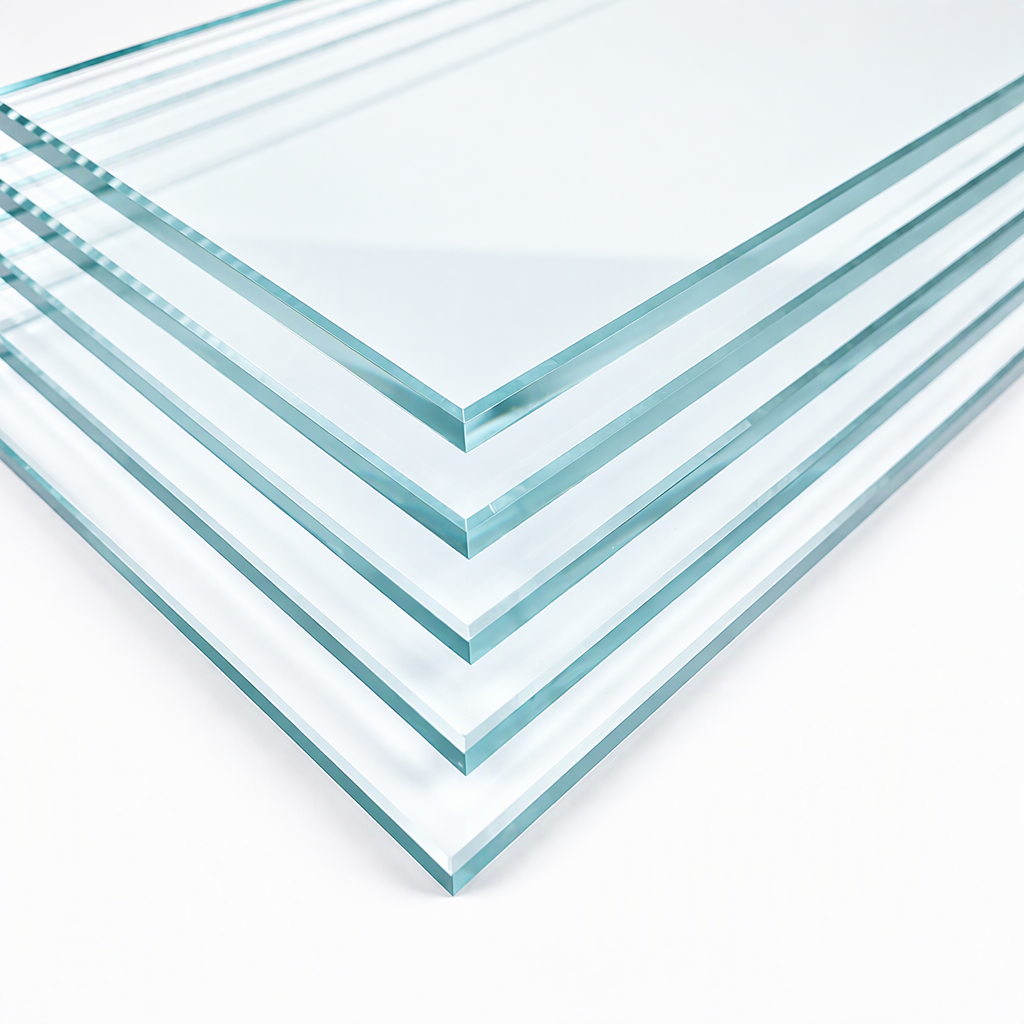
Clear Tempered Glass Transparent Tempered Glass Panel Cover Plate
Clear tempered cover plates for appliances, control panels, protection windows and industrial equipment. The manufacturing route is selected around optical clarity, surface quality, edge safety and repeatable export packaging.
View product specs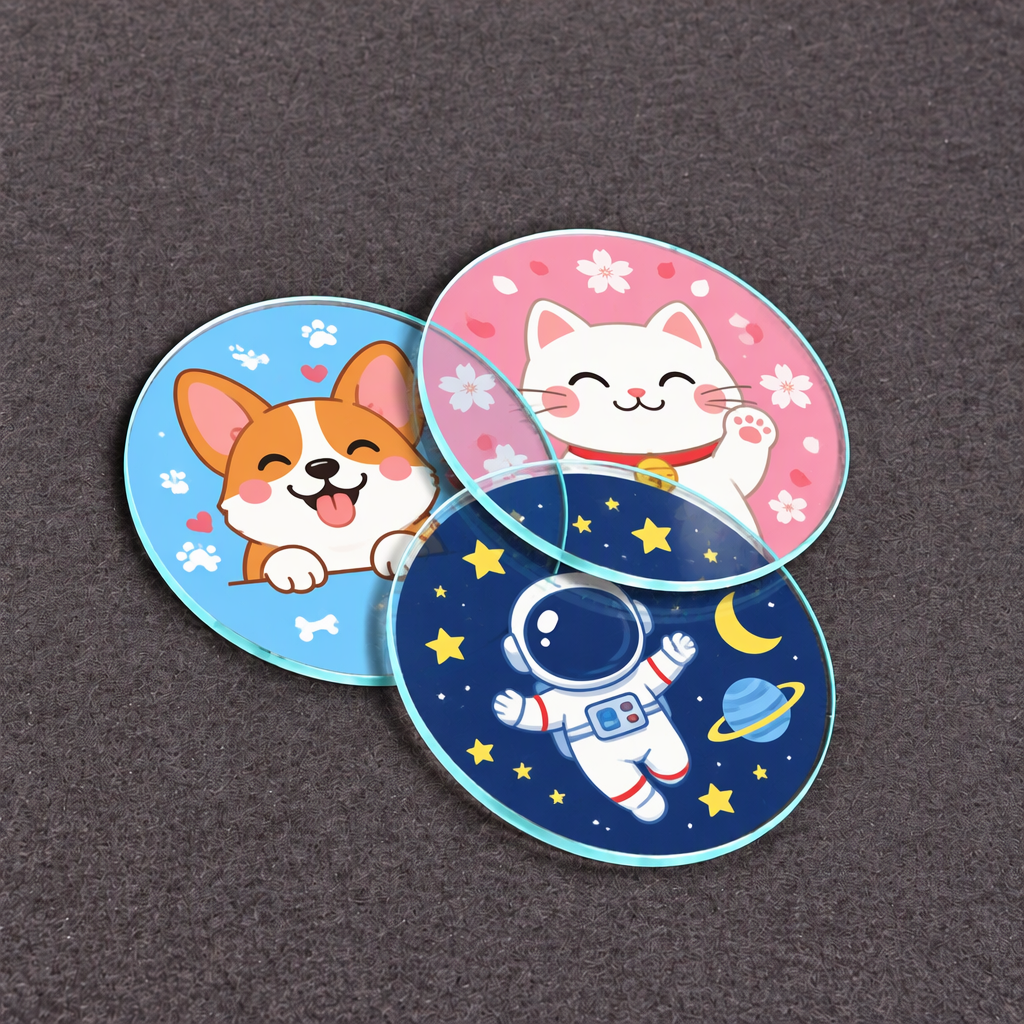
Eco-Friendly Custom Printed Glass Coasters Custom Design Tempered Glass Coaster
Tempered glass coasters and decorative glass parts using eco-friendly printing inks. Suitable for wholesale gift, tableware and branded promotional programs where color consistency, scratch resistance and packing presentation matter.
View product specs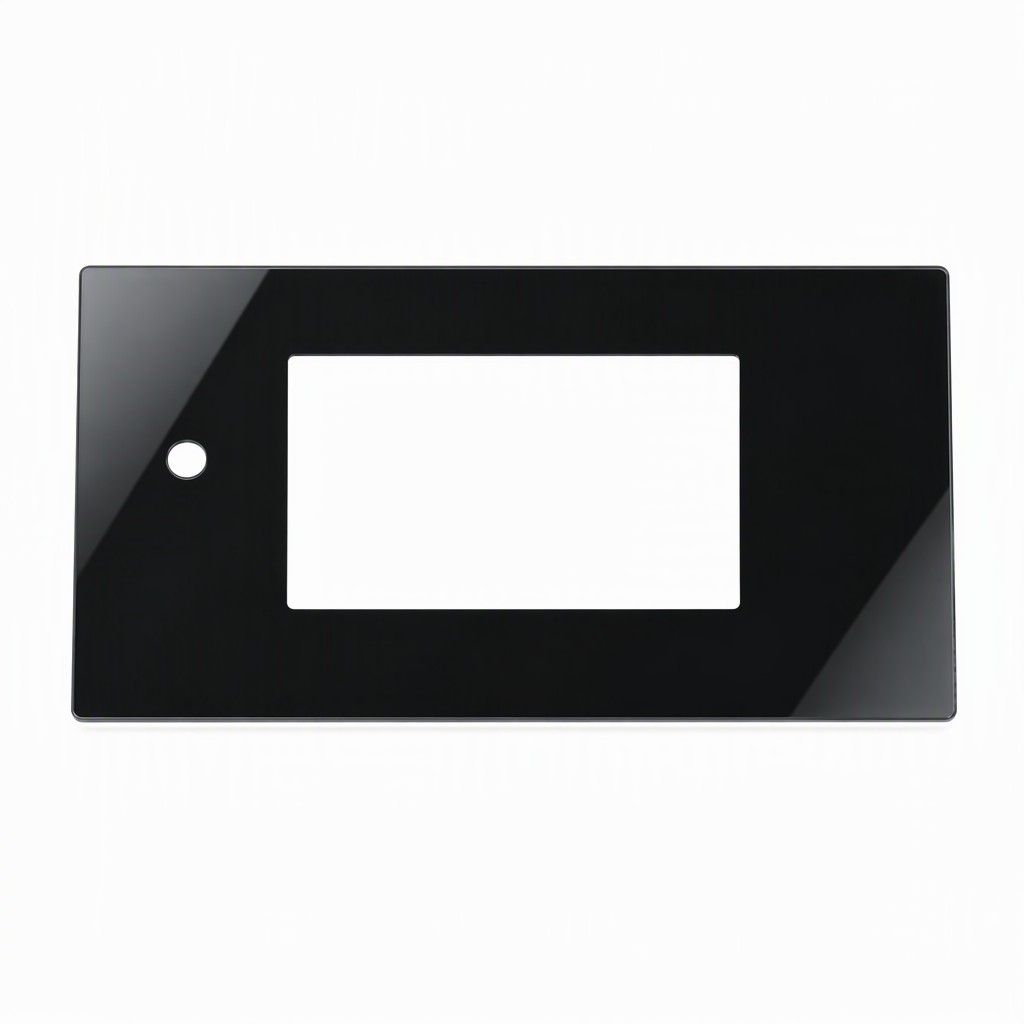
Gorilla Glass Display Protection Cover AR AF Coated LCD Touch Panel Digitizer Front Cover Glass for Industrial Medical Screens
Display protection glass with anti-reflective and anti-fingerprint coating for medical, industrial and instrumentation screens. The optical stack can be specified around readability, touch sensitivity and surface durability.
View product specs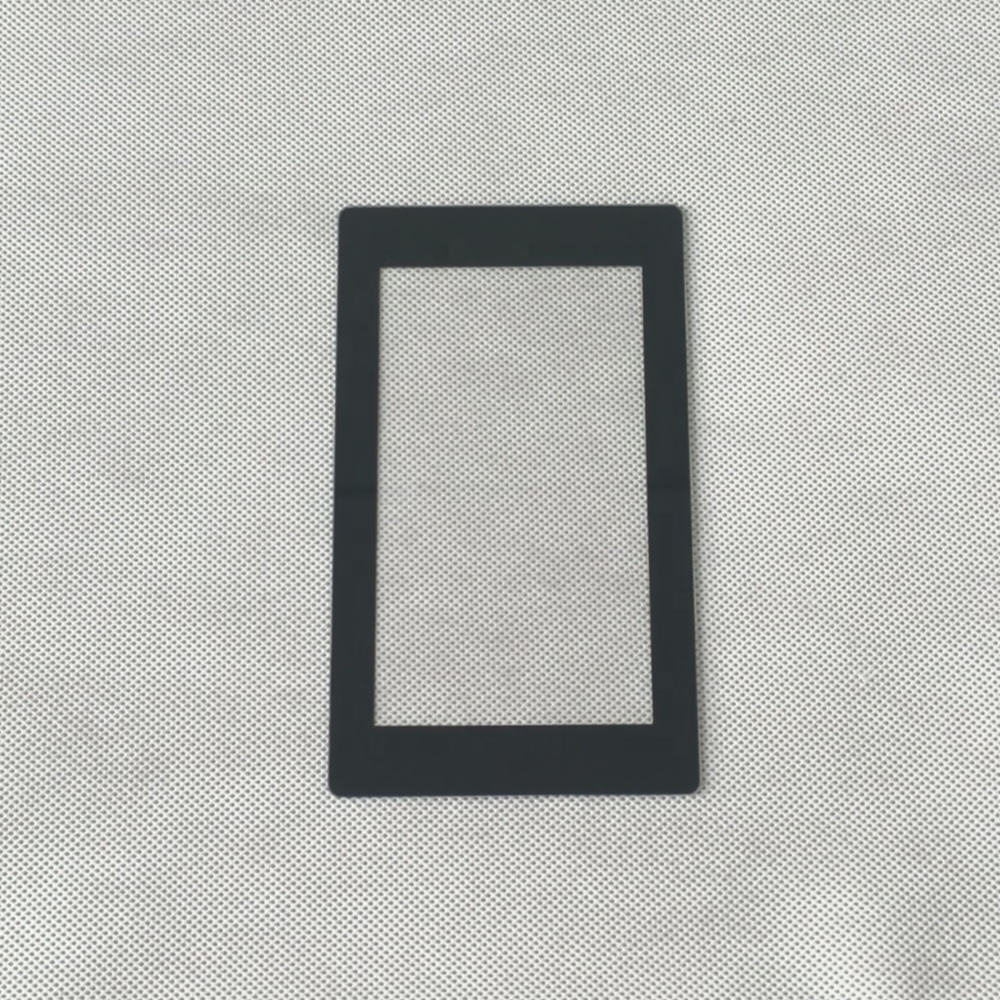
Silk Screen Printed Tempered Glass Panel Self Adhesive Display Cover Glass Flat Electronic Product Glass Screen Protector
Self-adhesive printed cover glass for electronic products, control windows and display fronts. Print registration, adhesive choice and clean bonding surfaces are reviewed together so assembly teams receive a production-ready part.
View product specs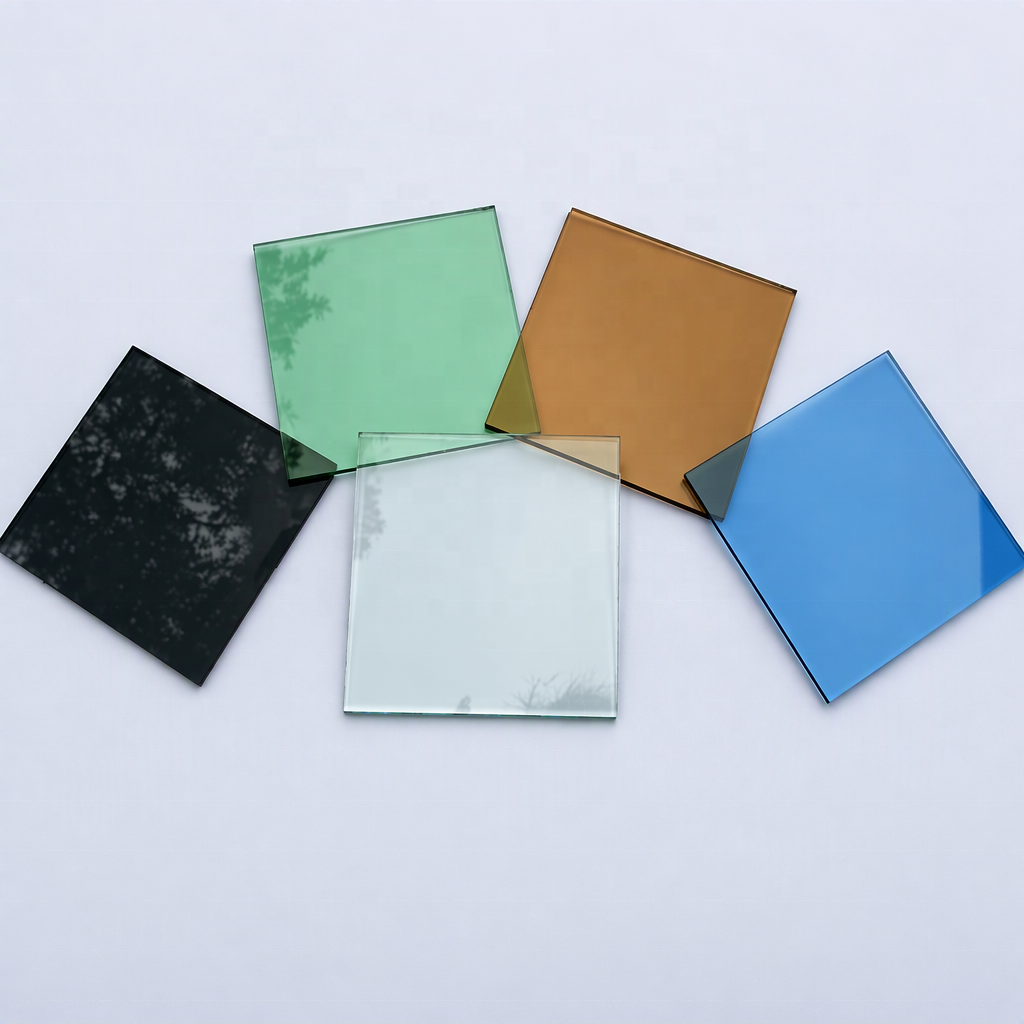
Customized Tinted Tempered Glass Flat Sheet 3mm to 10mm Reflective Colored Glass Toughened Glass
Tinted, reflective and colored tempered flat glass for partitions, appliance panels, decorative facades and special covers. Surface appearance, color batch control and edge finishing are agreed before mass production.
View product specsEvidence Buyers Can Verify Before Sending a Purchase Order
Price matters, but verified capability matters more when glass becomes a functional component in a display, appliance, medical device or architectural assembly.
Procurement confidence snapshot
Why China Float Glass Is Still Central to OEM and Wholesale Procurement
Float glass is a substrate, not a finished purchasing decision. The real supplier comparison begins when the glass must become a repeatable component with printing, tempering, coating, dimensional tolerance and export protection.
The phrase top China float glass supplier often hides two different purchasing models: buying float glass sheets from a distributor, or buying finished functional glass from a deep-processing factory. For OEM buyers, the second model usually creates more information gain and less supply-chain risk.
China remains a strategic source because float glass supply, tooling, printing, tempering and export logistics are closely clustered. Qingdao, in Shandong Province, is especially practical for international buyers because the region connects glass processing with seaport and airport logistics. That proximity reduces double handling and makes it easier to arrange samples, onsite audits and consolidated export shipments.
A low square-meter quotation does not automatically produce a lower landed part cost. Buyers should compare sheet yield, print registration, breakage rate, coating yield, packing protection and compliance evidence. A supplier that reviews drawings before quoting can often reduce scrap by adjusting hole positions, edge distances, glass thickness or panel layout before production starts.
Qingdao Maupe Glass Co., Ltd. is a glass deep-processing manufacturer and international supplier operating under an ISO 9001 quality management system. The factory works with clear, ultra-clear and tinted float glass substrates and converts them into finished parts through cutting, CNC shaping, edge polishing, drilling, engraving, silk-screen printing, physical tempering, chemical strengthening and AR/AG/AF surface coating. This is the practical meaning of manufacturer-direct supply for buyers who need both material consistency and finished-part accountability.
What a manufacturer-direct model should provide
- Float glass grade selection matched to clarity, tint, thickness and application.
- Manufacturability feedback before the drawing is frozen.
- In-house control of printing, tempering and coating variables.
- Traceable inspection from incoming sheet to packed carton.
- Export packing designed for sea freight and multiple handling points.
- Certificates and test evidence that procurement teams can verify.
- Ask whether the supplier controls cutting, printing, tempering and coating under one roof.
- Request ISO 9001, RoHS and CE evidence with certificate numbers and validity dates.
- Confirm how sheet yield, edge quality and print registration are quoted and inspected.
- Review breakage pattern, coating performance and the intended cleaning environment.
- Test packaging through sample shipment before approving a full container loading plan.
- Ask for export-market experience in applications similar to your product.
Match the Glass Product to the Service Environment
Wholesale buyers should avoid one generic glass specification for every end product. The service environment determines thickness, strengthening method, print ink, coating and edge finish.
Industrial HMI and Touchscreen Glass
For kiosks, machine controls and instrumentation, specify 9H hardness, anti-glare or anti-reflective coating and silk-screen borders with touch-zone clarity. Drawings should show sensor openings, print layers and edge distances.
Compare industrial touch glassInstrument and Control Panel Glass
Instrument windows often need 3–19mm flat tempered glass, printed scales, viewing windows and carefully controlled hole positions. Round-shape printed panels reduce assembly error when tolerances are agreed early.
Review instrument glassBalcony, Curtain Wall and Architectural Glass
Architectural tempered glass requires project-specific review of curvature, edgework, fitting clearance and packing. Curved balcony and curtain wall glass can be quoted against project drawings for coordinated delivery.
Explore architectural glassClear Tempered Cover Plates
Clear tempered cover plates suit appliance windows, protection panels and electronic covers. Buyers should define surface quality, edge finish and whether chemical strengthening is needed for thin glass.
View clear cover plate optionsDecorative and Eco-Printed Glass
Coasters, decorative panels and branded glass parts benefit from eco-friendly inks, stable color batches and protective packaging. Wholesale programs should test print wear resistance against the cleaning method used in the target market.
Review printed glass coastersMedical and Industrial Display Covers
AR-coated glass improves readability; AF coating helps maintain a clean surface. For medical and industrial screens, the coating stack should be specified together with cleaning chemicals, touch panel bonding and sterilization exposure.
See AR/AF display coversFuture Procurement Trends for Wholesale Buyers: 2025–2030
The sourcing conversation is moving from “price per piece” to “verified capability, total landed cost and continuity of supply.” These trends should shape RFQs and supplier scorecards.
Compliance-First Sourcing
Procurement teams increasingly require certificate numbers, scope statements and report validity dates before samples. ISO 9001, RoHS and CE evidence should be checked against the actual material and process, not treated as generic marketing badges.
Total Landed Cost Optimization
Buyers are comparing glass cost, breakage allowance, packaging weight, container fill rate and inspection cost together. Optimizing panel layout and carton design can be more valuable than negotiating a small piece-price reduction.
Dual Sourcing and Resilience
Distributors and OEMs are reducing single-supplier risk by splitting product families or maintaining qualified alternates. A China float glass wholesaler should be able to document process ownership, capacity and communication procedures during peak periods.
Digital Drawings and Faster Sampling
Clear 2D drawings, AI artwork and coating specifications shorten the sample cycle. Suppliers with engineering review capability can flag print bleed, hole-to-edge distance and tempering constraints before screens are made.
Low-Iron and Optical Performance
Displays, medical screens and high-end appliances are pushing demand for low-iron substrates, anti-reflective coating and anti-glare treatments. Buyers should evaluate haze, reflection, color shift and surface durability together.
Flexible MOQ and Call-Off Programs
Wholesale demand is becoming more fragmented. Custom printed panels may start from 10–100 pieces depending on size, thickness and print colors, while large display covers can start from 10 pieces. Call-off planning helps distributors balance stock and cash flow.
How Float Glass Products Are Evolving for the Next Procurement Cycle
Glass is becoming thinner, more optical, more integrated and more application-specific. The winning specification is the one that survives real assembly, cleaning and end-use conditions.
Chemically Strengthened Thin Glass
Thin cover glass from 0.5mm to 2mm is increasingly used in touch panels, wearables and compact electronics. Chemical strengthening improves surface compression while preserving flatness and optical quality, making it a strong fit for precise display assemblies.
Large-Format Tempered Display Windows
Large LCD, TV and industrial display windows demand flatness control, edge safety and packaging designed for long transport. Tempering, printing and protective film choices must be aligned to avoid handling damage before assembly.
High-Temperature Printed Appliance Glass
Cooktops, ovens, range hoods and microwaves require inks and print processes that withstand heat exposure. Buyers should match ink temperature class, print layer order and touch-control window design to the appliance’s service conditions.
AR, AG and AF Coating Combinations
Anti-reflective, anti-glare and anti-fingerprint surfaces are becoming standard in medical, industrial and premium appliance interfaces. The combination should be tested for haze, abrasion resistance, cleaning chemical compatibility and touch sensitivity.
Curved and Architectural Tempered Glass
Curved tempering supports balconies, facades and design-led interiors, but the project must account for curvature tolerance, fitting systems and site handling. Early drawing review reduces the risk of mismatch between glass, frame and installation sequence.
Eco-Friendly Inks and Decorative Surfaces
RoHS-compliant, eco-friendly inks support decorative glass, appliance panels and branded consumer products. Buyers should confirm color references, wear resistance and packing protection when print quality is central to the brand experience.
Qingdao Maupe Glass Co., Ltd.: Evidence, Capacity and Export Experience
Founded in 2012, Qingdao Maupe Glass Co., Ltd. is a glass deep-processing manufacturer and international supplier serving OEM buyers, distributors and wholesale programs from Qingdao, Shandong, China.
ISO 9001 Quality Management
Certificate No. 24025Q20015R1S covers the quality management system for float glass and technical glass products. The system supports incoming material control, in-process checks and finished-product inspection.
RoHS and CE Compliance
RoHS Certificate No. 25TYT12395 and CE Certificate No. 23TYT082593S support European market access for applicable glass products. Buyers can ask for the certificate scope before matching material grades to a project.
SGS Onsite Assessment
The factory has been onsite-assessed by SGS Group as a third-party inspection company. Procurement teams can also review the verified Fortune 500 supplier record and more than 10 years of OEM experience.
8 Production Lines
The 3,000–5,000 m² factory operates 8 production lines. Output is strongly export-oriented, with 91–100% of production shipped to more than 80 countries across the Americas, Europe, Oceania, the Middle East, Africa and Asia.
Complete Process Chain
Cutting, CNC shaping, edge polishing, drilling, engraving, silk-screen printing, physical tempering, chemical strengthening and AR/AG/AF coating are managed in one production chain, improving accountability and lead-time visibility.
Qingdao Export Logistics
The factory is close to Qingdao seaport and airport, simplifying sample dispatch and bulk export. Accepted delivery terms include FOB, CIF, EXW, FAS, FCA, CPT, DDP, DDU and express delivery, with T/T, L/C, PayPal, Western Union and cash payment options.




ISO 9001 Certificate
Certificate No. 24025Q20015R1S · Scope: float glass and technical glass products · Valid to 02/2028.

RoHS Certificate
Certificate No. 25TYT12395 · Restricts hazardous substances in electrical and electronic equipment · Valid to 12/2030.

CE Certificate
Certificate No. 23TYT082593S · Tempered glass · Supports European Economic Area market access · Valid to 08/2028.
Float Glass, Physical Tempering and Chemical Strengthening: Which Route Fits?
Choose the substrate and strengthening method before approving print artwork. Changing after tooling and samples are complete can add cost and delay wholesale programs.
| Criteria | Float Glass Substrate | Physical Tempered Glass | Chemically Strengthened Glass |
|---|---|---|---|
| Typical thickness | Available in multiple sheet thicknesses; selected by application. | Generally about 2mm and thicker. | Commonly 0.5–2mm thin glass. |
| Primary purpose | Base material for cutting, printing, coating and finishing. | Safety glass with high resistance to impact and thermal stress. | High surface strength for thin covers with excellent flatness. |
| Breakage pattern | Depends on substrate and thickness; not a safety-glass guarantee. | Breaks into small blunt fragments, suitable for safety-related applications. | Breakage pattern is closer to annealed glass; design protection must be considered. |
| Optical flatness | Excellent substrate clarity when specified correctly. | Very good; slight roller wave can occur depending on process and thickness. | Excellent flatness with no heat distortion, ideal for precision covers. |
| Post-processing | Can be cut, drilled, edged, printed and coated. | Cutting, drilling and edging must be completed before strengthening; confirm sequence with the factory. | |
| Best-fit products | Clear, low-iron, tinted, reflective and specialty panels requiring further processing. | Appliance doors, switch panels, instrument windows, architectural glass and larger display covers. | Touch covers, thin electronic windows, wearables, medical displays and high-flatness optical parts. |
A Practical Audit Checklist for China Float Glass Wholesalers
Use the RFQ stage to separate trading resellers from manufacturers that can document process control. The goal is not more paperwork; it is fewer surprises during mass production.
Supplier qualification checklist
- Verify ISO 9001 certificate scope, number and validity date.
- Review RoHS and CE evidence for the exact material and product type.
- Confirm whether cutting, printing, tempering and coating are in-house.
- Ask for a fragmentation or breakage-pattern explanation for tempered parts.
- Review print color references, registration tolerance and ink system.
- Check export packing, carton strength and container loading procedures.
What to send with your RFQ
- 2D drawing in DWG, DXF or PDF with dimensions, holes and tolerance.
- Glass thickness, substrate preference, edge finish and corner requirements.
- Print artwork in AI or PDF with color references and layer order.
- Coating requirement: AR, AG, AF, none, or a combined optical stack.
- Application environment, cleaning method, annual volume and sample deadline.
- Target delivery terms and destination port for landed-cost comparison.
Procurement FAQ for Float Glass, Tempered Glass and Custom Panels
These answers reflect the questions most often raised by OEM buyers, importers and wholesale distributors before placing a custom glass order.
Are you a float glass manufacturer or a deep-processing supplier?
What is the minimum order quantity for custom printed tempered glass?
Should I choose physical tempered glass or chemically strengthened glass?
Which certifications does Qingdao Maupe Glass Co., Ltd. hold?
What files are needed to start a custom glass project?
Which trade and payment terms are accepted?
How do you control print, coating and tempering quality?
Can you support wholesale and OEM programs with repeat orders?
Can you produce large-format display glass and curved architectural glass?
How should a buyer compare proposals from several China float glass suppliers?
How do I start an inquiry?
Send Your Drawing, Artwork or Wholesale Forecast
Share your 2D drawing, glass thickness, coating requirement, print artwork and estimated annual volume. Our engineers will return manufacturability feedback, sampling guidance and an export quotation from Qingdao.
Email: info@maupeglass.com · ISO 9001 · RoHS · CE · SGS Onsite Assessed