8 Functional Glass Products Recommended for Export & Wholesale Programs
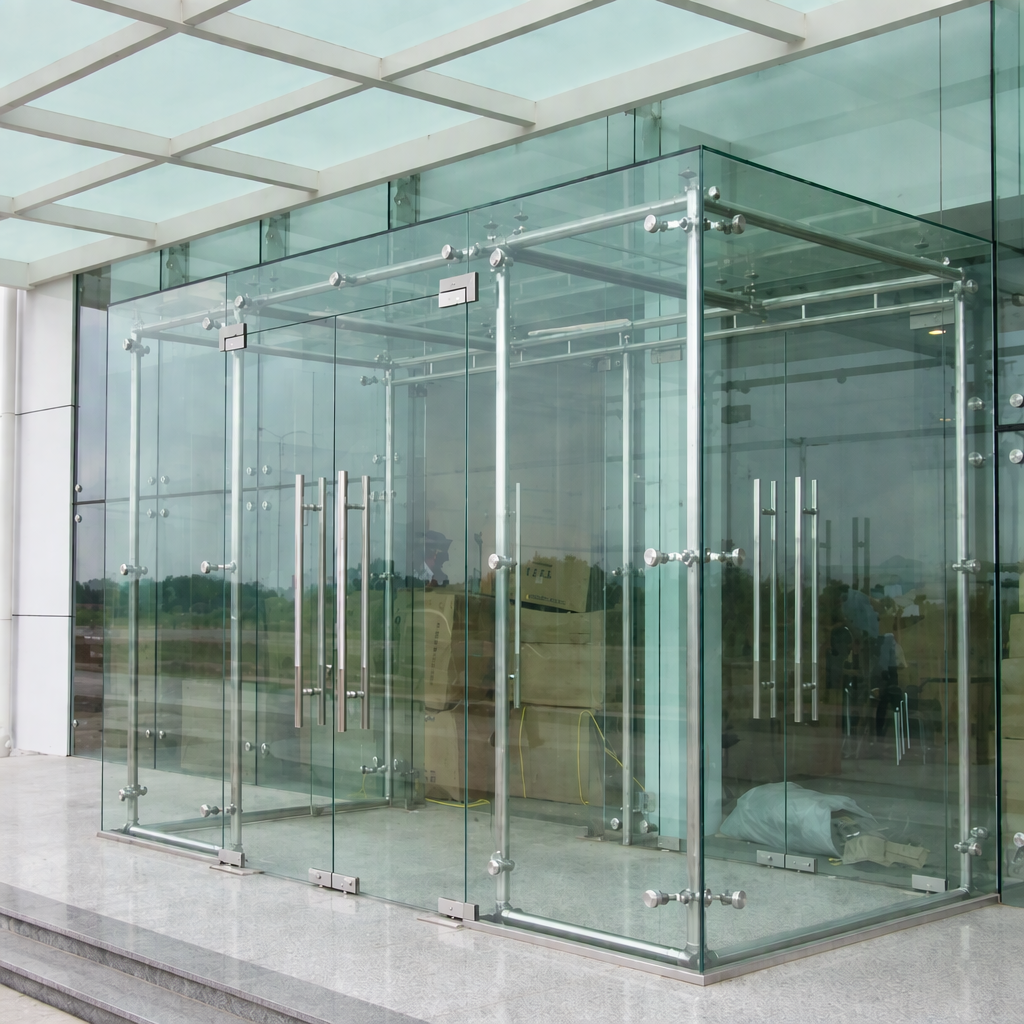
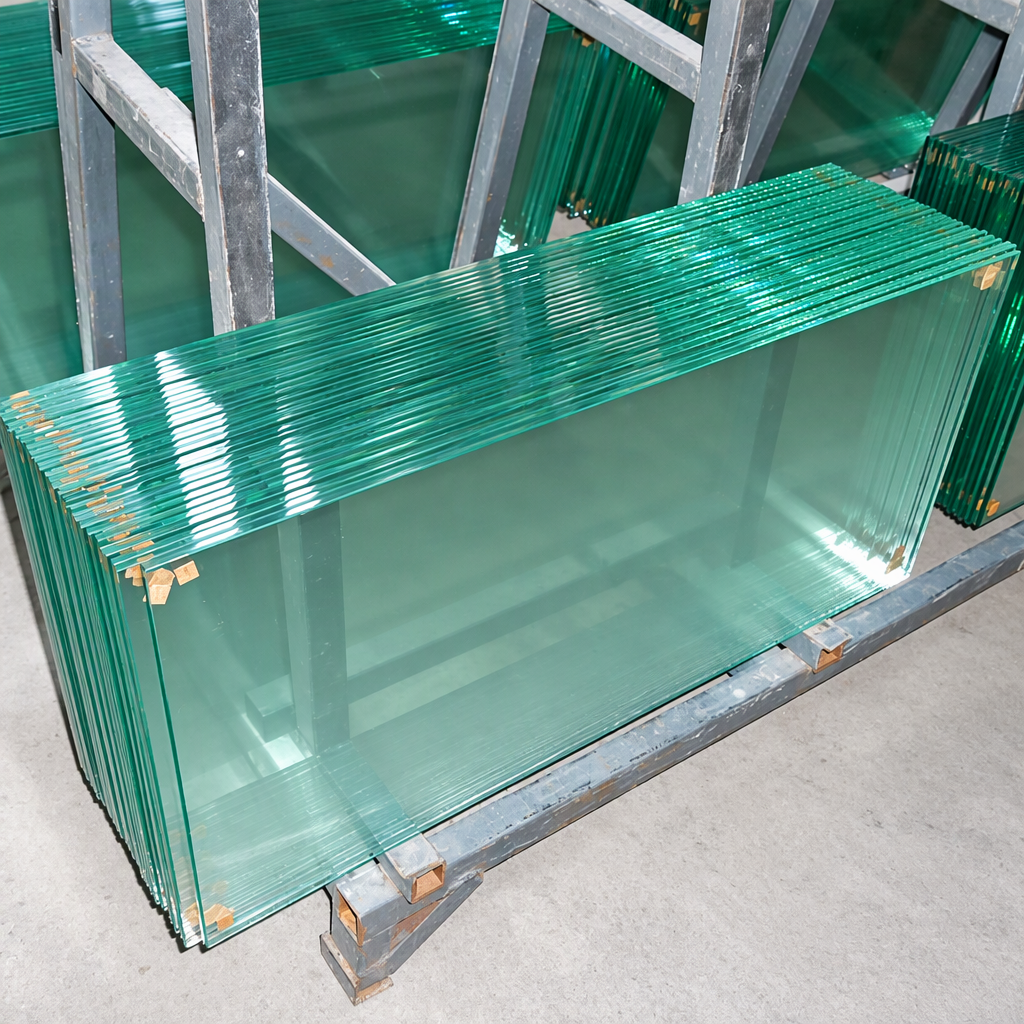
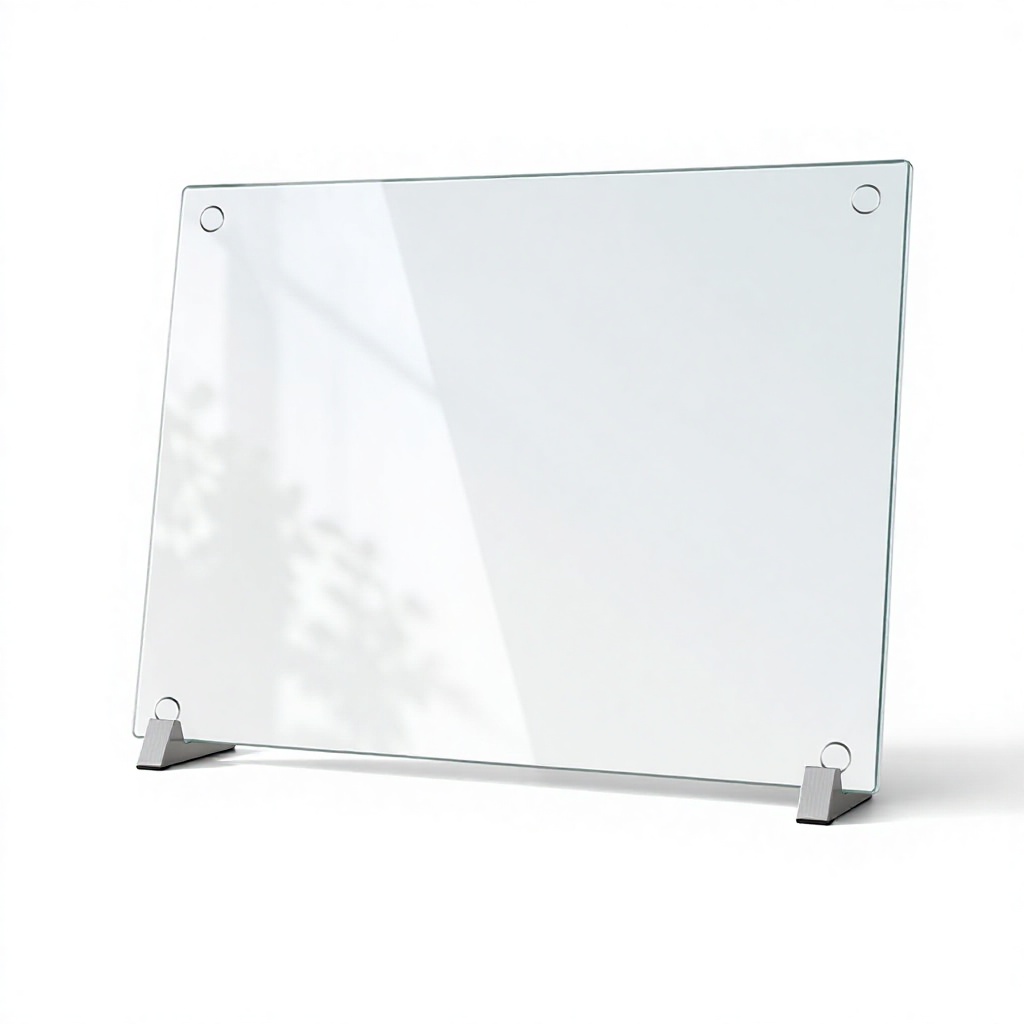
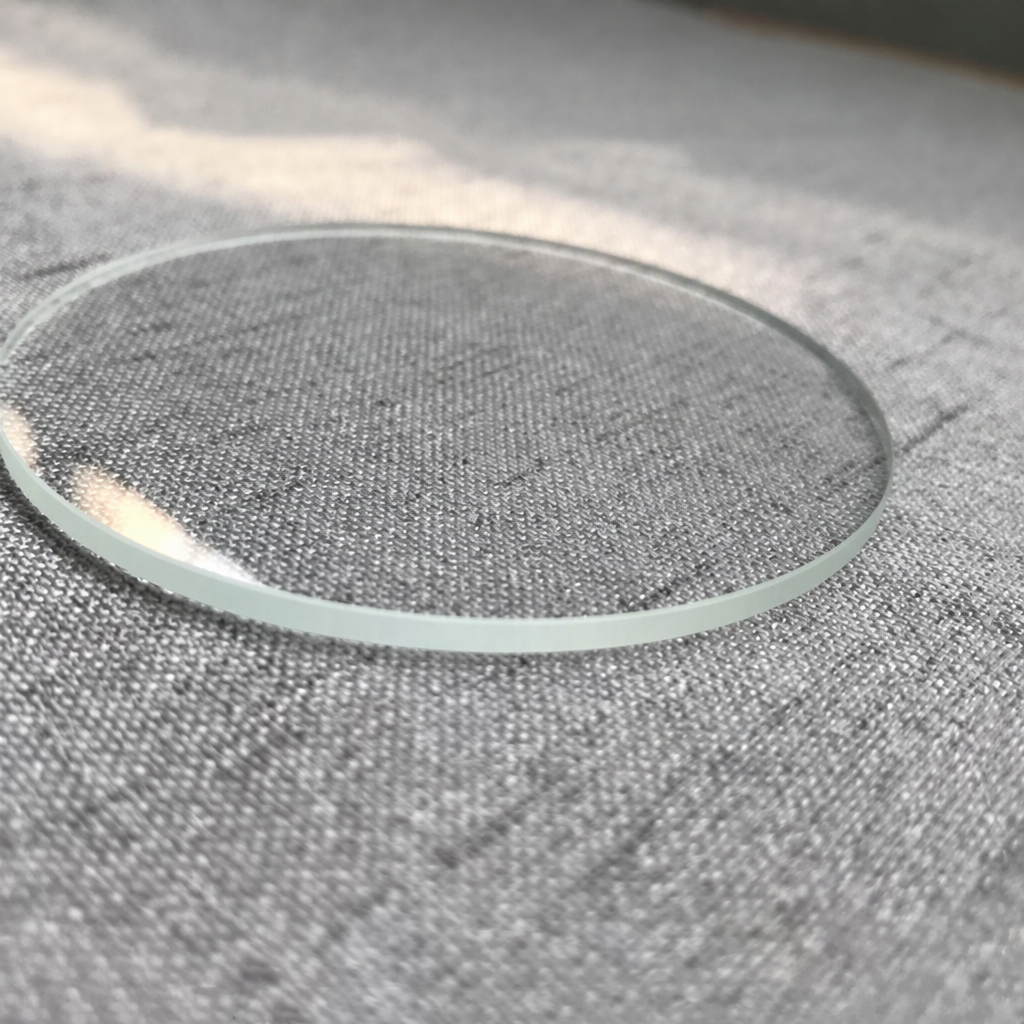
These eight product families are a practical starting point for buyers comparing China functional glass exporters and wholesalers. They cover applications that usually require specification review rather than a simple stock purchase: solar window glass, clear float tempered panels, whiteboard and curtain-wall glass, pressure-resistant viewing glass, structural safety glass, precision instrument glass, AR/AF coated display covers and curved balcony or curtain-wall glass. Product links are kept exactly as published so engineering and sourcing teams can verify dimensions, finishes and customization options before requesting a quotation.
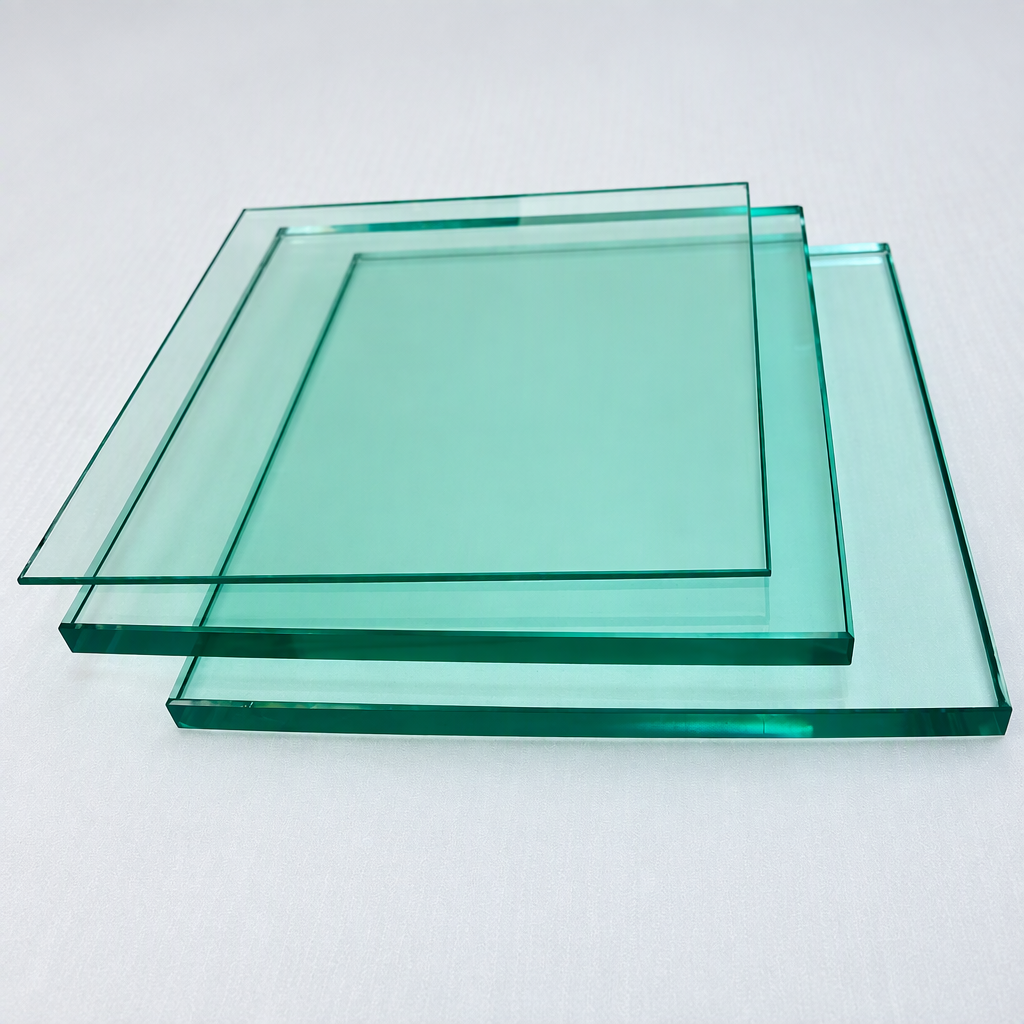
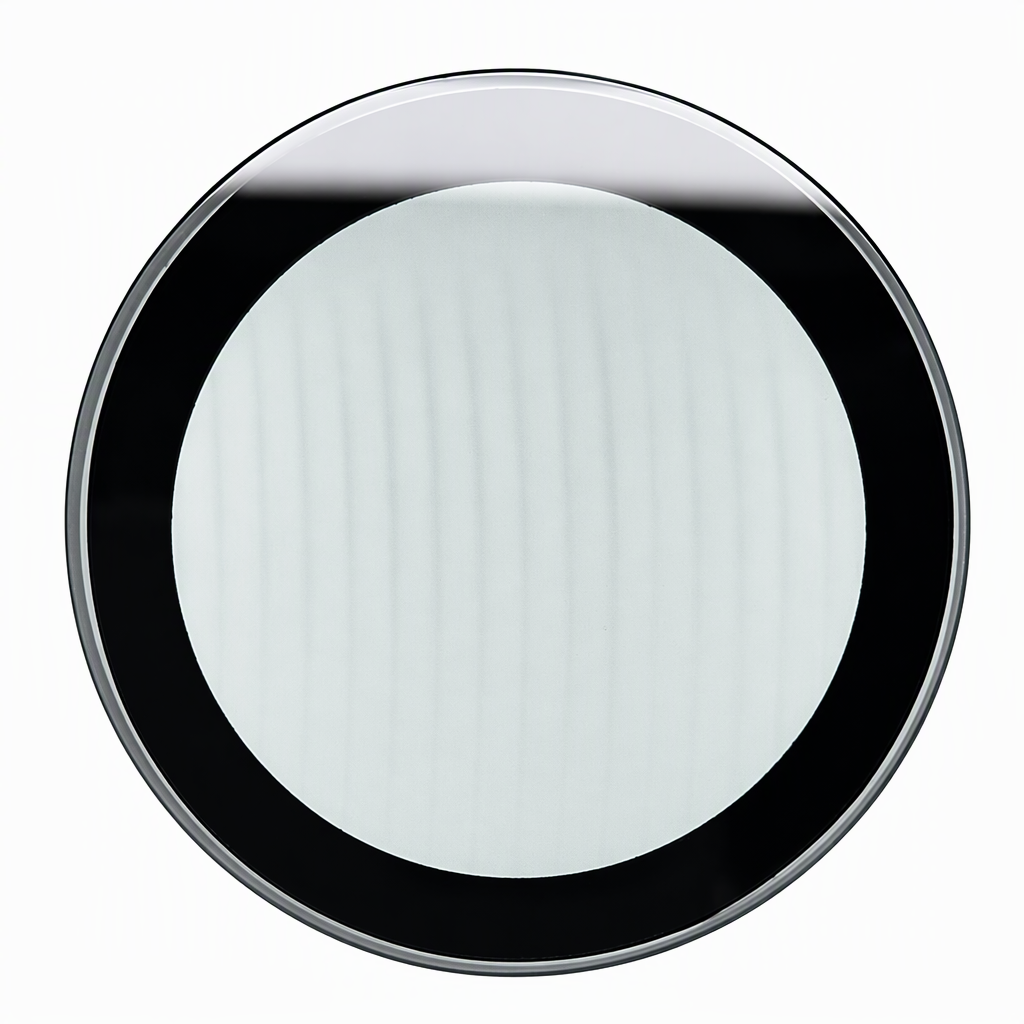
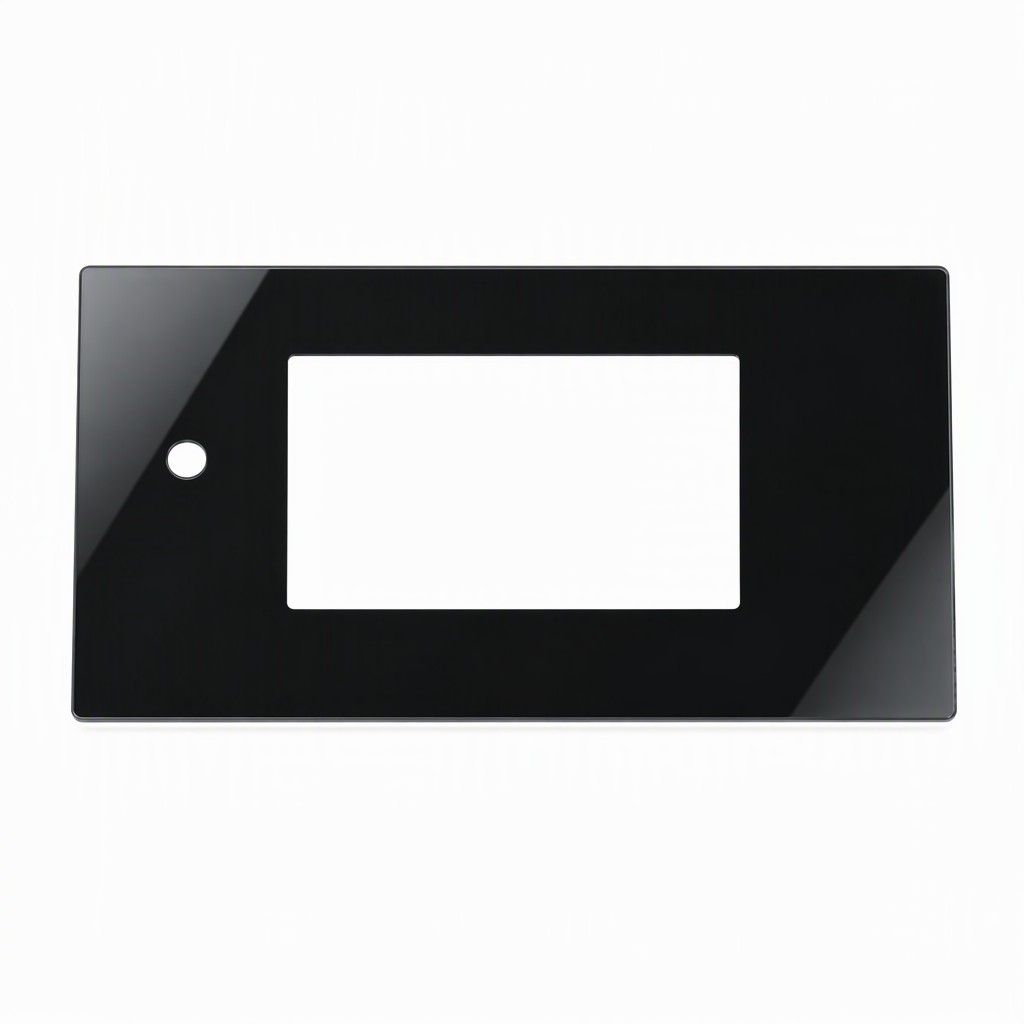
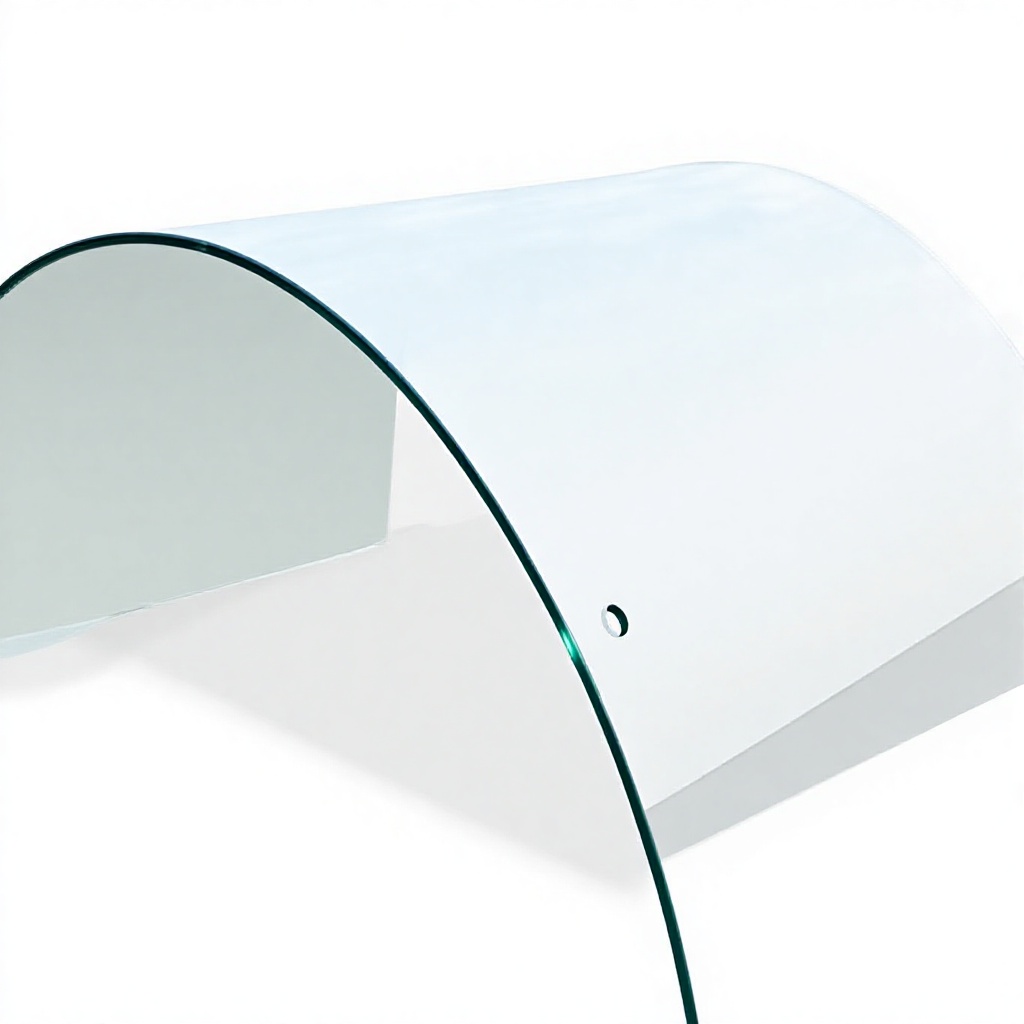
Need a mixed container, custom coating stack or a panel not listed above? Send your drawing and target quantity for an engineering review.
Inquire NowFactory Capability Data That Matters During Supplier Selection
Functional glass is a specification-driven component. Capacity, process ownership and export experience should be visible before a buyer releases tooling or approves a sample.
What Buyers Should Look for in a China Functional Glass Exporter or Wholesaler
Search results for “China functional glass exporter” and “tempered glass wholesaler” often look similar. The difference appears after the drawing is released: process ownership, measurement discipline and documentation depth determine whether a panel is easy to assemble—or expensive to fix.
Evaluate the manufacturing system, not the photo gallery
Functional glass is not interchangeable stock glass. A 0.2 mm hole shift, an ink layer in the wrong order or the wrong strengthening method can stop an assembly line. Experienced buyers therefore request a process route that shows how cutting, CNC shaping, edge polishing, drilling, printing, tempering or chemical strengthening, coating, inspection and export packing connect to one another.
This is where a factory-connected exporter differs from a pure trading listing. A manufacturer can explain why a 1.1 mm touch cover should be chemically strengthened rather than thermally tempered, or why a printed border must be cured before the next print layer. It can also control the handoffs where defects are created.
Information gain for procurement teams: ask for the supplier’s correction loop. When a first article fails colour density, flatness or hole tolerance, who adjusts the drawing, screen, furnace recipe or CNC program—and how is the revised part measured?
Requests that reveal supplier maturity
- A red-line drawing review with recommended glass type, thickness and strengthening method.
- In-house process flow for printing, tempering, chemical strengthening and coating.
- Ink type, cure conditions, colour sample approval and adhesion test records.
- Finished-product inspection plan with measurement reports or inspection photos.
- Export packing drawing, pallet configuration and pre-shipment loading photos.
Qingdao Maupe Glass Co., Ltd. is a glass deep-processing manufacturer established in 2012, operating under an ISO 9001 quality management system and exporting to more than 80 countries. Its product scope includes silk screen printed tempered glass, touch panel cover glass, switch panel glass, card reader glass, appliance glass panels, AR/AG/AF coated display glass and PDLC smart glass.
| What to verify | Why it matters | Evidence to request |
|---|---|---|
| Drawing-to-process review | Reduces engineering changes, rework and tooling risk. | Red-lined drawing, tolerance notes and recommended strengthening method. |
| In-house deep processing | Fewer handoffs, faster corrective action and more consistent print and edge quality. | Process flow covering cutting, CNC, printing, tempering or strengthening, coating and inspection. |
| Strengthening capability | The wrong method can cause flatness, breakage or optical problems. | Furnace route, ion-exchange process, flatness data and break-pattern reference. |
| Print and ink control | Functional windows, icons and touch zones depend on layer order, colour density and cure control. | Ink specification, cure temperature, colour approval record and adhesion test. |
| Compliance evidence | RoHS, CE, ISO 9001 and material declarations are increasingly requested by global brands. | Certificate numbers, scope, validity and batch traceability. |
| Export packing and logistics | Glass damage is a total-cost issue, not a freight detail. | Packing drawing, corner protection, pallet plan and pre-shipment photos. |
Functional Glass Procurement Trends to Plan for Between 2025 and 2030
Price comparison remains important, but leading OEM buyers are widening the evaluation model to include yield, documentation, customization speed and supply-chain transparency.
Total cost of ownership replaces lowest piece price
Procurement teams now compare the quotation against breakage rate, incoming inspection time, assembly-line downtime and replacement cost. For functional glass, a small unit saving can be erased by one mismatched hole or a failed coating. RFQs increasingly ask for packaging validation and sample-to-mass-production repeatability.
Compliance documentation moves to the first screening stage
RoHS, CE, ISO 9001, material declarations and batch traceability are no longer afterthoughts. Medical, appliance and industrial buyers want certificate scope and validity checked before sampling, especially when the glass touches user interfaces or heated equipment.
Smaller MOQs and faster customization cycles
Custom printed panels commonly start from 10 to 100 pieces depending on size, thickness and print complexity. Buyers use lower-volume runs to test smart-home, appliance and kiosk products before scaling, so suppliers must make engineering review and sample approval efficient.
China plus regional dual sourcing
Dual sourcing is standard risk management, but not every region can match deep-processing depth for printed, coated and chemically strengthened glass. The resilient model is often China-based process expertise plus a documented backup plan—not a simple country switch.
Thinner, stronger and optically coated panels
Devices are becoming slimmer while display readability and touch durability expectations rise. Chemical strengthening for 0.5–2 mm glass, plus AR, AG and AF coatings, is moving from premium features into mainstream industrial and smart-home specifications.
Digital quality exchange shortens remote approvals
High-resolution drawing markups, video inspection, packing photos and measurement reports allow overseas buyers to approve first articles without visiting the factory. Suppliers that can document each step are easier to integrate into OEM supply chains.
Product Development Trends: What the Next Functional Glass Panels Will Do
Functional glass is moving from passive protection toward an active part of the product interface. The most useful supplier conversations now combine printing, optics, strengthening and sensor requirements.
Printed glass becomes a control surface
Icons, touch keys, indicator windows and sensor zones are printed in layers so glass becomes part of the user interface, not only a cover.
Coatings engineered for lifetime performance
AR improves readability, AG controls glare and AF reduces fingerprints. Global buyers now ask for durability and cleaning performance, not only initial optical values.
Larger, curved and architectural formats
Curved tempered glass for balcony and curtain-wall projects, and large-format display covers for commercial screens, require precise curvature, flatness and packing control.
Smart glass and sensor integration
PDLC switchable privacy glass, medical display covers and smart-home control panels push suppliers to combine printing, coating, strengthening and electronic-interface knowledge.
Physical Tempered or Chemically Strengthened Glass? A Buyer’s Selection Guide
Choosing the wrong strengthening method is one of the most common causes of re-tooling in cover glass projects. Use this comparison during the design stage, then confirm the final route against your drawing and working environment.
Start with the application, not the material name
Physical, or thermal, tempering generally suits glass around 2 mm and thicker, such as appliance doors, switch panels, display windows and industrial covers. It creates a safety break pattern of small blunt fragments. Chemically strengthened glass suits thin covers from about 0.5 mm to 2 mm, where excellent flatness, optical quality and touch performance are critical.
Neither process can be followed by ordinary cutting, drilling or edge polishing without losing the strength benefit. That is why the drawing freeze point matters: dimensions, holes, notches, edge finish, print artwork and coating requirements should be resolved before strengthening.
What to send with your request
- 2D drawing in DWG, DXF or PDF with outline, hole positions and tolerances.
- Glass thickness, glass type and edge finish.
- Print artwork in AI or PDF with colour references and layer order.
- Surface treatment requirement: AR, AG, AF or none.
- Working environment, annual volume and target sample date.
| Criteria | Physical Tempered | Chemically Strengthened |
|---|---|---|
| Typical thickness | About 2 mm and thicker | 0.5–2 mm thin glass |
| Strength gain | Roughly 4–5× annealed glass | High surface compression, suited to thin parts |
| Breakage pattern | Small blunt fragments for safety glass use | Larger pieces, similar to annealed glass |
| Flatness and optics | Very good; slight roller wave may be possible | Excellent flatness with no heat distortion |
| Post-processing | Cutting, drilling and edging must be completed before strengthening | |
| Best fit | Appliance doors, switch panels, display windows and industrial covers | Touch covers, small electronics, wearables and precise optical windows |
Why Qingdao Maupe Glass Is Built for OEM Functional Glass Procurement
Qingdao Maupe Glass Co., Ltd. is an ISO 9001 certified glass deep-processing manufacturer and international supplier established in 2012. Its core work is turning flat glass into finished functional parts: cutting, edge polishing, drilling, engraving, coating, silk screen printing, physical tempering and chemical strengthening.
Complete process chain under one roof
Keeping cutting, CNC shaping, edging, drilling, printing, tempering or strengthening, coating, inspection and packing connected shortens lead times and makes tolerance and colour consistency traceable.
Silk screen printing depth
Eco-friendly high- and low-temperature inks, multi-colour layouts, logos, icons, touch zones and scratch-resistant finishes support displays, electronic control equipment, instruments, appliances and decorative glass.
Tempering and strengthening know-how
Physical tempering for thicker safety glass and chemical strengthening for thin cover glass are selected against the drawing, working environment and optical requirement—not guessed from a catalogue.
Verifiable quality system
ISO 9001 certificate 24025Q20015R1S, RoHS 25TYT12395 and CE 23TYT082593S support buyer due diligence. SGS onsite assessment, incoming material inspection and finished-product inspection strengthen traceability.
Export experience from Qingdao
The factory is close to Qingdao seaport and airport. With 80+ export countries since 2012, 91–100% export share and support for FOB, CIF, EXW, FAS, FCA, CPT, DDP, DDU and express delivery, export logistics are familiar territory.
OEM/ODM communication and sampling
More than a decade of OEM experience supports drawing review, sample preparation, design adjustment and full customization. Buyers receive a clear sample-to-production workflow before mass production begins.

ISO 9001 Quality Management
Certificate No. 24025Q20015R1S. Scope covers float glass and technical glass products. Documented quality management supports consistent OEM production.

RoHS Compliance
Certificate No. 25TYT12395. Supports restricted hazardous substance requirements for EU electrical and electronic equipment and related glass components.

CE Marking
Certificate No. 23TYT082593S for tempered glass. Supports market access for European Economic Area projects and helps compliance teams verify documentation.



FAQ for Functional Glass Export & Wholesale Buyers
Answers to the questions procurement, engineering and compliance teams most often ask before placing a custom glass order.
What is the minimum order quantity for custom printed tempered glass?
Should I choose physical tempered glass or chemically strengthened glass?
Which certifications does Qingdao Maupe Glass Co., Ltd. hold?
What files are needed to start a custom glass project?
Which trade and payment terms are accepted?
How can I verify quality before shipment?
Can you support samples and small trial runs?
What affects lead time for custom functional glass?
Have a drawing, target price or sample panel to review?
Send your 2D drawing, glass thickness, print artwork, coating requirement and annual volume. The engineering team will return manufacturability feedback and the most suitable strengthening route for your application.