Eight High-Intent Glass Components to Shortlist First
The fastest way to evaluate a China glass components exporter is to compare real, application-specific parts. These eight products cover smart privacy, appliance HMI, display protection, heat-resistant panels, instrument glass and furniture glass — with original product links retained.
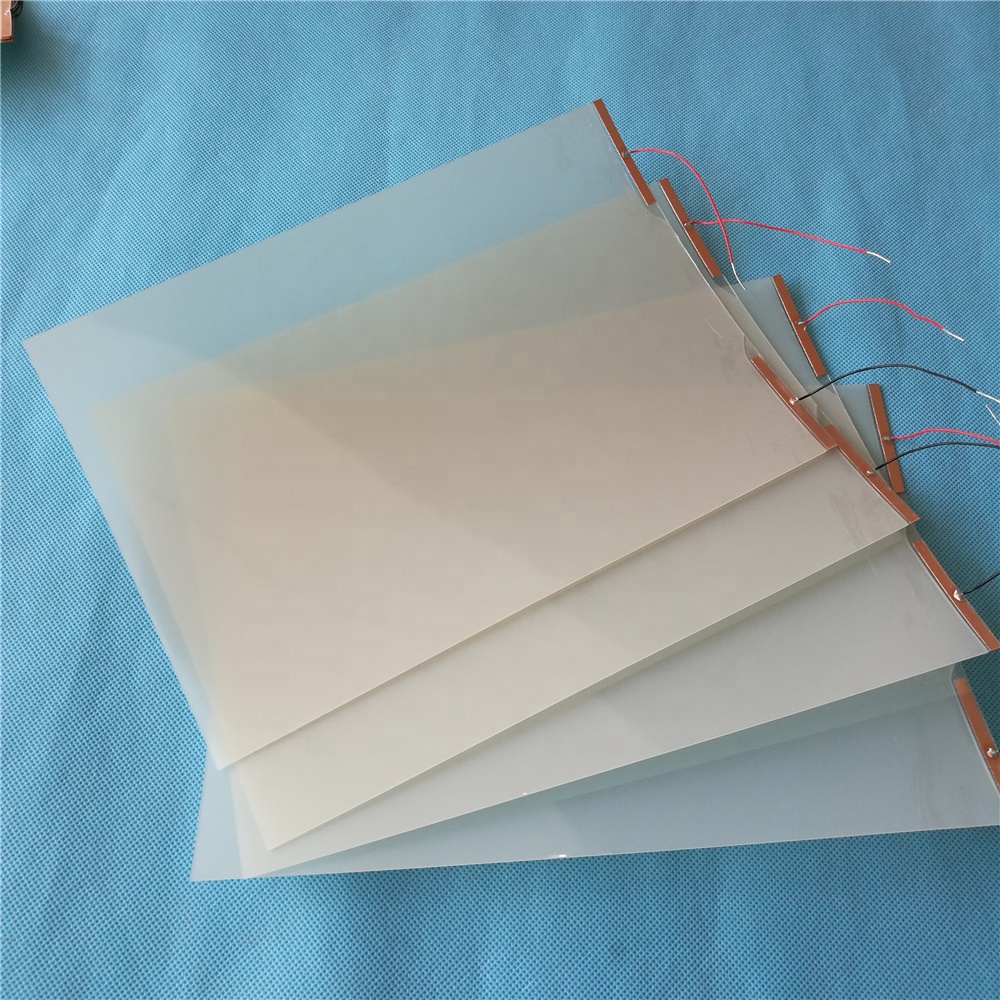
Factory Price Electrochromic Anti-UV PDLC Film Smart Switchable Privacy Glass Office Partition and Curtain Walls
Recommended for office partitions, clinic privacy rooms and premium curtain-wall projects where switchable privacy and anti-UV performance are specified.
View Product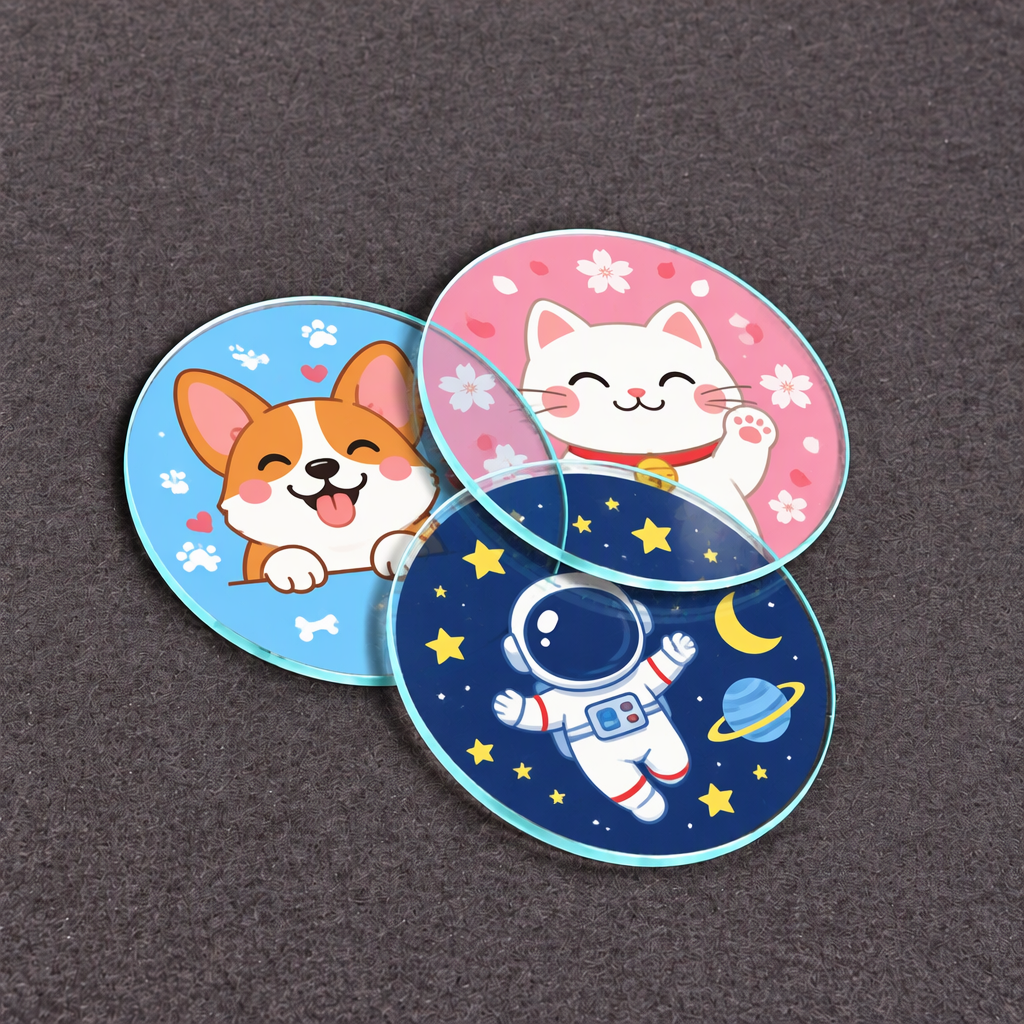
Eco-Friendly Custom Printed Glass Coasters Custom Design Tempered Glass Coaster
For retail, hospitality and branded gift programs; tempered glass coasters combine durable print, easy cleaning and repeatable decoration.
View Product
Tempered Glass Panel With 3M Adhesive Tape Silk Screen Printing for Electrical Appliance Decoration Front Cover Glass
For electrical appliance front covers requiring 3M adhesive tape, crisp silk-screen graphics and assembly-ready dimensional tolerance.
View Product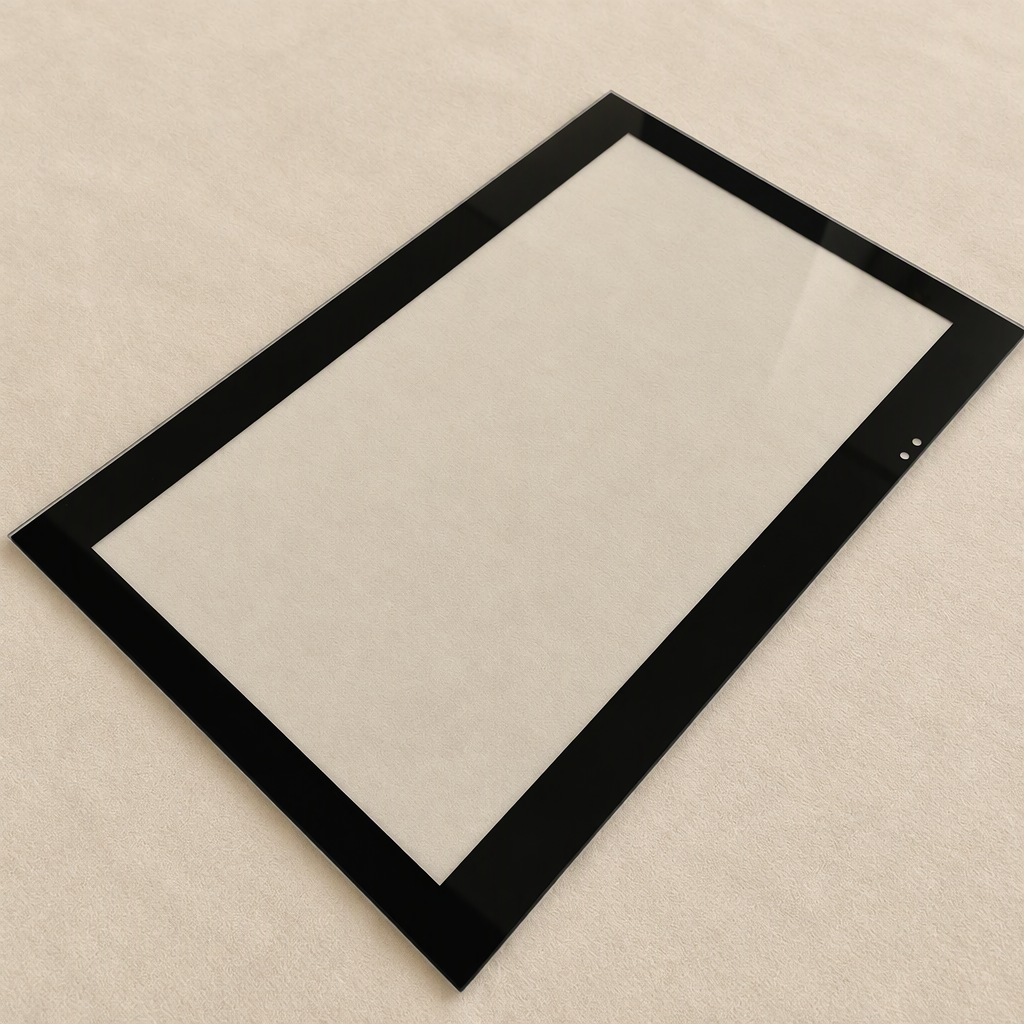
Tempered Glass Panel Silk Screen Printed Flat Display Screen Protector Glass for LCD TV Industrial Decoration
For LCD TV, industrial displays and control screens; specify print color, light transmittance, edge treatment and packaging protection.
View Product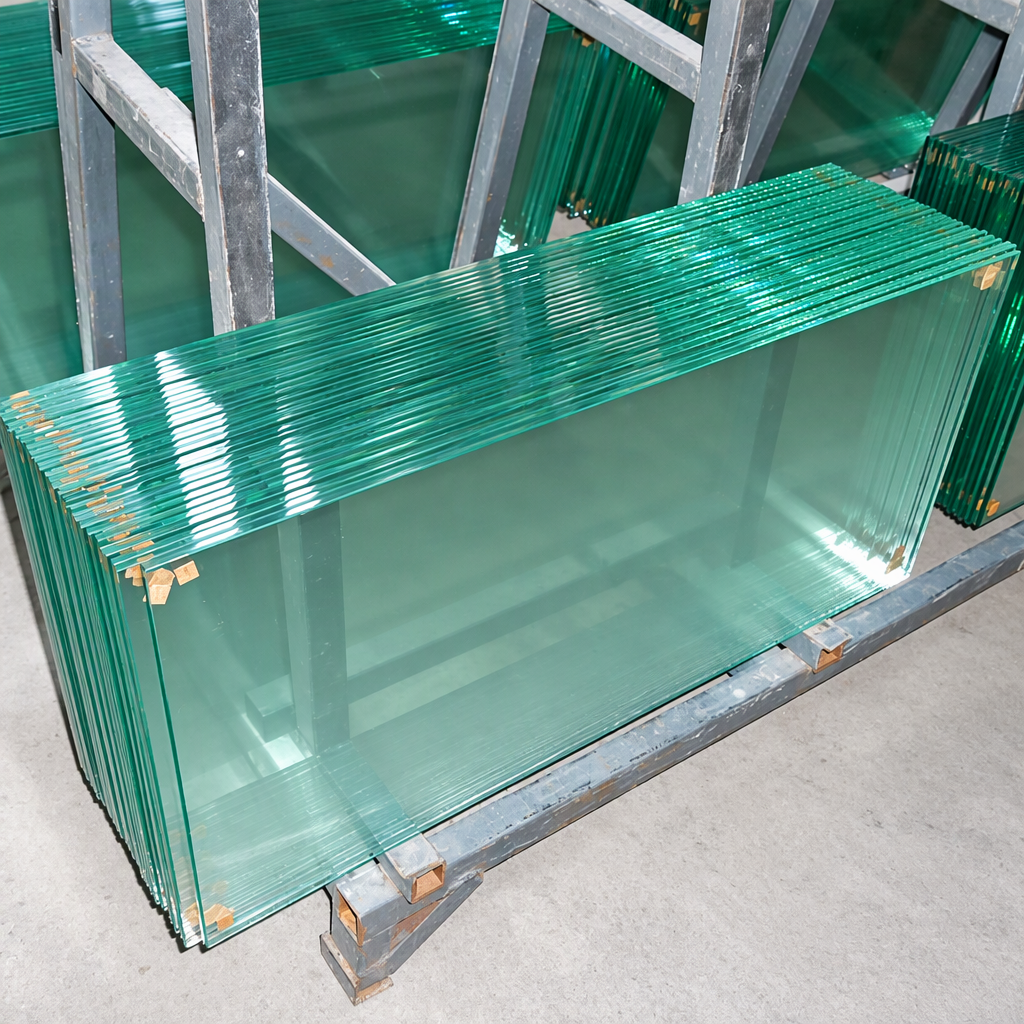
Customized Thickness and Size Clear Tempered Float Glass Panels
For buyers needing clear tempered float glass in custom thickness and size; confirm edge work, holes, safety corners and flatness.
View Product
Tempered Glass Flat Solid Glass Panels Heat-resistant Tempered Glass for Various Application
For cooktops, ovens and heat-exposed appliance panels; discuss high-temperature ink, thermal cycling and edge safety requirements.
View Product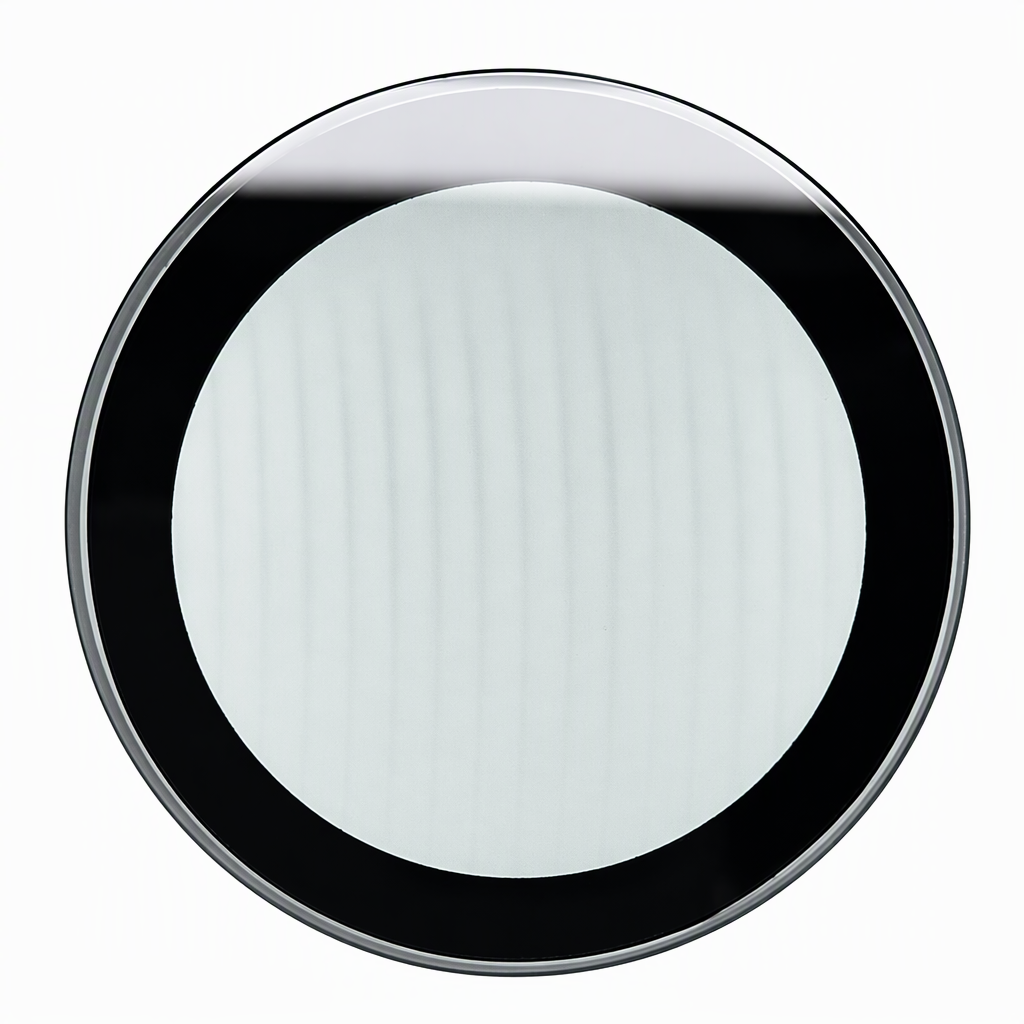
Custom 3-19mm Thickness Flat Tempered Glass Panel for Instrument Use Factory Price Round Shape Printed Tempered Glass
For round or shaped instrument windows, gauge covers and printed control dials from 3–19 mm; specify print registration and optical clarity.
View Product
Tempered Glass Lazy Susan 50cm 60cm 70cm 90cm Lazy Susan Turntable Strengthened Glass
For dining, hotel and cabinet applications; specify diameter, edge finish, turntable hardware and load expectations.
View ProductProof at a Glance: A Factory Built for Export
For global buyers, capacity is only useful when it is backed by documented quality, export discipline and engineering responsiveness.
Why China Glass Components Exporters Deserve a Place on Your 2026 Shortlist
China’s role in glass components is no longer just about low unit cost. The strongest exporters are integrated deep-processing plants that control cutting, CNC shaping, edge finishing, silk-screen printing, tempering, chemical strengthening and surface coating under one roof. That integration matters because a printed cover glass panel is a system: ink adhesion, flatness, hole tolerance, edge quality, coating durability and packing method all affect the total landed cost of ownership.
For procurement teams, “China-plus-one” does not automatically mean replacing a capable factory. It means verifying whether the exporter can serve as a primary or secondary source with documented quality. Look for factory scope, certificate numbers, third-party onsite assessment, export share, engineering feedback and sample traceability. A low quote is not information gain; a process control plan is.
The right China glass components exporter should shorten your product development loop, not lengthen it. When an exporter can review drawings for manufacturability, recommend physical tempering versus chemical strengthening, match ink color under real product lighting and design export packaging for breakage reduction, it becomes part of your engineering capability rather than a transactional vendor.
Future Procurement Trends for Glass Components, 2025–2030
Buyers are shifting from transactional sourcing to risk-managed, engineering-led supply. These six procurement trends should be reflected in your RFQ and supplier scorecard.
Dual Sourcing Without Duplicating Risk
Use one controlled specification across China and regional suppliers. Require identical drawings, acceptance criteria, inspection records and packaging standards so that transferring volume does not create a second quality system.
Total Landed Cost Models
Compare unit price together with breakage allowance, freight, duties, inspection, replacement risk and packaging cube. A slightly higher quote with lower damage and rework can be the lower-cost source.
Traceability by Production Batch
Ask for raw glass source, tempering lot, ink batch, coating run and print date. Batch-level traceability shortens root-cause analysis when a printer, appliance brand or project site reports a deviation.
Low-Carbon and RoHS Compliance
Eco-friendly inks, recyclable packaging and energy-efficient processing are becoming RFQ requirements. Verify claims with certificate scope, material declarations and packaging specifications, not logos alone.
Smaller Lots and Faster SKU Changes
Smart-home and appliance ranges change faster than traditional building products. Exporters that support 100-piece custom runs, rapid sampling and stable print colors will win repeat orders.
Early Supplier Involvement
Bring the glass exporter into design review before tooling and artwork are frozen. DFM feedback on tolerance, coating choice, edge stress and packing can remove costly rework from the launch plan.
Product Development Trends: Where Glass Components Are Heading
The next buying cycle will reward exporters who can combine decoration, protection, touch functionality and optical performance in a single glass component.
Thin Chemically Strengthened Covers
0.5–2 mm cover glass is gaining ground in touch panels, instruments and compact electronics where flatness, optical clarity and strength must coexist.
AR / AG / AF Coated Surfaces
Anti-reflective, anti-glare and anti-fingerprint coatings are moving from premium displays into industrial HMIs, medical screens, kiosks and outdoor equipment.
Deadfront and Hidden-Display Printing
Black and gray printed glass can hide icons and displays until backlit. This “deadfront” effect is increasingly used in appliances, switches and automotive-style interfaces.
High-Alumina and Scratch-Resistant Glass
For high-touch public terminals, instruments and premium appliances, high-alumina or specialty glass helps improve scratch resistance and perceived durability.
PDLC Switchable Privacy Glass
Smart film glass is moving into office partitions, healthcare rooms and residential privacy walls where instant transparency control and anti-UV performance are valuable.
Large-Format Display Covers
43–55 inch and larger protective glass requires flatness control, safe edge design and robust export packing. Buyers should verify large-format handling before awarding volume.
How to Verify a China Glass Components Exporter Before You Award the PO
Use a scorecard, not a gut feeling. A credible exporter should be able to answer process questions in engineering language, provide certificate numbers that match the product scope, and explain how a print or coating defect would be contained before shipment.
| Evaluation Dimension | What to Ask | Why It Matters |
|---|---|---|
| Process scope | Which steps are completed in-house: cutting, CNC, edging, printing, tempering, chemical strengthening and coating? | Fewer handoffs usually mean tighter tolerance control and faster corrective action. |
| Certification scope | Request certificate numbers for ISO 9001, RoHS and CE, and confirm the product scope. | Logos are not evidence. Scope and validity dates must match the components you buy. |
| Traceability | Can you identify raw glass, ink batch, print date, tempering lot and final inspection record? | Traceability reduces the cost of investigating delamination, color shift or breakage. |
| Engineering support | Do engineers review drawings, tolerances, edge stress and coating choice before quoting? | DFM feedback prevents a low quote from becoming an expensive re-tooling project. |
| Inspection discipline | Are incoming material, in-process printing, tempering and final visual checks documented? | Documented inspection is the difference between repeatable supply and sample-based luck. |
| Export and packaging | Confirm Incoterms, port of loading, breakage allowance and export packing for glass. | Glass can pass factory inspection but fail in transit without suitable packaging design. |
| Criteria | Physical Tempered | Chemically Strengthened |
|---|---|---|
| Typical thickness | About 2 mm and thicker | 0.5–2 mm thin glass |
| Strength gain | Roughly 4–5× annealed glass | High surface compression, suited to thin parts |
| Breakage pattern | Small blunt fragments for safety | Larger pieces, similar to annealed glass |
| Flatness and optics | Very good; slight roller wave is possible | Excellent flatness with no heat distortion |
| Best-fit applications | Appliance doors, switch panels, display windows, industrial covers | Touch covers, small electronics, wearables and precise optical windows |
Why Qingdao Maupe Glass Co., Ltd. Fits the Profile of a Top China Glass Components Exporter
E-E-A-T in glass sourcing means demonstrated experience, verifiable expertise, credible authority and transparent trust signals. The details below are the ones procurement teams can actually check.
Integrated Deep Processing
Cutting, CNC shaping, edge polishing, drilling, engraving, silk-screen printing, physical tempering, chemical strengthening and AR/AG/AF coating.
Certified Quality
ISO 9001 No. 24025Q20015R1S, RoHS No. 25TYT12395, CE No. 23TYT082593S and SGS Group onsite assessment.
Global OEM Experience
Since 2012, serving 80+ countries with 91–100% export share, Fortune 500 supplier experience and more than 10 years of OEM/ODM support.
Engineering Communication
Drawing review, sampling, print artwork verification, color matching, tolerance discussion and export packaging recommendations.
Export Logistics
Located near Qingdao seaport and airport. Delivery terms include FOB, CIF, EXW, FAS, FCA, CPT, DDP and DDU.
Inspection Before Shipment
Incoming material inspection and finished product inspection support stable print color, edge quality and packing condition.
Trade and Payment Flexibility
T/T, L/C, PayPal, Western Union and cash are accepted, with invoicing in USD, EUR or CNY for different buyer profiles.
Built for Inquiry Conversion
Share a drawing, target application and annual volume; sales and engineering can respond with manufacturability feedback instead of a generic price list.
 Factory overview · Qingdao, Shandong
 Silk-screen printing line · color and registration control
 ISO 9001 certificate · 24025Q20015R1S
From Drawing to Delivery in Five Controlled Steps
A transparent workflow helps purchasing, engineering and quality teams know exactly what happens before and after the PO.
Drawing Review
Engineers check manufacturability, tolerance, glass type, strengthening method and printing feasibility.
Sampling
Screens and samples are made for fit, color, touch response and assembly verification.
Mass Production
Cutting, edging, printing and tempering are coordinated across 8 production lines.
Quality Inspection
Incoming material and finished product inspection are completed before packing.
Export Shipping
Protective export packing is shipped via Qingdao port or airport under agreed Incoterms.
China Glass Components Procurement FAQ
What is the minimum order quantity for custom printed tempered glass?
Most custom silk-screen printed panels start from 10 to 100 pieces depending on size, thickness and number of print colors. Large-size display cover glass can start from 10 pieces. Samples are available for fit and print verification before mass production.
Should I choose physically tempered glass or chemically strengthened glass?
Physical thermal tempering suits glass typically 2 mm and thicker, such as appliance doors, switch panels and display windows, and breaks into small blunt fragments. Chemical strengthening suits thin glass from 0.5 mm to 2 mm, touch covers and parts that need excellent flatness and optical quality.
Which certifications does Qingdao Maupe Glass Co., Ltd. hold?
The company operates an ISO 9001 quality management system, holds RoHS and CE certificates for its glass products, and has been onsite-assessed by SGS Group as a third-party inspection company. Certificate numbers: ISO 9001 24025Q20015R1S, RoHS 25TYT12395, CE 23TYT082593S.
What files are needed to start a custom glass project?
Send a 2D drawing in DWG, DXF or PDF with dimensions, thickness, edge finish, hole positions and tolerance, plus print artwork in AI or PDF with color references. State coating requirements such as AR, AG or AF, the intended application and annual volume.
How can I control quality before shipment?
Agree on an inspection checklist before the PO: appearance, print color, edge chips, flatness, hole position, coating appearance and packing method. Ask for sample approval, batch records and final inspection photos or reports before shipment.
Which trade and payment terms are accepted?
Accepted delivery terms include FOB, CIF, EXW, FAS, FCA, CPT, DDP, DDU and express delivery. Accepted payments include T/T, L/C, PayPal, Western Union and cash, in USD, EUR or CNY. The factory is close to Qingdao seaport and airport.
Can you support AR/AG/AF coating, 3M adhesive tape and custom packaging?
Yes. Coating, 3M adhesive tape, printed graphics, edge finishing, holes and protective packaging can be specified in the drawing and sample approval process. Discuss the working environment so the coating and adhesive choice match actual use.
Why choose a direct factory instead of a trading company?
A direct deep-processing factory can explain process limits, control print and tempering steps, and correct deviations faster. Verify the factory scope, certificate numbers, inspection records and export experience rather than relying only on a website claim.
Have a Drawing or Sample? Let Our Engineers Review It Before You Buy.
Send dimensions, thickness, artwork, surface requirements, annual volume and destination. You will receive manufacturability feedback, a recommended strengthening method and a clear quotation path.
Send an Inquiry Email: info@maupeglass.com · Qingdao Maupe Glass Co., Ltd. · ISO 9001 · RoHS · CE · SGS Onsite Assessed