Top Trusted Aluminosilicate Glass Suppliers & Exporters
Source high-alumina, tempered, chemically strengthened, printed and AR/AG/AF-coated glass from one ISO 9001 deep-processing partner for displays, appliances, smart home, medical and industrial HMIs.
Why Aluminosilicate Glass Is Now a Strategic Sourcing Category
This guide is written for OEM engineers, sourcing managers and brand owners comparing top trusted aluminosilicate glass suppliers and exporters. It focuses on the details that affect yield, certification, launch speed and total landed cost — not just the quoted price per piece.
Aluminosilicate glass has moved from a specialist substrate to a practical specification for touch covers, appliance interfaces, medical displays, industrial control panels and other functional glass parts that must survive repeated cleaning, heat, impact and high-use touch. Compared with conventional soda-lime glass, a high-alumina composition can offer a stronger engineering platform for scratch resistance, thermal exposure and thin-part strength when it is paired with the right strengthening method, print system and coating stack.
For procurement teams, the risk is not simply finding a supplier who can list “aluminosilicate glass” in a catalogue. The real risk is choosing an exporter who cannot control substrate traceability, print registration, tempering or chemical strengthening, edge quality, coating durability, inspection records and export packing in one chain. A cover glass that performs well in a sample but fails in mass production usually traces back to a process-control gap rather than a glass grade problem.
This buyer's guide adds an RFQ-ready selection matrix, a supplier audit weighting model and a 2025–2030 procurement view based on the production realities of an OEM glass deep-processing factory. Qingdao Maupe Glass Co., Ltd. has served international buyers since 2012, works under an ISO 9001 quality management system, and processes cut, drilled, edged, printed, tempered, chemically strengthened and coated glass for customers in more than 80 countries.
Recommended Aluminosilicate & High-Performance Glass Products
These eight formats reflect common OEM programs: printed cover glass, thin display glass, anti-glare industrial screens, touch protectors, heat-resistant panels, custom printed panels, decorative tempered glass and AR/AF-coated medical and industrial display covers. Aluminosilicate or high-alumina substrate can be engineered where thickness, thermal load, cleaning chemistry and optical targets justify it.
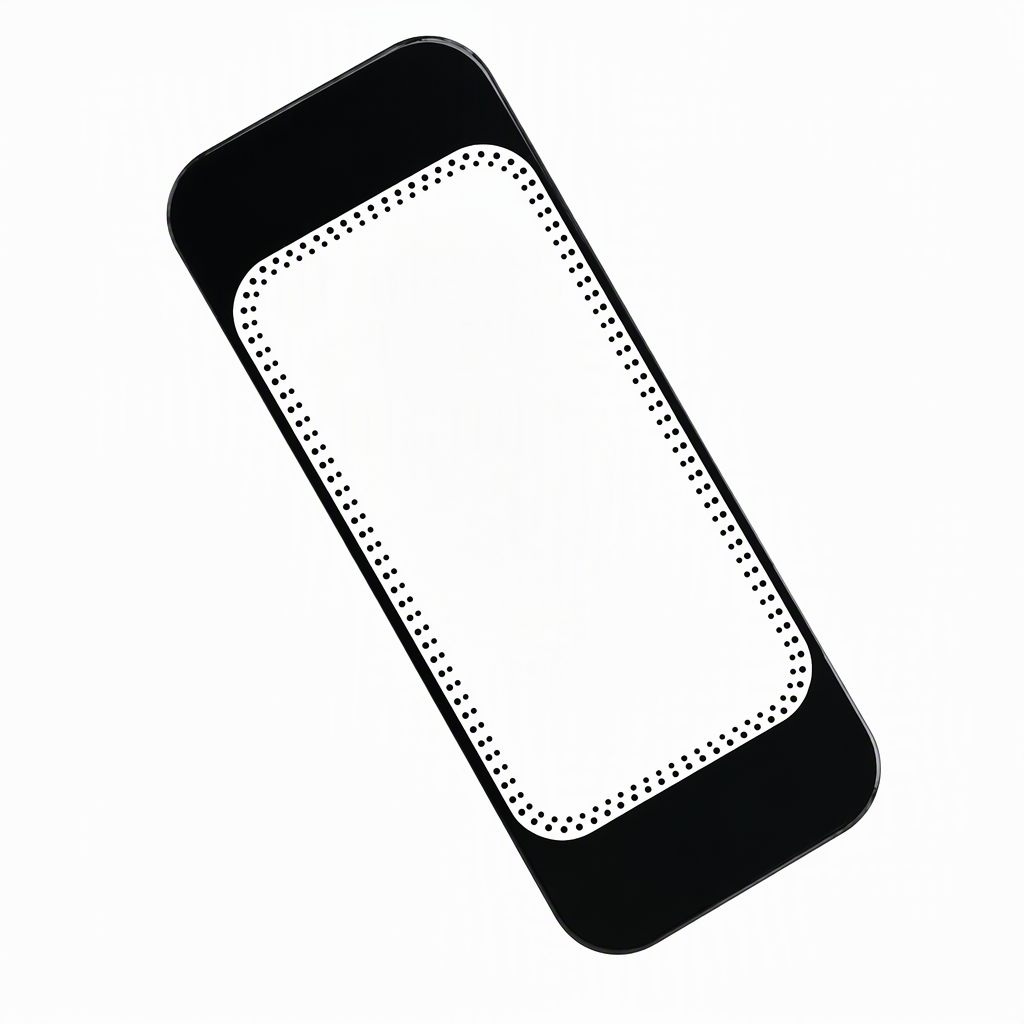
Custom Logo Silk Screen Printing Tempered Glass Panel Tempered Display Glass Screen Protector
Brand-visible front glass where ink opacity, color matching and scratch resistance matter. A good fit for high-alumina substrate when frequent cleaning or harsh chemicals are expected.
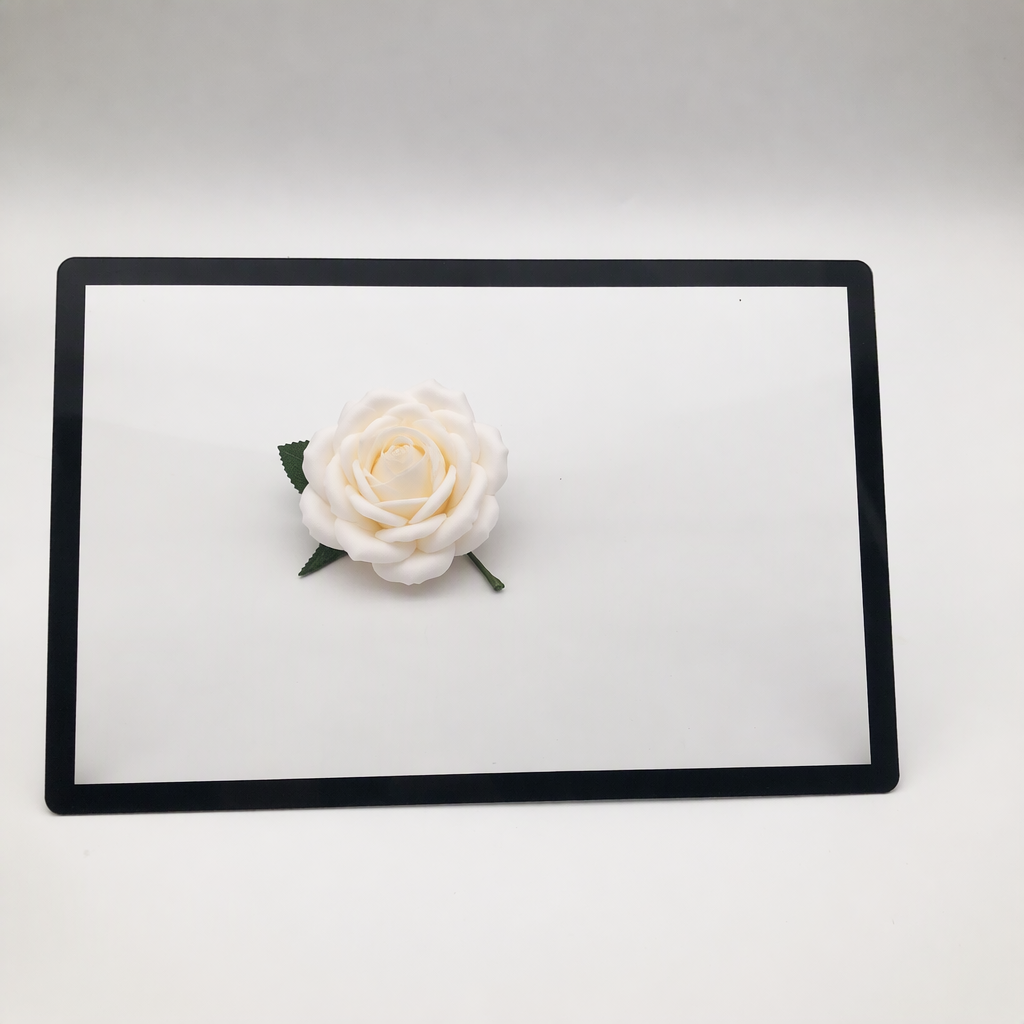
Ultra-Thin Silk Screen Printed Tempered Glass for Display Panels
Thin 0.5–2.0 mm display glass with precise print registration for compact HMIs, instrumentation and consumer device windows. Chemical strengthening is recommended for thin formats.
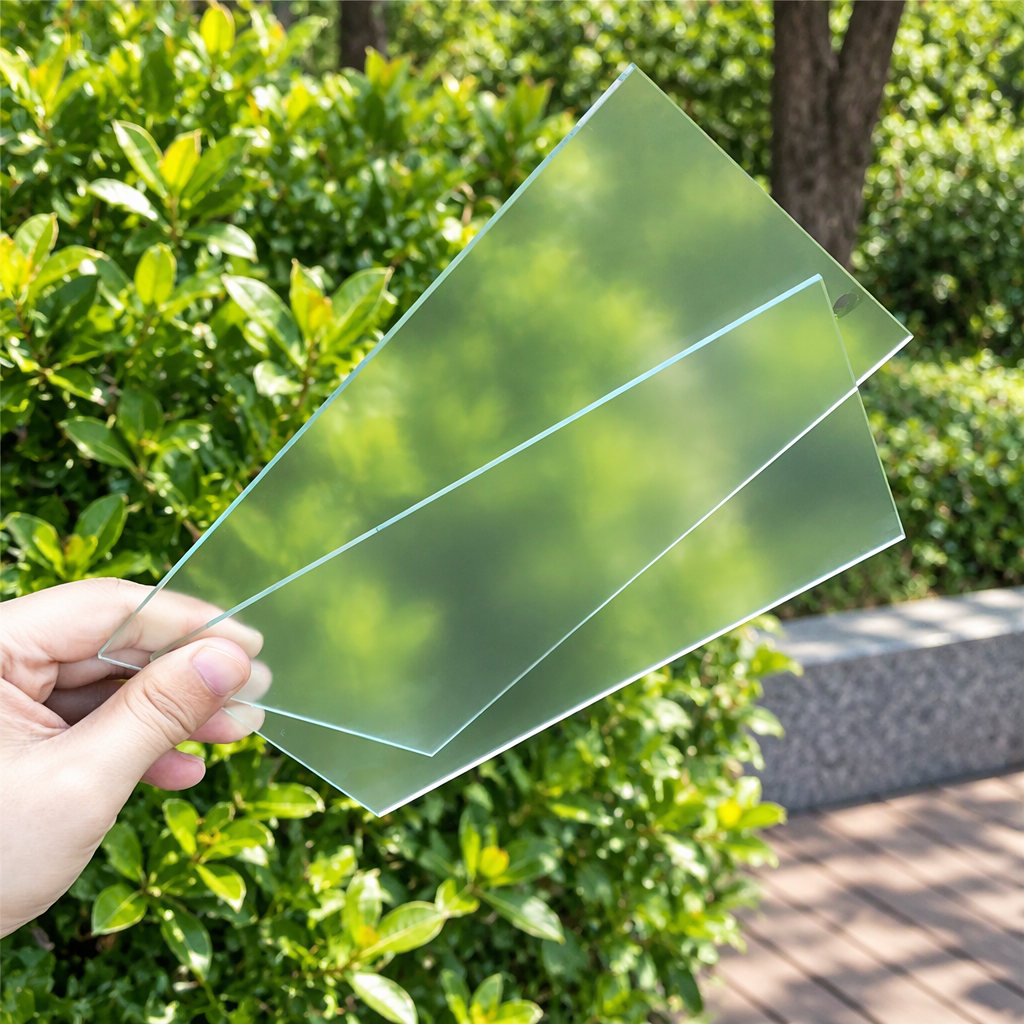
High Quality Industrial Screen Front Cover Glass Frosted Anti-glare Glass for Screen Protector
Anti-glare front glass for factory floors, medical carts, outdoor kiosks and control rooms. The matte surface lowers reflection while printed windows keep indicators and sensors readable.

Glass Factory Customized High Quality Transparent Display Touch Screen Glass Silk Screen 9H Hardness Industrial Screen Protector
High-clarity touch screen protection with scratch-resistant surface, CNC edges and printed sensor windows. Suitable for industrial touch displays that need durability without reducing transmission.
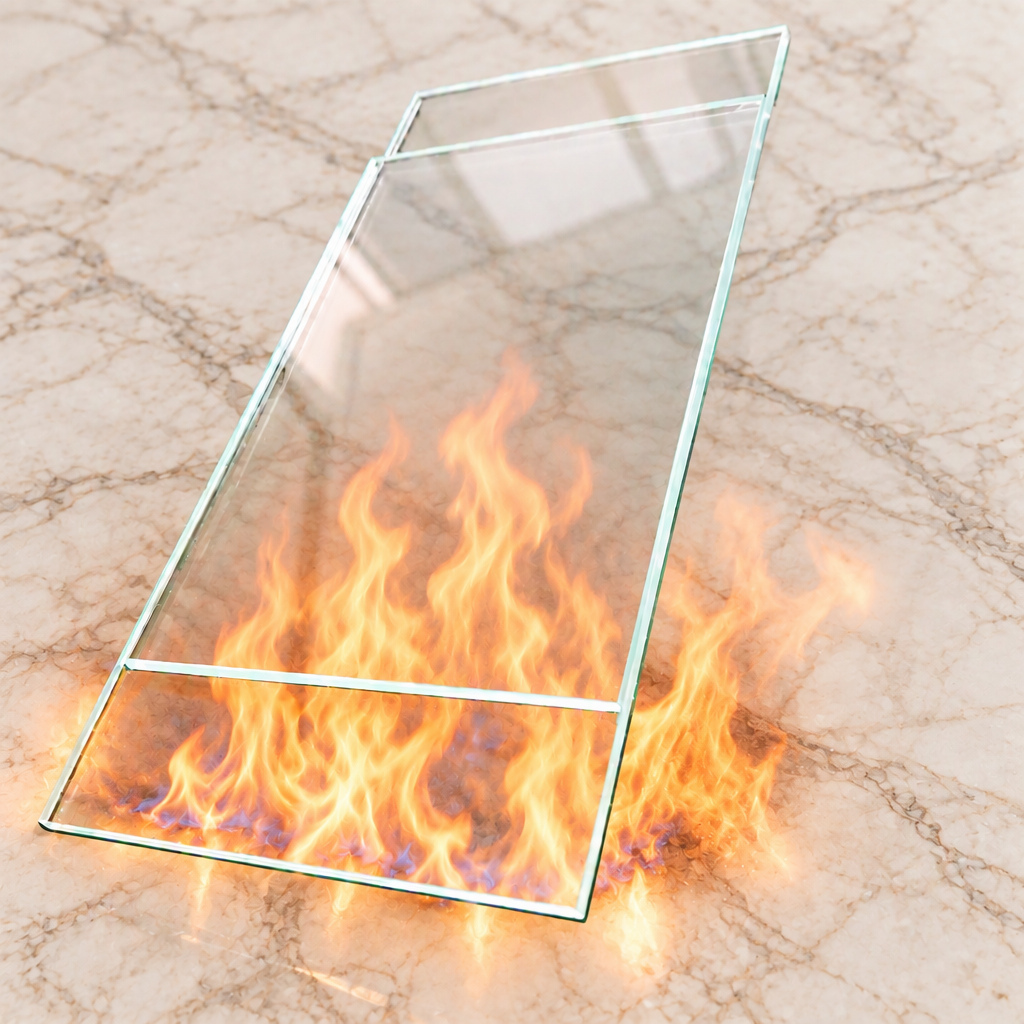
Tempered Glass Flat Solid Glass Panels Heat-resistant Tempered Glass for Various Application
Heat-resistant tempered panels for appliance doors, control windows, viewing ports and equipment covers. Thickness, edge finish and print must be fixed before tempering.
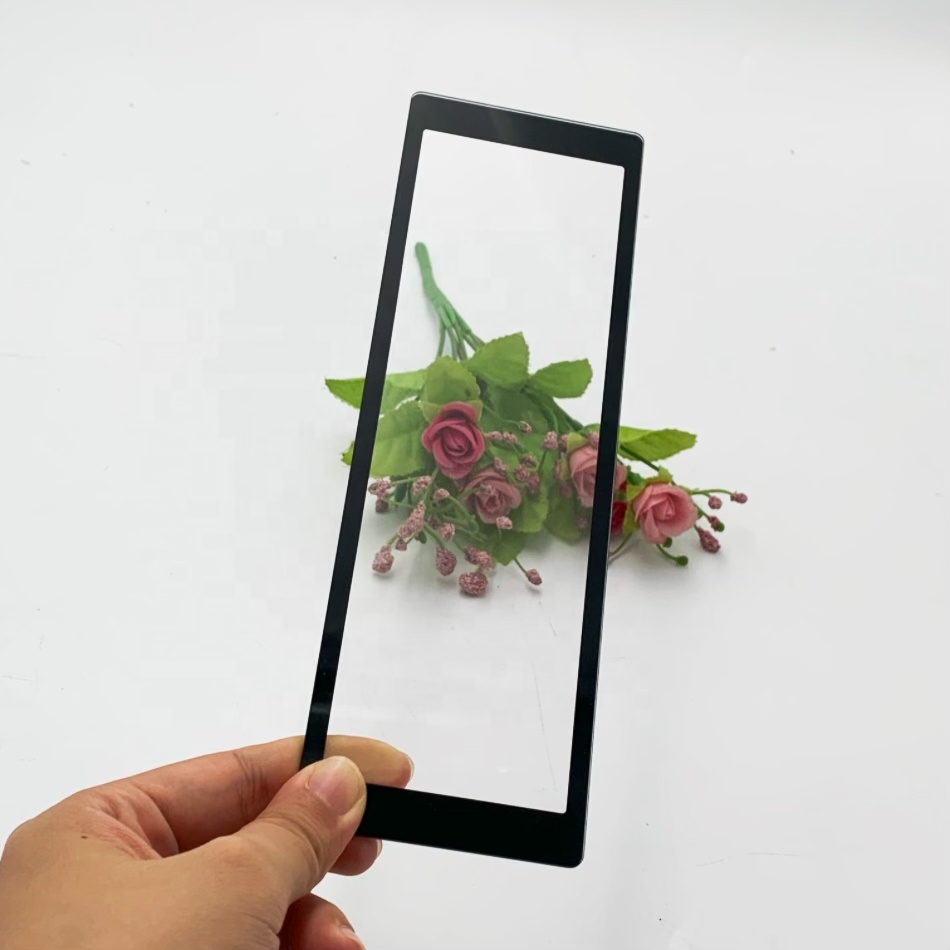
Custom Silk Screen Printed Tempered Glass Panel Touch Screen Display Cover Glass
Decorative and functional printing on one sheet: icons, dead-front windows, touch zones and backlighting. Ideal for control panels where brand appearance and sensor performance must align.
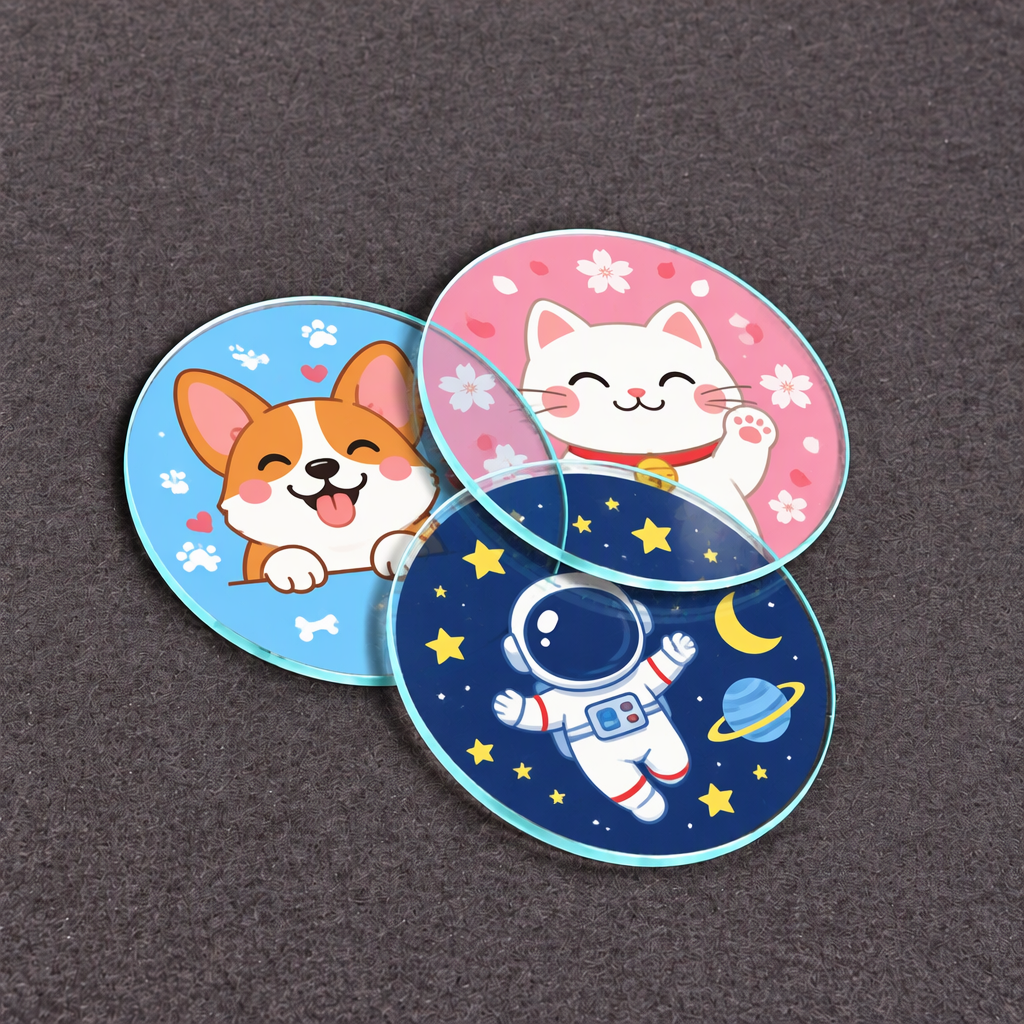
Eco-Friendly Custom Printed Glass Coasters Custom Design Tempered Glass Coaster
A practical entry point for custom printed tempered glass: branded coasters and decorative surface parts using low-VOC ink, tempered strength and repeatable color control.
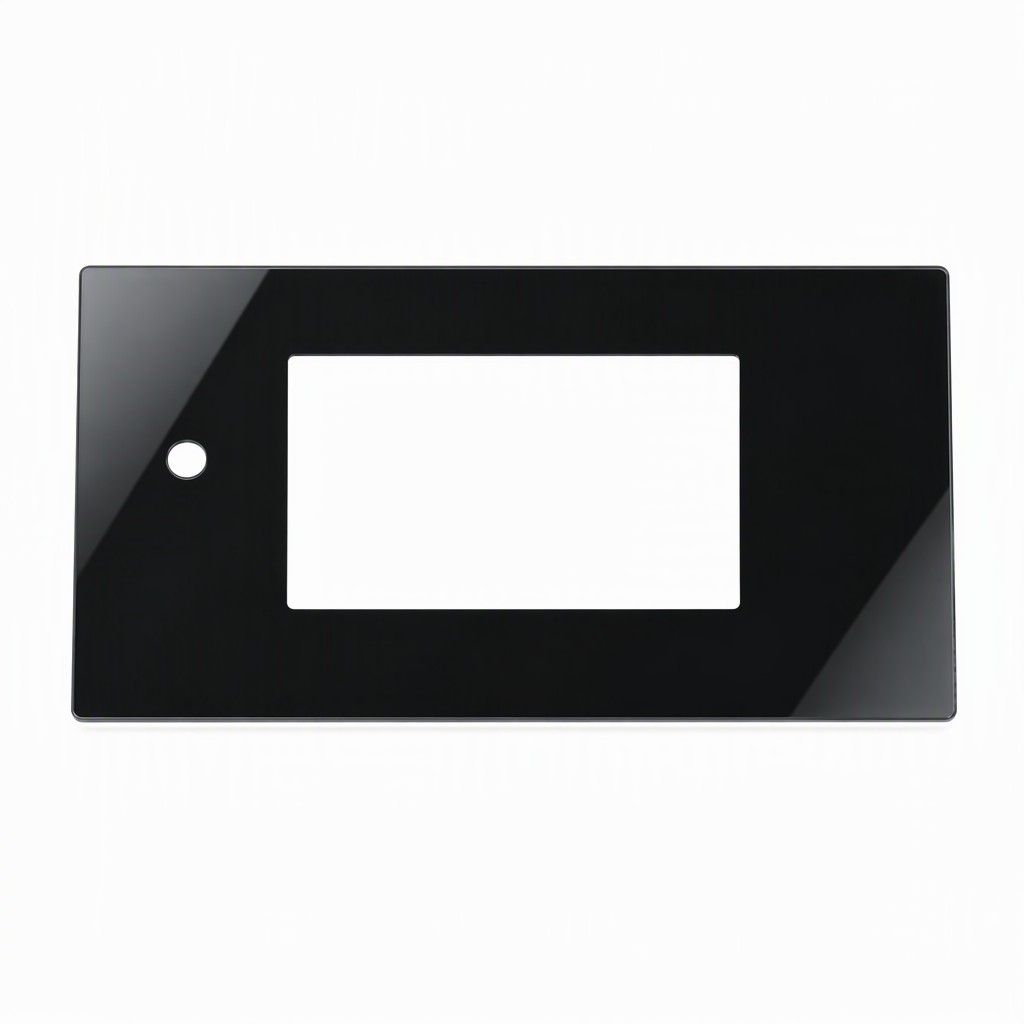
Gorilla Glass Display Protection Cover AR AF Coated LCD Touch Panel Digitizer Front Cover Glass for Industrial Medical Screens
AR/AF coated cover glass for medical and industrial LCD touch panels. The coating stack reduces glare and fingerprints while protecting the digitizer in high-use environments.
How to Verify a Trusted Aluminosilicate Glass Supplier Before You Release a PO
A supplier's quotation is only as reliable as the process behind it. Use these six checks to compare exporters on evidence rather than brochure language.
Substrate Traceability
Ask for glass grade, lot identification, thickness, warp and a certificate of analysis where available. “High-alumina” and “aluminosilicate” should be defined by composition and performance, not only by the trade name.
Strengthening Compatibility
Physical tempering is normally used for thicker glass, while chemical strengthening is better for thin covers. Confirm the method before cutting, drilling and edging, because post-strengthening machining can destroy the strength layer.
Print and Ink Control
Check high-temperature and low-temperature ink capability, color proofs, print registration, adhesion tests and layer order. Printed glass fails when ink systems and coating steps are not designed as one stack.
Coating Durability
For AR, AG or AF surfaces, ask for haze, reflectance, abrasion, humidity and cleaning-cycle data. A coating that looks correct in a photo may not survive hospital disinfectants or industrial wipe-down routines.
Tolerance and Optical Yield
Define cosmetic zones, chip limits, flatness, hole position and edge finish. A precise drawing and a mutually accepted limit sample prevent disputes when the first mass-production lot arrives.
Export Compliance and Packing
Verify ISO 9001, RoHS and CE documentation where applicable, plus inspection records and packing validation. Exporters close to a major port can reduce transit risk and simplify FOB, CIF or DDP planning.
Aluminosilicate Glass Procurement Trends Buyers Should Plan For
Purchasing strategy for technical glass is shifting from “find the lowest piece price” to “secure a repeatable supply system.” These six trends are already appearing in OEM RFQs for displays, appliances and industrial equipment.
Dual Sourcing With One Visual Standard
Buyers are qualifying a primary and secondary supplier while keeping one golden sample, one color target and one inspection standard. The goal is resilience without brand-visible variation.
Thinner, Chemically Strengthened Covers
As devices become slimmer, thin glass with chemical strengthening is replacing thicker flat glass in touch covers. Procurement teams need flatness, ion-exchange control and coating compatibility data, not only thickness.
Coatings Become a Specification
AR, AG and AF treatments are moving from optional upgrades to drawing-level requirements. Buyers should specify test conditions, cosmetic limits and which surface receives the coating.
Energy and Carbon Data in RFQs
More OEMs request energy-source information, cullet use, packaging reduction and transport-mode comparisons. Suppliers with process visibility and export experience can answer these requests faster.
Digital Quality Records
Lot-level inspection photos, dimensional reports, coating data and packing checks are becoming part of the supplier comparison. Digital records reduce the cost of remote audits and repeat orders.
Faster NPI and Low-MOQ Customization
Prototype teams increasingly need 10–100 pieces before releasing mass-production tooling. Suppliers who control their own printing and strengthening steps can shorten iteration and reduce ramp-up risk.
Engineering Directions Buyers Should Design Into the Next Platform
Glass is increasingly part of the user interface, the brand surface and the environmental protection layer at the same time. These directions influence drawings, tolerances and supplier selection.
Aluminosilicate for Harsh Touch Environments
Medical carts, industrial HMIs and high-end appliances need surfaces that resist cleaning agents, repeated touch and thermal cycling. Aluminosilicate grades can be a stronger platform when the application justifies the cost.
Printed Glass as the Brand Surface
Dead-front displays, backlit icons, hidden sensors and color-matched logos turn cover glass into a brand asset. The printing plan must be defined before sampling so coating and ink layers do not conflict.
Large-Format and Smart Glass
Large TV covers, interactive displays and switchable privacy glass demand flatness, coating uniformity and robust packing. Size alone changes the logistics and inspection plan.
Hybrid Display Stacks
Glass, sensor, display and adhesive must be designed as one stack. Air gaps, index matching and surface treatment choices affect readability and durability more than the glass thickness alone.
Supplier Audit Weighting and Material Selection Matrix
The chart below is an indicative RFQ review model — useful for aligning engineering, quality and sourcing in one discussion. The material matrix should be confirmed against your application test plan.
What Buyers Weigh When Auditing a Supplier
Indicative weighting based on OEM RFQ reviews for custom printed and coated glass. Use it as a discussion prompt, not a published industry benchmark.
Process consistency and inspection usually carries more weight than piece price when the part is visible, touch-critical or safety-related.
| Selection Factor | Soda-Lime Tempered Glass | Aluminosilicate / High-Alumina Glass | Chemically Strengthened Thin Glass |
|---|---|---|---|
| Typical thickness | 2–12 mm | 0.5–6 mm, depending on grade and process | 0.3–2 mm |
| Thermal and impact brief | Good for appliance doors, windows and industrial covers | Strong candidate for harsh cleaning, heat and high-use touch | Excellent strength-to-weight for thin touch covers |
| Scratch and drop | Good when tempered and printed correctly | Excellent platform when paired with the right strengthening | Excellent for thin, high-strength parts |
| Optical and coating fit | Good; verify print and coating compatibility | Excellent option for AR/AG/AF and high-clarity covers | Excellent flatness and optical quality for precise displays |
| Best application fit | Appliance doors, display windows, equipment covers | Touch panels, medical displays, high-end appliances, industrial HMIs | Thin touch covers, wearables, instrumentation and optical windows |
| Procurement note | Verify roller wave, fragmentation and edge quality | Verify grade, lot traceability, strengthening method and coating data | Verify ion-exchange control, warp, haze and cosmetic limits |
Why Buyers Trust Qingdao Maupe Glass Co., Ltd.
Founded in 2012 in Qingdao, Shandong, Qingdao Maupe Glass Co., Ltd. is a glass deep-processing manufacturer and international supplier operating under an ISO 9001 quality management system. The factory focuses on turning flat glass into finished functional parts: cutting, CNC shaping, edge polishing, drilling, engraving, coating, silk screen printing, physical tempering and chemical strengthening.
That in-house chain matters for aluminosilicate and high-alumina cover projects. Print registration, strengthening, coating and final inspection are not outsourced across multiple unknown workshops, so engineering feedback and corrective action can move faster.
Silk screen printed glass uses RoHS-compliant, eco-friendly inks with high- and low-temperature processes, giving scratch- and wear-resistant prints for displays, electronic control equipment, instrument covers, household and kitchen appliances, furniture and decorative partitions. The company exports to more than 80 countries across North and South America, Europe, Oceania, the Middle East, Africa and Asia.




Quality Documentation That Supports Global Procurement
Certificate numbers are listed so your compliance team can verify them directly with the issuing bodies. Documentation support should be confirmed for each product and destination before shipment.

ISO 9001 Quality Management
Certificate No. 24025Q20015R1S · Scope: float glass and technical glass products · Valid to 02/2028.

RoHS Compliance
Certificate No. 25TYT12395 · Restricts hazardous substances for EU electrical and electronic equipment · Valid to 12/2030.

CE Marking
Certificate No. 23TYT082593S · Tempered glass · Supports market access across the European Economic Area · Valid to 08/2028.
From Drawing to Export: A Six-Step OEM Workflow
A transparent workflow keeps purchasing, engineering and quality teams aligned from the first RFQ to the packed carton.
Drawing and DFM Review
Engineers check manufacturability, tolerance, edge finish, hole positions and the right strengthening method.
Material Selection
Confirm glass grade, thickness, print ink system, coating stack and whether aluminosilicate or high-alumina substrate is justified.
Sampling and Print Proof
Samples are produced for fit, color, touch-zone clarity, coating appearance and assembly verification.
Mass Production
Cutting, CNC, edging, drilling, printing, tempering or chemical strengthening, and coating run on controlled lines.
Inspection and Records
Incoming material and finished product inspection cover dimensions, appearance, print, coating and packing checks.
Export Packing
Protective packing supports FOB, CIF, EXW, DDP and express shipment via Qingdao seaport and airport.
Aluminosilicate Glass Procurement FAQ
Answers to the questions buyers ask most often when comparing suppliers, requesting samples and preparing mass production.
What is aluminosilicate glass, and when should I specify it instead of soda-lime glass?
Aluminosilicate glass contains alumina in its composition and is chosen when a project needs a stronger engineering platform for scratch resistance, thermal exposure, thin-part strength or harsh cleaning. It is not automatically the lowest-cost choice. Specify it when the application justifies the performance, and validate the final glass grade, strengthening method, print and coating as one stack.
Can you supply both physically tempered and chemically strengthened glass?
Yes. Physical tempering is generally used for thicker glass such as appliance doors, switch panels and display windows, while chemical strengthening is used for thin cover glass where flatness and optical quality matter. Cutting, drilling and edging must be completed before strengthening, so the process route should be fixed during DFM review.
What is the typical MOQ and sample lead time?
Most custom silk screen printed panels start from 10 to 100 pieces depending on size, thickness, print colors and substrate. Large-format display cover glass can start from 10 pieces. Samples are available for fit, print and coating verification before mass production; the exact lead time is confirmed after drawing review.
What files should I send for an accurate RFQ?
Send a 2D drawing in DWG, DXF or PDF with dimensions, thickness, edge finish, hole positions and tolerance. Include print artwork in AI or PDF with color references, coating requirements such as AR, AG or AF, the working environment, annual volume and packing expectations. A clear application brief reduces quotation errors.
Which certifications and inspection reports are available?
Qingdao Maupe Glass operates an ISO 9001 quality management system and holds RoHS and CE certificates for applicable glass products. The company has been onsite assessed by SGS Group as a third-party inspection company. Certificate numbers are listed on this page for verification; document scope should be confirmed for each product and destination.
What trade terms, payment terms and export routes are accepted?
Accepted delivery terms include FOB, CIF, EXW, FAS, FCA, CPT, DDP, DDU and express delivery. Accepted payments include T/T, L/C, PayPal, Western Union and cash in USD, EUR or CNY. The factory is close to Qingdao seaport and airport, which supports consolidated export planning and on-site audits for visiting buyers.
How do I compare an aluminosilicate glass exporter beyond price per piece?
Compare total landed cost and risk: substrate traceability, process control, inspection records, print and coating durability, packing validation, communication speed and ability to support repeat orders. A lower quotation can become expensive if the first mass-production lot requires rework, retesting or a second tooling cycle.
Shortlist a Supplier That Can Prove the Process, Not Just Quote the Piece
Send your drawing, print artwork, coating requirement and target volume. Our team will review manufacturability, recommend the right glass and strengthening route, and help you compare aluminosilicate, tempered and chemically strengthened options for your application.
Get CatalogRFQ checklist: 2D drawing · thickness · edge finish · print artwork · AR/AG/AF requirement · application environment · annual volume