Eight Tempered Glass Products Recommended for OEM Procurement
Buyers searching for trusted tempered glass sheet factory and wholesalers usually need more than a stock sheet. They need a supplier who can align print, edge finish, coating, strengthening method and export packaging to one drawing. The eight products below are representative recommendations from current OEM production. Dimensions, thickness, ink colors, tolerances and surface treatments are confirmed during drawing review.
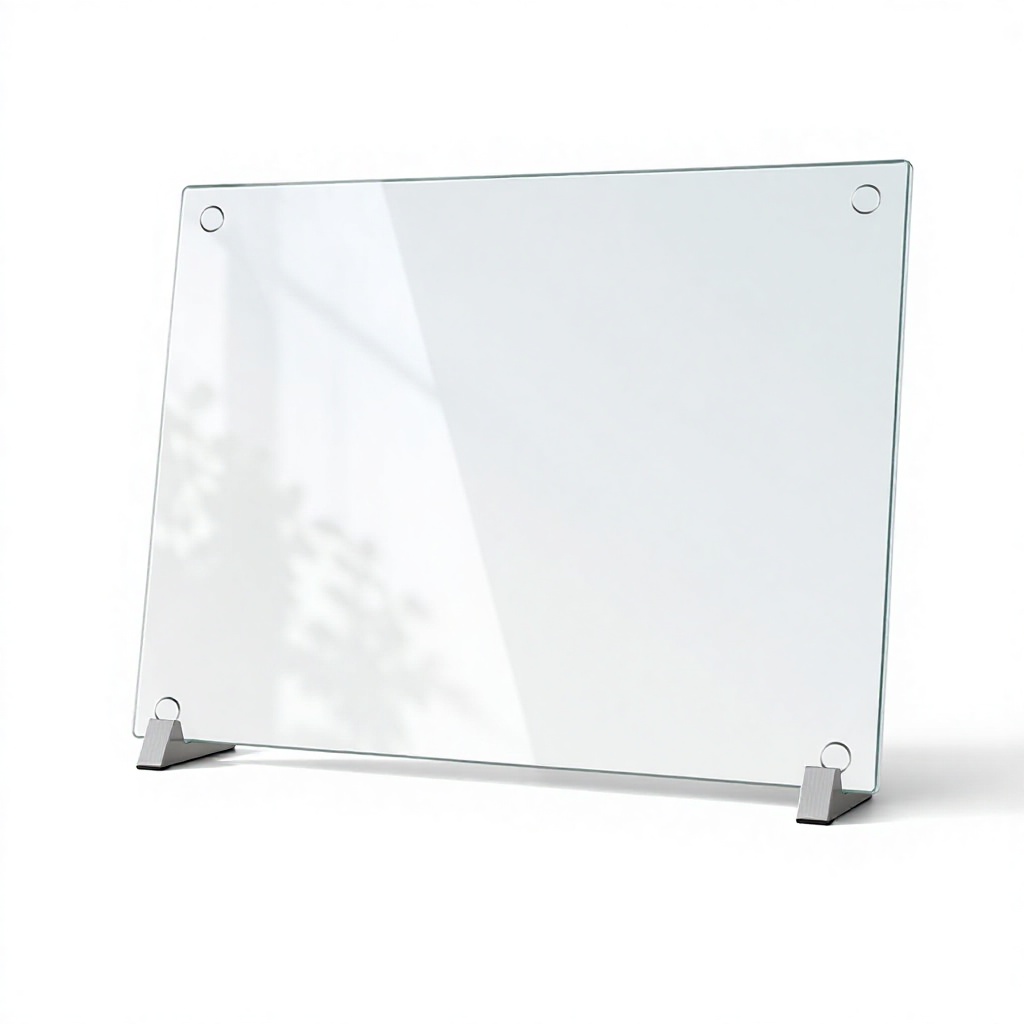
Custom Size Clear Tempered Glass Curtain Wall Panel Multi Function Print Glass Whiteboard Glass
Recommended for writable wall systems, branded partitions and interior glazing where large-format clarity, safe breakage behavior and print alignment matter.
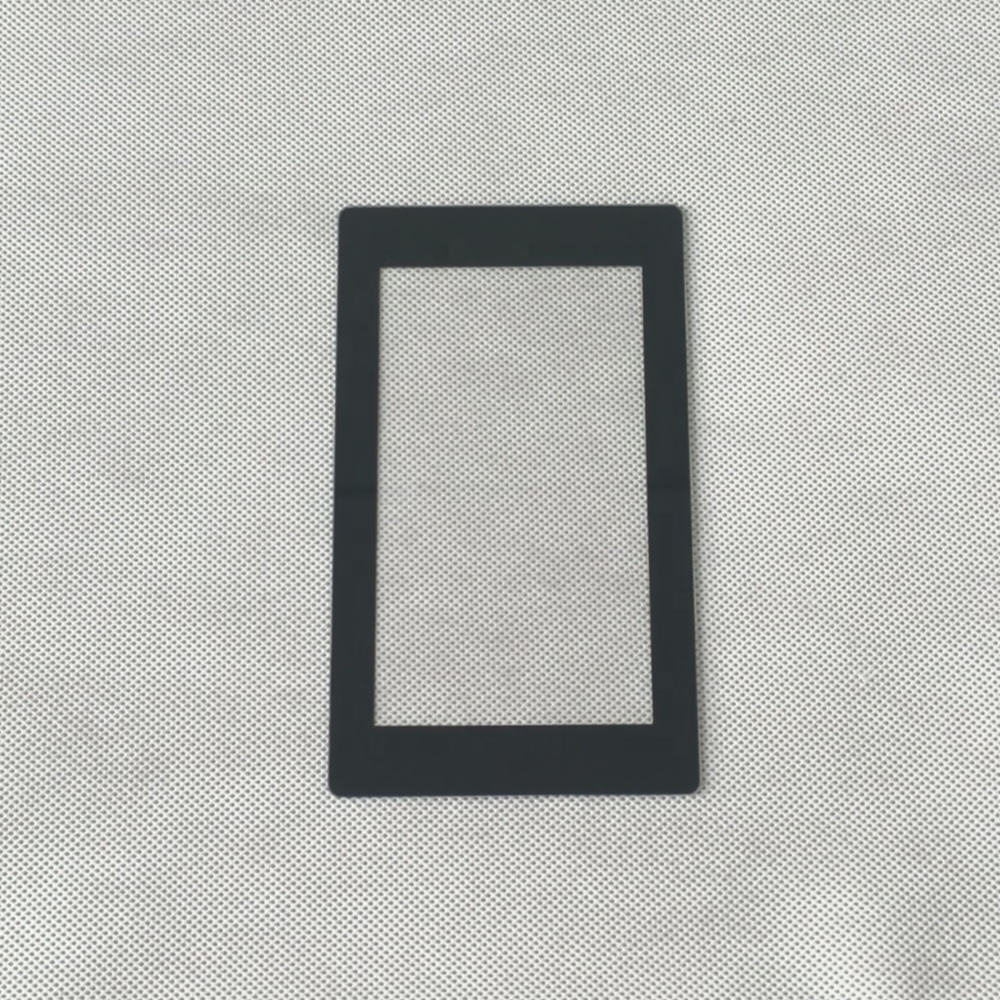
Silk Screen Printed Tempered Glass Panel Self Adhesive Display Cover Glass Flat Electronic Product Glass Screen Protector
Recommended for flat electronic devices that require precise sensor windows, clean lamination and wear-resistant printed graphics.
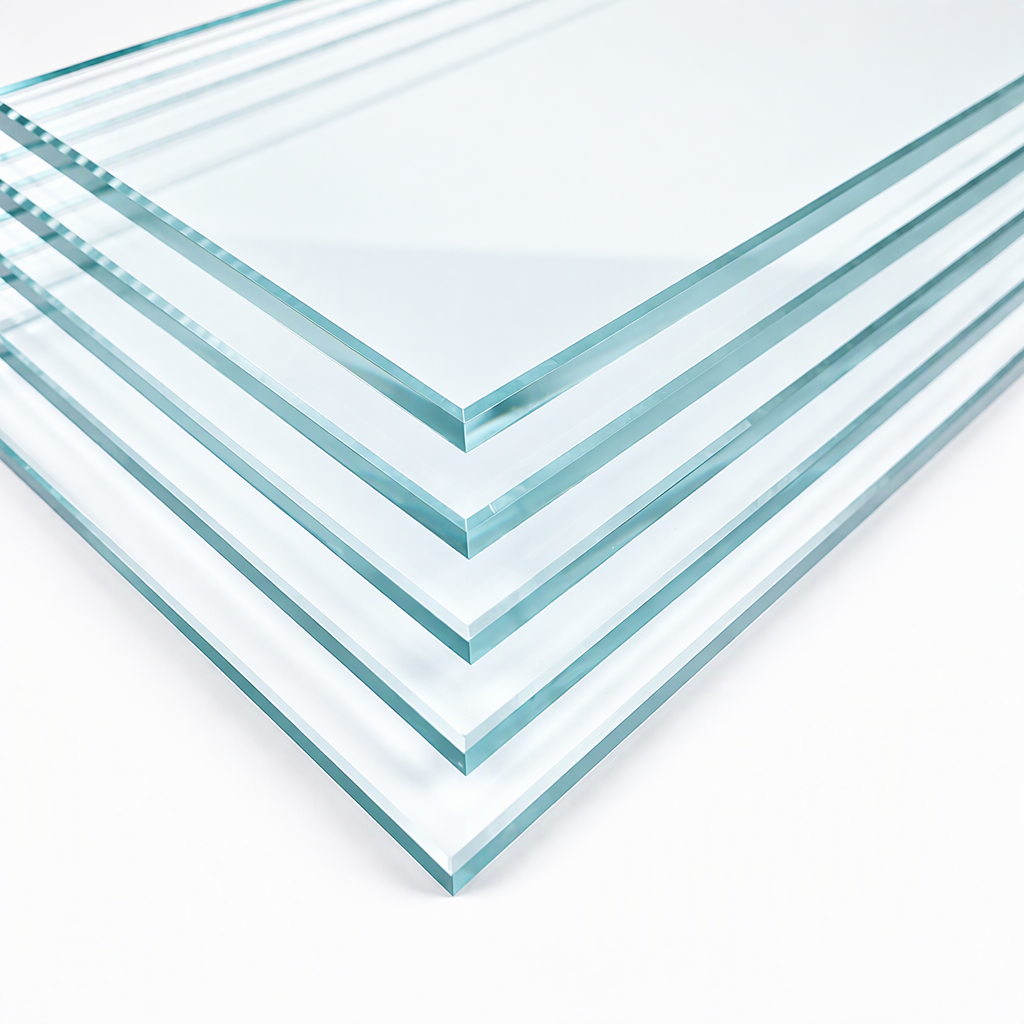
Clear Tempered Glass Transparent Tempered Glass Panel Cover Plate
Recommended as a base specification for OEM cover plates where high light transmission, edge quality and flatness drive assembly yield.

High Quality Industrial Screen Front Cover Glass Frosted Anti-glare Glass for Screen Protector
Recommended for HMI, outdoor kiosks and industrial monitors where glare, fingerprint visibility and long-term surface wear are critical.
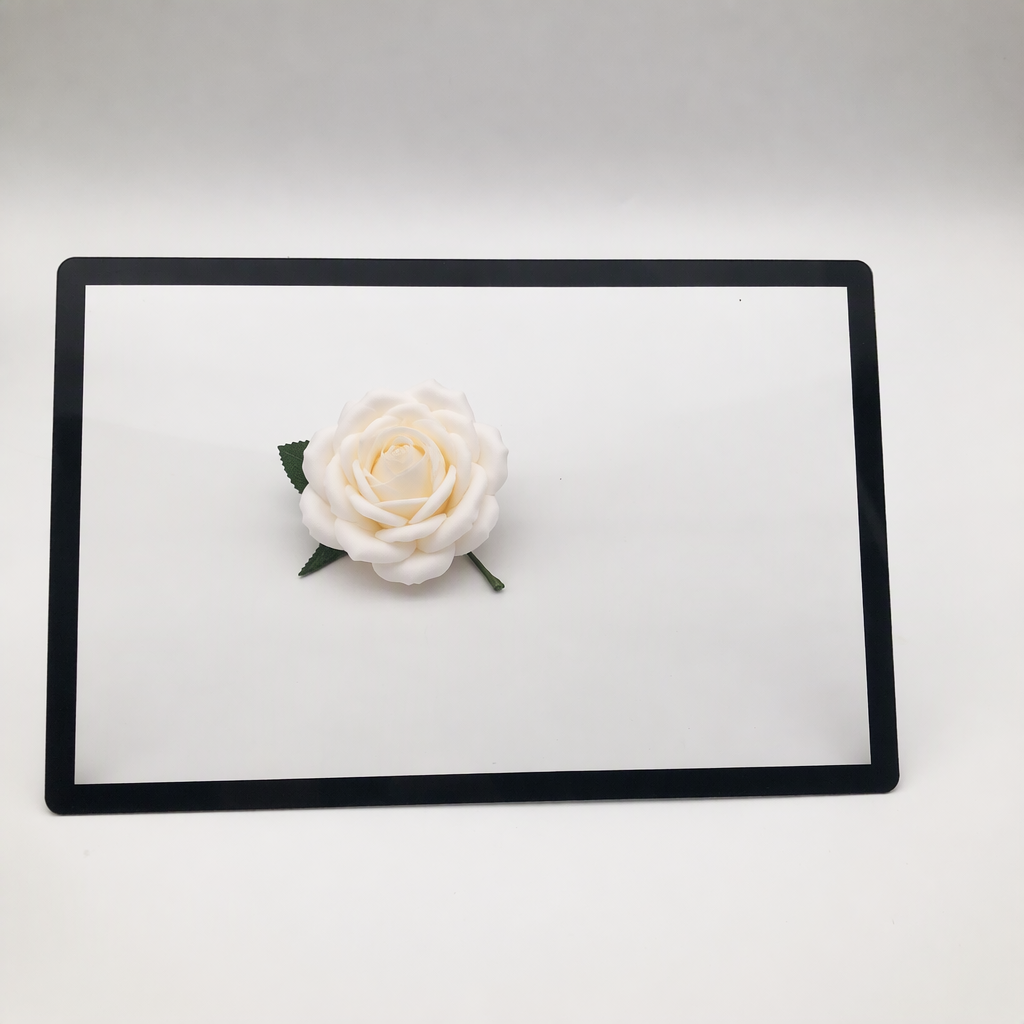
Ultra-Thin Silk Screen Printed Tempered Glass for Display Panels
Recommended for thin devices, smart controls and display stacks where reduced mass and stack height improve industrial design flexibility.
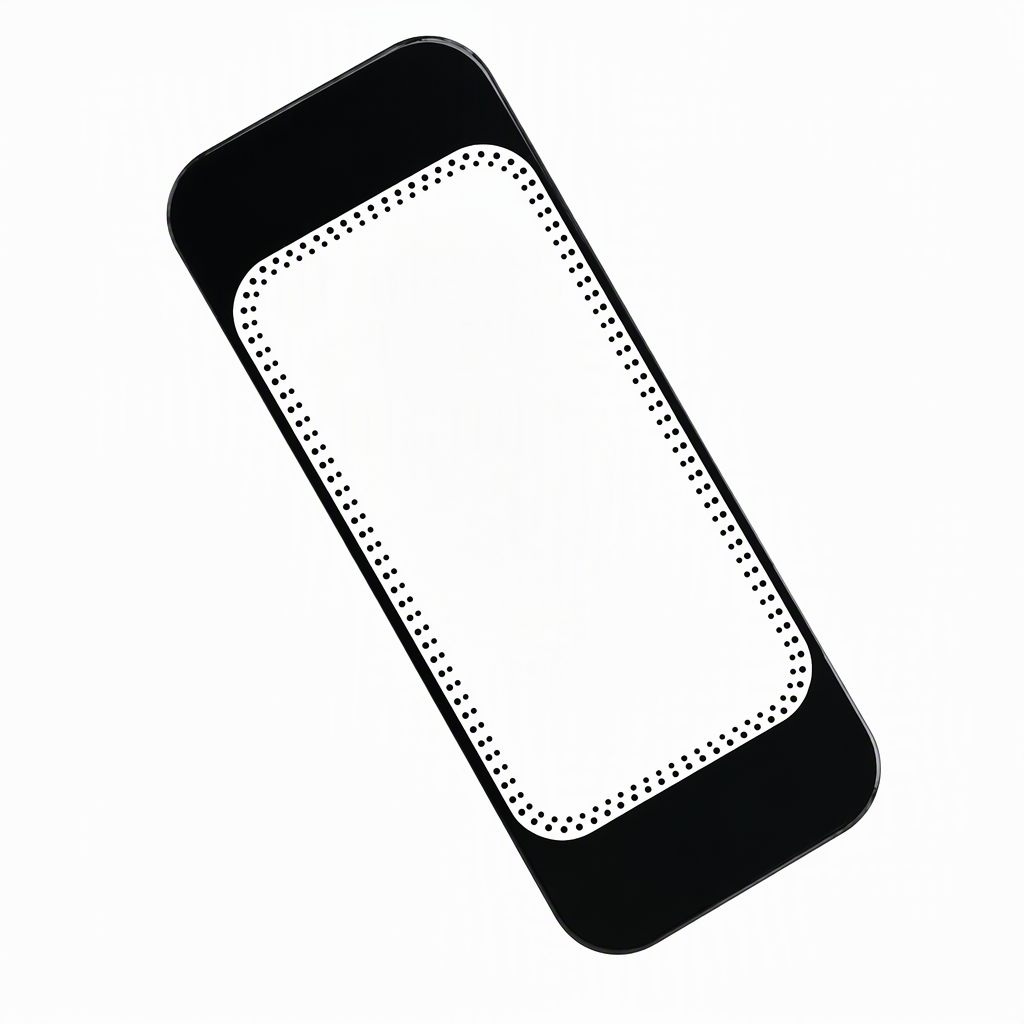
Custom Logo Silk Screen Printing Tempered Glass Panel Tempered Display Glass Screen Protector
Recommended for branded appliances, smart locks and access-control panels that need crisp logos, icon windows and consistent ink coverage.
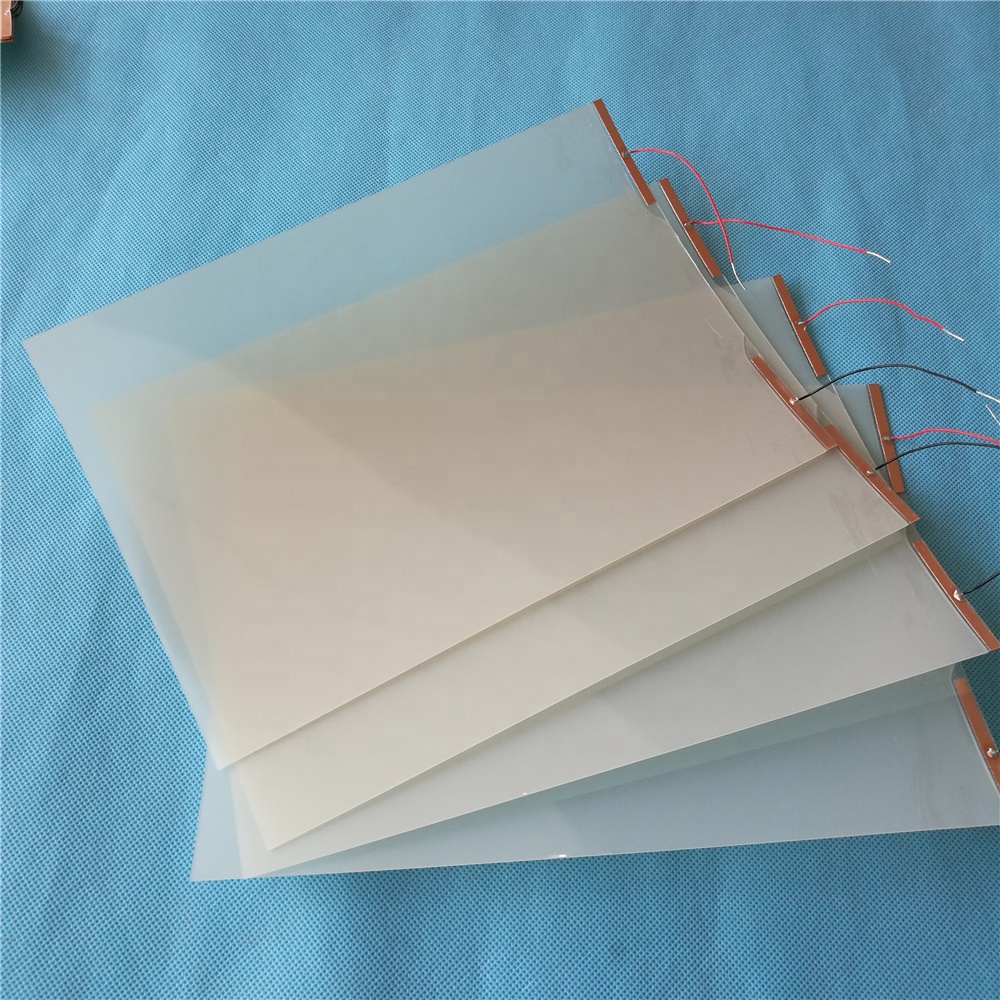
Factory Price Electrochromic Anti-UV PDLC Film Smart Switchable Privacy Glass Office Partition and Curtain Walls
Recommended for office partitions, conference rooms and residential privacy walls where instant privacy and UV control support premium projects.
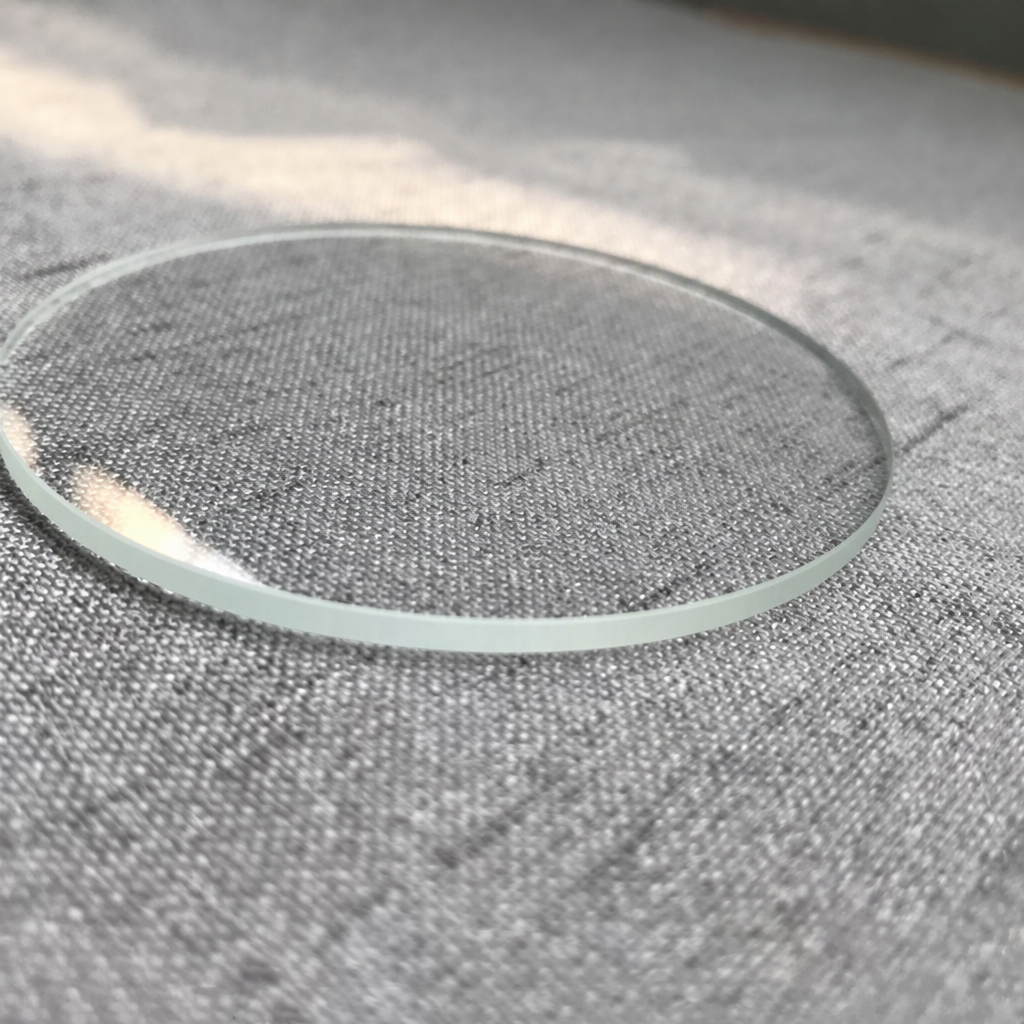
Pressure-resistant Glass Tempered Viewing Mirror Custom Size Clear Glass Panel for Industrial Workshop
Recommended for industrial workshops, inspection windows and equipment viewports where visibility, mechanical resistance and safe edges are essential.
Company Advantage: A Verified Factory, Not a Marketplace Pass-Through
Qingdao Maupe Glass Co., Ltd. was founded in 2012 in Qingdao, Shandong. The company operates as a glass deep-processing manufacturer and international supplier, not a trading layer between buyer and production. The platform combines cutting, CNC shaping, edge polishing, drilling, engraving, silk screen printing, physical tempering, chemical strengthening and AR/AG/AF coating under one quality system.
Why buyers treat this factory as a long-term qualified source
An ISO 9001 quality management system is maintained under certificate 24025Q20015R1S. RoHS compliance is supported by certificate 25TYT12395, and CE marking for tempered glass is supported by certificate 23TYT082593S. The supplier has also been onsite assessed by SGS Group as a third-party inspection company. These documents help procurement teams connect product claims with verifiable evidence rather than brochure language.
The factory sits close to Qingdao seaport and airport, making export logistics practical for container, LCL and air-freight shipments. Product scope includes silk screen printed tempered glass, touch panel cover glass, switch panel glass, card reader glass, appliance panels, industrial screen protectors and PDLC smart privacy glass. Export markets cover North America, Western Europe, Eastern Europe, Northern Europe, South America, the Middle East, Oceania, Africa and Asia.
Quality and export signals



Why a Vertically Integrated Tempered Glass Sheet Factory Beats a Trading Wholesaler
In the tempered glass sheet market, the word “factory” is used loosely. Some suppliers cut and resell stock sheets; others outsource printing, coating or strengthening. For OEM buyers, this matters because every outsourced step adds a new inspection point, a new tolerance stack-up and a new party to contact when color, flatness or lead time drifts. Vertically integrated production creates single-source accountability from raw sheet to packed carton.
Single-source process control
Cutting, CNC shaping, edging, drilling, printing, coating, tempering and chemical strengthening are coordinated under one production plan, reducing handoff risk and shortening corrective-action loops.
Print and optical consistency
Silk screen inks, high-alumina glass, anti-reflective, anti-glare and anti-fingerprint coatings can be evaluated together. Buyers approve a sample that reflects the actual production route.
Audit-ready traceability
ISO 9001, RoHS and CE documentation supports compliance reviews. Incoming material inspection and finished product inspection create records that procurement and quality teams can discuss directly.
Export packaging and delivery
Protective export packing, carton design and pallet planning are aligned with Qingdao port and airport logistics. FOB, CIF, EXW, DDP and express options can be quoted for different buyer profiles.
Product Development Trends Shaping Tempered Glass Sheet Specifications
The next purchasing cycle is not only about lower piece price. It is about thinner stacks, better optical performance, integrated printing and verifiable safety. Buyers who lock the right glass architecture early avoid expensive re-tooling later.
Thin, chemically strengthened cover glass
Devices are moving toward 0.5–2 mm chemically strengthened glass where flatness, optical clarity and drop resistance must coexist. Chemical strengthening avoids heat distortion, making it attractive for touch covers and precision display windows.
AR, AG and AF coating integration
Anti-reflective, anti-glare and anti-fingerprint treatments are becoming standard requirements in medical displays, industrial HMIs, outdoor kiosks and premium control panels. Suppliers must control coating durability as well as initial optical measurements.
Integrated printing and touch zones
Glass is increasingly a functional interface, not only a cover. Printed icon windows, backlight zones, hidden sensor areas and custom logos help OEM brands simplify assembly and improve perceived quality.
Smart glass and large-format viewports
PDLC switchable privacy glass for partitions and pressure-resistant viewing panels for industrial equipment show how tempered glass is moving into active architectural and equipment roles. Large-format displays also push demand for flat, safe, optically uniform covers.
Future Procurement Trends for Tempered Glass Sheet Wholesalers and OEM Buyers
Procurement teams are being asked to compare suppliers on more than unit price. A tempered glass sheet factory now competes on documentation quality, sampling speed, engineering response, process stability and total landed risk. The strongest buying decisions combine commercial pressure with technical qualification.
Compliance-first sourcing
Request certificate numbers, validity dates, material declarations and product scope before comparing quotations. Certificate numbers are verifiable, so they should be part of the RFQ response, not an afterthought at shipment.
Dual sourcing and lead-time resilience
Buyers keep a qualified second source for critical parts, but they increasingly prefer suppliers with in-house printing, coating and tempering. Fewer outsourced steps mean fewer schedule surprises during peak demand.
Total cost of ownership
Evaluate breakage, rework, color mismatch, assembly yield and packaging protection alongside the quotation. A lower piece price can disappear quickly when a printed glass lot fails fit, light transmission or adhesion checks.
Sample-first, data-driven qualification
Qualification is moving toward structured sample approval: drawing review, print artwork, color references, coating requirement, dimensional report and packaging validation. Drawing review is where most manufacturability risk can be eliminated.
Engineering Guide: Physical Tempered vs Chemically Strengthened Glass
Choosing the wrong strengthening method is one of the most common causes of re-tooling in cover glass projects. Physical tempering suits thicker safety-critical parts; chemical strengthening suits thin glass where flatness and optical quality dominate.
Physical (thermal) tempered glass
Typically 2 mm and thicker, heated and rapidly cooled to create surface compression. It offers roughly four to five times the strength of annealed glass and breaks into small blunt fragments, making it a safety-glass choice for appliance doors, switch panels, display windows and industrial covers.
- Best for thicker panels and safety-critical applications
- Cutting, drilling and edging must be completed before tempering
- Very good flatness, with slight roller wave possible
- Good fit for kitchen appliance, industrial and architectural panels
Chemically strengthened glass
Suits thin glass from 0.5 mm to 2 mm through ion exchange. Because no high-heat tempering cycle is used, flatness and optical quality remain excellent. It is often specified for touch covers, wearables, small electronics and precise optical windows.
- Best for thin devices and high-clarity cover glass
- Excellent flatness without heat distortion
- Surface compression suits touch and display applications
- Requires careful edge quality and handling to release strength
What to include in an RFQ drawing
- 2D drawing in DWG, DXF or PDF with outline, holes and tolerance
- Glass thickness, glass type and edge finish
- Print artwork in AI or PDF with color references and layer order
- Coating requirement: AR, AG, AF or none
- Working environment, touch-sensor scheme and annual volume
How the factory reviews manufacturability
The project team checks whether the part should be physically tempered or chemically strengthened, whether print registration can hold the drawing tolerance, whether holes and notches are compatible with strengthening, and how the panel will be packed for export. This full-process traceability approach reduces hidden cost before mass production starts.
OEM Workflow, Quality Control and Export Packaging
A transparent process helps purchasing, engineering and quality teams know exactly what happens at every stage. The workflow below is designed for custom tempered glass sheets, printed cover glass and coated display panels.
Drawing review
Engineers check size, tolerance, edges, holes, print layers, coating and the correct strengthening method.
Sampling
Screens and samples verify fit, color, touch windows, optical performance and assembly compatibility.
Mass production
Cutting, CNC, printing, coating and tempering are scheduled through eight production lines.
Inspection
Incoming material and finished product inspections check visual, dimensional and packing requirements.
Export shipping
Protective packaging is coordinated with Qingdao port and airport for FOB, CIF, DDP and express shipments.

ISO 9001 quality management
Certificate No. 24025Q20015R1S · Scope: float glass and technical glass products · Valid to 02/2028.

RoHS compliance
Certificate No. 25TYT12395 · Restricts hazardous substances for EU electrical and electronic equipment · Valid to 12/2030.

CE marking
Certificate No. 23TYT082593S · Tempered glass · Supports market access across the European Economic Area · Valid to 08/2028.
Application-Specific Tempered Glass Solutions
Different applications demand different balances of safety, optics, print durability, touch performance and assembly method. Use these application pathways to narrow the specification before requesting a sample.
Kitchen and household appliance glass
Cooktop, oven, range hood, refrigerator, washer and small-appliance panels using heat-resistant inks and tempered safety glass.
Smart home switch panel glass
Wall switches, sockets, scene panels and touch controls with backlight-ready icons, crisp edges and brand-matched colors.
Card reader and access control glass
RFID, IC, ID and QR code reader front covers with printed borders, clear windows and durable touch surfaces.
Industrial HMI and anti-glare displays
Frosted anti-glare glass for monitors, control panels and outdoor equipment where reflection and fingerprint visibility reduce usability.
Medical and electronic display covers
AR, AF and AG coated cover glass for clinical screens, instrumentation and electronic equipment with high optical requirements.
PDLC privacy glass and architectural panels
Switchable privacy glass for office partitions, conference rooms, residential walls and branded interior glazing systems.
Tempered Glass Sheet Procurement FAQ
These are the questions buyers most often ask before comparing quotations for custom tempered glass sheets, printed cover glass and coated display panels.
What is the minimum order quantity for custom printed tempered glass?
Most custom silk screen printed panels start from 10 to 100 pieces depending on size, thickness and the number of print colors. Large-size display cover glass can start from 10 pieces. Samples are available for fit, color and print verification before mass production.
Should I choose physical tempered glass or chemically strengthened glass?
Physical tempering suits glass typically 2 mm and thicker, such as appliance doors, switch panels and display windows, and breaks into small blunt fragments. Chemical strengthening suits thin glass from 0.5 mm to 2 mm, touch covers and parts that need excellent flatness and optical quality.
Which certifications does Qingdao Maupe Glass Co., Ltd. hold?
The company operates an ISO 9001 quality management system under certificate 24025Q20015R1S, holds RoHS certificate 25TYT12395 and CE certificate 23TYT082593S for its glass products, and has been onsite assessed by SGS Group as a third-party inspection company.
What files are needed to start a custom glass project?
Send a 2D drawing in DWG, DXF or PDF with dimensions, thickness, edge finish, hole positions and tolerance, plus print artwork in AI or PDF with color references. State coating requirements such as AR, AG or AF and the intended application.
Which trade and payment terms are accepted?
Accepted delivery terms include FOB, CIF, EXW, FAS, FCA, CPT, DDP, DDU and express delivery. Accepted payments include T/T, L/C, PayPal, Western Union and cash, in USD, EUR or CNY. The factory is close to Qingdao seaport and airport.
How is quality controlled before export?
Incoming material inspection and finished product inspection are part of the quality plan. Checks can include dimensions, visual defects, print appearance, edge condition, coating performance requirements and packaging protection. Export packing is designed to reduce breakage during container loading and transport.
How do I compare a factory with a trading wholesaler?
Ask which processes are performed in-house, request certificate numbers, confirm the exact production route for your part, and review whether sampling and inspection are controlled by the same quality system. A vertically integrated factory should be able to explain cutting, printing, coating, strengthening and packing in one traceable flow.
What is the typical sampling and production timeline?
After drawing and artwork approval, sampling and production are scheduled according to size, thickness, print colors, coating, strengthening method and inspection requirements. A written schedule is confirmed before PO so procurement teams can align assembly, launch and freight planning.
Request a Manufacturability Review for Your Tempered Glass Sheet
Share your drawing, print artwork, coating requirement and estimated annual volume. The team will review the appropriate glass type, edge finish, strengthening method, tolerance and packaging plan before quotation.
Inquire Now