Top Trusted UV Quartz Glass Factory & Supplier
Custom UV-grade quartz, fused silica optics and precision glass components engineered with ISO 9001, RoHS and CE process discipline by Qingdao Maupe Glass Co., Ltd.
A UV Quartz Glass Supply Partner Built for Specification-Driven Procurement
UV quartz glass is not a commodity sheet product. It is a specification-driven material whose value depends on purity, hydroxyl content, internal transmission, bubble and inclusion class, flatness, surface quality, coating durability, cleaning discipline and packaging control. A supplier that can discuss these variables before quoting is usually safer than a supplier that competes only on price per piece.
Qingdao Maupe Glass Co., Ltd. has served OEM buyers since 2012 from Qingdao, Shandong, near Qingdao seaport and airport. The factory operates an ISO 9001 quality management system, holds RoHS and CE certificates for its glass products, and has been onsite-assessed by SGS Group as a third-party inspection company. Its core strength is flat-glass deep processing: cutting, CNC shaping, edge polishing, drilling, engraving, coating, silk screen printing, physical tempering and chemical strengthening.
For UV quartz glass projects, this same ISO-controlled manufacturing logic matters. Optical performance is not created only by the raw material; it is protected by process control, measurement, clean handling and export packing. This guide is written from a factory and procurement perspective so engineering, sourcing and compliance teams can compare suppliers against transparent criteria rather than generic claims.
What high-value buyers check first
- Material grade, OH content and UV transmission curves
- Bubble, inclusion, striae and surface-quality acceptance criteria
- Edge chips, flatness, parallelism and coating adhesion requirements
- Certificates, inspection reports and batch traceability
- Cleaning, cleanroom bagging and shock-resistant export packaging
Eight Precision Glass Platforms Backed by Our Factory Capabilities
UV quartz glass, fused silica windows and optical components can be quoted alongside these production-proven precision glass platforms. Each linked product below belongs to the factory’s established deep-processing range.

Tempered Glass Lazy Susan 50cm 60cm 70cm 90cm
Strengthened glass turntable panels for furniture, hospitality and display applications with custom diameters.

Industrial Screen Front Cover Glass, Frosted Anti-glare
AG-treated protective glass designed to reduce reflections on industrial displays and control screens.
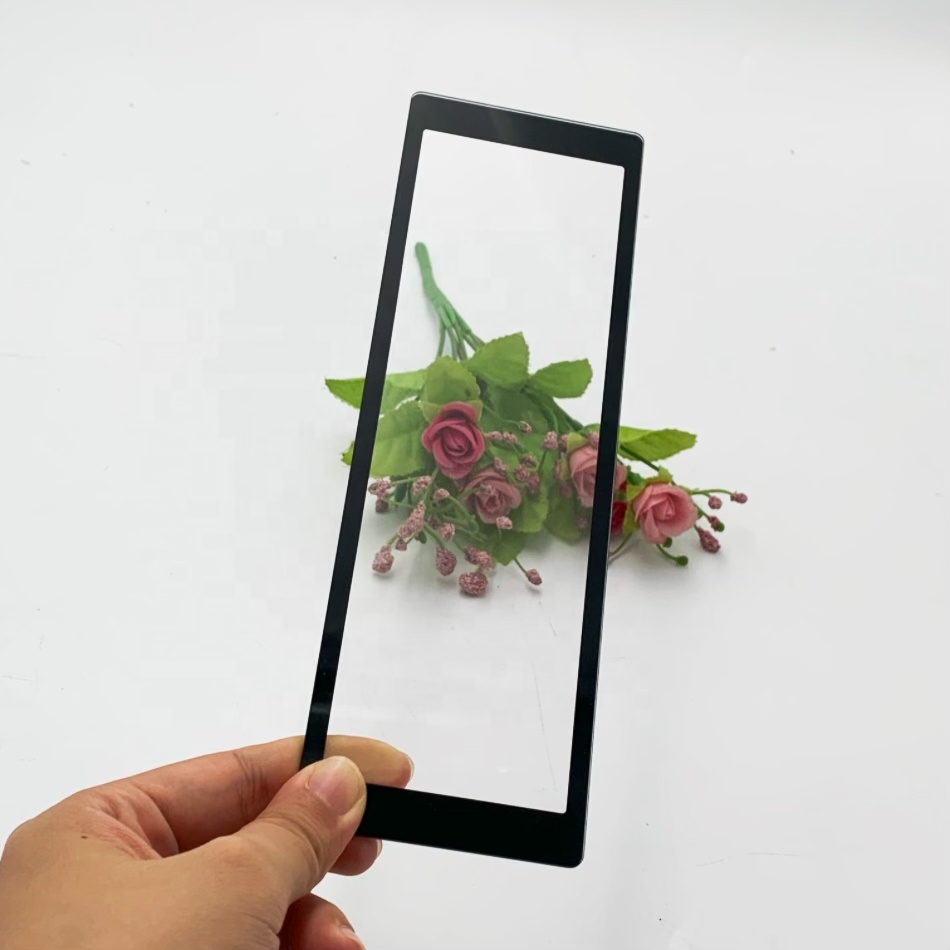
Custom Silk Screen Printed Tempered Glass Touch Panel
Decorative and functional printing for touch interfaces, display covers and electronic control equipment.

Customized 9H Industrial Touch Screen Glass Protector
Transparent display cover glass with silk-screen design options and high scratch resistance for HMI devices.

Heat-Resistant Tempered Glass Panels for Various Applications
Flat solid strengthened glass for appliance, industrial and decorative uses where thermal resistance is required.
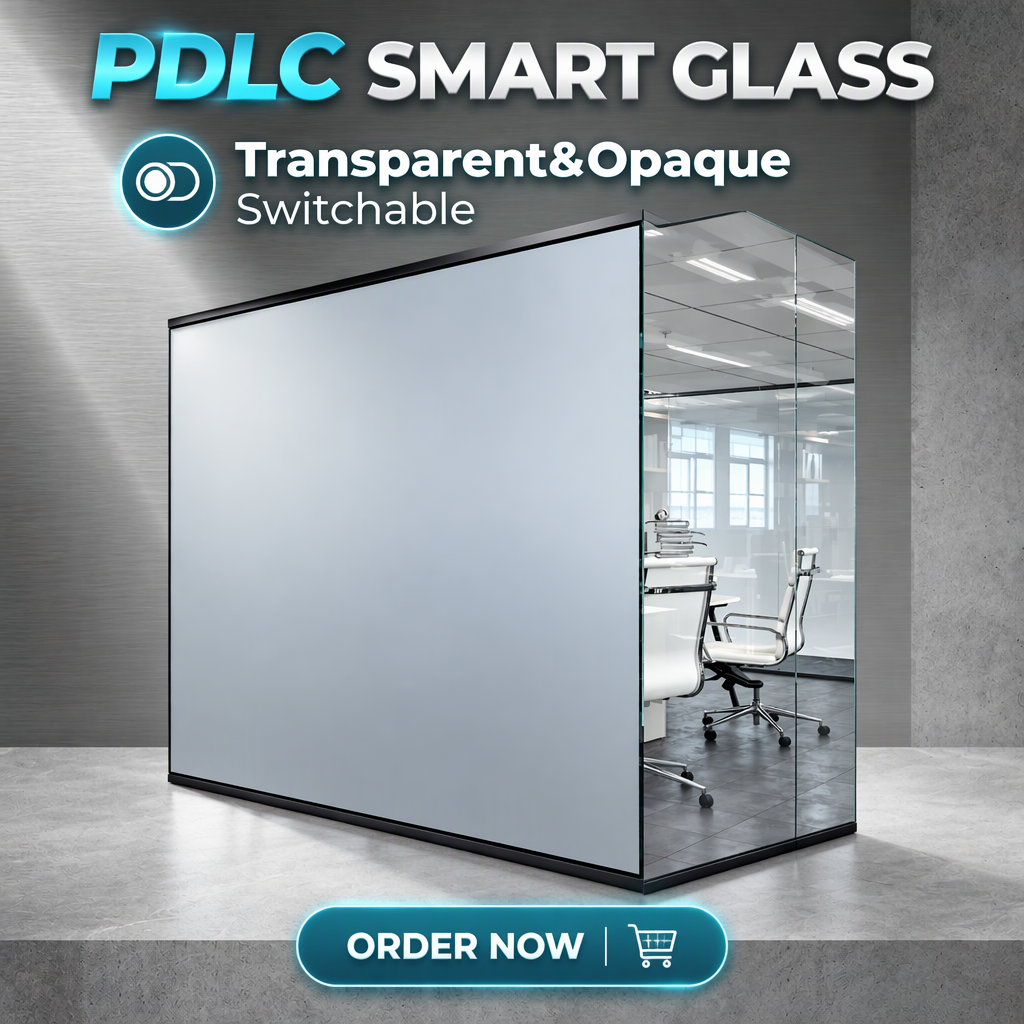
PDLC Smart Film Electrically Dimmable Privacy Glass
Switchable privacy glass for partitions, smart offices and display environments that require on-demand transparency.

Tempered Glass Front Panel with 3M Adhesive Tape
Printed front cover glass with adhesive-backed assembly for electrical appliances and decorative control panels.
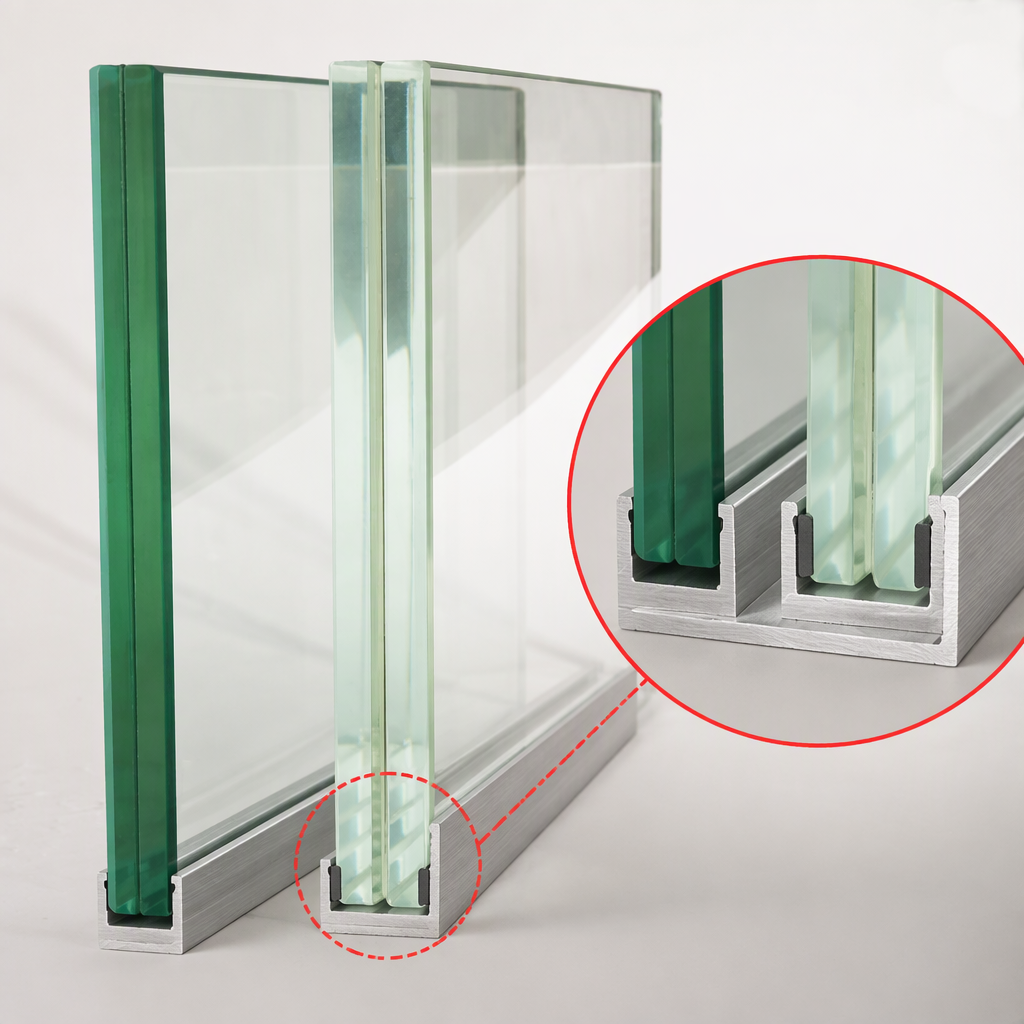
Tempered Glass Flat Solid Panel, Customized Thickness and Size
OEM flat glass panels processed to drawing for electronics, appliances, instruments and industrial covers.
UV Quartz Glass, Fused Silica and Precision Cover Glass: What Buyers Should Specify
When a project uses UV quartz glass, the purchase order should describe more than dimensions and thickness. Buyers should define the wavelength range, expected transmission, material grade, OH content target, bubble and inclusion limits, surface quality, edge condition, flatness, coating requirement, cleaning method and packaging. Without these details, two suppliers may quote the same “UV quartz window” while offering very different optical and reliability performance.
For deep-UV, laser, analytical or medical applications, request a transmission curve in the actual working range. For photomask, semiconductor or inspection equipment, add flatness, parallelism, surface cleanliness and traceability requirements. For coated quartz, specify adhesion, abrasion resistance and environmental test expectations. For industrial HMI or appliance panels, the better solution may be chemically strengthened or heat-strengthened glass with AR, AG or AF coating and silk-screen printing rather than quartz.
The factory’s ISO 9001 quality management system, RoHS and CE certificates, SGS onsite assessment and export experience in 80+ countries are relevant because they support documentation, repeatability and shipment protection. The right supplier should help engineering teams translate optical, mechanical and compliance needs into a manufacturable drawing before mass production begins.
- Material grade: UV fused silica, synthetic silica, borosilicate or tempered display glass according to wavelength and strength needs.
- Optical control: transmission at target wavelengths, bubble class, inclusion limits, striae grade and coating performance.
- Mechanical control: edge chips, dimensional tolerance, flatness, parallelity, holes, notches and assembly features.
- Contamination control: cleaning process, handling, interleaving, vacuum bagging and shock-resistant export packaging.
| Material route | Best-fit use | Procurement note |
|---|---|---|
| UV fused quartz | UV windows, laser optics, analytical cells, lamp protection | Specify wavelength range, OH content, bubbles and surface quality. |
| Synthetic fused silica | High-clarity optical parts and demanding inspection windows | Request index homogeneity and lot traceability where critical. |
| Borosilicate glass | General heat-resistant viewing windows | Check UV cut-off; it may not suit deep-UV transmission. |
| Tempered / strengthened glass | Display covers, smart home panels, appliance glass | Use when strength, printing and anti-glare matter more than deep-UV transmission. |
Recommended UV Quartz Glass and Precision Glass Solutions by Application
Buyers should match material and processing to the real operating environment. These recommendations help narrow the RFQ before a drawing review.
Deep-UV optical windows
Recommend high-purity UV-grade quartz with documented transmission, tight inclusion control and polished surfaces. Request a test report for the working wavelength, especially below 250 nm. Packaging should protect both faces and edges.
Laser and inspection optics
For laser optics, specify absorption, laser damage threshold, coating adhesion and surface quality. Where flatness and parallelism are critical, confirm measurement method and acceptance criteria before production.
Medical and analytical equipment
Choose quartz or silica cells and windows with chemical resistance, cleanability and repeatable optical transmission. Document cleaning procedures and avoid packaging materials that can transfer contamination to optical surfaces.
Industrial HMI and smart panels
For touch panels, switch glass and appliance covers, tempered or chemically strengthened glass with silk-screen printing plus AR, AG or AF coating often gives a better balance of strength, appearance and cost.
Procurement Trends Reshaping UV Quartz Glass Buying: 2025–2030
Purchasing teams are moving from “lowest piece price” toward risk-managed total value. Suppliers will be evaluated on documentation, responsiveness and ability to protect optical quality through the entire logistics chain.
Specification-first sourcing
RFQs increasingly include transmission curves, bubble classes, surface-quality definitions and inspection methods. Suppliers that can quote to a documented specification reduce engineering back-and-forth and warranty risk.
Dual sourcing and resilience
Global buyers are qualifying secondary suppliers for critical quartz and cover glass parts. Factories with clear quality systems, stable export experience and open audit access are better positioned for long-term approval.
Faster sampling, smaller batches
Product cycles are shorter, so buyers need rapid drawing review and reliable prototypes without sacrificing documentation. MOQ discipline matters: most custom printed panels start from 10–100 pieces depending on size, thickness and print complexity.
Total cost and compliance value
Packaging damage, re-inspection and line stoppage often cost more than a small piece-price difference. Buyers increasingly value RoHS, CE, ISO 9001, SGS assessment and export packing that protects optical surfaces.
Where UV Quartz Glass and Precision Glass Products Are Heading
New applications are pushing suppliers to combine optical purity, mechanical strength, surface functionality and faster customization in one component.
Multifunctional surfaces
AR, AG, AF and easy-clean coatings are becoming combined requirements in display, medical and industrial equipment. Coating durability and optical impact must be tested together, not separately.
Thin but stronger cover glass
Chemically strengthened thin glass is expanding in touch interfaces, small electronics and precise optical windows where flatness, clarity and impact resistance all matter.
Smart glass integration
PDLC smart film, printed touch zones and backlight-enabled switch panels show how glass is becoming an active interface surface rather than only a protective cover.
Large-format precision panels
LCD, signage, medical display and industrial equipment makers increasingly request larger formats with tighter print registration, flatness and edge quality.
Why Buyers Treat Qingdao Maupe Glass as a Trusted Factory & Supplier
Experience, verifiable credentials and a complete process chain are the foundation of a reliable UV quartz glass and precision glass supply relationship.
12+ years of OEM glass experience
Established in 2012, the factory has built long-term OEM and ODM experience serving clients in more than 80 countries across North and South America, Europe, Oceania, the Middle East, Africa and Asia.
ISO 9001, RoHS, CE and SGS
The company operates an ISO 9001 quality management system, maintains RoHS and CE certificates, and has been onsite-assessed by SGS Group as a third-party inspection company.
OEM / ODM and Fortune 500 supplier
With 10 years of OEM experience and procurement contracts verified by Fortune 500 suppliers, the team is accustomed to drawing review, sample approval, inspection records and export documentation.
Export-ready factory location
Located near Qingdao seaport and airport, the factory supports FOB, CIF, EXW, FAS, FCA, CPT, DDP, DDU and express delivery, with T/T, L/C, PayPal, Western Union and cash in USD, EUR or CNY.



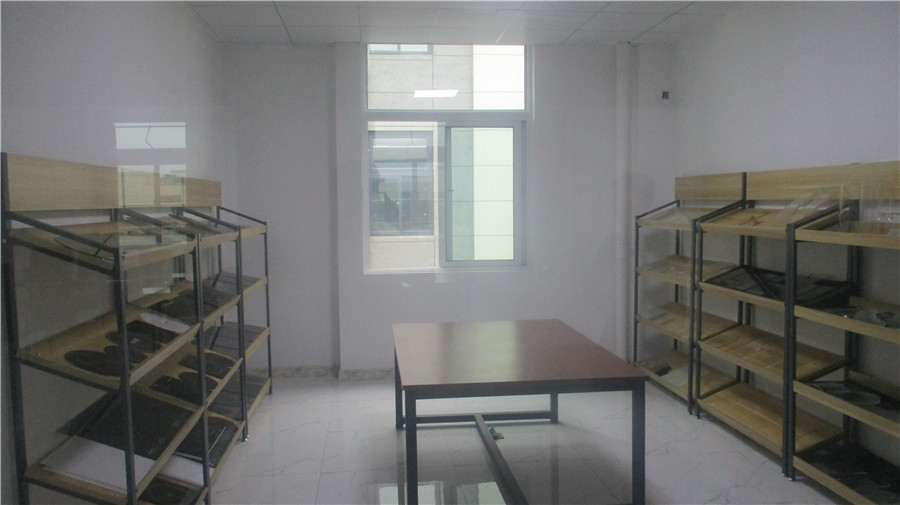
One Factory, the Complete Glass Process Chain
Keeping cutting, printing, strengthening and coating under one roof shortens lead times and makes tolerance, color and quality traceable from raw sheet to packed carton.
Precision cutting and CNC shaping
Straight, round and special-shaped parts cut and CNC-profiled from clear, ultra-clear, tinted and high-alumina sheet.
Edge polishing, drilling and engraving
Flat, pencil and beveled edges, safety corners, countersunk holes, notches and engraved details for clean assembly.
Silk screen printing
Eco-friendly high- and low-temperature inks, multi-color layouts, logos, icons and touch zones with scratch-resistant finish.
Physical thermal tempering
Heat-strengthened safety glass for appliance doors, switch panels and display windows that must resist impact and heat.
Chemical strengthening
Ion-exchange strengthening for thin 0.5–2 mm cover glass where flatness, optical clarity and strength are all required.
AR / AG / AF surface coating
Anti-reflective, anti-glare and anti-fingerprint treatments for readable screens in bright, industrial and medical environments.
From Drawing to Delivery in Five Controlled Steps
A transparent workflow so purchasing, engineering and quality teams know exactly what happens at every stage.
Drawing review
Engineers check manufacturability, tolerance, material route and strengthening method.
Material and sampling
Quartz grade, glass type, print artwork and coating targets are confirmed before sampling.
Production
Cutting, edging, printing, coating and strengthening are controlled across 8 production lines.
Quality inspection
Incoming material and finished product inspection records support shipment release.
Export packing
Protective export packing via Qingdao port with FOB, CIF, DDP and other terms.
UV Quartz Glass FAQ for Purchasing, Engineering and Compliance Teams
These are the questions buyers most often ask before sending a drawing or opening a supplier audit.
What is the difference between UV quartz glass and ordinary tempered glass?
What is the minimum order quantity for custom printed tempered glass or UV quartz parts?
What files and information are needed to start a custom glass project?
Can you support AR, AG, AF coating and silk-screen printing on the same part?
Which certifications and quality checks does Qingdao Maupe Glass hold?
What are the lead times and trade terms?
How do you protect UV quartz glass and printed cover glass during shipment?
Which applications are suited to UV quartz glass versus strengthened cover glass?
Send Your Drawing, Optical Spec or Sourcing Target
Share your material grade, thickness, tolerance, coating, printing artwork and target volume. Our team will review manufacturability and respond with practical next steps for UV quartz glass or precision glass production.
Email: info@maupeglass.com · ISO 9001 · RoHS · CE · SGS Onsite Assessed · Exporting to 80+ countries since 2012