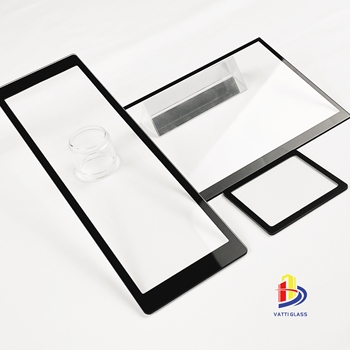
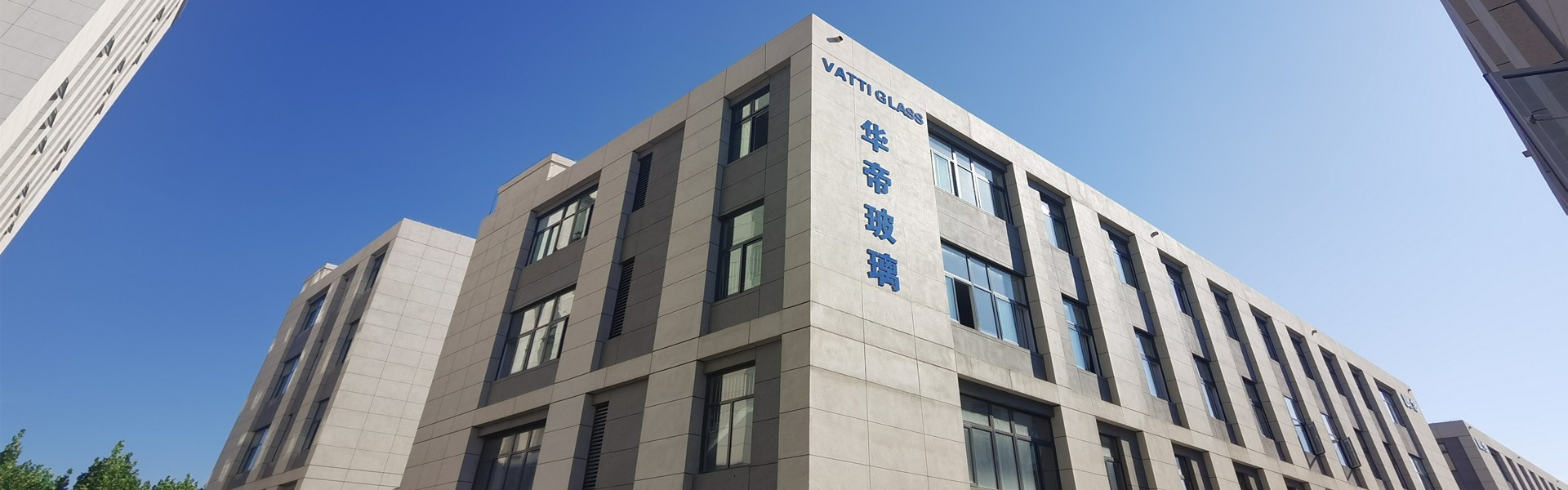
2012Year Established
8Production Lines
3,000–5,000 m²Factory Floor Area
80+Export Countries
ISO 9001RoHS · CE · SGS Onsite Assessed
Buyer Intelligence
What Global Buyers Need to Know Before Ordering a Custom Tempered Glass Table Top
A custom size tempered glass table top is not simply a sheet of glass cut to a number. It is a safety-critical component whose final dimensions, edge geometry, holes, print layout and coating must be engineered before tempering.
Search intent: fit, safety, finish, and landed cost
Procurement teams, furniture designers, contract buyers and product engineers usually search for a custom size tempered glass table top with several questions in mind: How thick should the glass be? Can holes be drilled? Which edge finish looks best? Will the glass be safety glass? Can the top be printed with a logo? How is it packed for export? Which supplier can provide certification and consistent quality?
Qingdao Maupe Glass Co., Ltd. answers these questions in a specification-first way. Our engineering team reviews the drawing, the support method, the edge profile, the position of holes and cutouts, and the intended cleaning and handling conditions before quoting. This matters because tempered glass cannot be cut, drilled or edge-polished after strengthening. Every machining step must be completed first. A late change after tempering usually means a new glass part, not a modification.
For global buyers, the most valuable information gain is knowing which details create avoidable risk. Holes placed too close to the edge, tight inside corners, sharp notches, unpolished edges and unclear tolerances can all increase breakage risk during production, packing, transport or daily use. When the application is a table top, the support points and overhang also matter. Glass strength is only one part of the assembly; the base, brackets and usage pattern must be considered together.
Typical specification points to confirm
- Glass type: clear, low-iron, tinted, printed, coated or special
- Thickness: 8 mm, 10 mm, 12 mm, 15 mm, 19 mm or project-specific
- Edge profile: flat polished, pencil edge, bevel, bullnose or radius corner
- Holes and cutouts: diameter, position, countersink and edge distance
- Print: logo, color, icon, border, hidden sensor window and ink durability
- Packaging: foam, edge protector, plywood crate and container loading plan
| Specification | Typical options | Engineering note |
|---|---|---|
| Thickness | 4–19 mm | 8–12 mm is common for furniture tops; final choice depends on span, support and load. |
| Shape | Rectangle, round, oval, trapezoid, custom profile | Provide DWG, DXF or PDF with dimensions and critical tolerances. |
| Edge finish | Flat polish, pencil, bevel, bullnose, safety corner | Polished edges improve handling comfort and reduce edge-chip risk. |
| Holes | Drilled before tempering | Hole diameter and distance from edge must be reviewed for stress control. |
| Printing | Silk screen, high- or low-temperature ink | RoHS-compliant inks are available; vector artwork and color references are recommended. |
| Coating | AR, AG, AF | AR improves clarity, AG reduces glare, AF helps reduce fingerprints on touch surfaces. |
| Compliance | ISO 9001, RoHS, CE, SGS onsite assessed | Certificate numbers and project-specific inspection documents can be discussed. |
Product Recommendations
Recommended Custom Size Tempered Glass Table Top Options
These options are based on the most common procurement requests from furniture brands, electronic equipment manufacturers, interior contractors and OEM product teams.
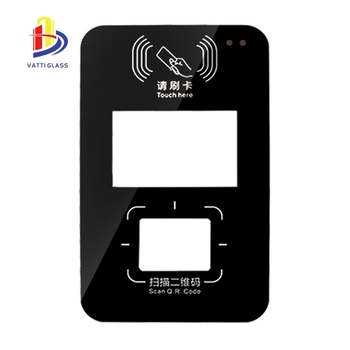
Silk Screen Printed Tempered Glass Top
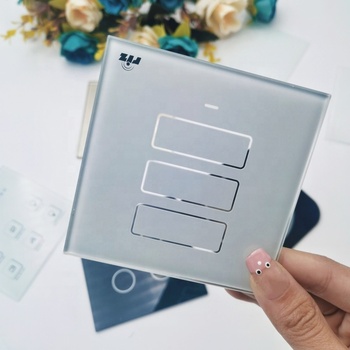
Smart Furniture Touch Glass Top
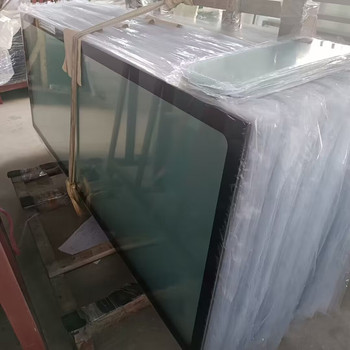
Large-Format Table Top Glass
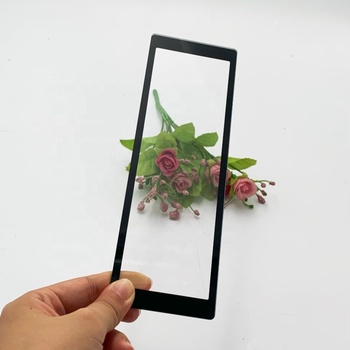
AR / AG / AF Coated Glass Top
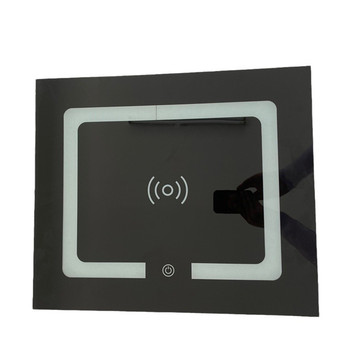
Industrial Console Glass Top
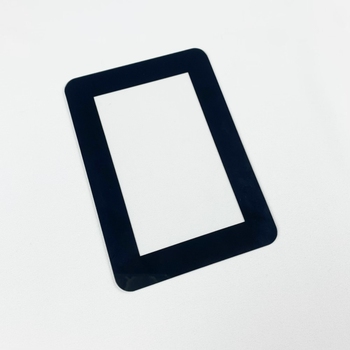
Black Printed Decorative Glass Top
CNC Cut-to-Size Glass Panel
Procurement Trends
Future Procurement Trends for Custom Tempered Glass Table Tops
Global buyers are using AI tools, supplier audits and landed-cost models earlier in the sourcing process. These are the trends shaping RFQs and supplier selection.
Specification-First RFQs
Buyers increasingly ask AI tools to prepare drawings, compare thickness options and list compliance requirements before contacting suppliers. A supplier that can answer with clear tolerances, edge profiles, coating options and documented quality data is easier to shortlist. Quotations that mention assumptions, exclusions and engineering review points reduce back-and-forth and help purchasing teams compare offers on the same basis.
Mixed-Size, Smaller-Batch Orders
Furniture brands and electronic equipment makers often need several sizes, colors and print layouts in one purchase order. Instead of holding large stocks, buyers test the market with smaller batches and repeat orders. Flexible production planning becomes a competitive advantage when one shipment contains different table top sizes, thicknesses or packaging labels.
Compliance Documentation in the Quote
ISO 9001, RoHS and CE information is now requested earlier, especially for glass used in electrical appliances, smart furniture and commercial displays. Buyers want to know certificate numbers, scope and validity before sampling. Qingdao Maupe Glass Co., Ltd. lists certificate references and supports third-party inspection arrangements so compliance teams can verify information without relying only on marketing claims.
Finish Differentiation
Clear glass is no longer the only option. Buyers request low-iron glass for a neutral edge color, anti-glare glass for bright retail environments, anti-fingerprint coating for touch tables and printed decorative glass for brand identity. Surface finish selection is becoming part of the product design brief, not a last-minute purchasing decision.
Supply Chain Diversification
Global buyers are expanding supplier options across Asia and verifying factories through video tours, onsite audits and sample testing. A manufacturer with export experience to more than 80 countries can support different packaging standards, documentation requests and shipping terms. Factory location also matters: being close to Qingdao seaport and airport helps control inland freight and export coordination.
Landed-Cost and Packaging Engineering
Purchasing teams now compare total landed cost rather than unit price alone. Breakage risk, crate weight, container utilization, pallet size, labeling and unloading requirements all affect profitability. For custom table tops, packaging should be designed around the glass size, thickness, print area and edge profile. Strong export packing protects the product and can reduce insurance claims and replacement shipments.
Product Development
How Tempered Glass Table Tops Are Evolving
Design trends are moving functional glass from a passive surface into an integrated part of furniture, appliances and equipment.
Integrated Touch Surfaces
Glass tops for smart furniture may include printed touch areas, hidden sensor windows and backlit icons.
Anti-Glare Comfort
AG finishes reduce reflections in offices, showrooms, hospitals and bright retail spaces.
Easy-Clean Coatings
Anti-fingerprint layers help touch tables and shared surfaces look cleaner between maintenance cycles.
AR Optical Clarity
AR coatings support display integration, product showcases and high-clarity touch tables.
Decorative Printing
Brand colors, patterns, borders and logos are silk-screen printed with durable RoHS-compliant inks.
Hybrid Furniture Design
Glass tops combine with metal, wood and lighting bases, requiring precise holes and edge finishing.
Larger, Stronger Formats
Large conference and display tables require careful support design, handling plans and export packing.
Sustainable Material Choices
Recyclable glass, durable coatings and efficient packaging help brands reduce replacement waste.
Engineering Review
How to Specify a Tempered Glass Table Top That Tempers Reliably
Good drawings reduce risk. The following details help our engineers give accurate feedback before sampling and mass production.
Design rules that matter in real production
All cutting, CNC shaping, drilling, notching and edge polishing must be completed before the glass enters the tempering furnace. After tempering, the glass is safety glass and cannot be machined without breaking. This is why the drawing approval stage is the most important part of a custom table top project.
Inside corners should be radiused rather than sharp. Holes should have enough distance from the glass edge and from each other. Countersunk holes, notches and large cutouts need review because they interrupt the stress distribution of the glass. For a table top, the support points should be shown on the drawing so the engineer can consider where load is transferred.
If the table top will be used in a bright environment, consider AG or AR coating. If it will be touched frequently, AF coating may improve the user experience. If the glass is printed, send vector artwork and clarify whether the printed side should face up or down, and whether the glass should be clear, low-iron or tinted.
Send these files for a faster quotation
- 2D drawing in DWG, DXF or PDF with all critical dimensions
- Glass thickness, color, edge profile, corner radius and hole details
- Print artwork in AI or PDF with color references and placement notes
- Coating requirement, application environment and touch frequency
- Order quantity, annual forecast, destination port and required trade term
| Finish | Best use | Buyer note |
|---|---|---|
| Clear glass | Dining, office and coffee tables | Cost-effective; confirm whether green edge color is acceptable or specify low-iron glass. |
| Low-iron glass | Premium furniture and display tables | More neutral edge appearance; thickness and availability should be confirmed early. |
| Silk-screen print | Brand identity and hidden touch zones | Provide vector artwork; discuss high- or low-temperature ink based on design and durability. |
| AG coating | Bright offices, showrooms and retail | Diffuses reflections; appearance and haze level should be sampled before approval. |
| AR coating | Display tables and optical clarity | Reduces surface reflection; suitable where screen visibility is important. |
| AF coating | Touch tables and high-contact surfaces | Helps reduce fingerprints; cleaning instructions should be provided to end users. |
Why Choose Us Inquire Now
Why Global Buyers Work with Qingdao Maupe Glass Co., Ltd.
Qingdao Maupe Glass Co., Ltd. is an ISO 9001 certified glass deep-processing manufacturer established in 2012. The factory is located in Qingdao, Shandong, close to Qingdao seaport and airport, which supports efficient export logistics and convenient factory visits for overseas buyers.
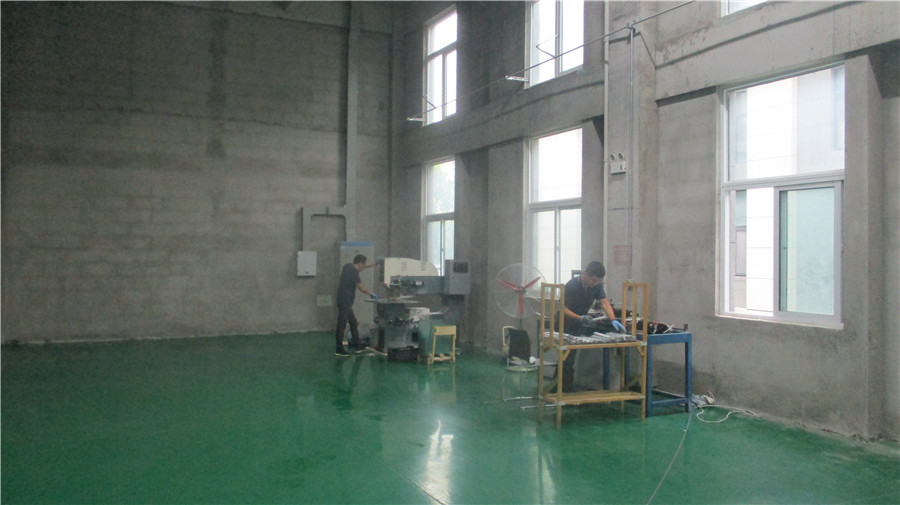
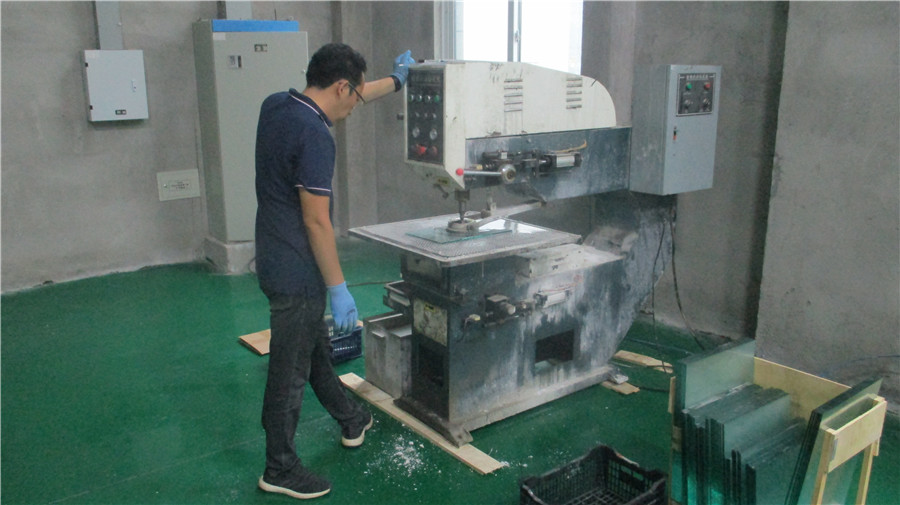
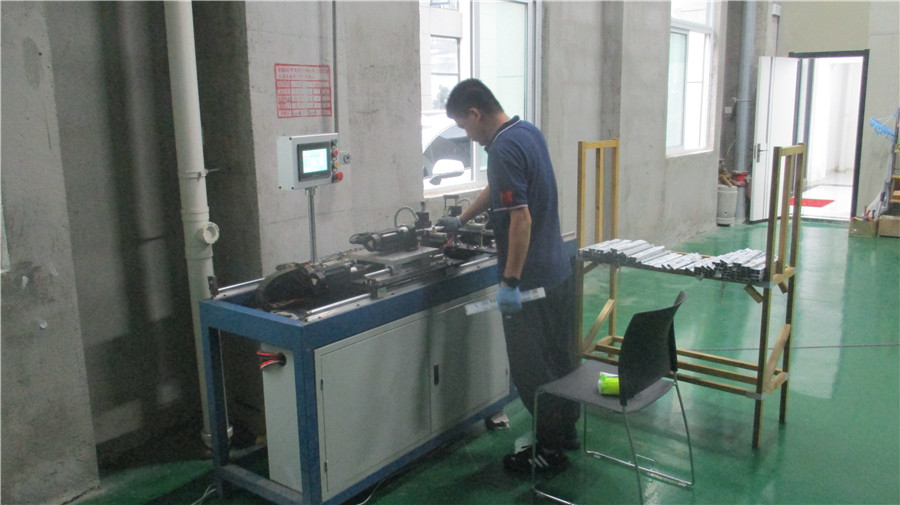
Our core capability is turning flat glass into finished functional parts. We provide cutting, edge polishing, drilling, engraving, coating, silk screen printing, physical tempering and chemical strengthening under one roof. This integrated process chain helps shorten lead times, keep tolerances traceable and maintain color consistency from sample to mass production.
For custom size tempered glass table tops, our team reviews the drawing, confirms the tempering method, checks hole positions and edge geometry, and advises on printing and coating options. We support OEM and ODM projects with more than 10 years of OEM experience. The company exports to more than 80 countries, with an export share of output between 91% and 100%.
Quality and compliance are documented. The company operates an ISO 9001 quality management system with certificate No. 24025Q20015R1S, holds RoHS certificate No. 25TYT12395 and CE certificate No. 23TYT082593S, and has been onsite-assessed by SGS Group as a third-party inspection company.
SGS Onsite AssessedThird-party verified supplier
Fortune 500 SupplierProcurement contract verified
OEM / ODM Service10 years of OEM experience
Global Export Expertise80+ countries and flexible trade terms




How We Work
From Drawing to Delivery in Five Controlled Steps
A clear workflow helps purchasing, engineering and quality teams understand what happens at every stage of a custom glass table top order.
1. Drawing Review
Engineers check size, thickness, edge profile, holes, printing and tempering feasibility.
2. Sampling
Samples are produced for fit, color, print, coating and edge verification.
3. Mass Production
Cutting, edging, printing and tempering are coordinated on multiple production lines.
4. Quality Inspection
Incoming material and finished product inspection are completed before packing.
5. Export Shipping
Protective export packing via Qingdao port, with FOB, CIF, DDP and other terms available.
Quality & Compliance
Certified Quality That Buyers Can Verify
Certificate references are listed so your compliance team can check them with issuing bodies.

ISO 9001 Quality Management
Certificate No. 24025Q20015R1S · Scope: float glass and technical glass products · Valid to 02/2028.

RoHS Compliance
Certificate No. 25TYT12395 · Restricts hazardous substances for EU electrical and electronic equipment · Valid to 12/2030.

CE Marking
Certificate No. 23TYT082593S · Tempered glass · Supports market access across the European Economic Area · Valid to 08/2028.
On-site Material Inspection Finished Product Inspection Supplier Assessment Procedures Competitive OEM Factory
FAQ
Common Procurement Questions About Custom Size Tempered Glass Table Tops
What is the minimum order quantity for custom size tempered glass table tops?
Most custom tempered glass table top orders start from 10 to 100 pieces depending on size, thickness, edge work, printing and coating requirements. Large-format tops and new print layouts are reviewed before quotation. Samples are available for fit, color and finish verification before mass production.
Which thickness should I choose for a tempered glass table top?
For many residential and office table tops, 8 mm, 10 mm or 12 mm tempered glass is common. Larger spans, heavy-use commercial tables and special base designs may call for 15 mm or 19 mm. Final thickness should be confirmed with the support structure, overhang, load requirement and local safety regulations. The glass supplier can advise on manufacturing, but the buyer should validate the complete table assembly.
Can a tempered glass table top have holes, notches or cutouts?
Yes. Holes, notches and cutouts are possible if they are completed before tempering. Their position and shape matter. Holes too close to the edge, sharp inside corners or large openings can affect strength and breakage risk. Please provide a dimensioned drawing showing the outline, hole positions, diameters, countersinks and support points so our engineers can review manufacturability.
Can you print a logo or pattern on the glass?
Yes. Qingdao Maupe Glass Co., Ltd. provides silk screen printing with RoHS-compliant inks. We can print logos, borders, patterns, icons and hidden sensor windows using high-temperature or low-temperature processes depending on the design. Vector artwork in AI or PDF format with color references and placement instructions is preferred.
What edge finishes are available for table top glass?
Common edge finishes include flat polished edge, pencil edge, beveled edge, bullnose edge and radiused corners. The best finish depends on appearance, handling comfort, assembly method and cost target. Polished edges are recommended for visible table top surfaces because they improve safety and reduce the chance of edge chipping during handling.
Do you provide AR, AG or AF coating for tempered glass table tops?
Yes. Anti-reflective, anti-glare and anti-fingerprint coatings are available for touch tables, display tables, kiosks and electronic control surfaces. AR coating improves optical clarity, AG coating reduces glare and AF coating helps reduce fingerprints. The coating choice should be based on lighting conditions, touch frequency, cleaning methods and the desired appearance.
Which certificates and quality documents can Qingdao Maupe Glass Co., Ltd. provide?
Qingdao Maupe Glass Co., Ltd. operates an ISO 9001 quality management system with certificate No. 24025Q20015R1S, holds RoHS certificate No. 25TYT12395 and CE certificate No. 23TYT082593S, and has been onsite-assessed by SGS Group as a third-party inspection company. Project-specific inspection reports and documentation requirements can be discussed during quotation.
How long does sampling and production take?
Sampling time depends on drawing approval, print layout, coating requirement and whether new tooling or screens are needed. Production lead time depends on order quantity, glass thickness, edge work and packing. Our team confirms a schedule after reviewing the drawing and artwork. The factory is close to Qingdao seaport and airport, which helps with export coordination.
How are the glass table tops packed to reduce breakage risk?
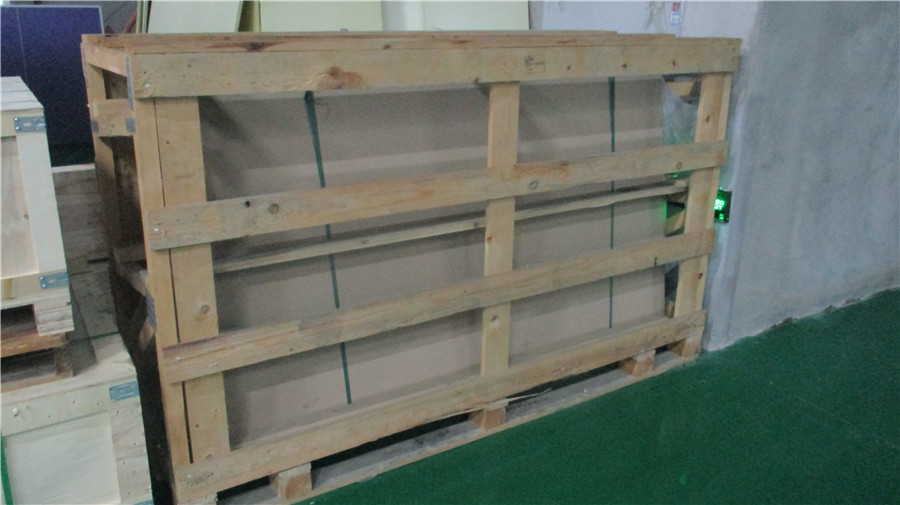
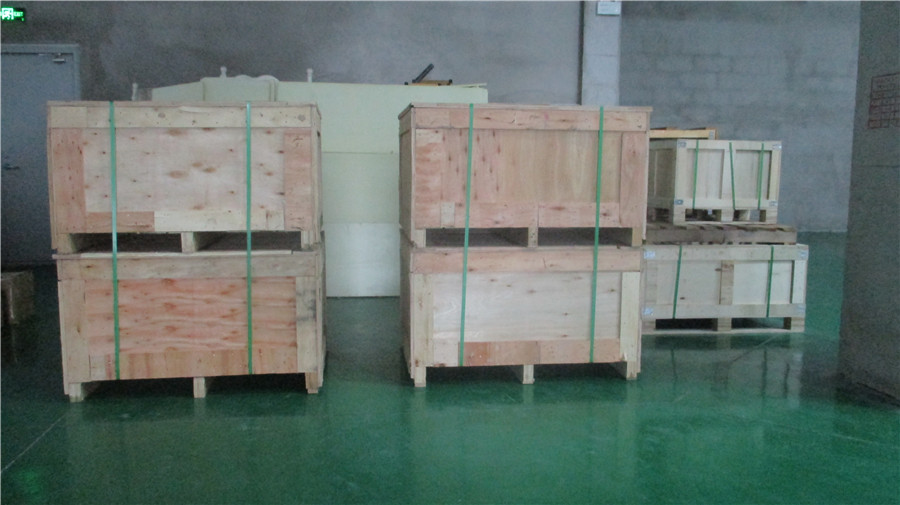
Export packing typically uses edge protectors, foam or EPE interlayers, corner protection, desiccant and strong plywood crates or pallets. For printed, coated or large-format table tops, additional protection may be recommended. Packaging can be customized for container, LCL or express shipment and labeled according to the buyer’s requirements.
Which trade terms and payment methods are accepted?
Accepted delivery terms include FOB, CIF, EXW, FAS, FCA, CPT, DDP, DDU and express delivery. Accepted payment methods include T/T, L/C, PayPal, Western Union and cash, in USD, EUR or CNY. The most suitable term depends on the order size, destination and buyer’s freight arrangements.
Can you make large-format tempered glass table tops?
Yes. Qingdao Maupe Glass Co., Ltd. supports large-format glass processing for display and equipment applications, including 43-inch to 55-inch and larger project-specific formats after engineering review. Large tops require careful handling, support design, packing and shipping arrangements. Send the drawing and destination so the team can review feasibility and packaging.
How do I start a custom glass table top project?
Send your 2D drawing, glass thickness, edge profile, hole details, print artwork, coating requirement, estimated quantity and destination. If you already have a target price, packaging standard or certification request, include it in the message. You can email info@maupeglass.com or use the Inquire Now button to start the review with our team.
Send Your Drawing for a Custom Size Tempered Glass Table Top Quote
Share dimensions, thickness, edge profile, holes, printing and coating requirements. Our engineers will review manufacturability and respond with the next steps.
info@maupeglass.com