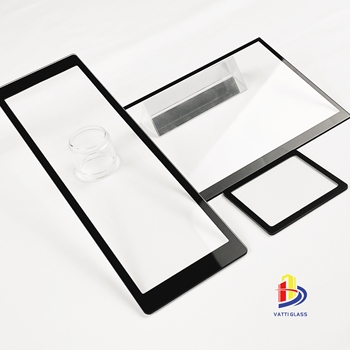
Silk Screen Printed AR Coated Instrument Glass
Ideal for HMI displays and measurement instruments that need readable graphics with reduced reflection.
Typical use: control displays, analyzer screens, machine interfaces
Purchasing teams and engineers do not search for glass in the abstract. They search for a material that can survive an industrial environment, display information clearly, integrate with an enclosure, pass compliance checks and arrive on schedule. This guide answers those intent-driven questions in one place.
An instrument glass panel for industrial equipment is more than a flat sheet. It is a functional front-face component used on control panels, HMI enclosures, measurement instruments, analyzer windows, machine displays, access-control terminals, testing equipment and operator interfaces. It may need to be tempered for impact resistance, chemically strengthened for thin touch applications, printed with durable graphics, coated for optical performance and machined to assembly tolerances.
Experienced buyers compare not only unit price, but also breakage risk, optical clarity, print durability, cleaning resistance, certification documentation and supply continuity. A panel that fits the drawing but fails in the field creates far higher cost than a slightly higher piece price. This is why professional procurement begins with application review, not only with a simple quote request.
For industrial equipment, the most reliable specification usually balances strength, weight, readability, chemical resistance and assembly method. Qingdao Maupe Glass Co., Ltd. supports this stage with drawing review, material recommendations, sample verification and production inspection before shipment.
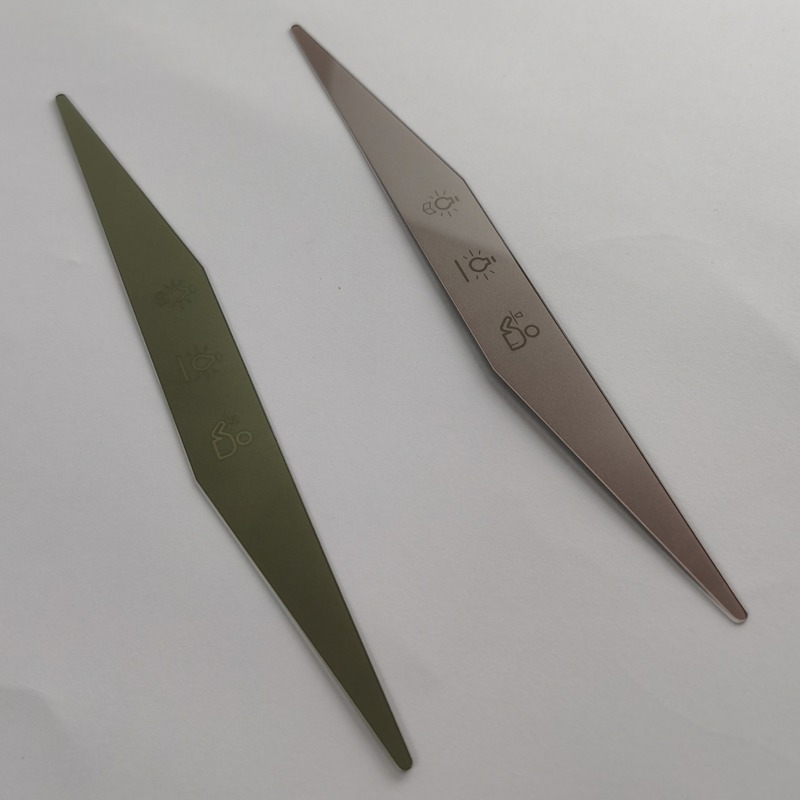
Physical tempered glass is common for thick front panels and windows, while chemically strengthened glass is often preferred for thin touch covers and high-clarity display lenses.
Many industrial panels use 1.1 mm to 6 mm glass depending on impact risk, weight limits, enclosure design and touch sensor integration.
Yes. Silk-screen printing can create durable borders, icons, transparent windows, touch-key graphics and brand marks in multiple colors.
AR coating reduces reflection, AG coating diffuses glare, and AF coating improves fingerprint and oil resistance for touch surfaces.
Ask for drawings, material certificates, inspection reports, sample approval records and third-party audit evidence such as SGS onsite assessment.
Send drawing and artwork, confirm materials and coatings, approve samples, receive inspection plan, place mass-production order and arrange export shipment.
These configurations cover common industrial needs. Each can be customized by size, thickness, edge finish, hole positions, print layout and surface treatment.
Ideal for HMI displays and measurement instruments that need readable graphics with reduced reflection.
Typical use: control displays, analyzer screens, machine interfaces
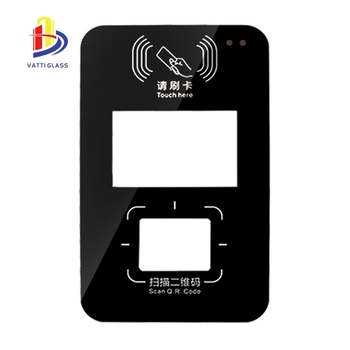
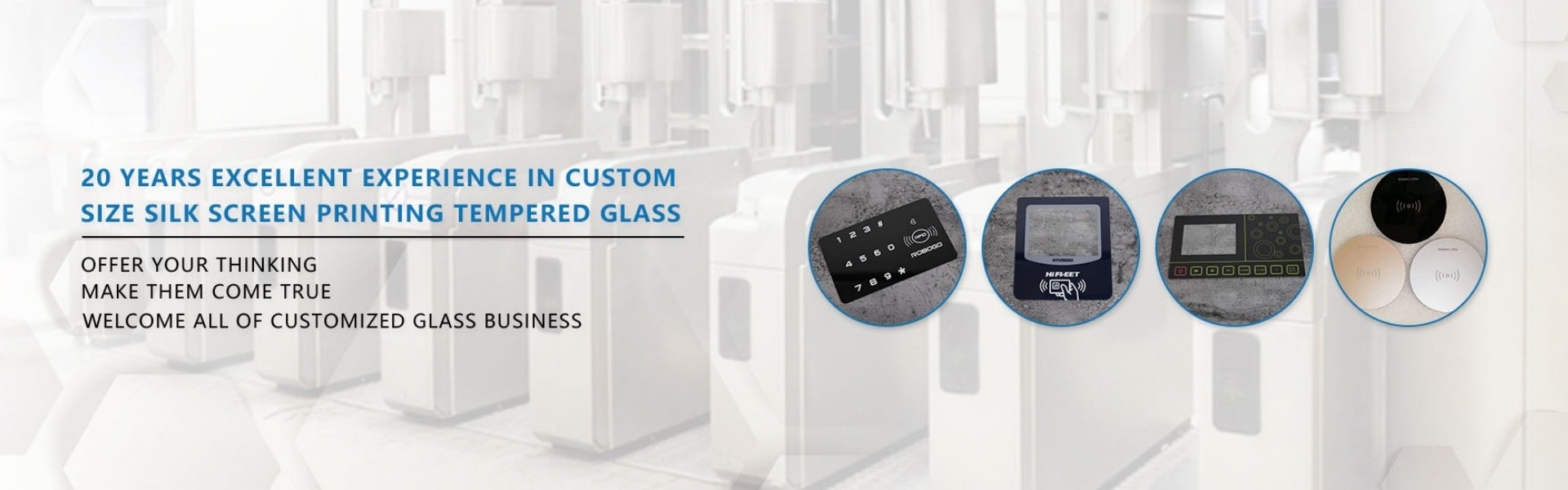
Printed masking and clear windows for card readers, access-control terminals and self-service equipment.
Typical use: access control, attendance terminals, payment machines
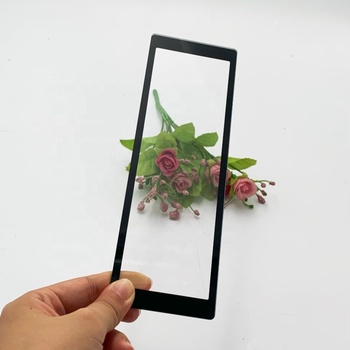
Combined optical treatments for high-visibility industrial screens and touch interfaces.
Typical use: medical instruments, laboratory equipment, outdoor HMI
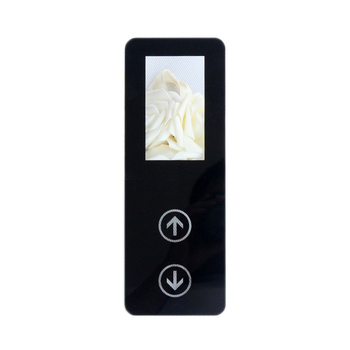
Capacitive touch covers with printed key zones, backlighting windows and optional adhesive backing.
Typical use: operator terminals, elevator controls, smart equipment panels
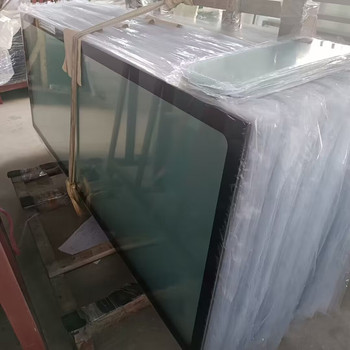
Protective front glass for large monitors, kiosks and control-room screens requiring impact resistance.
Typical use: monitoring stations, industrial kiosks, control-room displays
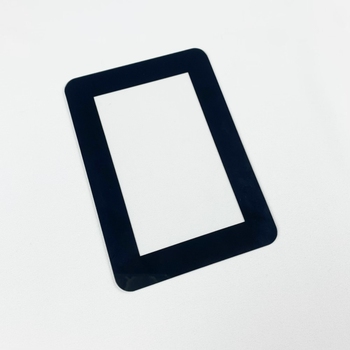
Lightweight 0.5–2 mm glass for precision displays, touch lenses and compact instruments.
Typical use: portable instruments, touch lenses, optical windows
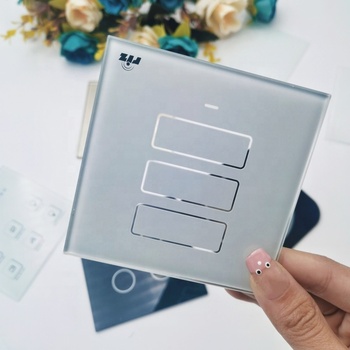
Durable printed legends, indicator windows and switch outlines for front panels and wall controls.
Typical use: control cabinets, wall switches, equipment settings
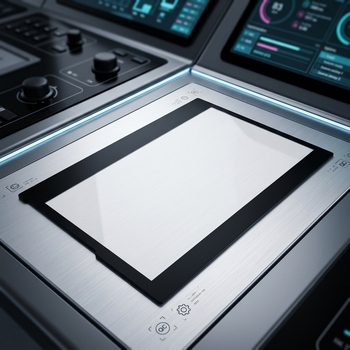
Improved scratch and chemical resistance for demanding control screens and equipment windows.
Typical use: harsh environments, chemical equipment, inspection instruments
Procurement is becoming more technical, more data-driven and more dependent on verified supplier evidence. The lowest quotation is increasingly judged alongside risk, documentation and total cost of ownership.
Global buyers are reducing supply-chain risk by qualifying more than one supplier. However, glass panels are not interchangeable by dimension alone. Procurement teams will request matched optical performance, print color, glass strength, coating specification and inspection criteria so that a second source does not create field failures.
Industrial equipment is becoming more specialized. Buyers want low MOQ samples, rapid artwork iterations and flexible production for customized instrument panels. Suppliers that can support 10–100 piece pilot runs before scaling to mass production will have an advantage.
Certification numbers, SGS onsite assessment, RoHS declarations, CE documentation and inspection reports are increasingly requested during supplier onboarding. Buyers want to verify credentials rather than accept generic claims.
More purchases will start with DWG, DXF, PDF drawings and AI artwork. Suppliers that return structured questions about thickness, coating, edge finish, tolerances and testing will win trust faster than those who quote a price without engineering review.
Industrial buyers want batch consistency, material traceability and inspection records. For repeat orders, color consistency and print registration are especially important. A mature factory should maintain records for incoming material, process parameters and final inspection.
Packaging, edge quality, strength and handling instructions influence total cost. Buyers are evaluating not only price per piece, but also damage rate, installation efficiency, field returns and warranty exposure.
Industrial equipment is moving toward larger displays, touch interaction, compact enclosures and higher reliability. Glass panels are following the same direction.
Anti-reflective coatings improve contrast, anti-glare coatings diffuse harsh light, and anti-fingerprint coatings make touch surfaces easier to clean. In industrial settings, coatings are selected according to lighting, cleaning chemicals and touch frequency.
Chemically strengthened glass allows thinner panels with good flatness and optical quality. This supports compact instruments, touch lenses and lightweight enclosures without losing durability.
Instrument panels increasingly combine display windows, capacitive touch zones and printed graphics in one glass part. Buyers need suppliers who understand touch sensor assembly, adhesive layers and optical bonding.
Industrial equipment near ovens, analyzers and heaters may require high-temperature inks and glass that can endure heat exposure without print discoloration or delamination.
Modern control panels favor slim printed borders and larger active windows. This requires tight print registration, precise CNC shaping and consistent edge finishing.
Inspection standards are becoming stricter for scratches, pinholes, print alignment and edge chips. Buyers increasingly expect documented inspection criteria and photographic reports before shipment.
A clear drawing reduces quotation time, sample iterations and production risk. The most useful RFQ package combines a 2D drawing, print artwork, application notes and expected annual quantity. If you are unsure about material selection, request an engineering review before finalizing the drawing.
For equipment exposed to impact risk, consider physical tempered glass. For thin touch glasses and precision optical windows, chemical strengthening may be more suitable. For outdoor or bright factory lighting, AR or AG treatment can significantly improve display readability.
| Specification point | Typical options | Buyer note |
|---|---|---|
| Glass substrate | Clear float, ultra-clear, high-alumina, tinted | Match optical clarity and scratch resistance to the instrument environment. |
| Thickness | 0.5–2 mm chemically strengthened; 2–12 mm tempered | Thicker is not always better; consider weight, enclosure depth and touch integration. |
| Strengthening | Physical tempering or chemical strengthening | Physical tempering is common for impact safety; chemical strengthening suits thin high-clarity parts. |
| Printing | Silk-screen printing with high/low-temperature ink | Provide AI or PDF artwork and color references; specify scratch and chemical resistance needs. |
| Coating | AR, AG, AF or combined | AR reduces reflection, AG diffuses glare, AF improves fingerprint resistance. |
| Edge and holes | Flat, pencil, bevel, safety corners, countersunk holes | Edge quality affects handling safety and breakage risk during installation. |
| Inspection | Visual, dimensional, print and packing checks | Agree on acceptance criteria for scratches, chipping, pinholes and print position. |
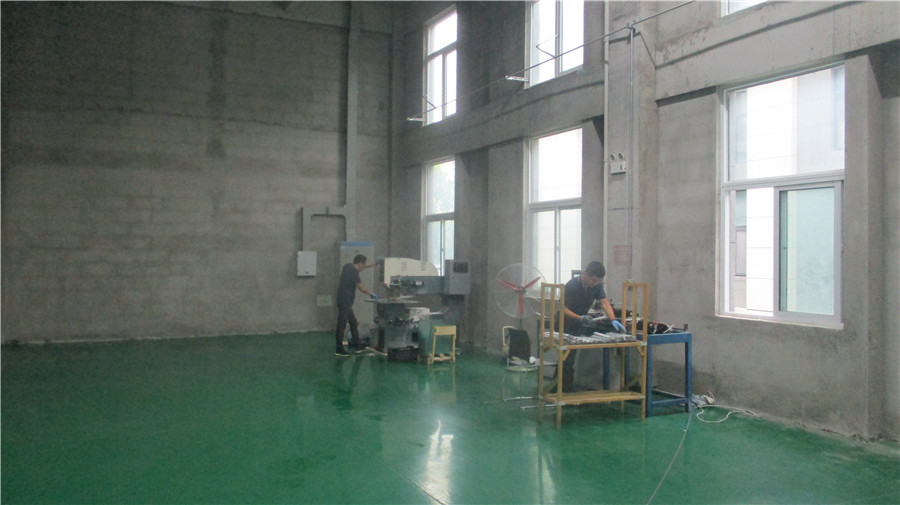
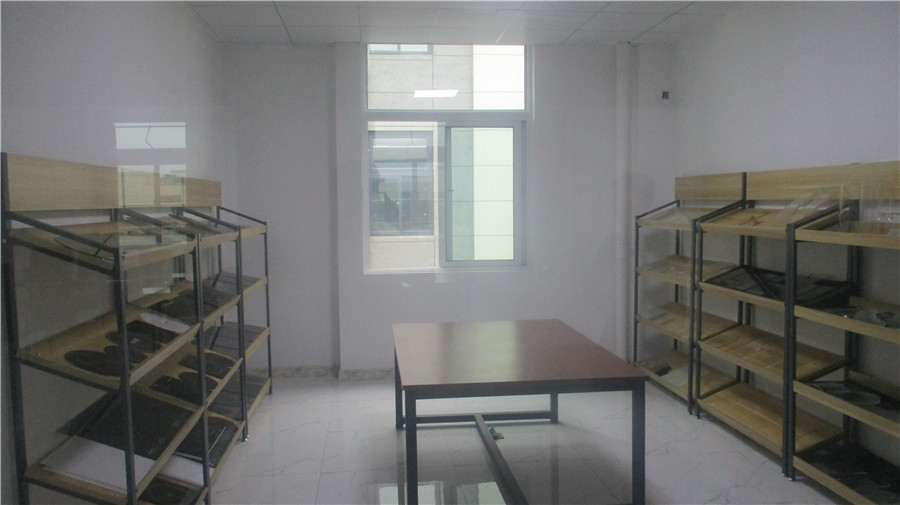
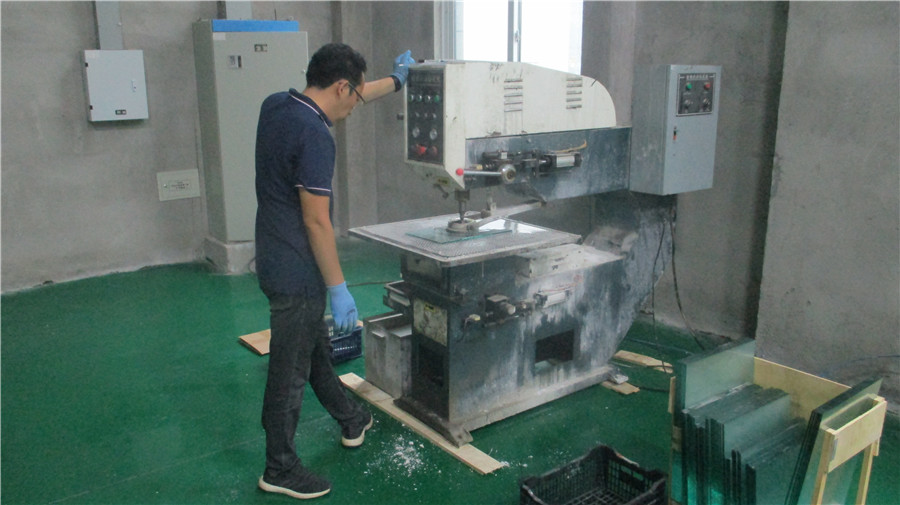
Qingdao Maupe Glass Co., Ltd. was founded in 2012 in Qingdao, Shandong, China. The company is a glass deep-processing manufacturer and international supplier operating under an ISO 9001 quality management system. Its core work is converting flat glass into finished functional parts: cutting, edge polishing, drilling, engraving, coating, silk-screen printing, physical tempering and chemical strengthening.
The factory produces silk-screen printed tempered glass, touch panel cover glass, switch panel glass, card reader glass, instrument windows, industrial equipment panels and AR/AG/AF coated display glass. RoHS-compliant eco-friendly inks and controlled printing processes help deliver scratch-resistant and wear-resistant graphics for equipment used in displays, electronics, appliances, instruments, furniture and decorative partitions.
Qingdao Maupe Glass Co., Ltd. serves clients in more than 80 countries and has strong export experience. The factory is close to Qingdao seaport and airport, supporting sample delivery, export logistics and on-site audits. For buyers seeking a long-term industrial glass supplier, these practical advantages reduce communication risk and improve delivery reliability.
For technical documents, certificates and current production capability, buyers can also review the company profile, trade capacity and video introduction. The sales and engineering team can respond to drawing-based questions and recommend the most suitable glass specification for your application.
Read Company Profile



For industrial supply chains, compliance is part of product performance. Certificate numbers are listed so procurement and quality teams can check them with the issuing bodies.

Certificate No. 24025Q20015R1S · Scope: float glass and technical glass products · Valid to 02/2028.

Certificate No. 25TYT12395 · Restricts hazardous substances for EU electrical and electronic equipment · Valid to 12/2030.

Certificate No. 23TYT082593S · Tempered glass · Supports market access across the European Economic Area · Valid to 08/2028.
A transparent workflow helps engineering, purchasing and quality teams know what happens at every stage of an instrument glass panel project.
Engineers check manufacturability, tolerance, material and strengthening method.
Screens and samples are made for fit, color and touch verification.
Cutting, edging, printing, coating and tempering on 8 production lines.
Incoming material and finished product inspection before packing.
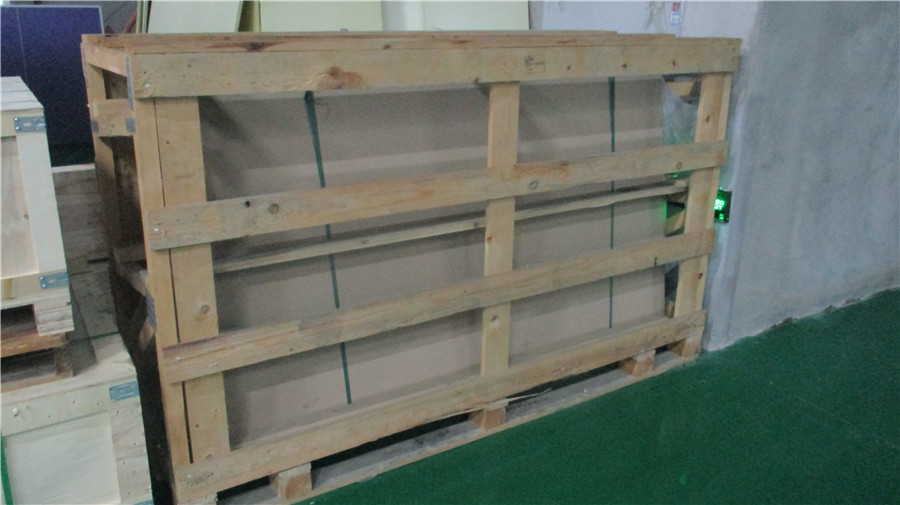
Protective export packing via Qingdao port, FOB, CIF, DDP and more.
Answers to the questions global buyers most often ask when evaluating industrial glass panel suppliers.
Share your drawing, artwork and application details. The team at Qingdao Maupe Glass Co., Ltd. can review material, thickness, printing, coating and inspection requirements before you place an order.
info@maupeglass.com