Anti Fingerprint Glass Suppliers & Wholesaler in the Charlotte Market
Factory-direct AF-coated, AR/AG/AF, silk-screen printed and tempered glass for Uptown Charlotte, South End, Ballantyne, University City and the wider Carolinas. ISO 9001 supplier since 2012, exporting to 80+ countries, with DFM review, samples, inspection records and DDP options.
8 Product Routes for Charlotte Anti-Fingerprint and Functional Glass Projects
Each product below is a verifiable Maupe Glass route that can be reviewed with an optional anti-fingerprint (AF), anti-glare (AG), anti-reflective (AR) or easy-clean surface. Product URLs are retained so your team can move from this supply brief to the technical product page without losing context.
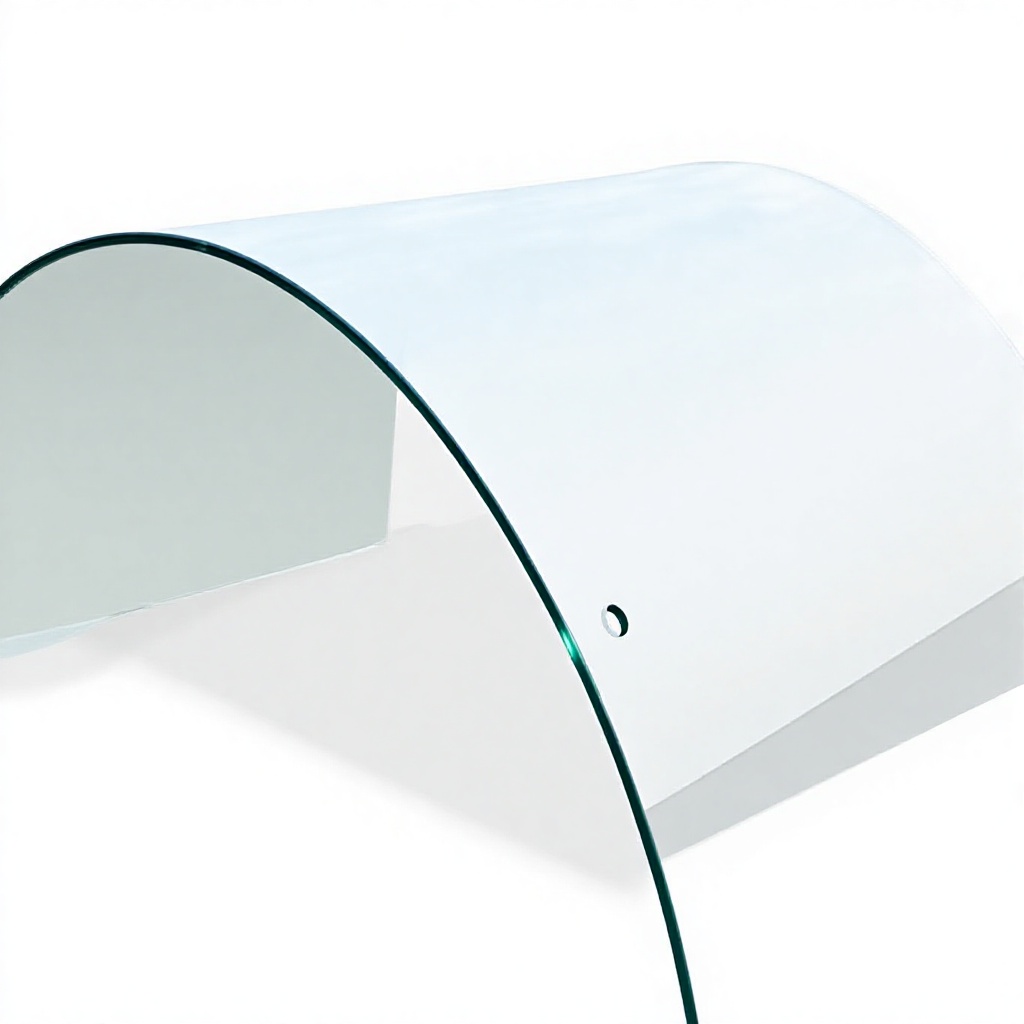
Custom Curtain Wall Glass Balcony Glass Tempered Glass Curved
Curved and flat tempered glass for Charlotte high-rise balustrades, curtain walls and prestige interior screens. Optional hydrophobic easy-clean AF on exposed clear zones; safety glazing and wind-load requirements remain project-specific.
View product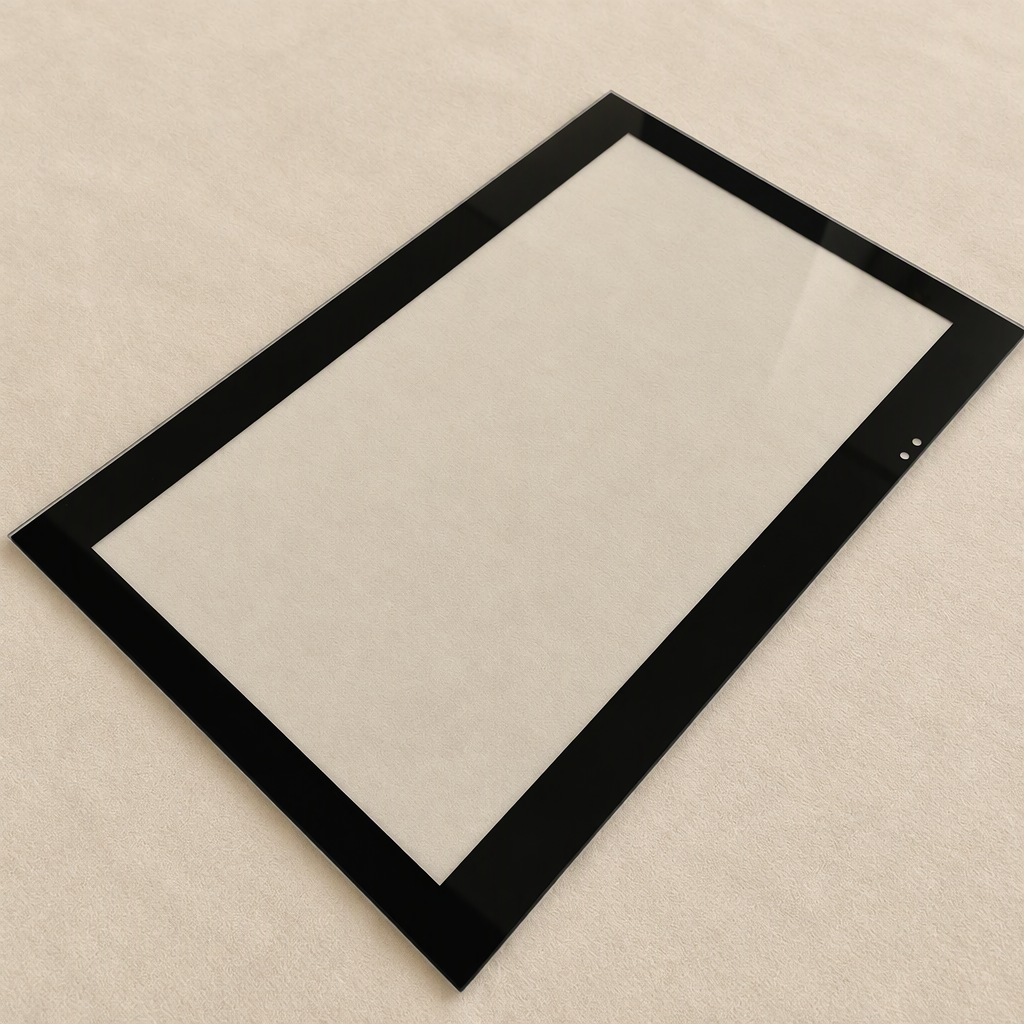
Tempered Glass Panel Silk Screen Printed Flat Display Screen Protector Glass for LCD TV Industrial Decoration
Flat printed cover glass for bank-branch displays, retail LCDs and industrial HMIs. AF coating reduces visible fingerprints on black borders while AR or AG improves readability under Charlotte lobby lighting.
View product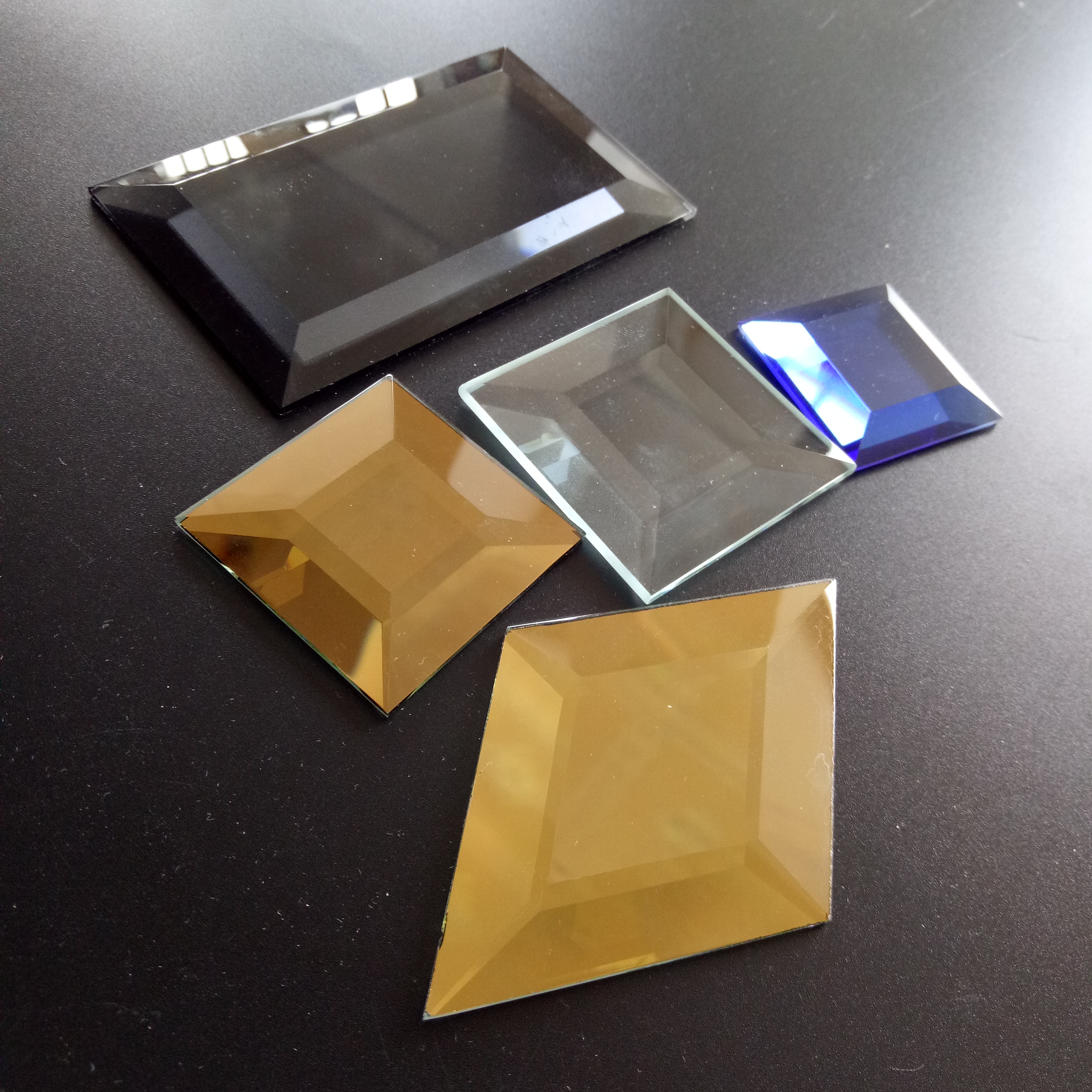
Bule Gold Faceted Beveled Glass for Wall Decoration clear Beveled Glass Pieces
Decorative faceted and beveled glass for hotel, restaurant and showroom feature walls. A low-smudge AF/easy-clean surface helps maintain sparkle in high-touch hospitality interiors; finish samples are recommended.
View product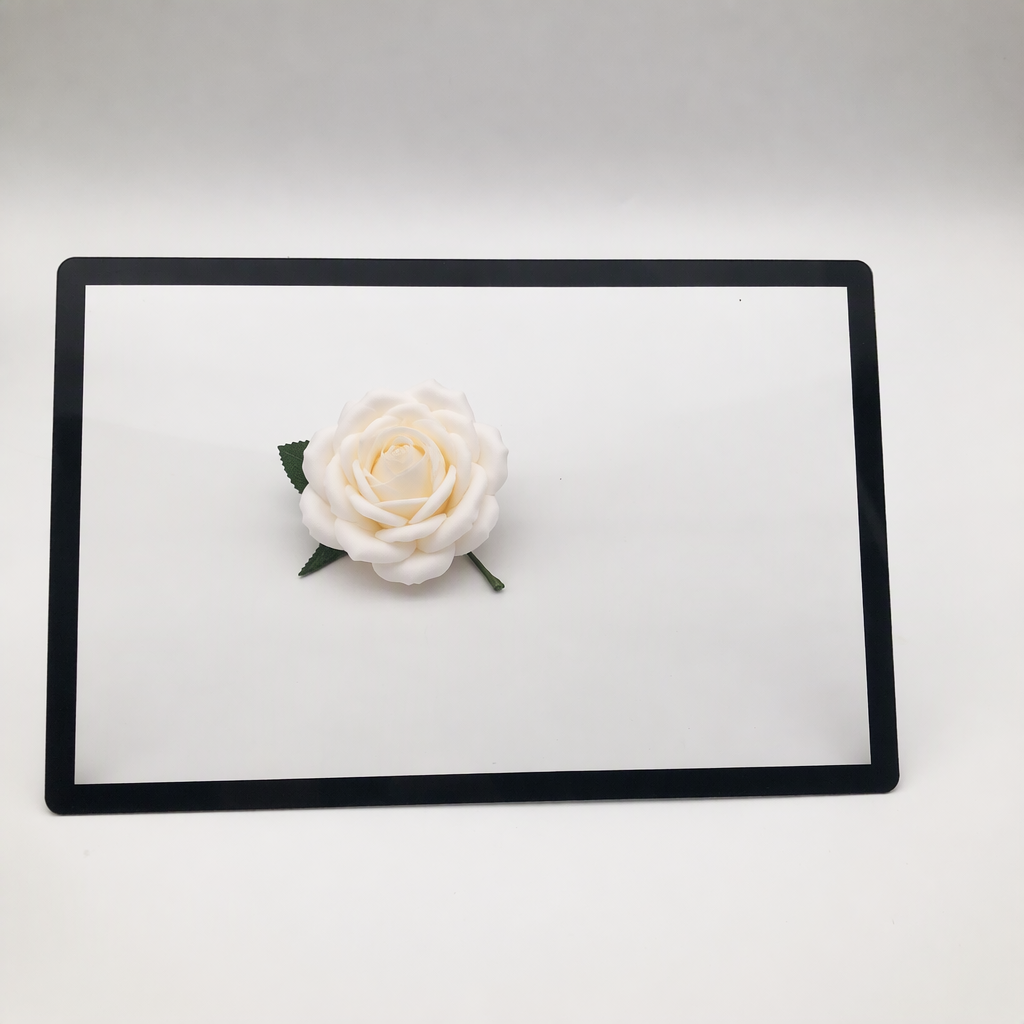
Ultra-Thin Silk Screen Printed Tempered Glass for Display Panels
Thin chemically strengthened cover glass for capacitive touch, smart-home panels and compact displays. Specify AF/AR/AG compatibility with the sensor stack and test touch response before mass production.
View product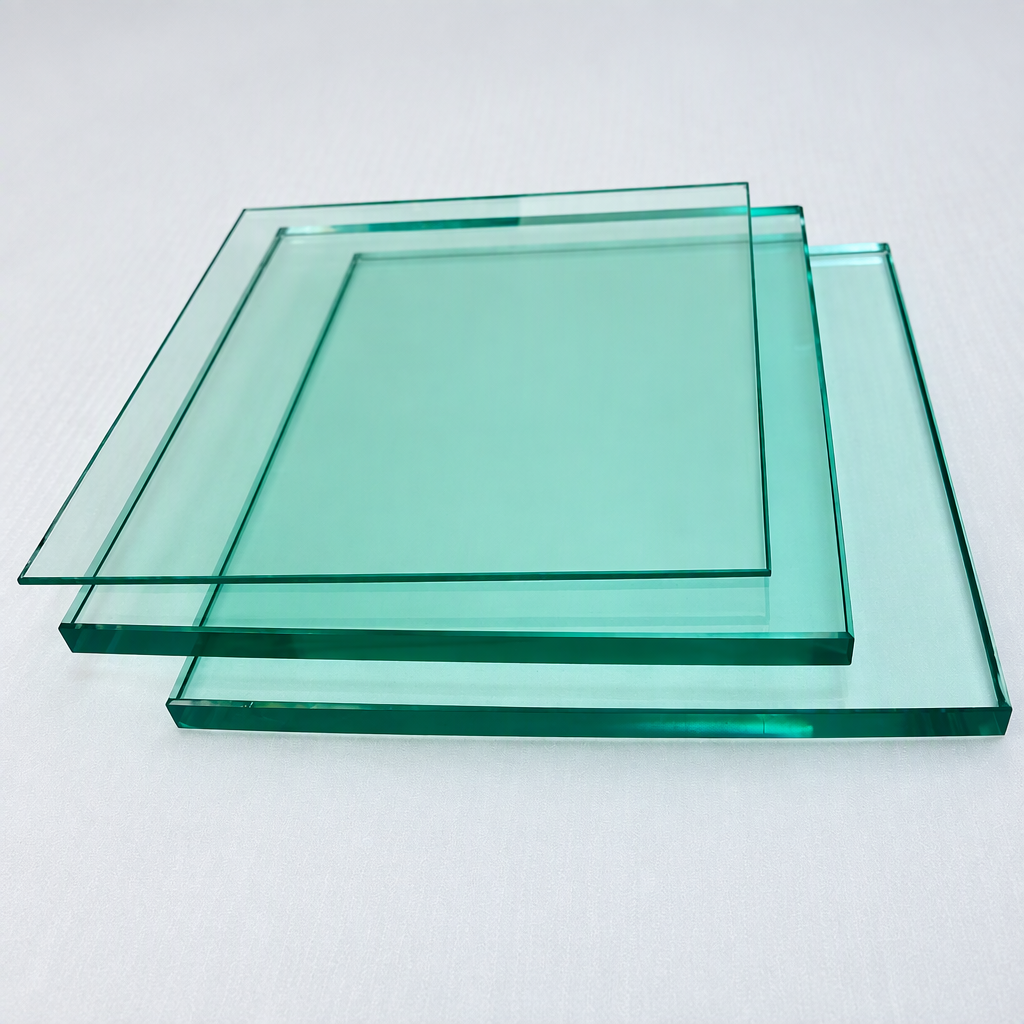
Tempered Glass Panel Safety Glass Flat Structural Tempered Glass
Structural tempered safety glass for interior partitions, doors, railings and appliance-facing panels. AF easy-clean treatment can be added to exposed faces; cut-to-size, holes and edge work are completed before tempering.
View product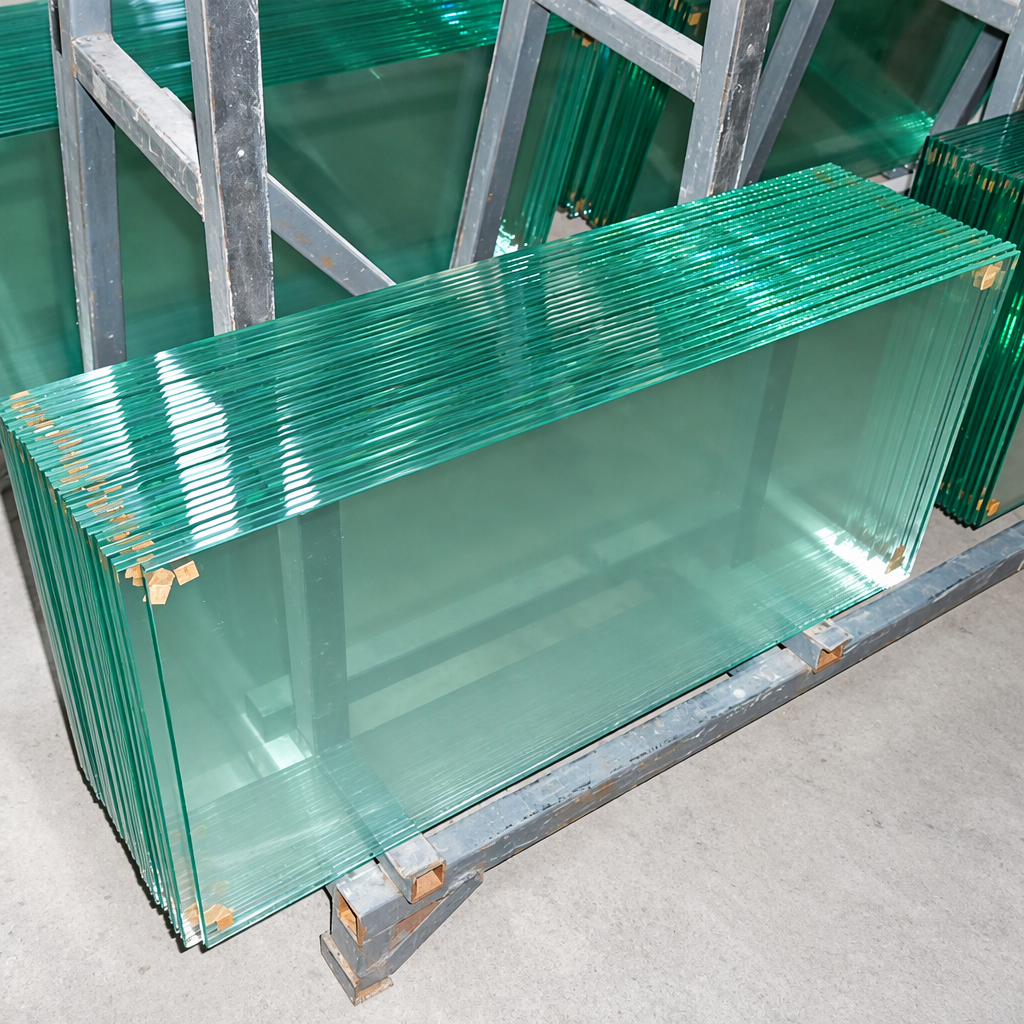
Construction & Real Estate Float Glass Factories in China Tempered Glass
Tempered float glass for construction and real-estate work packages, including interior glazing and facade infill. Pair with hydrophobic easy-clean coating for exterior fingerprints, pollen and water spotting.
View product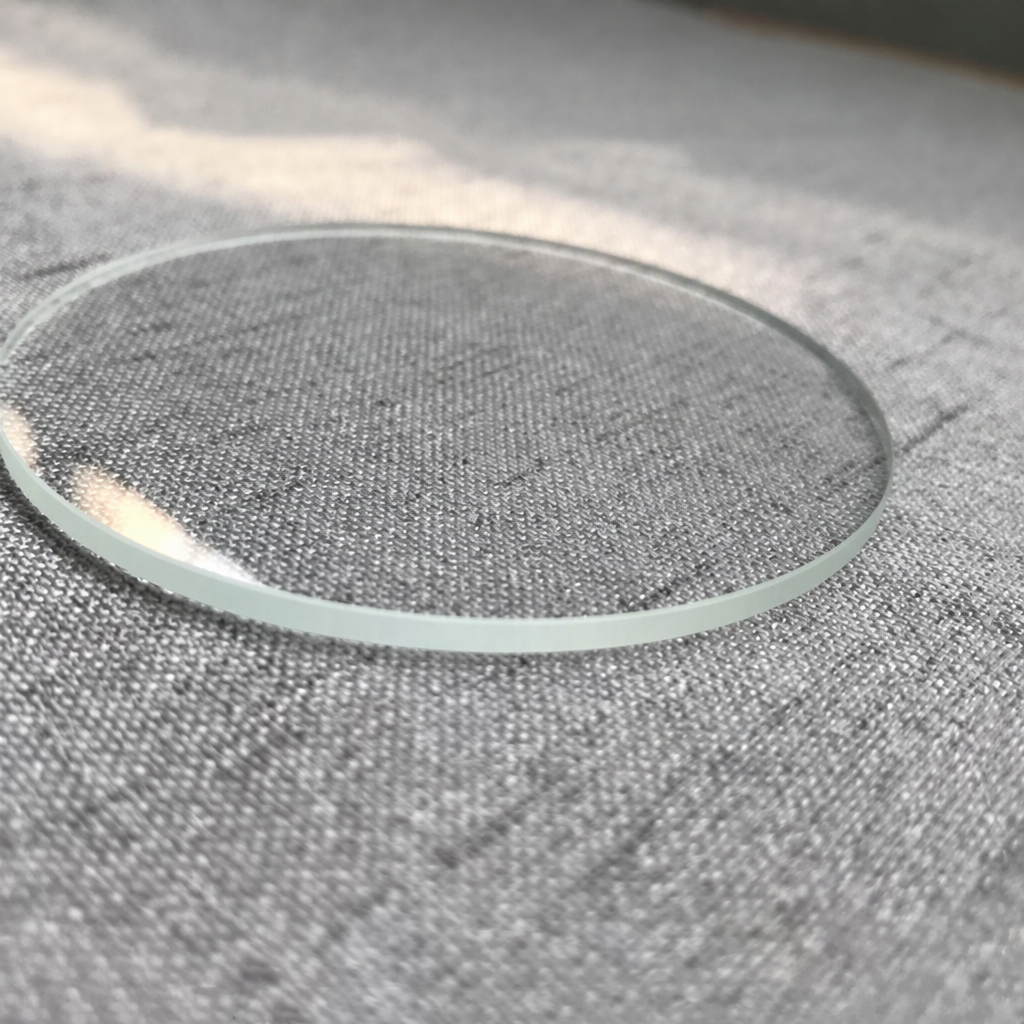
Pressure-resistant Glass Tempered Viewing Mirror Custom Size Clear Glass Panel for Industrial Workshop
Pressure-resistant viewing windows and clear panels for workshop equipment, inspection cells and industrial enclosures. AF/AR coatings can improve sightlines while maintaining the required mechanical specification.
View product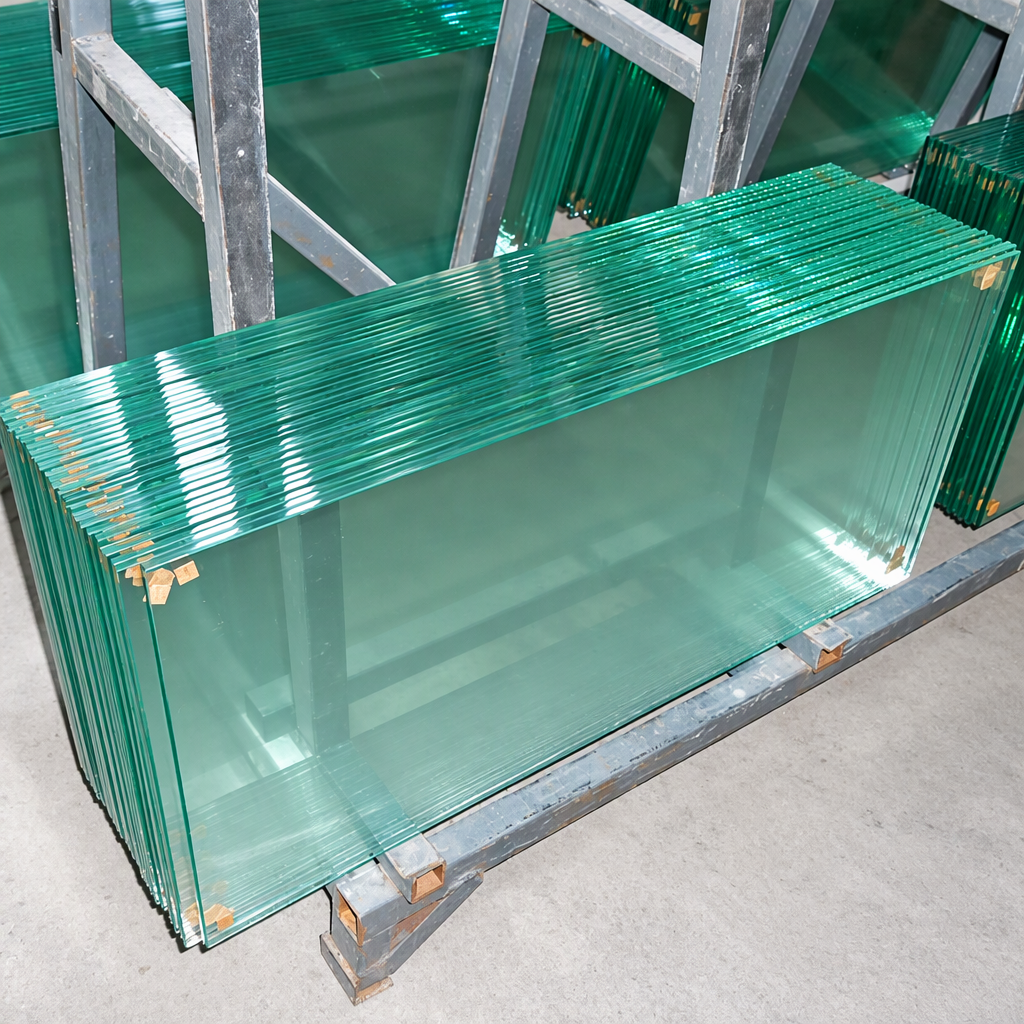
Customized Thickness and Size Clear Tempered Float Glass Panels
Clear tempered float glass cut to Charlotte project dimensions and thicknesses. Use as exposed touch-adjacent panels, furniture and architectural surfaces; AF treatment can be applied where fingerprints affect appearance.
View productSpecification note: anti-fingerprint performance depends on base glass, coating side, print sequence, cleaning chemicals and touch frequency. All eight routes should be quoted with the intended cleaning protocol and a sample approval step before mass production.
Charlotte Anti-Fingerprint Glass Demand: A Practical White Paper for Buyers
Charlotte is not a generic Sun Belt market. Its growth pattern combines financial-services offices, hospital campuses, adaptive reuse, multifamily towers, hospitality and advanced manufacturing. That mix creates a specific glass problem: the most visible surfaces are often the ones people touch most.
Why fingerprints become a procurement issue in Charlotte
The surfaces people notice most in Uptown Charlotte, South End and Ballantyne are not always the largest ones. Elevator buttons, card readers, smart switches, display windows, bar tops, privacy panels and conference-room glass are relatively small, but they carry a disproportionate share of customer experience. Fingerprints, hand lotion, cleaning residue and pollen make those surfaces look older than they are. Anti-fingerprint glass is therefore not merely a cosmetic upgrade; it is a maintenance and brand-experience decision that should be specified with the same discipline as thickness, safety glazing and print colour.
AF is a surface coating, not a glass type. A competent supplier must define the base glass, strengthening method, print sequence, coating side, coating durability, optical targets and acceptance tests. In Charlotte’s humid subtropical climate and high-pollen seasons, exterior easy-clean claims deserve particular care. No coating is self-cleaning. AF reduces smudge visibility and makes routine cleaning easier, but it does not replace a cleaning protocol, and it must not be described as antimicrobial. For healthcare and laboratory projects, cleanability and disinfection compatibility should be reviewed separately with infection-control teams and the chosen cleaning-chemical supplier.
What local wholesale buyers are asking for
Wholesale buyers in Charlotte increasingly ask for sample-first approval, small initial batches, RoHS/REACH documentation, packaging photos and DDP quotations. That is a rational response to mixed project schedules. A South End multifamily amenity package may need 20 printed switch panels, while a Ballantyne financial centre may need 10 large display covers, and a Huntersville manufacturer may need pressure-resistant viewing windows. A factory-direct supplier with in-house cutting, printing, tempering and coating can consolidate those routes and reduce finger-pointing when print, coating and strengthening all affect the same part.
Logistics also matter. Charlotte sits on I-77, I-85 and I-485 and is served by Charlotte Douglas International Airport and the Charlotte Inland Port, while containerized glass often moves through East Coast seaports such as Charleston and Savannah. For fragile glass, the cheapest freight quote is rarely the lowest total cost. Export-grade crates, edge protectors, interleaving paper, moisture control, pallet stability and a pre-shipment inspection record should be part of every wholesale agreement.
Charlotte procurement snapshot
- ISO 9001 factory with 8 production lines and a 3,000–5,000 m² processing floor.
- RoHS and CE certificates with verifiable numbers; SGS onsite assessed supplier.
- Export history in 80+ countries and an export share of 91–100%.
- MOQ commonly from 10–100 pieces, depending on size, thickness, print and coating.
- FOB, CIF, EXW, FCA, CPT, DDP, DDU and express delivery quoted to Charlotte buyers.
- Samples, packing photos and pre-shipment inspection records available before shipment.
Send a drawing and intended cleaning chemical for a practical AF review.
Contact UsSix Charlotte Trends Shaping Anti-Fingerprint Glass Specifications
These are not abstract national trends. They are visible in Charlotte’s construction pipeline, office conversions, healthcare campuses, multifamily amenities and advanced-manufacturing corridors.
Office-to-residential conversions
Uptown and South End adaptive-reuse projects turn old floorplates into lobbies, amenity rooms and shared workspaces. Glass partitions, elevator panels and package-room touchpoints benefit from easy-clean AF surfaces that stay presentable under daily traffic.
Banks as advisory studios
Financial branches are becoming smaller, more consultative and more technology-heavy. Printed glass kiosks, card readers and privacy panels need fingerprint-resistant surfaces so black borders and touch zones look clean under lobby lighting.
Healthcare cleanability
Clinics, dental offices and outpatient centres ask for wipeable, optically clear cover glass. AF can improve cleaning ergonomics, but it is not an antimicrobial claim. Disinfection compatibility should be tested against the actual chemicals used by the facility.
Multifamily smart living
Smart switches, locks, intercoms and wireless chargers appear in amenity rooms and apartment entries. Thin chemically strengthened glass with AF and AR treatment improves touch feel and keeps printed icons crisp in high-use communal areas.
Hospitality and food halls
Hotel lobbies, restaurants and food halls combine high-touch bar tops, menu displays and decorative glass. Faceted or beveled glass can look premium, but it needs a realistic cleaning routine and sample approval under local spot lighting.
Advanced manufacturing
Industrial HMI covers, inspection windows and pressure-resistant viewing panels are judged on clarity as well as strength. AF and AR coatings can reduce smudging and reflections while the mechanical specification, gasket design and pressure load remain the primary controls.
Where Anti-Fingerprint Glass Earns Its Place in Charlotte
Use AF where appearance, touch and cleaning frequency intersect. Avoid treating it as a universal upgrade for every glass surface without checking the base glass, printing and cleaning protocol.
Banking & wealth lobbies
Touch kiosks, card-reader windows and branded display covers with AF on black printed areas and AR for glare control.
Healthcare & dental
Clear cover glass for monitors and control panels. Specify cleaning-chemical compatibility; AF is not an antimicrobial substitute.
Multifamily & smart home
Switch panels, smart locks, intercoms and wireless charger covers with fingerprint-resistant printed surfaces.
Hospitality & food halls
Bar tops, menu displays, decorative feature walls and partition glass where smudges affect the guest experience.
Retail & showrooms
Display windows, interactive screens and branded glass fixtures that need to look clean under strong spot lighting.
Advanced manufacturing
HMI covers, machine viewing windows and pressure-resistant panels where clarity and mechanical integrity both matter.
Commercial interiors
Elevator touch buttons, conference-room controls, privacy partitions and reception-area glass with easy-clean surfaces.
Architecture & facades
Balustrades, curtain-wall infill and faceted decorative glass. Exterior easy-clean treatment is a maintenance aid, not self-cleaning glass.
How to Specify AF Glass for a Charlotte Project Without Rework
Start with four decisions: base glass, strengthening method, print design and coating. Then write the acceptance method into the purchase order. This sequence prevents the most common failure: a coating that performs well on a sample but does not match the cleaning chemical, touch sensor or lighting used in the building.
| Project condition | Recommended glass path | AF / optical recommendation | What to verify before PO |
|---|---|---|---|
| High-touch black display cover | Printed tempered or chemically strengthened cover glass | AF on the touch face; AR or AG where reflections reduce readability | Print opacity, colour under local lighting, touch response, cleaning-chemical compatibility |
| Exterior or facade-adjacent glass | Tempered float glass with safety-glazing review | Hydrophobic easy-clean AF on exposed face; not self-cleaning | Coating side, edge condition, UV/humidity exposure, cleaning plan, packaging protection |
| Smart switch or wall panel | 0.5–2 mm chemically strengthened thin glass | AF over printed icons, with clear touch windows kept coating-compatible | Ink colour, icon sharpness, backlight appearance, adhesive and sensor stack |
| Industrial viewing window | Pressure-resistant tempered glass to drawing | AF and optional AR for sightline clarity | Pressure load, gasket design, thickness, flatness, optical haze and impact expectations |
| Decorative hospitality wall | Faceted, beveled or printed glass with sealed edges | Low-smudge easy-clean treatment on high-touch clear areas | Sample under warm lighting, cleaning method, edge finish, mounting system |
| Large LCD or kiosk cover | Large-format tempered cover glass from 10 pieces | AF plus AR or AG depending on lobby brightness and camera/sensor needs | Distortion, flatness, transmission, haze, mounting tolerance, crating and handling plan |
Need a coating recommendation against your drawing?
Send the drawing, application, cleaning chemical, touch sensor details and annual volume. The review should separate the base-glass requirement from the AF, AR or AG treatment so that procurement can compare quotations on the same basis.
How to Qualify an Anti-Fingerprint Glass Supplier for the Charlotte Market
Use a six-part supplier scorecard. It should test process control, sample realism, documentation, packaging and communication, not only price per square metre.
1. Verify the process chain
Ask whether cutting, printing, tempering, chemical strengthening and coating are controlled in-house or subcontracted. A single process chain makes it easier to trace a fingerprint-resistant coating back to the printed or strengthened part that failed inspection.
2. Approve under local light
Charlotte lobbies, hospitals and showrooms use different colour temperatures. A sample approved only on a factory bench may look different under warm hotel lighting or cool office LEDs. Approve print, gloss and smudge appearance under the intended lighting.
3. Test touch and cleanability
For touch panels, verify that the coating does not degrade capacitive response after the intended cleaning cycles. For non-touch glass, test with the actual cleaning agent. AF performance is not unlimited and should be refreshed or replaced when wear becomes visible.
4. Require document control
Collect ISO 9001, RoHS and CE certificates with numbers, plus inspection reports and coating records. For Charlotte projects with institutional procurement, document completeness often determines whether a supplier can be approved at all.
5. Review export packaging
Ask for packing photos, crate design, edge protection and pallet stability records. Glass that leaves Qingdao intact but arrives with edge chips or coating contamination costs more than a slightly higher freight quote with better protection.
6. Score responsiveness
A supplier that flags coating risk, print tolerance or glazing-code responsibility early is more valuable than one that simply says yes. Use a short RFQ with a drawing, artwork and cleaning chemical to test technical responsiveness.
Why Maupe Glass Is a Practical Wholesale Partner for Charlotte Buyers
Maupe Glass is not a Charlotte storefront. It is a factory-direct glass deep-processing manufacturer and international wholesale supplier. That distinction matters: we are strongest when your project allows drawing review, sample approval and planned import logistics rather than same-day local pickup.
Founded in 2012 in Qingdao, Shandong, Qingdao Maupe Glass Co., Ltd. operates under an ISO 9001 quality management system and has been onsite assessed by SGS Group. Our work turns flat glass into finished functional parts: cutting, CNC shaping, edge polishing, drilling, engraving, silk screen printing, physical tempering, chemical strengthening and AR/AG/AF coating. The factory maintains 8 production lines and a 3,000–5,000 m² floor area, with an export share of 91–100% and customers in more than 80 countries.
Our silk screen printed glass uses RoHS-compliant, eco-friendly inks with high- and low-temperature printing processes. That matters for Charlotte buyers because a fingerprint-resistant surface is only as good as the print beneath it. On black display glass, switch panels and card-reader windows, coating and ink must be evaluated together. We also maintain CE and RoHS certificates with verifiable numbers, plus ISO 9001 certification for the quality management system.
Buyers choose us for OEM/ODM experience, Fortune 500 supplier verification, in-house process control, export packing discipline and a realistic approach to MOQ. Most custom printed panels start from 10 to 100 pieces depending on size, thickness, number of print colours and coating; large display cover glass can start from 10 pieces. Samples are available for fit, colour and touch verification before mass production. The factory is close to Qingdao seaport and airport, and we quote FOB, CIF, EXW, FAS, FCA, CPT, DDP, DDU and express delivery, with payment terms including T/T, L/C, PayPal, Western Union and cash in USD, EUR or CNY.
For a Charlotte project, this model works best when the design team and procurement team agree on a sample, a cleaning protocol and an inspection standard before the purchase order. We can support that process with drawings marked for DFM review, packing photos, certificate copies and pre-shipment inspection records.
Factory facts for procurement review
Manufacturer of silk screen printed tempered glass, touch cover glass, switch panel glass, card reader glass and coated display glass for OEM buyers.
Contact Us
Factory overview: export-focused glass deep processing in Qingdao, China.

Cutting and processing workshop: custom shapes, holes and edge finishing.

Silk screen printing line: printed touch zones, icons and decorative borders.
Certifications and Documents Charlotte Procurement Teams Can Verify
Certificate numbers are shown for direct checking with issuing bodies. Project-specific declarations, coating records and inspection reports should be requested in the RFQ.

ISO 9001 Quality Management
Certificate No. 24025Q20015R1S. Scope includes float glass and technical glass products. Valid to 02/2028.

RoHS Compliance
Certificate No. 25TYT12395. Restricts hazardous substances for EU electrical and electronic equipment. Valid to 12/2030.

CE Marking
Certificate No. 23TYT082593S. Tempered glass. Supports market access across the European Economic Area. Valid to 08/2028.
Charlotte Buyer FAQ: Anti-Fingerprint Glass Supply, Lead Times and Specifications
These are the questions most often raised by Charlotte design teams, glaziers, OEM buyers and procurement managers comparing factory-direct supply with local distribution.
Are you a local Charlotte glass supplier?
Maupe Glass is a factory-direct manufacturer and wholesale supplier serving the Charlotte market from Qingdao, China. We do not operate a Charlotte storefront or local stockyard. That distinction matters: we are strongest when your project allows drawing review, sample approval and planned import logistics. For urgent local stock, buyers should also keep a Charlotte glazier or distributor in the supply chain.
What does anti-fingerprint glass actually do?
AF coating lowers surface energy so oils and moisture spread less visibly and clean more easily. It improves appearance on black printed glass, touch panels and display covers. It is not permanent armour, not scratch-proof and not a substitute for antimicrobial control. Durability depends on coating grade, cleaning chemicals, abrasion and use frequency, so specify a test protocol before approval.
Which products on this page can be supplied with AF coating?
All eight product routes can be reviewed for AF, AR, AG or easy-clean treatment, subject to base glass and application. The most common Charlotte requests are ultra-thin printed display glass, smart switch panels, LCD covers, card-reader windows, pressure-resistant viewing panels and architectural clear glass. Coating side and print order must be confirmed in the drawing review.
What is the minimum order quantity for Charlotte buyers?
Most custom printed panels start from 10 to 100 pieces depending on size, thickness, number of print colours and coating. Large display cover glass can start from 10 pieces; complex multi-colour printed parts may be closer to 100 pieces. Samples are available for fit, colour and touch verification before mass production.
How should I send a drawing for an accurate quote?
Send a 2D drawing in DWG, DXF or PDF with outline dimensions, thickness, holes, edge finish and tolerance; print artwork in AI or PDF with colour references; coating requirements such as AF, AR or AG; application environment; annual volume; target delivery date and requested trade term. A short note on the device, cleaning chemical and touch sensor helps our engineers flag risk.
How do you protect glass in transit to Charlotte?
We use export packing designed for fragile flat glass: edge protection, interleaving, foam or cork separators, moisture control, strapped plywood crates and pallet stability. Shipments can move via East Coast gateways such as Charleston or Savannah, or by air for urgent samples. Pre-shipment inspection photos and packing records can be provided for wholesale orders.
What certifications and quality documents are available?
The company operates an ISO 9001 quality management system and holds RoHS and CE certificates with verifiable numbers. We can provide certificate copies, inspection reports, material and coating records, packaging photos and sample approval documents. SGS has onsite assessed the supplier. Project-specific declarations should be confirmed before purchase order.
Which trade terms and payment methods can you quote?
We can quote FOB, CIF, EXW, FAS, FCA, CPT, DDP, DDU and express delivery. Payments accepted include T/T, L/C, PayPal, Western Union and cash in USD, EUR or CNY. For Charlotte buyers, DDP can be useful for landed-cost visibility, while FOB may suit buyers with an existing freight forwarder.
Send Your Drawing for a Charlotte Anti-Fingerprint Glass Review
Share the product route, drawing, print artwork, intended cleaning chemical, annual volume and target delivery term. We will review manufacturability, coating compatibility, strengthening method, MOQ and export packing before quotation, so your Charlotte team can compare samples and landed cost on the same basis.