Wholesale Appliance Glass Panels for Las Vegas Replacements and New Builds
The eight panels below are production-ready examples for Las Vegas distributors, hospitality maintenance teams, commercial kitchen equipment suppliers and smart-property integrators. Each product can be customized by drawing, print artwork, thickness, edge finish, coating and packaging plan.
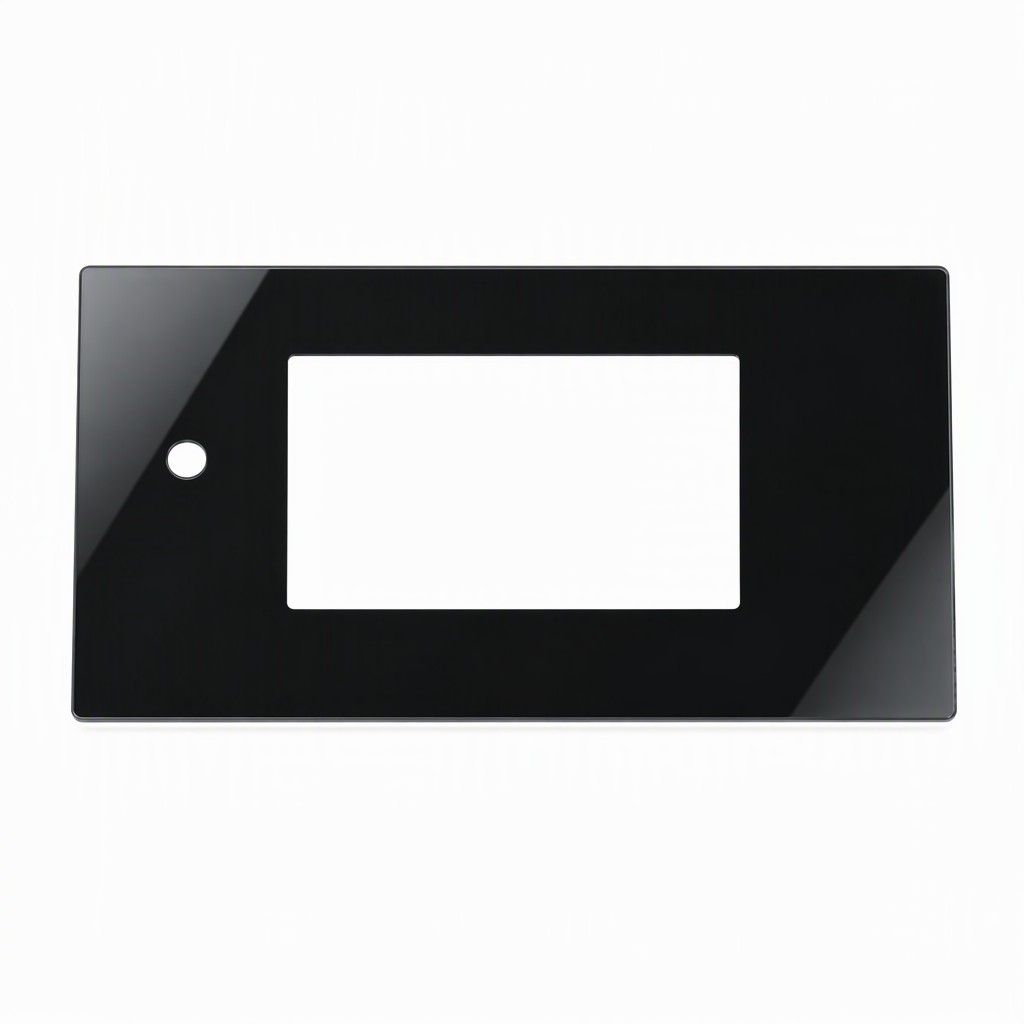
Gorilla Glass Display Protection Cover, AR/AF-Coated LCD Touch Panel Glass
A strong fit for bright hotel displays, clinic HMIs and high-end appliance touchscreens where reflection and fingerprint haze affect readability. AR coating supports clearer viewing; AF treatment helps maintenance teams clean surfaces frequently.
View product
Silk-Screen Printed Tempered Glass Panel, Self-Adhesive Display Cover
A practical option for retrofit covers, display windows and property maintenance programs where installation speed matters. Printed borders can hide sensors and adhesive lines while keeping the functional window clear.
View product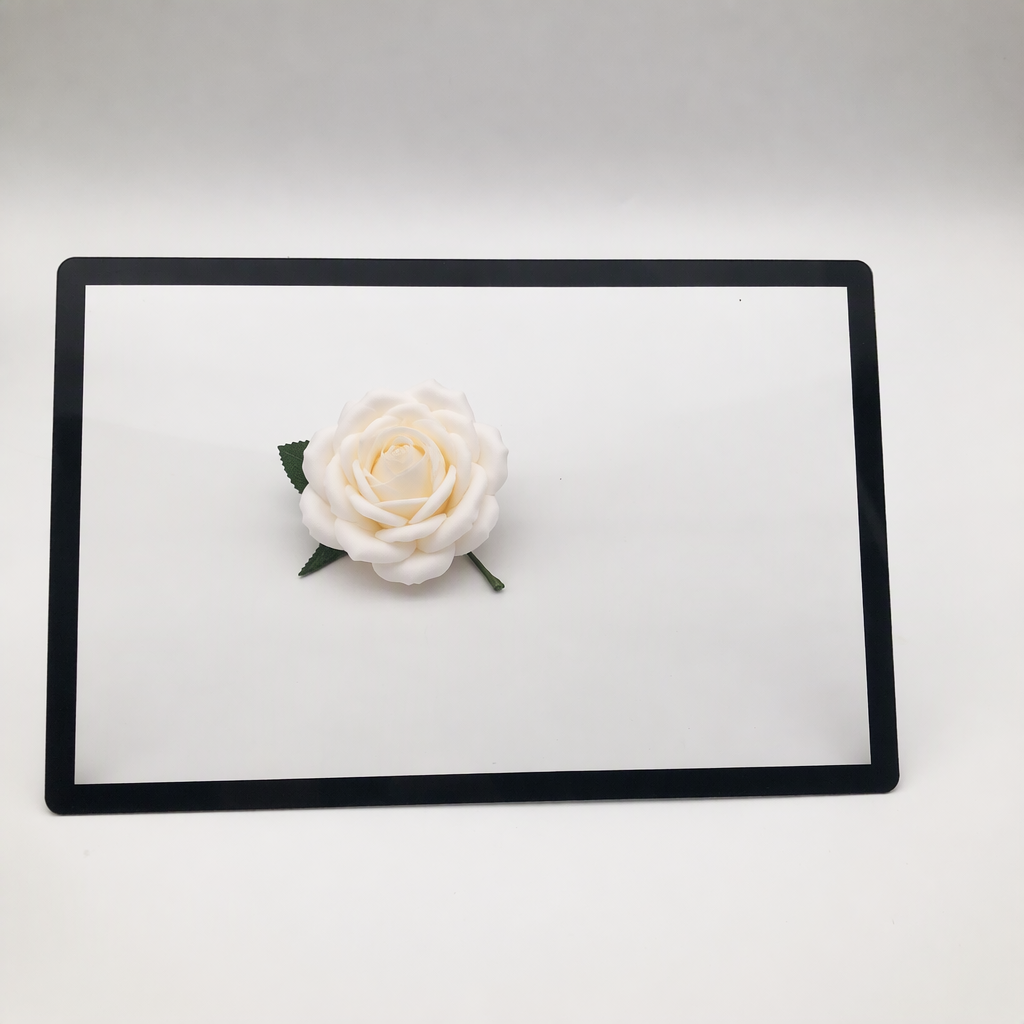
Ultra-Thin Silk-Screen Printed Tempered Glass for Display Panels
Recommended for compact touch controls, smart switches and low-profile appliances where the glass stack must remain thin. Chemical strengthening can preserve flatness and sensor response while maintaining a clean visual surface.
View product
Customized 9H Transparent Touch Screen Glass, Silk-Screen Printed Industrial Protector
A robust choice for control panels exposed to knocks, cleaning agents and high traffic in commercial kitchens, laundries, service counters and equipment rooms. Custom print can define touch zones, icons and viewing windows.
View product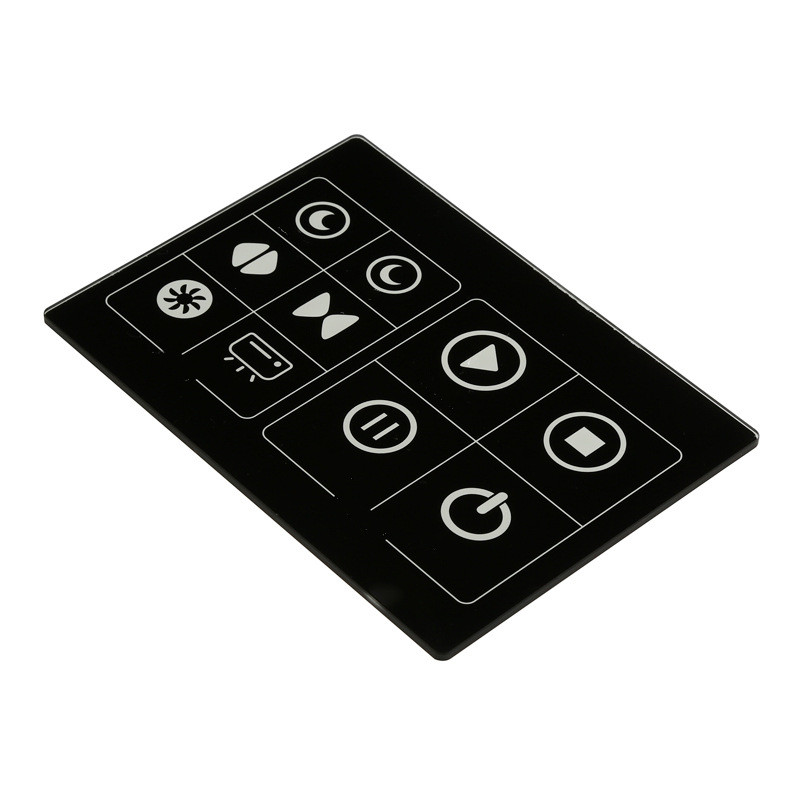
High-Temperature Black-Printed Tempered Glass for Cooktop & Microwave Doors
Suggested for commercial kitchen cooktops, microwave oven doors and heat-exposed appliance fronts. Heat-resistant black printing, precise viewing windows and safety glazing documentation can be reviewed against your equipment design.
View product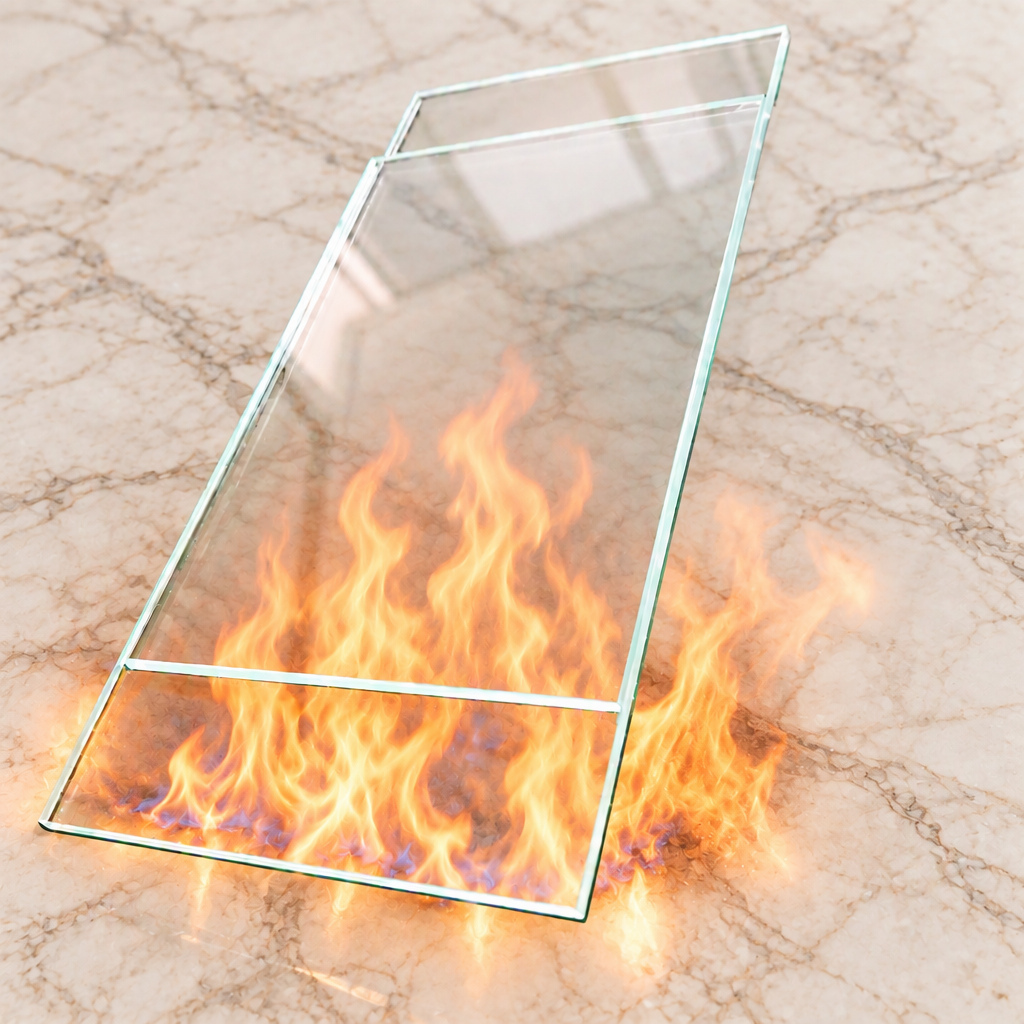
Heat-Resistant Flat Tempered Glass Panels for Multiple Applications
A flexible replacement and OEM panel for appliance enclosures, viewing windows, printed guards and custom equipment. Useful when the original part is discontinued or when hole positions and dimensions differ from catalog parts.
View product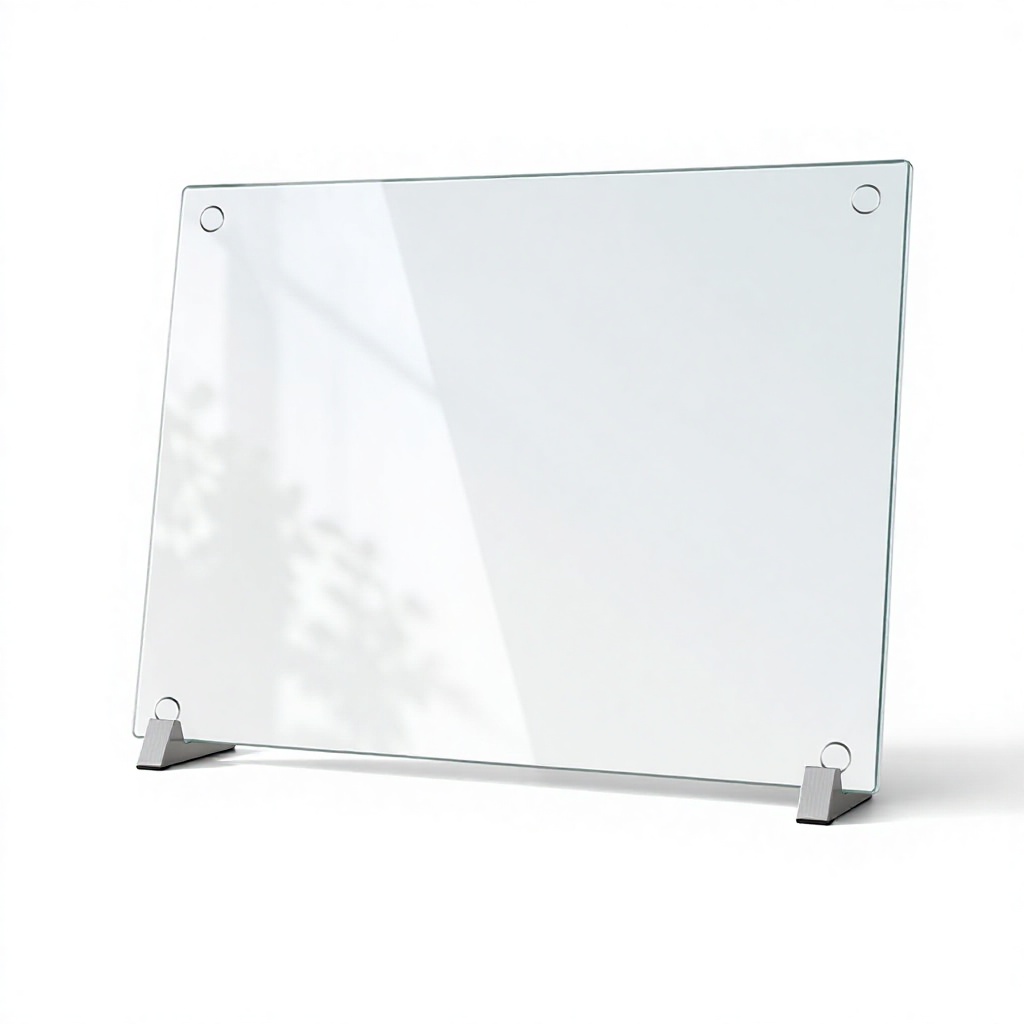
Custom-Size Clear Tempered Glass Curtain Wall & Whiteboard Panel
For showrooms, property sales centers, office partitions and multi-function wall panels. This is project glass rather than a standard appliance front, but it can be produced in the same project batch for coordinated edges, holes and packaging.
View product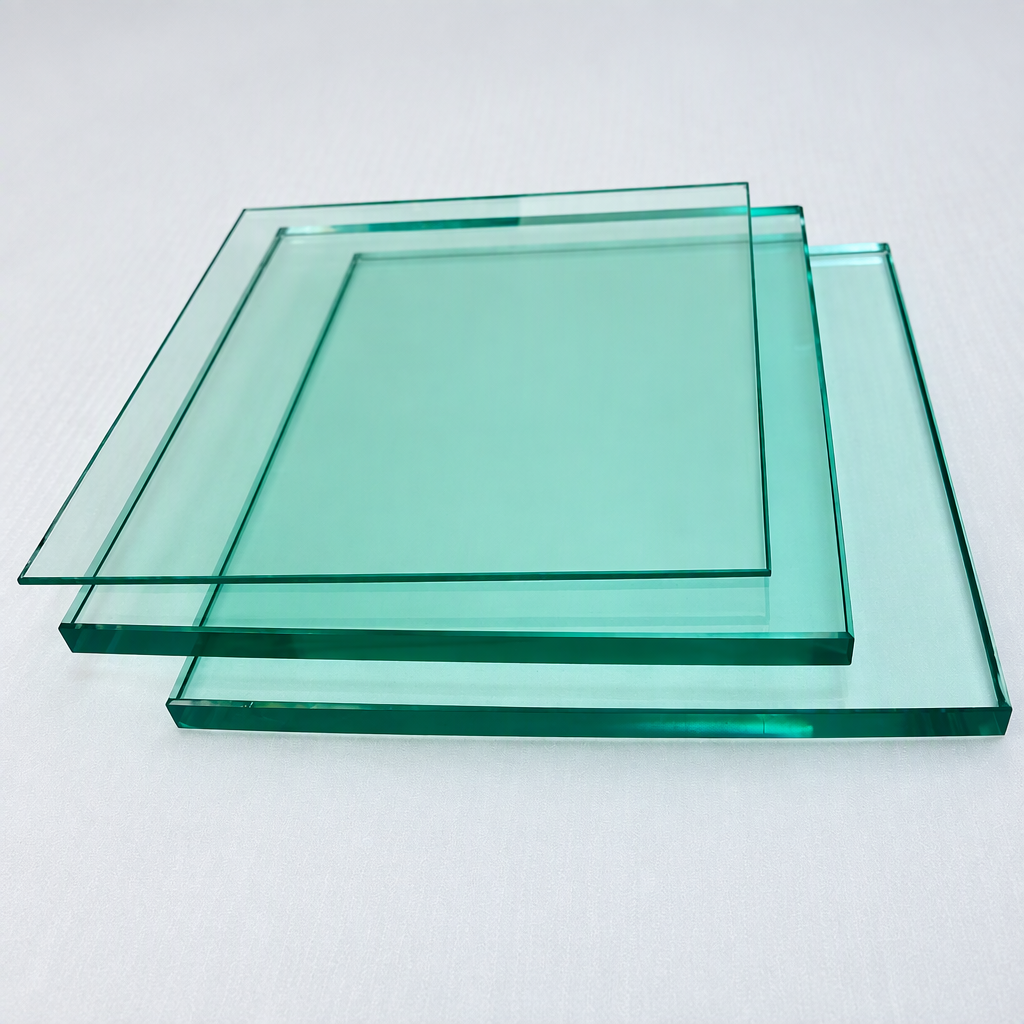
Flat Structural Tempered Safety Glass Panel
Used for protective barriers, flat glass guards and structural flat-glass needs around equipment and commercial spaces. For Las Vegas projects, request safety-glazing documents where your AHJ, insurer or equipment standard requires verification.
View productWhy Las Vegas Projects Need a Spec-Driven Appliance Glass Supplier
Las Vegas buying teams rarely purchase appliance glass as a generic commodity. A hotel tower may operate hundreds of under-counter refrigerators, microwave ovens, cooktops, laundry machines, ice machines and smart-room controls across several brands. A single property refresh can require dozens of small glass runs with different thickness, edge, print and coating combinations. When a panel fails, the maintenance team needs a replacement that matches the existing cutout, screw holes, printed icons and light windows — not simply a sheet of glass cut to a similar size.
Qingdao Maupe Glass Co., Ltd. approaches the Las Vegas market as an OEM manufacturer and wholesale partner, not as a local retail glass shop. Manufacturing takes place in Qingdao, Shandong, China, with export experience in more than 80 countries since 2012. For Las Vegas customers, the value is in design-for-manufacture feedback, stable color and print reproduction, traceable certifications and export packaging that protects low-volume replacement sets.
Measure the assembly, not only the glass. Appliance doors and control panels often hide gaskets, spacers, hinge plates, sensor windows and adhesive layers. A drawing that includes only the outer glass outline can miss the critical dimensions that determine fit. Send the panel thickness, edge profile, hole positions, print layering, coating requirement and the working environment; our engineers can then flag high-risk details before sampling.
For Las Vegas wholesale programs, the commercial goal is usually predictable reorder quality rather than one-off novelty. That means the supplier must keep artwork versions, ink references, glass source, tempering method, tolerance records and packing photos aligned across repeat orders. A dependable appliance glass panel manufacturer and wholesaler in Las Vegas should be able to support both first-build production and later replacement batches without forcing the buyer to re-engineer the part.
- 2D drawing with outline, holes, notches, bend or step details and tolerance
- Glass thickness, color, edge finish and intended strengthening method
- Print artwork with color references, icon sizes, light windows and layer order
- Coating needs: AR, AG, AF, none, or a combination for cleaning and readability
- Operating heat, cleaning agents, touch sensor type and annual reorder volume
Buyer Inputs That Prevent Rework
- Application: cooktop, microwave, laundry, refrigerator, smart switch or industrial HMI.
- Fit risk: include the mating housing, gasket thickness and fastener clearance.
- Visual risk: confirm black density, backlight windows and icon opacity under final lighting.
- Safety review: state whether the part needs safety-glazing documentation for local review.
- Reorder plan: keep a golden sample and approved artwork version for future Las Vegas batches.
Where Appliance Glass Panels Are Specified Across Las Vegas
Las Vegas combines high hospitality density, 24/7 commercial kitchens, large multifamily properties and a fast renovation cycle. These four scenarios show where custom glass panels create measurable maintenance and design value.
Hotel & Casino Back-of-House
Commercial kitchens, buffet lines, laundry rooms and service corridors operate for long hours. Replacements need matched print, edge quality and heat resistance so equipment can return to service quickly without changing the surrounding cabinetry.
Commercial Kitchen Replacements
Cooktop glass, microwave door glass and printed control panels face grease, cleaners and thermal cycling. A specification review should confirm ink type, tempering method, cutout edge quality and packaging for spare parts.
Smart Home & Multifamily
Touch wall switches, access controls and appliance fronts need clean print, consistent touch feel and easy cleaning. Property managers benefit from a single approved glass finish across units instead of mismatched replacements.
Retail, Clinic & Light Industrial
Self-service kiosks, clinic equipment and control interfaces often need AR, AG or AF coatings. Anti-glare surfaces can improve readability under bright indoor lighting, while AF treatment supports frequent sanitizing routines.
Three Trends Shaping Appliance Glass Demand in Las Vegas
Local buying behavior is moving toward smaller, more exact replacement runs and better surface performance. Suppliers who can support drawing-level customization gain an advantage over catalog-only sellers.
1. Mixed-Fleet Replacement Beats “One Catalog Part”
Hospitality properties often maintain appliance brands installed across different renovation phases. A single tower may need near-identical black glass panels with different hole patterns, print versions or thickness. Flexible small-batch manufacturing reduces the risk of forcing a property to replace an entire control assembly when only the glass is damaged.
2. Touch-First Surfaces Need Cleanability and Glare Control
Smart switches, access panels and appliance controls are becoming more visual and more frequently touched. Buyers now ask about anti-fingerprint treatment, backlight window clarity and print durability along with basic impact strength. A smooth, cleanable glass surface helps housekeeping and maintenance teams keep a consistent appearance.
3. Desert-Climate Specification Is Moving Upstream
Las Vegas heat, intense daylight and dust make visual consistency important in glazed spaces and bright equipment rooms. For glass panels, this means careful color control, suitable ink systems and realistic sample evaluation. Anti-glare glass can support readability in bright areas, but it should be selected against the actual screen and lighting layout rather than assumed from a catalog description.
Specification Starting Points for Las Vegas Appliance Glass Projects
Use this table as an early-stage planning guide. Final thickness, strengthening, print and coating choices must be confirmed against the assembly drawing, stress points, cleaning routine and any applicable safety review.
| Application | Typical thickness starting point | Strengthening direction | Print / coating notes |
|---|---|---|---|
| Commercial cooktop or oven door | 3–6 mm | Thermal tempering | High-temperature black or colored ink; confirm safe breakage pattern and glazing documentation where required. |
| Microwave oven door glass | 3–5 mm | Thermal tempering | Printed viewing frame, controlled window clarity and edge quality; check hinge and choke design before sampling. |
| Smart wall switch or room control | 3–4 mm | Chemical strengthening or thin thermal grade | Backlight windows, icon opacity and optional AF treatment; review touch sensitivity with the actual adhesive stack. |
| Industrial HMI or thin touch cover | 0.5–2 mm | Chemical strengthening | AR, AG or AF coating; micro-edge and flatness control are important for optical bonding or frame assembly. |
| Refrigeration or display window | 2–5 mm | Tempered or chemically strengthened | Printed borders, sensor windows and cleanable surface; evaluate reflections under the final LED or daylight environment. |
Why Buyers Choose Qingdao Maupe Glass Co., Ltd.
The factory is set up for custom glass deep processing, not simple trading. That matters when an appliance glass panel must match a drawing, a print color and a repeatable safety process.
One-Stop Glass Deep Processing
Cutting, CNC shaping, edge polishing, drilling, engraving, silk-screen printing, tempering, chemical strengthening and coating are coordinated under one factory system.
Print Reproduction for Branded Icons
Eco-friendly high- and low-temperature inks support multi-color layouts, logos, touch zones and light windows with scratch-resistant finishes for appliance and control panels.
Thermal and Chemical Strengthening
Physical tempering suits thicker appliance doors, switch panels and display windows. Chemical strengthening supports thin 0.5–2 mm touch covers that need flatness and optical quality.
Export and Wholesale Ready
Export share is 91–100% of output, with service to 80+ countries. Delivery terms include FOB, CIF, EXW, FAS, FCA, CPT, DDP, DDU and express options.
Certified and Onsite Assessed
ISO 9001 quality management, RoHS and CE certificates are supported by an SGS onsite assessment as a third-party verified supplier. Certificate numbers are listed below.
Engineering Support from Drawing to Sample
Manufacturability review, material recommendations, sample verification, print color approval and packed-carton photos help Las Vegas buyers reduce fit and reorder risk.
From Drawing to Las Vegas Delivery in Five Steps
A clear workflow keeps engineering, purchasing, quality and logistics aligned, especially when a property needs replacement parts across multiple appliance types.
Drawing Review
Check outline, holes, tolerance, print layers and the correct strengthening route.
Material & DFM
Select glass type, thickness, edge finish, ink system and coating based on the application.
Sampling
Produce screens and samples for fit, color, touch window and appearance verification.
Production & QC
Run cutting, printing, tempering and inspection with traceable process records.
Export Packing
Protect edges and printed surfaces, then ship via Qingdao port or airport to the Las Vegas project.
Certifications Las Vegas Buyers Can Verify
For B2B appliance glass programs, quality claims should be checkable. The following certificate numbers are provided so procurement and compliance teams can review them with the issuing bodies.

ISO 9001 Quality Management
Certificate No. 24025Q20015R1S. Scope covers float glass and technical glass products; valid to 02/2028.

RoHS Compliance
Certificate No. 25TYT12395. Supports restricted hazardous substance requirements for electrical and electronic equipment; valid to 12/2030.

CE Marking
Certificate No. 23TYT082593S. Tempered glass certification supporting European Economic Area market access; valid to 08/2028.
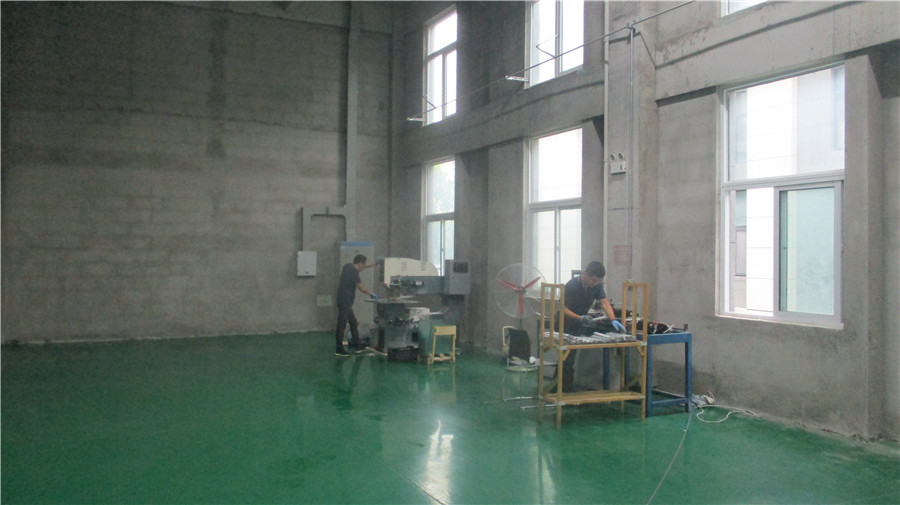
Production, Inspection and Packing Capability
Factory images help buyers assess whether a supplier can control the processes that affect flatness, print alignment, edge safety and packing quality.



Questions Las Vegas Buyers Ask Before Ordering
These answers focus on replacement fit, sampling, shipping to Nevada, compliance documents and wholesale terms.
Can Qingdao Maupe Glass supply appliance glass panels to Las Vegas if the factory is in China?
What is the minimum order quantity for custom printed appliance glass?
How do we order replacement glass when the original appliance drawing is missing?
Which certifications and quality documents are available?
How can a Las Vegas buyer approve print color before mass production?
What should a hotel or facilities team include in a wholesale inquiry?
Send Your Drawing or Replacement Photo for Review
Share the appliance type, dimensions, print artwork and coating requirement. Our engineering team can review manufacturability, recommend tempered or chemically strengthened glass and quote a wholesale or replacement program for Las Vegas delivery.