Eight Glass Product Lines for Fort Worth Fabricators, Builders and OEM Buyers
The product lines below are produced to customer drawing and can be specified alongside borosilicate window programs for Fort Worth projects. Dimensions, thickness, edge finish, print artwork and coatings are confirmed before production, so purchasing teams can compare fit, function and freight economics in one place.
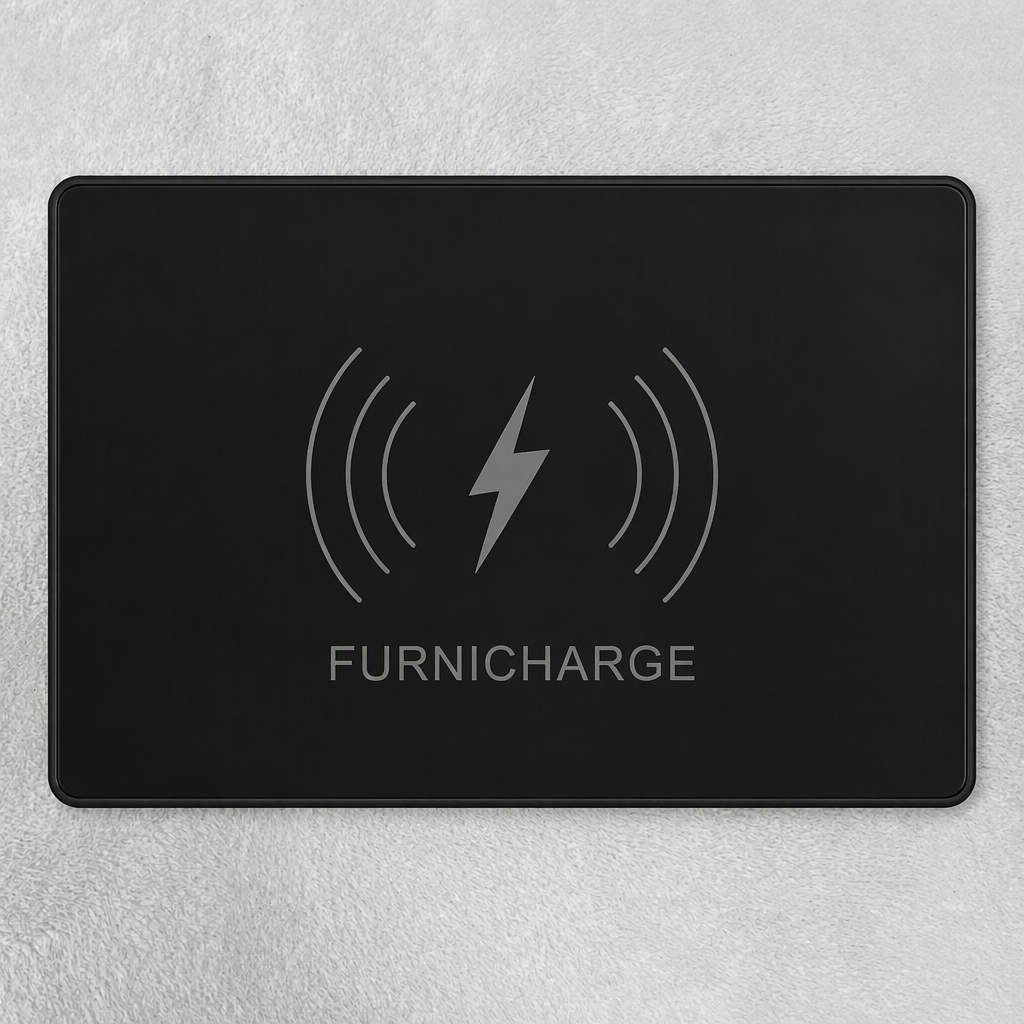
Smart Tempered Glass Bedside Table Panel for Tea Table Wireless Charging Front Cover Glass Touch Light Switch Glass
Touch-control glass for hospitality furniture, tea tables and bedside charging surfaces. Suitable for Fort Worth hotel refurbishments, smart-home furniture and custom console production.
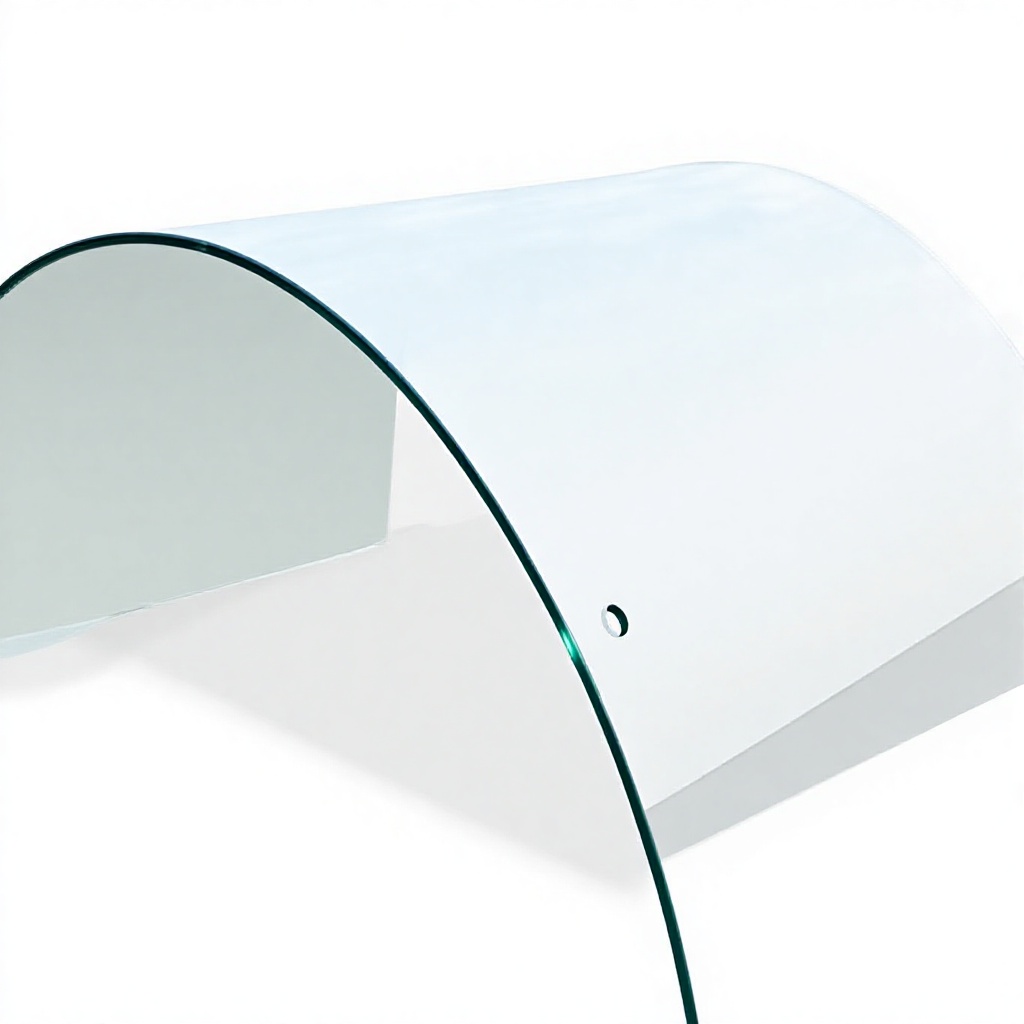
Custom Curtain Wall Glass Balcony Glass Tempered Glass Curved
Curved and flat curtain-wall glass for balcony and commercial façade projects. For Fort Worth exteriors, specify laminated or insulated assemblies with a local engineer and verified wind-load data.

Tempered Glass Lazy Susan 50cm 60cm 70cm 90cm Lazy Susan Turntable Strengthened Glass
Strengthened turntable glass for cabinet, pantry and display applications. Custom diameters, edge polish and packaging are available for furniture makers and retail fixture suppliers.
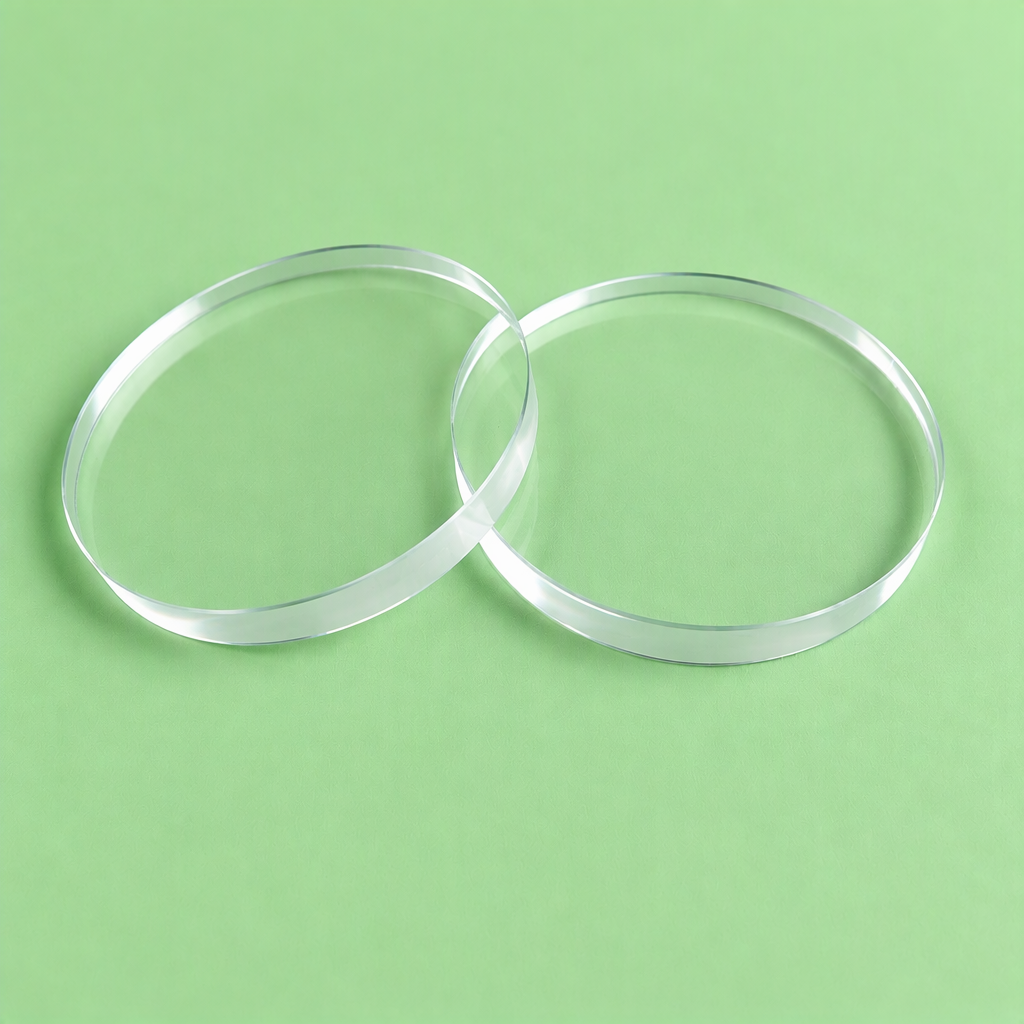
High Strengthen Glass Tempered Glass Custom Size Tempered Clear Glass Panel for Industrial
Custom-size tempered industrial panels for machine guards, control enclosures, clean-room partitions and inspection windows. Tolerances and hole positions are reviewed against your assembly drawing.

High Quality Industrial Screen Front Cover Glass Frosted Anti-glare Glass for Screen Protector
Frosted anti-glare front glass for industrial displays, HMI screens, kiosks and production-floor monitors. A practical option for bright Fort Worth factories and outdoor equipment cabinets.
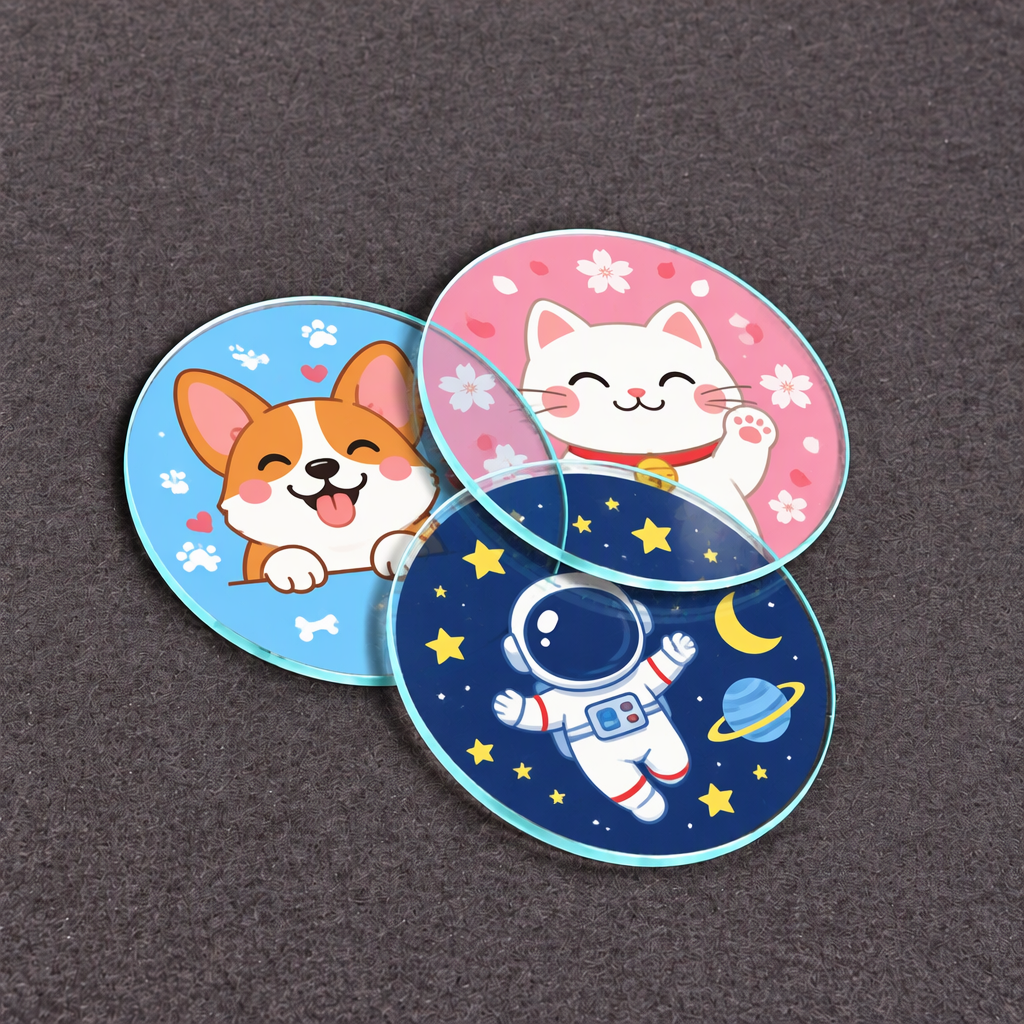
Eco-Friendly Custom Printed Glass Coasters Custom Design Tempered Glass Coaster
Printed tempered glass coasters and small-format promotional glass for hospitality, events and branded merchandise. Eco-friendly inks and custom artwork support Fort Worth hospitality marketing programs.
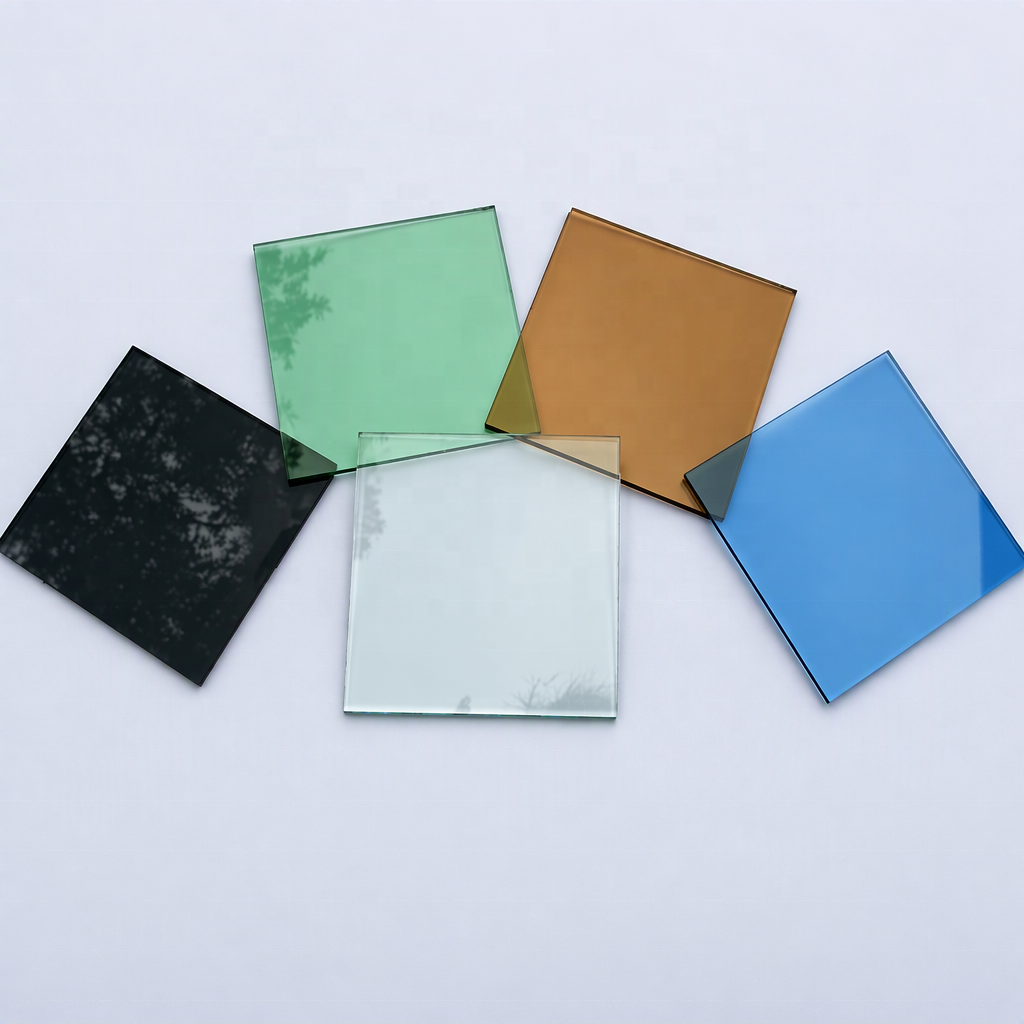
Customized Tinted Tempered Glass Flat Sheet 3mm to 10mm Reflective Colored Glass Toughened Glass
Tinted and reflective flat glass from 3 mm to 10 mm for privacy, solar control and decorative architectural use. Confirm visible light transmission and color consistency with your designer before ordering.
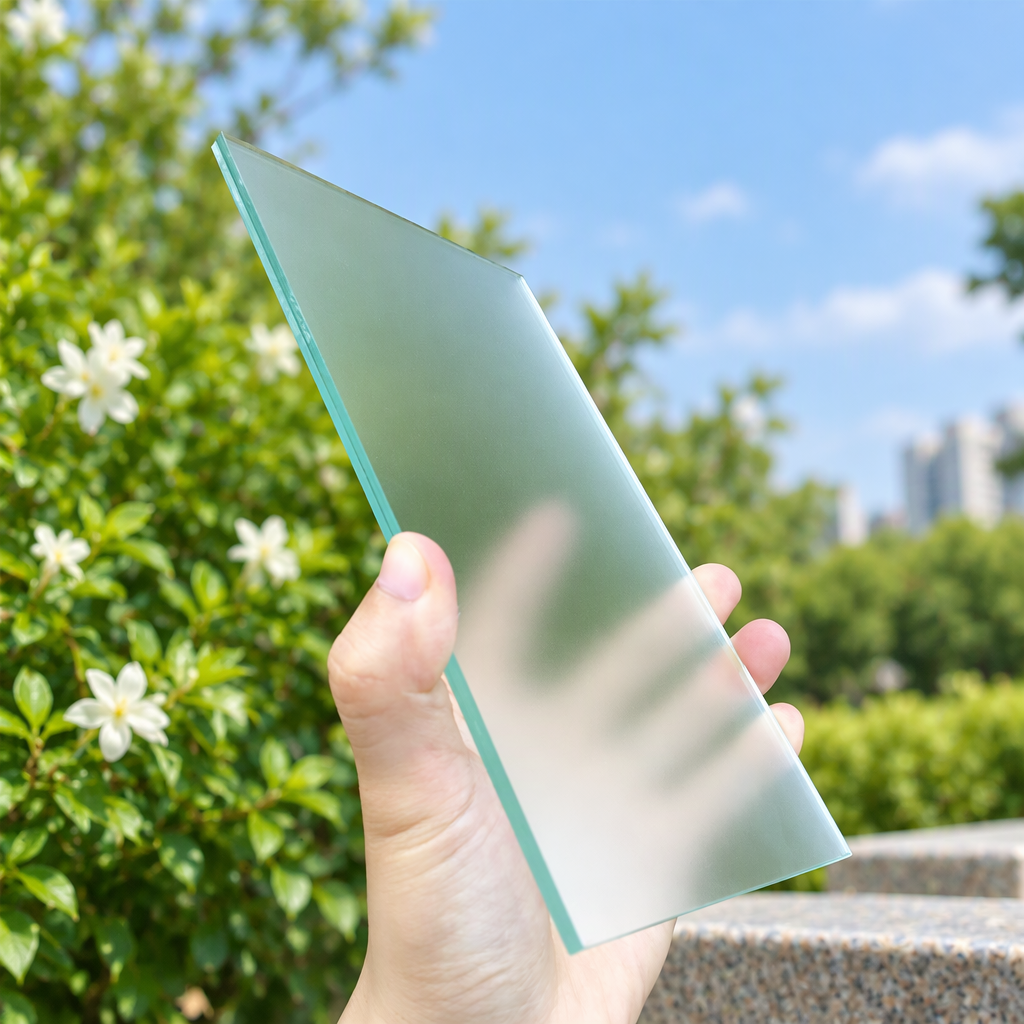
High Quality Industrial Solid Anti-glare Glass Screen Protector Matte Surface Monitor Screen Cover Glass
Matte anti-glare monitor glass for control rooms, laboratories and production-floor displays. The diffuse surface reduces reflections without changing the underlying display enclosure design.
Why Borosilicate Glass Windows Are a Strategic Specification in Fort Worth
Fort Worth combines long summer heat, intense UV exposure and severe-storm cycles with a fast-growing industrial, medical, aerospace and hospitality base. That mix makes glass performance a procurement issue, not only a design preference.
Borosilicate glass is chosen when a window must resist thermal shock, maintain optical clarity and tolerate repeated heating and cooling without the haze, distortion or stress failure risks common to ordinary soda-lime glass. Its coefficient of thermal expansion is roughly 3.3 × 10⁻⁶/K, compared with about 9 × 10⁻⁶/K for typical soda-lime glass. In practical terms, a borosilicate viewing window can accept a sharper temperature gradient across its surface, which is valuable for oven doors, furnace viewports, laboratory fume hoods, high-temperature inspection windows and decorative heat shields.
For Fort Worth buyers, the material decision should be tied to the assembly, not the glass alone. A borosilicate pane may be the right choice for a high-temperature viewport, but it is not automatically a safety glazing product for every building opening. Exterior windows, fire-rated assemblies, impact-resistant storefronts and hail-exposed skylights must be evaluated under the applicable building code, test standard and project specification. Our engineering review therefore starts with the application, mounting method, gasket system, expected thermal gradient, wind load and local code path before a thickness or coating is recommended.
Specification Lens: Borosilicate vs Common Alternatives
| Criteria | Borosilicate Glass | Tempered Soda-Lime Glass | Laminated Safety Glass |
|---|---|---|---|
| Thermal shock resistance | Excellent; low expansion makes it suitable for high-temperature viewing windows when correctly designed. | Good for many architectural and appliance uses, but limited under rapid thermal gradients. | Depends on interlayer and assembly; not primarily a thermal-shock solution. |
| Optical clarity | High clarity; can be supplied clear or ultra-clear with AR/AG/AF coating options. | Good clarity; slight roller-wave or tint may occur depending on thickness and processing. | Good clarity; interlayer and layer count affect color and haze. |
| Breakage behavior | Not automatically safety glazing; behavior depends on thickness, edge finish and assembly design. | Breaks into small blunt fragments when properly tempered. | Holds together after breakage, making it useful for safety and security applications. |
| Best-fit Fort Worth uses | High-temperature viewports, laboratory windows, appliance doors, industrial inspection glass and selected decorative heat shields. | Interior partitions, appliance panels, display covers and non-critical architectural glazing. | Storefronts, doors, balustrades, hail-exposed openings and locations requiring post-breakage retention. |
| Procurement caution | Do not specify by material name alone; state temperature cycle, mounting, gasket and code requirement. | All cutting, drilling and edgework must be completed before tempering. | Confirm interlayer type, thickness, edge seal and manufacturer’s assembly certification. |
This comparison is a screening guide, not a code-compliance opinion. For Fort Worth projects, final selection should be confirmed by the architect, glazing contractor or engineer of record against the applicable test standard and assembly listing.
Where Borosilicate Glass Windows Fit in Fort Worth Projects
Fort Worth’s project mix rewards suppliers who understand both the material and the local use case. The four scenarios below represent common technical inquiries from the Dallas–Fort Worth Metroplex.
Hearth, Outdoor Kitchen and Heat-Shield Windows
Fort Worth’s outdoor-living market includes fire features, patio kitchens and covered terraces. Borosilicate viewing glass can be specified for selected low-pressure heat-shield and decorative applications, while wood-burning appliances should use the glass-ceramic or listed assembly required by the appliance manufacturer.
Industrial Process and Equipment Windows
AllianceTexas, South Fort Worth manufacturing and energy-service facilities need inspection windows for ovens, furnaces, test cells, process vessels and machine guards. Clear borosilicate viewports with polished edges and high-temperature gaskets can reduce distortion and maintenance downtime.
Laboratory, Medical and Instrument Glazing
The Fort Worth medical district and growing biotech supply chain require fume-hood sashes, instrument covers, sterilizer windows and chemical-resistant viewports. Borosilicate’s chemical durability and clarity support clean, repeatable visual inspection in controlled environments.
Architectural Features and Interior Details
For Cultural District renovations, hospitality interiors and brand environments, borosilicate can be used in selected decorative panels, signage covers and protected interior features. Exterior architectural glazing should be evaluated as a full assembly with the project’s wind, impact and safety requirements.
Market Trends Shaping Borosilicate Window Demand in Fort Worth
Procurement behavior in Fort Worth is changing as local manufacturers, builders and facility teams seek more traceable, heat-resilient and application-specific glass solutions.
Resilient, High-Performance Envelopes
North Texas hail and severe-storm events are pushing buyers toward verified assemblies rather than generic “tempered glass” language. Borosilicate is rarely the exterior pane by itself; it is more often part of a specialized high-temperature or technical assembly where performance data matters.
Electrification of Outdoor Living and Appliances
Outdoor kitchens, patio heaters, fire features, appliance upgrades and high-end cooking equipment create more high-temperature viewing surfaces. Buyers want glass that resists thermal cycling and keeps a clean visual finish after repeated use.
Reshoring and Technical Procurement
Fort Worth manufacturers are consolidating suppliers and asking for drawings, inspection records, material declarations and packaging validation. Export factories with ISO 9001 procedures and SGS onsite assessment are better positioned to support these procurement workflows.
Data Centers, Labs and Advanced Manufacturing
Data-center equipment, laboratory instruments and advanced manufacturing cells require viewing windows that do not haze under heat or interfere with optical inspection. Custom borosilicate windows with AR, AG or AF coatings are increasingly specified at the design stage.
Borosilicate Window Configurations We Recommend for Fort Worth Buyers
These configurations reflect common inquiries from the Fort Worth market. They are starting points for engineering review, not off-the-shelf promises.
Thermal-Shock Viewport Windows
Specify 3.3 borosilicate, 4–10 mm, with polished edges, verified flatness and a compatible high-temperature gasket. Provide the expected temperature gradient and cycle frequency so thickness and mounting can be reviewed.
High-Temperature Appliance Doors
For oven, heater and equipment doors, confirm the appliance listing first, then define glass thickness, print window, edge treatment and thermal barrier. Borosilicate can be considered where the assembly design supports it.
Laboratory Fume Hood and Instrument Windows
Use chemical-resistant borosilicate with clean edge quality, optional AR/AG/AF coating and documentation for incoming inspection. Clarify chemical exposure, cleaning agents and sash hardware before sampling.
Decorative and Protected Interior Features
For interior feature panels, signage covers and protected architectural details, combine borosilicate’s clarity with printed graphics, tinted glass or anti-reflective coating. Exterior use requires a full assembly review.
Manufacturer Advantages That Matter to Fort Worth Buyers
Qingdao Maupe Glass Co., Ltd. is an ISO 9001 glass deep-processing manufacturer and exporter founded in 2012, not a trading shell. Our factory combines cutting, CNC shaping, edge polishing, drilling, engraving, silk screen printing, physical tempering, chemical strengthening and AR/AG/AF coating under one roof.
Full-Process Control
Cutting, CNC, edging, drilling, printing, tempering, chemical strengthening and coating are managed as one production chain. This shortens lead times and makes tolerance and color consistency traceable from raw sheet to packed carton.
Verifiable Certifications
ISO 9001 certificate 24025Q20015R1S, RoHS 25TYT12395 and CE 23TYT082593S are listed for compliance review. The company has also been onsite-assessed by SGS Group as a third-party inspection supplier.
OEM / ODM Engineering Support
Send a 2D drawing, print artwork, thickness and coating requirement. Engineers review manufacturability, tolerance and strengthening method, then produce samples for fit, color and touch verification before mass production.
Export Logistics for Fort Worth
The factory is close to Qingdao seaport and airport. Accepted delivery terms include FOB, CIF, EXW, FAS, FCA, CPT, DDP, DDU and express delivery, with T/T, L/C, PayPal and Western Union payment options.
Quality Inspection Culture
Incoming material and finished product inspection are part of the production workflow. For fragile technical glass, packaging is treated as an engineering task, with protective separation, edge protection and export carton validation.
Global Export Experience
With 80+ export countries, 91–100% export share and Fortune 500 supplier experience, the team understands international documentation, packaging expectations and the communication rhythm required by professional buyers.
 Factory overview: 3,000–5,000 m² production area and export-focused workflow.
 Cutting and processing workshop for custom glass dimensions and edgework.
 Silk screen printing line for logos, touch zones, borders and functional graphics.
From Drawing to Fort Worth Delivery in Four Controlled Stages
A transparent workflow for purchasing, engineering and quality teams.
Drawing and Application Review
Engineers check dimensions, thickness, edge finish, holes, tolerance, thermal exposure and the intended Fort Worth application before quoting.
Material and Sample Validation
Samples are produced for fit, print color, coating appearance and touch-zone alignment. Approval is documented before mass production.
Production and In-Process QC
Cutting, edging, printing, strengthening, coating and inspection proceed through controlled stages on 8 production lines.
Export Packing and Delivery Support
Protective export packing, documentation and freight coordination from Qingdao to Fort Worth via sea, air or door-to-door DDP service.
Common Questions from Fort Worth Borosilicate Glass Buyers
These are the questions we receive most often from architects, OEMs, fabricators and facility teams in the Fort Worth market.
Are you a borosilicate glass window manufacturer in Fort Worth, or an exporter serving Fort Worth?
We are a glass deep-processing manufacturer based in Qingdao, China, exporting to the Fort Worth market. We support Fort Worth buyers with drawing review, sampling, production, export packing and freight coordination. We do not claim a local Fort Worth factory; we compete on engineering support, certified quality systems and export experience.
What thickness should I specify for a high-temperature borosilicate viewing window?
Thickness depends on window size, temperature gradient, mounting, gasket compression, pressure differential and safety requirements. Many technical viewports start in the 4–10 mm range, but the correct answer comes from the application data. Send the drawing, expected temperature cycle and assembly method for an engineering review.
Can borosilicate glass survive Fort Worth hail?
Do not assume that the word “borosilicate” equals hail resistance. Hail performance depends on the complete glazing assembly, thickness, heat treatment, laminating, mounting and test standard. For exterior openings in Fort Worth, use a qualified local engineer and specify an assembly that meets the applicable impact and safety requirements.
What is the MOQ and lead time for custom borosilicate windows shipped to Fort Worth?
Most custom silk-screen printed glass projects start from 10 to 100 pieces depending on size, thickness and print colors. Large-format display cover glass can start from 10 pieces. Lead time depends on sample approval, material availability and coating requirements; request current scheduling with your drawing.
Can you add printed borders, logos, AR/AG/AF coatings and CNC edges?
Yes. Our process chain includes CNC shaping, edge polishing, drilling, engraving, silk screen printing with eco-friendly inks, physical tempering, chemical strengthening and AR, AG and AF coating. Coating compatibility with borosilicate and the final assembly is confirmed during sample review.
Which documents can a Fort Worth compliance team verify?
We can provide ISO 9001, RoHS and CE documentation, certificate numbers, material and inspection records, packing details and drawing-based inspection criteria. The company has been onsite-assessed by SGS Group, and we welcome buyer audits and third-party inspection arrangements for qualified projects.
Request a Fort Worth–Ready Borosilicate Window Quote
Send your drawing, glass thickness, temperature exposure, coating requirement and estimated annual volume. Our engineers will review manufacturability and respond with a practical specification path for the Fort Worth market.
Send an InquiryEmail: info@maupeglass.com · ISO 9001 · RoHS · CE · SGS Onsite Assessed · Exporting since 2012 to 80+ countries.