CE Certified Glass Prism Manufacturer & Suppliers for the Japan market
An evidence-led procurement guide for Japanese OEMs, design engineers and trading houses comparing CE-supported prism glass, optical flat glass, tempered display cover glass and functional device panels.
8 CE-Ready Glass & Prism-Adjacent Products for Japanese OEM Projects
These are representative products from the current Qingdao Maupe Glass range. Japanese buyers often begin with a 2D drawing, a print artwork file and a target application; the factory then confirms thickness, strengthening method, coating, packing and documentation before quotation.

Glass Factory Customized High Quality Transparent Display Touch Screen Glass Silk Screen 9H Hardness Industrial Screen Protector
Suited to factory automation panels, self-service terminals and medical equipment interfaces where readable glass and durable touch surfaces matter.
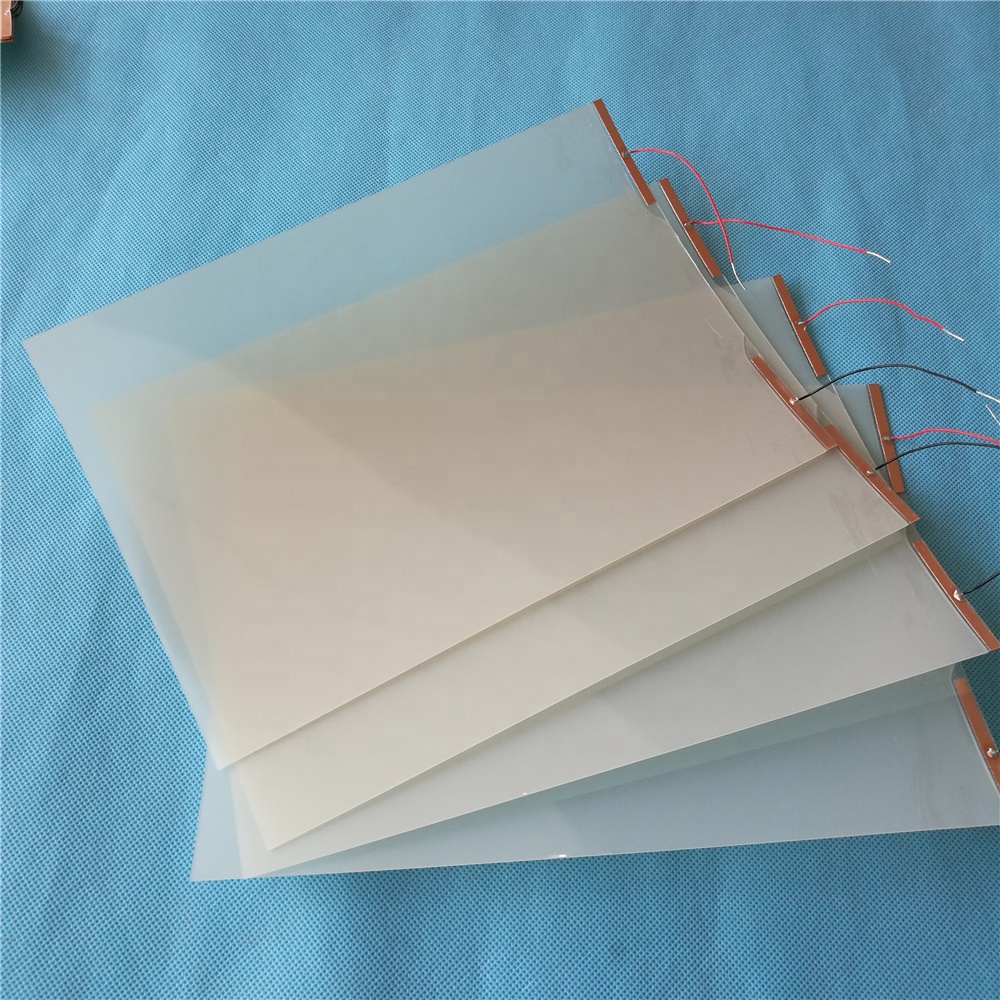
Factory Price Electrochromic Anti-UV PDLC Film Smart Switchable Privacy Glass Office Partition and Curtain Walls
A useful option for Tokyo and Osaka office refurbishments, clinics, meeting rooms and hotel interiors where on-demand privacy is valued.
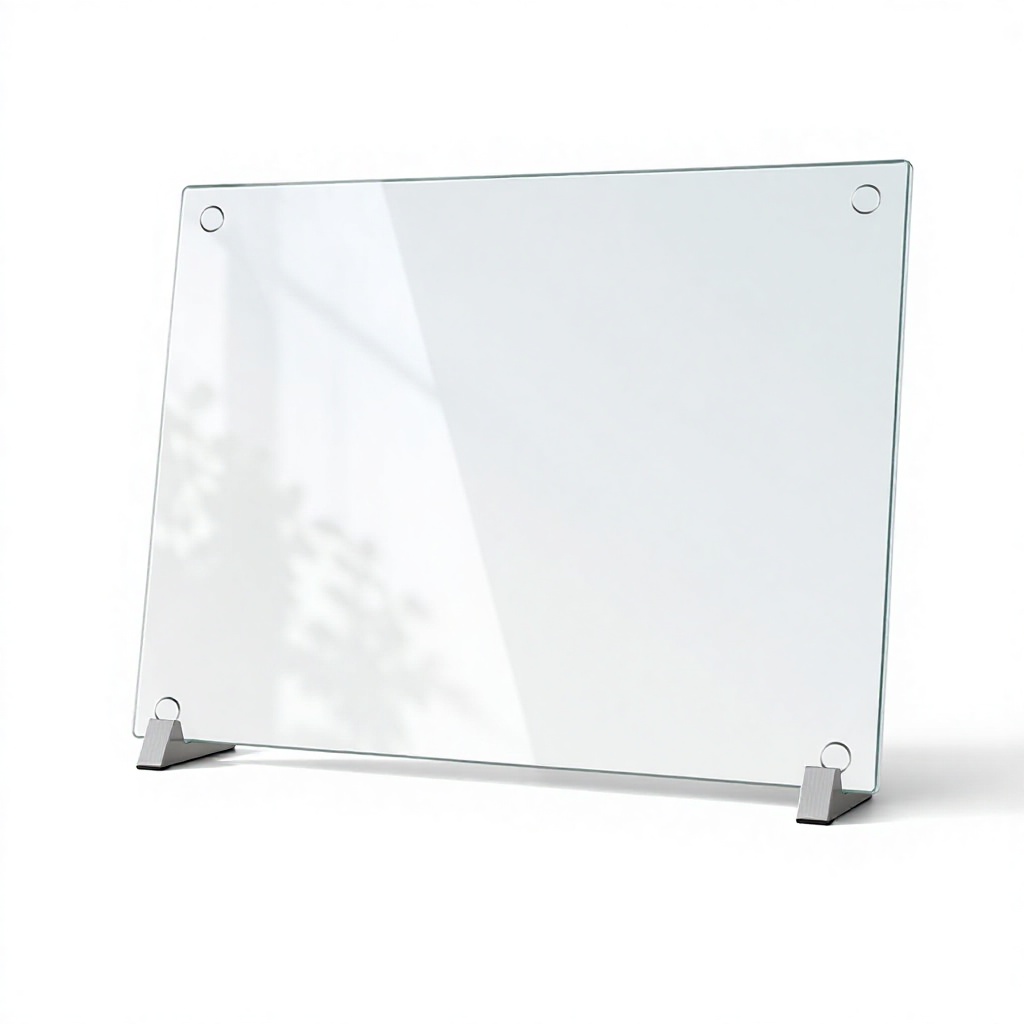
Custom Size Clear Tempered Glass Curtain Wall Panel Multi Function Print Glass Whiteboard Glass
Ideal for meeting rooms, schools, showrooms and design studios that require easy-clean writing surfaces and crisp printed graphics.
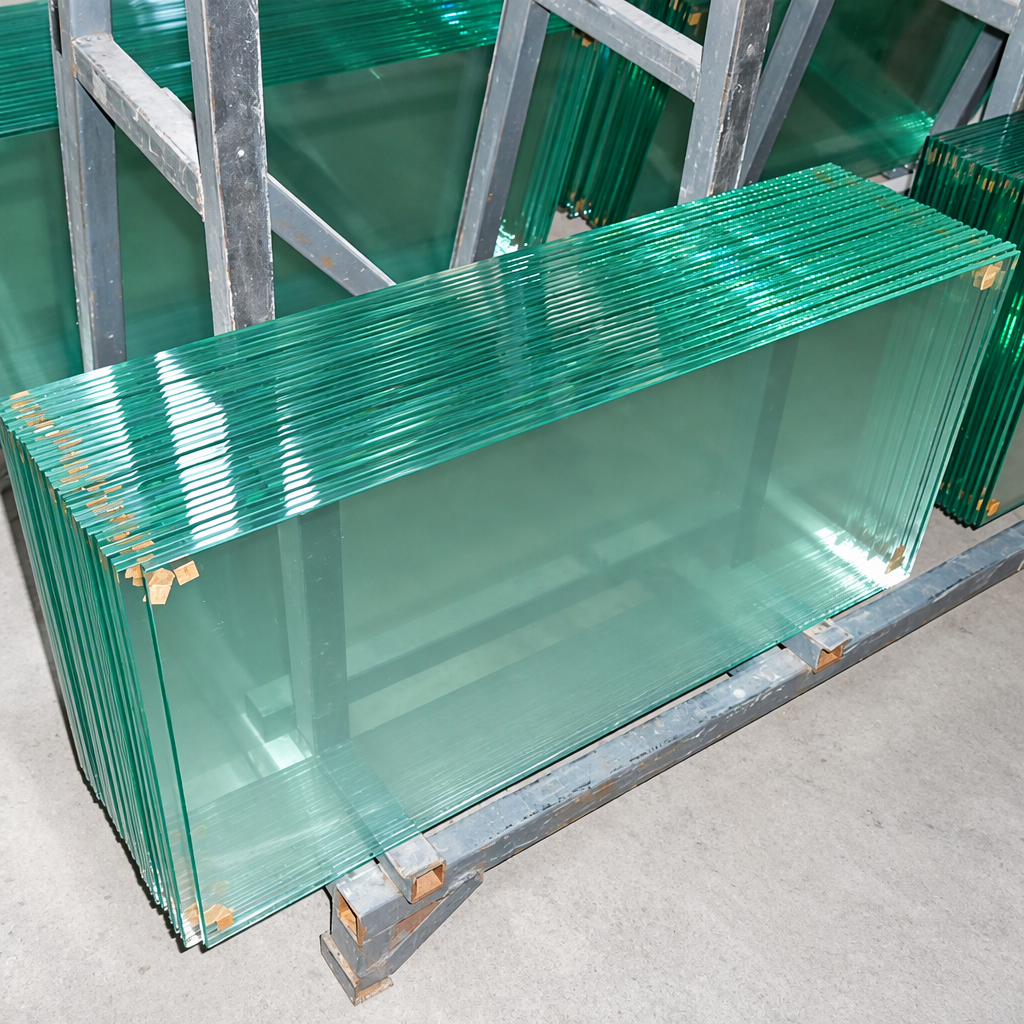
Construction & Real Estate Float Glass Factories in China Tempered Glass
Used where specifiers need tempered float glass cut to drawing for partitions, doors, interior glazing and selected façade elements.
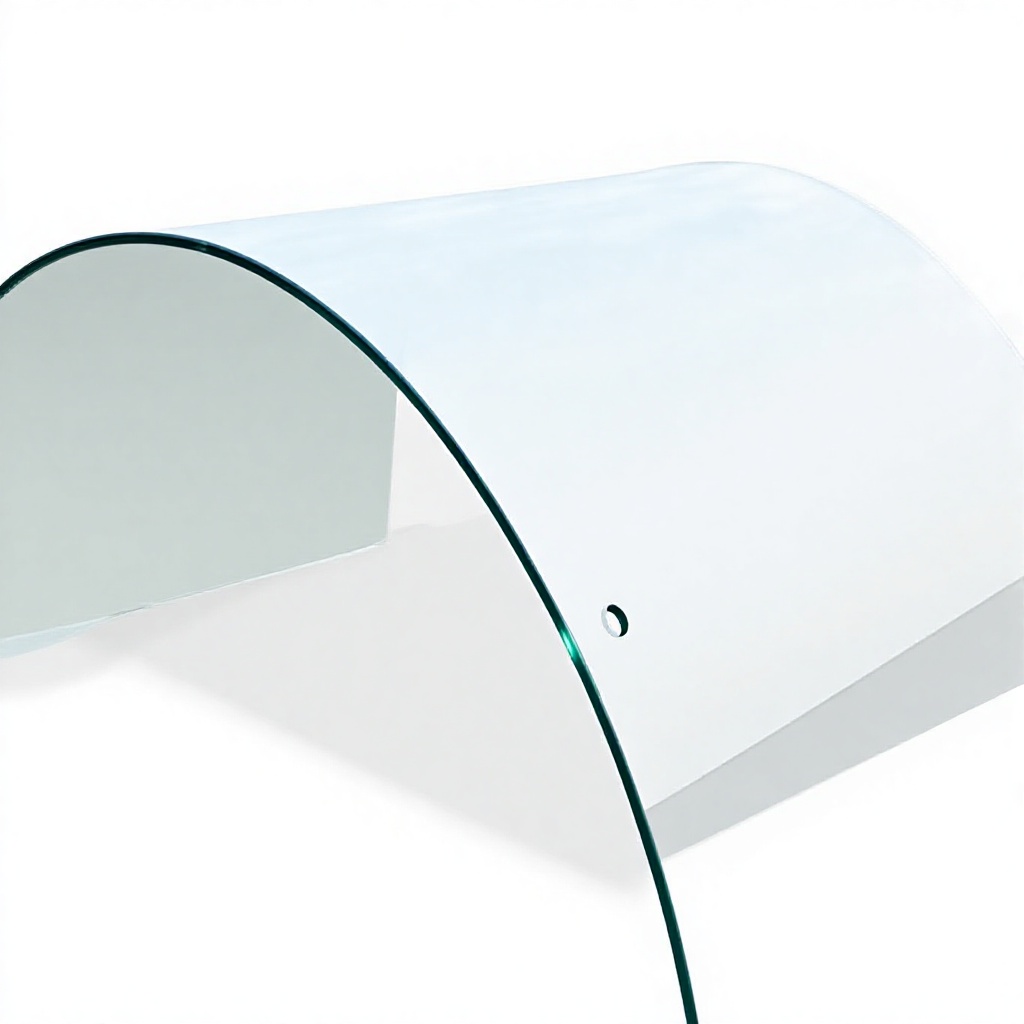
Custom Curtain Wall Glass Balcony Glass Tempered Glass Curved
Feasibility depends on radius, thickness, edge finish and safety requirements; Japanese project teams should share elevation and curvature data early.
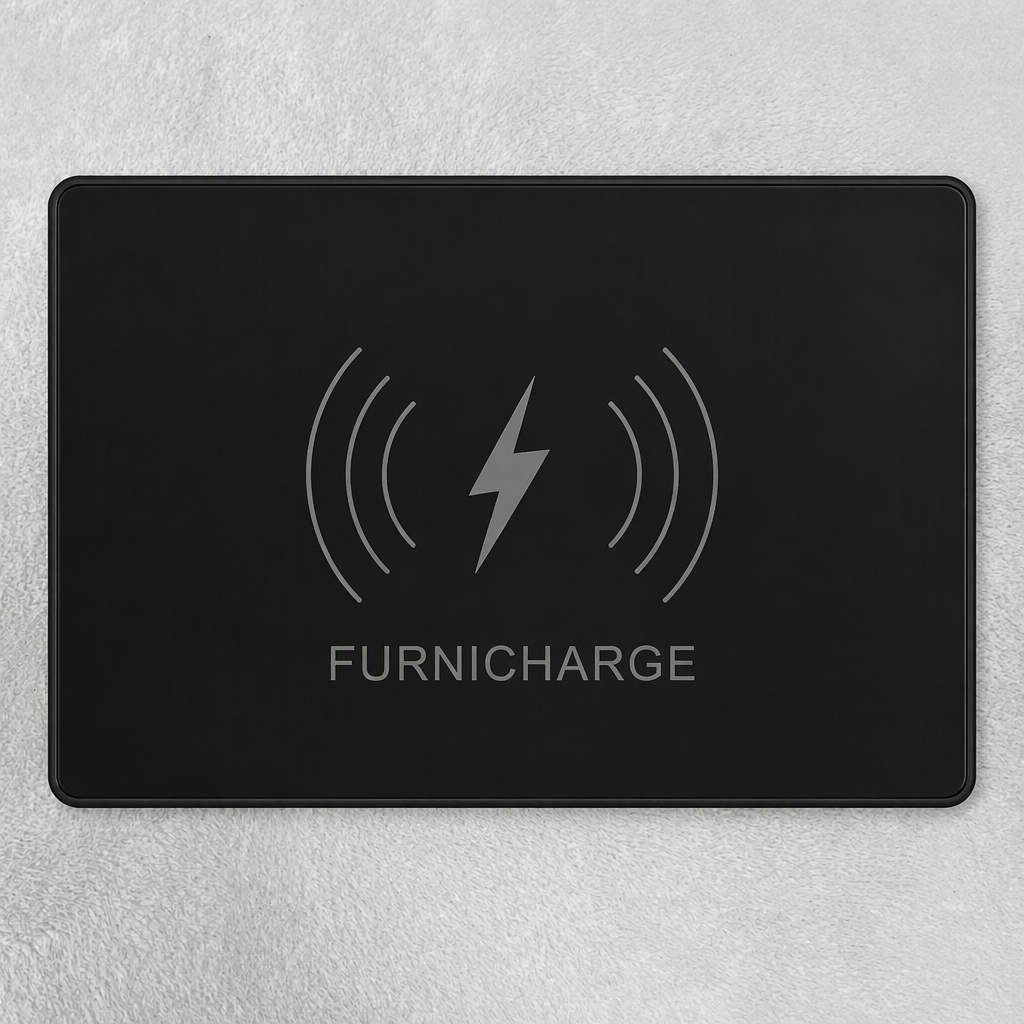
Smart Tempered Glass Bedside Table Panel for Tea Table Wireless Charging Front Cover Glass Touch Light Switch Glass
Designed for hotel rooms, compact apartments and furniture brands combining wireless charging, backlit icons and a premium glass surface.

Tempered Glass Panel With 3M Adhesive Tape Silk Screen Printing for Electrical Appliance Decoration Front Cover Glass
A strong choice for Japanese appliance and electrical equipment brands that need decorative glass with accurate icons and reliable assembly tape options.
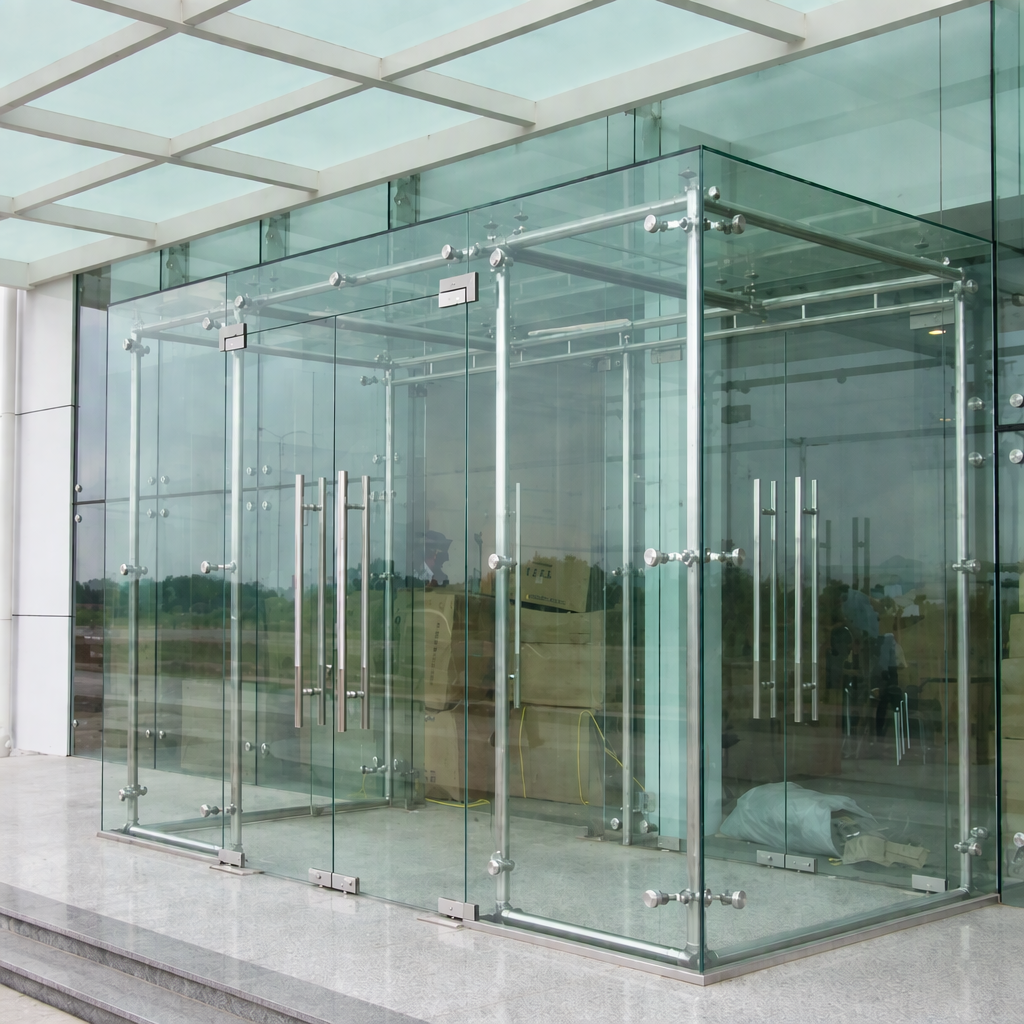
Tempered Glass Solar Window Glass High Transmittance Clear Flat Tempered Glass
Relevant to ZEH/ZEB projects, solar windows, daylighting studies and building-integrated photovoltaic prototypes where transmission and flatness matter.
What “CE Certified Glass Prism Manufacturer & Suppliers for the Japan market” Really Means
The search phrase “CE certified glass prism manufacturer” combines three buying signals: a component name, a compliance expectation and a supplier-country or export-market filter. In Japan, the same request can arrive from a procurement team at a Tokyo electronics OEM, an Osaka trading house supporting a factory automation project, a design studio developing a retail display, or a construction contractor comparing glass processors for a completed interior programme. The practical requirement is rarely just “a prism”. It is usually a precision glass component, a prism-like optical window, a decorative prismatic panel, a display cover glass or a tempered control panel that must fit an assembly, pass incoming inspection and carry acceptable documentation.
For that reason, this guide separates two questions. First, is the requested geometry within flat-glass deep-processing scope—cutting, CNC shaping, edge polishing, drilling, silk screen printing, tempering, chemical strengthening and AR/AG/AF coating? Second, what evidence does the Japanese buyer need for the part number, drawing revision and final application? A supplier that can quote quickly but cannot discuss tolerances, strengthening method and compliance scope creates avoidable risk later. A useful CE-certified glass prism manufacturer and supplier for the Japan market should be able to explain which certificates apply, which tests are project-specific and how packaging will survive international transport.
Japan-Focused Application Scenarios for Glass Prism & Functional Glass Components
Japanese product development often rewards suppliers who can support compact designs, precise visual details and stable repeat production. The application cards below show where the eight recommended products are most likely to fit.
Smart home & switch panels
Touch light switches, 86-type wall panels and scene controllers for Japanese apartments and renovated houses. Print clarity, backlight windows and scratch resistance are key.
Office privacy & partitions
PDLC switchable glass supports meeting rooms, clinics, hotel interiors and financial offices where acoustic planning and visual privacy are reviewed together.
Kitchen & appliance glass
Cooktop panels, oven doors, refrigerator fronts and small-appliance controls require heat-resistant printing, consistent color and clean adhesive assembly.
Industrial HMI & kiosks
Factory automation terminals, ticketing machines and medical displays benefit from AR glare reduction, AG diffusing surfaces, AF easy-clean coatings and 9H hardness options.
Building & balcony glazing
Curved balcony glass, tempered wall panels and decorative glazing need early coordination on radius, edge type, safety requirements and site access.
ZEH, ZEB & solar windows
High-transmittance solar glass is relevant to daylighting, building-integrated photovoltaic studies and low-carbon building programmes in Japan.
Hospitality & smart furniture
Bedside tables, tea tables and hotel consoles can integrate wireless charging zones, touch lighting and printed glass surfaces without losing a clean design language.
Access control & elevators
Card reader windows, smart lock covers, elevator touch buttons and face-recognition terminals demand precise print registration and durable surface treatment.
Localised Development Trends Reshaping Glass Component Procurement in Japan
Japan’s sourcing decisions are influenced by precision manufacturing, demographic change, energy policy, safety expectations and a strong preference for documented consistency. These trends are practical, not abstract.
High-mix, low-volume production
Japanese OEMs often need multiple small variants rather than one huge standard part. Suppliers must manage drawings, print revisions, samples and repeat orders without losing traceability.
Carbon neutrality, ZEH and ZEB
Building programmes increasingly review solar control, daylighting and BIPV. High-transmittance glass, patterned cover glass and solar window samples can support early-stage energy studies.
Touch-first interfaces
Switch panels, appliance controls, elevators and kiosks continue to move toward glass touch surfaces with backlit icons, anti-fingerprint treatment and robust edge finishing.
Readability in bright environments
AR and AG coated display cover glass is increasingly relevant for medical screens, outdoor signage, factory floors and public terminals where reflections reduce usability.
Safety and seismic resilience
Construction glass discussions in Japan often involve tempered or laminated safety glass, edge quality and application-specific approvals. Supplier data should match the final project specification.
Documented quality and JIT delivery
Purchase teams increasingly ask for first-article inspection, material declarations, packing photos, carton labels and shipping documents before releasing repeat orders.
What Japanese Buyers Usually Score Before Shortlisting a Glass Supplier
The weighting below is an illustrative decision model for discussion, not a published Japanese industry standard. It reflects the priorities often seen in high-mix, quality-sensitive component sourcing, where documentation and communication can be as decisive as unit price.
Illustrative supplier-selection weighting
Use this as a checklist during RFQ review. Adjust the weights for your own programme, especially if the part is safety-related, optical, or intended for a regulated end product.
| Item to confirm | Why it matters |
|---|---|
| Strengthening method | Physical tempering suits thicker panels and safety-breakage needs; chemical strengthening suits thin 0.5–2 mm cover glass where flatness and optics matter. |
| Print and color control | Silk screen ink, layer order and color references should be agreed before sampling, especially for backlit icons and appliance front panels. |
| Coating requirement | AR, AG and AF treatments change visual performance, cleaning behavior and cost. State the working environment and reading distance. |
| Inspection evidence | Agree dimensions, visual criteria, sample approval and whether a first-article inspection report is required before mass production. |
| Packing and labels | Japanese warehouses often require clear carton labels, barcodes and protective interleaving for small-lot delivery and line-side handling. |
| Criteria | Physical Tempered | Chemically Strengthened |
|---|---|---|
| Typical thickness | About 2 mm and thicker | 0.5–2 mm thin glass |
| Breakage pattern | Small blunt fragments, useful for safety glass | Larger pieces, more like annealed glass |
| Optics and flatness | Very good; slight roller wave possible | Excellent flatness; no thermal distortion |
| Best-fit applications | Appliance doors, switch panels, display windows, industrial covers | Touch covers, small electronics, precise optical windows |
| Process point | Cutting, drilling and edging must be completed before strengthening; coating and print sequence must be confirmed with the supplier. | |
Why Qingdao Maupe Glass Is a Practical Partner for Japan-Market Buyers
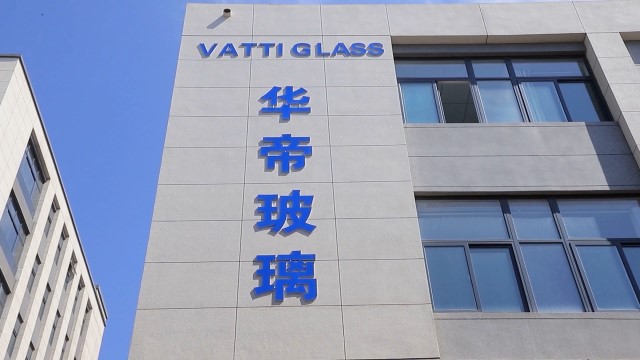
Founded in 2012 in Qingdao, Shandong, Qingdao Maupe Glass Co., Ltd. is a glass deep-processing manufacturer and international supplier operating under an ISO 9001 quality management system. The factory sits close to Qingdao seaport and airport, which helps keep export logistics simple and makes supplier visits convenient for Japanese buyers and trading companies.
One factory, a complete process chain
Keeping cutting, CNC shaping, edge polishing, drilling, engraving, silk screen printing, tempering, chemical strengthening and AR/AG/AF coating under one roof shortens lead times and makes tolerance and color consistency easier to trace from raw sheet to packed carton. The factory is also experienced in PDLC smart glass, solar glass, teleprompter glass, AR glass and special glass projects.
Silk screen printed glass uses RoHS-compliant eco-friendly inks and high- and low-temperature printing processes. This provides scratch- and wear-resistant decorative and functional printing for displays, electronic control equipment, instrument covers, household and kitchen appliances, furniture and decorative partitions.
The company has been onsite-assessed by SGS Group as a third-party inspection company and is described as a Fortune 500 supplier with procurement contract verification. For Japanese buyers, those signals are useful starting points—but they should still be matched with drawing-level review, sample approval and the documentation package required by the final product programme.



*MOQ depends on size, thickness, number of print colors and coating. Large-size display cover glass can start from 10 pieces; many custom printed panels start from 10–100 pieces. Samples are available for fit and print verification before mass production.
Precision cutting and CNC
Straight, round and special-shaped parts profiled from clear, ultra-clear, tinted and high-alumina sheet to match your drawing.
Edge polishing and drilling
Flat, pencil and beveled edges, safety corners, countersunk holes, notches and engraved details for clean assembly.
Silk screen printing
High- and low-temperature inks, multi-color layouts, logos, icons and touch zones with scratch-resistant finish options.
Physical tempering
Heat-strengthened safety glass for appliance doors, switch panels, display windows and industrial covers that must resist impact and heat.
Chemical strengthening
Ion-exchange strengthening for thin cover glass where flatness, optical clarity and strength are required at the same time.
AR / AG / AF coating
Anti-reflective, anti-glare and anti-fingerprint treatments for readable screens in bright, industrial and medical environments.

ISO 9001 Quality Management
Certificate No. 24025Q20015R1S · Scope: float glass and technical glass products · Valid to 02/2028.

RoHS Compliance
Certificate No. 25TYT12395 · Restricts hazardous substances for EU electrical and electronic equipment · Valid to 12/2030.

CE Marking Documentation
Certificate No. 23TYT082593S · Tempered glass · Supports EU/EEA market access where the applicable directive route is confirmed · Valid to 08/2028.
Common Questions Japanese Buyers Ask About CE-Certified Glass Prism & Tempered Glass Supply
These answers are written for procurement, engineering and quality teams comparing custom glass suppliers. Final requirements should always be confirmed against the drawing, application and applicable regulation.
1. Is CE certification required to import glass components into Japan?
+
CE marking is mainly a European conformity system, not a universal import requirement for every glass component in Japan. Japanese market requirements depend on the final product: complete electrical appliances may involve PSE and J-Moss considerations, construction glass may be reviewed under the Building Standard Law, and customers may request JIS-related evidence or RoHS declarations. For a CE-certified glass prism or tempered glass component, ask the supplier to identify which certificate applies to the exact SKU and which declaration supports the end product. This prevents overclaiming and helps your compliance team build a defensible file.
2. Can Qingdao Maupe Glass support small prototypes and low-volume orders for Japanese product development?
+
Yes, within practical limits. Many custom silk screen printed panels start from 10–100 pieces depending on size, thickness and number of print colors. Large-size display cover glass can start from 10 pieces. Samples are available for fit and print verification before mass production. For Japanese development teams, the most efficient RFQ includes a 2D drawing, thickness, edge finish, hole positions, tolerance, print artwork, color references and the intended working environment.
3. Should we choose physical tempered glass or chemically strengthened glass for a Japan-market device?
+
Physical tempering is usually considered for glass around 2 mm and thicker, such as appliance doors, switch panels and display windows, because it breaks into small blunt fragments. Chemical strengthening is often preferred for thin glass from 0.5 mm to 2 mm where excellent flatness and optical quality are needed, including touch covers and precise display windows. The final choice should be confirmed with the glass processor against impact requirements, assembly method and the end product’s safety review.
4. What documentation can be provided for Japanese incoming inspection?
+
Typical documents include the approved drawing, sample approval record, material and coating information, RoHS/CE/ISO documentation where applicable, packing list, commercial invoice and inspection records agreed at RFQ. If your programme requires first-article inspection or a PPAP-style package, state this before quotation so the scope can be reviewed. Certificate numbers should be listed so your compliance team can verify them with the issuing bodies.
5. Can the factory handle Japanese packaging, carton labels and just-in-time delivery?
+
Yes, packaging can be customized when agreed at order stage. Common requests include protective interleaving, moisture protection, reinforced cartons, barcode labels, Japanese shipping marks and carton-level quantity control. The factory can prepare export packing for sea or air freight. For strict just-in-time or kanban programmes, discuss the forecast, order frequency, safety stock and label format early so the supply plan is realistic.
6. What shipping terms and payment methods are accepted for Japan orders?
+
Accepted delivery terms include FOB, CIF, EXW, FAS, FCA, CPT, DDP, DDU and express delivery. Accepted payments include T/T, L/C, PayPal, Western Union and cash, in USD, EUR or CNY. Qingdao is well positioned for shipments to Japanese ports such as Tokyo, Yokohama, Nagoya, Osaka and Kobe, with schedules and Incoterms confirmed for each project.
7. Can you produce decorative prismatic or optical-looking glass with precise print and coating details?
+
For decorative prismatic effects, printed graphics, AR/AG/AF coatings, silk screen icons and functional windows, the factory can review the drawing and define a feasible manufacturing route. If the RFQ is strictly an optical prism with angular tolerances, polarization specifications or imaging-grade surface requirements beyond flat-glass processing, the engineering team will confirm whether it fits the available process scope or requires a specialist optical partner. This honest technical boundary is important for Japanese buyers who need a reliable production file, not just a fast quotation.
8. How do we start a CE-certified glass prism or tempered glass project for the Japan market?
+
Send a 2D drawing in DWG, DXF or PDF with dimensions, thickness, edge finish, hole positions and tolerance. Include print artwork in AI or PDF with color references, state any AR, AG or AF coating requirement, describe the working environment and annual volume, and identify the final application country. The supplier can then respond with manufacturability feedback, recommended strengthening method, sample plan, MOQ and export packing proposal.
Have a Drawing Ready? Let Our Glass Engineers Review It.
Share your specifications for a manufacturability assessment, compliance-route discussion and Japan-oriented packing proposal. Include the drawing, print artwork, application, target quantity and expected delivery port.