Recommended CE-Ready Glass Products for Mexico City Buyers
These eight product paths cover the most common requests we receive from solar EPC teams, inverter and energy-storage brands, industrial screen integrators, and architectural glass importers. All product URLs are preserved below; custom dimensions, print artwork, coatings, edge profiles and packing can be engineered to your drawing.
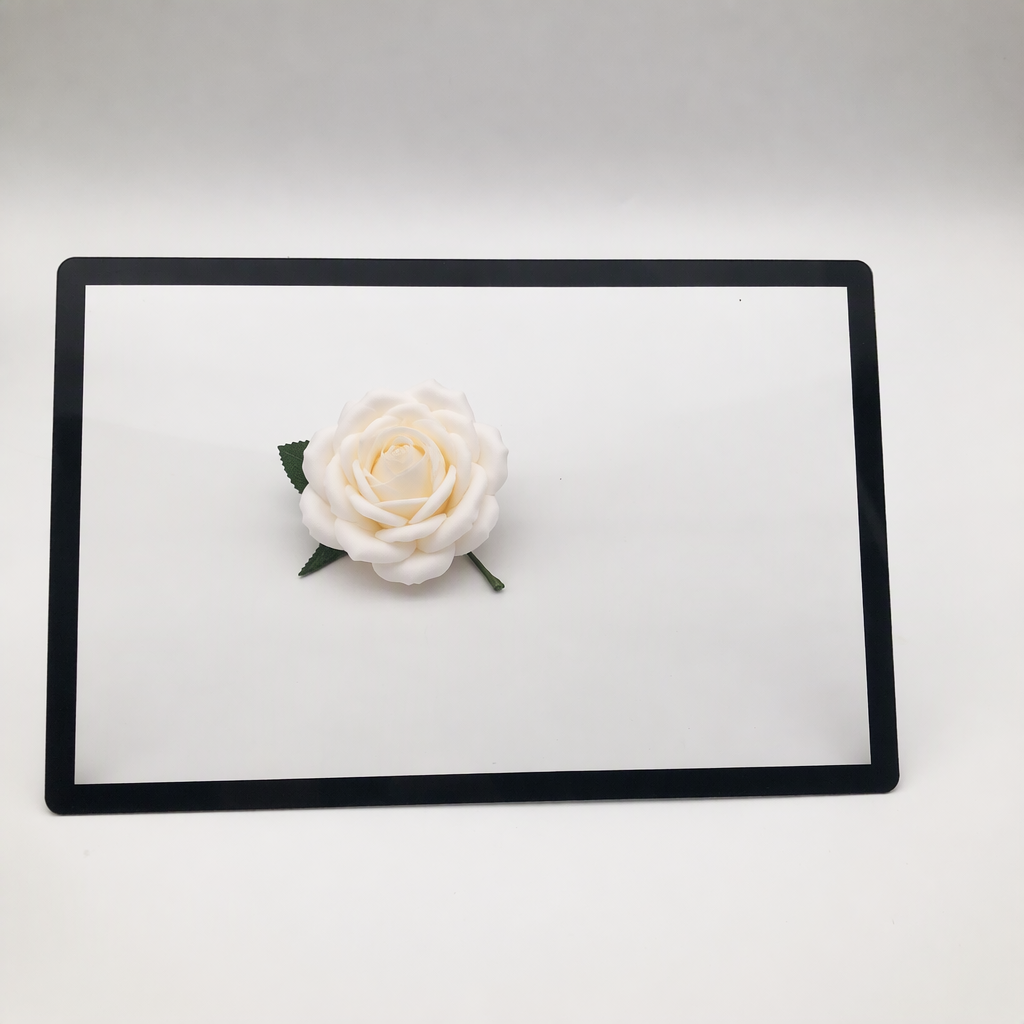
Ultra-Thin Silk Screen Printed Tempered Glass for Display Panels
Thin, lightweight cover glass for compact monitoring screens, inverter HMIs, smart meters and energy devices where print accuracy and optical clarity matter.
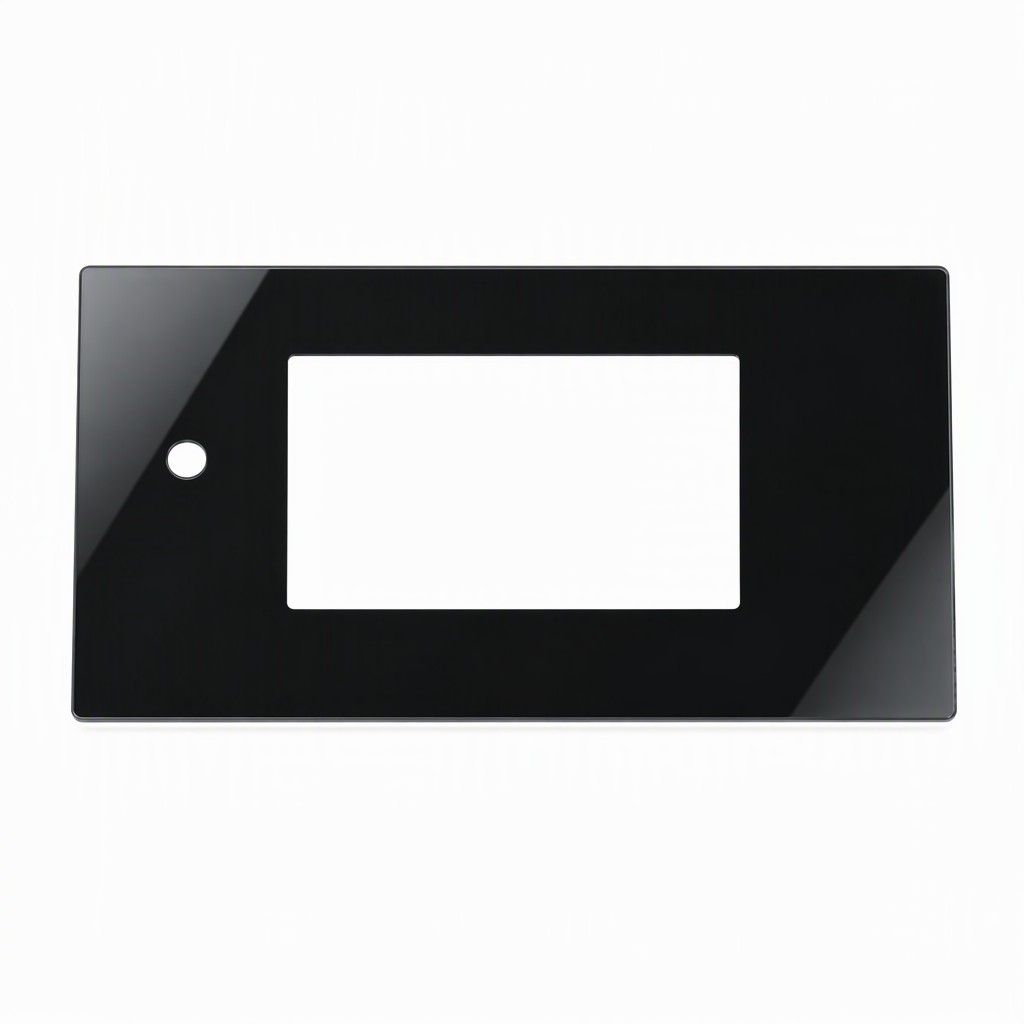
Gorilla Glass Display Protection Cover AR AF Coated LCD Touch Panel Digitizer Front Cover Glass for Industrial Medical Screens
AR reduces reflection under bright high-altitude daylight while AF supports easier cleaning in dusty urban service environments and clinical touch use.
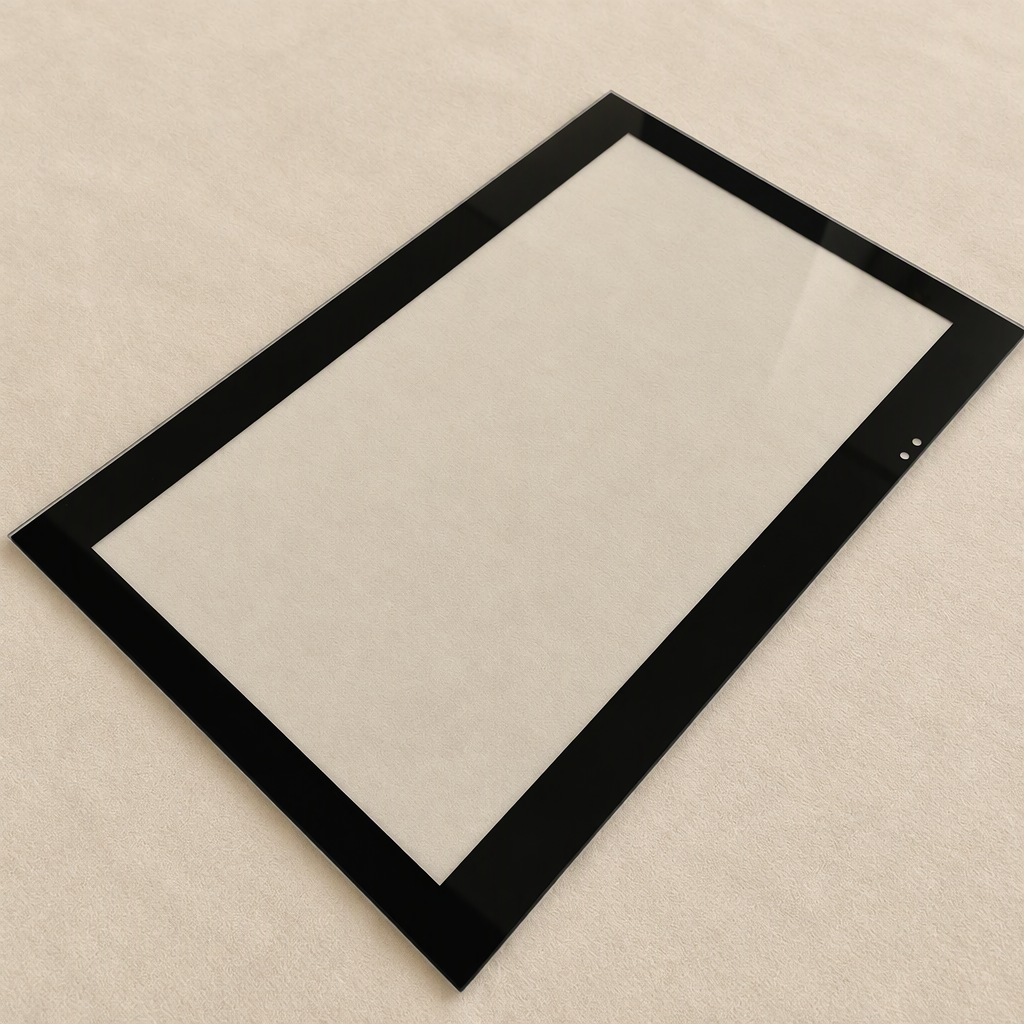
Tempered Glass Panel Silk Screen Printed Flat Display Screen Protector Glass for LCD TV Industrial Decoration
Flat printed tempered panels for LCD TVs, equipment windows, control-room monitors and decorative covers with custom borders and touch zones.
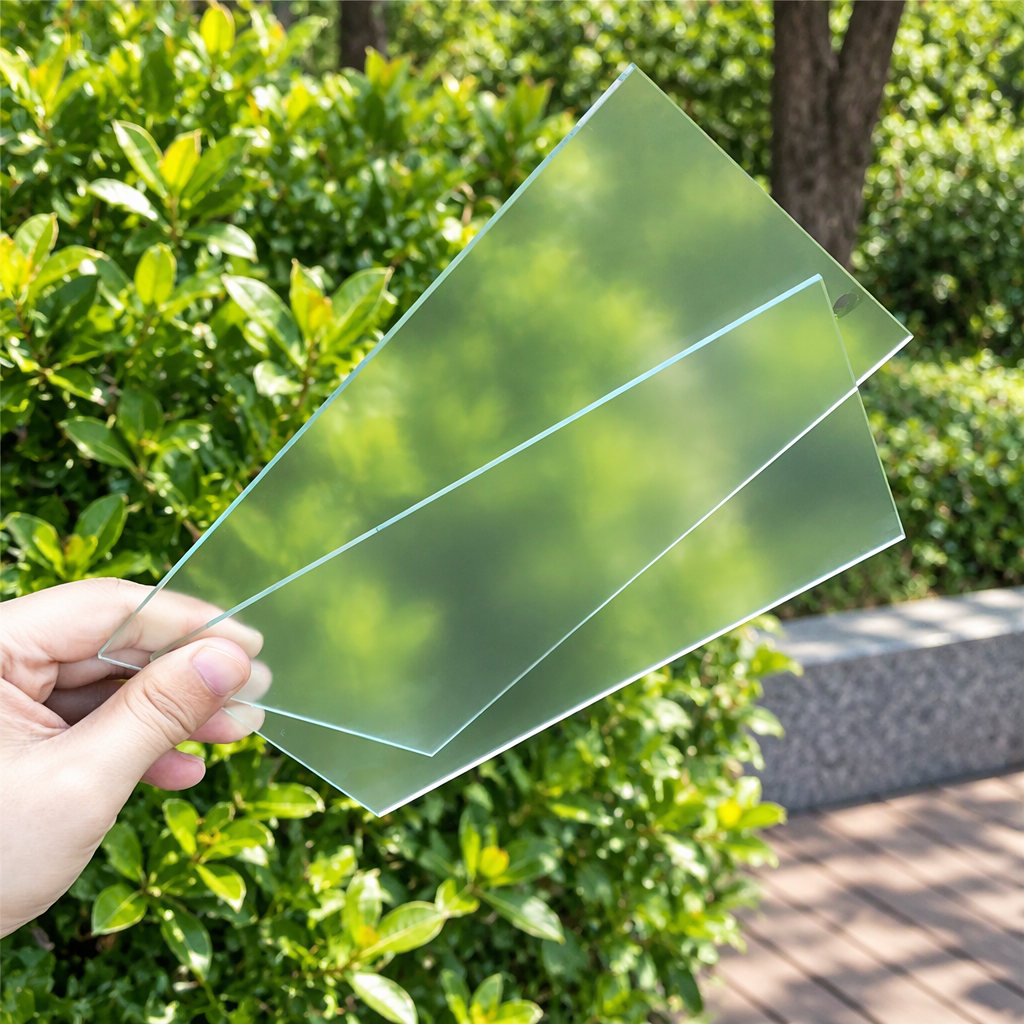
High Quality Industrial Screen Front Cover Glass Frosted Anti-glare Glass for Screen Protector
AG-treated protective glass for control rooms, outdoor kiosks, transport displays and industrial HMIs where direct sunlight creates readability problems.
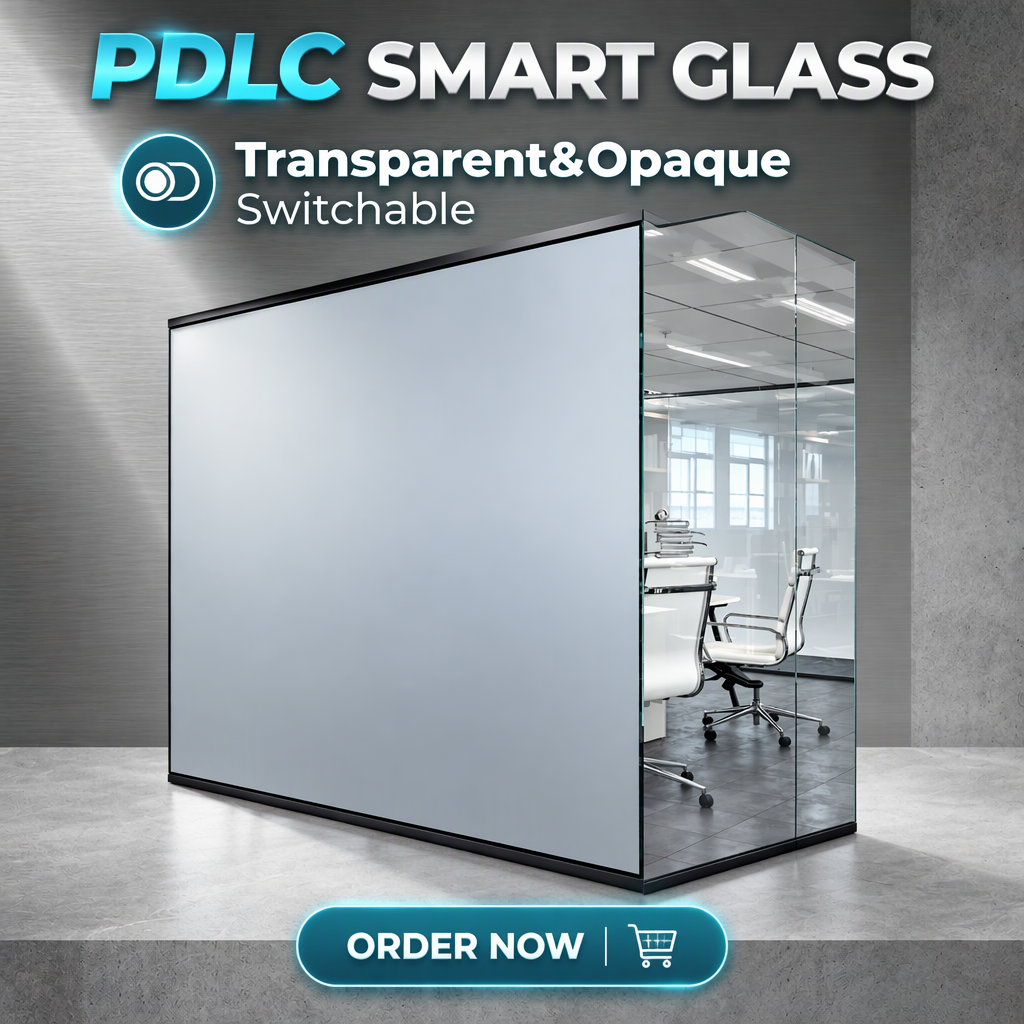
PDLC Smart Film Smart Glass Privacy Film Electrically Transparent Dimmable Glass
Electrically switchable privacy glass for meeting rooms, clinic partitions, corporate retrofits and energy-conscious commercial interiors.
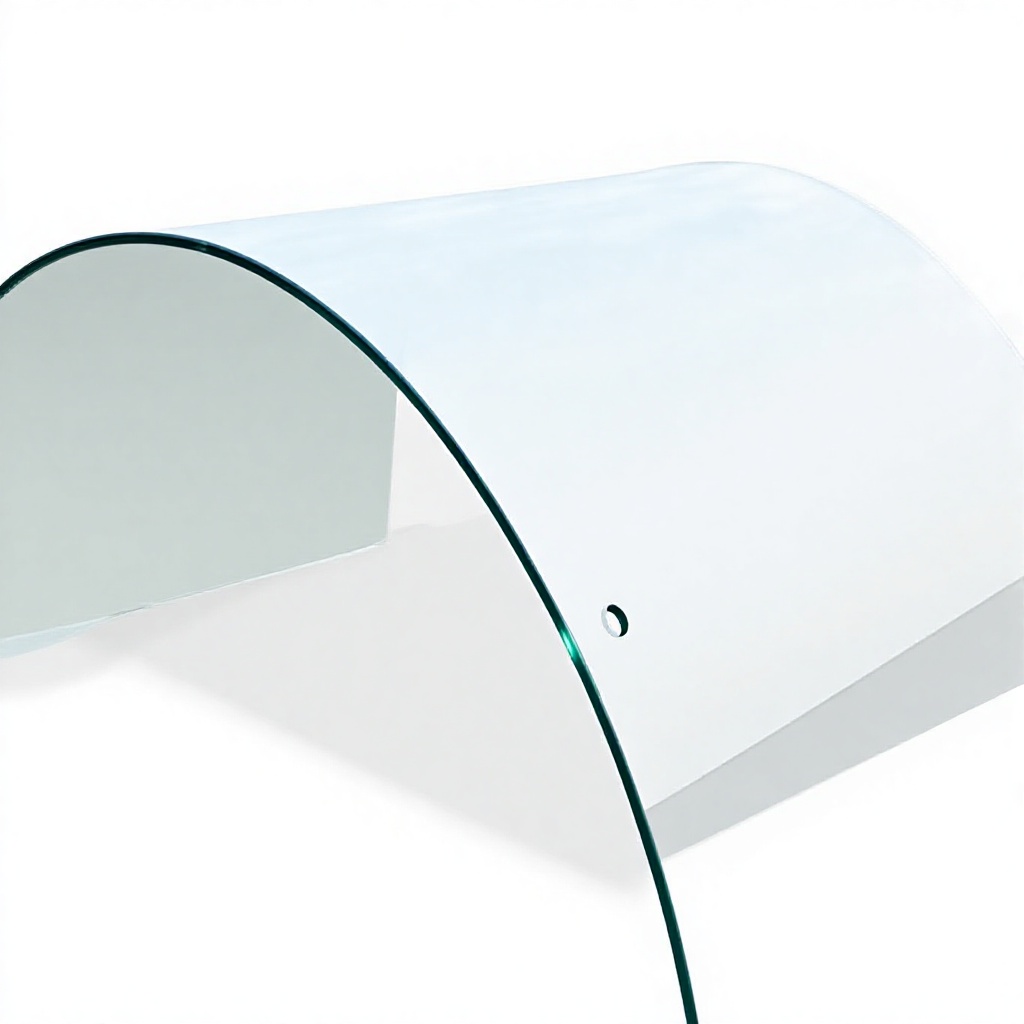
Custom Curtain Wall Glass Balcony Glass Tempered Glass Curved
Curved and flat tempered glass for balcony balustrades, canopies, curtain-wall accents and building-integrated glazing that requires structural coordination.
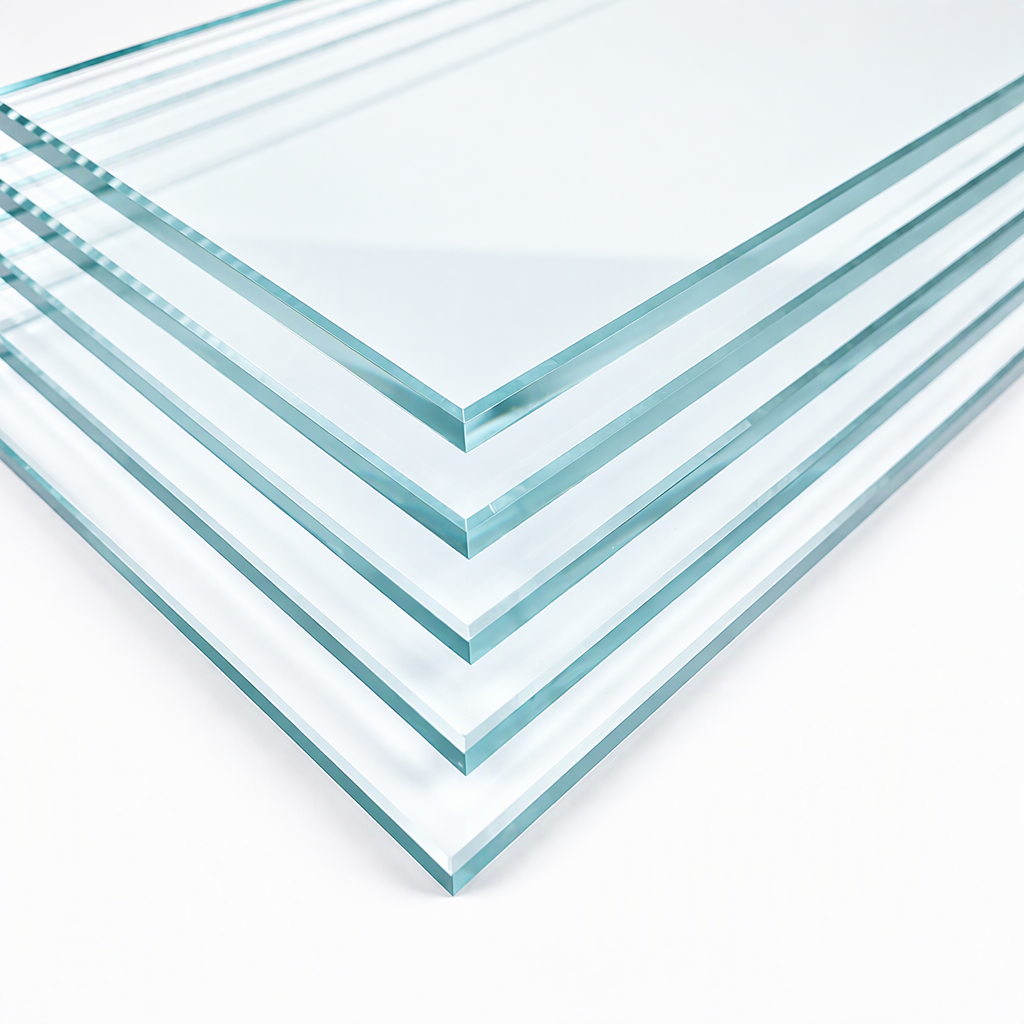
Clear Tempered Glass Transparent Tempered Glass Panel Cover Plate
Clear tempered substrate for protective cover plates, test assemblies, architectural glazing and general PV-related glass engineering.
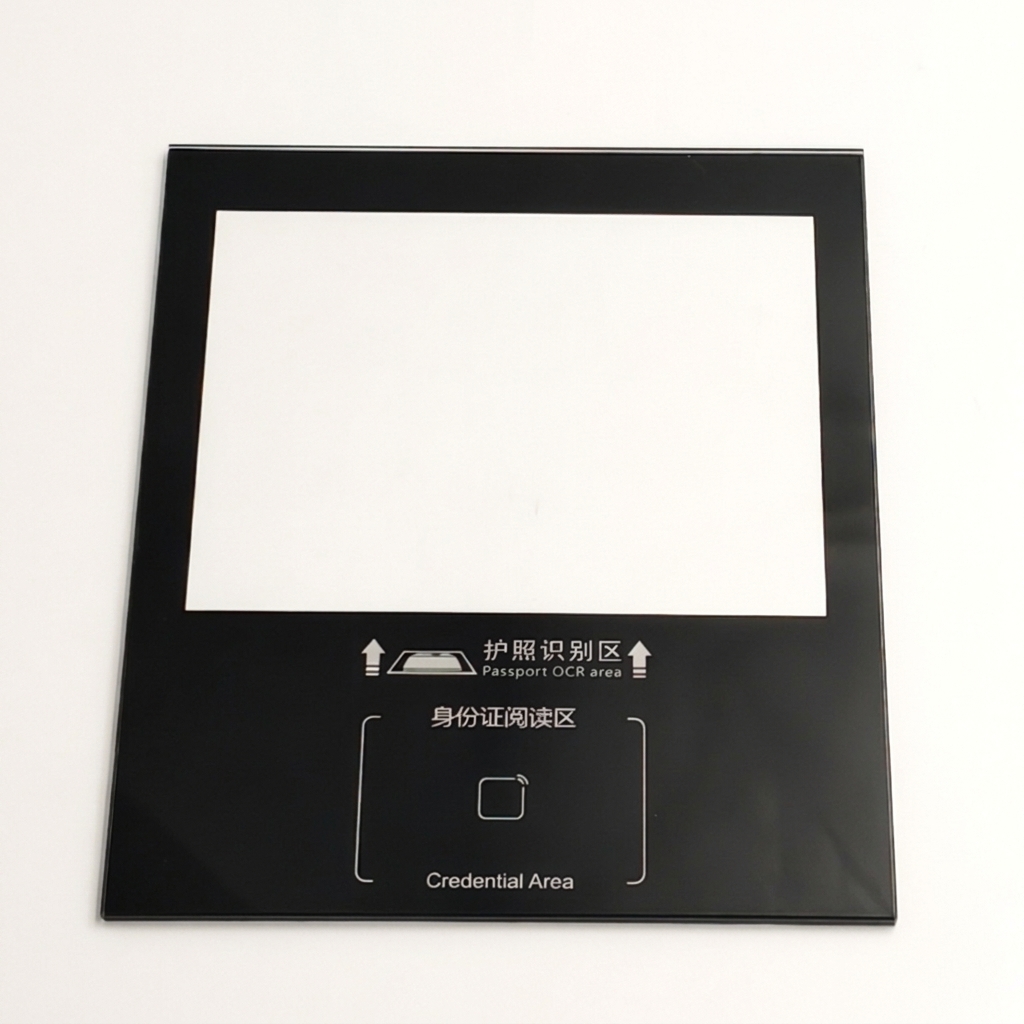
Custom Tempered Glass Protective Glass Panel Transparent Polished Display Cover Glass for Small Electronic Devices Cover
Polished protective cover glass for sensors, touch controls, portable electronics and equipment faces, with custom holes, edges and print.
Why Mexico City Buyers Need More Than a Generic “PV Glass Factory”
Mexico City’s high-altitude light, seasonal hail risk, dust, traffic-related pollution and dense commercial construction make glass quality visible in daily operation — not only in a quotation sheet.
For a Mexico City solar EPC, distributor or OEM brand, the practical sourcing question is rarely just “Who sells PV glass?” The real question is: who can convert CE-documented tempered glass into precise, printable, coatable parts and pack it for the route from Qingdao to the Mexican plateau? At roughly 2,200 metres above sea level, Mexico City receives strong sunlight that makes reflection control, print durability and edge quality more important. A supplier that controls cutting, CNC shaping, silk-screen printing, tempering, coating and final inspection under one roof can reduce the hidden variability that appears when several subcontractors handle different steps.
CE marking is a useful procurement filter, but it should be checked correctly. The CE certificate number should match the glass scope and process being quoted. For our tempered glass, the CE certificate is 23TYT082593S, supported by ISO 9001 certificate 24025Q20015R1S and RoHS certificate 25TYT12395. We also provide SGS onsite-assessed supplier evidence. For Mexico, CE does not automatically replace Mexican NOM or project-specific requirements, so we recommend that importers confirm the final compliance pathway with their customs broker and project engineer. This transparency is part of the information gain a serious buyer should expect from an exporter.
Certificate scope you can verify
We list certificate numbers instead of vague claims. Ask for the certificate page, scope and test report that match your thickness, coating and tempering process before approving a purchase order.
One process chain, fewer hidden risks
Cutting, drilling, edge polishing, printing, physical tempering, chemical strengthening and AR/AG/AF coating are coordinated in-house for traceable quality and shorter correction loops.
Export packing engineered for the route
Glass shipped from Qingdao to Manzanillo or Lázaro Cárdenas and then inland to Mexico City needs moisture control, corner protection, interleaving and crate strength planned before production.
PV Glass and Functional Glass Applications in Mexico City
Mexico City is not a single market. A project in an industrial park, a hospital, a corporate lobby, a residential tower and an outdoor transit kiosk each needs a different balance of safety, optical performance and maintenance.
Rooftop and distributed PV
Warehouses, shopping centres and manufacturing sites in the Mexico City metro area are reviewing self-consumption projects. Clear tempered glass substrate plus robust edge treatment helps module makers protect output and handle hail-season risk.
BIPV façades and canopies
Commercial lobbies, atriums and parking canopies can combine tempered glass, laminated safety construction and printed or coated surfaces. The glass must be coordinated with the structural engineer for wind, seismic and thermal movement.
Control rooms and energy displays
Inverter, SCADA, battery-storage and monitoring screens require anti-glare or anti-reflective cover glass. Mexico City’s bright daytime conditions make AG cover glass a practical choice for control rooms and outdoor kiosks.
Smart-glass partitions
PDLC switchable film supports privacy on demand for meeting rooms, clinics and executive offices. It is attractive for retrofits where the building wants more flexible space without rebuilding traditional partitions.
Appliance and equipment panels
Kitchen, laundry, HVAC and energy-equipment brands need printed control panels that resist cleaning chemicals, touch wear and heat. High-temperature inks and proper tempering sequence are part of the specification.
Balconies and safety glazing
Curved or flat tempered glass for balustrades and balcony enclosures must be designed as a system. We produce the glass to the approved drawing and finishing specification; final structural calculation remains with the project design team.
Which Glass Should a Mexico City Project Start With?
Use the application to narrow the specification before comparing prices. The four product paths below are the fastest way to move from an early inquiry to a manufacturable sample.
Clear tempered substrate for PV and BIPV
Start with clear tempered glass when the priority is mechanical safety, optical clarity and a documented production route. Request edge quality, flatness and packing details with the quotation.
Printed tempered glass for inverter HMIs
Silk-screen printed glass with hidden borders, icons, logos and touch windows gives an energy-equipment brand a clean front panel without adding separate labels that can peel or fade.
AR / AF coated cover glass for readability
For medical, industrial and monitoring displays, AR and AF coatings improve visual comfort and maintenance. Specify the coating on the correct face and confirm cleaning-method compatibility.
PDLC smart film for flexible privacy
When a retrofit needs privacy without losing daylight, switchable PDLC glass is a strong design option. Plan the power supply, lamination build-up and maintenance access early.
Physical Tempered or Chemically Strengthened Glass?
Selecting the strengthening method is a design decision, not a catalogue preference. The right answer depends on thickness, impact expectation, optical flatness, touch-sensor integration and the environment.
Physical thermal tempering is generally used for glass around 2 mm and thicker, including appliance doors, switch panels, display windows and architectural covers. It creates a safety breakage pattern of small blunt fragments and typically delivers several times the strength of annealed glass. Chemical strengthening is used for thin glass, often 0.5–2 mm, where excellent flatness and optical quality are essential for touch covers, small electronics and precision display windows.
All cutting, drilling, CNC shaping, edge polishing and printing must be completed before strengthening. After tempering or ion exchange, the glass cannot be cut or drilled without destroying the strengthened zone. This is why a factory that reviews the drawing early is more valuable than a supplier that only quotes a square-metre price.
What to include when you send a drawing
| Criteria | Physical Tempered | Chemically Strengthened |
|---|---|---|
| Typical thickness | About 2 mm and thicker | 0.5–2 mm thin glass |
| Strength character | Roughly 4–5× annealed glass; strong safety glass behaviour | High surface compression for thin parts and touch covers |
| Breakage pattern | Small blunt fragments, suitable for safety glazing | Larger pieces, closer to annealed glass |
| Flatness and optics | Very good; slight roller wave possible | Excellent flatness with no heat distortion |
| Post-processing | Cut, drill, edge and print before strengthening; no cutting or drilling afterwards | |
| Best fit | PV front glass, appliance doors, switch panels, display windows, industrial covers | Touch panels, small electronics, wearables, precise optical windows |
| Mexico City design note | Specify impact, edge and packing requirements for hail-season risk | Review coating durability, touch-sensor compatibility and cleaning chemicals |
Illustrative sourcing scorecard for Mexico City buyers
Mexico City Market Trends Shaping PV and Functional Glass Demand
Procurement behaviour is changing as distributed generation, nearshoring, urban retrofits and audit-ready documentation become more important in Mexico.
Distributed generation and self-consumption
Commercial and industrial buyers increasingly evaluate rooftop PV against electricity costs and resilience. They ask for glass with stable optical quality, consistent color and reliable mechanical performance.
Nearshoring and industrial construction
New plants, logistics centres and data-intensive facilities in central Mexico are pushing demand for custom control-panel glass, monitoring covers and architectural glazing with shorter development cycles.
Heat, glare and urban retrofit
High daylight and heat gain encourage architects to specify AG, AR and switchable PDLC glass for comfort, readability and energy-conscious retrofits in offices, clinics and hospitality spaces.
Bankable compliance and documentation
Buyers now ask for certificate numbers, scope, test reports and packing evidence earlier. A supplier that treats documents as part of production quality—not an afterthought—reduces procurement friction.
Qingdao Maupe Glass Co., Ltd. — A Factory-Direct Exporter for Mexico City
Since 2012, Qingdao Maupe Glass Co., Ltd. has focused on turning flat glass into finished functional parts for OEM buyers across electronics, appliances, energy equipment, medical screens, architecture and smart devices.
The factory is located in Qingdao, Shandong, close to Qingdao seaport and airport, which keeps export logistics straightforward and makes supplier audits easier for international buyers. Our work covers cutting, edge polishing, drilling, engraving, silk-screen printing, physical tempering, chemical strengthening, AR/AG/AF coating and final inspection. Factory floor area is in the range of 3,000–5,000 m², with 8 production lines supporting repeat OEM orders. More than 80 countries have received our glass, and 91–100% of output is exported, so export packing and documentation are part of normal production discipline rather than exceptions.
Manufacturer since 2012
A decade-plus of OEM glass experience, not a trading desk. Engineering reviews the drawing, sample and production route before mass manufacturing.
ISO 9001, CE and RoHS
Quality management, CE tempered-glass certification and RoHS compliance are supported by certificate numbers and SGS onsite assessment evidence.
8 lines and full-process control
Cutting, CNC, printing, tempering, chemical strengthening and coating are coordinated for traceability and better tolerance consistency.
OEM/ODM from drawing to sample
Send 2D drawings and AI/PDF artwork. We can support fit samples, print color approval and production inspection before shipment.
Physical and chemical strengthening
We help buyers choose between thermal tempering and chemical strengthening based on thickness, breakage behaviour, flatness and touch performance.
Export experience for the Americas
Export share, packing knowledge and Incoterm flexibility support Mexico City importers, distributors and project buyers from quotation to delivery.
ISO 9001
Certificate No. 24025Q20015R1S. Quality management system for float glass and technical glass products.
RoHS
Certificate No. 25TYT12395. Supports restricted-substance compliance for electrical and electronic equipment projects.
CE Marking
Certificate No. 23TYT082593S for tempered glass. Useful for international procurement; local Mexican requirements should still be verified.
From Drawing to Mexico City Delivery: A Controlled Export Workflow
Mexico City is inland, so the production plan and the shipping plan should be reviewed together. The earlier power supply, glass build-up and packing method are confirmed, the fewer surprises appear at the port or job site.
Drawing and manufacturability review
Send dimensions, thickness, edge finish, hole positions, artwork, coating requirements, target volume and application environment.
Sample and print approval
Samples verify fit, color, print registration, coating appearance and touch-window clarity before mass production.
Production and inspection
Cutting, CNC, edge polishing, printing, strengthening and coating are followed by final inspection and packing checks.
Export packing and shipment
Protected crates travel via Qingdao port, commonly to Manzanillo or Lázaro Cárdenas, then inland to Mexico City by truck or rail.
Accepted trade terms can include FOB, CIF, EXW, FAS, FCA, CPT, DDP and DDU, subject to the project. Payment methods can include T/T, L/C, PayPal, Western Union and cash in USD, EUR or CNY, subject to order review. For glass products, especially coated or printed parts, packaging is not a secondary detail: moisture barriers, foam interlayers, corner protection and crate strength must protect edge quality and coating surfaces across ocean freight and inland transport.
Questions Mexico City Buyers Ask Before Ordering
These answers reflect real purchasing, engineering and compliance questions. If your project has a unique drawing, send it for a manufacturability review rather than relying on a generic catalogue page.
Are you a PV glass factory or a trading company?+
Qingdao Maupe Glass Co., Ltd. is a glass deep-processing manufacturer established in 2012. We cut, print, temper, strengthen, coat and inspect glass for OEM buyers. For PV-related projects, we supply functional tempered glass parts and work with buyers to align the glass specification with the module, façade or control-panel design.
Does CE certification replace Mexican NOM or local project approvals?+
CE is a European conformity marking and is often used as an international quality filter, but it is not a blanket substitute for Mexican NOM requirements or project-specific engineering approval. We provide CE certificate No. 23TYT082593S, ISO 9001 No. 24025Q20015R1S and RoHS No. 25TYT12395 for buyer verification; final compliance for Mexico should be confirmed with your importer, customs broker and project engineer.
How is glass shipped from Qingdao to Mexico City?+
Export shipments normally leave from Qingdao seaport and enter Mexico through ports such as Manzanillo or Lázaro Cárdenas before inland transport to Mexico City. Incoterms and routing are confirmed per order. Glass is packed with moisture protection, interleaving, corner guards and reinforced crates; the exact packing method depends on dimensions, coating, print and transport mode.
Can you support high-altitude UV, glare and hail-season concerns?+
Yes, within the glass scope. We can discuss clear or ultra-clear glass, physical tempering, chemical strengthening, AR/AG/AF coating, edge quality and packing protection. The final system design—frame, mounting, impact calculation and warranty—must be validated by the project engineer because glass performance depends on the complete assembly.
What is the MOQ and can I get a sample first?+
Most custom printed panels start from 10 to 100 pieces depending on size, thickness and number of print colors. Large display cover glass can start from lower quantities such as 10 pieces. Samples are available for fit, print and coating verification before mass production, and sample requirements should be stated in the first inquiry.
What files should I send for an accurate quotation?+
Send a 2D drawing in DWG, DXF or PDF with dimensions, thickness, edge finish, hole positions and tolerance; print artwork in AI or PDF with color references; coating requirements such as AR, AG or AF; the intended application; annual volume; and delivery terms to Mexico. Our engineers can then review manufacturability and propose the right tempering or strengthening route.
Send Your PV Glass or Tempered Cover Glass Drawing to Our Qingdao Team
Get a manufacturability review for a CE-certified PV glass exporter project to Mexico City. Share your dimensions, thickness, print artwork, coating requirement and target delivery terms, and our engineering team will recommend a production route.
Get CatalogEmail: info@maupeglass.com · Qingdao, Shandong, China · ISO 9001 · RoHS · CE · SGS onsite assessed