China Best Glass Switch Plate Factories & Factory for the Denver Market
Custom tempered glass switch plates, touch-panel covers and printed control glass for Denver builders, distributors and OEM brands—engineered to your drawing by an ISO 9001 factory exporting to 80+ countries.
8 Precision Glass Products for Switch Plate, Touch Panel and Control Glass Programs
These eight representative products show the processing range required by Denver buyers—from thin printed cover glass to large tempered panels. Every dimension, hole, edge, print layer and coating can be customized after drawing review.
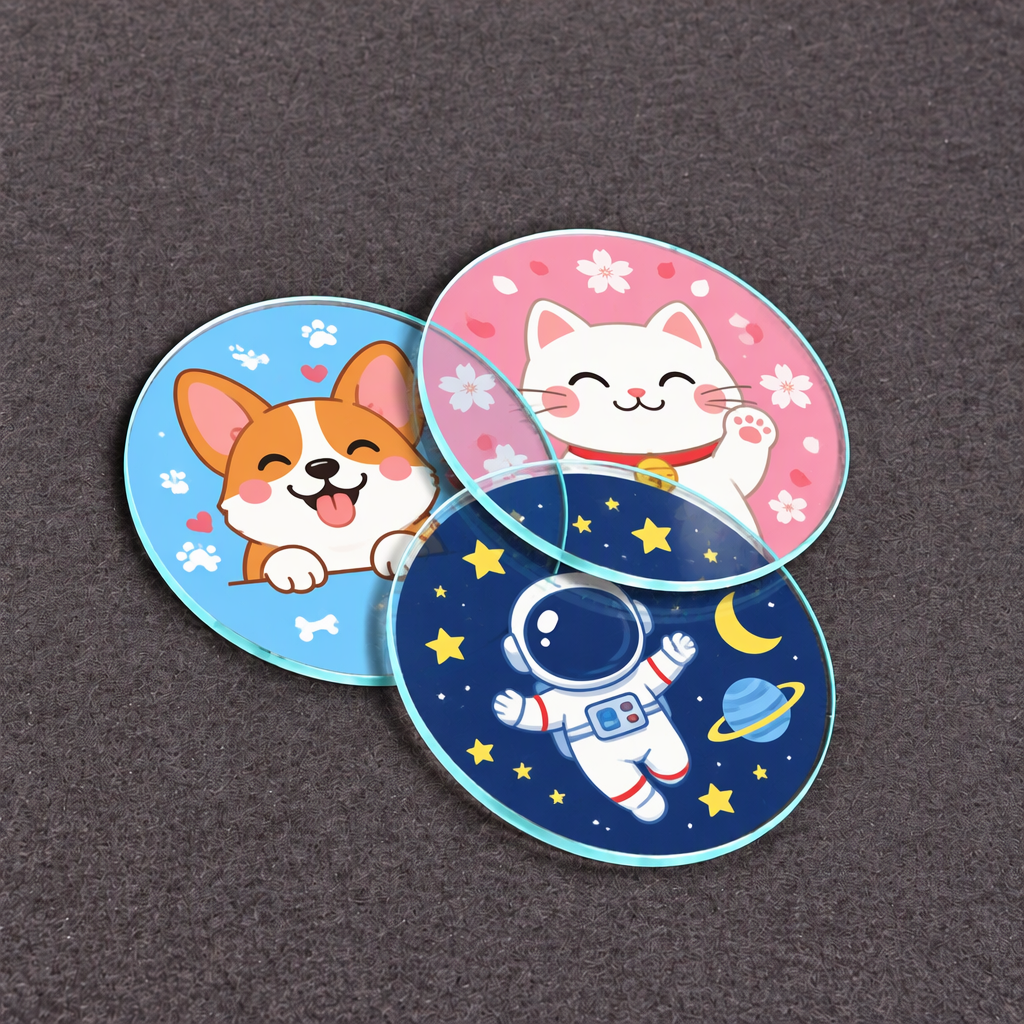
Eco-Friendly Custom Printed Glass Coasters
Thin printed glass with decorative color control and scratch-resistant ink—useful for evaluating print registration before scaling a switch plate design.
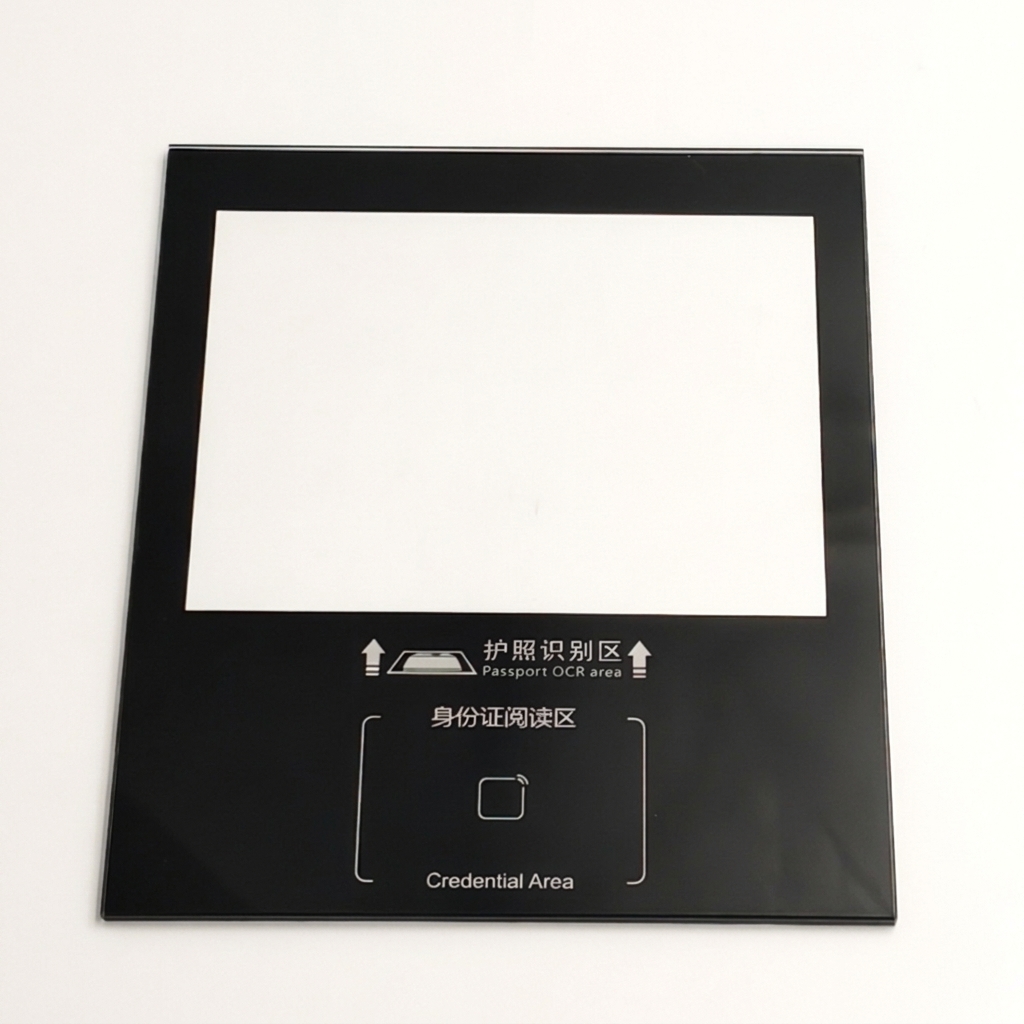
Custom Tempered Glass Protective Panel for Electronics
Transparent polished cover glass for small electronic devices, display windows and control interfaces that need clarity and impact resistance.
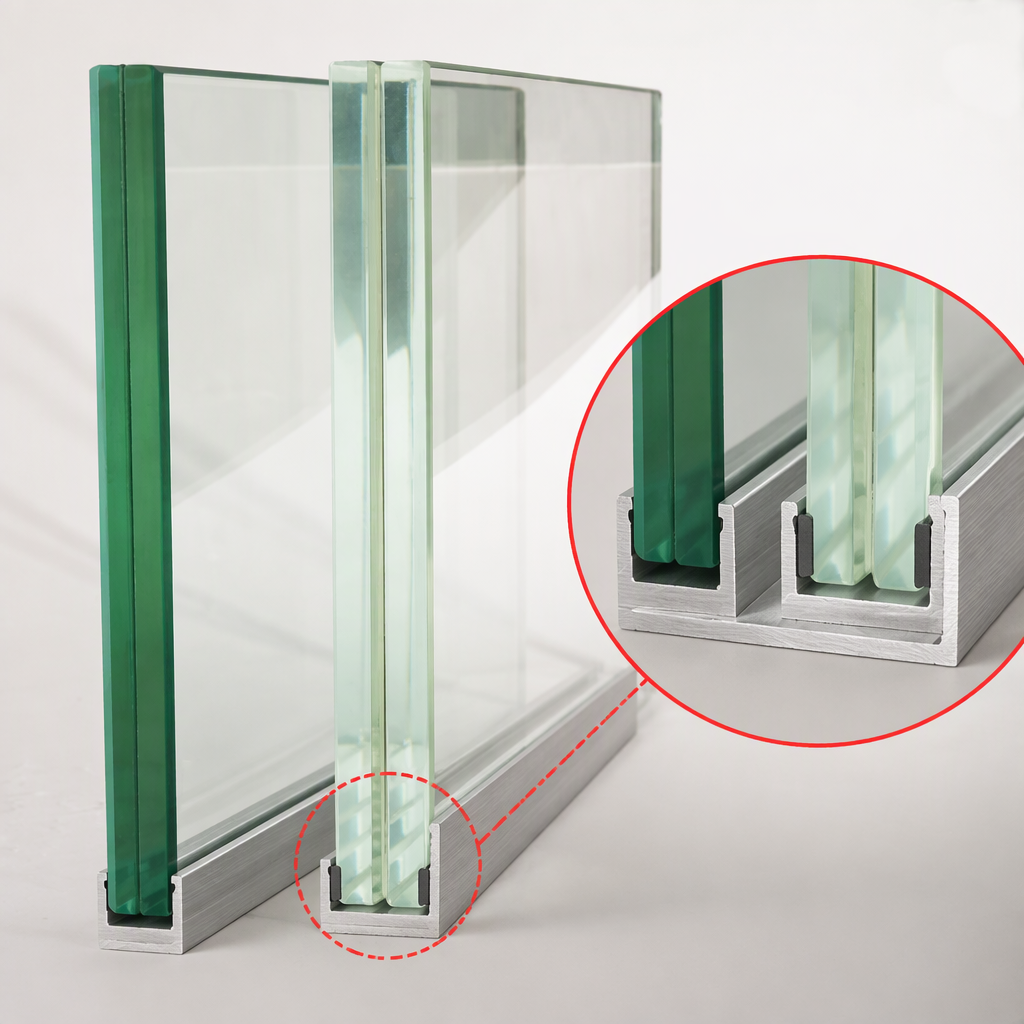
Customized Thickness & Size Tempered Glass Panel
Flat tempered panels cut to size for switch plate blanks, appliance glass, instrument covers and custom architectural interior parts.
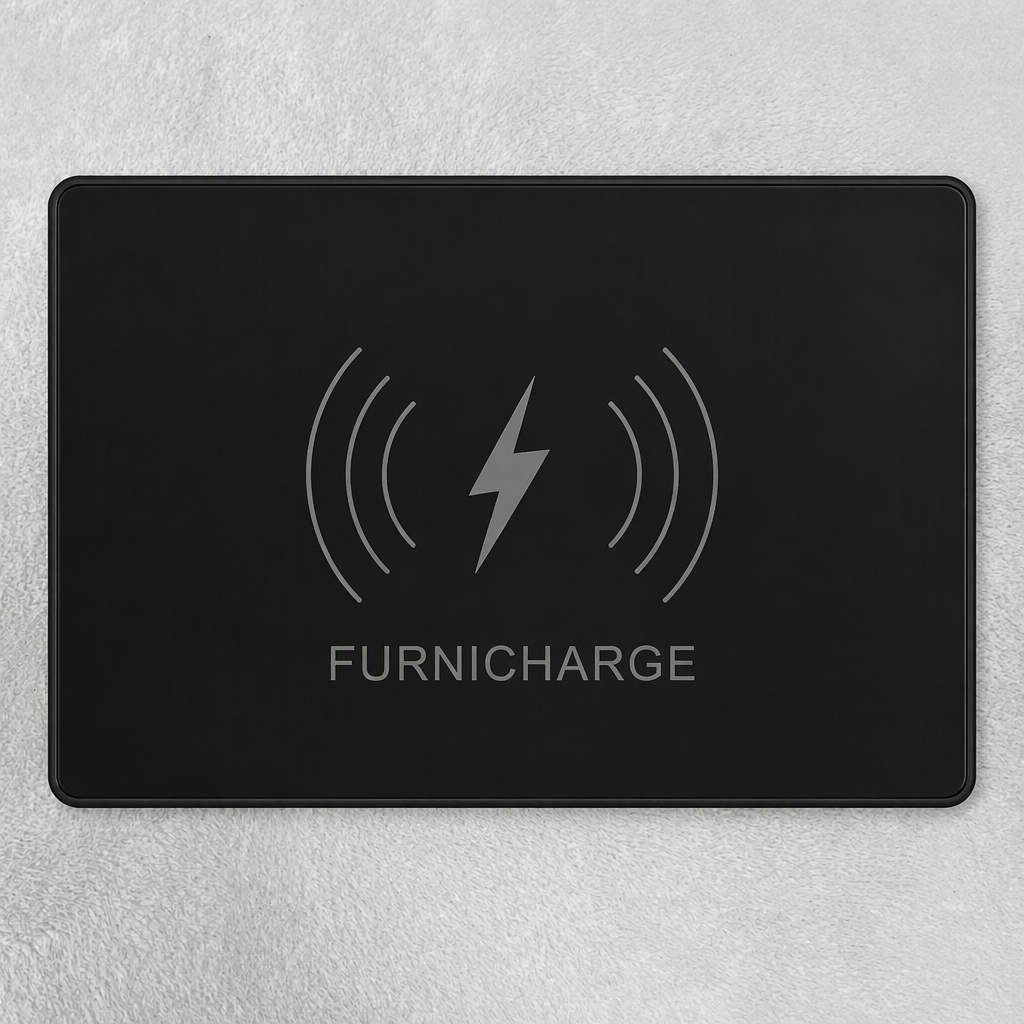
Smart Tempered Glass Wireless Charging Touch Panel
Printed touch-panel glass for smart furniture, bedside tables and switch interfaces with light-transmitting icons and clean lamination surfaces.
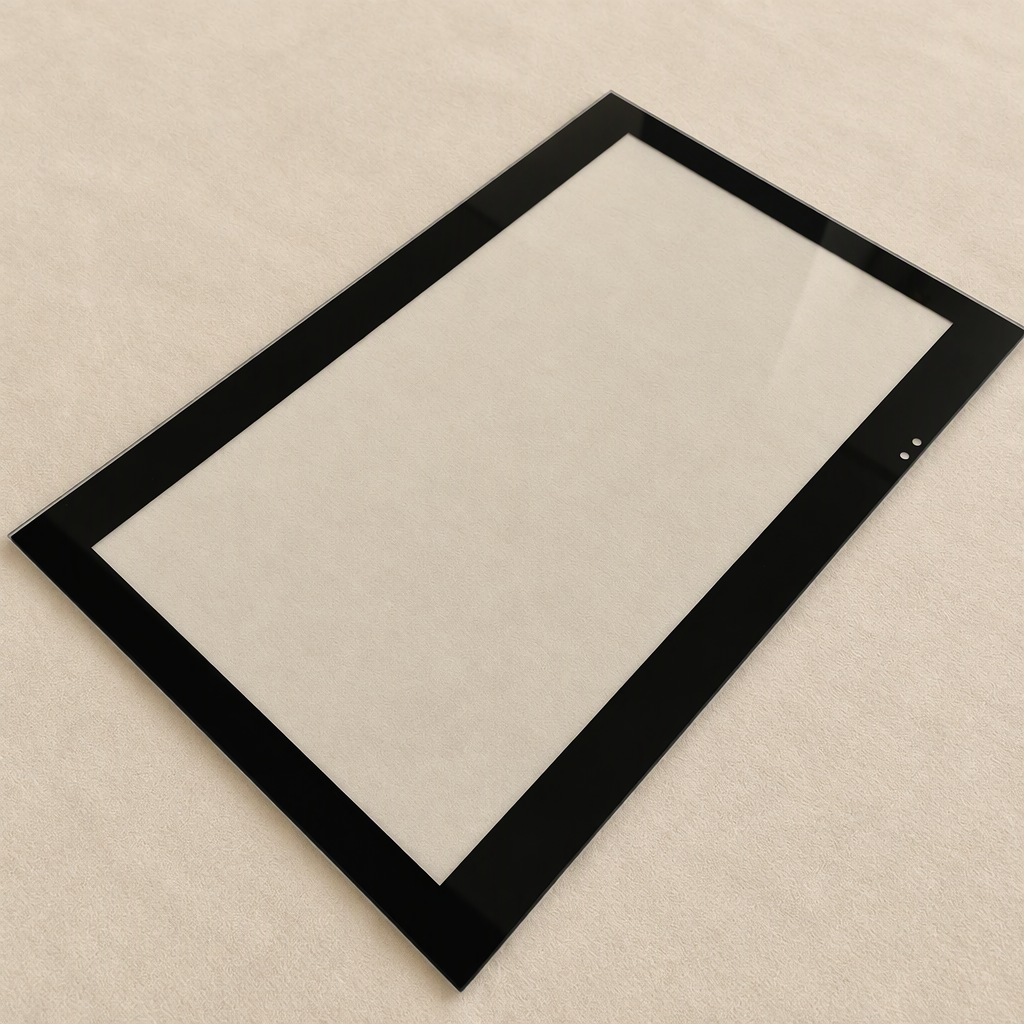
Silk Screen Printed Tempered Glass Display Protector
Printed display protector glass for LCD TVs, industrial equipment and interior control surfaces requiring durable legends and masked borders.
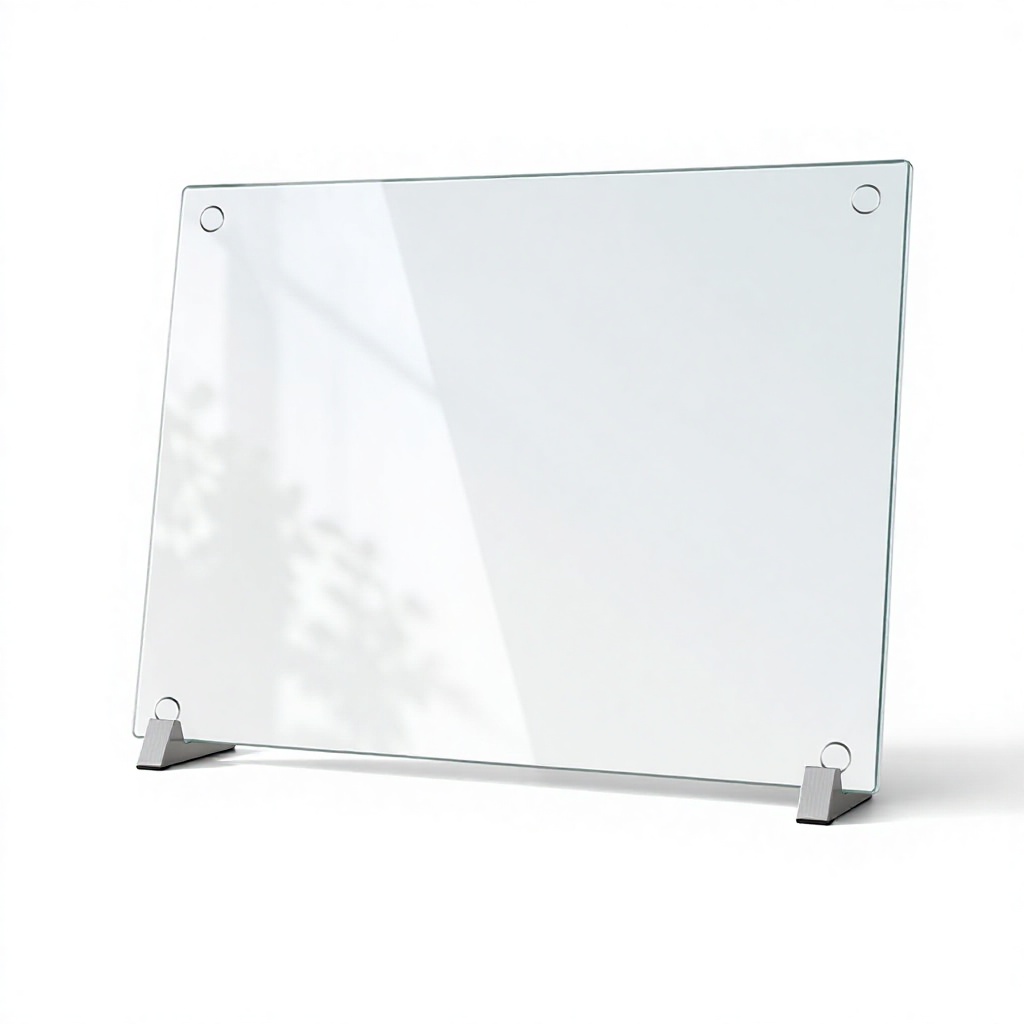
Custom Size Clear Tempered Glass Whiteboard / Curtain Wall Panel
Large clear tempered panels for interiors, display walls and architectural applications where edge quality and safe breakage matter.
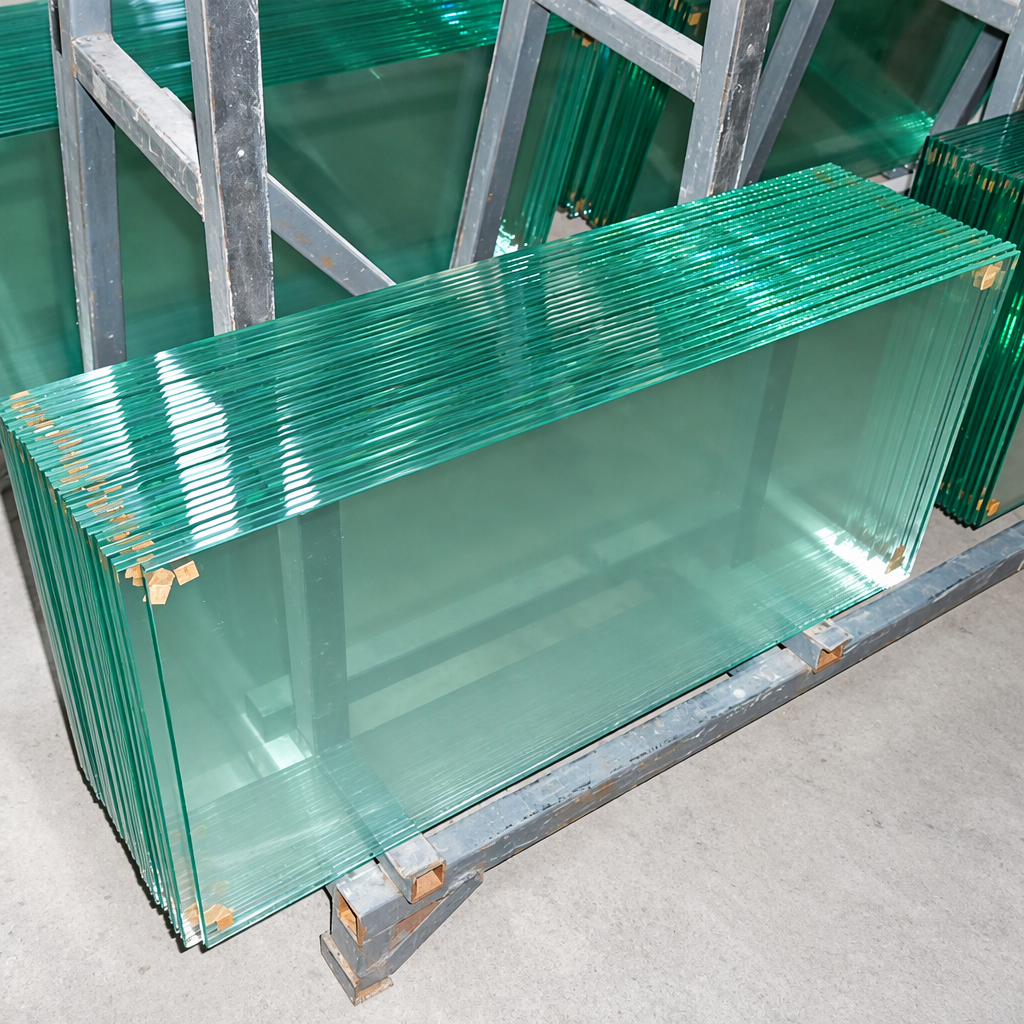
Construction & Real Estate Tempered Float Glass
Tempered float glass supply for construction, interior fit-out and real estate projects that need dependable batch-to-batch processing.
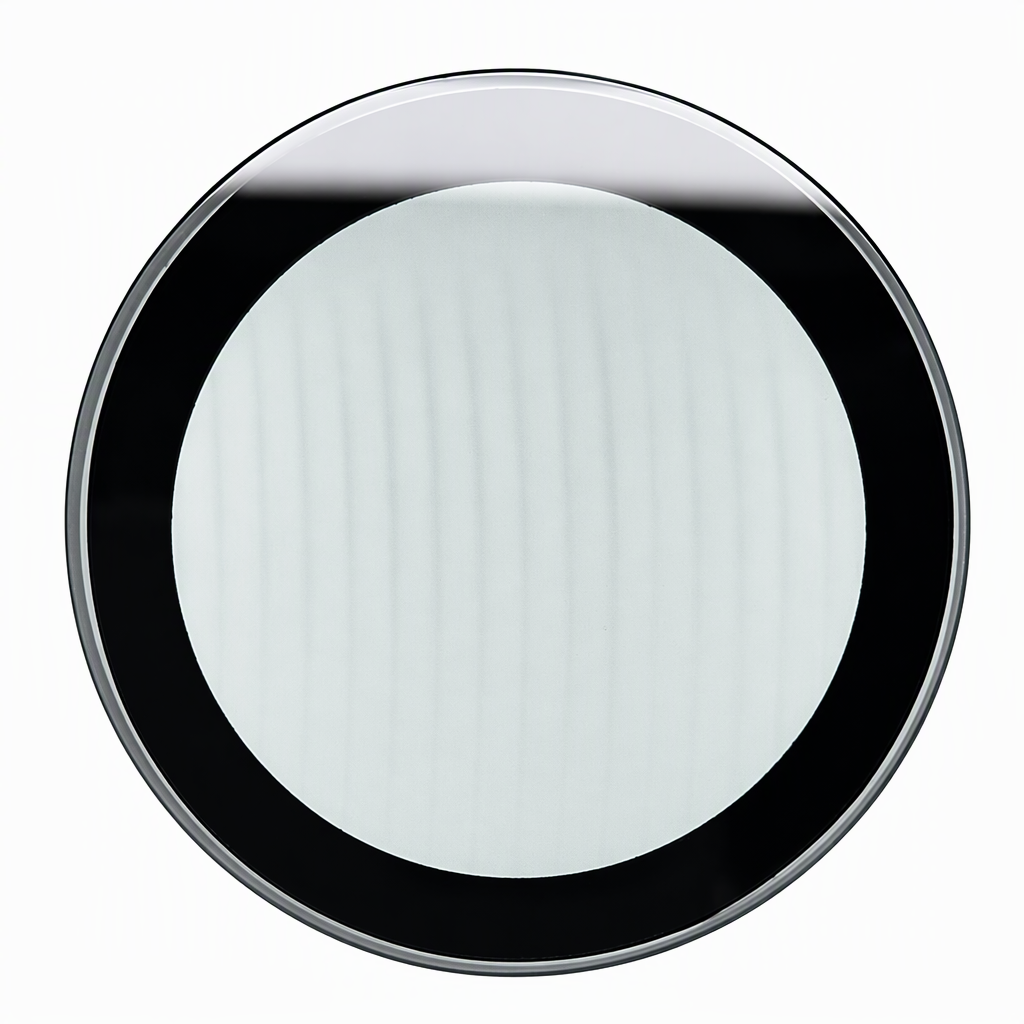
Custom 3–19 mm Round Printed Instrument Glass
Round printed tempered glass for instruments and equipment, ideal for dial windows, gauge covers and custom control glass.
How Denver Buyers Should Evaluate China Glass Switch Plate Factories
Denver buyers searching for “China glass switch plate factories” are usually solving a practical problem: they need a wall plate that matches a premium interior, survives daily cleaning, fits a US-style device and arrives without chipped corners. The winning supplier is not always the one with the lowest quotation. In a city where new-build multifamily, historic renovation and high-end mountain-home projects run side by side, the lowest landed cost is often destroyed by flatness variation, print drift, edge chipping or packaging designed for a domestic truck instead of an ocean container.
A glass switch plate is a small part with a disproportionate visual role. It sits at eye level, catches light and is touched repeatedly. For a Denver distributor, the risk is inventory that does not fit a Decora, GFCI, rocker or touch switch. For an OEM brand, the risk is a print that looks different under warm LED, cool daylight and low-voltage backlighting. This guide treats the product as a system: glass substrate, strengthening method, cut-out tolerance, edge polish, silk-screen layer, surface coating, mounting method and export packing.
Qingdao Maupe Glass Co., Ltd. is a glass deep-processing manufacturer established in 2012 in Qingdao, Shandong, China. The factory operates an ISO 9001 quality management system, holds RoHS and CE certificates for its glass products, and has been onsite-assessed by SGS Group. Its production scope covers cutting, CNC shaping, edge polishing, drilling, engraving, physical tempering, chemical strengthening, AR/AG/AF coating and silk-screen printing. For Denver buyers, that matters because one factory can hold the print, tempering and coating variables in a single quality chain instead of passing the part between three suppliers.
- Send the exact device model, gang count and wall-box depth; do not rely on “standard Decora” alone.
- Ask for a physical sample with the same glass type, tempering method, ink system and coating as mass production.
- Confirm packaging for parcel, LTL or container shipment, including corner protection and spare ratio.
- Agree on color light source, gloss level, coating test method and dimensional report before purchase order.
- Verify that the factory can provide ISO, RoHS, CE and inspection records before the first shipment.
Recommended Glass Switch Plate Configurations for Denver Projects
In Denver, glass switch plates look most convincing when specified as a system: glass, print, coating, fastening and packaging. The same 3 mm tempered panel can feel premium in a LoDo loft and feel fragile in a high-traffic rental if edge polish, corner radius and mounting are not defined.
1-Gang Decora / GFCI Plates
Build: 3 mm low-iron tempered glass, polished flat edge, safety corners, anti-fingerprint coating and high-temperature printed border. Best for: Denver powder rooms, kitchen islands, premium rentals and custom home offices.
Multi-Gang & Mixed-Device Plates
Build: 3–4 mm tempered glass with CNC-cut openings, controlled gang spacing and print registration across the full plate. Best for: kitchens, offices and smart-home panels mixing dimmers, outlets and USB modules.
Smart Touch / Backlit Switch Glass
Build: 2–3.2 mm low-iron glass, diffused ink windows, AG/AF coating options and color-matched icons. Best for: Denver townhomes, hotels and touch-control lighting where legends must read under low light.
Commercial / Hospitality Covers
Build: 4 mm tempered glass, matte anti-glare face, scratch-resistant legends, batch traceability and protective export packing. Best for: LoDo hotels, coworking spaces, retail and adaptive-reuse offices.
| Project Type | Recommended Glass Build | Denver-Specific Detail |
|---|---|---|
| Historic Denver remodel | 2.5–3 mm low-iron tempered glass; custom outline; polished edge | Wall boxes and plaster depth vary. Require a physical fit sample against the actual device brand and gang count. |
| New-build residential | 3 mm tempered glass; AF coating; high-temp printed graphics | Coordinate print colors before drywall close-out and order spare plates by unit type. |
| Multifamily / build-to-rent | 3 mm tempered glass; scratch-resistant ink; matte face | Standardize 1–4 gang plates, maintain lot-to-lot color control and map packaging by building phase. |
| Hospitality / short-term rental | 3 mm AG/AF coated glass; backlit legend windows | Specify easy-clean surfaces and fingerprint control because housekeeping chemistry and guest traffic are demanding. |
| Office / adaptive reuse | 3–4 mm tempered glass; matte anti-glare face; durable legends | Use custom labels for lighting scenes, HVAC and AV; confirm fire-rated wall requirements with the AHJ. |
| Front Range / mountain home | 3–4 mm thermally tempered glass; AF coating; low-iron substrate | Dry winters, UV and indoor/outdoor temperature swings make stable print and chip-free edges especially important. |
Where Glass Switch Plates Fit Denver Interiors
Denver is not a single market. A plate for a Wash Park bungalow, a RiNo apartment building and a Summit County rental may share dimensions but demand different finishes, packaging and documentation.
Denver Residential Remodels
Wash Park bungalows, Highland townhomes and Cherry Creek renovations often mix historic details with modern smart devices. Glass switch plates can upgrade kitchen islands, bathroom vanities, entry lighting and home offices. Match the actual device brand, because a plate that fits one Decora dimmer may not sit flush on another GFCI or rocker dimmer.
Multifamily & Build-to-Rent
Projects in RiNo, Aurora and Lakewood need repeatable specifications and replacement stock. Standardize a small range of 1–4 gang plates, maintain color consistency lot-to-lot and order spare plates with each unit count. Property managers care less about a custom color on one penthouse and more about replacing a damaged plate without a six-week delay.
Hospitality & Short-Term Rentals
Around Union Station, LoDo and the DIA corridor, guests notice fingerprints, edge quality and backlighting. Matte anti-fingerprint glass, durable legends and easy-clean inks reduce complaints. For short-term-rental operators, a printed icon set for bedside, vanity and kitchen zones can be more valuable than a highly reflective decorative finish.
Offices & Adaptive Reuse
LoDo and Ballpark offices often convert older structures with exposed brick, glass partitions and complex lighting controls. Anti-glare glass reduces reflections near windows, while custom labels for HVAC, lighting scenes and AV improve usability. Specify local code and fire-rated wall requirements with the authority having jurisdiction before finalizing cover plates.
Front Range & Mountain Homes
Evergreen, Boulder foothills and Summit County homes experience dry air, strong UV and seasonal temperature swings. Specify low-iron glass, properly polished edges and anti-fingerprint coating. Because second homes are often unattended for weeks, color retention and print adhesion are more valuable than a fragile high-gloss finish that shows every cleaning wipe.
Retail, Showroom & Brand Environments
Denver retail and showroom projects use glass switch plates for lighting, display controls and branded backlit panels. Demand scratch-resistant ink, batch traceability and a signed master sample. If the plate carries a logo, measure visual alignment at the actual installation distance—not only on a design proof viewed at 200% zoom.
What Denver Designers and Buyers Are Asking For
Interest in glass switch plates is moving away from “shiny black cover” toward specification-driven finishes that survive real interiors.
Matte Anti-Fingerprint Glass
Black and dark bronze plates remain popular, but matte AF glass is increasingly requested because it hides fingerprints and cleaning marks. The factory should control gloss level and provide a retained sample for approval under warm and cool light.
Multi-Gang Smart Integration
Denver buyers combine dimmers, outlets, USB ports and scene controls on one plate. This raises the importance of CNC cut-out accuracy, gang spacing, flatness and print registration across the entire cover.
Warm Metal and Color Matching
Champagne bronze, brushed nickel, warm white and custom Pantone accents appear in hospitality and residential work. A reliable factory compares physical color samples, not screen colors, and records light source, ink batch and glass lot.
Landed-Cost Engineering
Buyers want DDP options, mixed containers, spare plates and QR traceability, not only a low FOB price. For Denver, planning around Qingdao port, West Coast transloading and air freight to DEN reduces the cost of emergency reorders.
Inside the Factory: Why Qingdao Maupe Glass Co., Ltd. Fits Denver OEM Programs
“Best” should be tested against evidence: process control, certification, sampling discipline and export reliability. These are the areas a serious Denver buyer should compare before placing a switch plate program.
One Roof from Sheet to Finished Panel
Cutting, CNC shaping, edge polishing, drilling, engraving, silk-screen printing, physical tempering, chemical strengthening and AR/AG/AF coating can be controlled inside one production chain. This reduces finger-pointing when a fit or print issue crosses multiple suppliers.
Print Built for Touch and Wear
Silk-screen printing uses RoHS-compliant, eco-friendly high- and low-temperature inks for scratch- and wear-resistant graphics. Multi-color logos, icons, touch zones and masked windows can be produced for displays, appliances, instrument covers and smart switches.
Tempering Matched to the Part
Physical thermal tempering is used for thicker safety glass such as switch panels and appliance doors. Chemical strengthening suits thin 0.5–2 mm cover glass where flatness and optical quality matter. The right choice depends on thickness, mounting and breakage requirements.
Auditable Quality Evidence
ISO 9001 certificate No. 24025Q20015R1S, RoHS certificate No. 25TYT12395 and CE certificate No. 23TYT082593S are listed for verification. The factory also states in-house incoming material and finished-product inspection procedures.
Export Routine to North America
The company serves 80+ countries, with an export share of 91–100% of output. Its location near Qingdao seaport and airport supports FOB, CIF, EXW, FAS, FCA, CPT, DDP and DDU discussions. Accepted payment methods include T/T, L/C, PayPal and Western Union.
OEM/ODM Support for Switch Plate Programs
Founded in 2012, the factory operates 8 production lines in a 3,000–5,000 m² facility and supports custom drawings, samples and full customization. It is also listed as a Fortune 500 supplier with procurement contract verification and SGS onsite assessment.
| Evidence | Reference / Scope | Procurement Use |
|---|---|---|
| ISO 9001 | Certificate No. 24025Q20015R1S; valid to 02/2028 | Confirms a documented quality management system for float glass and technical glass products. |
| RoHS | Certificate No. 25TYT12395; valid to 12/2030 | Supports restricted-substance control for EU electrical and electronic equipment requirements. |
| CE | Certificate No. 23TYT082593S; valid to 08/2028 | Useful for tempered glass market access in the European Economic Area; confirm applicability with your compliance team. |
| SGS onsite assessment | Third-party supplier assessment | Supports due diligence for buyers who cannot visit Qingdao before the first order. |
| Inspection records | Incoming material and finished-product inspection | Ask for dimensional reports, print color records, edge inspection and packing photos by batch. |
Physical Tempered or Chemically Strengthened Glass?
Choosing the wrong strengthening method is one of the most common causes of rework in glass switch plate and cover glass projects. Use this comparison during design, then confirm against your drawing, mounting method and annual volume.
| Criteria | Physical Tempered | Chemically Strengthened | Switch Plate Recommendation |
|---|---|---|---|
| Typical thickness | About 2 mm and thicker | 0.5–2 mm thin glass | Use 3 mm thermal tempered for most wall plates; use chemical strengthening for thin inserts or touch covers. |
| Strength gain | Roughly 4–5× annealed glass | High surface compression for thin parts | Match the method to impact risk, mounting and device location. |
| Breakage pattern | Small blunt fragments | Larger pieces, similar to annealed glass | Thermal tempering is generally preferred where safety glass behavior is required. |
| Flatness and optics | Very good; slight roller wave possible | Excellent, no heat distortion | For multi-gang plates, specify flatness limits and check against wall-box depth. |
| Post-processing | Cut, drill and edge before strengthening | Cut, drill and edge before strengthening | Freeze the drawing before tempering; post-processing after strengthening can cause breakage. |
| Best use | Appliance doors, switch panels, display windows, industrial covers | Touch covers, small electronics, precise optical windows | For Denver switch plates, thermal tempering plus proper edge polish and AF coating is often the practical baseline. |
From Drawing to Denver Delivery in Five Controlled Steps
A transparent workflow helps purchasing, engineering and quality teams know exactly what happens at each stage.
Drawing & DFM Review
Engineers check dimensions, thickness, edge finish, holes, print artwork, device model and tempering method.
Sampling
Samples are produced for fit, color, light transmission and touch-zone verification before mass production.
Mass Production
Cutting, CNC shaping, edging, printing, tempering and coating are controlled through the production chain.
Quality Inspection
Incoming material and finished-product inspection cover size, edge, print, coating and packing before shipment.
Export to Denver
Protective export packing moves through Qingdao port or airport with FOB, CIF, DDP or other agreed terms.
Questions Local Buyers Ask Before Ordering Glass Switch Plates
These answers address common sourcing, specification and compliance concerns for Denver builders, distributors and OEM brands.
Can Chinese factories make glass switch plates for US-style Decora, GFCI and smart dimmers?
Yes, provided the factory works from the actual device model and a controlled drawing. Send the brand, model, gang count and a photo of the wall box or existing plate. Common formats include Decora, GFCI, rocker, toggle and touch switches. A physical sample should be fit-checked before mass production because small dimensional differences between device brands can affect flushness and opening clearance.
Does a glass switch plate need UL or ETL certification?
North American electrical accessories may fall under standards such as UL 514D, depending on product construction and intended use. A glass material certificate is not a substitute for the listing of a finished electrical product. For Denver projects, specify wiring devices listed to the applicable UL, ETL or CSA standard, confirm final assembly requirements with your compliance team and check fire-rated wall requirements with the authority having jurisdiction.
What is the minimum order quantity for custom printed glass switch plates?
Most custom silk-screen printed panels start from 10 to 100 pieces, depending on size, thickness and number of print colors. Large display cover glass can start from 10 pieces. Samples are available for fit and print verification before mass production. For a Denver distributor, it is often practical to combine several gang sizes into one production lot to reach a better unit cost.
Which glass thickness should I choose for a wall switch plate?
For many residential and hospitality switch plates, 3 mm thermally tempered glass is a practical baseline. Heavier commercial covers may use 4 mm, while thin touch inserts may use chemically strengthened glass from 0.5 mm to 2 mm. The final choice should consider opening size, mounting method, edge exposure, cleaning chemicals and whether the plate must behave as safety glass.
How do you control print color and scratch resistance?
The factory uses RoHS-compliant high- and low-temperature inks and controls print sequence according to the artwork and glass treatment. A pre-production sample should be approved under the intended light source, and mass production should retain a master sample. For dark, matte or backlit designs, discuss gloss level, ink opacity and anti-fingerprint coating together—because changing one variable can change the visual result.
How are glass switch plates shipped to Denver?
Shipments can move from Qingdao to a West Coast port and then by rail or truck to Denver, or by air to DEN for urgent samples and small batches. Accepted terms include FOB, CIF, EXW, FAS, FCA, CPT, DDP and DDU. For fragile printed panels, specify foam, edge protectors, separate layers, plywood cases and a spare ratio based on project risk.
Can you match a specific paint color, bronze or metal finish?
Yes. Send a Pantone or RAL reference, a physical paint chip or an existing plate. Because glass, ink and coating interact with light differently from painted metal, approval should be based on a physical sample under agreed lighting. Record the approved sample, ink batch and glass lot so future replenishment orders can be compared against the same standard.
What files are needed to start a custom glass switch plate quote?
Send a 2D drawing in DWG, DXF or PDF with outline dimensions, thickness, edge finish, hole positions and tolerance. Add print artwork in AI or PDF with color references, plus the device model, intended application, coating requirement, annual volume and target delivery date. If you already have a sample or target retail product, include photos from the front, back and side.
Have a Denver switch plate or touch-panel drawing ready?
Send your drawing, device model and target finish. The factory will review manufacturability, print sequence, tempering method and export packing before a quote is finalized.
ISO 9001 · RoHS · CE · SGS onsite assessed