8 Home Appliance & Device Glass Products for Columbus Buyers
These eight factory-direct product families cover the specifications Columbus buyers ask about most: printed touch panels, heat-resistant appliance glass, customized thickness, curved architectural glass, switchable privacy film, AR/AF display protection, tempered Lazy Susan glass, and anti-glare monitor covers. Every link below is preserved for direct product review.
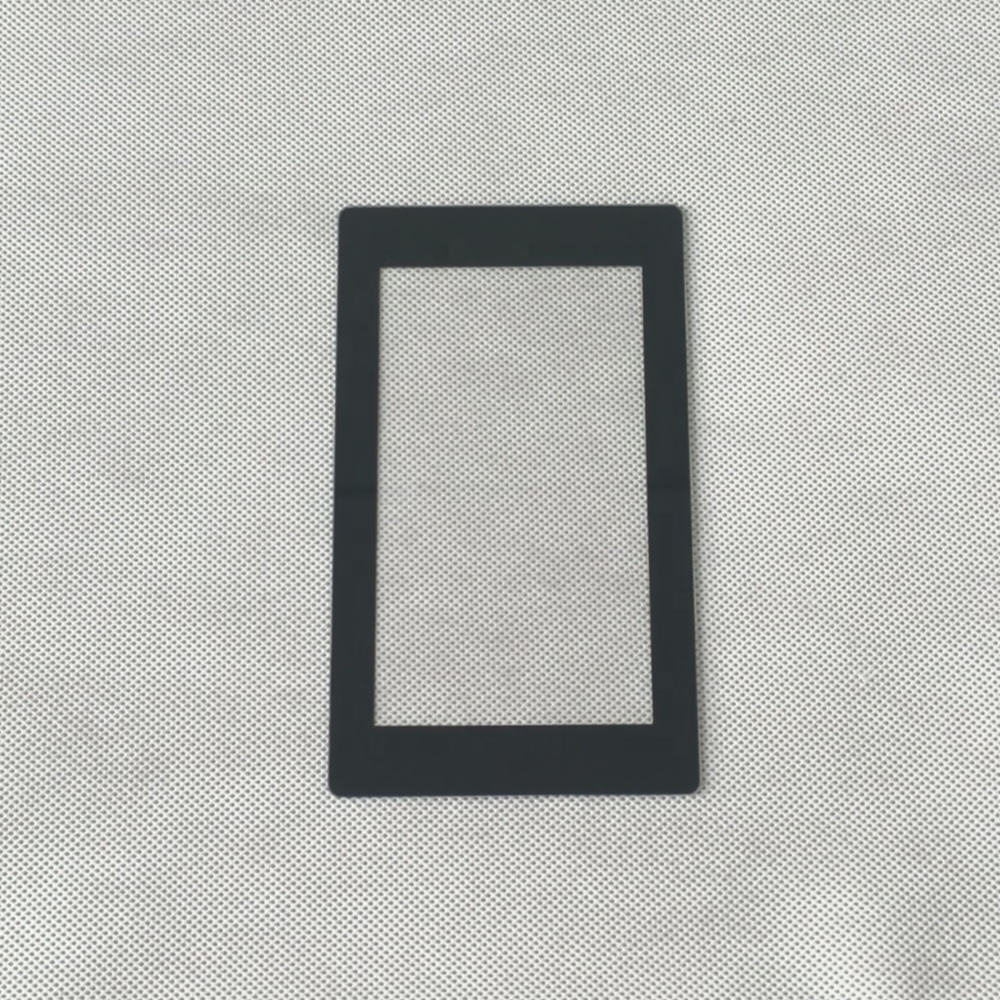
Silk Screen Printed Tempered Glass Panel Self Adhesive Display Cover Glass Flat Electronic Product Glass Screen Protector
Recommended for Columbus electronics assemblers, appliance-control retrofit kits, and display cover programs that need crisp icons, hidden borders, and scratch-resistant front glass. Self-adhesive options support fast assembly.

Tempered Glass Flat Solid Glass Panels Heat-resistant Tempered Glass for Various Application
A practical choice for Columbus commercial kitchens, appliance repair stock, oven-door replacement programs, and range-hood panels where thermal resistance, flatness, and edge safety matter.
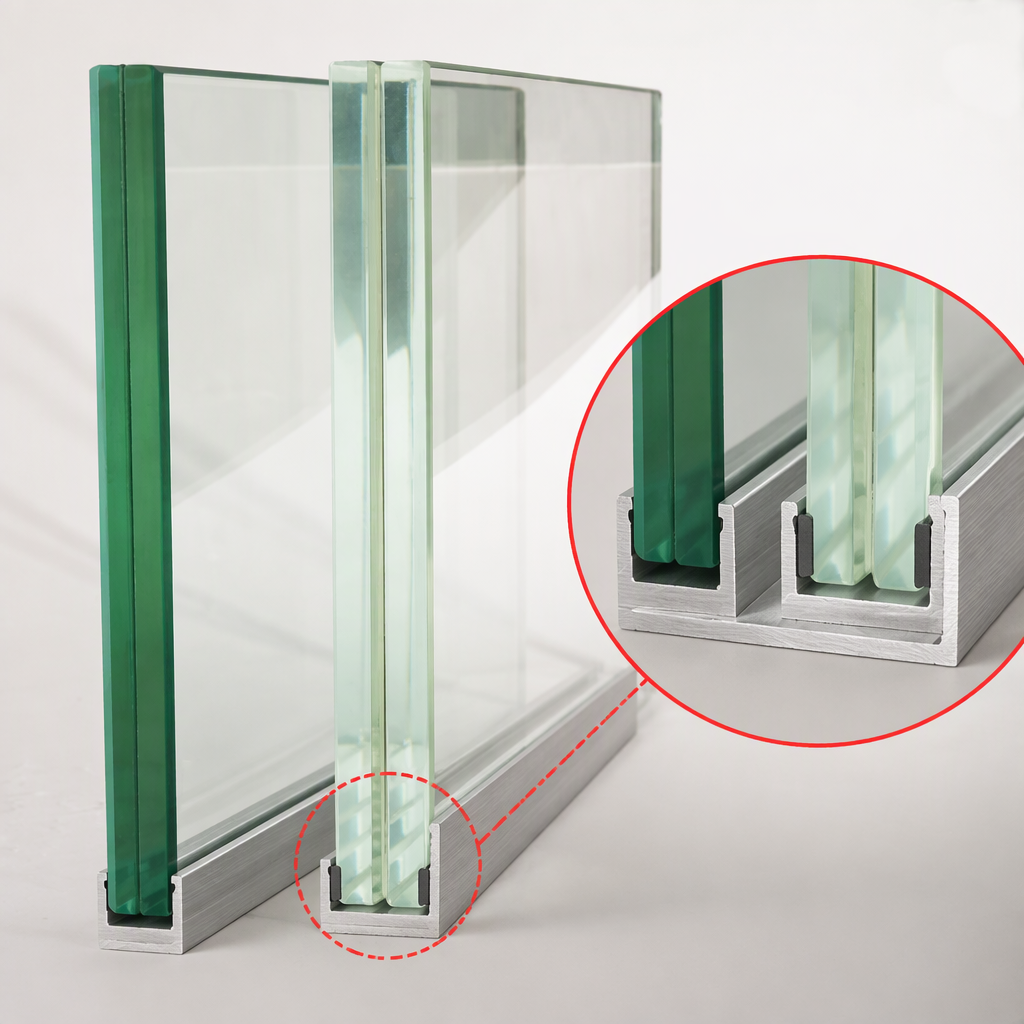
Tempered Glass Flat Solid Tempered Glass Panel Customized Thickness and Size
Useful for Columbus OEMs that need drawing-based dimensions, multiple thickness options, and machining before tempering. A strong match for distributors carrying replacement glass for several appliance brands.
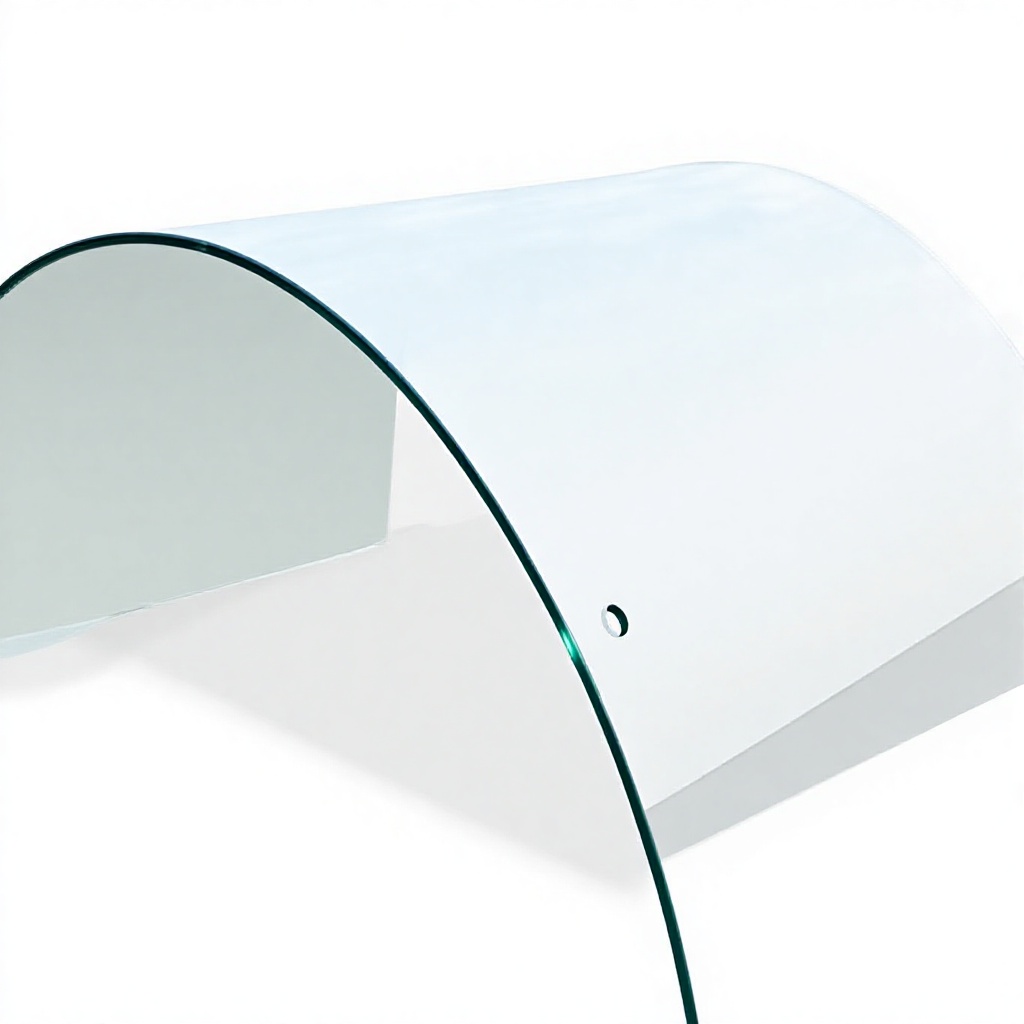
Custom Curtain Wall Glass Balcony Glass Tempered Glass Curved
For Columbus commercial showrooms, appliance brand experience centers, balcony upgrades, and architectural glazing teams that need curved tempered glass coordinated with interior or product design.
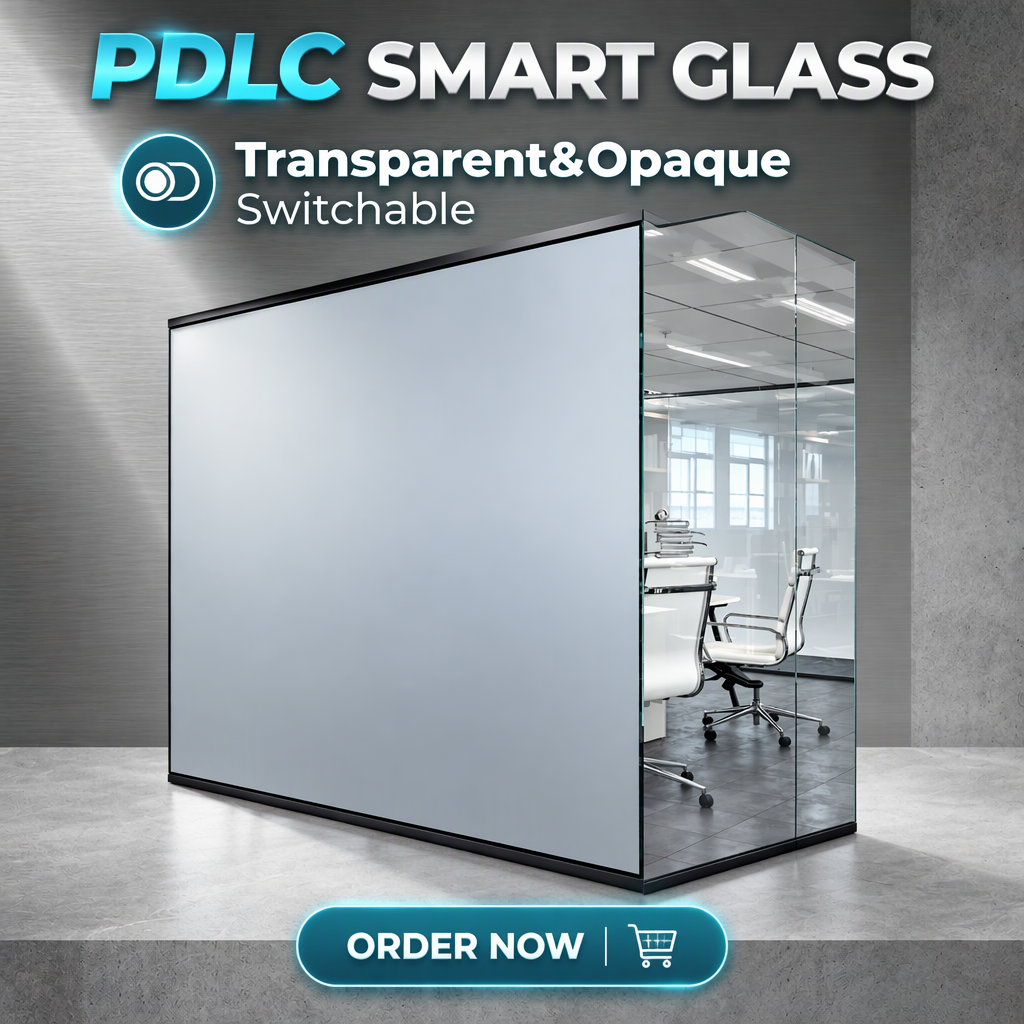
PDLC Smart Film Smart Glass Privacy Film Electrically Transparent Dimmable Glass
Relevant to Columbus office fit-outs, home-office partitions, clinic reception areas, and smart-appliance display concepts requiring switchable privacy and electrically dimmable transparency.
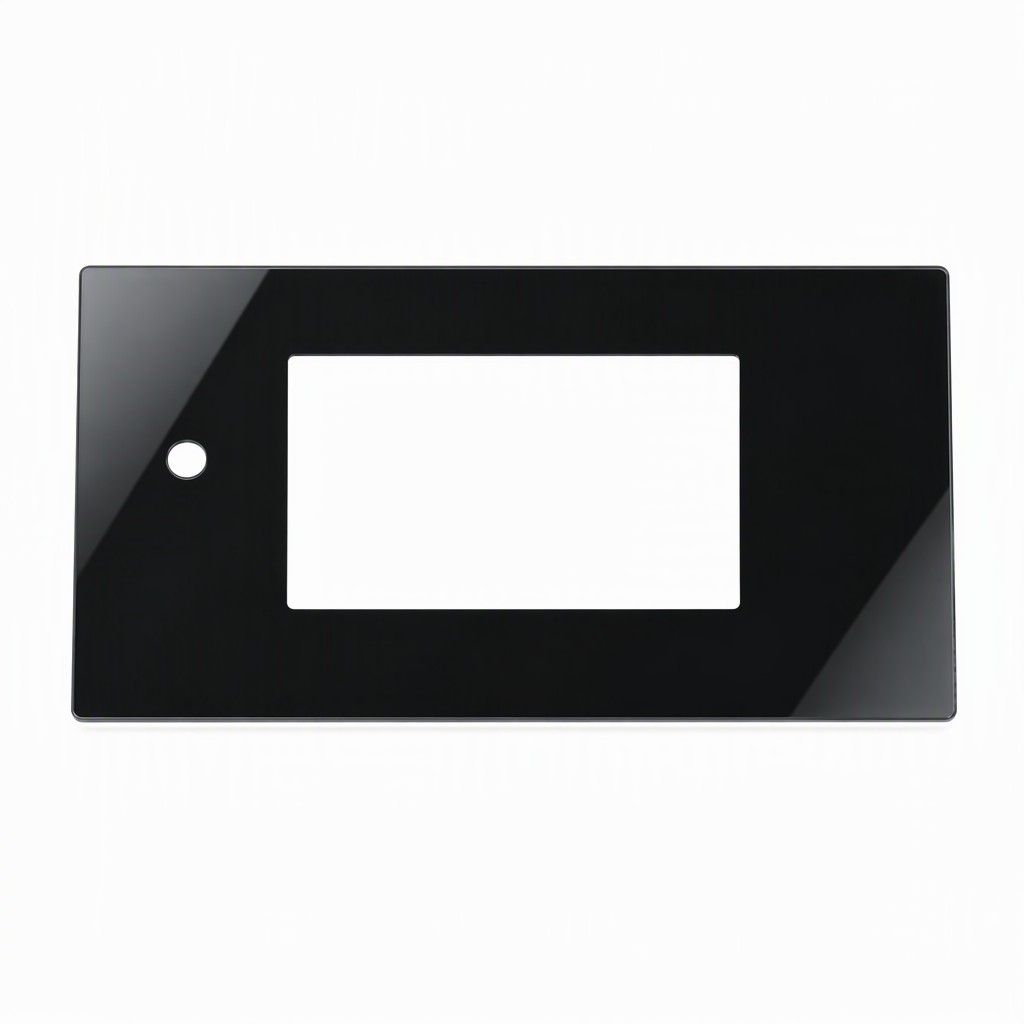
Gorilla Glass Display Protection Cover AR AF Coated LCD Touch Panel Digitizer Front Cover Glass for Industrial Medical Screens
Designed for Columbus medical device teams, industrial HMI integrators, and laboratory equipment makers that need glare control, fingerprint resistance, and durable touch-panel front covers.

Tempered Glass Lazy Susan 50cm 60cm 70cm 90cm Lazy Susan Turntable Strengthened Glass
Ideal for Columbus cabinet makers, kitchen showrooms, remodeling contractors, and storage-hardware distributors supplying durable tempered glass turntables in common and custom diameters.

High Quality Industrial Solid Anti-glare Glass Screen Protector Matte Surface Monitor Screen Cover Glass
Appropriate for Columbus factory floors, logistics control rooms, retail kiosks, and appliance-testing labs where matte anti-glare glass improves screen readability under bright overhead lighting.
A Columbus Sourcing Decision Needs More Than a Low Price
Central Ohio buyers operate in a market where appliance distribution, multifamily construction, healthcare campuses, commercial kitchens, and repair services all intersect. The right China glass factory or wholesaler should shorten replacement cycles, protect brand color, support engineering changes, and reduce landed-cost surprises.
What “Best” Should Mean for Columbus Appliance Glass Buyers
For a Columbus purchasing manager, the phrase China best home appliance glass factories should not be treated as a ready-made shortlist. It is a search intent that needs a specification-first filter. The practical question is whether a factory can reproduce your drawing, protect printed graphics through heat and cleaning, hold color from sample to mass production, pack glass for a long international route, and communicate engineering exceptions before tooling begins.
Appliance glass is a functional component, not a decorative afterthought. A refrigerator control panel, induction cooktop, wall-oven door, microwave viewing window, smart switch cover, or commercial kitchen display must survive touch, cleaning agents, thermal cycling, impact, and assembly pressure. For Columbus distributors and repair networks, failure often appears as a fit issue, a color mismatch, a delayed replenishment shipment, or a packaging problem—not only as a broken panel.
This is why a factory-direct wholesale program should combine material selection, print control, tempering or chemical strengthening, coating, inspection, and export packaging under one quality system. When those steps are separated across multiple suppliers, the buyer inherits avoidable risk. A Columbus buyer should ask for certificate numbers, sample approval steps, inspection points, and a clear route from Qingdao to the Midwest.
Columbus sourcing fit: what to verify before an order
Localized Home Appliance Glass Use Cases in Columbus, Ohio
Columbus is a diverse demand market. The same glass factory may serve a Downtown multifamily project, a Dublin kitchen showroom, a Clintonville appliance repair counter, a medical device lab near a university campus, and a commercial kitchen fabricator supplying restaurants and food halls.
Induction and cooktop glass
Heat-resistant printed glass for multifamily kitchens, appliance showrooms, and replacement programs where black glass, precise touch zones, and thermal durability are expected.
Refrigerator control panels
Silk-screen printed tempered glass covers for appliance distributors and repair networks needing crisp icons, durable ink, and consistent fit across replacement batches.
Oven and microwave door glass
Heat-resistant tempered glass for property-maintenance teams, appliance repair shops, and commercial kitchens that need safe breakage behavior and clear viewing windows.
Smart switch and touch glass
Printed switch-panel glass for Short North renovations, Dublin smart-home installs, and multifamily automation packages with backlight-ready icons and premium surfaces.
Commercial kitchen displays
Anti-glare and tempered display glass for Columbus restaurants, hotel kitchens, and food-hall equipment where grease, heat, cleaning, and readability all matter.
Medical and lab screen covers
AR/AF coated cover glass for clinics, research labs, and medical device integrators that need reduced reflection, easy cleaning, and precise touch-panel alignment.
Lazy Susan and cabinet glass
Tempered Lazy Susan glass for kitchen-cabinet makers, home organizers, and storage distributors serving Columbus remodeling projects and showroom displays.
Industrial anti-glare covers
Matte anti-glare glass for logistics control rooms, factory HMIs, kiosks, and appliance-testing equipment where reflections reduce operator accuracy.
Columbus Market Trends Reshaping Appliance Glass Demand
Semantic search intent around “home appliance glass factories” is shifting from generic price comparison toward resilience, design consistency, and replacement-part availability. Columbus buyers are especially sensitive to lead-time variability because they often support both new construction schedules and after-sales service obligations.
Electrification and induction cooking
More induction-oriented appliance programs require heat-resistant printed glass with stable touch zones, careful thermal design, and reliable decorative ink performance.
Dark glass, AF coating, and premium touch
Black-printed panels, anti-fingerprint surfaces, and smooth touch-control glass are increasingly used in appliance showrooms and smart-home packages across Central Ohio.
Replacement economy and service stock
Appliance repair networks and property managers need small-batch replenishment, stable print colors, and packaging that protects replacement glass through multiple handling points.
Factory-direct wholesale with logistics discipline
Columbus importers increasingly compare total landed cost, packaging quality, and rail/truck planning to the Midwest, not merely unit price at the factory gate.
Why Qingdao Maupe Glass Co., Ltd. Supports Columbus Buyers
Qingdao Maupe Glass Co., Ltd. is a China-based glass deep-processing manufacturer serving OEM buyers worldwide. The company’s practical advantage for Columbus importers is not simply factory pricing; it is the combination of engineering review, in-house process control, verifiable certificates, export experience, and Qingdao port access.
ISO 9001, RoHS, CE, and SGS evidence
The factory operates under an ISO 9001 quality management system and holds RoHS and CE certificates. SGS onsite assessment supports supplier due diligence for Columbus buyers.
One-stop deep processing
Cutting, CNC shaping, drilling, edge polishing, engraving, silk-screen printing, tempering, chemical strengthening, and AR/AG/AF coating are integrated under one process system.
OEM experience since 2012
With export experience across more than 80 countries, the factory understands drawing interpretation, color approval, packaging requirements, and buyer documentation.
Factory capacity with export focus
The 3,000–5,000 m² factory runs 8 production lines, with 91–100% export share. This is useful for Columbus distributors needing repeatable OEM production rather than one-off trading.
Drawing and sample review
Engineers review 2D drawings, thickness, edge finish, hole positions, print artwork, and strengthening method before mass production, reducing late-stage rework risk.
Qingdao logistics for Columbus delivery
Located near Qingdao seaport and airport, the factory supports FOB, CIF, EXW, DDP, DDU, and express terms, with export packing planned for long ocean and rail routes.
Verifiable Quality Signals for a High-Trust Purchase
Google’s Search Quality Rater Guidelines reward content that demonstrates real expertise, clear sourcing, and helpful information gain. For appliance glass, that means publishing certificate numbers, explaining the engineering trade-offs, and showing how quality is controlled before shipment.
ISO 9001 certificate no. 24025Q20015R1S
Quality management system covering float glass and technical glass products, with traceability from incoming material to finished inspection.
RoHS certificate no. 25TYT12395
Supports compliance planning for electrical and electronic equipment markets by restricting hazardous substances in applicable materials and processes.
CE certificate no. 23TYT082593S
Useful for buyers evaluating tempered glass supply for European market access or for projects where CE documentation forms part of supplier verification.
Inspection before packing
Incoming material inspection, in-process checks, and finished-product inspection help catch print defects, edge issues, dimensional errors, and coating problems.
From Columbus RFQ to Qingdao Shipment in Four Controlled Stages
1. Drawing review
Send DWG, DXF, or PDF drawings with dimensions, thickness, edge finish, holes, tolerance, print artwork, coating request, and intended appliance environment.
2. Sampling and approval
Samples are checked for fit, print color, touch-window clarity, edge quality, and coating appearance before a Columbus buyer releases mass production.
3. Production and QC
Cutting, printing, tempering or strengthening, coating, and inspection proceed under the approved golden sample and production drawing.
4. Export and Columbus delivery
Export cartons, pallets, and documentation are prepared for Qingdao departure, with logistics planning to the U.S. gateway and onward Midwest delivery.
Common Procurement Questions from Columbus Appliance Buyers
These answers address the questions most often raised by Columbus distributors, appliance repair networks, commercial kitchen fabricators, and OEM product teams comparing Chinese glass factories and wholesalers.
What is the minimum order quantity for custom printed appliance glass?
Most custom silk-screen printed panels start from 10 to 100 pieces depending on size, thickness, print colors, and coating. Large display cover glass can start from 10 pieces, while small precision touch panels may require higher quantities for efficient tooling and printing. Columbus buyers should confirm MOQ against annual demand, service-stock needs, and the cost of holding replacement inventory.
Should we choose physical tempered glass or chemically strengthened glass?
Physical thermal tempering is generally best for glass around 2 mm and thicker, such as oven doors, cooktop-adjacent panels, switch panels, and display windows. It breaks into small blunt fragments for safer handling. Chemical strengthening suits thin 0.5–2 mm cover glass and touch panels where flatness and optical quality are critical. The right choice depends on thickness, application stress, cleaning exposure, and the final appliance certification plan.
What files are needed to quote a home appliance glass project?
Send a 2D drawing in DWG, DXF, or PDF with dimensions, thickness, edge finish, hole positions, and tolerances. Include print artwork in AI or PDF with color references, layer order, and transparent-window details. State whether you need AR, AG, or AF coating, adhesive tape, backlight compatibility, and the intended appliance or commercial-kitchen environment.
Which certifications should a Columbus buyer verify?
Verify ISO 9001 status, RoHS compliance for applicable electrical and electronic products, and CE documentation where relevant. Qingdao Maupe Glass Co., Ltd. provides certificate references including ISO 9001 no. 24025Q20015R1S, RoHS no. 25TYT12395, and CE no. 23TYT082593S, and has SGS onsite assessment experience. Final appliance certification remains the responsibility of the appliance brand or importer.
How does shipping from China to Columbus, Ohio usually work?
Most orders move from Qingdao seaport by ocean freight to a U.S. gateway, then by rail or truck to the Columbus region. Some buyers use West Coast ports and Midwest rail; others compare East Coast routing or DDP delivery. FOB Qingdao is common for experienced importers, while CIF, DDP, and DDU options can simplify planning. Lead time depends on sample approval, print complexity, coating, quantity, and chosen shipping route.
Are you a local Columbus glass wholesaler?
No. This is a factory-direct China supply program, not a local Columbus stock warehouse. The advantage is direct engineering communication, OEM production, controlled printing and tempering, and wholesale pricing from the manufacturing source. Columbus buyers can use the factory for scheduled releases, distributor replenishment, replacement-part runs, and custom appliance glass programs.
Request a Columbus-Specific Appliance Glass Sourcing Review
Share your drawing, annual volume, print artwork, coating requirement, and expected delivery window. The factory team can review manufacturability, recommend physical tempering or chemical strengthening, and prepare a quote for factory-direct wholesale supply from Qingdao to Columbus.
Get CatalogCore sourcing intent: China best home appliance glass factories and wholesalers serving Columbus—evaluated through engineering evidence, certificate verification, localized application fit, and realistic international logistics planning.