Eight Optical Window and Functional Glass Products for Semarang Projects
Semarang buyers rarely purchase “just a clear sheet.” They need a window that protects a sensor, frames an HMI, seals a control panel, improves display readability or becomes the front face of a smart device. The eight product lines below map directly to the drawings, samples and repeat orders we review for OEM customers in Central Java.
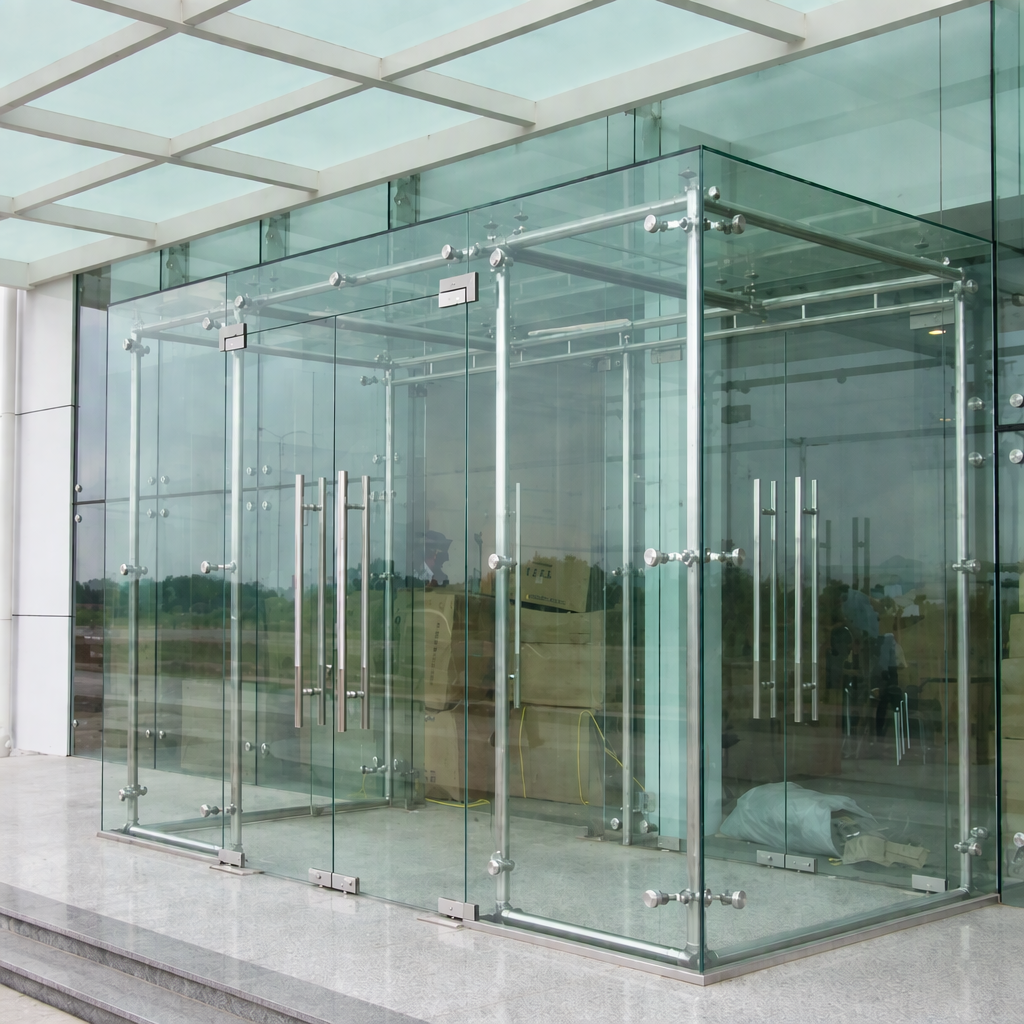
Tempered Glass Solar Window Glass High Transmittance Clear Flat Tempered Glass
High-transmission flat tempered glass for solar equipment, daylight sensors, outdoor HMI covers and energy-monitoring windows in Semarang warehouses and industrial estates.
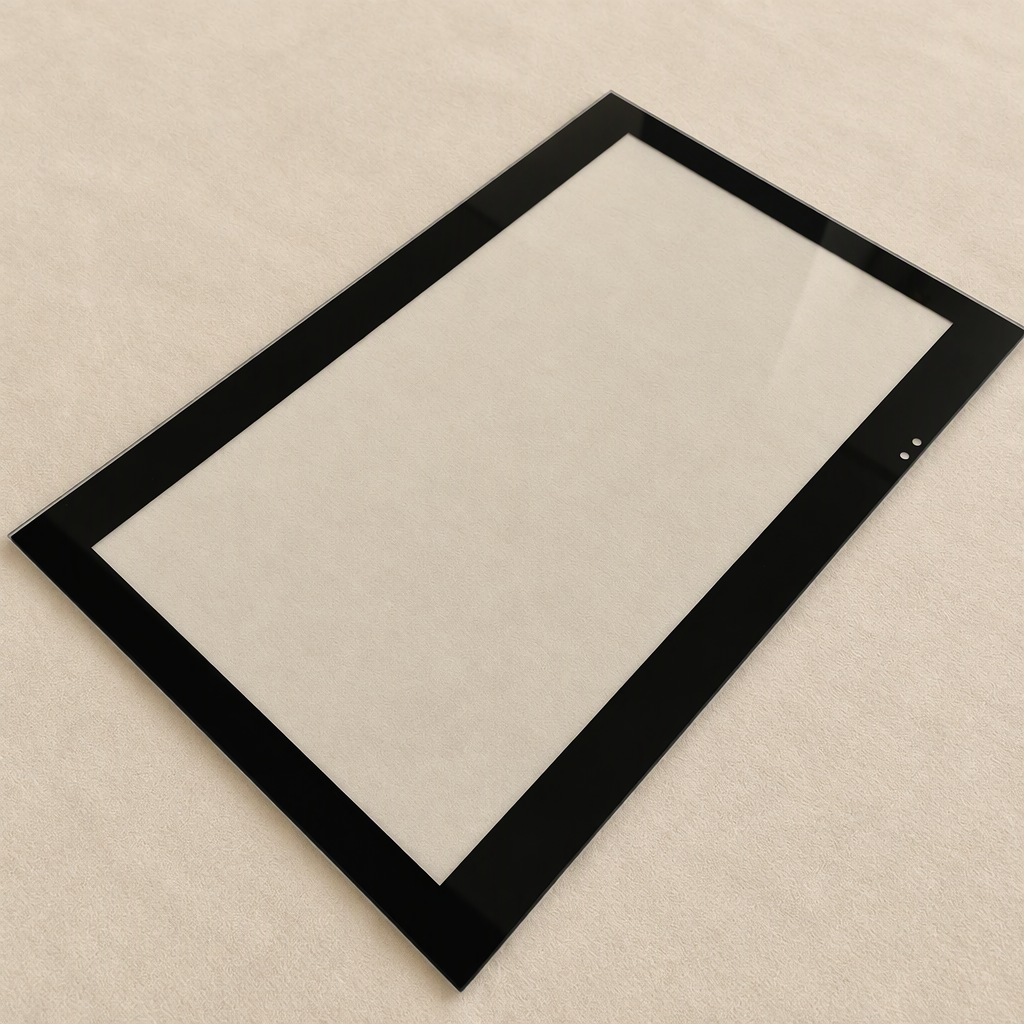
Tempered Glass Panel Silk Screen Printed Flat Display Screen Protector Glass for LCD TV Industrial Decoration
Printed borders, icon windows and masked viewing areas for LCD TVs, industrial displays and equipment fronts that need scratch resistance and clean brand presentation.
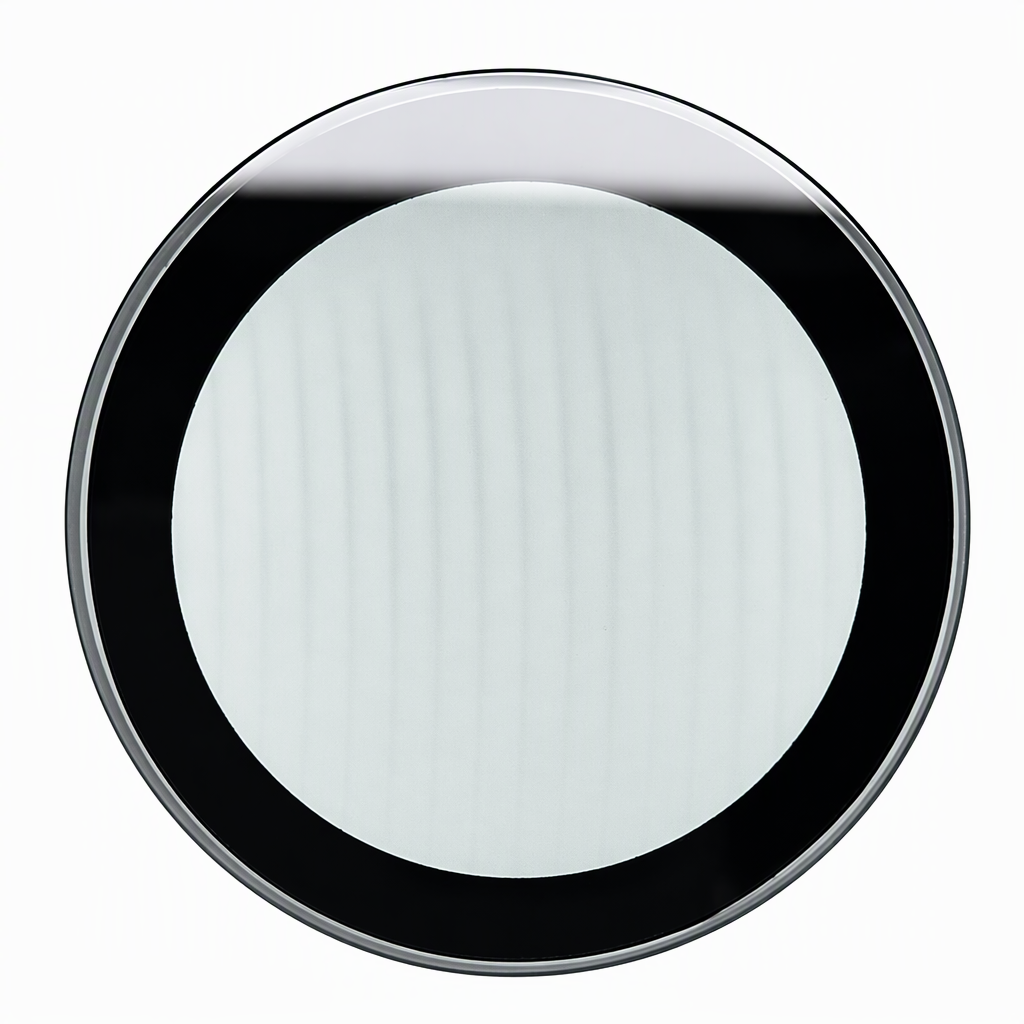
Custom 3-19mm Thickness Flat Tempered Glass Panel for Instrument Use Factory Price Round Shape Printed Tempered Glass
Round and special-shape instrument windows from 3–19 mm, suitable for dial covers, sensor protection, control-panel lenses and inspection windows requiring repeatable thickness.
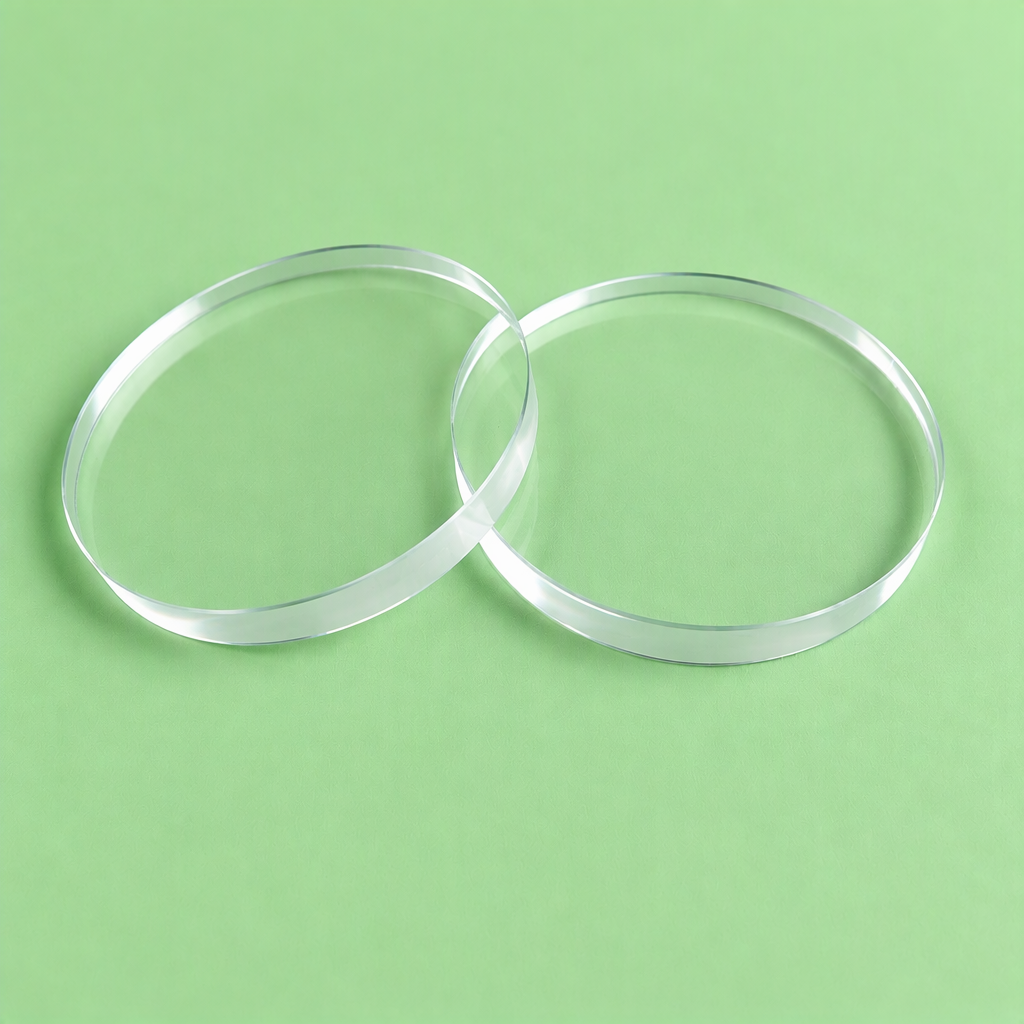
High Strengthen Glass Tempered Glass Custom Size Tempered Clear Glass Panel for Industrial
Impact-resistant clear tempered panels for machine guards, inspection windows, electrical enclosures and automation cells in Kendal Industrial Park and Semarang production plants.
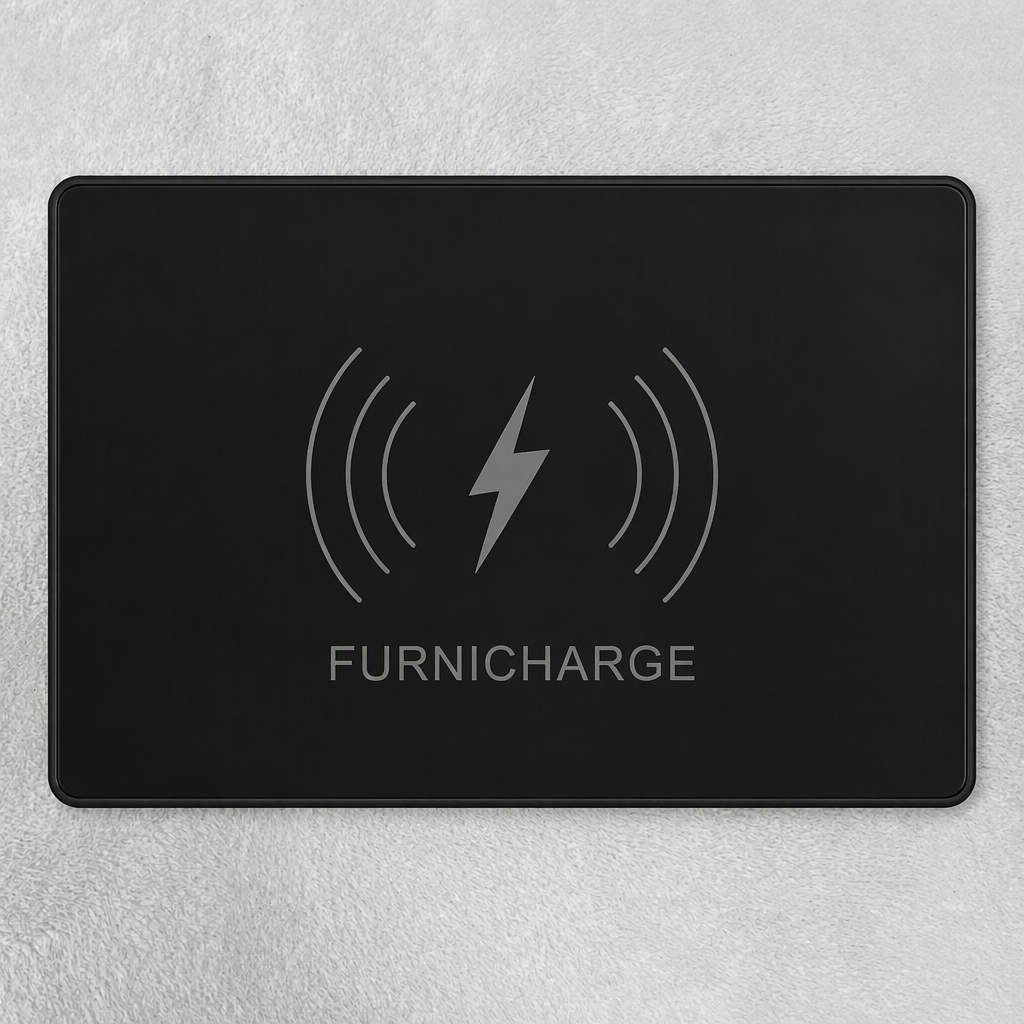
Smart Tempered Glass Bedside Table Panel for Tea Table Wireless Charging Front Cover Glass Touch Light Switch Glass
Touch-friendly glass for hotel bedside tables, tea tables, wireless charging surfaces and smart light switches where printed decoration and clean touch response both matter.
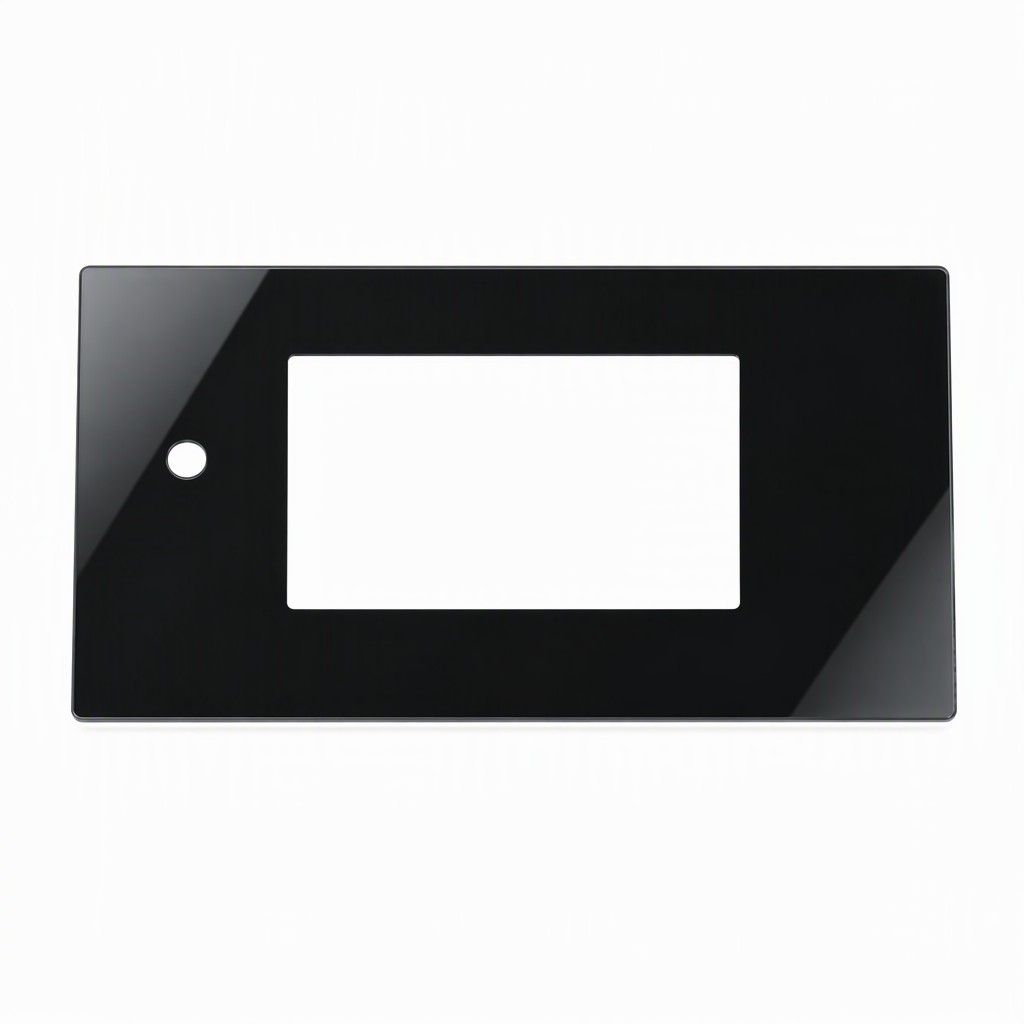
Gorilla Glass Display Protection Cover AR AF Coated LCD Touch Panel Digitizer Front Cover Glass for Industrial Medical Screens
AR/AF coated cover glass for medical screens, industrial digitizers and touch panels. Anti-reflective treatment improves readability; anti-fingerprint coating supports frequent touch.
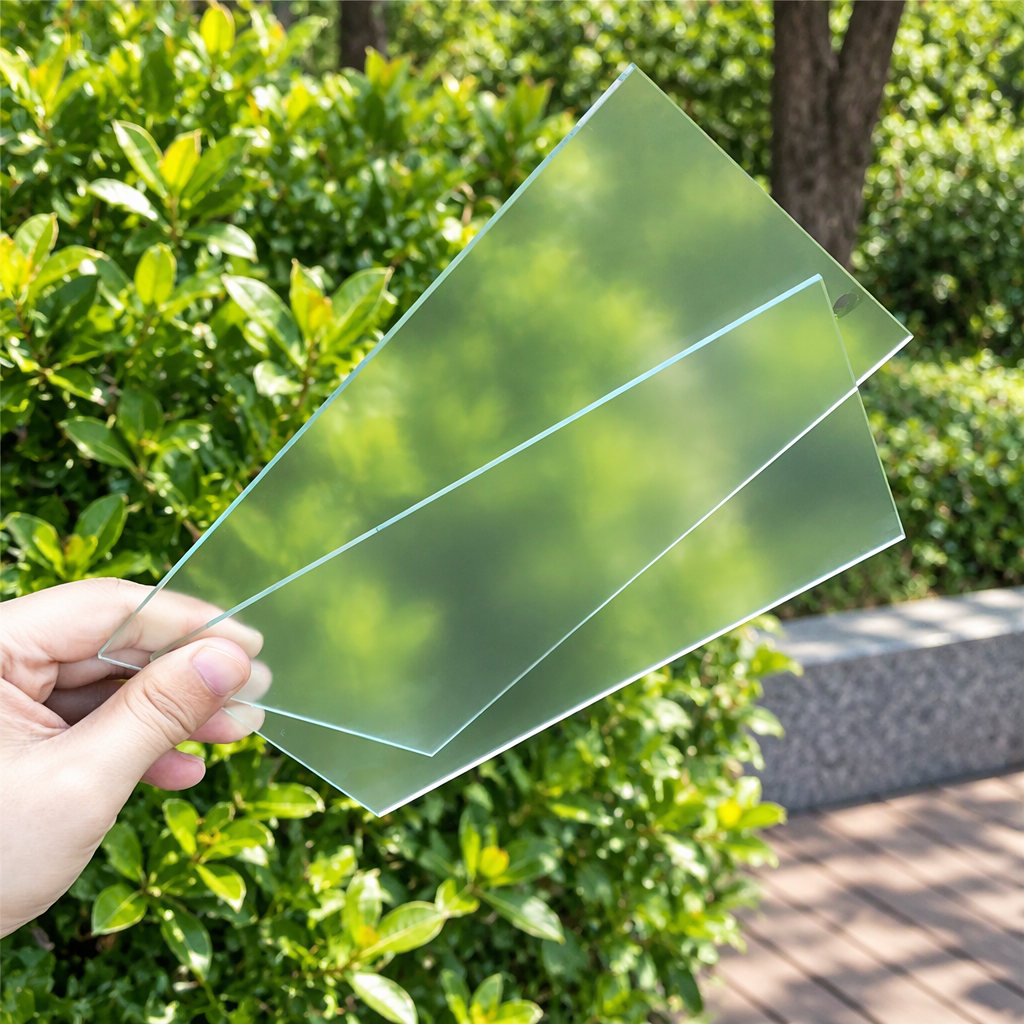
High Quality Industrial Screen Front Cover Glass Frosted Anti-glare Glass for Screen Protector
Frosted AG cover glass that diffuses reflections from factory lighting, windows and inspection lamps, improving operator comfort on Semarang control-room and production-line displays.
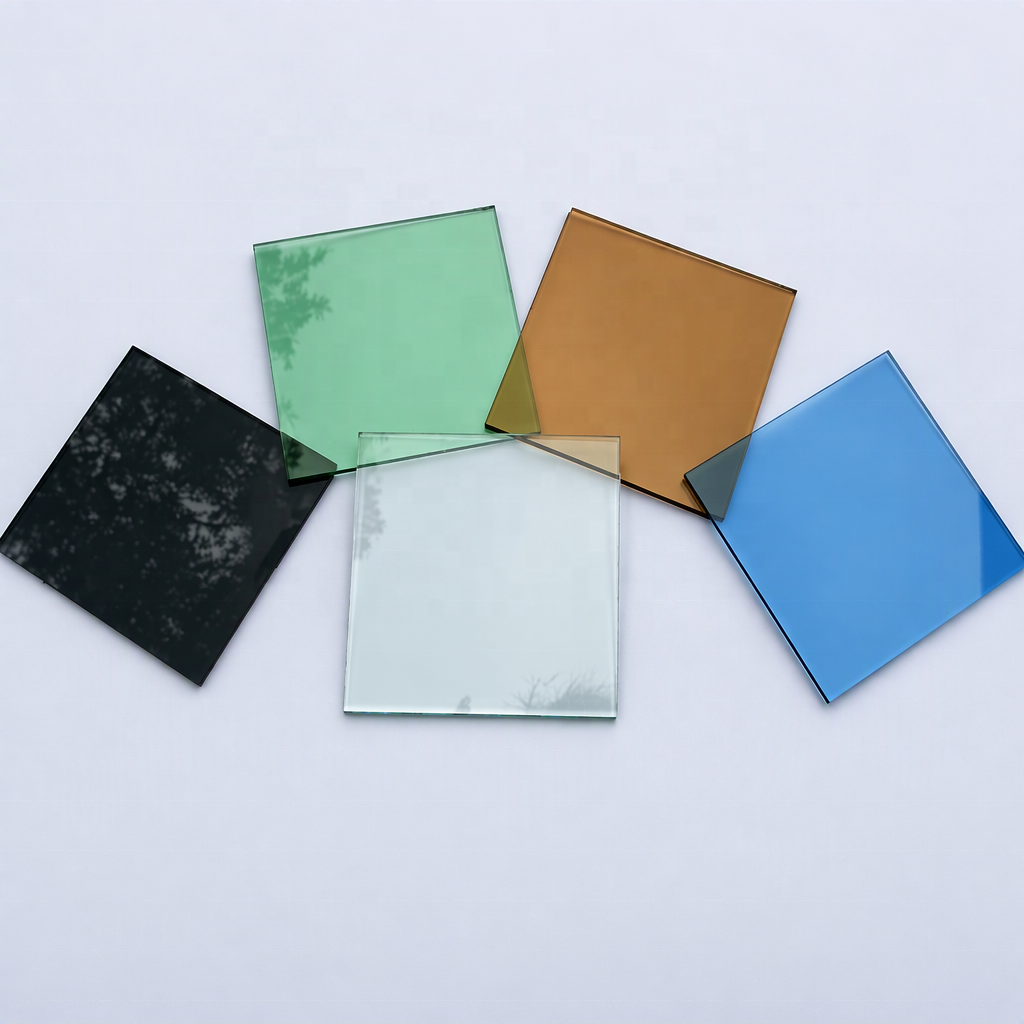
Customized Tinted Tempered Glass Flat Sheet 3mm to 10mm Reflective Colored Glass Toughened Glass
Tinted, reflective or colored tempered glass from 3–10 mm for appliance fronts, decorative partitions, privacy windows and designs that need controlled light transmission.
Every product link above preserves the original product URL. For a project-specific quotation, send your drawing, target thickness, coating requirement and estimated annual volume through the inquiry channel: Contact Us.
Why Semarang Buyers Shortlist Qingdao Maupe Glass Co., Ltd.
For procurement teams comparing China optical window manufacturers and exporters, the real decision is not one price list. It is the process behind the quotation: who controls cutting, printing, tempering, coating and inspection; how drawings are reviewed; which certificates can be verified; and how samples reach Tanjung Emas without ambiguity.
An OEM Glass Factory Built Around Drawings, Not Stock Sizes
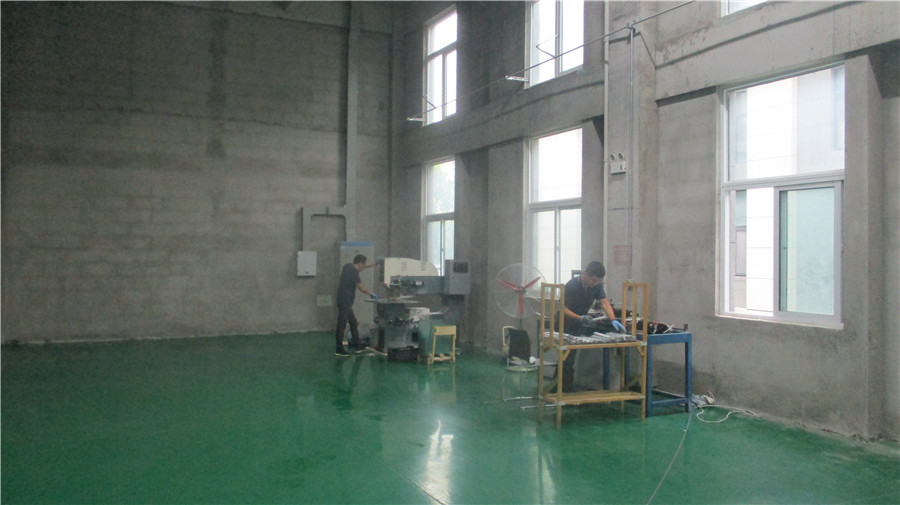
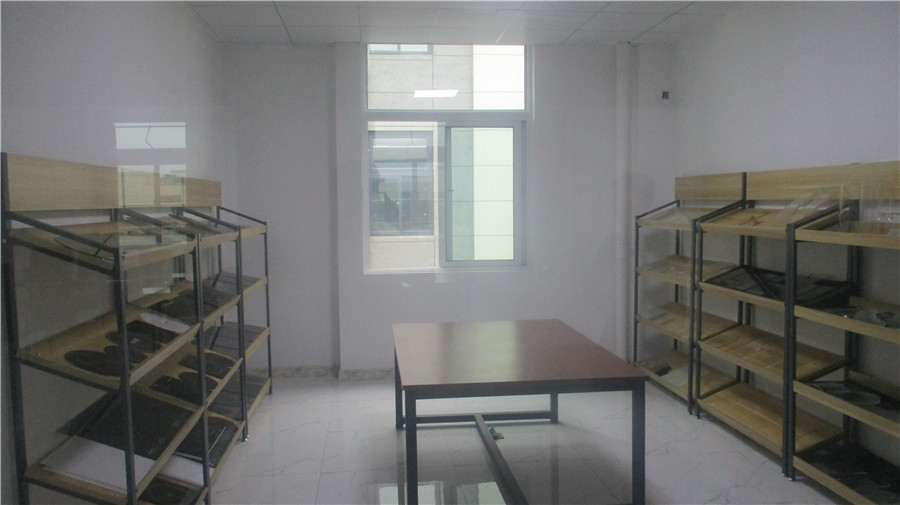
Qingdao Maupe Glass Co., Ltd. is an ISO 9001 glass deep-processing manufacturer founded in Qingdao, Shandong, in 2012. The company’s work is focused on converting flat glass into finished functional parts: cutting, CNC shaping, edge polishing, drilling, engraving, silk-screen printing, physical tempering, chemical strengthening and AR/AG/AF surface coating. For optical window buyers in Semarang, that means the supplier can discuss the full stack of requirements rather than forwarding a generic panel.
The factory’s export share of output is 91–100%, with customers in more than 80 countries across Asia, Europe, North America, South America, Oceania, the Middle East and Africa. Export-oriented production changes the documentation discipline: dimensions, print artwork, coating side, packing method and inspection criteria must be agreed before mass production, because the part will travel from Qingdao to a port or project site far from the factory floor.
Maupe Glass also supports OEM and ODM projects, with experience serving Fortune 500 procurement systems and SGS onsite assessment. Certificate numbers can be checked by a compliance team: ISO 9001 certificate No. 24025Q20015R1S, RoHS certificate No. 25TYT12395 and CE certificate No. 23TYT082593S for tempered glass. These are not decorative badges; they are part of the supplier qualification file that Semarang importers and their end customers may request.
- ✓ISO 9001 quality management system, certificate No. 24025Q20015R1S, valid to 02/2028.
- ✓RoHS compliance, certificate No. 25TYT12395, valid to 12/2030.
- ✓CE certificate No. 23TYT082593S for tempered glass, valid to 08/2028.
- ✓SGS onsite assessed, with incoming-material and finished-product inspection procedures.




Where Optical Window Glass Fits Semarang’s Local Economy
Semarang is a working port city and a growing industrial and services hub in Central Java. That local context changes the specification conversation: humidity, salt air, cleaning routines, bright factory lighting, touch traffic and mixed indoor-outdoor use all influence the right glass, coating and edge finish.
Port, Logistics and Warehouse HMI Windows
Container yards, freight forwarders and warehouse operators around Tanjung Emas need readable HMI covers that resist dust, cleaning and repeated touch. AG or AF coated tempered glass helps reduce glare and fingerprints.
Industrial Automation and Machine Vision
Factories in Kendal Industrial Park and Semarang industrial zones use inspection windows, machine guards and control-panel glass. Clear tempered panels with CNC cutouts support sensor alignment and operator safety.
Food, Beverage and Packaging Lines
Inspection windows and machine covers must be easy to clean, resistant to routine washdown and safe if broken. Physically tempered safety glass with smooth edges is often the practical choice for packaging equipment.
Medical, Laboratory and Diagnostic Screens
Clinics and instrument makers require flat, clear cover glass with controlled reflection and fingerprint resistance. Chemically strengthened 0.5–2 mm glass suits thin touch displays where optical clarity is critical.
Smart Buildings, Hotels and Retail
Semarang hotels, apartments and retail interiors increasingly use glass switch panels, room-control covers and wireless-charging surfaces. Printed icons and AF coatings improve daily touch experience.
Outdoor Kiosks, EV Charging and Energy Monitoring
Outdoor equipment near the coast faces humidity, heat and accidental impact. Tinted or reflective tempered glass with sealed edges can protect displays while managing solar load and glare.
Semarang Optical Window Trends: What Buyers Are Specifying Now
Demand is moving away from one-size-fits-all panels. Semantic search intent around “optical window supplier for Semarang” now includes durability, optical performance, small-batch sampling, certificate verification and port-to-door logistics.
Smart Manufacturing
More control panels, machine-vision windows and touch covers as local factories upgrade automation.
Tropical Durability
Humidity, salt air, condensation and cleaning chemicals push buyers to review edge sealing and print adhesion.
AR / AG / AF Performance
Readability under bright light and anti-fingerprint finishes are increasingly requested for touch screens.
Smaller MOQs and Samples
Supply-chain diversification encourages buyers to validate a new China partner with pilot batches first.
The bars are an illustrative project-priority index used in buyer discussions, not a published market statistic.
Specifying Optical Window Glass for Semarang’s Climate and Production Lines
An optical window is a functional flat-glass component: it protects what is behind it, transmits what the system needs to see, and presents an interface that users can touch or clean. The specification should follow the function, not the other way around.
1. Define the window by function, not by the name on the quotation
A sensor window, a display cover and a smart-switch panel may all look like “a piece of glass,” but they fail for different reasons. A sensor window fails when transmission, flatness or coating placement is wrong. A display cover fails when glare, fingerprints or impact resistance is inadequate. A printed control panel fails when ink adhesion, color consistency or touch-zone alignment drifts. Before asking for a price, define whether the part is primarily optical, protective, decorative or interactive — and which of those functions cannot be compromised.
2. Choose physical tempering when safety and impact resistance lead
Physical thermal tempering is commonly used for glass around 2 mm and thicker. It creates a safety-glass break pattern of small blunt fragments, making it suitable for appliance doors, machine guards, switch panels, display windows and industrial inspection covers. In Semarang’s busier factories, where panels may be exposed to accidental impact or thermal load, tempered glass can be the more robust choice. The trade-off is that cutting, drilling and edge finishing must be completed before tempering, so drawing review must be thorough.
3. Choose chemical strengthening for thin, flat, high-clarity covers
Chemically strengthened glass is often selected for 0.5–2 mm covers where flatness, optical clarity and touch sensitivity matter. Ion-exchange strengthening suits medical displays, small electronics, wearable interfaces and thin control covers. It does not produce the same blunt-fragment break pattern as physical tempering, so the application and risk assessment matter. For a Semarang medical-device or instrumentation project, the correct choice depends on thickness, housing design, user contact and the standard the end product must satisfy.
4. Select AR, AG and AF by the environment, not by acronym
AR coating reduces surface reflection and can improve display contrast. AG treatment diffuses reflections, which is valuable under factory lighting or near windows. AF coating resists fingerprints and makes cleaning easier. These treatments are not interchangeable. A port logistics HMI may benefit more from AG plus AF, while a medical diagnostic display may prioritize AR plus AF. Because Semarang’s humidity and cleaning routines can stress coated surfaces, the buyer should specify the cleaning chemicals, wipe materials and durability expectation — then ask the factory to confirm the coating stack and inspection method.
5. Treat printing, edges and sealing as part of the optical system
Printed borders hide sensors, define viewing windows and carry brand graphics. Edge quality affects handling safety, fit and appearance. In humid coastal environments, edge condition and housing sealing can influence how long a panel stays clean and readable. If the window will be used outdoors, near washdown areas or in a condensing environment, discuss gasket design, adhesive selection and edge protection with the glass supplier early. A good glass part can still fail in the field if the mechanical integration is ignored.
6. Verify with a drawing, a sample and an inspection plan
Before mass production, send a 2D drawing in DWG, DXF or PDF with dimensions, thickness, edge finish, hole positions and tolerance. Add print artwork in AI or PDF with color references and layer order. State the coating requirement, intended application and estimated annual volume. Then approve a sample for fit, color, touch response and readability. The inspection plan should define what is checked: dimensions, appearance, print alignment, coating coverage, edge quality and packing protection. This is the practical route to reducing rework between Qingdao and Semarang.
| Application | Typical glass approach | Thickness guide | Surface / print | Local reason |
|---|---|---|---|---|
| Sensor / photoelectric window | Clear flat glass, chemically strengthened or tempered | 1.1–3 mm | AR optional, masked border | High transmission and dust protection |
| Industrial HMI display | Physically tempered cover glass | 3–6 mm | AG, AF, printed frame | Glare control and impact resistance |
| Medical diagnostic screen | Chemically strengthened glass | 0.5–2 mm | AR + AF coating | Flatness, clarity and repeated cleaning |
| Smart switch / touch panel | Chemical or physical strengthening | 1–4 mm | Printed icons, AF coating | Touch response and fingerprint control |
| Outdoor kiosk / EV charger | Physically tempered glass | 4–8 mm | AG, AF, tinted or reflective | Humidity, solar load and public use |
| Appliance / cooktop front | Physically tempered glass | 3–6 mm | High-temperature ink, decorative print | Heat exposure and safety break pattern |
Condensation and edge creep
Review edge sealing, ink adhesion and housing ventilation. In coastal Semarang, small integration details can decide whether a window stays readable after months of humidity cycling.
Coating wear from cleaning
Define the cleaning agent and wipe method. AF and AR surfaces should be specified with a realistic durability expectation and an agreed inspection reference.
Print misalignment or color drift
Approve artwork, color references and first-article samples. For multi-color control panels, layer order and ink type should be recorded before mass production.
One Factory, Six Capabilities Behind Each Optical Window
Keeping cutting, printing, tempering and coating under one roof shortens communication loops and makes tolerance, color and surface consistency easier to trace from raw sheet to packed carton.
Precision Cutting and CNC Shaping
Straight, round and special-shaped parts cut and CNC-profiled from clear, ultra-clear, tinted and high-alumina sheet.
Edge Polishing, Drilling and Engraving
Flat, pencil and beveled edges, safety corners, countersunk holes, notches and engraved details for clean assembly.
Silk Screen Printing
Eco-friendly high- and low-temperature inks, multi-color layouts, logos, icons and touch zones with scratch-resistant finishes.
Physical Thermal Tempering
Heat-strengthened safety glass for appliance doors, switch panels and display windows that must resist impact and heat.
Chemical Strengthening
Ion-exchange strengthening for thin 0.5–2 mm cover glass where flatness, optical clarity and strength are all required.
AR / AG / AF Surface Coating
Anti-reflective, anti-glare and anti-fingerprint treatments for readable screens in bright, industrial and medical environments.
Drawing Review
Engineers check manufacturability, tolerance, edge finish and strengthening method.
Sampling
Screens and samples are made for fit, color, touch and coating verification.
Mass Production
Cutting, edging, printing, tempering and coating proceed against approved specifications.
Inspection and Export Packing
Final appearance and dimensional checks protect the shipment to Semarang.
Certificates and Export Documents That Semarang Buyers Can Check
For a reliable optical window supply relationship, certificates should be verifiable and consistent with the purchased product. Maupe Glass maintains ISO 9001, RoHS and CE certificates and has been onsite assessed by SGS. Buyers can request the relevant certificate copies, product test references and packing details during the quotation stage.

ISO 9001 Quality Management
Certificate No. 24025Q20015R1S · Scope: float glass and technical glass products · Valid to 02/2028.

RoHS Compliance
Certificate No. 25TYT12395 · Restricts hazardous substances for electrical and electronic equipment · Valid to 12/2030.

CE Marking for Tempered Glass
Certificate No. 23TYT082593S · Supports European Economic Area market access · Valid to 08/2028.
Questions Semarang Buyers Ask Before Ordering Optical Window Glass
These are the practical questions that usually appear after the first price inquiry: shipping, samples, humidity, documentation, minimum order and specification files.
Can you ship optical window glass to Semarang and Tanjung Emas?
+
Yes. The factory is close to Qingdao seaport and airport. Bulk orders can be shipped by sea to Tanjung Emas or other Indonesian ports using FOB, CIF, EXW, DDP or DDU terms where applicable. Samples are usually sent by express or air so the fit and coating can be checked quickly before mass production.
What is the MOQ for custom optical windows for Semarang projects?
+
Most custom silk-screen printed panels start from 10 to 100 pieces depending on size, thickness, print colors and coating. Large display cover glass can start from 10 pieces. For a first trial order, tell us the application and annual volume so the quotation can be structured around sampling and mass production.
Which glass is better for Semarang’s humid coastal climate?
+
There is no single answer. Tempered 3–6 mm glass is often used for industrial windows and screen covers, while chemically strengthened thin glass suits medical and touch displays. For humid environments, discuss edge sealing, ink adhesion, housing gasket design and cleaning chemicals. The glass, coating and enclosure should be reviewed as one system.
Can we receive samples before placing a bulk order?
+
Yes. Samples are available for fit, color, print alignment and coating verification. Send your 2D drawing and artwork first. For projects with special colors or touch-zone printing, approve the first article before production so the mass-production panel matches the intended design.
What files do you need for a quotation?
+
Send a 2D drawing in DWG, DXF or PDF with dimensions, thickness, edge finish, hole positions and tolerance. Add print artwork in AI or PDF with color references, plus the coating requirement such as AR, AG or AF. Also state the application, cleaning environment and estimated annual volume.
Which delivery and payment terms are accepted?
+
Accepted delivery terms include FOB, CIF, EXW, FAS, FCA, CPT, DDP, DDU and express delivery. Accepted payments include T/T, L/C, PayPal, Western Union and cash, in USD, EUR or CNY. The export team can support commercial invoice, packing list, bill of lading and certificate-of-origin documentation requests.
Send a Drawing, Get a Manufacturability Review
Share your optical window drawing, target thickness, coating requirement and estimated volume. The Maupe Glass team will review the glass type, strengthening method, print layout and packing route to Semarang.
Contact Us Email: info@maupeglass.com · Qingdao Maupe Glass Co., Ltd. · ISO 9001, RoHS, CE, SGS Onsite Assessed