8 Precision Glass Window Products for Seattle Buyers
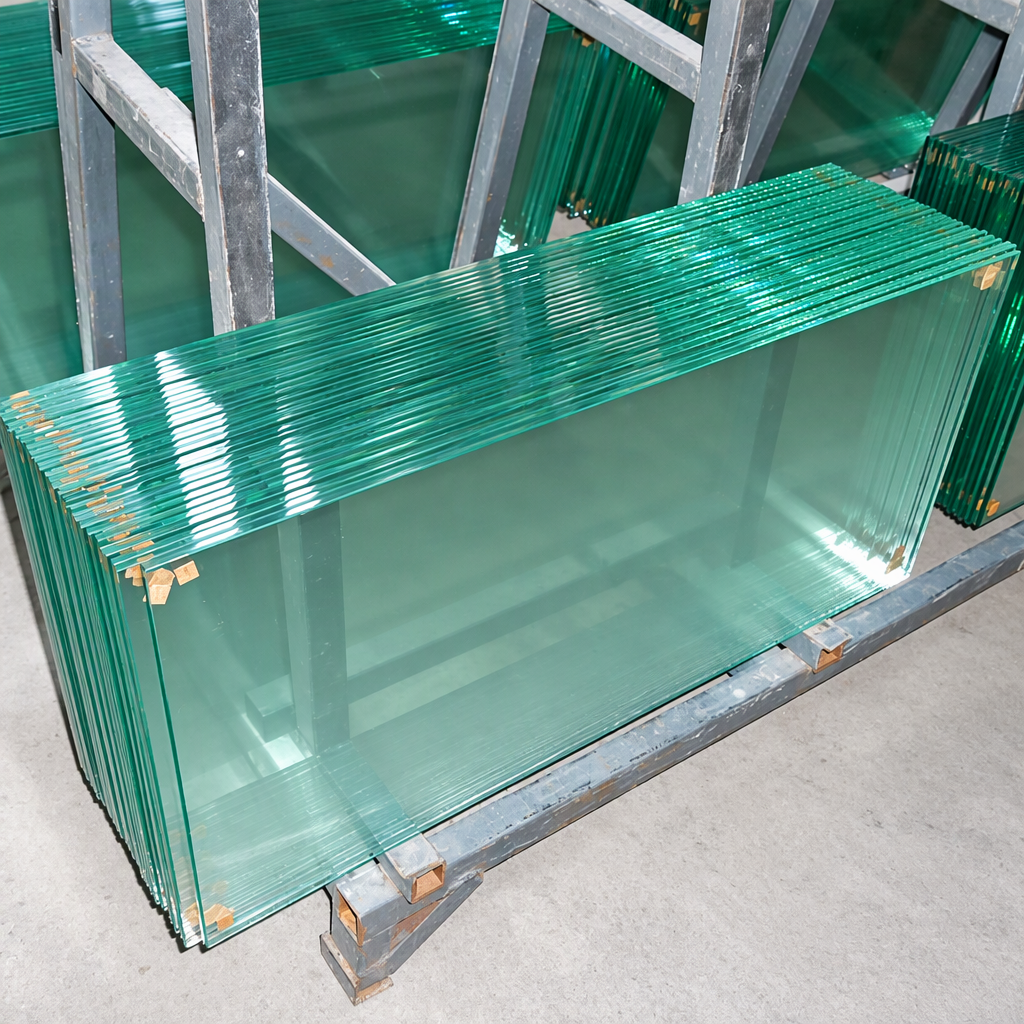
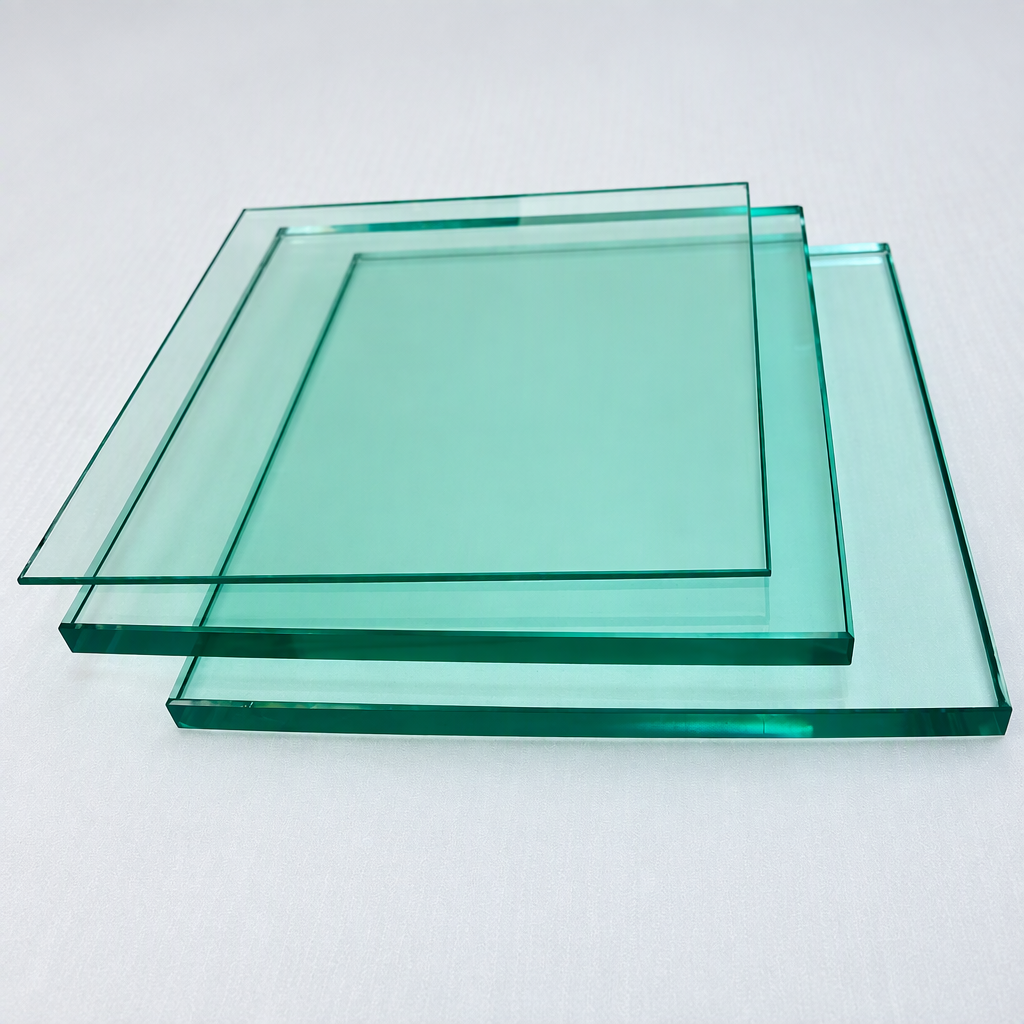
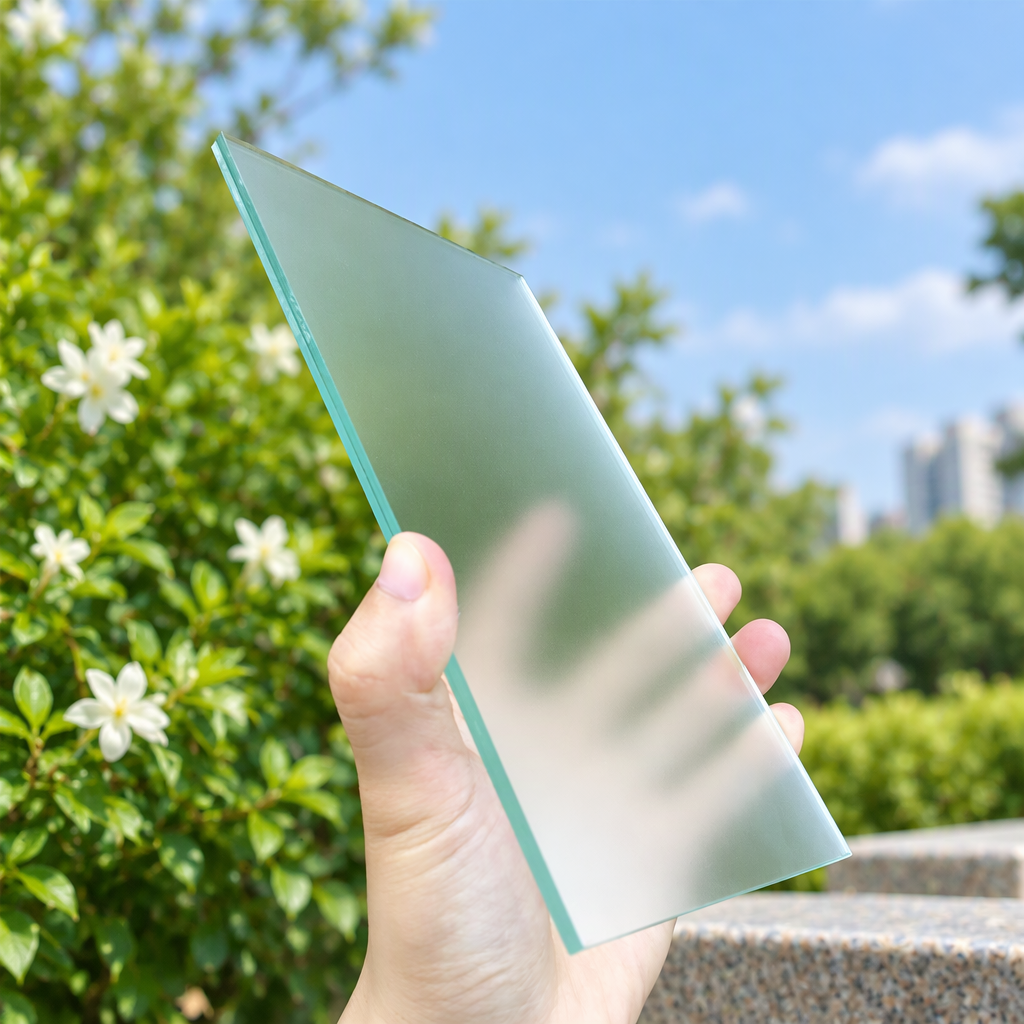
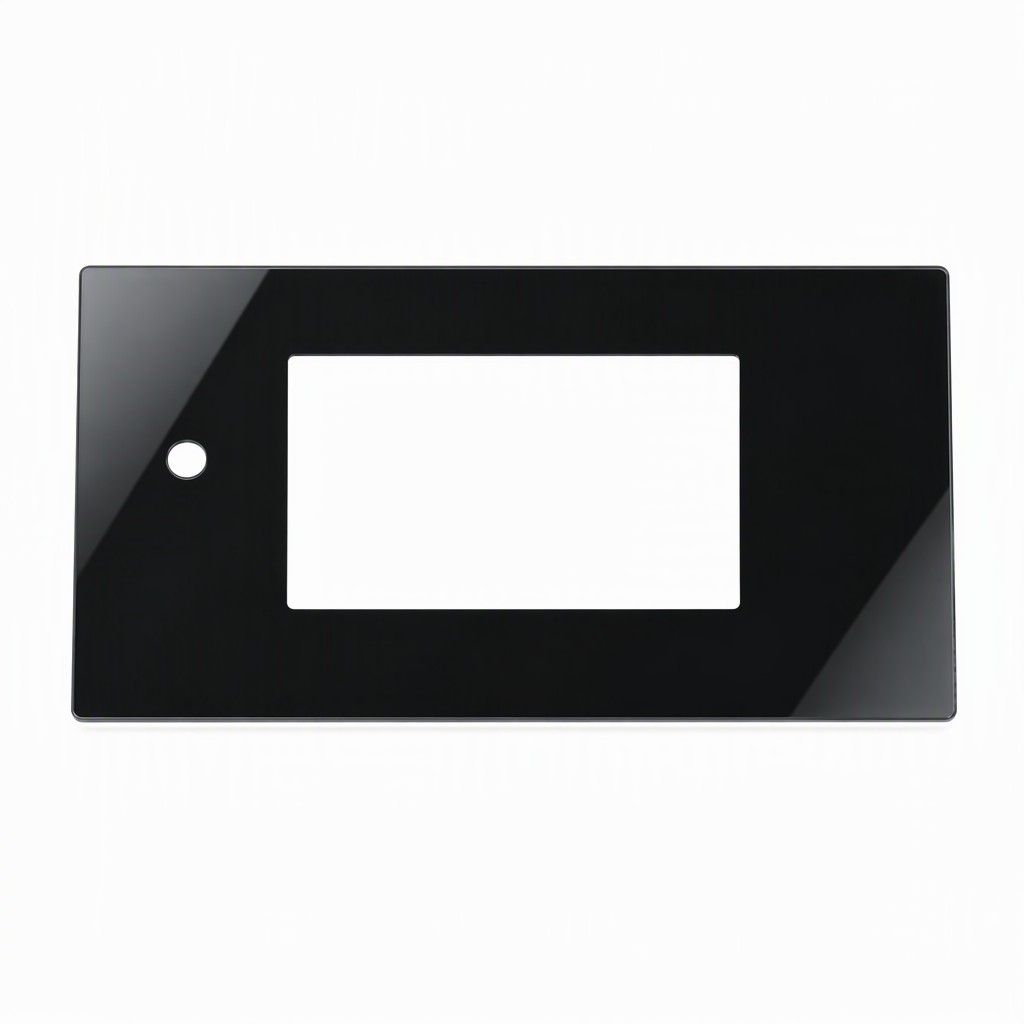
These production-ready product families cover protective windows, optical display covers, industrial screen protectors, safety glass panels, switchable privacy glass, and custom-sized tempered glass. Each item is manufactured to drawing; thickness, edge quality, printing, and coating are confirmed before quotation.
Quartz Glass Windows for Seattle: What the Term Really Covers
In the Seattle market, the search phrase “quartz glass window” is used broadly. It can mean a true fused quartz or fused silica viewing window, a borosilicate sight glass, a tempered safety-glass window, a chemically strengthened display cover, or a switchable PDLC privacy panel. Buying by title alone creates cost and performance risk.
Seattle’s operating environment changes the specification. Marine air around the Port of Seattle, Ballard, and Tacoma increases the importance of edge sealing and corrosion-resistant hardware. Low winter sun and long summer daylight make anti-glare and anti-reflective treatments more valuable for control rooms, medical displays, and exterior-facing digital signage. Rainy-season humidity and frequent washdown routines in food, coffee, and biotech facilities push buyers toward cleanable coatings, sealed edges, and verified material certificates.
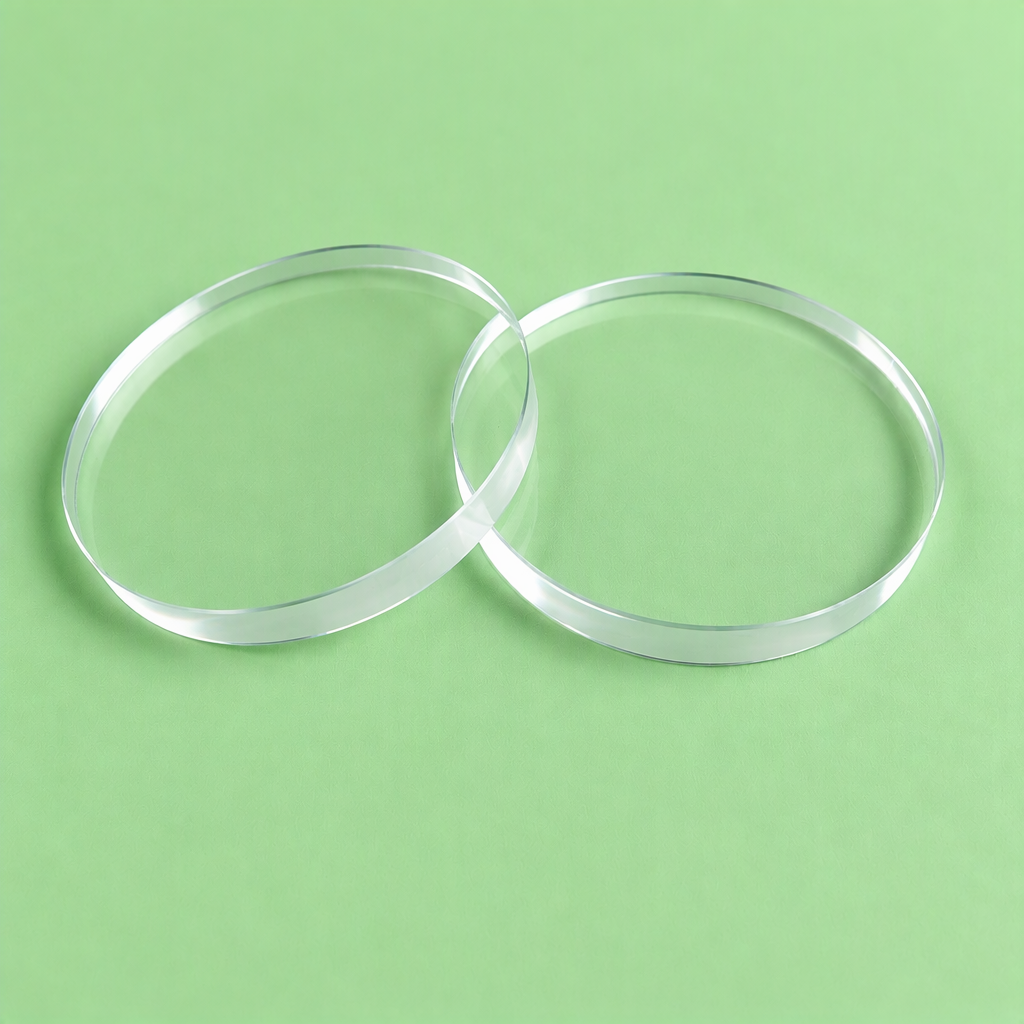
For a laboratory instrument or semiconductor-adjacent tool, a true fused quartz window may be specified for UV transmission, high thermal-shock resistance, low fluorescence, or dielectric performance. For an industrial HMI, an architectural partition, or a smart-home switch cover, tempered or chemically strengthened glass with printed graphics and AR/AG/AF coating is often the more practical route. A responsible manufacturer should ask what the window must do—not simply quote the lowest piece price per square meter.
Information gain from the factory floor
For Seattle procurement teams, request a material data sheet, transmission curve, tempering or ion-exchange record, edge-quality photo, and coating durability test. Compare the total risk of rework, breakage, and installation delay—not only the FOB price. A window that costs less but hazes under salt fog or loses print adhesion after cleaning is not a lower-cost window.
Material Pathway: Fused Quartz, Borosilicate, Tempered Glass, or PDLC
Use this comparison during the design stage, then confirm with the drawing and intended installation. The “best” quartz glass window supplier in China for Seattle is the one that can match the material grade, optical demand, safety requirement, coating, and delivery plan.
| Window type | Seattle-fit applications | Technical focus | Procurement check |
|---|---|---|---|
| Fused quartz / fused silica | Laboratory viewports, optical equipment, high-purity process windows, UV-transmission parts | High thermal shock resistance, UV transmission, purity, bubble and inclusion limits | Request grade certificate, transmission curve, and material traceability; confirm lead time before release. |
| Borosilicate glass | Medical devices, lab enclosures, chemical-view windows, industrial sight glass | Chemical durability, moderate thermal resistance, optical clarity | Check annealing, edge finishing, and compatibility with AR/AG/AF coating. |
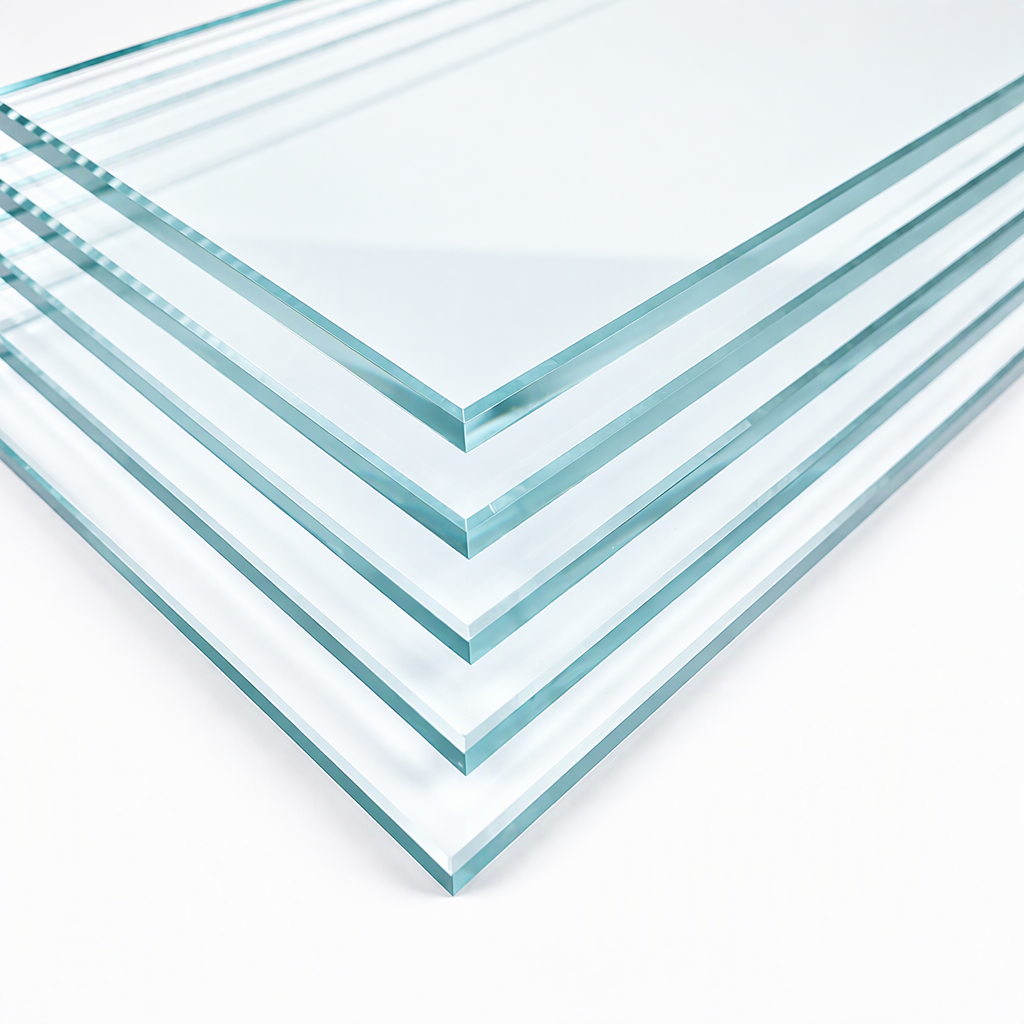
| Low-iron tempered glass | Architectural windows, equipment doors, signage covers, protective enclosures | Safety breakage pattern, impact resistance, high light transmission | Temper after all cutting, drilling, and edge polishing; confirm roller-wave tolerance. |
| Chemically strengthened thin glass | Touch panels, HMI covers, medical displays, smart-home switches | 0.5–2 mm thinness, flatness, scratch resistance, optical quality | Protect edges; verify ion-exchange process, flatness, and coating adhesion. |
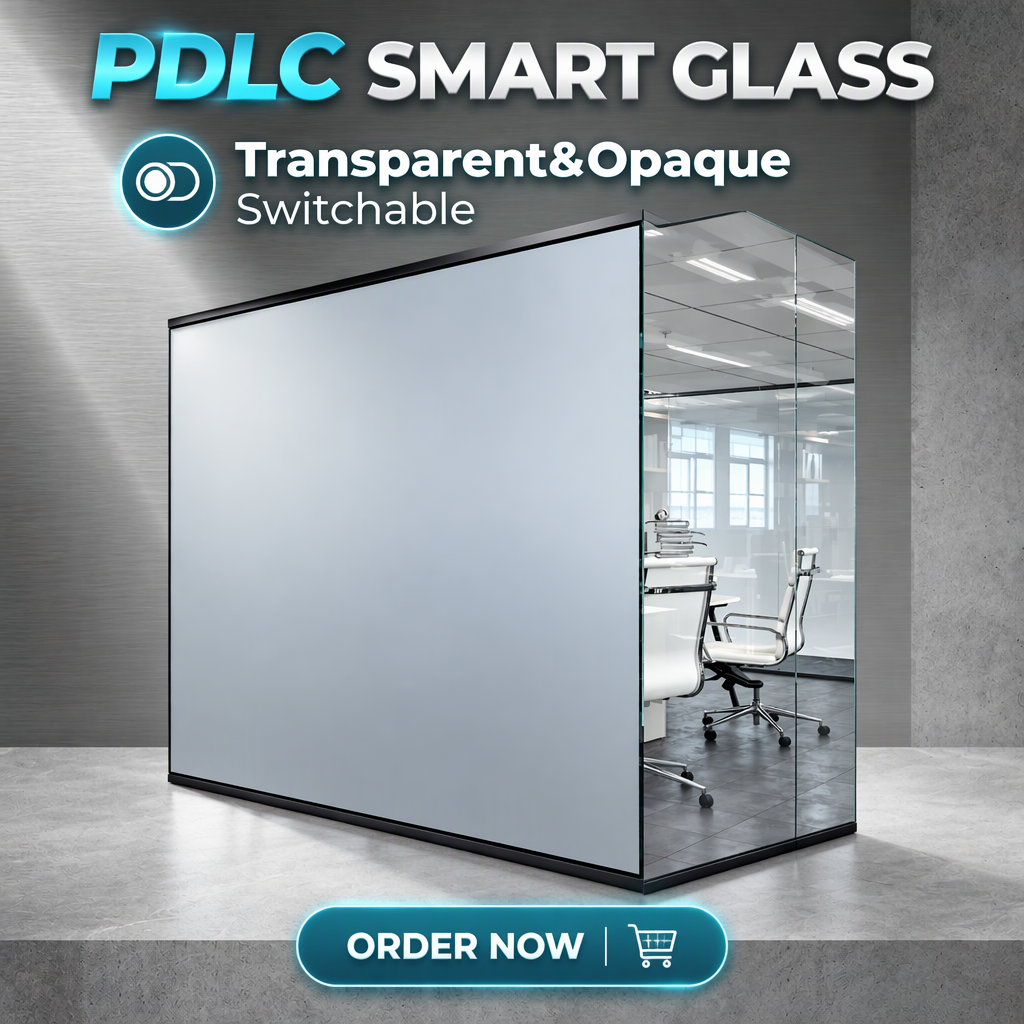
| PDLC smart glass | Office partitions, healthcare privacy windows, residential smart glass, conference rooms | Switchable privacy, haze in off state, power supply integration | Confirm safe glass base, busbar placement, film uniformity, and installation clearance. |
Seattle specification priorities
Relative design priority for typical local projects; not a product rating.Need a drawing reviewed? Send a DWG, DXF, or PDF with holes, edge finish, tolerance, print artwork, coating requirement, and annual volume. Get a Quote
Where Seattle Buyers Use Quartz and Precision Glass Windows
Seattle is not one market. It combines marine and port operations, aerospace engineering, life sciences, cloud infrastructure, advanced manufacturing, coffee and food equipment, and a fast-growing built environment. Each application changes the right material, coating, edge finish, and documentation package.
Marine & Port Operations
For Port of Seattle, Ballard, and Tacoma marine enclosures, specify tempered or laminated safety glass, sealed edges, corrosion-resistant hardware, and anti-glare matte surfaces for bridge and dock-control displays. Salt fog and moisture exposure should be part of the validation plan.
Aerospace & Industrial HMI
In the Everett, Renton, and Redmond industrial corridors, machine builders need flat, printable, impact-resistant HMI windows. AR/AF-coated display covers, anti-glare screen protectors, and custom-sized clear tempered panels support inspection, automation, and control-room equipment.
Biotech & Medical Displays
South Lake Union, UW Medicine, and Seattle’s life-sciences suppliers require cleanable windows, low reflection, and consistent optical quality. Gorilla-glass-style display covers with AR/AF coating and chemically strengthened thin glass are often suitable for diagnostic screens and laboratory automation.
Smart Buildings & Privacy Glass
Downtown Seattle, Bellevue, and mixed-use developments increasingly specify PDLC switchable privacy glass for conference rooms, clinics, and residential partitions. Combine smart film with tempered or laminated glass, and confirm power, haze, busbar location, and installation tolerances early.
Food, Coffee & Appliance Equipment
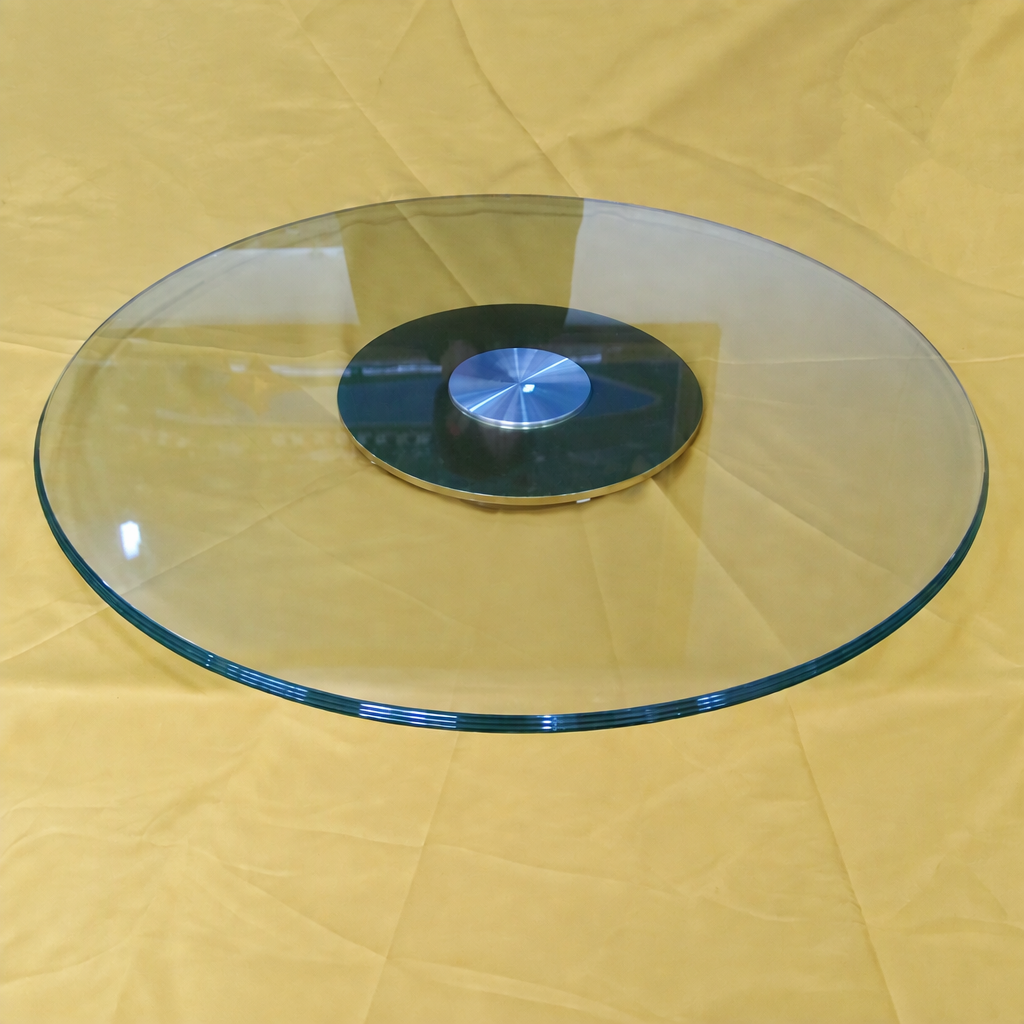
Commercial coffee roasters, food-service equipment, and appliance makers need high-temperature print, scratch-resistant surfaces, and safety glass. Tempered glass panels, printed control windows, and strengthened Lazy Susan glass support cleanability and long service life.
Digital Signage & Data Infrastructure
Seattle’s technology campuses and data centers use protective display windows, anti-glare screen covers, and clear tempered cover plates for equipment, signage, and control panels. Buyers should confirm transmission, coating durability, and edge quality before deployment.
Seattle Market Trends Shaping Quartz & Precision Glass Demand
Low-glare daylighting and optical comfort
Seattle’s low winter sun and bright summer days make glare control a design issue, not a cosmetic upgrade. Anti-glare etching, AR coating, and low-reflection display windows are increasingly requested for medical screens, control rooms, signage, and architectural glazing.
Switchable privacy and retrofit-friendly smart glass
Healthcare, office, and multifamily projects around Seattle and Bellevue are adopting PDLC smart film for privacy-on-demand. Buyers want a safe glass base, clean busbar integration, and installation guidance rather than a film-only quotation.
Supplier consolidation, sampling, and lower-risk logistics
Seattle procurement teams are consolidating suppliers that can cut, print, temper, coat, inspect, and export under one roof. Lower MOQs, pre-production samples, certificate verification, DDP options, and clear drawings reduce the risk of rework and delayed installations.
Why Qingdao Maupe Glass Co., Ltd. Fits Seattle OEM Procurement
Founded in 2012 in Qingdao, Shandong, Qingdao Maupe Glass Co., Ltd. is an ISO 9001 glass deep-processing manufacturer and international supplier. The factory occupies 3,000–5,000 m², operates 8 production lines, serves 80+ countries, and reports an export share of output of 91–100%. The company has been onsite-assessed by SGS and has Fortune 500 supplier procurement experience, with OEM/ODM support backed by 10 years of custom glass work.
One factory, complete process chain
Precision cutting, CNC shaping, edge polishing, drilling, engraving, silk-screen printing, physical tempering, chemical strengthening, and AR/AG/AF coating can be coordinated under one quality system. This reduces handoff risk between multiple vendors.
Verifiable quality and compliance
ISO 9001 quality management is supported by RoHS and CE certificates for glass products, plus SGS onsite assessment. Certificate numbers can be checked by Seattle compliance teams before purchase orders are released.
Drawing-led OEM / ODM support
Send a 2D drawing with dimensions, thickness, holes, tolerance, and edge finish, plus print artwork and coating notes. Engineers review manufacturability and advise on tempering versus chemical strengthening before sampling.
Export experience for North America
More than 80 export countries, 91–100% export share, and proximity to Qingdao seaport and airport support international logistics. Trade terms include FOB, CIF, EXW, FAS, FCA, CPT, DDP, DDU, and express delivery.
Printing and coating expertise
Eco-friendly high- and low-temperature inks, multi-color printing, logos, icons, touch zones, and AR/AG/AF treatments support display windows, switch panels, card-reader glass, appliance panels, and medical-screen covers.
Practical MOQ and payment options
Custom printed panels commonly start from 10–100 pieces depending on size, thickness, and print colors; large display covers may start from 10 pieces. Payments include T/T, L/C, PayPal, Western Union, and cash in USD, EUR, or CNY.
Seattle sourcing scorecard: what “best” should mean
For a quartz glass window program, score suppliers on material certification and traceability, process control, optical and print verification, edge and safety quality, logistics to Seattle, RFQ responsiveness, and after-sales support. A supplier that can provide a golden sample, first-article inspection plan, and clear certificate numbers is usually lower risk than one competing only on unit price.
Common Local Procurement Questions
Practical answers for buyers comparing China-based quartz glass window manufacturers and suppliers for Seattle delivery.
Is a quartz glass window the same as tempered glass?
+
Can you produce windows from a Seattle drawing with holes, printing, and coating?
+
What is the minimum order quantity for custom glass windows?
+
Which certificates and inspection documents can Seattle buyers verify?
+
How do you ship to Seattle, and which trade terms are accepted?
+
How should I specify glass for Seattle’s wet, marine-influenced climate?
+
Send Your Drawing for a Seattle-Ready Quotation
Share your glass window drawing, material requirement, coating specification, annual volume, and target delivery window. Our engineers will review the quartz, tempered, chemically strengthened, printed, and coated glass options and respond with manufacturability feedback.