8 Factory Product Lines Under One OEM Quality System
ZnSe lens sourcing is a system audit, not a catalog lookup. The eight production lines below are retained from the factory’s verified product range; they demonstrate the disciplines behind optical-grade manufacturing—edge finishing, surface protection, coating compatibility, print alignment, tempering control, packaging, and export documentation. For Los Angeles buyers, these adjacent capabilities are relevant when a ZnSe lens assembly also requires a protective window, printed HMI cover, sensor window, or matched optical enclosure.
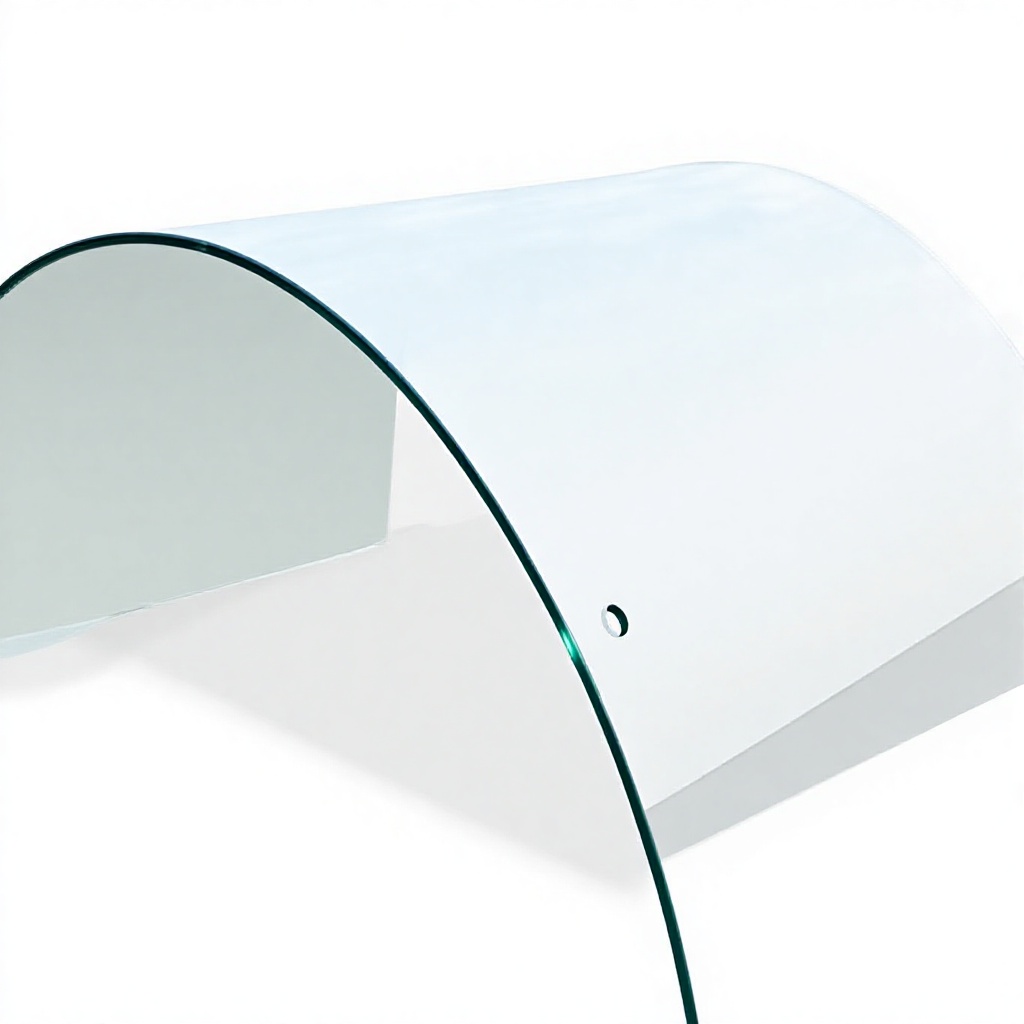
Custom Curtain Wall Glass Balcony Glass Tempered Glass Curved
Large-format safety glass with curved and flat options; demonstrates cutting, edge polishing, and heavy-duty export packing.
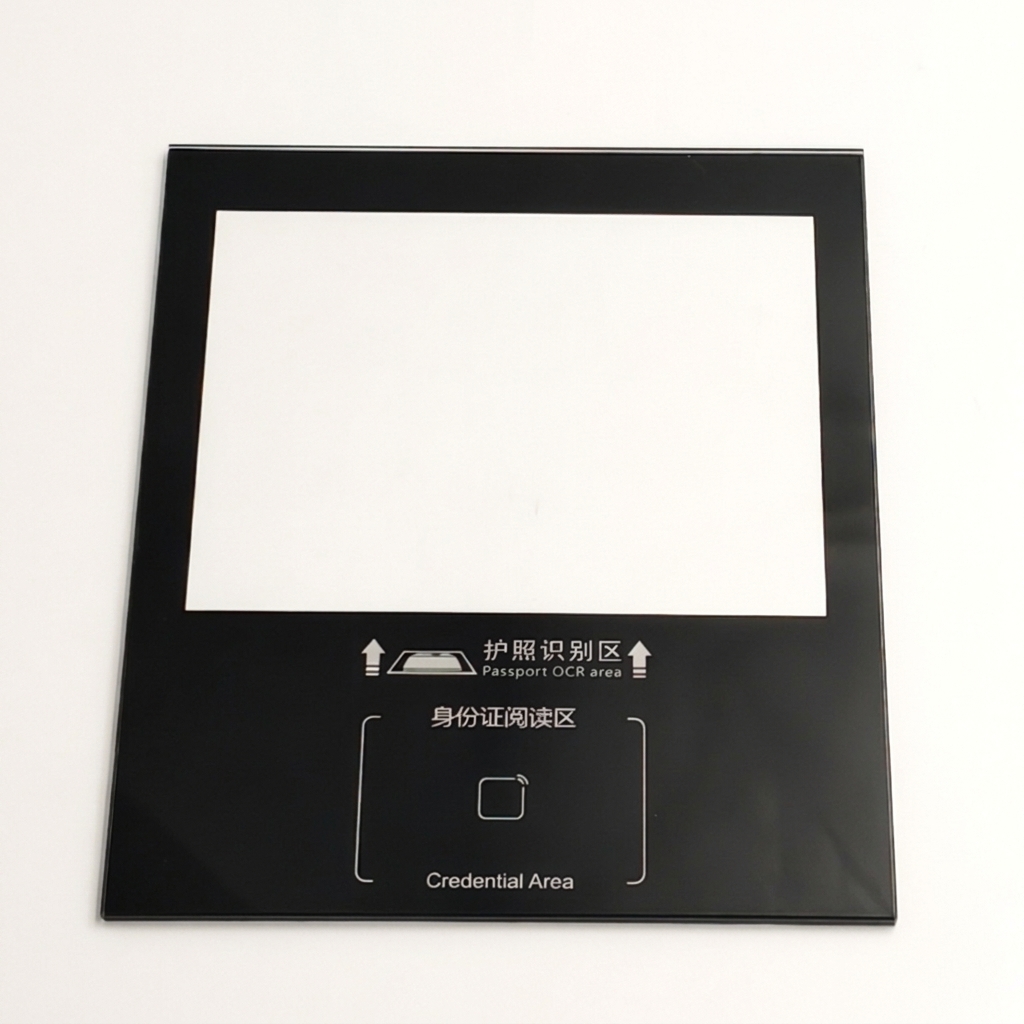
Custom Tempered Glass Protective Glass Panel Transparent Polished Display Cover Glass for Small Electronic Devices Cover
Transparent protective panel for small electronics; indicative of thin-glass handling, cleaning, and cosmetic inspection.
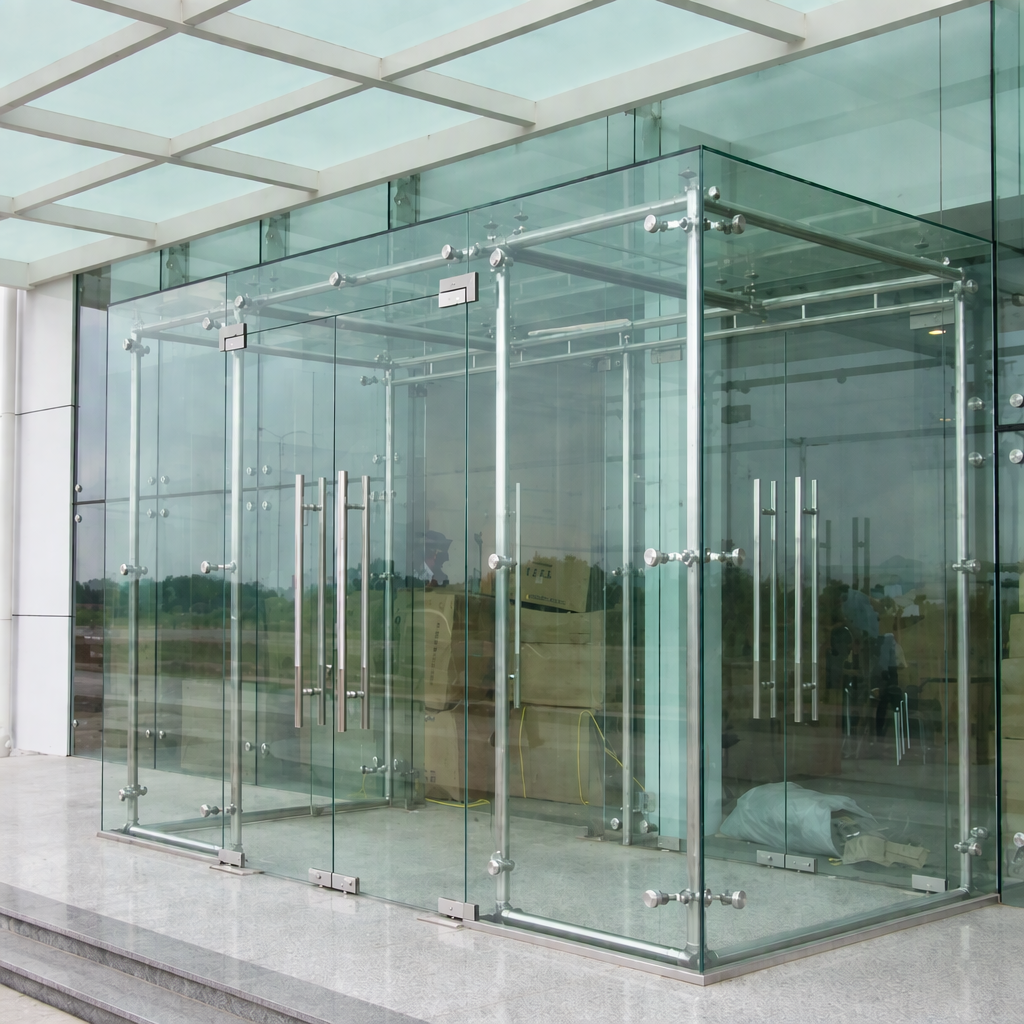
Tempered Glass Solar Window Glass High Transmittance Clear Flat Tempered Glass
High-transmittance flat glass; relevant to optical transmission checks, flatness control, and coating preparation.
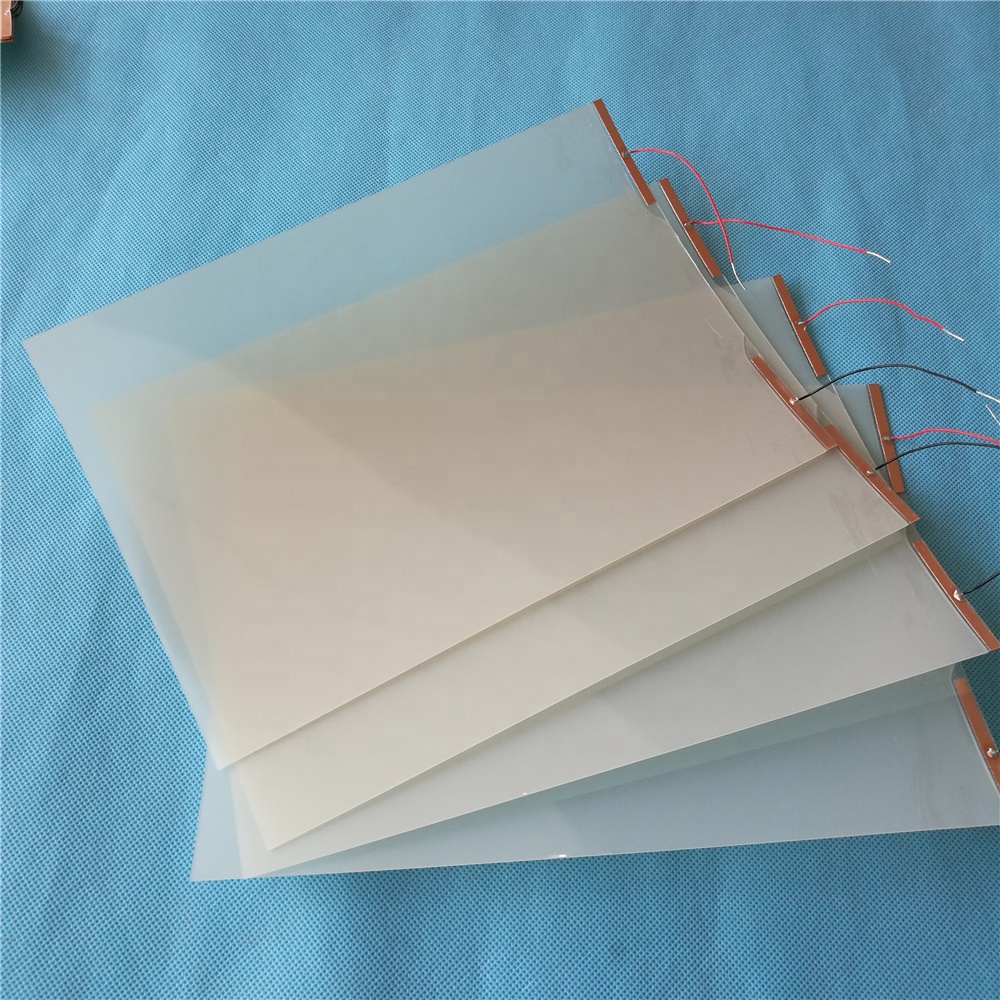
Factory Price Electrochromic Anti-UV PDLC Film Smart Switchable Privacy Glass Office Partition and Curtain Walls
Switchable privacy film and laminated glass; relevant to laminated assemblies, busbars, and lead-out design.
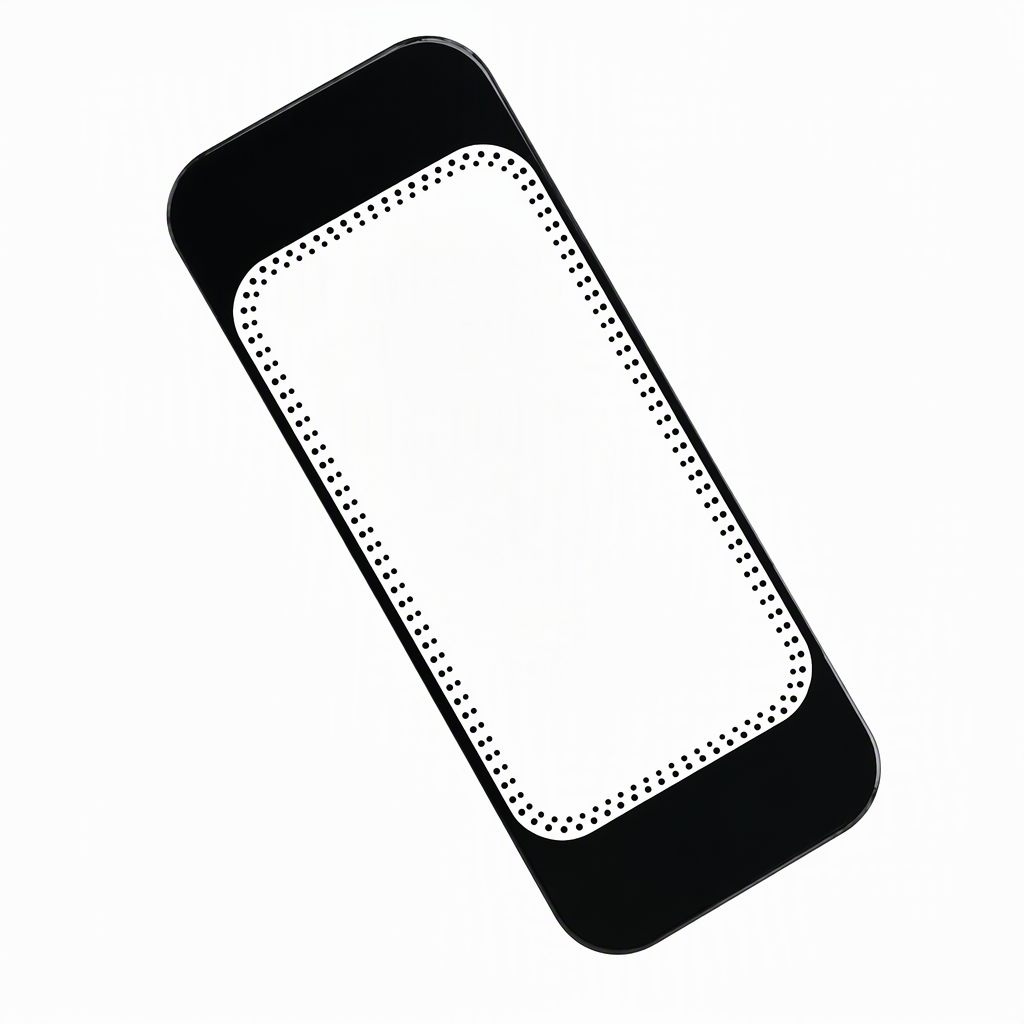
Custom Logo Silk Screen Printing Tempered Glass Panel Tempered Display Glass Screen Protector
Printed tempered display glass with logo; shows durable ink selection, print registration, and scratch resistance.
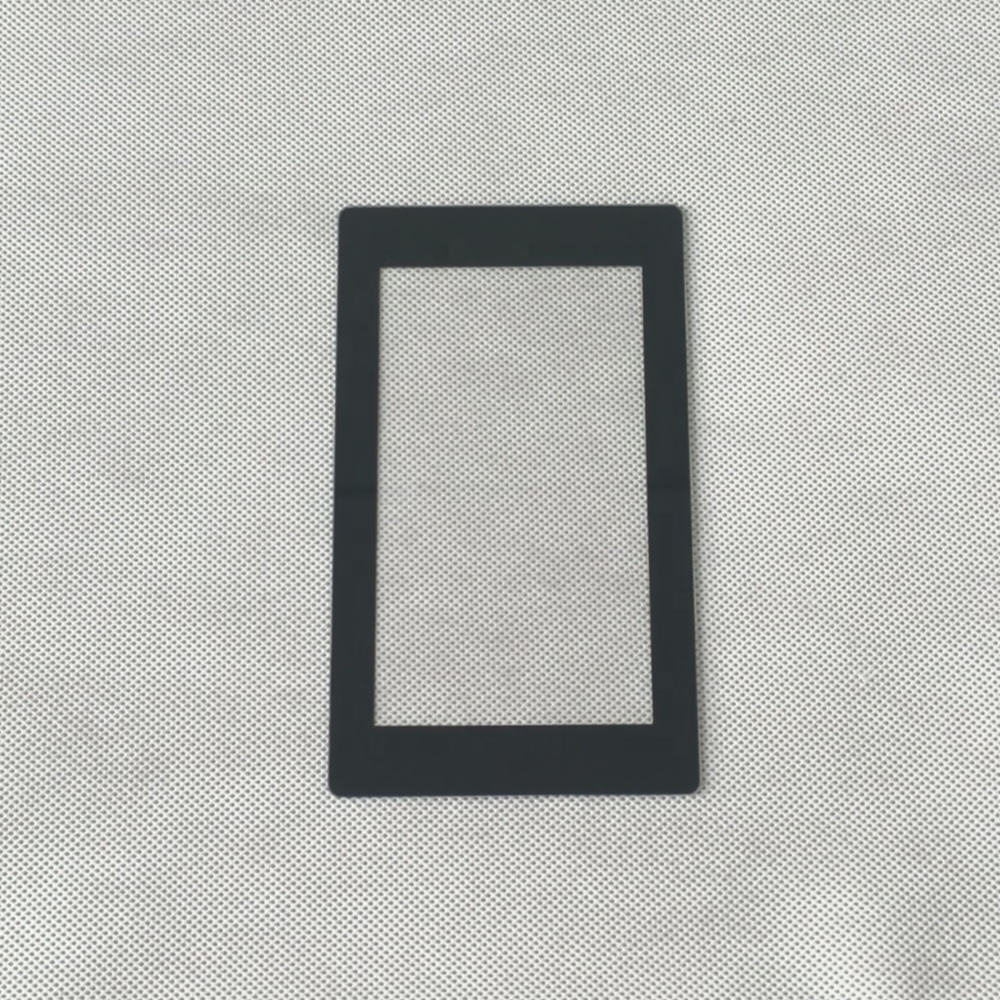
Silk Screen Printed Tempered Glass Panel Self Adhesive Display Cover Glass Flat Electronic Product Glass Screen Protector
Self-adhesive printed cover glass; relevant to sensor windows, HMI bonding, and release-liner control.
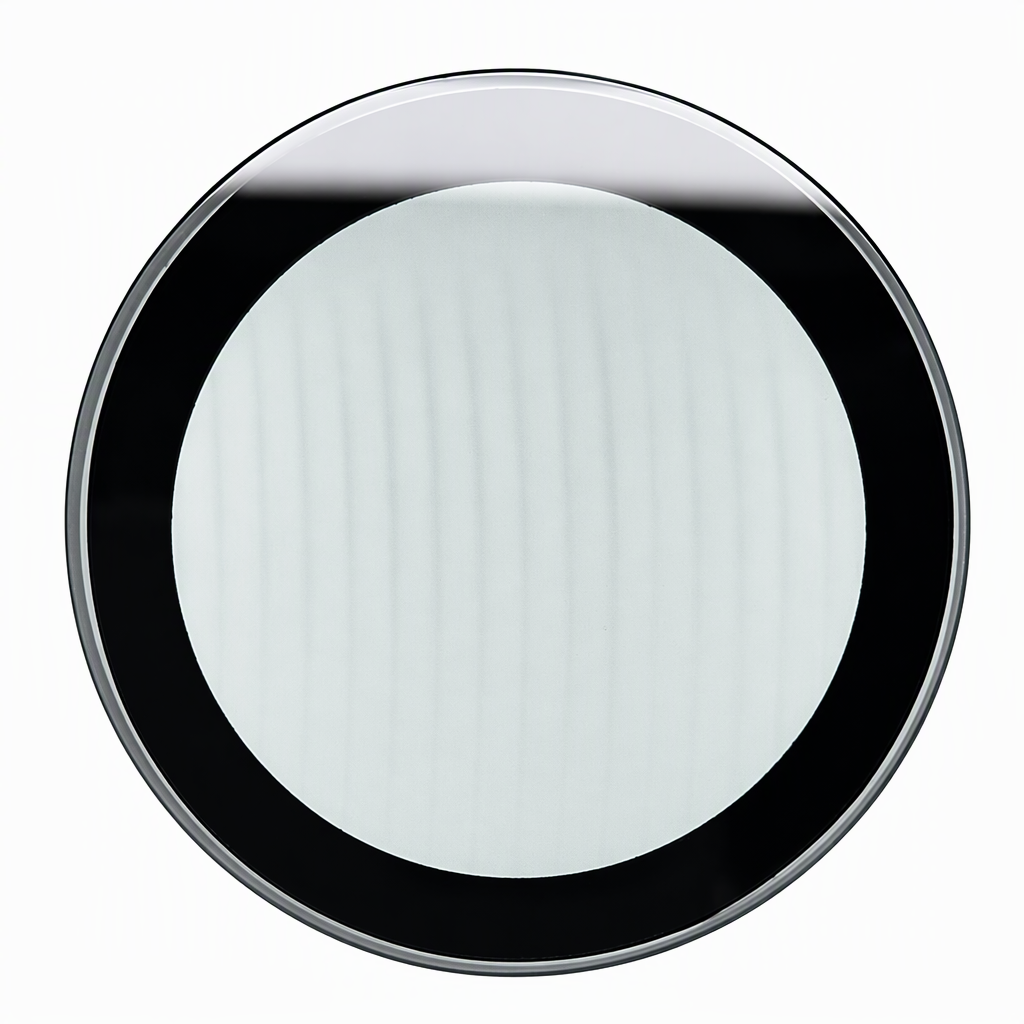
Custom 3-19mm Thickness Flat Tempered Glass Panel for Instrument Use Factory Price Round Shape Printed Tempered Glass
Round instrument glass in 3–19 mm; relevant to metrology fixtures, optical benches, and custom contour grinding.
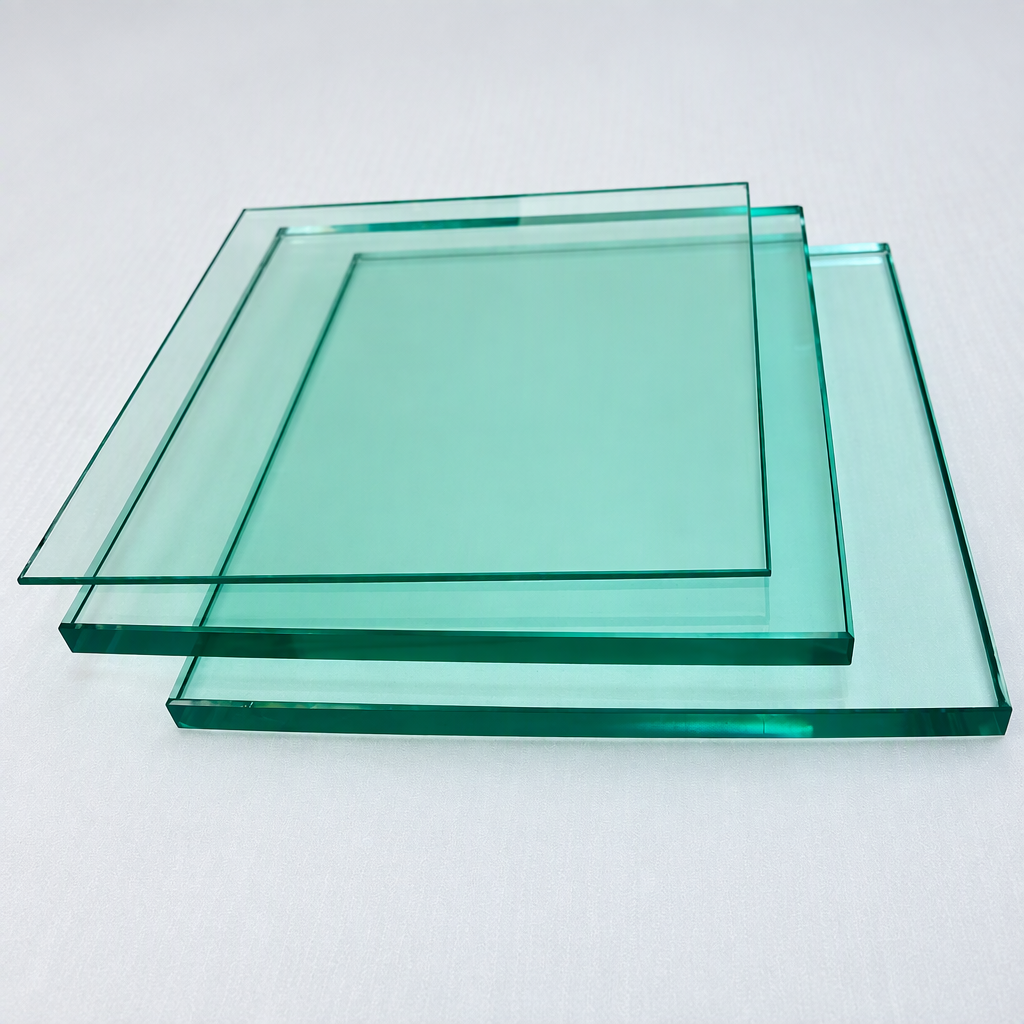
Tempered Glass Panel Safety Glass Flat Structural Tempered Glass
Flat structural safety glass; relevant to protective enclosures, laboratory safety windows, and edge-finish control.
What Makes a ZnSe Lens Supplier Right for Los Angeles?
The best China ZnSe lens factory for a Los Angeles buyer is not simply the one with the lowest unit price. It is the one that can prove material traceability, repeatable optical fabrication, coating durability, metrology, export packing, and responsive engineering support.
Verify the Factory, Not Just the Listing
A genuine ZnSe lens factory should show CVD ZnSe material control, CNC or diamond-turning capability, polishing lines, AR coating chambers, metrology equipment, and documented corrective-action procedures. Use a live video audit and request process photos with timestamps.
Treat Coating as a Performance Part
At 10.6 µm, an uncoated ZnSe surface loses throughput and can create thermal lensing. Ask for the AR coating design, reflection target, adhesion test, humidity test, abrasion test, and laser-induced damage threshold evidence. A coating certificate matters as much as the lens drawing.
Plan for Port of LA / LAX Delivery
Los Angeles procurement teams should confirm Incoterms, HTS classification, drop-test packaging, cleanroom bagging, and replacement policy before release. Ocean freight through the Port of Los Angeles and Long Beach rewards robust packaging; urgent samples often move by air through LAX.
What Is a ZnSe Lens—and Why Is It Not a Commodity?
A zinc selenide lens is an infrared optical component made from CVD ZnSe material. It is widely used for CO2 laser focusing, thermal imaging, FTIR spectroscopy, medical laser delivery, and infrared research because it transmits across a broad infrared band and has useful transmission at 10.6 µm. It also passes a visible red aiming beam, which helps technicians align a CO2 laser system before processing.
That combination is valuable, but it also creates procurement risk. ZnSe is softer than many visible-glass optical materials and is easier to scratch if handling and packaging are weak. Its performance depends on substrate grade, polishing quality, edge condition, coating design, cleaning, and final inspection. A low quotation that excludes coating verification or metrology can become expensive when Los Angeles production lines reject parts during incoming inspection.
For search-ready due diligence, compare suppliers on evidence, not adjectives. Ask for material certificates, transmission curves, surface-quality data, coating durability records, and packing validation. The best China ZnSe lens factories can explain how they control each variable and how they will respond if a lot fails your incoming quality check.
ZnSe Lens At-a-Glance
- Typical transmission band0.6–21 µm
- Key laser wavelength10.6 µm CO2
- Visible aiming beamUseful for alignment
- Common coatingsAR, protective, partial reflective
- Typical applicationsCutting, imaging, FTIR
- Critical purchase evidenceCoA + optical test report
8 ZnSe Lens Configurations Los Angeles Buyers Should Quote Separately
Do not combine every requirement into one vague RFQ. Separate the optical function, wavelength, coating, mounting, and acceptance test so suppliers can quote like-for-like and your engineering team can compare real performance.
10.6 µm CO2 Focusing Lens
For laser cutting, engraving, and marking. Specify diameter, focal length, edge thickness, clear aperture, coating, and laser power.
ZnSe Meniscus Lens
Used where aberration control and compact focusing matter. Confirm lens orientation and mounting direction before ordering.
ZnSe Optical Window
For thermal imaging and FTIR enclosures. Specify parallelism, wedge, clear aperture, thickness, and environmental sealing.
Plano-Convex IR Lens
For imaging and focusing in infrared systems. Provide f-number, wavelength band, back focal length, and coating target.
Beam Expander Lens
For laser systems requiring a larger collimated beam. Specify input beam diameter, magnification, and wavefront error.
Partial Reflector / Output Coupler
For laser cavity applications. Confirm reflectance, substrate orientation, coating stack, and damage threshold.
AR-Coated ZnSe Lens
For 10.6 µm plus visible aiming beam. Request reflection curves, adhesion tape test, humidity test, and witness samples.
Custom Diamond-Turned Asphere
For compact IR systems. Specify surface form error, roughness, centration, and mounting datums before quoting.
ZnSe Lens Applications Across Los Angeles Industry
Los Angeles combines aerospace engineering, entertainment technology, medical device development, advanced manufacturing, and research institutions. That mix creates demand for both standard CO2 optics and custom infrared components with strong documentation.
Aerospace & Flight-Test Optics
Infrared windows and focusing lenses support thermal inspection, calibration targets, and ground-test instrumentation. Procurement teams often need lot traceability, clean packaging, and stable change control.
CO2 Laser Job Shops
Shops serving signage, packaging, acrylic fabrication, and precision cutting rely on 10.6 µm focusing lenses. A repeatable coating and clean optical surface reduce downtime between production runs.
Medical Laser Systems
Medical and dermatology laser teams need documented optics, controlled packaging, and supplier responsiveness. Request material certificates and inspection records suitable for your quality system.
Entertainment & Studio Technology
Production stages, live events, and studio systems use infrared imaging, alignment tools, and sensing equipment. Fast replacement parts and protective windows can reduce expensive downtime.
Semiconductor & Electronics Metrology
FTIR and infrared inspection systems benefit from stable ZnSe windows and lenses with verified transmission. Cleanliness, flatness, and documentation are often more important than lowest price.
Research & Environmental Sensing
University and environmental labs in the Los Angeles region use IR spectroscopy for gas sensing, materials research, and atmospheric studies. Flexible small-lot supply supports prototype iteration.
How Los Angeles Procurement Is Changing for ZnSe Optics
Los Angeles buyers are adjusting sourcing plans around port logistics, engineering labor costs, documentation requirements, and the need for faster prototype cycles. The following buying trends are especially relevant for ZnSe lens and infrared window projects.
Port-Aware and Air-Freight Hybrid Sourcing
Los Angeles buyers increasingly split orders: prototypes by air through LAX and production by ocean through the Port of Los Angeles or Long Beach. That means suppliers must support both small, fast shipments and robust bulk packaging with moisture protection and shock indicators.
High-Mix, Low-Volume Engineering Demand
Aerospace, medical, and entertainment technology projects often require small lots, custom coating wavelengths, and quick design iterations. Buyers favor factories that can quote prototypes without penalizing later production and that maintain clear change-control records.
Documentation-First Compliance
Procurement teams now ask for material declarations, RoHS and CE support, inspection reports, packaging specifications, and HTS guidance before purchase orders are issued. Suppliers that treat documentation as part of the product reduce customs friction and incoming-quality delays.
Factory Advantages from Qingdao Maupe Glass Co., Ltd.
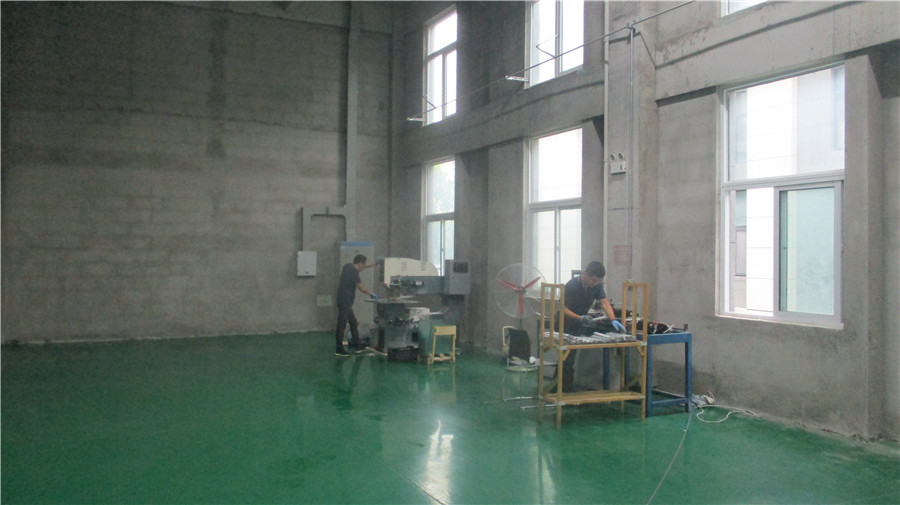
Founded in 2012 in Qingdao, Shandong, Qingdao Maupe Glass Co., Ltd. is a glass deep-processing manufacturer and international supplier operating under an ISO 9001 quality management system. Its core work is turning flat glass into finished functional parts: cutting, edge polishing, drilling, engraving, coating, silk screen printing, physical tempering, and chemical strengthening. That process chain is relevant to ZnSe lens buyers because optical project risk is rarely limited to the substrate—it also sits in edge quality, cleaning, coating compatibility, metrology, packaging, and traceability.
The factory has 3,000–5,000 m² of floor area, 8 production lines, and export experience across more than 80 countries. Its export share of output is 91–100%. It has been onsite-assessed by SGS Group as a third-party inspection company and has served as a Fortune 500 supplier with verified procurement contracts. OEM/ODM support, sample development, and full customization are available for buyers who need a controlled path from drawing to production.
Located close to Qingdao seaport and airport, the company supports export logistics and buyer audits. Accepted delivery terms include FOB, CIF, EXW, FAS, FCA, CPT, DDP, and DDU, with express delivery available for samples. Accepted payments include T/T, L/C, PayPal, Western Union, and cash in USD, EUR, or CNY. For Los Angeles buyers, those terms make it possible to compare an FOB factory quote against a DDP landed-cost model before committing.
Auditable Quality System
ISO 9001 management, RoHS and CE certificates, and SGS onsite assessment provide a baseline for supplier qualification.
Process Depth
Cutting, polishing, drilling, printing, coating, tempering, and strengthening under one roof reduce hand-off risk.
Export Experience
80+ export countries and 91–100% export share indicate familiarity with international documentation and packing.
OEM / ODM Response
Drawing review, sampling, production control, and finished-product inspection support custom optical-adjacent glass projects.



How to Compare China ZnSe Lens Factories Before You Issue a PO
Use a scorecard that separates claims from evidence. The table below is designed for Los Angeles engineering, procurement, and quality teams that need a repeatable way to compare Chinese ZnSe lens suppliers.
| Evaluation Area | Evidence to Request | Why It Matters |
|---|---|---|
| Raw material traceability | CVD ZnSe grade, lot number, material certificate, supplier declaration, and incoming inspection record. | Internal absorption, inclusions, and inconsistent substrate quality can cause scrap after coating. |
| Optical fabrication | Interferometer flatness data, surface roughness, scratch-dig inspection, centration, and edge-chip limits. | Los Angeles production teams need repeatable focus and imaging performance, not one good sample. |
| AR coating control | Coating design target, reflection curve, adhesion tape test, humidity test, abrasion test, and laser damage threshold. | Coating failure is a common hidden cost in CO2 laser optics and infrared windows. |
| Metrology | Spectrophotometer, laser power meter, microscope, interferometer, and final inspection report with serial or lot tracking. | Documented test data supports incoming inspection and supplier corrective-action decisions. |
| Packaging | Cleanroom bagging, lens paper, foam, double-wall carton, desiccant, shock indicator, and drop-test evidence. | Ocean freight and port handling can damage soft ZnSe surfaces if packaging is not engineered. |
| Compliance | ISO 9001, RoHS, CE where applicable, material declarations, HTS guidance, and commercial invoice consistency. | Clear documentation reduces customs friction and supports customer audits. |
| Lead time and capacity | Sample lead time, production lead time, monthly capacity, coating batch schedule, and expedite policy. | Los Angeles buyers often need to balance prototype speed with stable production replenishment. |
| Communication | English technical support, drawing feedback, change-control notices, 8D corrective action, and named quality contact. | Fast technical clarification prevents expensive guesswork between engineering and purchasing. |
Questions Los Angeles Buyers Ask About ZnSe Lens Sourcing
These answers combine common infrared optics purchasing questions with the verified capabilities and export terms of Qingdao Maupe Glass Co., Ltd.
How do I identify a real ZnSe lens factory in China rather than a trading company?
What is the typical MOQ for ZnSe lenses shipped to Los Angeles?
Which certificates and documents should I request before ordering?
How should I specify a CO2 laser ZnSe focusing lens?
Can the factory support DDP delivery to Los Angeles?
How do I verify AR coating durability on ZnSe lenses?
What packaging prevents scratches during ocean freight?
What should be included in a complete ZnSe lens RFQ?
Send Your ZnSe Lens Drawing for a Feasibility Review
Share your wavelength, laser power, focal length, coating requirement, quantity, and Los Angeles delivery target. The team can review manufacturability, suggest an inspection plan, and discuss samples before mass production. For projects that also require custom printed glass, AR/AG/AF coated windows, PDLC laminated glass, or precision instrument panels, Qingdao Maupe Glass Co., Ltd. provides an export-ready quality framework backed by ISO 9001, RoHS, CE, SGS onsite assessment, 8 production lines, and 80+ export countries.