8 Glass Etching & Tempered Glass Products for Indonesian Wholesalers
These eight products cover the most common Indonesian sourcing requests: smart-home control panels, appliance glass, industrial display covers, architectural safety glass, hospitality items and switchable privacy glass. Each product link is retained for direct specification review.

Tempered Glass Flat Solid Glass Panels Heat-resistant Tempered Glass for Various Application
A workhorse panel for cooktop windows, oven doors, heater guards and industrial equipment. Specify holes, edge polishing and print before tempering; post-tempering drilling is not feasible.
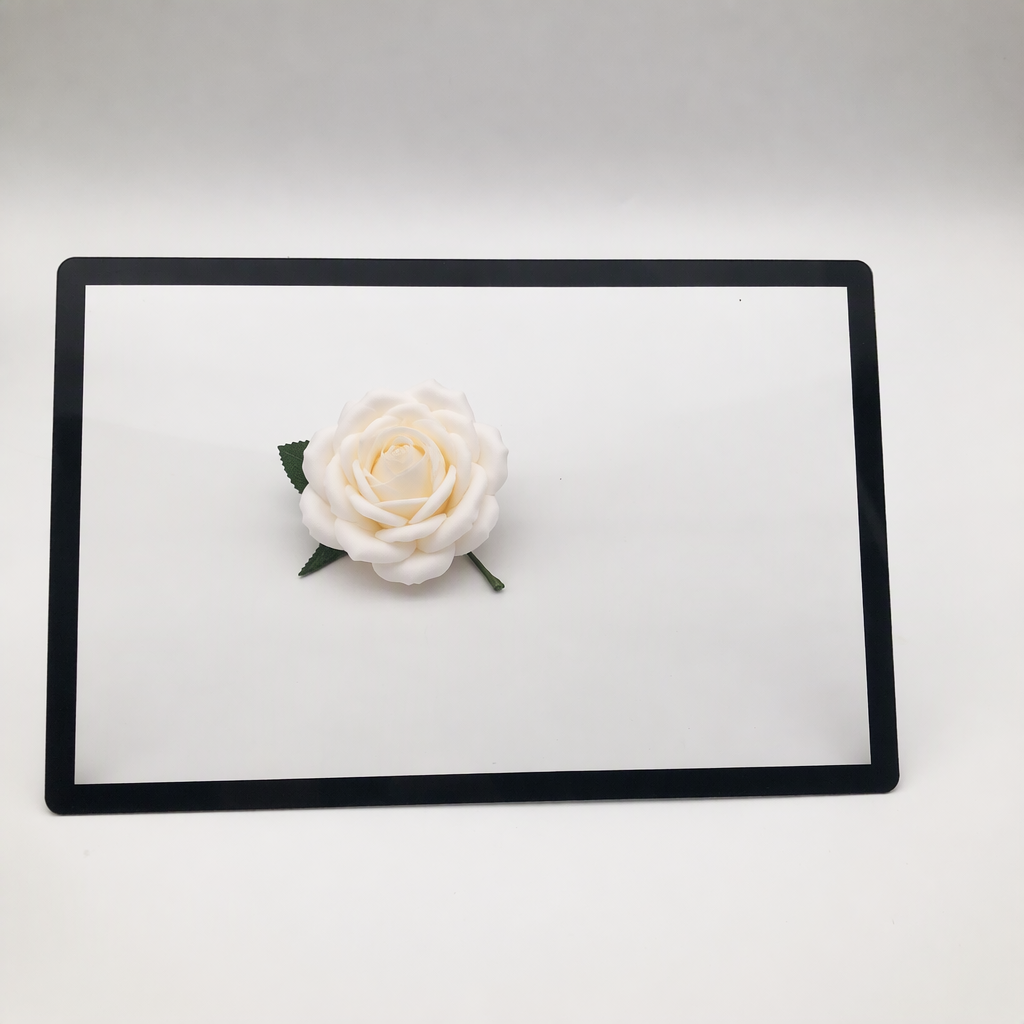
Ultra-Thin Silk Screen Printed Tempered Glass for Display Panels
A practical choice for thin touch interfaces, smart-home control plates and display windows. Chemical strengthening supports flatness and optical clarity; AR, AG or AF coatings can be layered into the programme.

High Quality Industrial Screen Front Cover Glass Frosted Anti-glare Glass for Screen Protector
For HMI panels, medical monitors, kiosks and factory equipment in bright tropical light. The frosted or anti-glare surface diffuses reflections; pair with AR coating when contrast is critical.
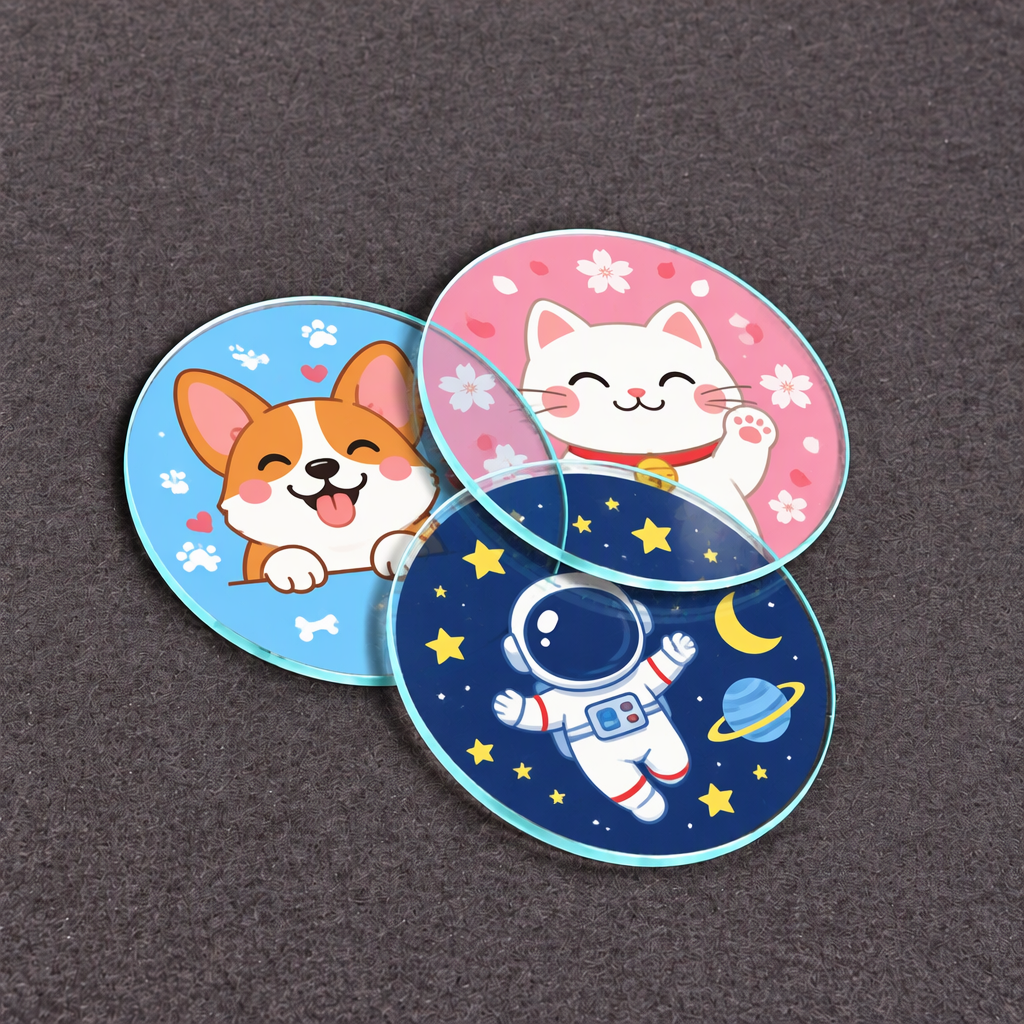
Eco-Friendly Custom Printed Glass Coasters Custom Design Tempered Glass Coaster
Retail, hotel, café and corporate-gift item for Jakarta, Bali and Surabaya buyers. Eco-friendly inks, tempered glass durability and multi-design consolidation make it suitable for wholesale programmes.
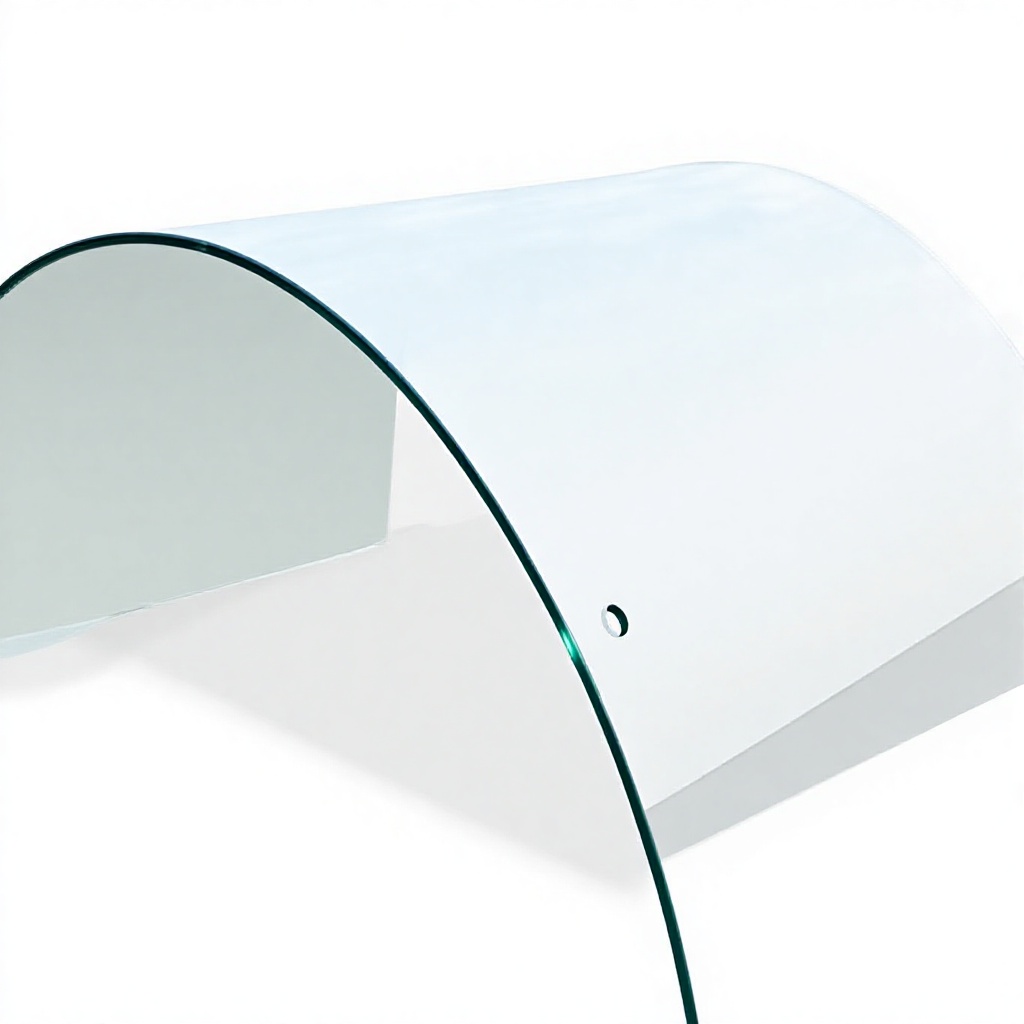
Custom Curtain Wall Glass Balcony Glass Tempered Glass Curved
For balcony balustrades, hotel facades, feature walls and commercial curtain walls. Early coordination with structural calculations, edgework and project documentation reduces installation risk.
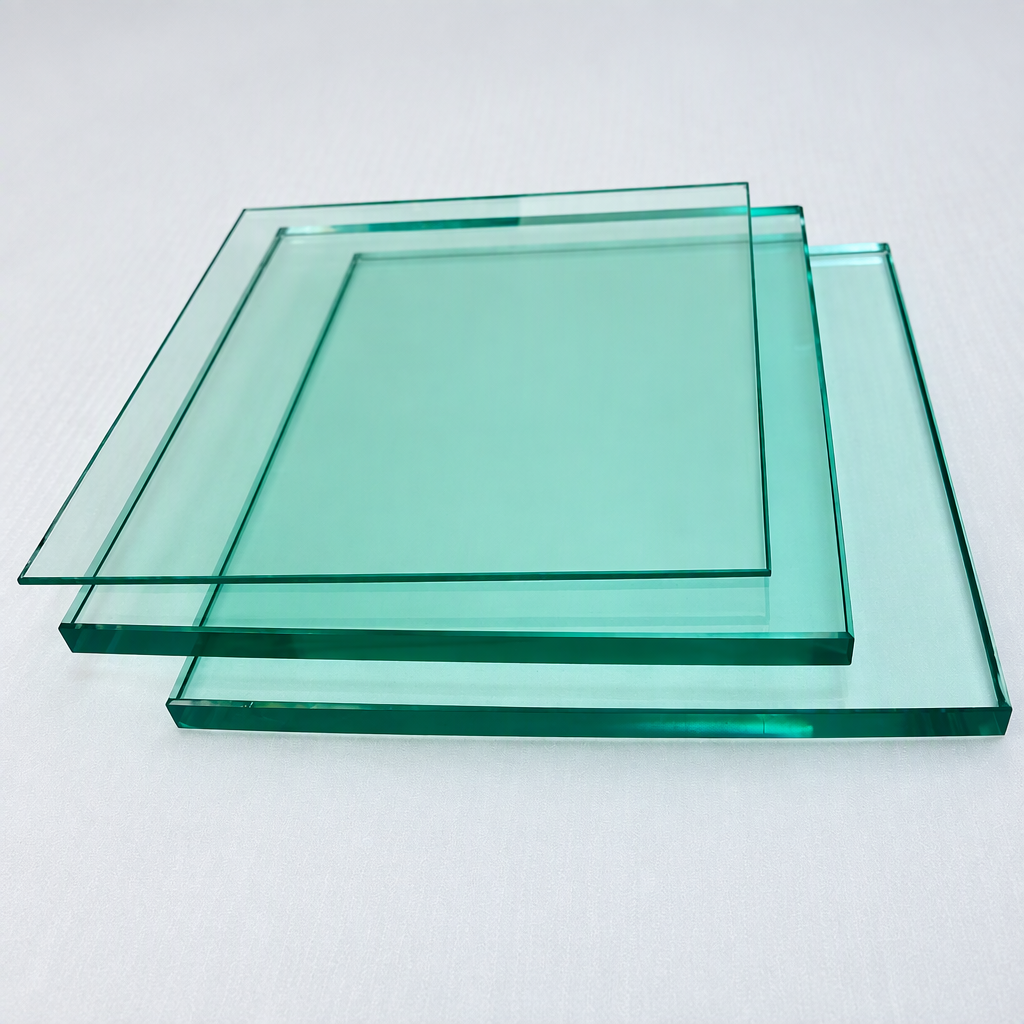
Tempered Glass Panel Safety Glass Flat Structural Tempered Glass
Flat structural tempered safety glass for partitions, doors, display cases, lift lobbies and machine guards. Dimensions, edge finish and hole positions must be locked before tempering.
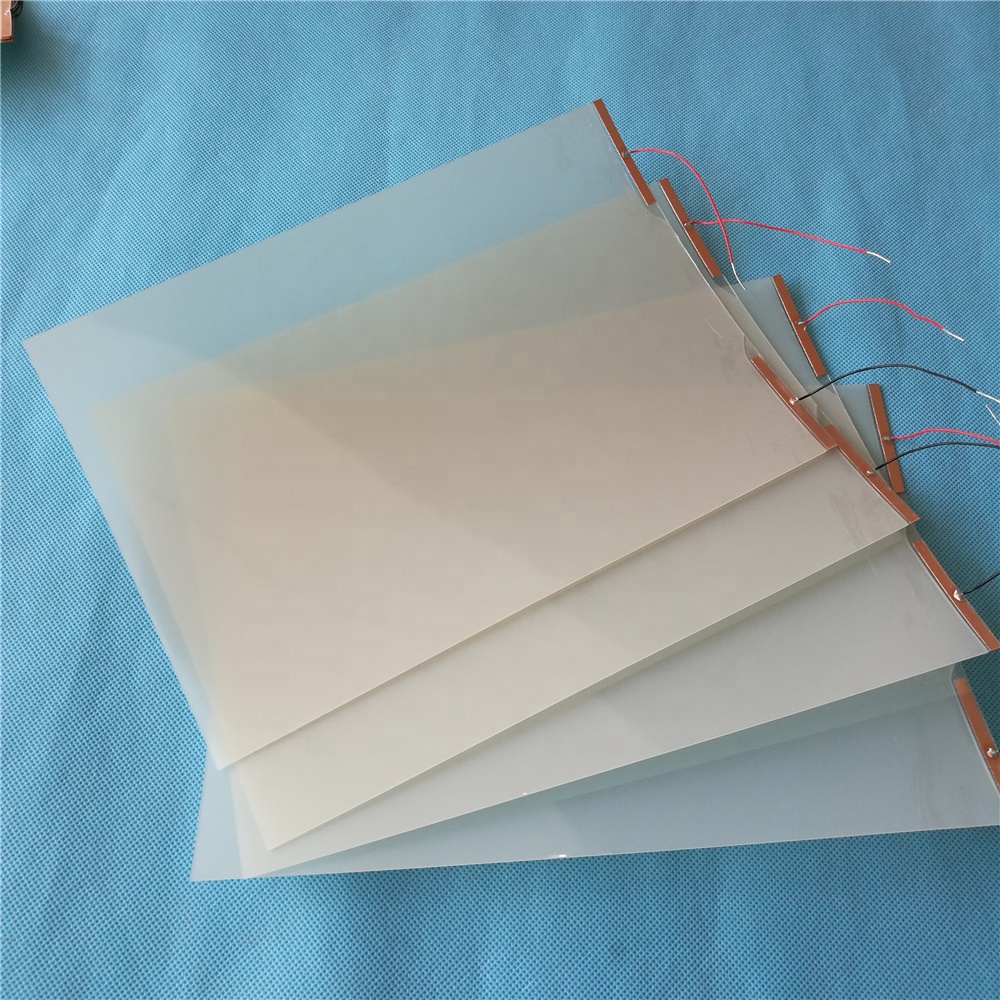
Factory Price Electrochromic Anti-UV PDLC Film Smart Switchable Privacy Glass Office Partition and Curtain Walls
Smart switchable privacy glass for offices, clinics, meeting rooms and hotel bathrooms. It supports flexible space planning and UV reduction in compact urban interiors.
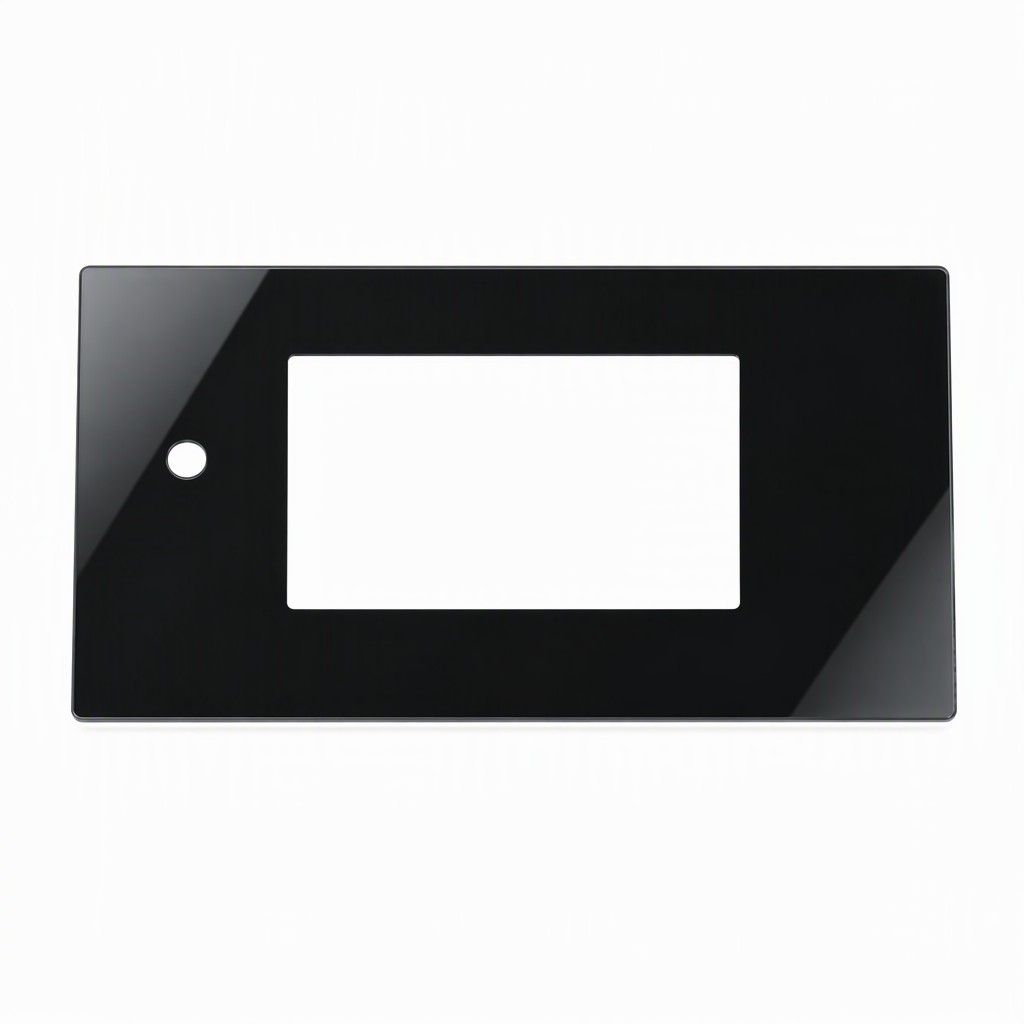
Gorilla Glass Display Protection Cover AR AF Coated LCD Touch Panel Digitizer Front Cover Glass for Industrial Medical Screens
For touch panels, digitizers, medical screens, industrial terminals and face-recognition devices. AR improves readability; AF reduces fingerprints and cleaning frequency.
Need wholesale pricing for a mixed glass programme?
Send your drawing, artwork and destination port; our team will review manufacturability and packing.
Why Indonesian Buyers Compare China Glass Etching Suppliers Carefully
Indonesia’s housing, hospitality, appliance, electronics and commercial fit-out sectors continue to create demand for custom glass parts that are more technical than ordinary flat glass. A distributor in Jakarta may need backlight-ready switch panels; a contractor in Bali may need frosted etched partitions and curved balcony glass; an electronics assembler in Batam may need ultra-thin printed cover glass with tight flatness control. These are different products, but they share the same sourcing question: can the supplier control printing, etching, edgework, strengthening and packing in one traceable flow?
China remains a competitive source because the glass deep-processing chain is concentrated and mature. However, the phrase “top supplier” should not be judged by price alone. For Indonesian wholesalers, the real difference appears in drawing review, ink selection, tempering control, certificate traceability, export packing and how quickly the factory can answer a technical question. A low unit price that leads to rework after sea freight is not a wholesale advantage.
This white-paper-style guide is written for importers, project buyers, brand owners and distributors who want a supplier that can support both repeat wholesale orders and project-specific glass specifications. Use the product cards, engineering notes, factory data and FAQ below as a practical qualification checklist before requesting samples or placing a mixed-container order.
Four Qualification Checks Before You Order
- Check the process sequence. Cutting, drilling, edging and printing must be planned before tempering or chemical strengthening.
- Verify certificates by number. Ask for ISO 9001, RoHS and CE documents and check certificate scope and validity.
- Match the finish to the environment. Humid, coastal, bright or high-touch applications may need AG, AR, AF or specific print ink systems.
- Plan export packing early. Sea freight to Indonesia needs edge protection, moisture control and carton marking suitable for distributors.
Qingdao Maupe Glass: Factory Profile Indonesian Wholesalers Can Check
Qingdao Maupe Glass Co., Ltd. is a glass deep-processing manufacturer and international supplier operating under an ISO 9001 quality management system. The company was founded in 2012 and supports OEM and ODM buyers with cutting, edging, drilling, engraving, silk-screen printing, tempering, chemical strengthening and AR, AG, AF and PDLC-related glass programmes.
Factory and Export Profile
The visuals above summarise data published in the company profile; buyers should request current confirmation for specific purchase programmes.
Credentials Buyers Commonly Verify
- ISO 9001 certificate No. 24025Q20015R1S, quality management system.
- RoHS certificate No. 25TYT12395 for restricted hazardous substances.
- CE certificate No. 23TYT082593S for tempered glass market access support.
- SGS Group onsite assessment as a third-party inspected supplier.
- OEM and ODM support, with incoming material and finished-product inspection procedures.

Factory overview in Qingdao, Shandong, close to seaport and airport logistics.

Cutting, edging and CNC shaping are reviewed before printing and strengthening.

Silk-screen printing with eco-friendly inks for control panels and display windows.

ISO 9001
Certificate No. 24025Q20015R1S · quality management system for glass products.

RoHS
Certificate No. 25TYT12395 · supports compliance discussions for EU-linked supply chains.

CE Marking
Certificate No. 23TYT082593S · tempered glass documentation for export programmes.
Where Glass Etching and Tempered Glass Fit Indonesia’s Local Applications
Indonesia is not a single market. Jakarta’s vertical apartments, Bali’s hospitality projects, Batam’s electronics supply chain and Surabaya’s appliance and commercial fit-out sectors each create different glass specifications.
Jakarta & Surabaya Smart Homes
Printed tempered switch panels, touch-control glass and socket covers match the growth of apartment handover, smart-home renovation and electrical wholesale. Backlight-ready icons, 86-type formats and custom scene-panel layouts are common requests.
Bali & Yogyakarta Hospitality
Frosted or acid-etched glass partitions, balcony glass, PDLC privacy glass for bathrooms, and custom printed coasters fit hotel, villa, café and resort projects. Etched surfaces reduce glare while keeping a clean architectural look.
Batam, Bekasi & Cikarang Electronics
Ultra-thin chemically strengthened cover glass, AR/AG/AF coated display protection and silk-screen printed control panels support electronics assembly and industrial device manufacturing. Flatness, print alignment and coating durability are decisive.
Medan, Semarang & Coastal Projects
Coastal and industrial environments demand caution: anti-glare screens reduce reflections, AF coatings reduce fingerprints, and export packing should address humidity during sea freight. For safety partitions and balustrades, tempering and edge quality matter most.
Localized Development Trends Shaping Glass Procurement in Indonesia
Buyers are shifting from “cheapest panel per square metre” toward programmes with better documentation, climate-fit finishes and reliable mixed-order logistics.
Climate-Fit Functional Finishes
Bright tropical light and high-touch public devices are pushing demand for anti-glare etching, AR readable screens and AF anti-fingerprint surfaces. PDLC and UV-reducing options are also appearing in compact commercial interiors.
Smart-Home Control Localization
More Indonesian electrical brands and distributors are sourcing glass switch plates and touch-control panels directly. They need flexible MOQs, multi-colour printing, consistent colour batches and packaging that protects small panels in transit.
Hospitality & Mixed-Use Interiors
Hotel, villa and commercial fit-out projects increasingly combine safety tempered glass with frosted etching, curved balcony glass, glass coasters and privacy glass. Project buyers expect both design samples and technical documentation.
Compliance-Conscious Sourcing
Indonesian buyers increasingly request certificate numbers, material declarations, photos, third-party inspection and documentation support for project or local-content reviews. Suppliers that answer these requests early tend to win repeat wholesale programmes.
Etching, Coating or Tempering: What Should Indonesian Buyers Specify First?
Start with the application, not the glass thickness. A control panel for a dry indoor apartment is different from a safety partition in a hotel lobby or an industrial HMI in a hot factory. The specification sequence should be performance first, finish second.
Etching and printing are not interchangeable
Glass etching usually changes the surface appearance, creating a frosted or matte effect that diffuses light and can reduce glare. Silk-screen printing adds graphics, icons, borders, light windows and brand colours. In one panel, both may be used: for example, an etched anti-glare viewing area with a printed black border and white touch icons.
For humid or high-touch environments, the finish system should be discussed together with cleaning chemicals and touch frequency. AF coating may help reduce fingerprints; AG or frosted etching may improve readability under bright light. For outdoor or high-temperature appliance glass, heat-resistant ink systems and correct tempering must be validated before production.
What to include when you send a drawing
- 2D drawing in DWG, DXF or PDF with outline, holes, notches and tolerance.
- Glass type and thickness: clear, ultra-clear, high-alumina, frosted, physically tempered or chemically strengthened.
- Print artwork in AI or PDF with colour references, icon positions, layer order and etching zones.
- Coating requirement: none, AR, AG, AF or combined; state the viewing environment and cleaning method.
- Destination port, estimated annual volume, packaging preference and any documentation or inspection requirement.
| Criteria | Physical Tempered | Chemically Strengthened |
|---|---|---|
| Typical thickness | About 2 mm and thicker | 0.5–2 mm thin glass |
| Strength gain | Roughly 4–5× annealed glass | High surface compression, suited to thin parts |
| Breakage pattern | Small blunt fragments for safety | Larger pieces, closer to annealed glass |
| Flatness and optics | Very good; slight roller wave may occur | Excellent, no heat distortion in most thin covers |
| Post-processing | Cutting, drilling and edging must be completed before strengthening | |
| Best for Indonesia | Appliance doors, switch panels, architectural safety glass, industrial covers | Touch covers, small electronics, display windows, precision optical parts |
From Drawing to Delivery: A Controlled OEM Workflow for Indonesian Buyers
A transparent five-stage process helps purchasing, engineering and quality teams align before mass production.
Drawing Review
Engineers check manufacturability, tolerance, edgework and strengthening method.
Sampling
Screens and samples are made for fit, colour, touch and finish verification.
Mass Production
Cutting, edging, printing, coating and tempering run through controlled lines.
Quality Inspection
Incoming material and finished-product inspections are completed before packing.
Export Shipping
Protective export packing moves via Qingdao port or airport under agreed trade terms.
Common Questions About Glass Etching Wholesale and Indonesia Delivery
These are the questions most frequently asked by distributors, project buyers and brand owners before sampling or placing a first purchase order.
What is the minimum order quantity for custom printed or etched tempered glass?
Most custom silk-screen printed panels start from 10 to 100 pieces depending on size, thickness and number of print colours. Large-size display cover glass can start from 10 pieces. Samples are available for fit and print verification before mass production. For Indonesian wholesalers, mixed orders combining several small panel designs can be discussed with the sales team.
Should I choose physical tempered glass or chemically strengthened glass?
Physical thermal tempering suits glass typically 2 mm and thicker, such as appliance doors, switch panels, display windows and architectural safety glass. It breaks into small blunt fragments. Chemical strengthening suits thin glass from 0.5 mm to 2 mm, touch covers and parts that need excellent flatness and optical quality. Choose the method after defining thickness, application and breakage behaviour.
Which certificates can Qingdao Maupe Glass provide?
The company operates an ISO 9001 quality management system, holds RoHS and CE certificates for its glass products, and has been onsite-assessed by SGS Group as a third-party inspection company. Certificate numbers shown on this page can be checked with the issuing bodies. For specific Indonesian projects, discuss any need for additional declarations, reports or inspection documents before shipment.
What files are needed to start a custom glass project?
Send a 2D drawing in DWG, DXF or PDF with dimensions, thickness, edge finish, hole positions and tolerance. Add print artwork in AI or PDF with colour references. State coating requirements such as AR, AG or AF, etching zones, the intended application and annual volume. If the glass is for a safety-related project, include the structural or compliance requirements your engineer has specified.
Which trade terms and payment methods are accepted?
Accepted delivery terms include FOB, CIF, EXW, FAS, FCA, CPT, DDP, DDU and express delivery. Accepted payments include T/T, L/C, PayPal, Western Union and cash, in USD, EUR or CNY. The factory is close to Qingdao seaport and airport, which supports export consolidation and inspection visits.
How is glass shipped to Jakarta, Surabaya, Medan or Batam?
Typical sea freight planning can route to Tanjung Priok for Jakarta, Tanjung Perak for Surabaya, Belawan for Medan, or Batam via Singapore depending on carrier schedules. Transit time, customs clearance and local delivery vary by season and importer licence. Confirm the HS code, import documentation and delivery terms with your customs broker before placing the order.
How do you control moisture and breakage during sea freight to Indonesia?
For long sea transit and humid conditions, export packing should use edge protectors, interleaving protection, moisture-barrier bags where appropriate, desiccant and sturdy outer cases. Packing details should be agreed during quotation because large architectural panels and small control panels require different methods. Photos of packing before shipment can be requested for buyer review.
Can you support SNI, TKDN or project documentation discussions?
For projects subject to SNI-related or TKDN local-content reviews, confirm the exact requirement with your Indonesian consultant or importer before ordering. The factory can supply product data, process information and available certificate copies to support your qualification process; final acceptance remains subject to the relevant authority or project specification.
Will etched or printed graphics remain durable in high-touch use?
Durability depends on ink selection, curing, surface treatment and cleaning practice. High- and low-temperature ink systems are selected according to application, and scratch resistance should be tested against the cleaning chemicals and touch frequency expected in use. For high-touch public devices, specify AF coating and a sample test before mass production.
Get a Factory-Backed Glass Etching Quote for Indonesia
Send your drawing, artwork, target thickness, surface finish and destination port. The team will review manufacturability, suggest the right tempering or strengthening method and prepare a catalog and quotation for your Indonesian wholesale or project programme.
Get CatalogQingdao Maupe Glass Co., Ltd. · ISO 9001 · RoHS · CE · SGS onsite assessed · OEM/ODM since 2012