Eight Functional Glass Products for Sapporo Buyers
The product families below are matched to common Sapporo and Hokkaido sourcing needs: cold-climate smart homes, hospitality interiors, appliance control panels, access-control terminals, industrial HMIs and display windows. Dimensions, thickness, print artwork, edge finish, coating and adhesive options are customized to your drawing.

Tempered Glass Panel With 3M Adhesive Tape Silk Screen Printing for Electrical Appliance Decoration Front Cover Glass
Suitable for appliance fronts, switch housings, small equipment covers and clean adhesive-mounted assemblies.
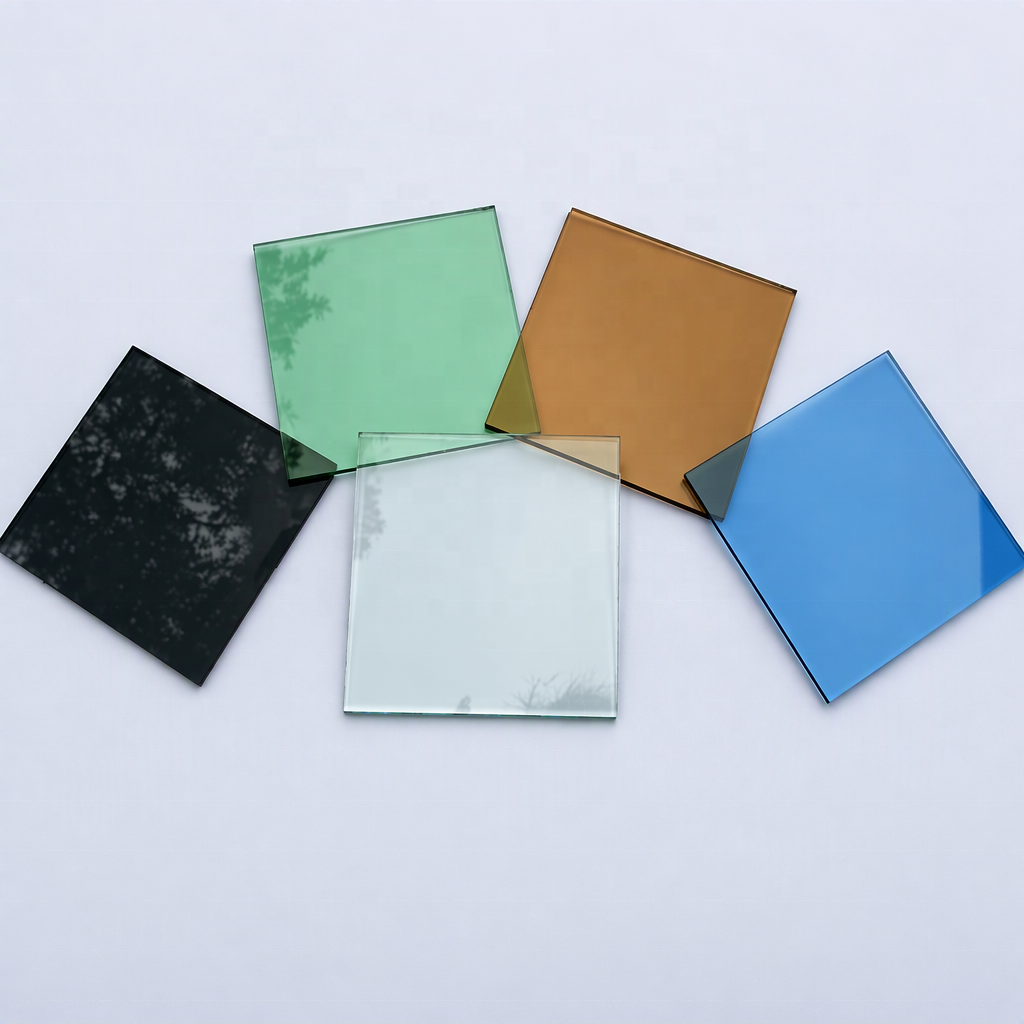
Customized Tinted Tempered Glass Flat Sheet 3mm to 10mm Reflective Colored Glass Toughened Glass
Useful for decorative appliance panels, display trims, partition windows and reflective architectural details.
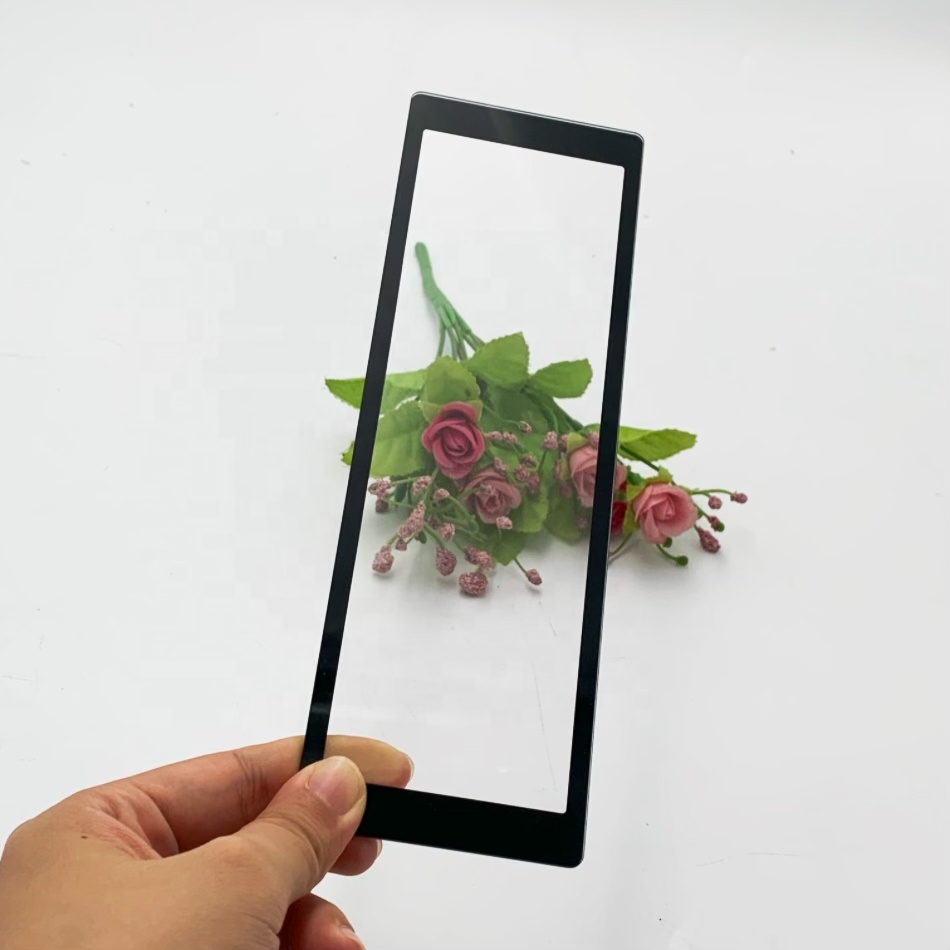
Custom Silk Screen Printed Tempered Glass Panel Touch Screen Display Cover Glass
A strong fit for kiosks, POS terminals, smart control panels and hotel or retail display interfaces.
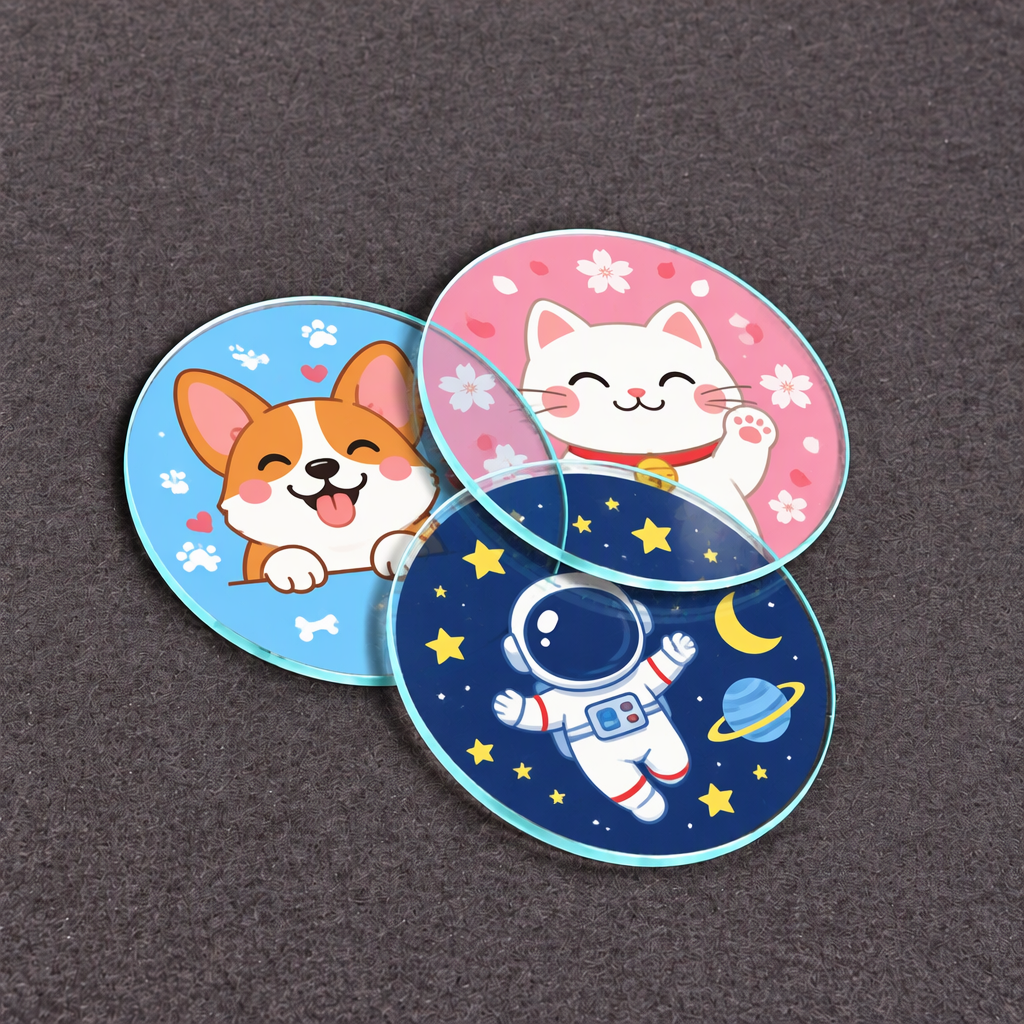
Eco-Friendly Custom Printed Glass Coasters Custom Design Tempered Glass Coaster
Suitable for Sapporo hotels, restaurants, tourism retail, gift programs and branded hospitality sets.
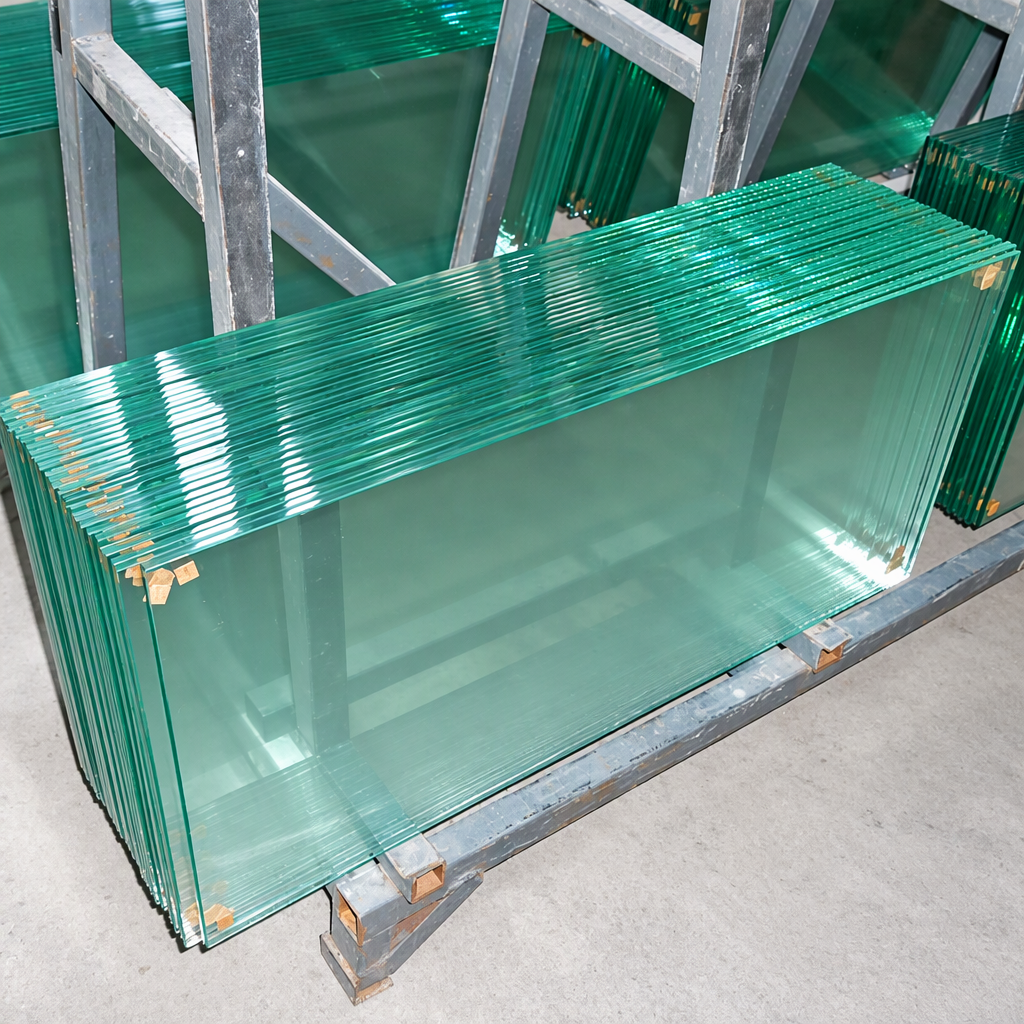
Customized Thickness and Size Clear Tempered Float Glass Panels
A practical choice for machine view windows, protective covers, shelving and general industrial glazing.
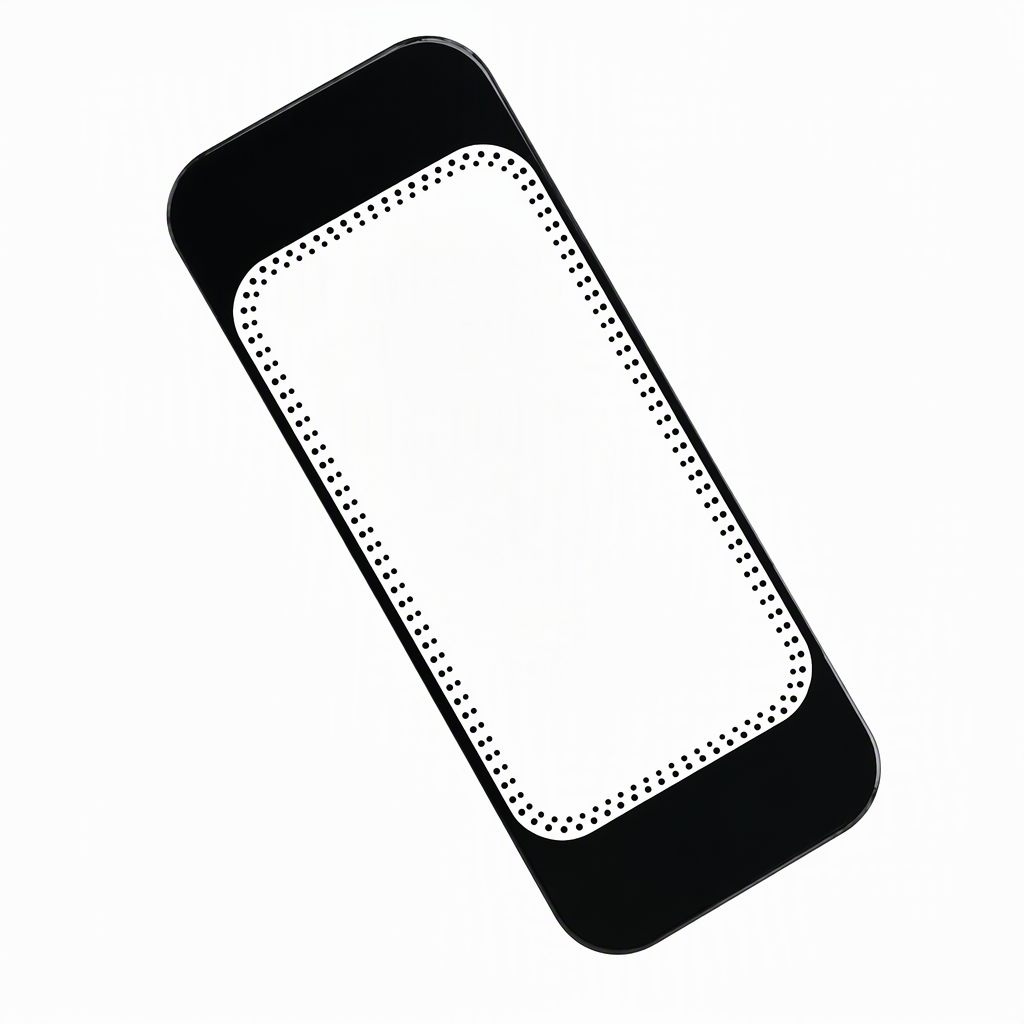
Custom Logo Silk Screen Printing Tempered Glass Panel Tempered Display Glass Screen Protector
Designed for branded electronics, control interfaces and equipment covers requiring crisp printed graphics.
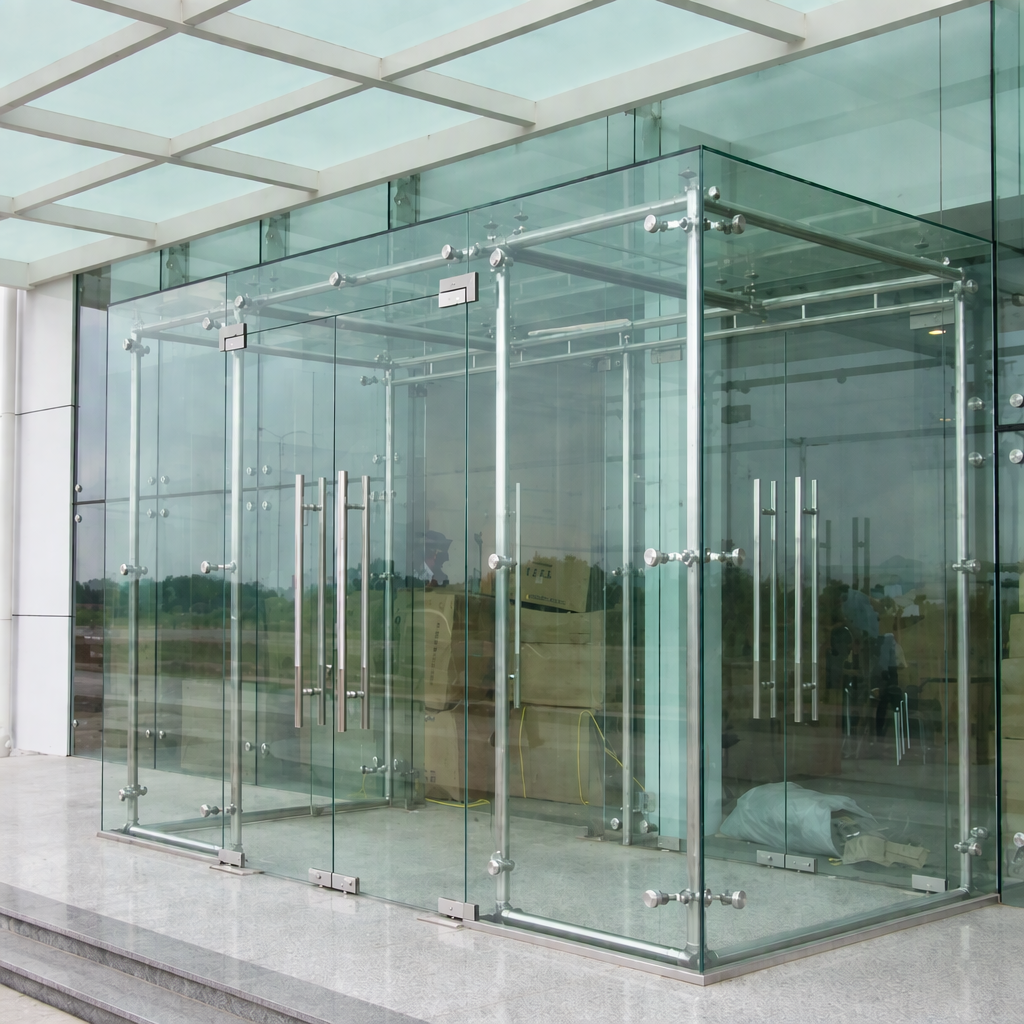
Tempered Glass Solar Window Glass High Transmittance Clear Flat Tempered Glass
Used in solar-related products, sensor windows and applications where clean light transmission matters.
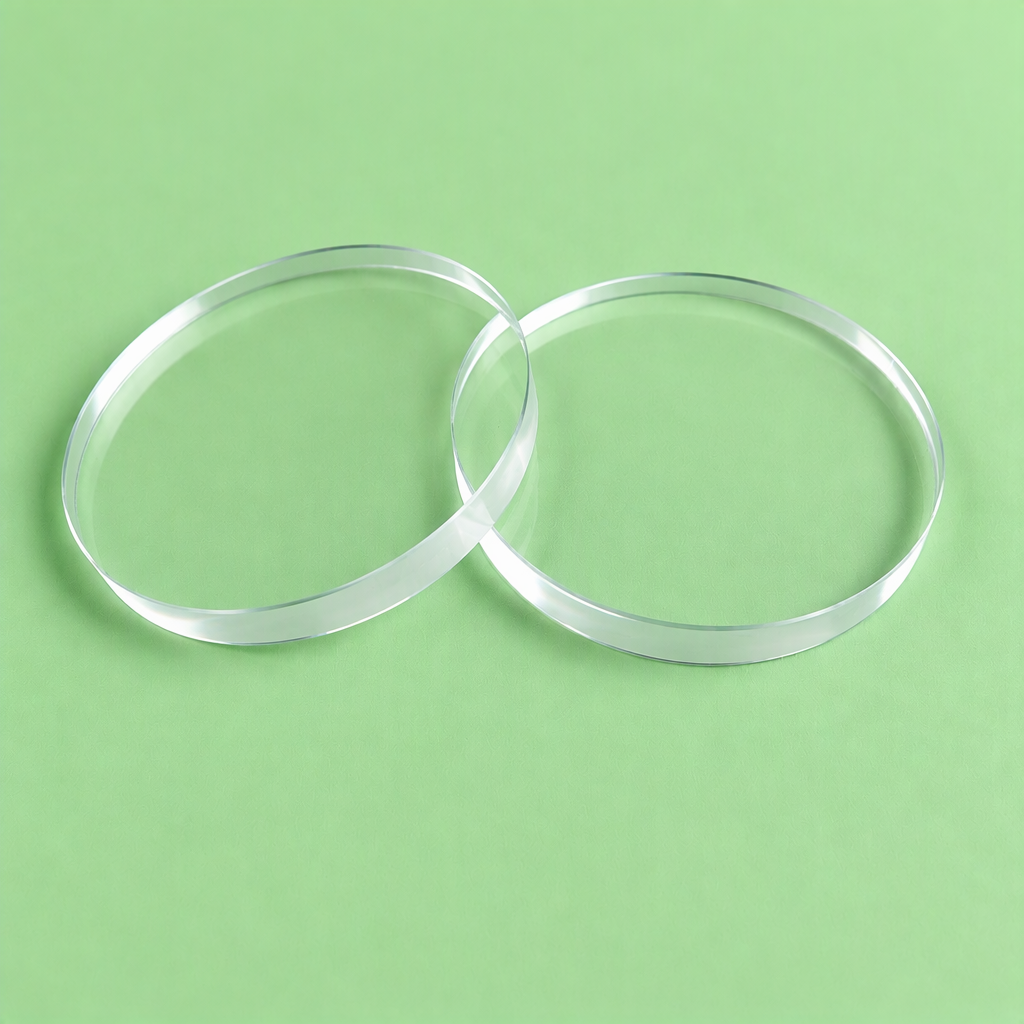
High Strengthen Glass Tempered Glass Custom Size Tempered Clear Glass Panel for Industrial
Recommended for industrial guards, equipment windows and thick tempered panels exposed to impact or load.
Functional Glass Is an Engineered Component, Not a Commodity Sheet
Most wholesale glass pages describe size, thickness and price. For Sapporo buyers, that is not enough. A functional glass part sits inside an appliance, switch panel, access terminal, display, vending unit, medical device or industrial control system. Its real performance depends on the relationship between glass thickness, edge quality, hole positions, print layers, strengthening method, coating, adhesive compatibility and export packaging.
Sapporo and the wider Hokkaido market add another layer of requirements. Homes and commercial buildings face long heating seasons, large indoor-outdoor temperature differences, snow-country logistics and a strong local preference for clean assembly and reliable visual quality. Japanese buyers often expect samples, controlled tolerances, RoHS documentation, stable packaging and clear communication before mass production. A supplier that only quotes a square-meter price may leave the buyer to solve thermal stress, print adhesion, drop protection and installation tolerance alone.
Qingdao Maupe Glass Co., Ltd. has served OEM buyers since 2012 from Qingdao, Shandong. The company combines cutting, CNC shaping, edge polishing, drilling, engraving, silk screen printing, physical tempering, chemical strengthening and AR / AG / AF coating in one production chain. For Sapporo projects, this means the supplier can review the full drawing, recommend the right strengthening method and prepare export packaging for the route from Qingdao to Hokkaido.
The company operates under an ISO 9001 quality management system, holds RoHS and CE certificates, and has been onsite assessed by SGS Group. Its glass has been supplied to buyers in more than 80 countries, with export accounting for 91–100% of output. That experience is relevant to Japanese procurement teams that need a China wholesale functional glass factory to behave like a long-term engineering partner, not a one-off trading channel.
What to Verify Before Choosing a Sapporo Supplier
Cold-climate reliability should be reviewed at the assembly level, not only by glass thickness. Edge chips, an uneven mating frame or uncontrolled screw pressure can create stress concentration even in tempered glass. Ask for edge polishing, safety corners, flatness control and a packaging design that protects corners and print surfaces.
Print durability matters in touch panels and appliance fronts. Confirm ink type, curing process, adhesion checks and whether the printed surface faces inward or outward. For Sapporo hospitality and retail projects, custom logos and anti-fingerprint surfaces should be tested against the actual cleaning routine.
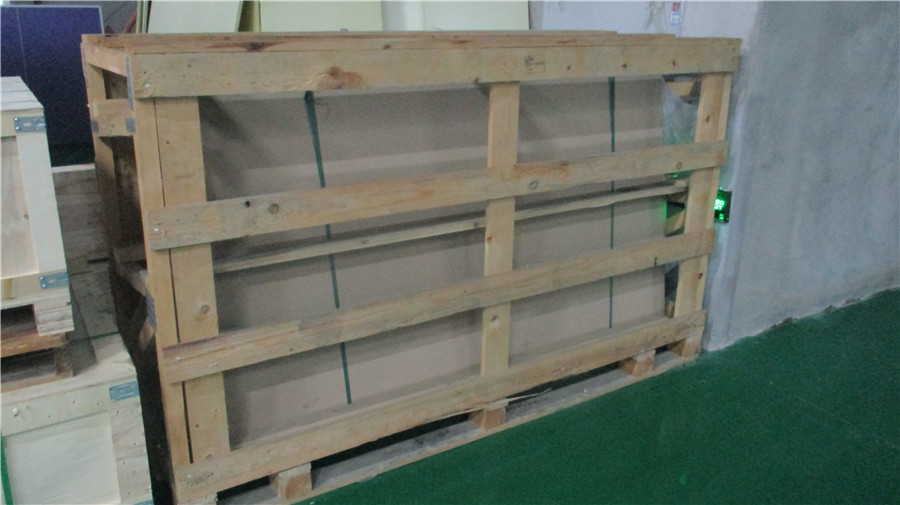
Shipping protection is part of product quality. A glass panel that leaves the factory perfectly printed but arrives with edge damage is a failed part. Export packing should separate glass, protect printed areas and be suitable for sea or air freight to Hokkaido gateways.
Where Functional Glass Fits Sapporo and Hokkaido Projects
The same glass product family can serve very different applications. These localized scenarios help Sapporo buyers connect the drawing to the installation environment, maintenance routine and expected service life.
Smart Homes and Multi-Unit Residences
Printed switch panel glass, socket covers and touch control panels for condos and detached homes. Backlight-ready icons and clean edges suit interiors where heating, ventilation and smart controls are part of daily life.
Hotels, Retail and Tourism Displays
Sapporo attracts visitors and retail activity across seasons. Custom printed glass coasters, display cover glass and branded panels can support hotel guest areas, restaurants, showrooms and premium retail fixtures.
Cold-Climate Equipment and Industrial HMIs
Equipment used in Hokkaido needs readable displays, robust covers and stable mounting. Tempered glass panels can protect machine interfaces, sensor windows and control displays in food processing, logistics and snow-country operations.
Kitchen and Household Appliance Panels
Cooktop, oven, refrigerator, washer and small-appliance control panels benefit from heat-resistant inks, precision holes and scratch-resistant printed surfaces. These are common requirements in urban housing and rental apartments.
Access Control and Smart Lock Interfaces
Card reader glass, face recognition terminal covers, smart lock panels and keypad glass support offices, hotels, public facilities and commercial buildings with contactless access and clear printed windows.
Display Windows, Solar Windows and Partitions
Tinted, reflective, clear tempered and high-transmittance solar glass can be used for display windows, decorative partitions, sensor windows and light-transmission applications where visual consistency matters.
Sapporo Procurement Trends Shaping Functional Glass Demand
Sapporo buyers are not only purchasing glass panels. They are responding to changes in housing, hospitality, energy use, automation and compliance. A supplier that understands these shifts can recommend a more suitable construction before quoting.
Snow-Country Reliability
Hokkaido projects often require components that tolerate temperature cycles, indoor heating and outdoor cold. Buyers increasingly ask about edge quality, flatness, coatings, packaging and installation guidance instead of only price per piece.
Small-Batch Customization
Japanese brands often need multiple versions, controlled color matching and sample approval. Minimum order quantities for custom printed tempered glass can start from 10 to 100 pieces depending on size, thickness and print colors.
Smart Home and Contactless Control
Glass switch panels, smart lock covers, card reader windows and touch interfaces are becoming normal parts of residential and commercial buildings. Sapporo buyers value stable touch zones, clear icons and durable printing.
Premium Hospitality and Retail
Hotels, restaurants, showrooms and tourism retail environments need surfaces that look clean, resist fingerprints and support branded graphics. AR, AG and AF options can improve readability and maintenance.
Compliance and Traceability
RoHS, CE and ISO 9001 documentation is often requested before approval. Certificate numbers, inspection records and clear batch traceability help Sapporo procurement teams reduce risk and shorten supplier qualification.
Energy-Efficient Equipment
As appliances and building systems become more efficient, glass components must fit slimmer housings, clearer displays and more precise sensor windows. Thickness, coating and print layer design should be reviewed together.
Physical Tempered or Chemically Strengthened Glass for Sapporo Projects?
Choosing the wrong strengthening method is one of the most common causes of rework in cover glass projects. Use this comparison during design, then confirm with the glass engineer against your drawing, housing and expected load.
Process Control Gates That Reduce Rework
For Sapporo buyers, a supplier’s quality system matters most before the first carton is packed. These control gates are built into the OEM workflow to connect drawings, samples and mass production.
Edge quality is not cosmetic. In cold-climate assemblies, chips and uncontrolled frame pressure can concentrate stress. Specify edge polishing, safety corners and share the mating frame drawing so the glass engineer can review clearance and installation pressure.
Why Qingdao Maupe Glass Fits Sapporo Procurement Requirements
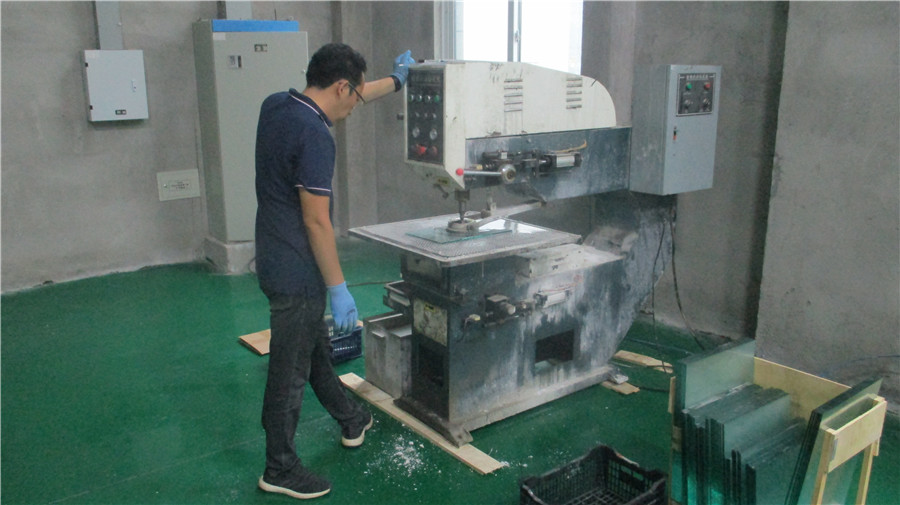
Qingdao Maupe Glass Co., Ltd. is a glass deep-processing manufacturer and international supplier. Its core work is converting flat glass into finished functional parts: cutting, edge polishing, drilling, engraving, coating, silk screen printing, physical tempering and chemical strengthening.
ISO 9001 Quality Management
Certificate No. 24025Q20015R1S. The quality system covers float glass and technical glass products, supporting consistent inspection, traceability and production discipline for OEM orders.
RoHS and CE Documentation
RoHS Certificate No. 25TYT12395 and CE Certificate No. 23TYT082593S are available for buyer qualification. RoHS-compliant inks and controlled processes support electrical and electronic applications.
SGS Onsite Assessed and Fortune 500 Supplier
The factory has been onsite assessed by SGS Group as a third-party inspection company and has served Fortune 500 procurement contracts. This gives Sapporo buyers additional evidence beyond a basic price quotation.
8 Production Lines and 3,000–5,000 m² Factory
The Qingdao factory operates 8 production lines with a floor area of 3,000–5,000 m². Production capacity supports annual volume programs as well as sample-based custom projects for Japanese buyers.
10+ Years OEM / ODM Experience
Since 2012, the company has worked with custom drawings, samples and full customization requests. Support covers design review, print artwork, packaging coordination and export documentation.
Export Experience to 80+ Countries
Export accounts for 91–100% of output. The factory is close to Qingdao seaport and airport, making export logistics practical for Sapporo shipments via Hokkaido gateways such as Tomakomai Port or New Chitose Airport, subject to forwarder routing.



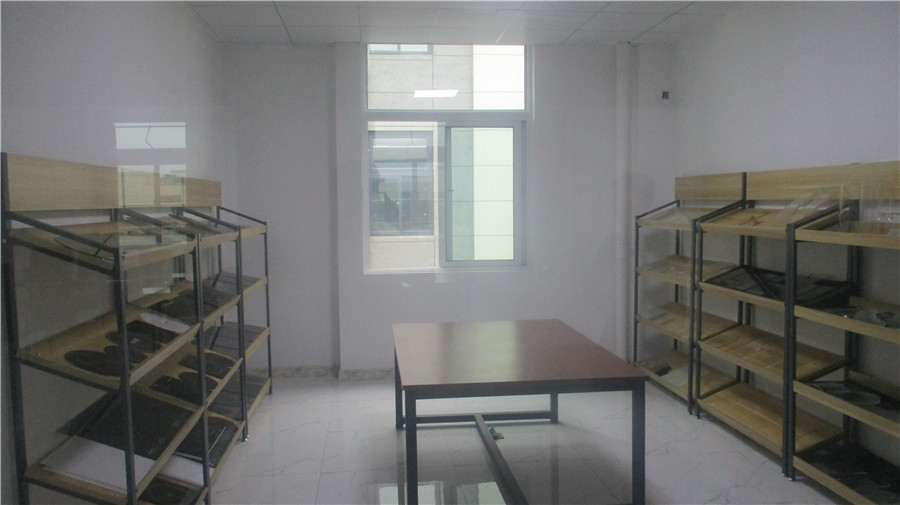
From Drawing to Sapporo Delivery in Five Controlled Steps
A transparent workflow helps purchasing, engineering and quality teams know exactly what happens at every stage of a custom functional glass order.
Drawing Review
Engineers check manufacturability, tolerance, edge finish, print layers and strengthening method before quoting.
Sampling
Screens and samples are prepared for fit, color, touch-window and print verification by the buyer.
Mass Production
Cutting, CNC shaping, drilling, printing, tempering or chemical strengthening run on 8 production lines.
Inspection
Incoming material and finished product checks cover dimensions, print appearance, edges and packing.
Export Shipping
Protective export packing and trade terms such as FOB, CIF, EXW, DDP and express delivery support Hokkaido routing.
Certified Quality That Sapporo Buyers Can Verify
Certificate numbers are stated so compliance teams can check them directly with the issuing bodies. For Japanese projects, early document review often shortens the supplier approval cycle.

ISO 9001 Quality Management
Certificate No. 24025Q20015R1S. Scope: float glass and technical glass products. Supports documented process control for custom OEM glass production.

RoHS Compliance
Certificate No. 25TYT12395. Supports restricted hazardous substance control for electrical and electronic equipment applications in Japan and other markets.

CE Marking
Certificate No. 23TYT082593S. Tempered glass documentation supports market access across the European Economic Area and adds third-party confidence for global buyers.
What Sapporo Buyers Commonly Ask Before Ordering
These answers reflect the questions most often raised by overseas OEM buyers, with additional notes for Sapporo and Hokkaido projects.
What is the minimum order quantity for custom printed tempered glass?
Most custom silk screen printed panels start from 10 to 100 pieces depending on size, thickness and the number of print colors. Large display cover glass can start from 10 pieces. Samples are available for fit and print verification before mass production.
Can your glass handle Sapporo wintertemperature cycles?
Tempered glass is strong, but cold-climate reliability depends on the complete assembly. For thicker panels exposed to impact or thermal load, physical tempering is usually preferred. Review edge quality, frame pressure and housing sealing with the engineer. For thin touch covers requiring flatness and optical clarity, chemical strengthening may be more suitable.
How do you ship functional glass to Sapporo or Hokkaido?
Qingdao is close to seaport and airport. Common routing can be reviewed through sea freight to Hokkaido gateways such as Tomakomai Port or air freight to New Chitose Airport, depending on the forwarder. Protective export packing is important for printed surfaces, corners and edges.
Which certifications and documents can you provide?
The company operates an ISO 9001 quality management system, holds RoHS and CE certificates, and has been onsite assessed by SGS Group. Certificate numbers can be shared for verification. Additional inspection and packing requirements can be discussed during order review.
What files are needed to start a custom glass project?
Send a 2D drawing in DWG, DXF or PDF with dimensions, thickness, edge finish, hole positions and tolerance. Include print artwork in AI or PDF with color references. State coating requirements such as AR, AG or AF, the intended application and expected annual volume.
Which trade and payment terms are accepted?
Accepted delivery terms include FOB, CIF, EXW, FAS, FCA, CPT, DDP, DDU and express delivery. Accepted payments include T/T, L/C, PayPal, Western Union and cash, in USD, EUR or CNY. Trade terms are confirmed according to the product, volume and routing.
Request a Sapporo-Ready Functional Glass Catalog and Drawing Review
Share your drawing, application, thickness, print artwork and target volume. The Maupe Glass team can review manufacturability, recommend physical tempering or chemical strengthening, and prepare a suitable export quotation for Sapporo or Hokkaido delivery.
Get Cataloginfo@maupeglass.com
Qingdao Maupe Glass Co., Ltd. · Room 102, Building 18, Qingdao Jiaozhou International Enterprise Port, Liandong U Valley, No. 2 Luanhe Road, Shanghe Demonstration Area, Qingdao, Shandong, China