China Wholesale Fused Silica Glass · Tokyo Supply Program

China Wholesale Fused Silica Glass Factory & Supplier serving Tokyo

A technical sourcing guide for Tokyo OEMs seeking high-purity SiO₂ glass, precision fabrication, AR/AG/AF coated covers, printed glass panels, and export-ready documentation from China.

High-purity SiO₂ CNC cutting & polishing Tokyo / Kanto export support
8 precision glass products

8 Precision Glass Products Recommended for Tokyo Sourcing Programs

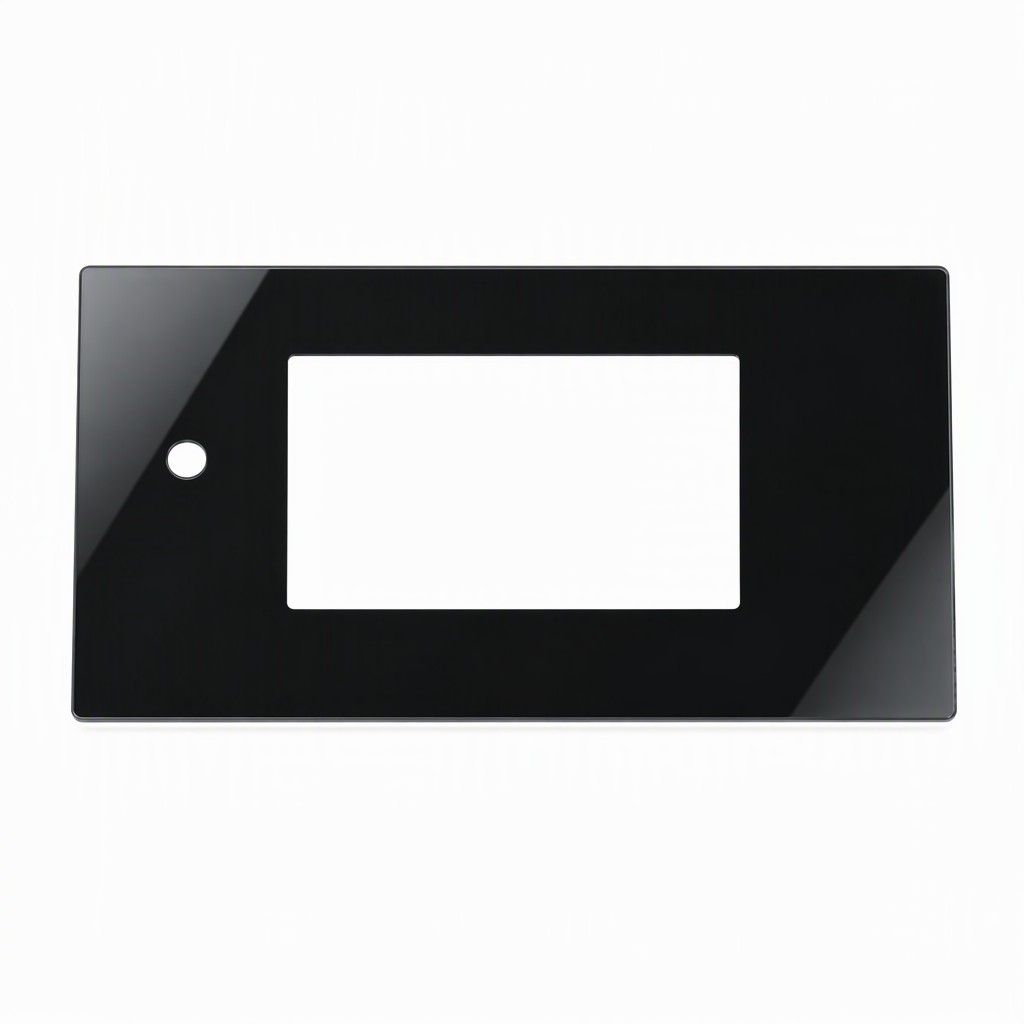
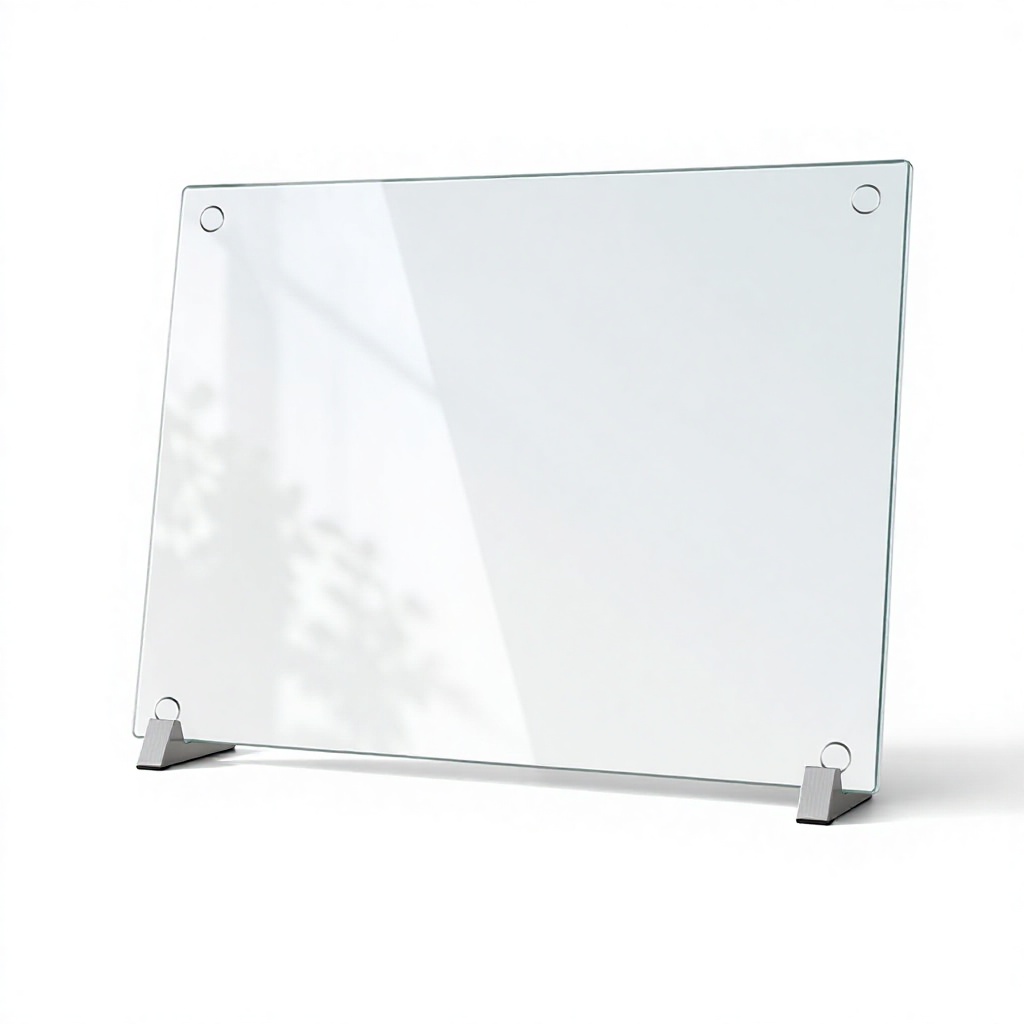
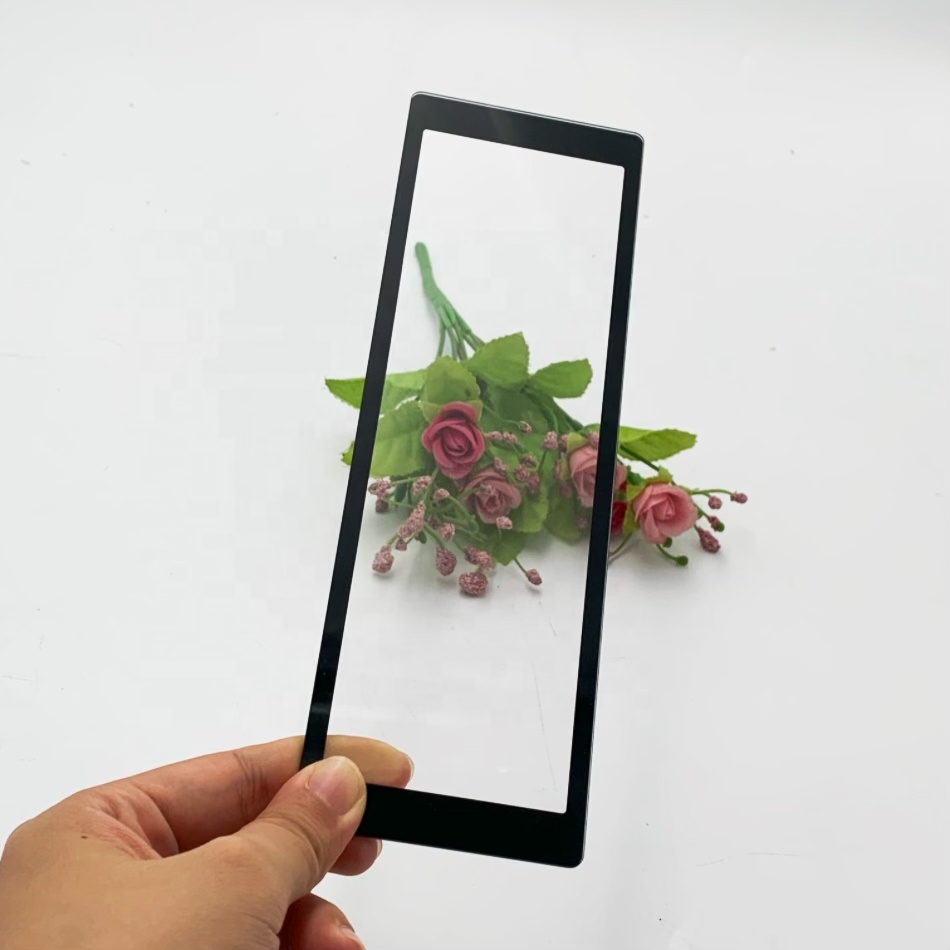
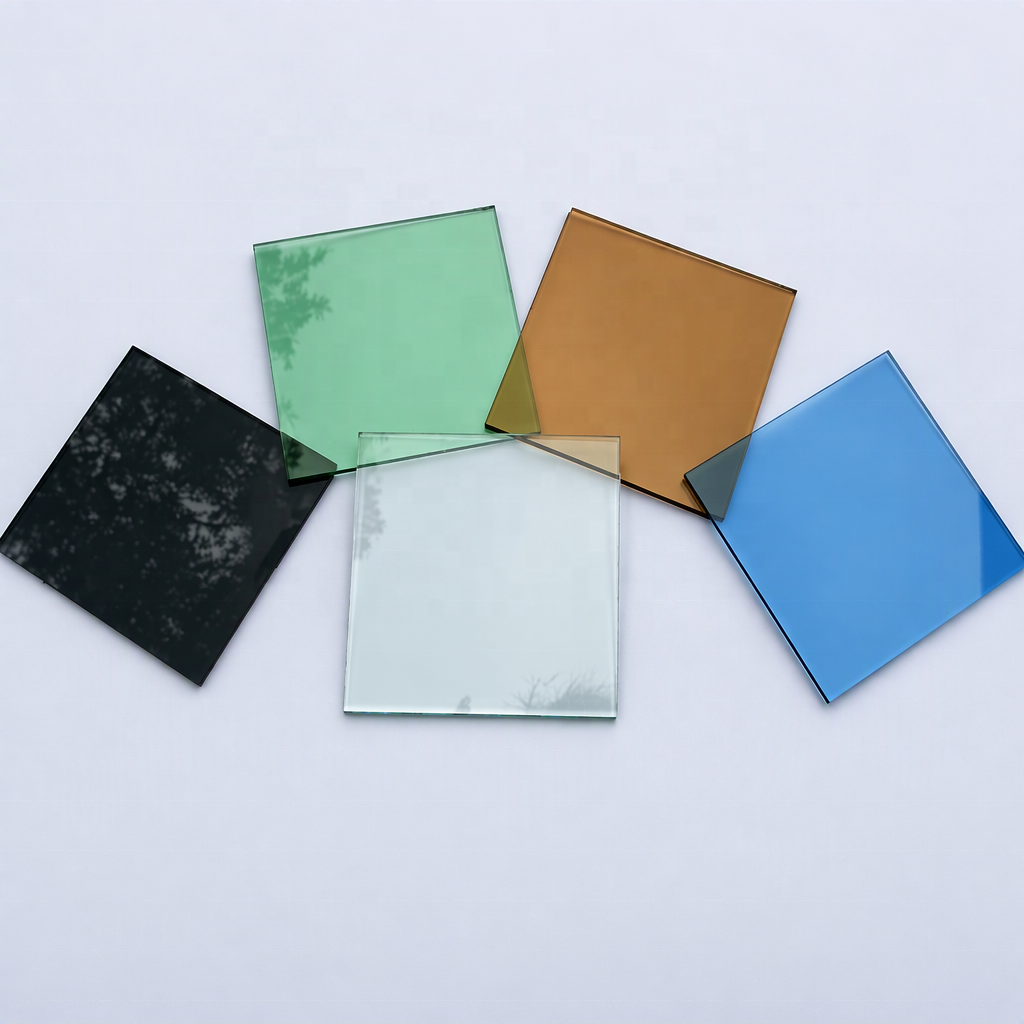
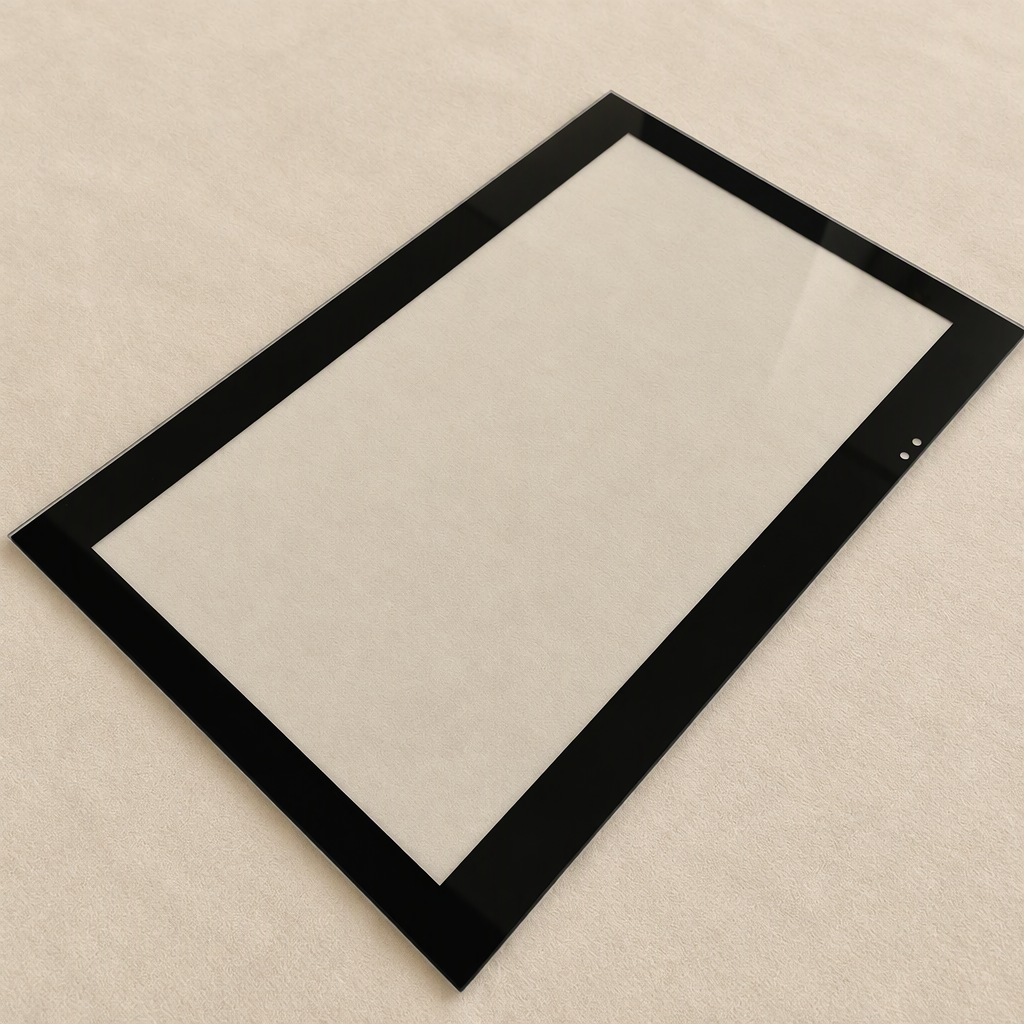
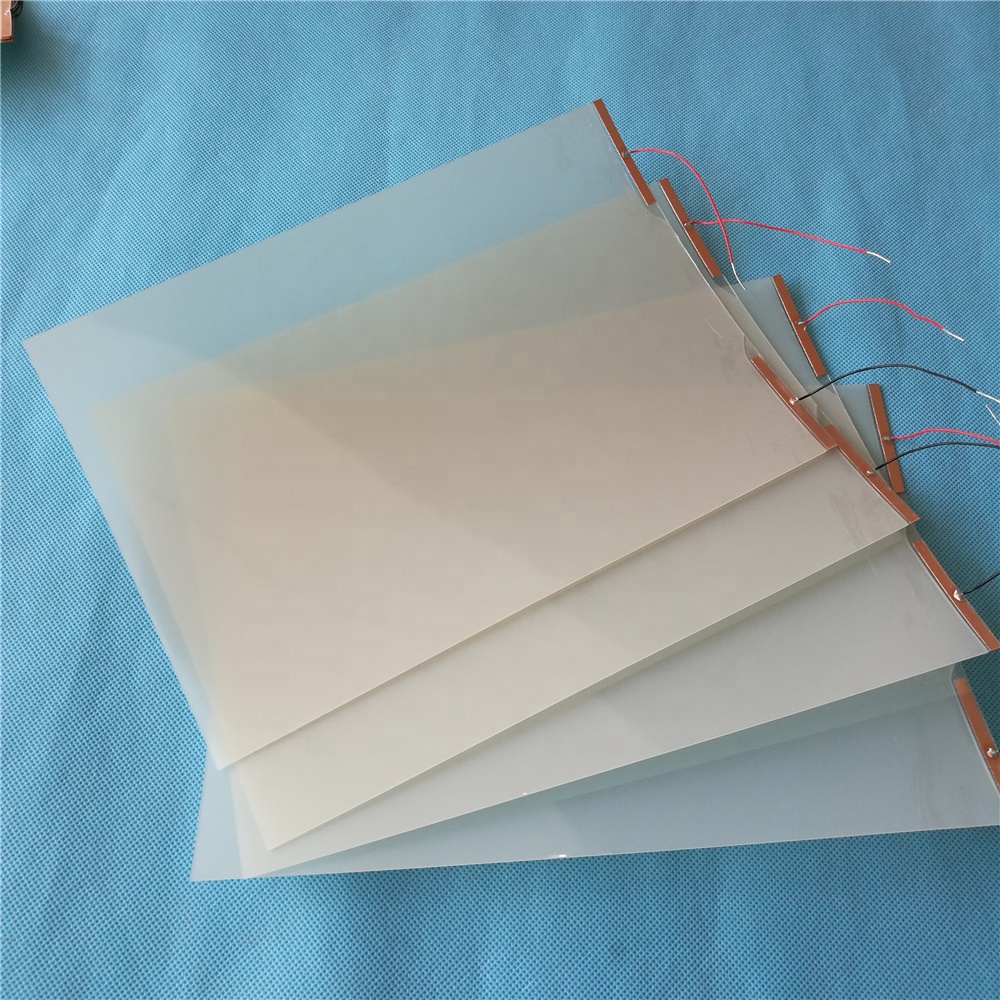
These eight product families are current production examples from our glass deep-processing portfolio. They are often purchased alongside fused silica and quartz-glass components when Tokyo buyers consolidate cutting, printing, coating, and inspection with one qualified supplier. Each product URL below is preserved from the original listing; final specifications are reviewed against your drawing before quotation.

For fused silica or quartz-glass requirements, send the material grade, drawing, coating, quantity, and destination. Our engineers will confirm the recommended process route before quotation.

Tokyo sourcing intelligence

Why Tokyo Buyers Compare China Fused Silica Suppliers Before They Commit

Tokyo’s semiconductor, photonics, analytical-instrument, medical-device, and smart-building ecosystems demand glass that is technically specified—not merely “clear” or “quartz.”

Fused silica is not a commodity. Two parts that look identical may differ in OH content, bubble and inclusion class, coefficient of thermal expansion, UV transmission, annealing state, edge finish, coating durability, and cleaning compatibility. For Tokyo projects, a low price is useful only when the supplier can define these variables, inspect them against an approved drawing, and pack the glass for reliable delivery. Search intent in Tokyo is usually technical qualification, not a simple price request.

Qingdao Maupe Glass Co., Ltd. has operated since 2012 as a glass deep-processing manufacturer and international supplier. We work under an ISO 9001 quality management system, hold RoHS and CE certificates for our glass products, and have been onsite-assessed by SGS Group. Our factory is located in Qingdao, Shandong—not Tokyo—so serving Tokyo means disciplined drawing review, sample approval, export packaging, and logistics planning to Narita, Haneda, Tokyo, and Yokohama.

For buyers comparing a China wholesale fused silica glass factory and supplier serving Tokyo, the practical question is this: can the supplier keep the specification stable from sample to mass production? That requires controlled cutting, CNC shaping, drilling, edging, printing, coating, strengthening, inspection, and packing. It also requires clear communication when a requested grade, tolerance, or coating is not the right fit for the application.

2012 Founded in Qingdao, China
8 Production lines
80+ Export countries served
3,000–5,000 m² Factory floor area
Tokyo applications

Localized Fused Silica and Precision Glass Applications in Tokyo

Tokyo and the wider Kanto region combine dense commercial renovation, advanced manufacturing, and world-class research. Each environment changes what the glass must do.

◇

Semiconductor & Advanced Packaging

In Tsukuba, Kawasaki, and Yokohama, fused silica windows, spacers, and inspection components demand low contamination and stable CTE. Define wafer compatibility, cleaning protocol, and vacuum requirements in the RFQ.

✦

UV Optics & Analytical Instruments

Tokyo instrument makers use high-transmission silica for cells, windows, and optical paths. Specify UV cutoff, fluorescence behavior, surface quality, and coating requirements.

✚

Medical Diagnostics & Cleanrooms

AR/AF cover glass for diagnostic screens, laboratory automation, and cleanroom equipment. Easy-clean surfaces, controlled haze, and edge safety are often more important than headline price.

▦

Smart Office & Privacy Glass

PDLC switchable glass and printed partition glass suit Tokyo office refurbishment. Confirm power supply, film orientation, maintenance access, and partition dimensions before fabrication.

◈

Premium Retail & Hospitality

Tempered lazy Susan glass, tinted glass, and printed display covers support flagship stores, restaurants, hotels, and showrooms in central Tokyo where visual consistency is part of the brand.

⌁

EV & Mobility R&D

Battery test labs and automotive electronics teams in Kanagawa and Chiba need heat-resistant viewing windows, optical covers, and durable touch glass. Define thermal cycling and impact criteria.

◉

Hydrogen & Energy Research

High-temperature observation windows and UV-visible components for energy laboratories require careful grade selection. Validate purity, thermal shock, sealing, and safety requirements with your engineering team.

⬢

Appliance & Consumer Electronics OEM

Printed tempered cover panels, switch glass, and touch-control glass for Japanese appliance and smart-home brands. Cosmetic acceptance criteria and color matching should be agreed before mass production.

Market trends

Tokyo Market Trends Shaping 2025–2026 Sourcing Decisions

Tokyo procurement teams are not only asking for a lower unit price. They are asking for technical clarity, documentation, and delivery consistency.

Semiconductor investment raises material expectations

Advanced packaging and semiconductor equipment programs place more emphasis on low-alkali, low-OH fused silica grades, traceability, and contamination control. Generic “quartz glass” descriptions are no longer sufficient for qualification.

Optical miniaturization tightens tolerances

Compact optical modules and analytical instruments require reliable flatness, edge quality, coating adhesion, and cleanliness. AR/AG/AF treatments must be specified by function—not just by name.

Tokyo office refurbishment favors switchable privacy

PDLC smart glass, printed partition glass, and writable glass surfaces support flexible offices and meeting rooms. Buyers increasingly compare maintenance, power requirements, and long-term appearance.

Documentation is part of the product

ISO 9001, RoHS, CE, material declarations, inspection reports, and batch traceability help Tokyo QA teams reduce risk. Suppliers that cannot explain their documentation path create avoidable delays.

High-mix, low-volume production continues

Japanese OEMs often need multiple sizes, colors, and print layouts in moderate quantities. Sampling speed, color approval, and packaging discipline matter as much as large-volume capacity.

Localized logistics support is a competitive advantage

Qingdao is close to major seaports and airports. Air freight to Narita or Haneda and sea freight to Tokyo/Yokohama can be planned with FOB, CIF, DDP, DDU, and express options for samples.

Technical whitepaper

Fused Silica vs. Borosilicate vs. Soda-Lime: A Buyer’s Comparison

Before comparing quotations, separate the material question from the processing question. The same drawing can be beautiful in a sample and unsuitable in mass production if the grade or strengthening route is wrong.

Fused silica—also called fused quartz in common industrial language—is valued for high SiO₂ purity, low thermal expansion, excellent thermal shock resistance, high UV transmission in suitable grades, and strong chemical durability. It is widely used in semiconductor equipment, UV optics, analytical instruments, high-temperature windows, and precision laboratory components. However, “fused silica” is a family of materials, not a single specification. OH content, bubble and inclusion class, internal stress, transmission range, and annealing condition can change both performance and price.

Borosilicate glass offers a practical balance of thermal resistance, chemical durability, and cost for many laboratory and industrial parts. Tempered soda-lime glass is a safety-glass solution for displays, appliances, architectural panels, and touch covers, but it should not be presented as a high-purity replacement for fused silica. Tokyo buyers should match material to environment: high temperature and deep UV point toward fused silica; general lab work may suit borosilicate; impact safety and decorative panels may suit tempered soda-lime.

Indicative material comparison for early-stage Tokyo sourcing review
Criteria Fused silica / fused quartz Borosilicate glass Tempered soda-lime glass
Silica contentTypically ≥99.9% SiO₂ in high-purity gradesApproximately 80–81% SiO₂ with B₂O₃ and other oxidesApproximately 70–74% SiO₂
CTE (indicative)About 0.5–0.6 × 10⁻⁶/KAbout 3.3 × 10⁻⁶/KAbout 8.5–9.0 × 10⁻⁶/K
Thermal shock resistanceExcellent in appropriate grades and thicknessesGood for many laboratory applicationsLimited; depends on design and edge condition
UV transmissionHigh in selected grades; confirm OH and transmission curveGood visible transmission; UV cutoff variesUsually limited UV transparency
Typical Tokyo applicationsSemiconductor windows, UV optics, high-temperature sight glass, analytical componentsLab glass, chemical windows, general optics, instrument coversTouch panels, appliance fronts, display covers, architectural panels
Process routeCutting, CNC, drilling, edging, polishing, cleaning, coating, printing if neededCutting, fire polishing or edge polishing, drilling, coatingCutting, printing, tempering, coating, lamination options
Key buyer riskGrade mismatch, bubbles, OH content, internal stress, edge chipsThermal shock limits, dimensional tolerance, surface hazeCosmetic defects, print registration, breakage pattern, flatness

What to include in an RFQ to reduce rework

  • 2D drawing in DWG, DXF, or PDF with outline dimensions, holes, edge finish, tolerance, and critical surfaces.
  • Material grade and thickness, including OH content, bubble/inclusion class, color, and transmission targets where relevant.
  • Print artwork in AI or PDF with color references, layer order, bleed, and touch-window locations.
  • Coating requirements such as AR, AG, or AF, plus haze, reflectance, adhesion, and cleaning expectations.
  • Operating environment—temperature, UV exposure, humidity, vacuum, touch sensor, cleaning chemicals—and annual volume.

The values above are indicative and do not replace a grade-specific certificate of compliance. Final material and process recommendations must be confirmed against your drawing, application, and acceptance standard.

Factory advantages

Factory Advantages That Matter for Tokyo Procurement

A supplier’s location is only the starting point. Tokyo buyers should verify QMS, process ownership, export experience, and documentation. The following facts are drawn from our company profile and certificates.

⌬

Founded in 2012

More than a decade of OEM glass deep-processing experience for international buyers.

✓

ISO 9001 Quality Management

Certificate No. 24025Q20015R1S, covering float glass and technical glass products.

◎

SGS Onsite Assessed

Third-party onsite assessment and verified Fortune 500 supplier procurement contract status.

⬢

RoHS & CE

RoHS No. 25TYT12395 and CE No. 23TYT082593S support compliance review for targeted markets.

⚙

8 Production Lines

A 3,000–5,000 m² factory floor supports cutting, printing, tempering, coating, and inspection.

✦

Complete Process Chain

CNC shaping, drilling, edge polishing, silk-screen printing, physical tempering, chemical strengthening, AR/AG/AF coating, and PDLC.

◈

Global Export Experience

Customers in 80+ countries across Asia, Europe, the Americas, Oceania, the Middle East, and Africa; 91–100% export share of output.

➜

Qingdao Logistics Base

Close to Qingdao seaport and airport for sample courier, air freight, and sea freight planning to Tokyo and Yokohama.

Qingdao Maupe Glass factory overview
Factory overview
Glass cutting and processing workshop
Cutting and processing
Silk screen printing line for tempered glass
Silk-screen printing
Tempering furnace for glass panels
Tempering capability
OEM workflow

From Tokyo RFQ to Factory Release: A Transparent Workflow

Purchasing, engineering, and quality teams should know what happens at each stage. A clear workflow reduces sample loops and avoids surprises before shipment.

1

Drawing & Material Review

Our engineers review the 2D drawing, artwork, material grade, coating, application environment, and target quantity for manufacturability.

2

Sampling & Approval

Screens and samples are produced for fit, color, print, coating, and touch verification. Approval criteria should be documented before mass production.

3

Production & Inspection

Cutting, edging, printing, tempering, coating, and cleaning run on controlled lines, followed by incoming-material and finished-product inspection.

4

Export Packing & Tokyo Delivery

Protective export packing is arranged with FOB, CIF, DDP, DDU, or express options. Air and sea routes can be planned for Narita, Haneda, Tokyo, and Yokohama.

Quality & compliance

Certifications and Quality Documentation for Tokyo Due Diligence

Certificate numbers are shown so your compliance and procurement teams can verify them with the issuing bodies. Order-specific inspection records can be discussed with the RFQ.

ISO 9001 quality management system certificate for Qingdao Maupe Glass

ISO 9001 Quality Management

Certificate No. 24025Q20015R1S · Scope: float glass and technical glass products · Valid to 02/2028.

RoHS compliance certificate for glass products

RoHS Compliance

Certificate No. 25TYT12395 · Restricts hazardous substances for EU electrical and electronic equipment · Valid to 12/2030.

CE certificate for tempered glass products

CE Marking

Certificate No. 23TYT082593S · Tempered glass · Supports market access across the European Economic Area · Valid to 08/2028.

Tokyo buyer FAQ

Local Purchasing FAQ: Fused Silica and Precision Glass from China

These are the questions Tokyo buyers commonly ask when comparing suppliers for fused silica, quartz-glass components, printed glass, and coated display covers.

What fused silica grades can be quoted for Tokyo projects?

We quote against your drawing and application. Key variables include SiO₂ purity, OH content, bubble and inclusion class, transmission range, thickness, flatness, edge finish, coating, and cleaning requirements. For semiconductor, UV, or high-temperature use, specify the environment and acceptance standard so our engineers can confirm the material and process. If a requested grade is outside our standard range, we will state that before quotation rather than substitute silently.

What is the MOQ and sampling path?

For custom printed or precision glass panels, MOQ often begins from 10–100 pieces depending on size, thickness, number of print colors, and process. Large-format display cover glass can start from 10 pieces. Fused silica machining projects are quoted individually. Samples are available for fit, print, color, coating, and packaging verification before mass production.

How do you ship glass to Tokyo?

Qingdao is close to major seaports and airports. We support air freight to Narita or Haneda, sea freight to Tokyo or Yokohama, and express delivery for small samples. Accepted delivery terms include FOB, CIF, EXW, FAS, FCA, CPT, DDP, DDU, and express delivery. Payments include T/T, L/C, PayPal, Western Union, and cash in USD, EUR, or CNY; final terms are confirmed on the PI.

Which certifications and inspection documents are available?

Our ISO 9001, RoHS, CE, and SGS onsite assessment details are shown above. For each order, inspection records can be prepared against the approved drawing and sample. If your Tokyo QA team uses JIS clauses or an internal standard, include those requirements in the RFQ; we will confirm what can be documented before production.

What should we send with the RFQ?

Send 2D drawings in DWG, DXF, or PDF with dimensions, thickness, hole positions, edge finish, and tolerance. Include print artwork in AI or PDF with color references, coating needs such as AR, AG, or AF, the operating environment, annual volume, and packaging or labeling requirements. Clear acceptance criteria reduce rework and speed up sample approval.

Can you support both fused silica and our existing tempered glass products?

Yes. Many Tokyo customers consolidate custom glass sourcing. We process tempered glass, chemically strengthened glass, silk-screen printed cover glass, AR/AG/AF coated display glass, PDLC smart film glass, and related panels. A single supplier platform can improve color matching and packaging consistency, but each material should have its own drawing, inspection plan, and approved sample.

Send Your Drawing, Grade, and Tokyo Delivery Target

If you are comparing China wholesale fused silica glass factories for a Tokyo project, start with a technical RFQ. Include the material grade, thickness, drawing, coating, print artwork, quantity, and target date. Our team will review manufacturability and respond with a quotation path.

Email: info@maupeglass.com · ISO 9001 · RoHS · CE · SGS Onsite Assessed · Qingdao, China