8 Custom Glass Products for Berlin Buyers
These eight product families cover the most common drawing-led glass requests from Berlin appliance brands, access-control integrators, interior contractors, medical display suppliers and architectural fabricators. Each product page preserves the original specification route.

Tempered Glass Lazy Susan 50cm 60cm 70cm 90cm — Strengthened Glass Turntable
A rotating strengthened glass surface for restaurants, showroom tables, hotel suites and retail displays. Specify diameter, edgework and turntable hardware before production.
View full specification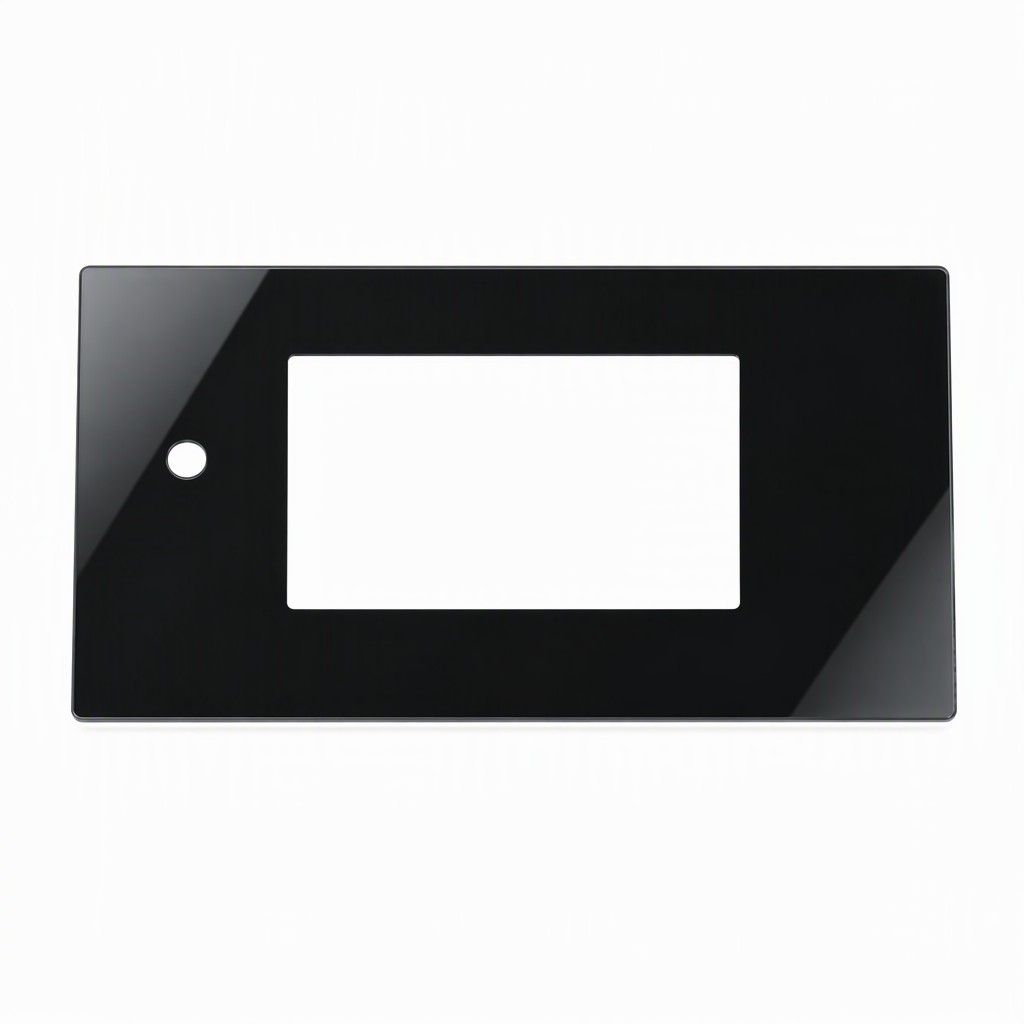
Gorilla Glass Display Protection Cover AR AF Coated LCD Touch Panel Digitizer Front Glass
AR/AF coated cover glass for industrial HMIs, medical screens, kiosks and touch panels where glare, fingerprint control and optical clarity matter.
View full specification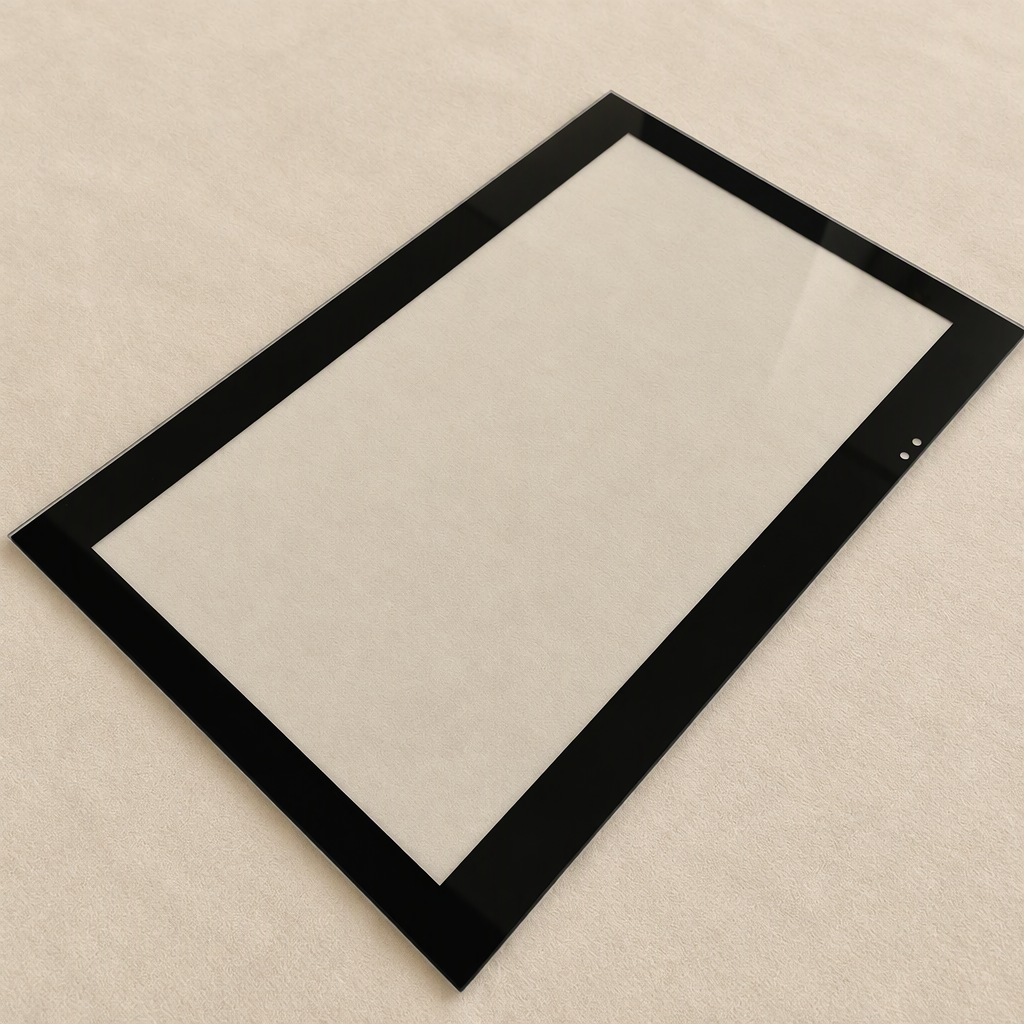
Tempered Glass Panel Silk Screen Printed Flat Display Screen Protector for LCD TV & Industrial Decoration
Flat printed tempered glass for TV fronts, industrial interfaces, control windows and decorative panels. Multi-colour printing, logos and touch-zone windows can be aligned to your artwork.
View full specification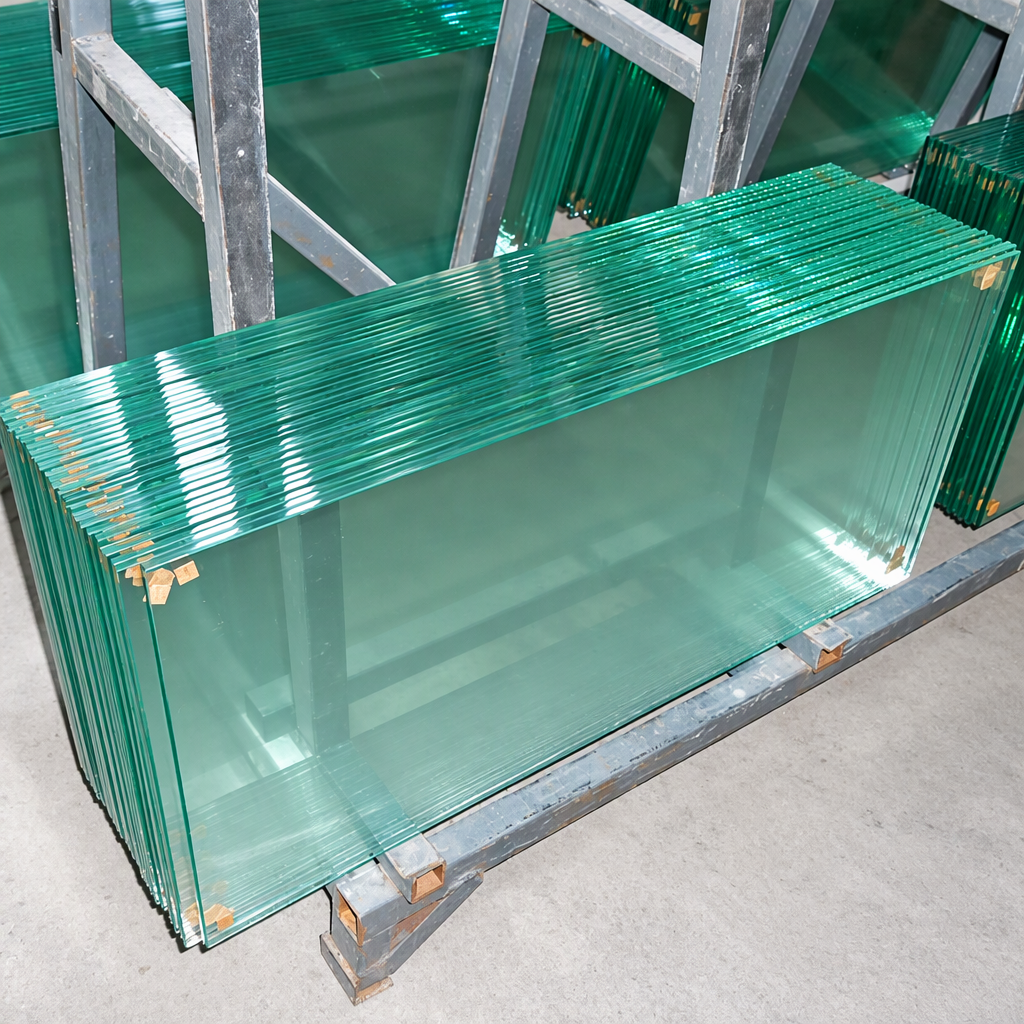
Customized Thickness and Size Clear Tempered Float Glass Panels
Clear tempered float glass cut to custom thickness and size for equipment guards, furniture, interior partitions and industrial components. Edge profile and hole positions are made to drawing.
View full specification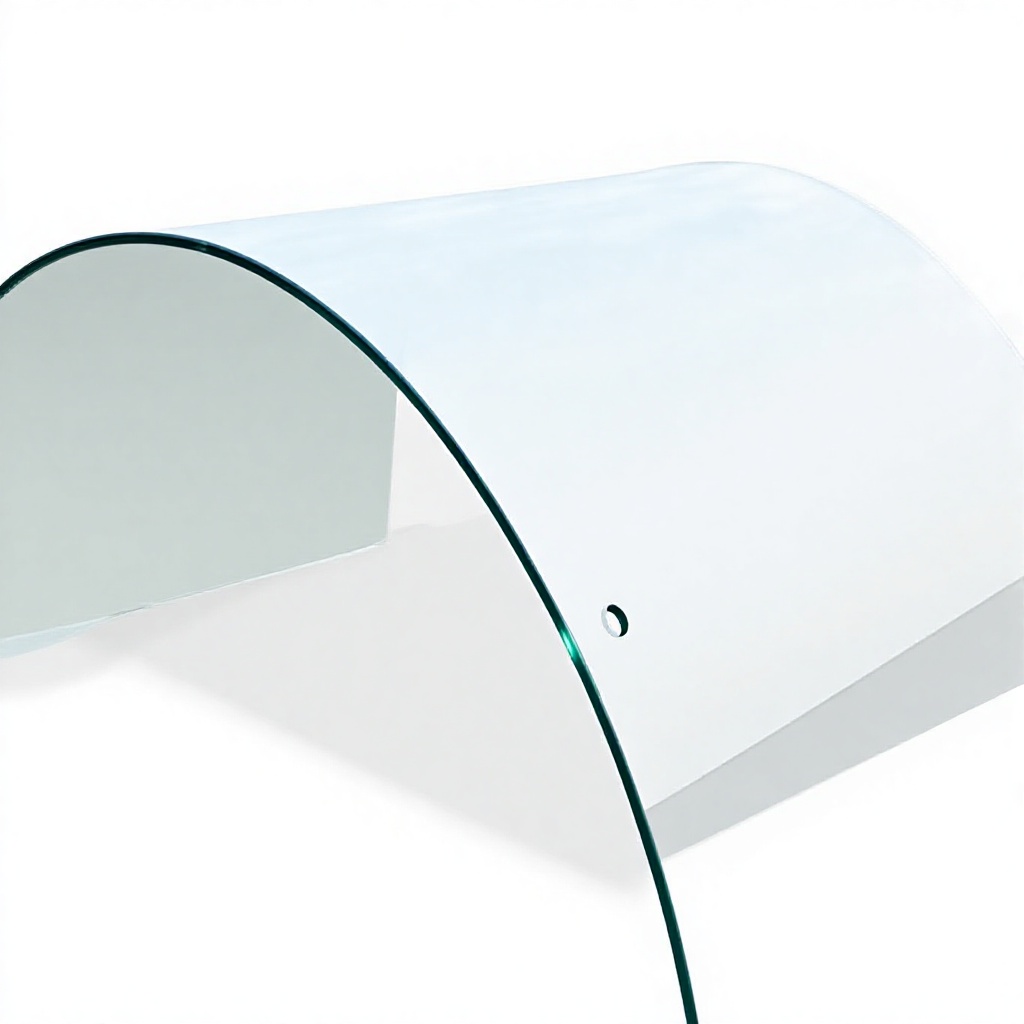
Custom Curtain Wall Glass, Balcony Glass, Tempered Glass, Curved Glass
Curved and flat tempered glass for balcony, facade and interior architectural components. Berlin projects should confirm radius, edge finish, safety glazing and structural sign-off.
View full specification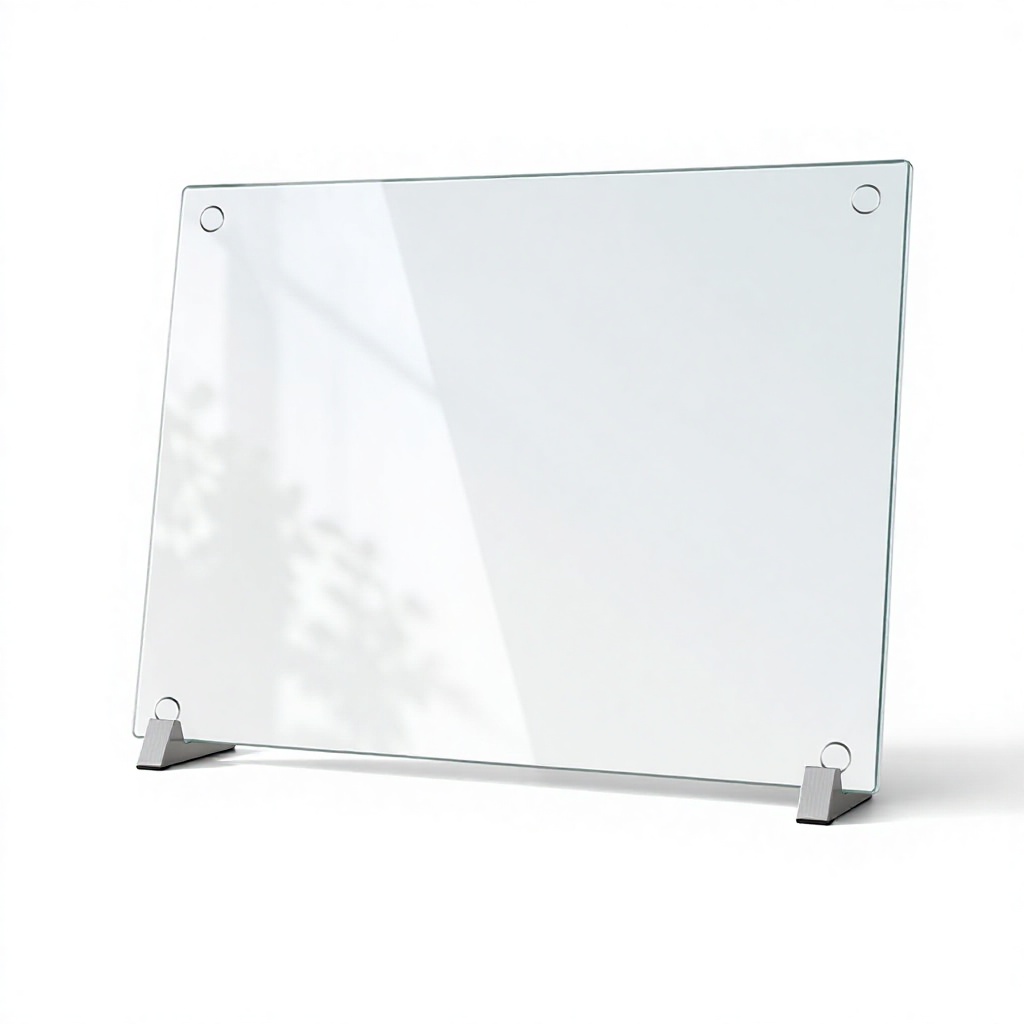
Custom Size Clear Tempered Glass Curtain Wall Panel — Multi-Function Print Glass Whiteboard Glass
Printed glass whiteboard and wall-panel formats for offices, co-working spaces and showrooms. Useful for Berlin fit-outs that need washable writing surfaces and consistent branding.
View full specification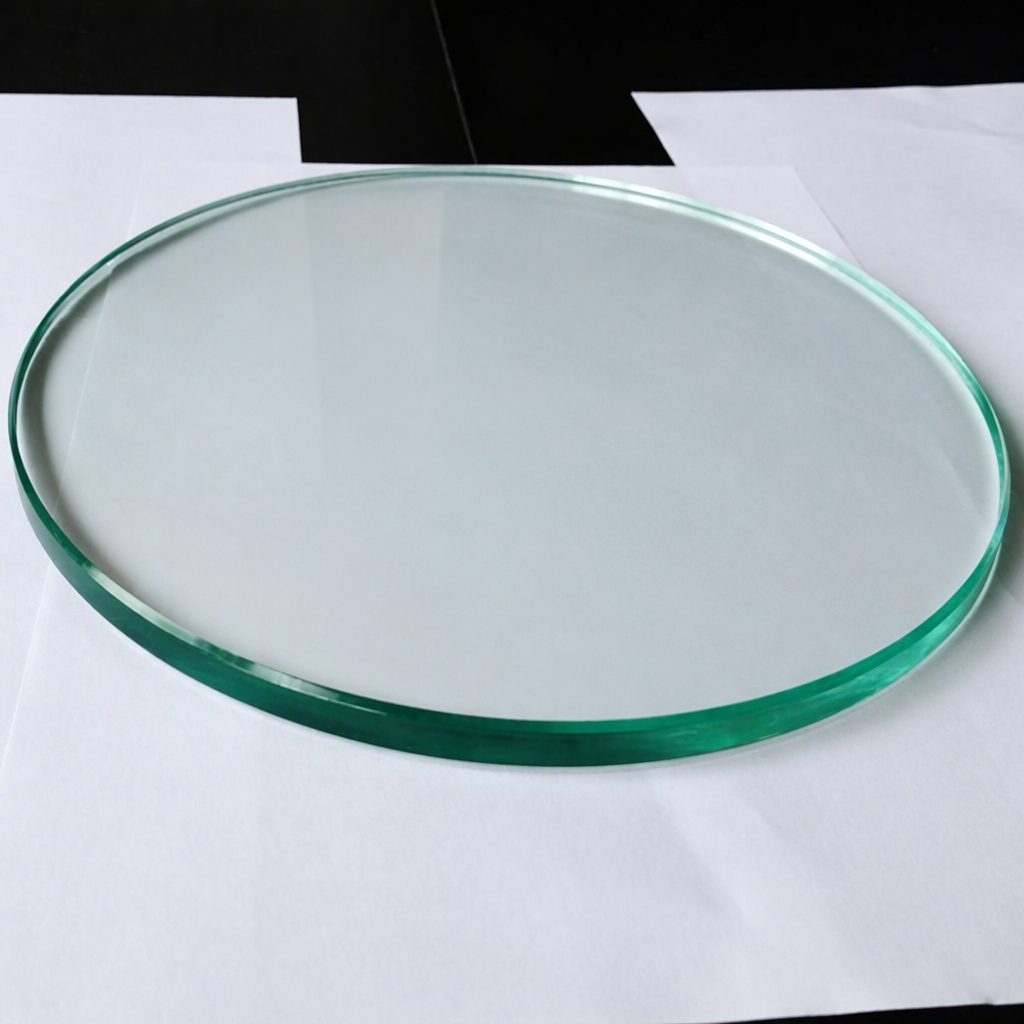
12mm Tempered Glass Round, Beveled Round Glass Pieces
Heavy 12 mm round glass pieces with beveled edges for table tops, display plinths and design fittings. Diameter, edge polish and tolerance should be agreed before tempering.
View full specification
Tempered Glass Panel With 3M Adhesive Tape & Silk Screen Printing for Electrical Appliance Front Covers
Printed front glass with 3M adhesive tape for appliances, electronics and control interfaces. Tape grade, print opacity and cut-out clearance are reviewed against assembly conditions.
View full specificationWhat “China Wholesale Glass Fabrication Suppliers & Wholesaler Serving Berlin” Really Means
Berlin buyers searching this phrase are usually not looking for an anonymous trading listing. They are looking for a manufacturing partner that can interpret a drawing, protect optical and printed quality, document compliance, pack glass for export and support repeat orders.
The first distinction is between a glass wholesaler and a glass fabrication supplier. A wholesaler may hold stock sizes, simple cut sheets or generic panels. A fabrication supplier works from a 2D drawing and a print artwork file, then controls cutting, CNC shaping, drilling, edge polishing, silk-screen printing, tempering or chemical strengthening, coating and final inspection. For Berlin OEMs, distributors and fit-out contractors, the second model is usually the difference between a smooth pilot run and a costly rework cycle.
Berlin’s buying environment adds another layer. Project teams often coordinate German engineering expectations, EU compliance evidence, mixed site-delivery schedules and replacement-part planning. A supplier that only quotes a price per square metre without asking about the application may appear fast, but it is not a reliable wholesale partner for facade components, appliance front panels, touch interfaces or medical display covers. The useful question is not “Who is cheapest?” but “Who can make the same part again next quarter with the same print colour, edge quality and packing standard?”
The most reliable China-based fabrication partner for Berlin projects should provide three forms of information gain: manufacturing transparency, application-specific advice and documented quality. Transparency means the factory can explain where the glass is cut, printed, strengthened, coated and inspected. Application advice means the team can flag when physical tempering is unsuitable for a 0.8 mm touch cover, when AR coating may affect colour, or when a curved balcony glass request requires structural verification from a local engineer. Documented quality means certificates, inspection records, samples and batch references are available before the order is placed.
Total landed cost beats unit price
For Berlin procurement, calculate the landed cost of the finished part: print setup, sample approval, breakage allowance, export packing, freight, customs documentation, replacement risk and the engineering time needed to fix a non-conforming batch. A wholesale glass price that ignores these factors is incomplete.
Where Fabricated Glass Creates Value in Berlin Projects
Berlin’s mix of adaptive re-use, residential refurbishment, smart-building integration, hospitality, medical technology and compact urban retail creates demand for glass that is both functional and visually controlled.
Smart-home & access-control glass
Berlin residential refurbishments frequently combine door-entry intercoms, RFID access, keypads and touch switch plates. Printed tempered glass can hide sensors, define touch zones and provide a clean interface. The important detail is not a generic “86-type” assumption; it is the actual German frame, PCB height and backlight position. Sharing the frame drawing and sensor layout avoids fit problems later.
Kitchen & appliance front panels
Cooktop, oven, microwave, range-hood and laundry appliance panels need heat-resistant inks, stable print opacity and reliable adhesive systems. Berlin property managers and appliance distributors also care about replacement lots: a second order should match the first panel’s black shade, gloss level and icon position. Send the appliance model, operating temperature and cleaning method with the drawing.
Adaptive re-use & interior architecture
Berlin’s commercial-to-residential and office conversion projects often need non-standard sizes: glass whiteboards, partition infills, balustrade panels, balcony glass and curved design elements. A fabricator should support sample panels, edge mock-ups and protective packing for multi-floor site deliveries. Structural glazing must still be reviewed by a qualified local engineer and building authority.
Medical, lab & industrial displays
Berlin’s medical technology, laboratory and industrial automation clusters use screens in bright rooms and critical workflows. AR coating can reduce reflections, AG treatment can diffuse harsh light and AF coating can make cleaning easier. The buyer should define whether the priority is clarity, anti-glare, chemical resistance, touch sensitivity or all four, because the coating stack affects cost and lead time.
Retail, hospitality & showroom displays
Restaurants, hotel lobbies, concept stores and Berlin design showrooms use round glass, lazy Susan turntables and printed display surfaces to create durable, easy-clean presentation areas. For glass turntables, confirm diameter, load, rotation hardware, edge safety and whether the top will be used for food service, product display or both.
Facade, balcony & replacement glass
When a Berlin building needs balcony glass, curtain-wall infill or replacement panels, the procurement file should include the original drawing, visible-edge requirement, safety-glazing specification, wind-load and thermal-stress assumptions, and installation method. Tempered glass cannot be cut or drilled after strengthening, so every hole, notch and edge must be final before production.
Four Localized Trends Shaping Glass Procurement in Berlin
These trends are practical, not abstract. They influence the questions Berlin buyers ask, the samples they request and the documents they need before releasing a purchase order.
1. Compliance-first purchasing and traceability
Berlin buyers increasingly ask for more than a product photo. They want a certificate scope, RoHS evidence for relevant electronic applications, material declarations where applicable, inspection records and batch traceability. A CE certificate should never be treated as a blanket claim for every glass part. The supplier should explain which product, standard and scope the evidence covers, and the buyer should match that evidence to the final application. This is especially important for appliance, medical, access-control and building-related projects where the purchasing team must defend the decision internally.
2. Small-batch innovation with repeatable production
Berlin has many engineering teams, design studios and specialist distributors that test a product with 10, 50 or 100 pieces before scaling. A useful China fabrication partner must support sample-to-production continuity: the same print file, glass source, edge standard and packing method should carry into mass production. Low initial volume is acceptable only if the factory can later repeat the part without creating a new learning curve. Buyers should ask how screens, limit samples and golden samples are stored and referenced.
3. Glass as part of the user interface
Switch panels, card readers, smart locks, elevator controls and appliance interfaces are no longer simple covers. They integrate icons, backlighting, capacitive touch zones, sensor windows and adhesive layers. This makes early coordination essential. The glass thickness, print layer order, ink opacity and tape thickness can all change touch sensitivity or light diffusion. Berlin integrators should share the PCB, frame, display and firmware assumptions with the glass supplier before tooling or print screens are approved.
4. Renovation, repairability and packaging discipline
Renovation-heavy markets reward suppliers who think beyond the factory gate. Berlin contractors need packaging that survives consolidated export shipping, site handling and temporary storage. They also need replacement parts that match earlier batches. Using durable inks, consistent glass sources and documented print parameters reduces future mismatch. Protective interleaves, edge protection, moisture control and labelled cartons are not cosmetic details; they directly affect breakage rate, installation speed and total project cost.
Recommended Product-to-Application Fit for Berlin Buyers
Use this table as a starting point for an RFQ. The final choice should be confirmed against your drawing, operating environment and compliance file.
| Berlin use case | Recommended product family | Specify before quoting | Why it matters |
|---|---|---|---|
| Medical, industrial and kiosk displays | Gorilla Glass Display Protection Cover AR AF Coated LCD Touch Panel | Coating type, glass thickness, touch window, flatness, edge finish | Controls glare, fingerprints and optical clarity during long shifts. |
| Appliance and electronics front covers | Tempered Glass Panel With 3M Adhesive Tape and Silk Screen Printing | Tape grade, print opacity, operating temperature, cut-out clearance | Reduces delamination and fit issues in assembly and service. |
| Smart-home switch and access plates | Printed flat tempered glass / custom control panel glass | German frame drawing, icon layout, backlight position, sensor window | Prevents expensive mismatch between glass, PCB and wall frame. |
| Office conversion and whiteboard walls | Custom Size Clear Tempered Glass Curtain Wall / Whiteboard Glass | Visible size, safety edge, mounting method, print colour | Combines durable writing surfaces with interior branding. |
| Balcony, facade and architectural detail | Custom Curtain Wall Glass, Balcony Glass, Curved Tempered Glass | Radius, wind load, safety glazing, edge quality, structural sign-off | Architectural glass requires local engineering verification, not catalogue substitution. |
| Hospitality and retail display | Tempered Glass Lazy Susan and 12 mm Round Beveled Glass | Diameter, load, rotation hardware, edge polish, quantity per site | Improves presentation while keeping cleaning and replacement practical. |
How to Evaluate a China Glass Wholesaler for Berlin Procurement
Experience, expertise, authority and trust are not badges on a homepage. They are demonstrated through drawings, samples, process controls, certificate scope and the way a supplier answers uncomfortable technical questions.
Experience should be tested with application examples. Ask how the supplier has handled 1-metre printed display glass, tight print registration, mixed-size export cartons or a second production batch intended to match an earlier Berlin installation. A factory with real project experience will discuss failure modes, not just capacity.
Expertise means the supplier can explain the difference between physical tempering and chemical strengthening, when AR/AG/AF coatings are appropriate, how ink layer order affects backlighting, and why post-tempering drilling is impossible. It also means the team can review a drawing for manufacturability before quoting.
Authority is verifiable. Check certificate numbers, issuing bodies, validity dates and scope. The supplier should be able to provide ISO 9001 quality management evidence, RoHS and CE documentation where relevant, and third-party inspection records. For Berlin customers, document consistency is part of the product.
Trust is built through disciplined confirmation. Use golden samples, dimensional reports, packing photos and pre-shipment inspection. Agree on the definition of a cosmetic defect and the acceptance criteria before mass production. A wholesale glass order that is only governed by “good quality” is not controlled.
Send these eight items with your RFQ
- 2D drawing in DWG, DXF or PDF with dimensions, holes, notches and tolerance
- Glass type, thickness, colour, edge finish and corner safety requirement
- Print artwork in AI or PDF with colour references and layer order
- Coating request such as AR, AG, AF or none, plus the reason for the request
- Assembly information: frame, PCB, backlight, tape, sensor or mounting method
- Operating environment: heat, outdoor exposure, cleaning chemicals or touch frequency
- Annual volume, pilot quantity and expected repeat-order schedule
- Destination in Berlin, preferred Incoterm, delivery address type and compliance documents required
Verification questions that reveal supplier maturity
Ask: Which process happens before tempering? How do you confirm print colour against the approved sample? What is your packing method for mixed-size panels? How do you handle a coating defect discovered after installation? Which certificate scope applies to this exact product? Can we review the inspection plan before production? The answers are more valuable than a catalogue claim.
For Berlin projects, also ask how the supplier will keep the approved sample, print screen parameters and glass source linked to the order number. That single control protects future replacement orders.
Why Qingdao Maupe Glass Co., Ltd. Fits the Berlin Procurement Standard
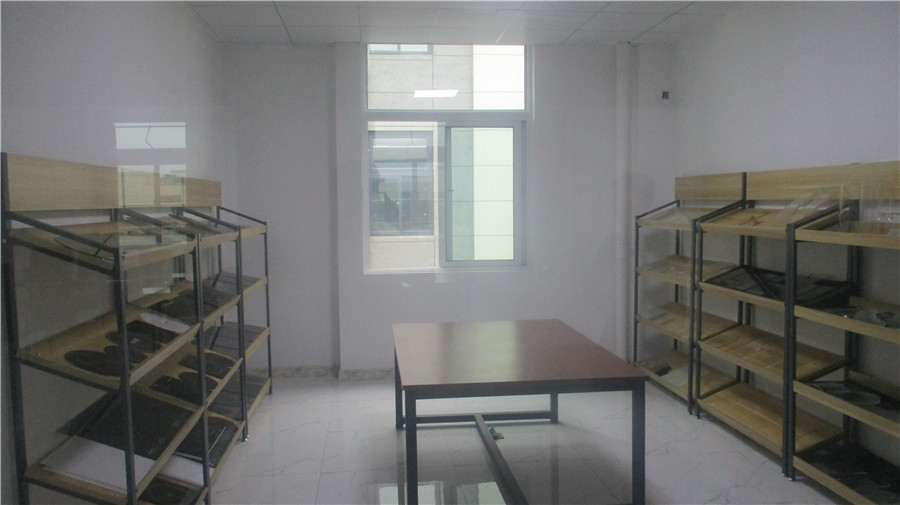
Qingdao Maupe Glass Co., Ltd. is a glass deep-processing manufacturer founded in 2012 in Qingdao, Shandong, China. The company operates under an ISO 9001 quality management system and serves OEM buyers across more than 80 countries. Its core capability is turning flat glass into functional finished parts through cutting, CNC shaping, edge polishing, drilling, engraving, silk-screen printing, physical tempering, chemical strengthening and AR/AG/AF coating.
For Berlin buyers, the advantage is not simply factory-direct pricing. It is the ability to keep the full process chain under one roof, which shortens communication loops between engineering, printing, strengthening and inspection. The factory is located close to Qingdao seaport and airport, supporting export logistics, sample dispatch and consolidated shipments to Germany. With 8 production lines and a 3,000–5,000 m² factory floor, the company can support pilot runs, repeat wholesale orders and application-specific customization.
Quality evidence includes ISO 9001 certification, RoHS compliance, CE marking documentation and SGS onsite assessment. The company reports an export share of 91–100% of output, more than a decade of OEM/ODM experience and procurement experience with Fortune 500-level buyers. These credentials should still be matched to your exact product scope, but they provide a credible starting point for Berlin procurement teams that need documented suppliers rather than anonymous listings.


From Drawing to Delivery: A Practical Path for Berlin Orders
A clear five-stage process reduces avoidable rework on custom glass and keeps engineering, purchasing and quality teams aligned.
Drawing review
Check thickness, shape, holes, edge finish, print layout, coating and strengthening method against the application.
Sampling
Approve print proof, colour, glass tint, edge sample and fit dimensions before mass production.
Production
Cutting, CNC, polishing, printing, tempering or chemical strengthening and coating on controlled lines.
Inspection
Dimensional checks, visual inspection, print verification and protective export packing before shipment.
Export shipping
Documentation and delivery support for Berlin via air, sea or consolidated freight under agreed Incoterms.
Common Questions Before a Wholesale Glass Order
These answers are written for Berlin buyers comparing China glass fabrication suppliers, wholesalers and custom OEM factories.
What is the minimum order for custom glass sent to Berlin?
Most custom printed tempered glass orders start from 10 to 100 pieces depending on size, thickness, number of print colours and whether coating is required. Large display covers may start from 10 pieces, while small electronic covers may have a higher MOQ because of screen setup and handling. A pilot order is possible, but the buyer should plan for a sample approval stage and confirm how the same specification will be repeated in later wholesale batches.
How is glass shipped to Berlin and which trade terms are available?
Shipments can be arranged by sea, air or consolidated freight depending on size, urgency and quantity. Common delivery terms include EXW, FOB, CIF, DDP and express courier, with payment methods such as T/T, L/C, PayPal and Western Union. For Berlin, confirm whether the price includes delivery to a site, warehouse or forwarder, because glass packaging, unloading and final-mile handling strongly affect landed cost.
Which compliance documents can Berlin buyers request?
Export projects can be supported with ISO 9001 evidence, RoHS documentation, CE-related documentation, inspection records, packing lists, commercial invoices and certificate-of-origin support where applicable. The important point is scope: a certificate for one product family should not be assumed to cover every size, coating or application. Provide the final use case so the supplier can confirm which documents are relevant.
Should we choose physically tempered glass or chemically strengthened glass?
Physical tempering is normally used for thicker glass, often 2 mm and above, such as appliance doors, switch panels, display windows and architectural components. It breaks into small blunt fragments and offers good impact resistance. Chemical strengthening is usually better for thin cover glass from 0.5 mm to 2 mm where flatness, optical quality and touch performance matter. The final choice should be confirmed from the drawing, assembly and safety requirement.
Can you match our Berlin print colour, logo and frame dimensions?
Yes. Send the artwork with Pantone, RAL or approved colour references, plus the frame drawing and a photo of the installed interface if available. Do not assume that a standard Chinese switch format will fit a German frame. For branded control panels, the supplier should produce a print proof or physical sample for approval. Colour can shift slightly between glass batches, so a retained golden sample is recommended for repeat orders.
What information is needed for an accurate quotation?
Send the 2D drawing, glass type and thickness, edge finish, print artwork, coating requirement, estimated annual volume, pilot quantity, destination in Berlin and required delivery date. Also state the application and operating environment: heat, outdoor exposure, touch sensor, backlighting, medical cleaning or architectural use. The more complete the input, the more reliable the manufacturing review, price and lead time will be.
Start With a Drawing, Not a Guess
Share your glass drawing, print artwork, target quantity and Berlin delivery requirement. The team can review manufacturability, recommend the right strengthening or coating route and prepare an export-ready quotation.
Factory direct · ISO 9001 · RoHS & CE support · SGS onsite assessed · 80+ export countries