China Wholesale Non Reflective Glass Manufacturer & Supplier for the New York Market
Custom anti-reflective, anti-glare and silk-screen printed tempered glass for New York retail, office, hospitality, appliance and industrial display projects.
Eight Product Platforms for New York Buyers
These production-ready glass platforms can be quoted with anti-reflective AR, anti-glare AG, anti-fingerprint AF, silk-screen printing, tempered glass, edge polishing, CNC holes and adhesive backing. The product links below are retained exactly; where a buyer needs a modified non-reflective build, our engineers will review the drawing before quotation.
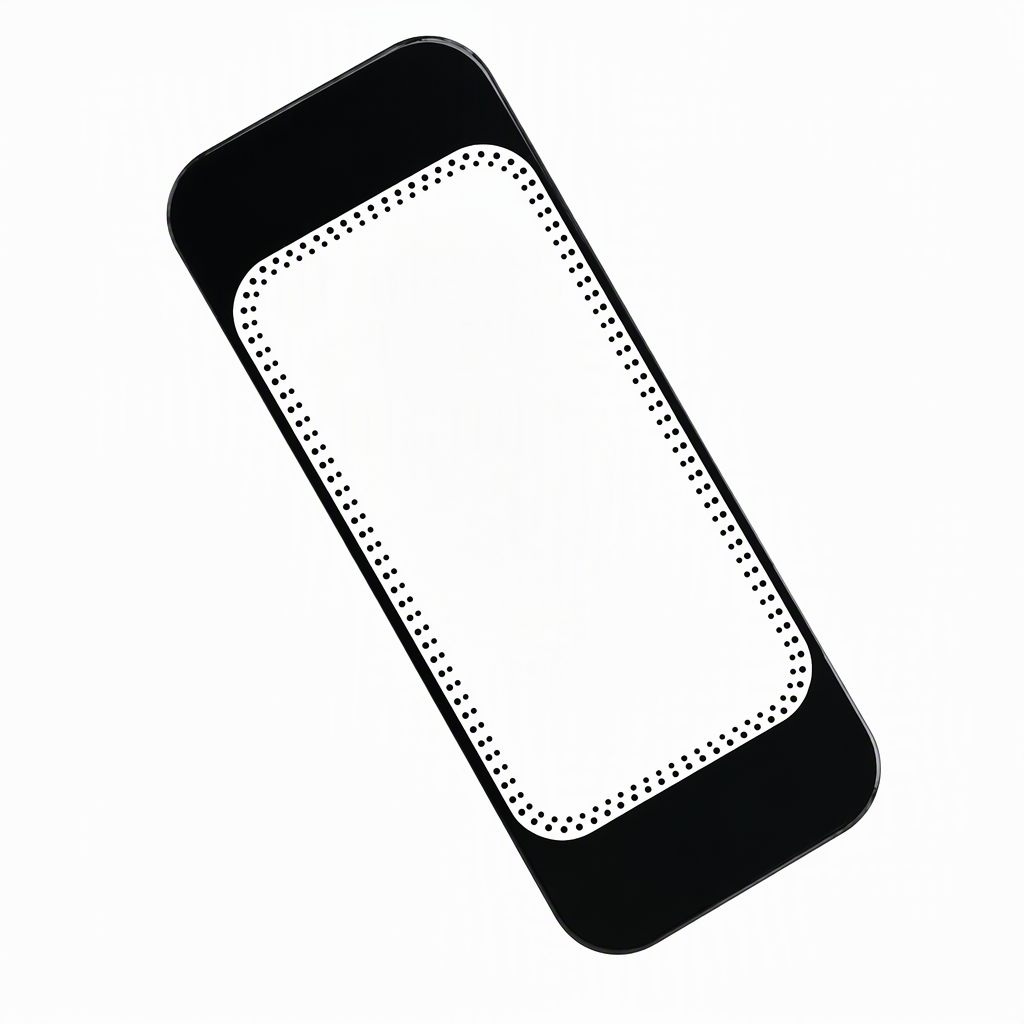
Custom Logo Silk Screen Printing Tempered Glass Panel Tempered Display Glass Screen Protector
For branded display windows, self-service terminals, appliance fronts and protected touch surfaces. Specify low-reflection AR or anti-glare AG treatment, print colors and touch-window geometry to suit New York retail and lobby lighting.
View product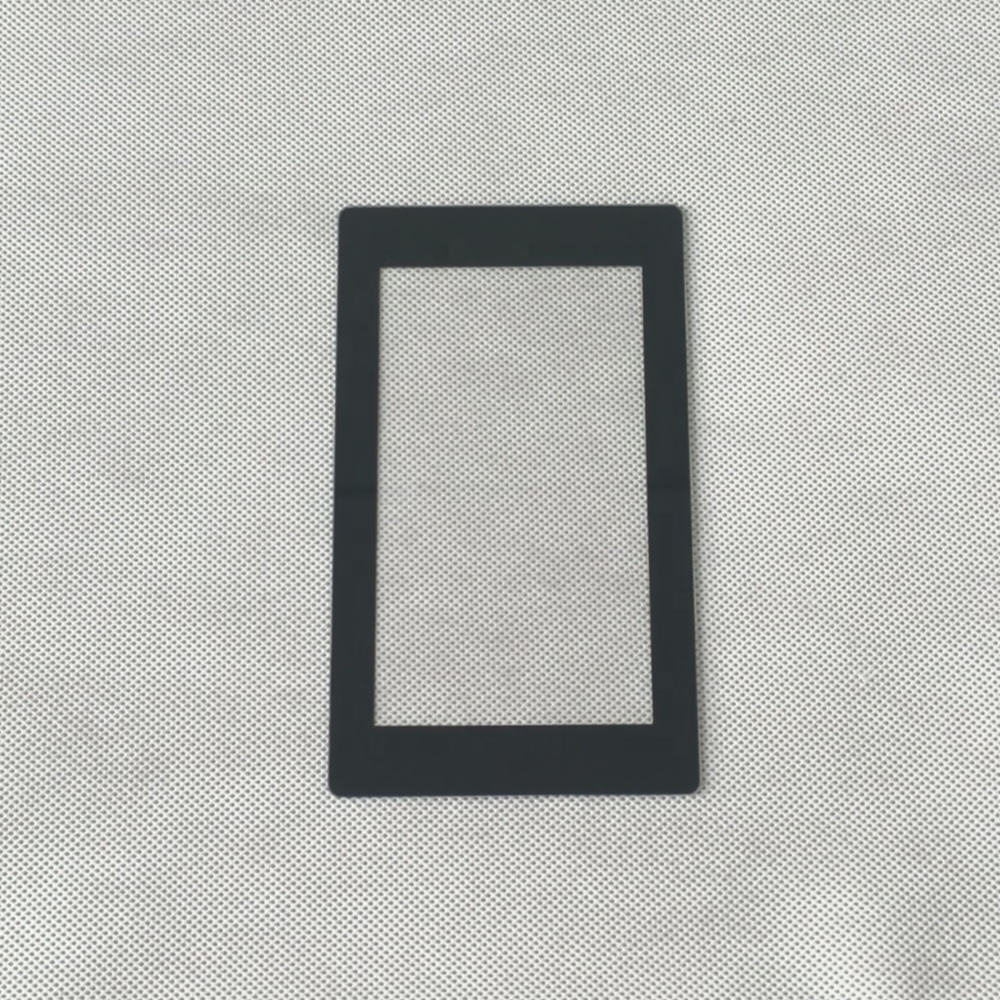
Silk Screen Printed Tempered Glass Panel Self Adhesive Display Cover Glass Flat Electronic Product Glass Screen Protector
Self-adhesive display cover for flat electronics, control panels and sensor assemblies. The print can hide circuitry while leaving clear windows; AG finish reduces glare in offices, showrooms and mixed-use amenity spaces.
View product
Glass Factory Customized High Quality Transparent Display Touch Screen Glass Silk Screen 9H Hardness Industrial Screen Protector
9H hard-coated industrial touch glass for building directories, transit-adjacent HMI and equipment controls. Anti-glare etching can be combined with printed borders to improve legibility under LED and daylight.
View product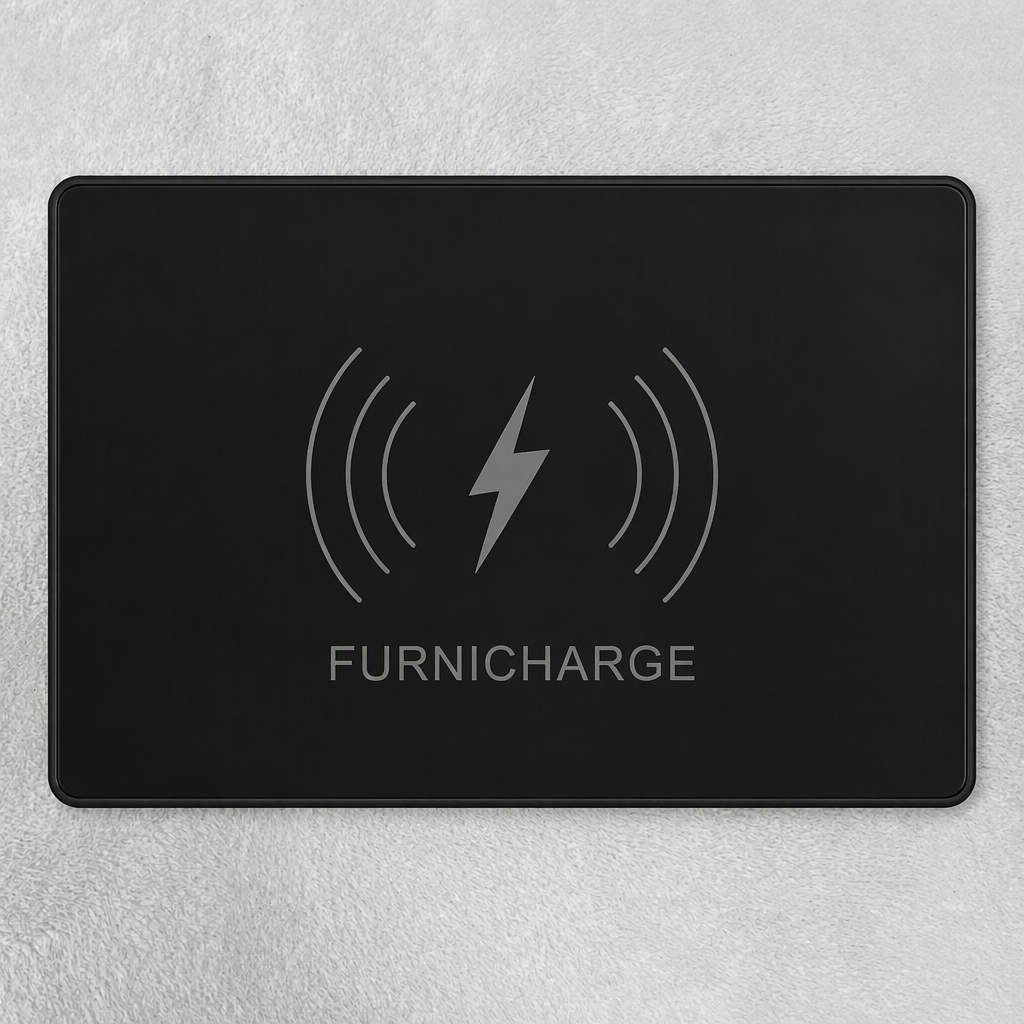
Smart Tempered Glass Bedside Table Panel for Tea Table Wireless Charging Front Cover Glass Touch Light Switch Glass
Smart furniture cover glass for hotels, residences and hospitality suites: wireless charging zones, touch switch graphics and silk-screen decoration. Low-reflection print and AF coating help maintain a clean, premium surface.
View product
Tempered Glass Lazy Susan 50cm 60cm 70cm 90cm Lazy Susan Turntable Strengthened Glass
Strengthened turntable glass for restaurant, showroom and buffet layouts. Clear or low-iron options support visual merchandising; edge polish and diameter tolerance are controlled for New York hospitality fit-outs.
View product
Tempered Glass Flat Solid Glass Panels Heat-resistant Tempered Glass for Various Application
Heat-resistant tempered panels for appliance fronts, warming displays, laboratory equipment and architectural insert applications. Available with printed frames, safety edges and optional anti-glare treatment.
View product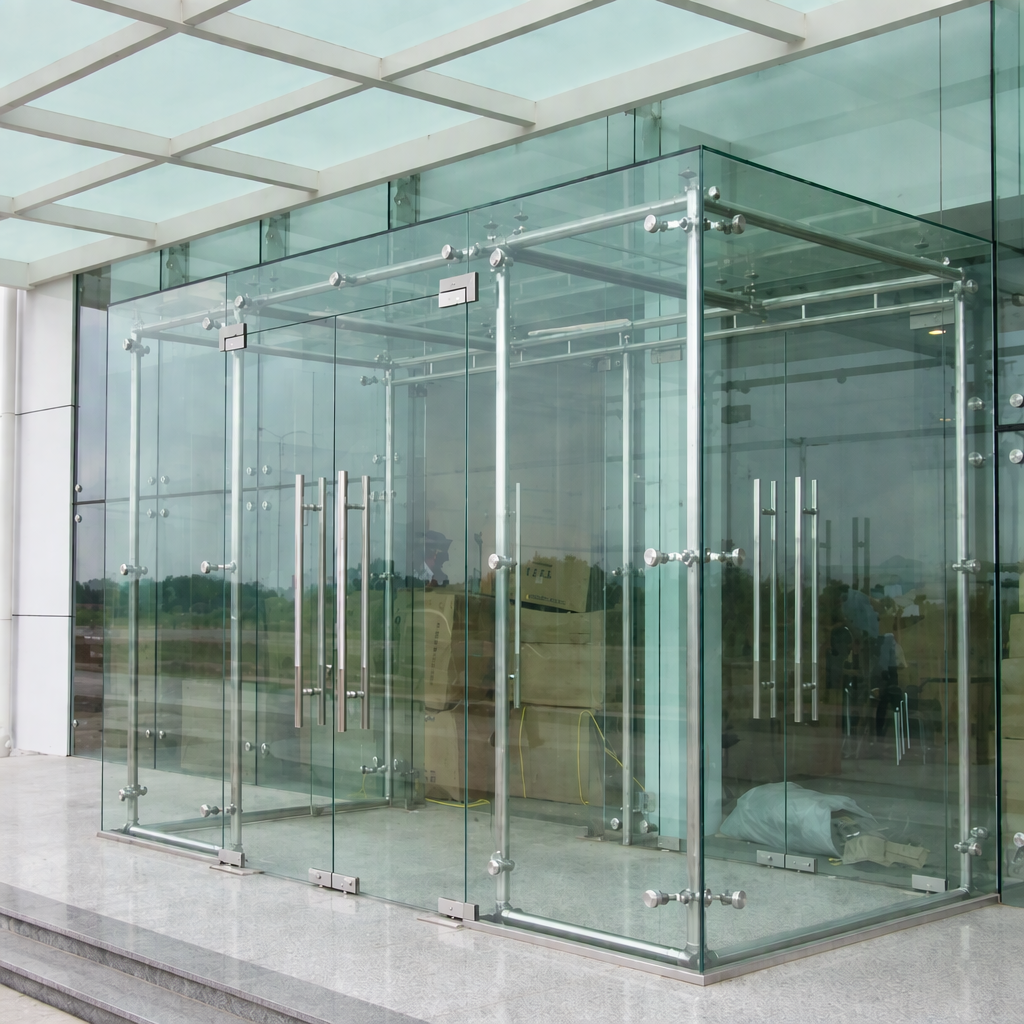
Tempered Glass Solar Window Glass High Transmittance Clear Flat Tempered Glass
High-transmittance flat solar glass for renewable-energy and daylighting projects. For New York retrofit projects, specify low-iron glass, edge treatment and packaging that matches the installer’s handling plan.
View product
Tempered Glass Panel With 3M Adhesive Tape Silk Screen Printing for Electrical Appliance Decoration Front Cover Glass
3M adhesive-backed front cover glass for appliances and electronic housings. Printed decoration, touch windows and anti-glare surface options help brands meet visual and optical targets in New York showrooms and residential installations.
View productWholesale Non-Reflective Glass for the New York Market: What Buyers Actually Need
A New York glass project rarely fails because the glass is not clear enough. It fails because reflection, glare, print alignment, edge quality, certification paperwork or packaging did not match the job. This guide is written for architects, OEM product teams, display integrators and procurement managers comparing China wholesale non-reflective glass manufacturers for the New York market.
In New York, “non-reflective glass” is used as a broad buying term. One buyer may mean museum-grade anti-reflective display glass with minimal surface reflection. Another may mean anti-glare touch glass that reduces harsh LED glare without eliminating reflection. A third may simply need a silk-screen printed glass panel whose dark border hides sensors and creates a clean visual front. Each requirement leads to a different optical stack, coating process, acceptance test and price. The specification should be defined before the purchase order, not after the sample is rejected.
For wholesale buyers, the most reliable path is to treat non-reflective glass as an engineered component, not a catalog color. Send the drawing, viewing conditions, reflectance target, haze or gloss limit, print artwork, adhesion method and annual volume. If your New York team is comparing suppliers, ask for a first-article report, coating durability information and packaging data before comparing unit prices. A lower quotation rarely stays lower when the factory has to re-make screens, re-print colors or air-freight replacement panels.
AR, AG and AF Are Not Interchangeable: A Practical Specification Guide
Many suppliers offer “anti-reflective glass” and “anti-glare glass” as if they were the same product. In reality, each treatment solves a different optical problem. Misusing one for the other is a common cause of costly disputes in New York display and control-panel projects.
Anti-Reflective Glass
AR coating reduces surface reflection by using thin-film interference. It is usually the right direction for museum vitrines, luxury retail displays, high-end control screens and applications where reflected images compete with the object behind the glass. Buyers should define a reflectance target, color neutrality, transmission and cleaning method. AR coating performance depends on the light angle and the number of coated surfaces.
Anti-Glare Glass
AG treatment scatters incoming light to soften glare from bright windows, streetlights, LED panels or showroom spotlights. It is useful for touch panels, wayfinding screens and industrial HMI where the main problem is veiling glare rather than a mirror image. Buyers should specify haze, gloss level, clarity and surface hardness, because an aggressive AG finish can reduce sharpness.
Anti-Fingerprint Coating
AF is an easy-clean, hydrophobic surface treatment. It reduces fingerprint marking and makes touch glass easier to wipe, but it does not replace AR or AG. In New York hotel, showroom and public touch environments, AF is often combined with AG or AR so the panel stays clean and legible after daily use. Ask for cleaning instructions and durability data before field installation.
Choose Physical Tempering, Chemical Strengthening or Laminated Low-Reflection Glass
New York projects often require safety glass, thin touch glass or low-reflection laminated glass. The method should be selected before holes, notches or printed artwork are finalized, because most strengthening steps occur after cutting and printing.
Physical Tempered Glass
Thermal tempering is typically used for 2 mm and thicker glass, including appliance fronts, switch panels, display windows and architectural inserts. It breaks into small blunt fragments for safety and offers strong impact resistance. Roller wave and flatness should be discussed where printed graphics or optical windows demand high visual consistency.
Chemically Strengthened Glass
Ion-exchange strengthening suits 0.5–2 mm thin glass where high flatness, optical clarity and touch sensitivity matter. It is common for cover glass, small displays, face-recognition terminals and precise electronic windows. It breaks in larger pieces than physical tempered glass, so the final product design must consider the relevant application and safety requirements.
Laminated Low-Reflection Glass
Laminated glass can combine safety, acoustic control and low-reflection performance when more than one glass sheet is required. For New York building projects, the architect should confirm the applicable safety glazing, fire, acoustic and structural requirements. We can produce the glass to the approved drawing and coordinate sample review with the project team.
Localized Applications Across New York Retail, Office, Hospitality and Industrial Environments
New York’s buildings and interiors put glass under unusual visual pressure. Dense streets, bright storefronts, large windows, warm hotel lighting and round-the-clock commercial activity mean that reflection and glare control are not abstract requirements. They are daily user-experience issues.
Manhattan Retail and Showroom Displays
Fifth Avenue, SoHo and Hudson Yards-style retail environments often use spotlights and glass vitrines. Anti-reflective display glass helps merchandise remain visible instead of reflecting the ceiling or the customer. Printed borders can hide mounting hardware and sensors, while AR or AG treatment controls reflected light.
Commercial Lobby and Wayfinding Touch Panels
Office towers, medical buildings and mixed-use developments need wayfinding and building-directory screens that remain readable under lobby lighting. AG cover glass reduces harsh glare; AF coating helps cleaning teams keep the surface presentable. Printed windows and borders can be aligned with the touch sensor layout.
Hospitality and Boutique Hotel Furniture
Smart bedside tables, wireless charging surfaces and touch-light panels are appearing in boutique hotels and residential projects across Brooklyn, Queens and Manhattan. Low-reflection printed glass can integrate icons, charging marks and touch zones while keeping the surface easy to clean and visually quiet.
Restaurants and Commercial Kitchen Equipment
Heat-resistant tempered glass is used for appliance fronts, warming displays and food-service equipment. New York commercial kitchens value easy-clean surfaces, stable printing and repeatable dimensions. For high-reflection locations, AG treatment can be applied where the viewing angle and lighting make it useful.
Transit-Adjacent and Industrial HMI Enclosures
High-traffic public areas need durable touch glass that resists scratches, cleaning agents and constant use. A 9H hard-coated panel with printed borders and anti-glare finish can improve readability while protecting the display below. We recommend testing the exact cleaning routine before specifying the coating.
Residential and Mixed-Use Smart Home Retrofits
Brownstone renovations, condominium upgrades and smart-home packages often require small quantities of custom switch glass, bedside panels and wireless charging covers. MOQ depends on size, thickness and print complexity. Samples allow designers to check color, icon sharpness, reflection and touch-zone alignment before ordering.
New York Market Trends Affecting Wholesale Non-Reflective Glass Demand
Purchasing behavior in the New York market is shifting from “buy a panel” to “buy a verified optical and mechanical specification.” Suppliers that can document coating performance, glass strength, print control and export packing have an advantage over suppliers that quote only on price.
Lighting-Led Glare Control
Open offices, showrooms and residential interiors use high-output LED lighting that exposes reflection problems quickly. Buyers increasingly ask for AG or AR options based on the actual viewing angle and light source rather than a generic “non-reflective” label.
Adaptive Reuse and Lobby Upgrades
Older New York buildings are being updated with new elevator panels, directory screens and amenity spaces. These projects often need small-to-medium production runs with tight tolerances, printed graphics and samples approved by design teams before installation.
Documentation-First Procurement
Procurement teams want ISO 9001, RoHS, CE, inspection reports and packing details before releasing orders. A manufacturer that can provide certificate numbers, first-article reports and clear communication reduces risk for New York buyers who cannot easily visit the factory.
Total Landed Cost Planning
Wholesale buyers compare FOB, CIF and DDP options instead of unit price alone. Glass is heavy and fragile, so packaging, pallet configuration, port handling and replacement policy matter. Planning landed cost early helps New York teams avoid margin surprises after customs and delivery.
Why New York Buyers Work With Qingdao Maupe Glass Co., Ltd.
Qingdao Maupe Glass Co., Ltd. is a glass deep-processing manufacturer and international supplier founded in 2012. We are not a catalog reseller: our team turns flat glass into finished functional parts through cutting, CNC shaping, edge polishing, drilling, engraving, silk-screen printing, physical tempering, chemical strengthening and AR/AG/AF surface treatment.
Our factory operates under an ISO 9001 quality management system and has been onsite-assessed by SGS Group as a third-party inspection company. The company serves clients in more than 80 countries, with 91–100% of output exported. Our team has OEM/ODM experience and supports buyers who need consistent printed glass, controlled tolerances and export-ready packing.
For New York projects, the practical advantage is process consolidation. Print, tempering, coating and inspection can be coordinated under one roof, which shortens communication lines when a sample needs adjustment. The factory is located near Qingdao seaport and airport, making export logistics, sample dispatch and buyer audits easier to arrange.
 ISO 9001No. 24025Q20015R1S
 RoHSNo. 25TYT12395
 CENo. 23TYT082593S

Factory overview · Qingdao, Shandong

Silk-screen printing line

Cutting and CNC shaping
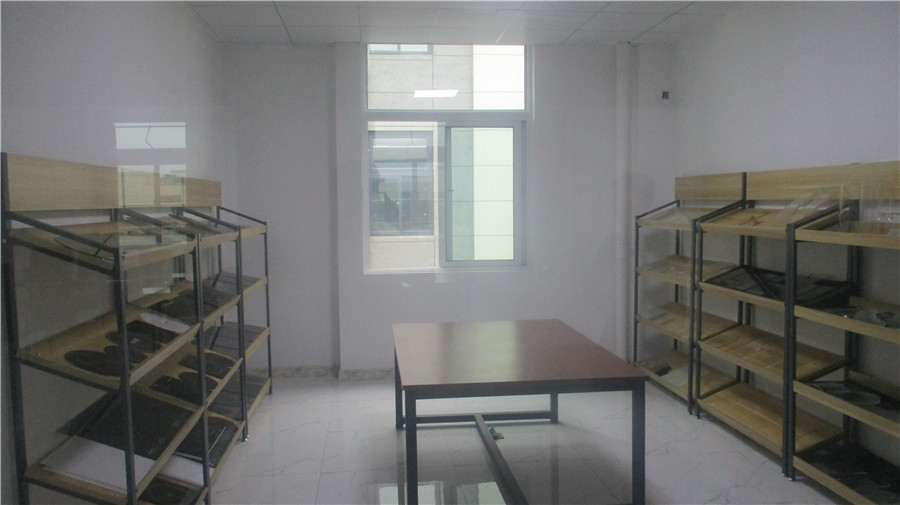
Final inspection and packing
OEM / ODM Project Support
Drawing review, print artwork confirmation, sample development, first-article approval and repeat production support for custom glass panels.
Export Experience
More than 80 export countries, 91–100% export share of output and experience with North American buyers who require clear documents and protective packing.
Verified Supplier
SGS onsite-assessed supplier with Fortune 500 supplier procurement contract verification, ISO 9001, RoHS and CE certificates available for review.
Eight Production Lines
Cutting, CNC, edging, drilling, printing, tempering, chemical strengthening and coating capacity support both sampling and mass production.
Qingdao Logistics
Close to Qingdao seaport and airport. Export terms include FOB, CIF, EXW, FAS, FCA, CPT, DDP and DDU, with express delivery available for samples.
Quality Control Culture
Incoming material inspection, in-process checks, finished product inspection and supplier assessment procedures help reduce defects before shipment.
From Drawing to Delivery: A Controlled OEM Workflow for New York Orders
A transparent process protects both the buyer and the factory. The steps below are designed for custom non-reflective glass, printed tempered glass and coated display glass projects where the final result must match a drawing and an optical expectation.
Drawing and Optical Target Review
Our engineers check dimensions, thickness, holes, edge finish, print layers, coating side and the intended viewing environment before quoting.
Sample and Print Verification
Screens and samples are prepared for fit, color, reflection, haze and touch-zone verification. The buyer approves the sample against agreed criteria.
Material and Process Planning
Glass type, ink system, strengthening method, coating route and packing method are locked into the production plan before mass production begins.
Printing, Tempering and Coating
Cutting, CNC, edging, silk-screen printing, tempering, chemical strengthening and AR/AG/AF coating are coordinated under controlled conditions.
Inspection and Export Packing
Finished panels are checked for appearance, dimensions, print alignment, edge quality and packing protection suitable for ocean or air freight.
Documentation and Repeat Orders
Export documents, packing lists and quality records are prepared. Approved samples and drawings become the baseline for future repeat production.
New York Buyer FAQ: Non-Reflective Glass, MOQ, Shipping and Compliance
These are the questions procurement and engineering teams ask most often when comparing China wholesale non-reflective glass suppliers for New York projects.
What is the difference between AR and AG glass?
AR glass is designed to reduce surface reflection and is often used for displays and vitrines. AG glass diffuses glare and is more common on touch screens and industrial HMI. They solve different problems. If your New York project includes bright spotlights or large windows, send the viewing angle and light source so we can recommend the right treatment.
Can you make a non-reflective panel with custom silk-screen printing?
Yes, when the print order, glass thickness, coating side and artwork allow it. We review print coverage, color references and touch-window positions together with the AR, AG or AF request. A sample is recommended before mass production so the buyer can verify reflection, color and icon sharpness.
What is the MOQ for wholesale orders shipped to New York?
Most custom silk-screen printed panels start from 10 to 100 pieces depending on size, thickness and print colors. Large display cover glass can start from 10 pieces. Small smart-home or hospitality panels may have different minimums. Samples are available for fit and print verification before mass production.
How do you pack glass for ocean freight to New York and New Jersey ports?
Glass is protected with interleaving material, foam or cork, reinforced cartons, pallets and edge protection according to size and quantity. We can prepare packing drawings or photos for buyer approval. For urgent samples or small batches, express and air freight are also available.
What certifications and documents can you provide?
We operate an ISO 9001 quality management system and hold RoHS and CE certificates for our glass products. Certificate numbers include ISO 9001 No. 24025Q20015R1S, RoHS No. 25TYT12395 and CE No. 23TYT082593S. SGS onsite assessment and Fortune 500 supplier procurement contract verification are also part of our supplier profile.
Which shipping terms and payment methods are accepted?
Accepted delivery terms include FOB, CIF, EXW, FAS, FCA, CPT, DDP, DDU and express delivery. Accepted payments include T/T, L/C, PayPal, Western Union and cash, in USD, EUR or CNY. For New York buyers, we can quote FOB Qingdao, CIF to New York/New Jersey ports or DDP to a confirmed address.
Request a Catalog and Engineering Review for Your New York Project
Send your 2D drawing, glass thickness, edge finish, print artwork, reflectance or glare target, estimated annual volume and delivery address. Our team will review manufacturability and recommend the most practical non-reflective glass build for your application.
Qingdao Maupe Glass Co., Ltd. — ISO 9001 quality management system · RoHS compliance · CE certificate · SGS onsite-assessed supplier · OEM/ODM custom glass manufacturer and supplier for the New York market and global buyers.