8 Wholesale Touch Switch Glass & Functional Glass Products for Bandung Buyers
These product paths cover the most practical China-factory options for Bandung importers, electrical brands, smart-home assemblers, interior contractors and hospitality projects. Product links and images are preserved for direct technical review and sample planning.
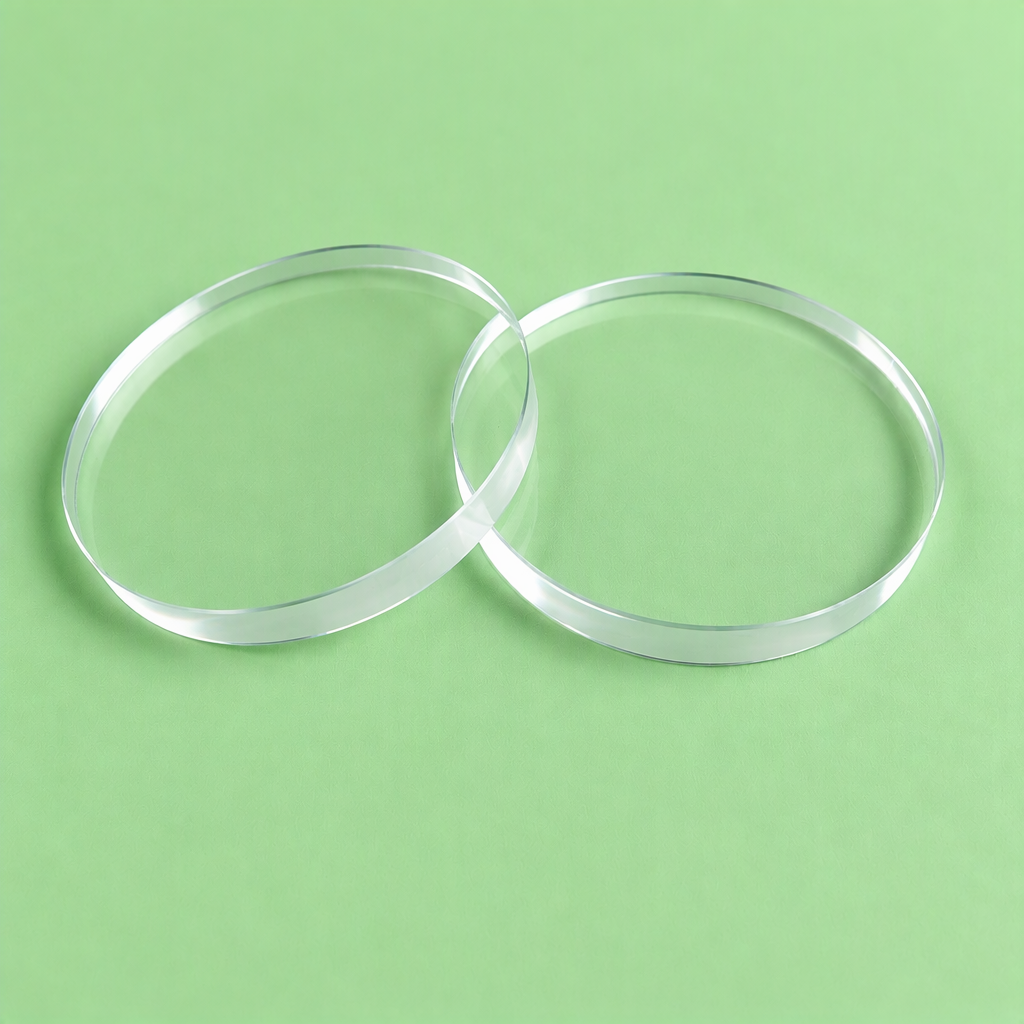
High-Strength Clear Tempered Glass, Custom Size for Industrial Panels
For wall-box covers, equipment control windows and custom touch glass where impact strength, flatness and dimensional accuracy matter.

Tempered Glass Panel With 3M Adhesive Tape, Silk Screen Printing
A practical choice for electrical appliance front covers and 86-type switch glass where hidden adhesive mounting and crisp icons are required.
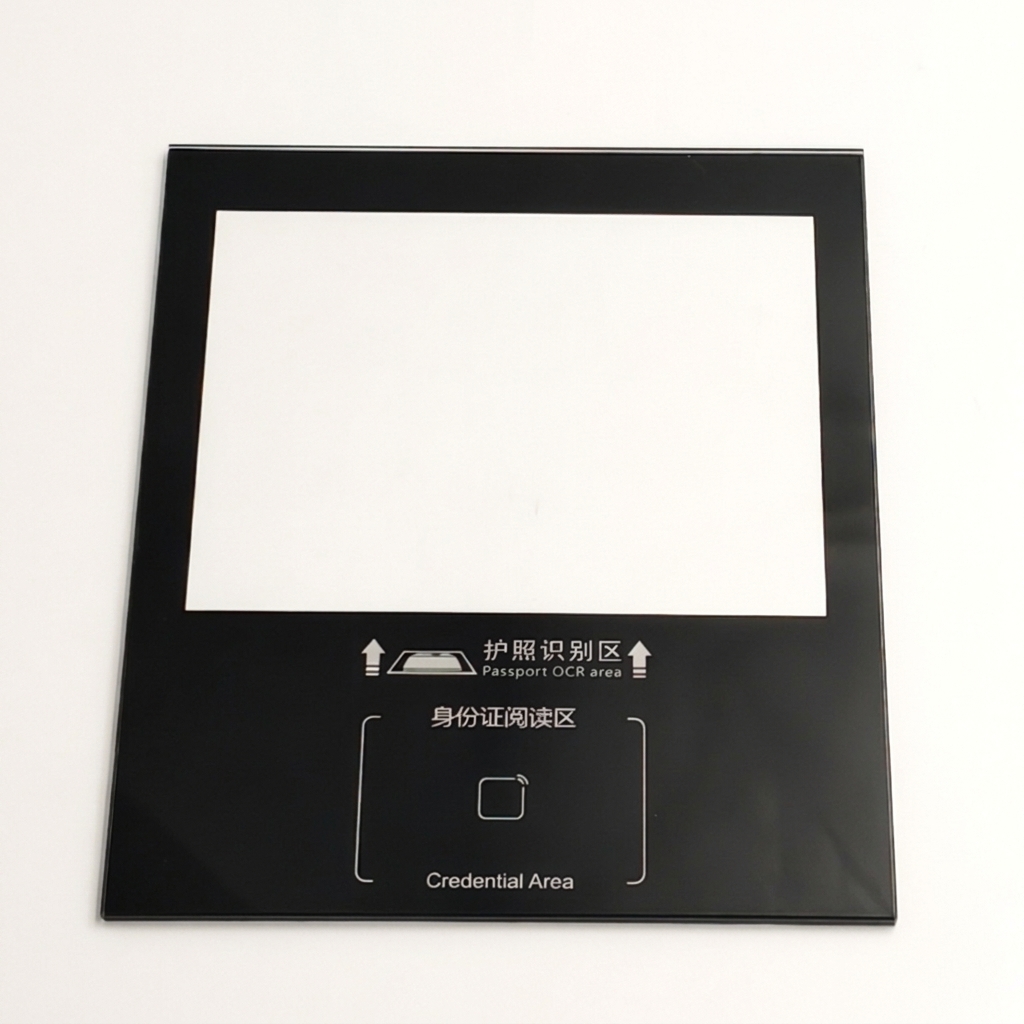
Custom Transparent Tempered Glass Protective Panel for Electronics
Thin polished cover glass for small electronics, touch sensors, display windows and brand-visible control surfaces.
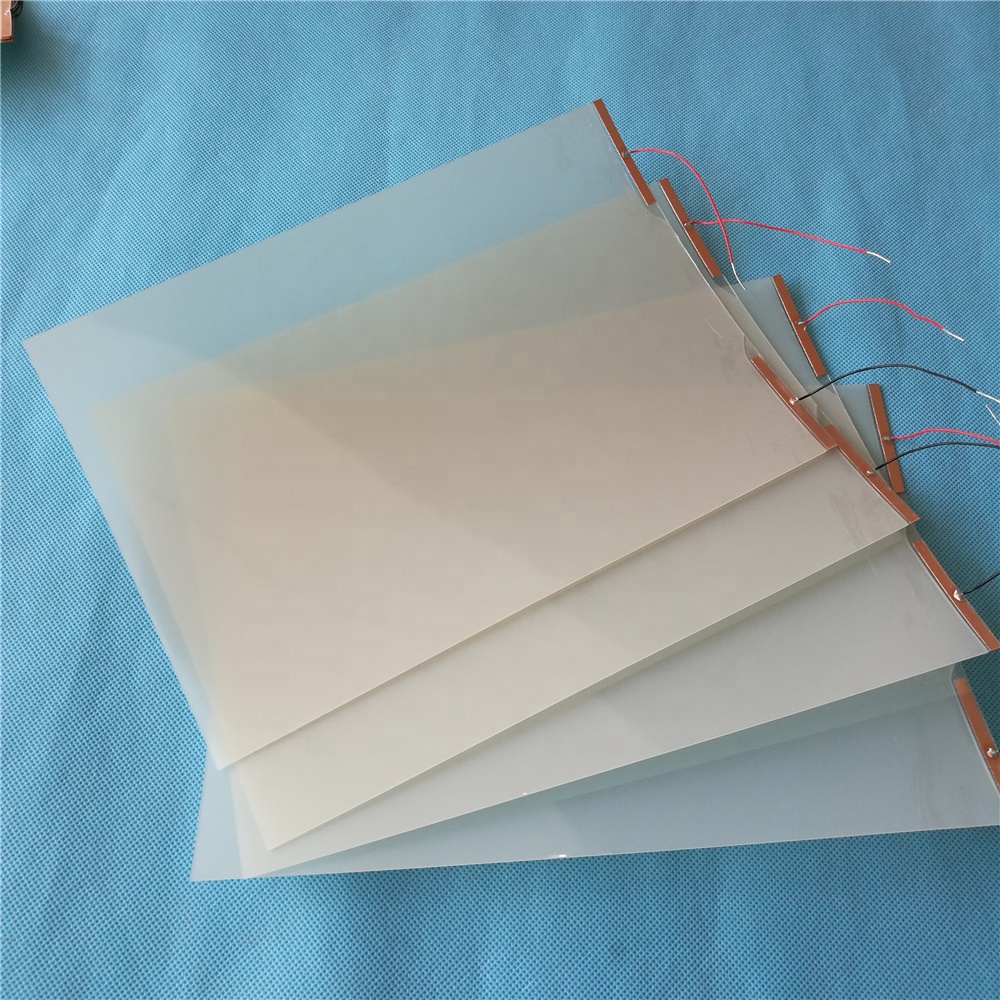
Electrochromic Anti-UV PDLC Smart Switchable Privacy Glass
For office partitions, hotel bathrooms and meeting rooms where privacy should switch on demand without heavy blinds.

Tempered Glass Flat Solid Panels, Heat-Resistant for Various Applications
For kitchen appliances, cooktop-adjacent panels and control surfaces exposed to repeated heat cycles.
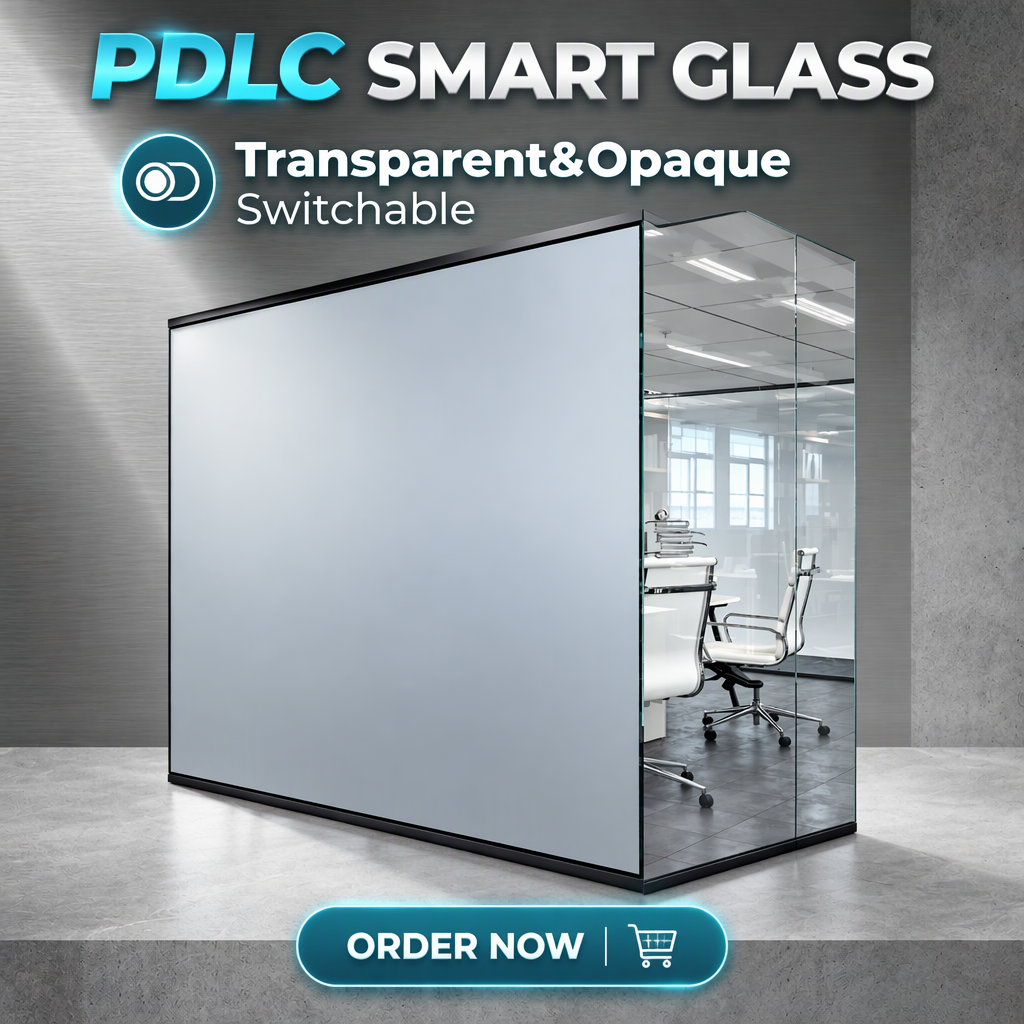
PDLC Smart Film, Electrically Transparent Dimmable Privacy Glass
Privacy film and laminated glass paths for modern interiors, clinics, showrooms and commercial fit-outs.
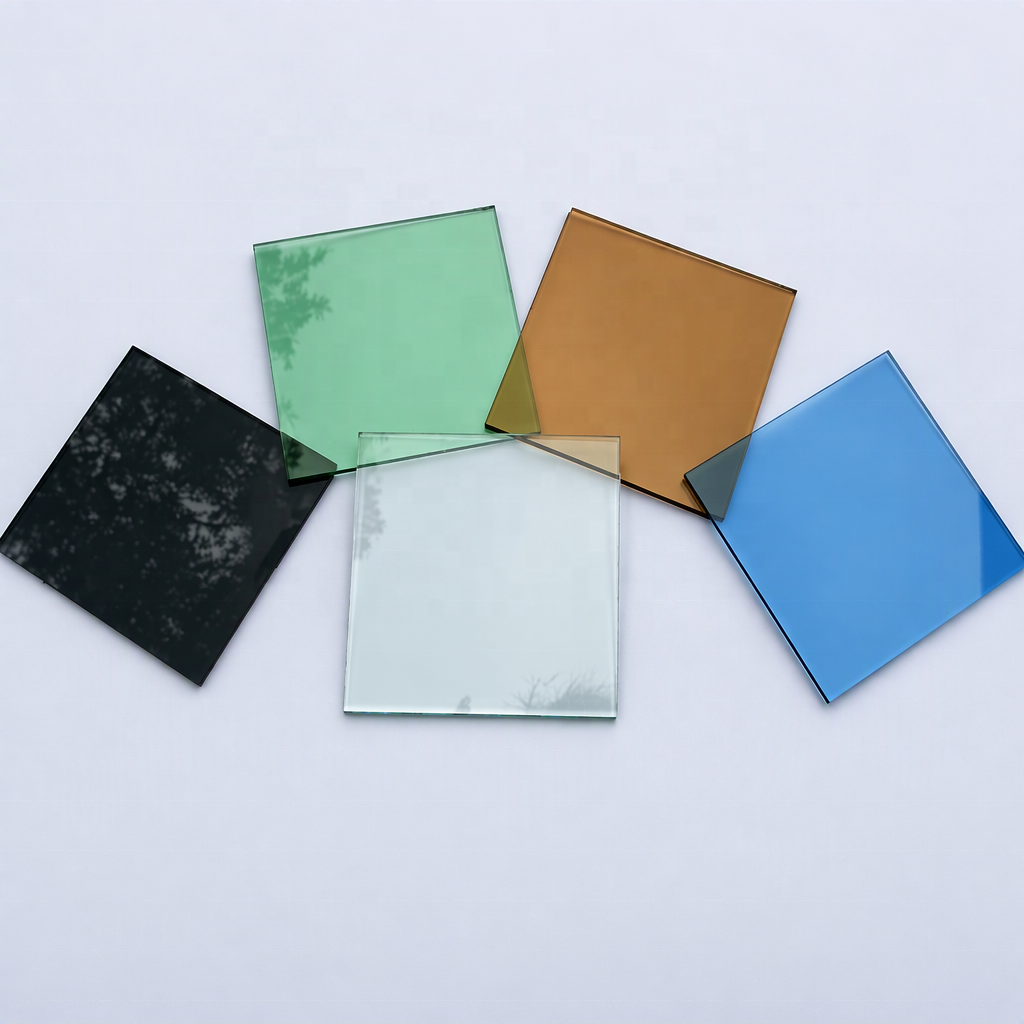
Customized Tinted Reflective Tempered Glass Flat Sheet, 3–10 mm
Colored and reflective glass for branded appliance panels, decorative switch covers and design-led interior details.
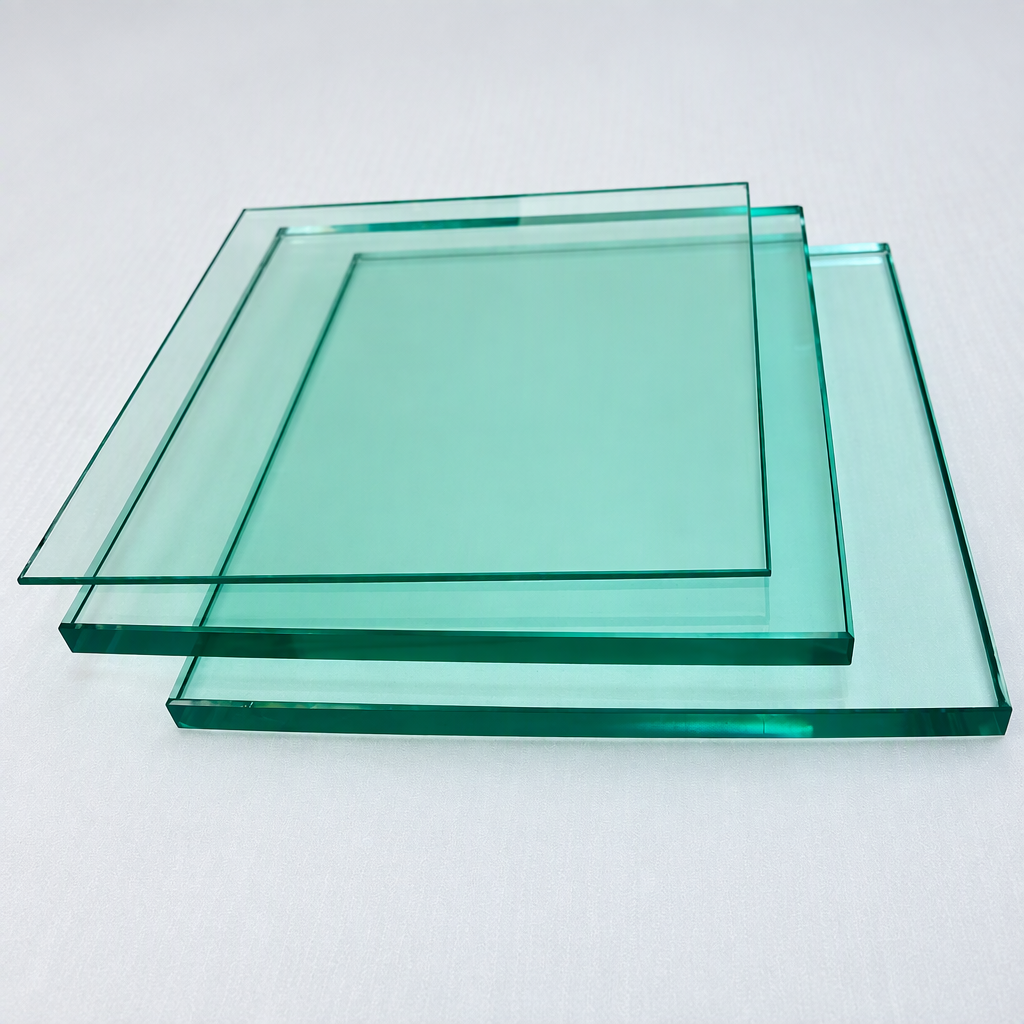
Tempered Glass Panel, Safety Glass, Flat Structural Tempered Glass
Safety glass for larger control surfaces, display windows, equipment covers and architectural interface panels.
Why Bandung Is a Distinctive Touch Switch Glass Market
Bandung is not simply another price-sensitive Indonesian city for wholesale touch switch glass. It combines high-altitude tropical humidity, a design-conscious consumer base, a strong hospitality and education economy, and a renovation culture that rewards visible materials. For Chinese glass factories, the winning offer is not a generic 4 mm printed panel: it is a specification that survives Bandung's moisture, handles touch reliability in projects such as Dago villas, Braga hotels, Buah Batu apartments and Setiabudi retail spaces, and travels efficiently from Qingdao to Tanjung Priok before final trucking to Bandung.
For wholesale buyers, the category is also more technical than it looks. A touch switch glass panel is a visual surface, an electrical interface, a print carrier and a safety component at the same time. A panel that looks correct in a catalog can still fail in service if the printed ink loses adhesion in humid conditions, if the adhesive tape traps moisture during installation, if the glass thickness is mismatched to the sensor structure, or if the edge finish creates point loads inside a wall box. This is why a China factory with both printing and glass strengthening under one roof offers an advantage: specifications can be engineered together rather than purchased from separate traders.
Bandung buyers usually need fast sample cycles plus traceable QC rather than the lowest unit price alone. A branded switch panel is a visible product on a wall for years; replacement costs, installer labor and brand damage are far higher than the difference between a basic panel and a properly engineered one. This guide therefore focuses on selection logic, localized application insight and the procurement questions that separate a reliable wholesale supplier from a catalog-only middleman.
From a semantic search perspective, the phrase “China wholesale touch switch glass factories and suppliers for the Bandung market” contains several buyer intents: factory verification, OEM capability, local application fit, shipping feasibility, certification evidence and after-sales support. A credible supplier page should answer all of them in one place. It should also show enough technical specificity that an Indonesian importer, electrical brand or project contractor can compare quotations on equal terms—not only by price per piece, but by glass type, print durability, edge quality, packaging standard and documentation.
Qingdao Maupe Glass: A China Factory Built for OEM Touch Switch Glass Programs
Qingdao Maupe Glass Co., Ltd. was founded in 2012 in Qingdao, Shandong, and operates under an ISO 9001 quality management system. The company is a glass deep-processing manufacturer and international supplier, not a general trading company. Its core work is turning flat glass into finished functional parts through cutting, edge polishing, drilling, engraving, coating, silk screen printing, physical tempering and chemical strengthening.
This process depth matters for Bandung buyers because touch switch glass is a cross-functional component. Print color, ink adhesion, glass strength, edge finish and adhesive compatibility all interact. With 8 production lines, a factory floor area of roughly 3,000–5,000 m², export experience in 80+ countries and an export share of 91–100% of output, the factory is organized around overseas OEM expectations. It has been onsite-assessed by SGS Group as a third-party inspection company and holds ISO 9001 certificate No. 24025Q20015R1S, RoHS certificate No. 25TYT12395 and CE certificate No. 23TYT082593S.
The company is also close to Qingdao seaport and airport, which simplifies sample dispatch and export logistics. For Indonesian buyers, this location supports both express sample delivery and sea freight planning to Tanjung Priok. The practical value is not only faster transit: it makes it easier to coordinate a factory review, verify production videos and align a shipping schedule with a Bandung project installation window.

One Factory, the Complete Glass Process Chain
Keeping cutting, printing, tempering and coating under one roof shortens lead times and makes tolerance and color consistency traceable from raw sheet to packed carton.
Precision Cutting and CNC Shaping
Straight, round and special-shaped parts cut and CNC-profiled from clear, ultra-clear, tinted and high-alumina sheet for switch, sensor and appliance projects.
Edge Polishing, Drilling and Engraving
Flat, pencil and beveled edges, safety corners, countersunk holes, notches and engraved details for clean assembly inside local wall boxes and device housings.
Silk Screen Printing
Eco-friendly high- and low-temperature inks, multi-color layouts, logos, icons, touch zones and backlight windows with scratch-resistant finishes.
Physical Thermal Tempering
Heat-strengthened safety glass for appliance doors, switch panels and display windows that must resist impact, heat and daily cleaning.
Chemical Strengthening
Ion-exchange strengthening for thin 0.5–2 mm cover glass where flatness, optical clarity, touch sensitivity and strength are all required.
AR, AG and AF Surface Coating
Anti-reflective, anti-glare and anti-fingerprint treatments for readable screens in bright retail, hospitality, industrial and clinical environments.
Matching Glass to Bandung Use Cases
A specification matrix prevents “same size, different performance” quotations from being compared as if they were equal.
| Bandung application | Recommended glass | Typical thickness | Print and surface requirements | Procurement note |
|---|---|---|---|---|
| Wall touch switch and socket covers | Physically tempered glass with silk-screen printing | About 3–4 mm, project dependent | Opaque border, icon windows, backlight diffuser, scratch-resistant ink | Confirm wall-box dimensions, adhesive type and sensor alignment before sampling. |
| Hotel room control panels | Tempered glass with AR or AF coating options | 2–4 mm | Multi-color icons, brand logo, night-glow layout, low-glare surface | Order a lighting mock-up because ink density changes under warm hotel lighting. |
| Smart locks and card readers | Chemically strengthened or thin tempered cover glass | 0.5–3 mm | RFID windows, camera holes, QR windows, anti-fingerprint finish | Validate transmission windows with the electronics supplier before tooling. |
| Office and meeting-room privacy | PDLC smart film or switchable laminated glass | Project laminated build-up | Transparent-to-frosted switching, UV control, edge sealing | Plan power routing, controller location and maintenance access early. |
| Kitchen and appliance controls | Heat-resistant tempered glass | 3–6 mm | High-temperature ink, heat-resistant print, easy-clean surface | Share operating temperature and cleaning chemical exposure with the factory. |
| Industrial HMI and display windows | Tempered or chemically strengthened glass with AG/AR | 1–6 mm | Anti-glare etching or coating, optical window, gasket clearance | Define reflectance, haze and flatness targets so samples can be measured. |
Where Touch Switch Glass Fits the Bandung Market
Bandung projects are not uniform. A product that suits a heritage renovation in Braga may be wrong for a high-rise apartment in Buah Batu or a co-working space near Pasteur.
Landed Houses and Vertical Housing
Homeowners and developers in Bandung increasingly expect glass switch surfaces in living areas, master bedrooms and smart-home zones. Printed icons should remain crisp under warm downlights, while tempered glass gives a premium touch feel.
Hotels and Hospitality Refurbishment
Hotels around Dago, Braga and Setiabudi need coordinated room-control glass that matches interior finishes. AR or AF coating helps reduce glare and fingerprints, while backlit icons must be tested in actual room lighting.
Offices, Studios and Co-Working Spaces
Creative offices and co-working operators use PDLC privacy glass, branded meeting-room switches and glass control plates. Buyers should coordinate electrical routing, controller access and glass edge finishing with the fit-out contractor.
Retail, Showrooms and F&B
Retail spaces in high-traffic areas value tinted, reflective and printed glass that carries a brand identity. Fingerprint resistance and easy cleaning are especially important for customer-facing control surfaces.
Clinics, Education and Public Facilities
Hospitals, clinics, campuses and public buildings need readable, durable control surfaces. Anti-glare glass improves screen legibility, while smooth tempered edges reduce handling risk during installation and maintenance.
Heritage and Renovation Projects
Bandung's older buildings often require custom sizes and restrained graphics. A factory that can cut, print and temper to drawing helps renovation teams modernize electrical controls without making the glass look out of place.
Bandung Market Trends Shaping Wholesale Specifications
Local demand is moving from simple decorative panels toward integrated smart-home surfaces with stronger documentation and easier installation.
Smart-Home Assembly Growth
Local brands and assemblers need repeatable glass panels that fit capacitive touch PCBs, relay modules and app-controlled switches. Buyers increasingly ask for consistent hole positions and batch-to-batch print color.
Humidity and Adhesive Reliability
Bandung's humid climate makes adhesive selection and edge sealing more important. 3M tape, print curing and packing protection should be specified together, not treated as separate purchasing decisions.
Privacy and Energy-Conscious Interiors
PDLC and switchable privacy glass appeal to compact urban spaces where conventional blinds are difficult to clean or maintain. Buyers should compare controller quality, power consumption and service access—not glass alone.
Design-Led Color and Finish
Interior designers in Bandung are specifying matte black, smoke gray, bronze, reflective and soft-touch glass. This increases the need for color masters, sample approval and ink systems that tolerate cleaning.
A Six-Step Purchasing Path from Qingdao to Bandung
A disciplined workflow protects the sample, certification and shipping stages that are most likely to delay an Indonesian project.
Drawing and Specification Review
Send a 2D drawing in DWG, DXF or PDF with outline, holes, edge finish, tolerance and thickness. Include print artwork in AI or PDF with color references.
Glass Type and Sample Approval
Confirm whether physical tempered glass or chemically strengthened glass is appropriate. Approve a physical sample for fit, icon clarity, color and touch-zone alignment.
Certification and Compliance Pack
Collect ISO 9001, RoHS and CE documentation as needed. For finished electrical accessories, confirm with the brand owner whether SNI or other local requirements apply.
Mass Production and Inspection
Agree on inspection criteria for dimensions, flatness, print defects, surface scratches, edge chips, adhesion and packing before production begins.
Shipping to Tanjung Priok and Bandung
Ocean freight usually arrives through Tanjung Priok, followed by trucking to Bandung. For urgent samples, air express to Jakarta or Bandung is common. Confirm packaging for multi-modal handling.
Installation Feedback and Repeat Order
Collect installer feedback on adhesive, fit, wiring clearance and cleaning. Use it to refine the next batch rather than repeating the same hidden tolerance issue.
Common Questions from Bandung Wholesale Buyers
These are the practical questions that come up before a China touch switch glass order is confirmed.
What is the minimum order quantity for custom printed touch switch glass?
Should Bandung buyers choose physically tempered glass or chemically strengthened glass?
How do I verify that the supplier is a real factory rather than a trader?
Can the factory print Indonesian brand logos, icons and custom colors?
What shipping route is used from China to Bandung?
What payment terms and trade terms are accepted?
Send Your Bandung Specification Drawing for a Factory Review
Share your drawing, target thickness, print artwork, coating requirement and expected order quantity. Our glass team can review manufacturability, recommend tempered or chemically strengthened glass, and prepare a quotation for the Bandung market.
info@maupeglass.com