Eight Custom Glass Products Recommended for Jakarta Projects
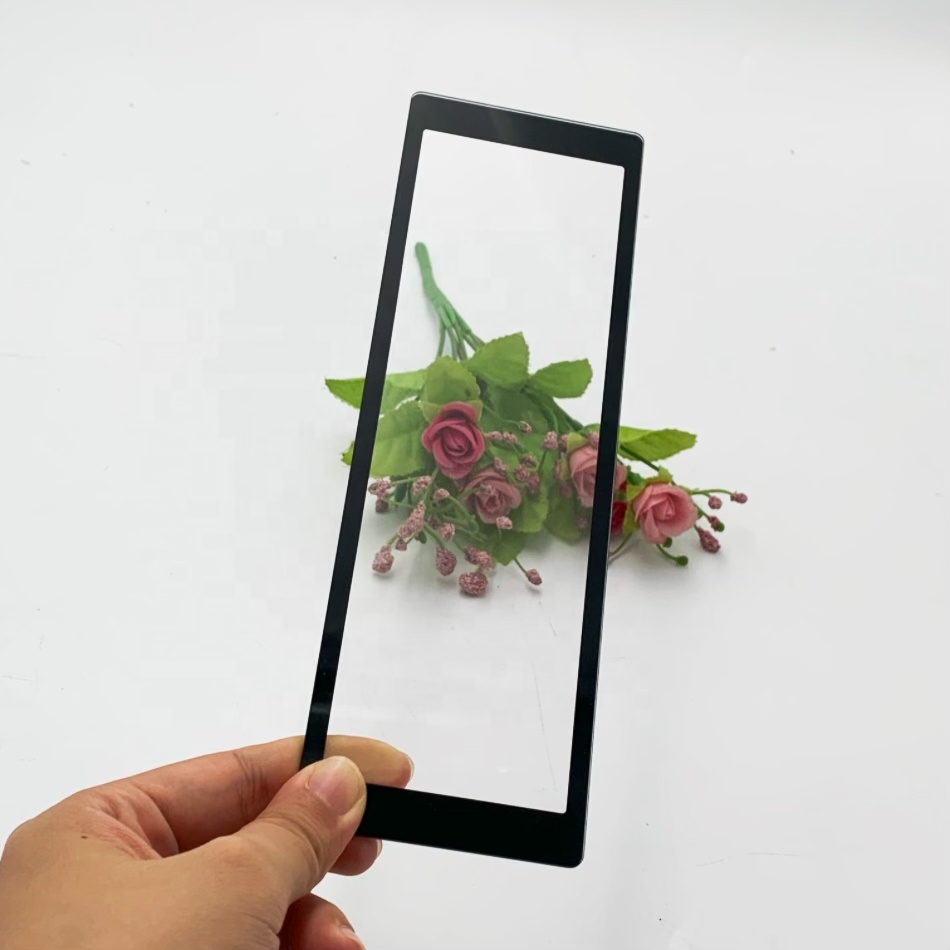
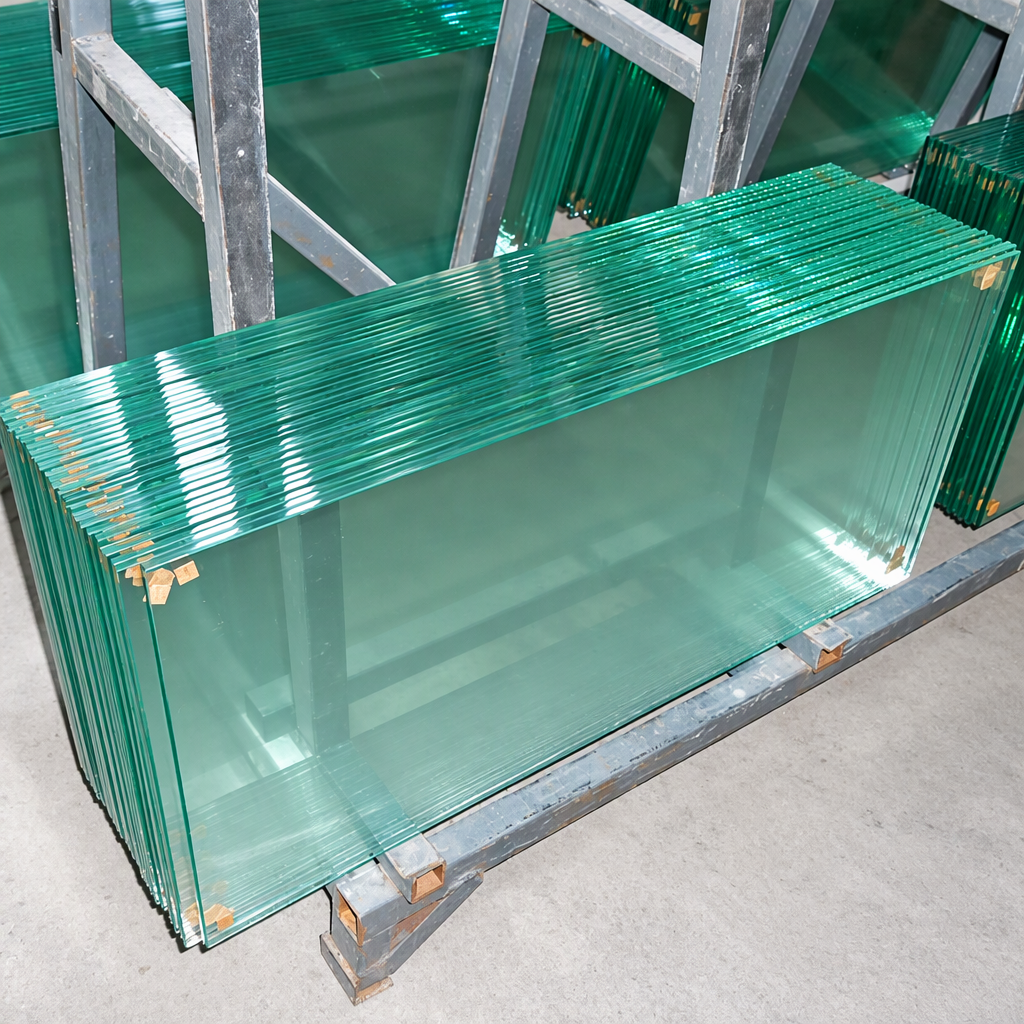
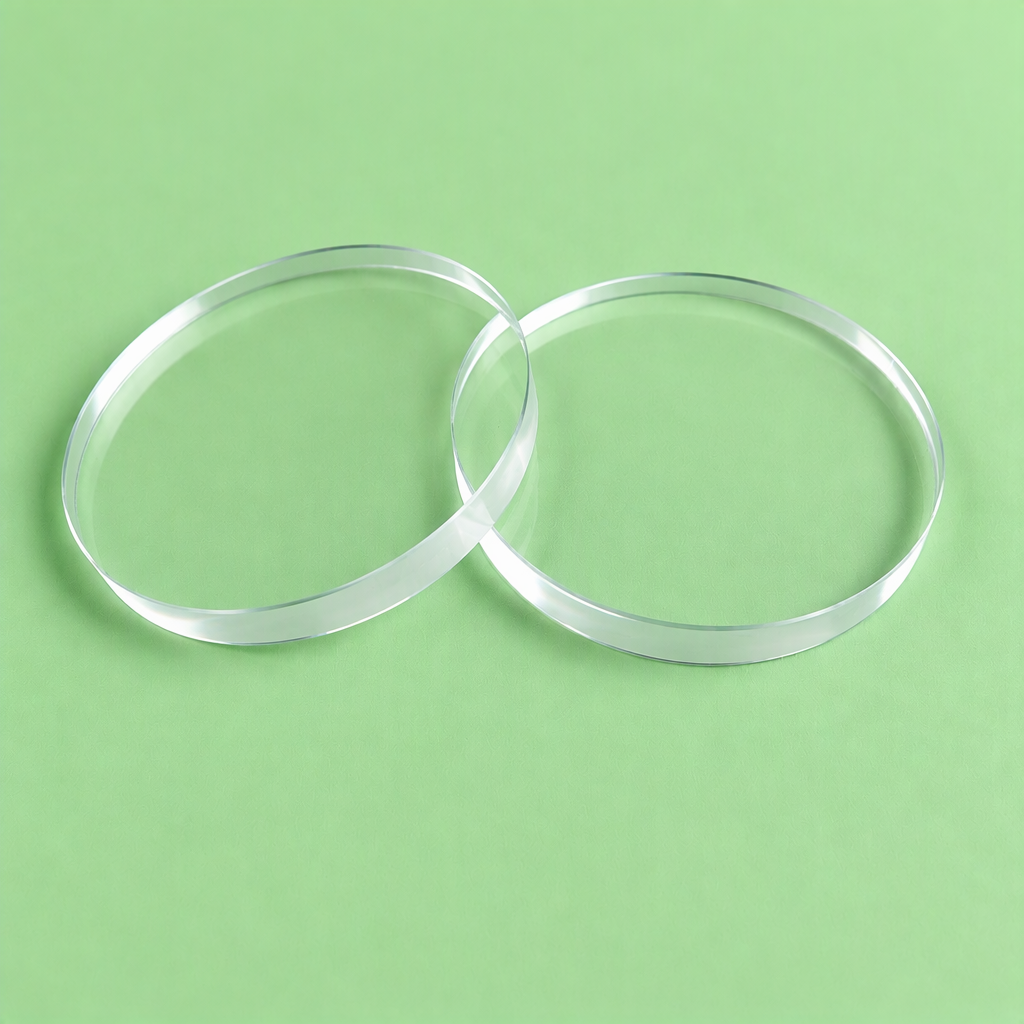
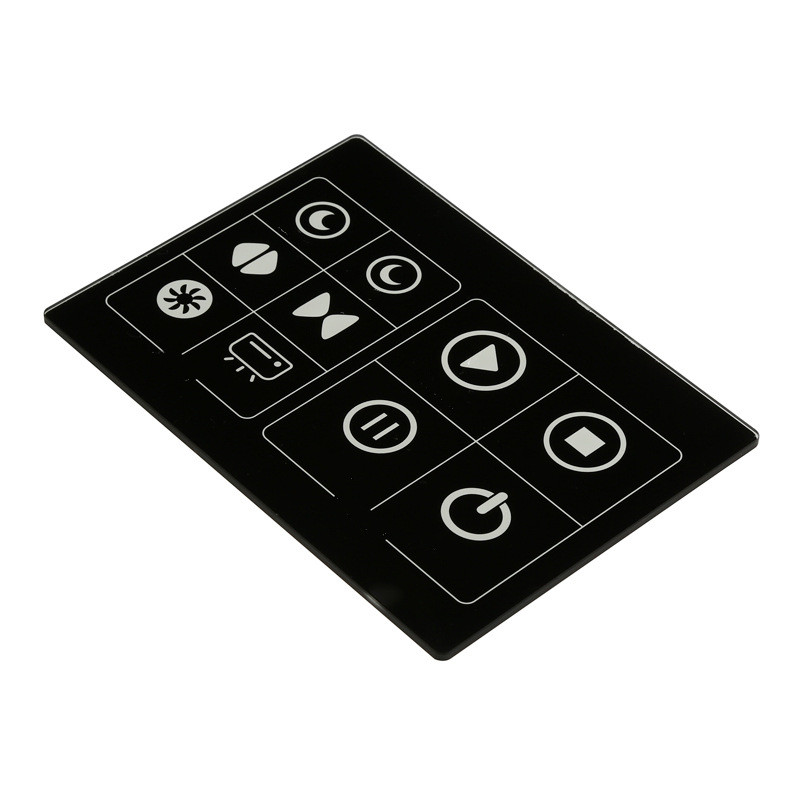
These eight production-ready products are useful starting points for Jakarta buyers comparing suppliers. Each item can be customized by drawing for dimensions, thickness, edge profile, hole position, print artwork, 3M adhesive tape and surface coating. Product URLs are preserved so your engineering and procurement teams can review exact specifications before requesting samples.

Why Jakarta Buyers Need More Than a Glass Cutting Price
Jakarta is a dense tropical market where one glass panel may be specified in a high-rise showroom, installed in a humid service kitchen, cleaned with alkaline chemicals and viewed under intense reflected light. A low unit price is only useful when print adhesion, edge stress, coating durability, flatness and export packing are controlled together.
For Jakarta procurement teams, the real landed-cost equation includes Tanjung Priok clearance, container utilization, breakage allowance, replacement lead time, storage conditions and the cost of correcting a badly fitting panel on site. A custom glass factory that understands this equation will ask about the final device, installation method, cleaning routine and transport route before quoting. That is the difference between a commodity sheet and a functional component.
The local demand picture is also changing. Premium apartments and smart offices are pushing demand for touch switch glass, smart lock covers, elevator button panels and access-control reader glass. Private hospitals and clinics are specifying AR/AF coated display protection because doctors and technicians need clear, low-reflection screens that are easy to clean. Appliance brands serving compact Jakarta kitchens ask for heat-resistant black printed glass for cooktops, microwave doors and range hoods. Industrial buyers in the greater Jakarta manufacturing belt want anti-glare HMI covers and pressure-resistant viewing panels that remain readable under strong factory lighting.
This is where information gain matters. A useful supplier page should not simply repeat “OEM glass factory.” It should connect product specifications to Jakarta installation conditions, explain which strengthening method suits which thickness, and state which certificates can be verified. Qingdao Maupe Glass Co., Ltd. approaches Jakarta projects with that engineering checklist, using a one-factory process chain for cutting, CNC shaping, edge polishing, drilling, engraving, silk screen printing, physical tempering, chemical strengthening and AR/AG/AF coating.
Where Custom Functional Glass Wins in Jakarta
Jakarta projects rarely fail because glass is “not glass.” They fail because the panel was not designed for the installation environment, cleaning method, sensor performance or shipping route. These are the local use cases that repay careful specification.
Smart Home & Condo Switch Glass
Premium apartments in Jakarta increasingly specify glass wall switches and socket covers with backlight icons, anti-fingerprint surfaces and colors that match interior finishes. The critical controls are print registration, touch-zone clarity and adhesive stability in humid interiors. A 3M taped front panel can shorten assembly time when the drawing is stable.
Review printed front panel glassElevator & Access-Control Panels
Hotels, offices and serviced apartments need elevator button glass, card reader windows and face-recognition terminal covers that tolerate frequent cleaning. Printed opaque borders can hide sensors while keeping the reading window clear. Buyers should specify the exact camera/QR window dimensions and the cleaning chemical exposure expected by the facility team.
See touch panel cover glassKitchen & Appliance Glass
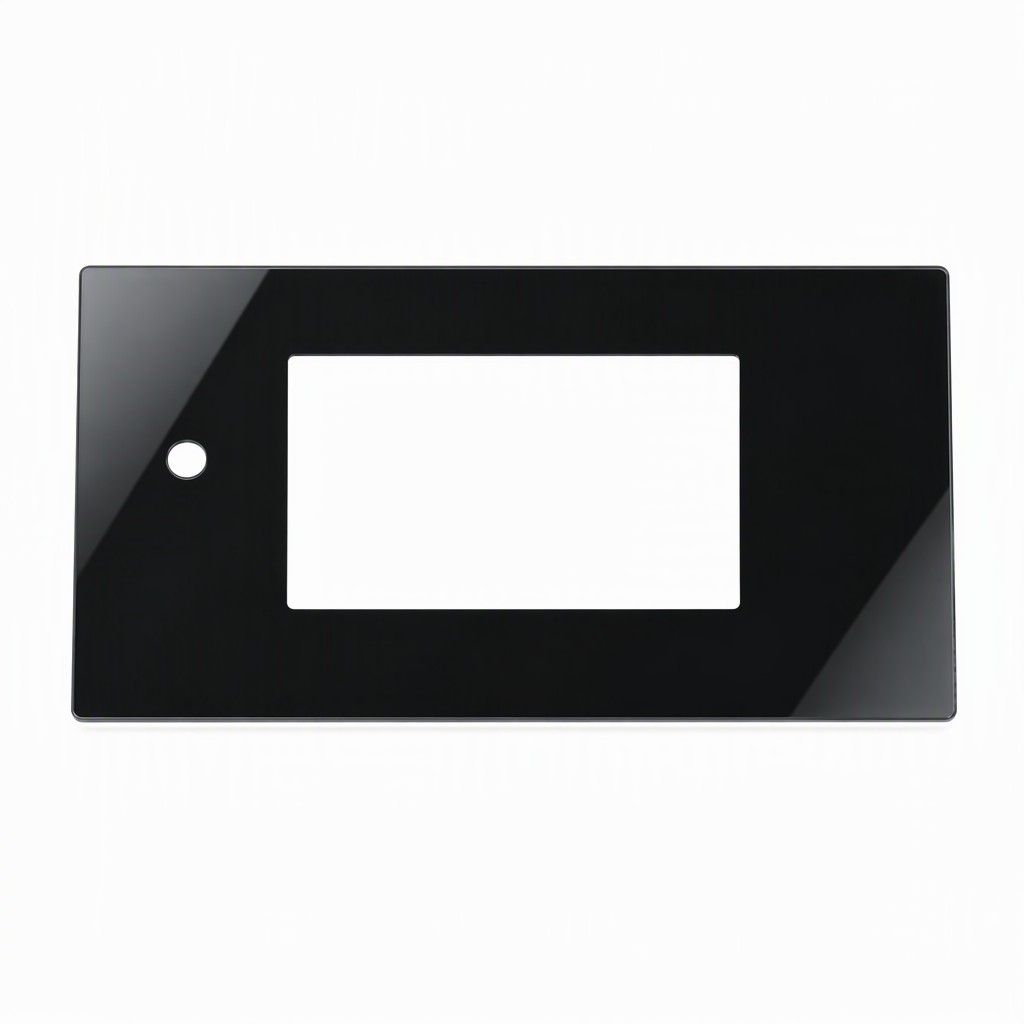
Compact Jakarta kitchens place heat, steam and cleaning chemicals close together. Cooktop, microwave and oven door glass should be specified with high-temperature inks and the correct tempering route. Decorative black printing must remain consistent after thermal exposure, and the breakage pattern should suit the appliance safety requirement.
View heat-resistant appliance glassIndustrial HMI & Anti-Glare Screens
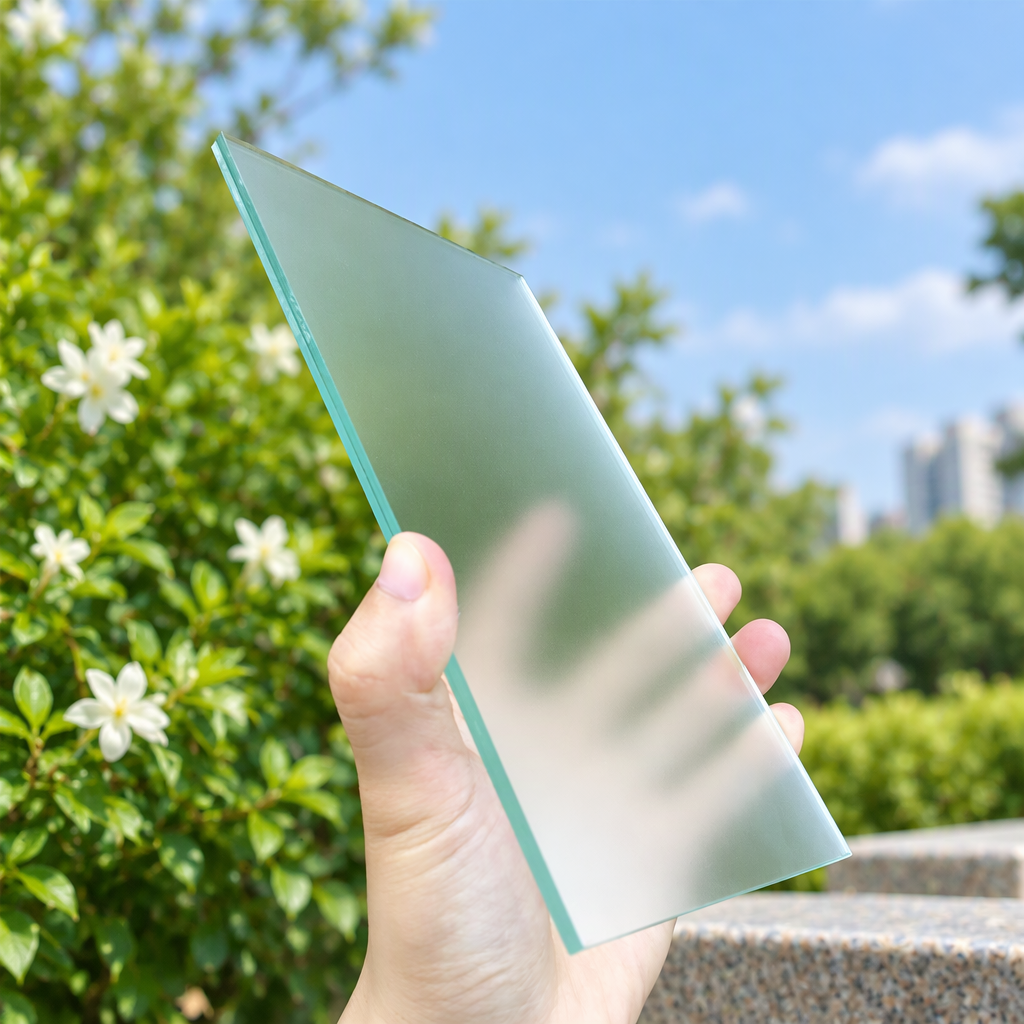
Factories in the greater Jakarta area often have strong overhead lighting and dusty production floors. Matte AG glass reduces glare, improves screen readability and protects the underlying monitor. For control rooms, specify cleaning resistance and edge quality; for machine windows, specify pressure or impact expectations rather than choosing thickness by habit.
Explore anti-glare cover glassMedical & Diagnostic Display Covers
Private hospitals and diagnostic centers need display covers that reduce reflection and fingerprints without softening the image. AR coating improves contrast, while AF treatment supports frequent cleaning. Buyers should request samples against the actual display brightness and verify the coating durability expected for daily clinical use.
Review AR/AF medical display glassIndustrial Workshop Viewing Panels
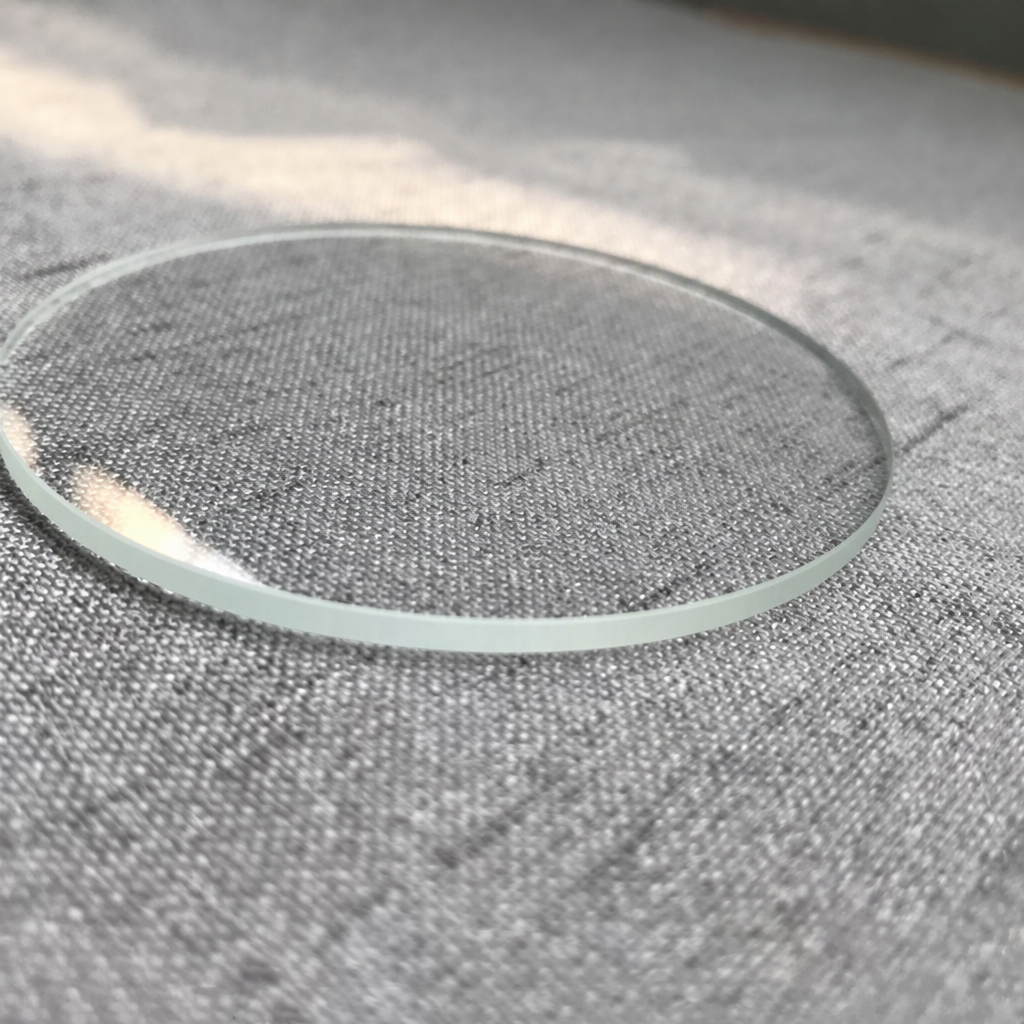
Observation windows on tanks, machines and safety enclosures require clear sightlines and reliable edge strength. Pressure-resistant viewing glass should be specified from the actual operating pressure, frame design and gasket method. A clear panel that is safe in one enclosure may be unsuitable in another if the support and sealing details are ignored.
View pressure-resistant panelsPhysical Tempering or Chemical Strengthening?
Choosing the wrong strengthening method is one of the most common causes of re-tooling in cover glass projects. The following decision cards help align Jakarta product design with the right glass route before a drawing is released.
Heat & Impact Routes
Physical thermal tempering is generally appropriate from about 2 mm and thicker, where safety breakage and impact resistance matter for appliance doors, switch panels, display windows and industrial covers.
Thin Touch Routes
Chemical strengthening is used for thin 0.5–2 mm cover glass where flatness, optical clarity and high surface compression are required for capacitive touch panels and precision display windows.
Coating Logic
AR reduces surface reflection for medical and high-contrast displays; AG diffuses glare for factory HMIs and bright retail; AF helps resist fingerprints and simplify cleaning. Combinations should be tested against the real screen.
Process Order
Cutting, drilling and edging must be completed before strengthening. After tempering, the glass should not be cut or drilled. This is why a complete 2D drawing with hole positions and tolerances is essential at quotation stage.
Local Trends Shaping Custom Glass Demand
Jakarta’s growth is not only about volume. It is about product mix: more touch interfaces, more screens in public spaces, more premium interiors and more imported devices that need replacement or custom front glass.
Premium Property Interiors
New apartments and serviced residences are adopting glass switch plates, socket covers and smart control surfaces as visible interior details. Color consistency across batches becomes a brand issue, not only a technical issue.
Touch-First Access Control
Elevator panels, office entry readers, QR terminals and face-recognition devices are moving toward glass fronts because glass is scratch-resistant, cleanable and visually premium in high-traffic buildings.
Healthcare Display Upgrades
Private clinics and hospitals are upgrading monitors and diagnostic displays. AR/AF cover glass improves readability while supporting cleaning protocols, especially where screens are used by multiple staff throughout the day.
Appliance Glass for Compact Kitchens
Urban kitchens need easy-clean, heat-resistant surfaces. Black printed tempered glass remains a strong design choice for cooktops, ovens, microwave doors and range hoods when the ink system is matched to the heat exposure.
Industrial Anti-Glare Demand
Factories and logistics hubs around Jakarta need HMI covers that remain readable under strong lighting. Matte AG glass is often more effective than increasing screen brightness, which can add heat and energy cost.
Privacy & Smart Partition Glass
Office refurbishments are creating interest in switchable privacy glass and special functional glass for meeting rooms, clinics and reception areas. These projects require early coordination between glass, power and frame design.
Why Qingdao Maupe Glass Co., Ltd. Fits Jakarta Procurement
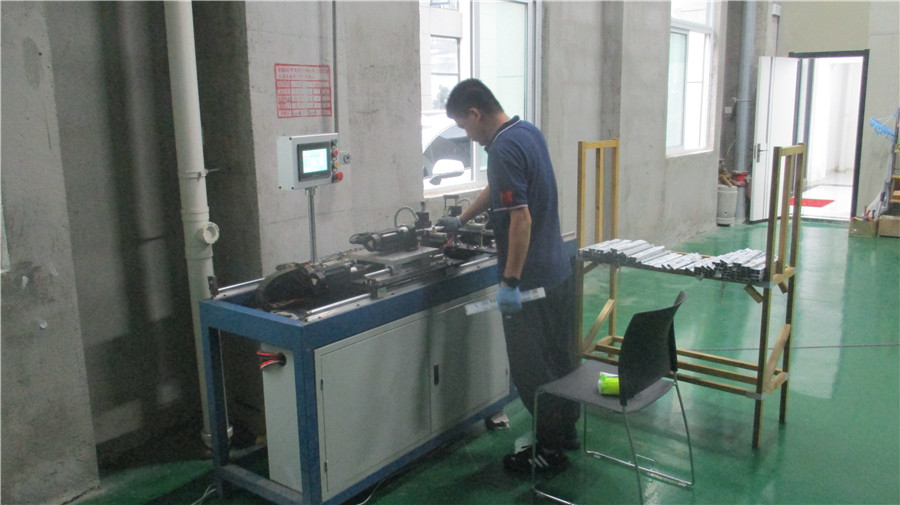
Qingdao Maupe Glass Co., Ltd. has served OEM buyers since 2012 as a glass deep-processing manufacturer and international supplier. The factory operates under an ISO 9001 quality management system and combines cutting, CNC shaping, edge polishing, drilling, engraving, printing, tempering, chemical strengthening and coating in one production chain.
Verified Quality System
ISO 9001 certificate No. 24025Q20015R1S supports a documented quality management system for float glass and technical glass products, with validity shown to 02/2028 on the certificate.
Export Experience
The factory serves buyers in more than 80 countries, with export representing 91–100% of output. That experience matters when drawings, labels, packaging and documents must survive a sea-freight route to Tanjung Priok.
Capacity & Process Depth
Eight production lines and a 3,000–5,000 m² factory floor support repeat OEM work, from small touch covers to large display windows and industrial viewing panels. One-roof processing reduces hand-off risk.
SGS & Fortune 500 Reference
The company has been onsite-assessed by SGS Group as a third-party inspection company and is listed with a Fortune 500 supplier procurement contract verified. These are useful reference points during supplier qualification.
RoHS & CE Documentation
RoHS certificate No. 25TYT12395 and CE certificate No. 23TYT082593S for tempered glass support compliance discussions. Buyers should still match the certificate scope to the actual product and final-device requirement.
Qingdao Logistics Advantage
The factory is close to Qingdao seaport and airport, simplifying samples by air and volume shipments by sea. Accepted delivery terms include FOB, CIF, EXW, FAS, FCA, CPT, DDP and DDU, with express delivery for urgent samples.



ISO 9001
Certificate No. 24025Q20015R1S · Quality management system · Validity shown to 02/2028.

RoHS
Certificate No. 25TYT12395 · Hazardous substance control for electrical and electronic equipment markets · Validity shown to 12/2030.

CE
Certificate No. 23TYT082593S · Tempered glass · Supports European market access discussions · Validity shown to 08/2028.
From Drawing to Jakarta Delivery in Five Controlled Steps
A transparent workflow helps purchasing, engineering and quality teams know exactly what happens at every stage. It also reduces the risk of discovering a tolerance or print issue after mass production has started.
Engineers check manufacturability, thickness, tolerance, edge finish, hole positions and strengthening method.
Screens and samples are produced for fit, color, touch and coating verification before mass production.
Cutting, CNC shaping, edging, printing, tempering or chemical strengthening are controlled through the process chain.
Incoming material and finished product inspection are performed before protective export packing.
Packed for sea freight or air sample delivery from Qingdao, with documents prepared for the importer of record.
Questions Jakarta Buyers Ask Before Ordering
These answers combine Maupe Glass factory practice with practical Jakarta import and application checks. For project-specific advice, send the drawing and intended use so an engineer can review the requirement.
What is the minimum order quantity for a Jakarta trial order?
Most custom silk screen printed panels start from 10 to 100 pieces depending on size, thickness and the number of print colors. Large-size display cover glass can start from 10 pieces. Samples are available for fit, color and print verification before mass production.
Can you ship to Jakarta and Tanjung Priok?
Yes. The factory is close to Qingdao seaport and airport, and export shipments can be arranged to Jakarta via sea freight or air for urgent samples. Accepted delivery terms include FOB, CIF, EXW, FAS, FCA, CPT, DDP and DDU. The best Incoterm depends on whether your Jakarta team or supplier controls freight, insurance and customs clearance.
What documents are normally included for Indonesian import clearance?
Typical shipment documents include commercial invoice, packing list, bill of lading or air waybill, and product/certificate documents requested for the order. Certificate of origin and test reports can be discussed before booking. Customs rules and final-device compliance should be confirmed with your importer of record and customs broker in Indonesia.
Can you match Pantone, RAL or Indonesian-language labels?
Print artwork can be matched against approved color references, and labels or icons can be reviewed on the drawing. Because glass print appearance changes with ink opacity, backing color, lighting and glass thickness, a physical sample is strongly recommended. Indonesian-language text can be included in the artwork when the final layout is confirmed.
Should I choose physical tempered or chemically strengthened glass for a thin touch panel?
For a thin 1.1 mm touch panel, chemical strengthening is often considered because it improves strength while preserving flatness and optical quality. Physical tempering is generally used from about 2 mm and thicker for appliance doors, switch panels and industrial viewing windows. The final choice should follow the touch-sensor design, impact risk and installation method.
How do you pack glass for humid sea freight to Jakarta?
Export packing should protect edges, separate printed surfaces and reduce moisture exposure during container transport. Depending on the part, the factory can use protective film, foam, edge protectors, moisture barrier and wooden crates. For adhesive-backed glass, storage conditions after arrival also matter; keep cartons dry and avoid long exposure to humid, hot storage before assembly.
Which certificates can we verify?
ISO 9001 certificate No. 24025Q20015R1S, RoHS certificate No. 25TYT12395 and CE certificate No. 23TYT082593S can be reviewed with the quotation package. The company has also been onsite-assessed by SGS Group. Buyers should verify that the certificate scope and validity match the exact product and destination requirement.
What files are needed for a fast quotation?
Send a 2D drawing in DWG, DXF or PDF with dimensions, thickness, edge finish, hole positions and tolerance. Add print artwork in AI or PDF with color references and layer order, state coating requirements such as AR, AG or AF, and explain the working environment, cleaning method and annual volume. Photos of the current part and assembly frame are also helpful.
Send Your Jakarta Glass Drawing for Engineering Review
Share your dimensions, thickness, artwork, coating requirement and installation conditions. The Maupe Glass team can respond with manufacturability feedback, sample suggestions and a quotation route for shipping to Jakarta.
Email: info@maupeglass.com · Qingdao factory · ISO 9001 · RoHS · CE · SGS onsite assessed