Custom Coated Glass Products for Munich OEM & Wholesale Buyers
These eight product families cover the most common Munich sourcing requests: touch control panels, anti-glare industrial covers, AR/AF medical display glass, high-temperature appliance panels, printed construction glass and switchable privacy glass. All URLs are retained from the current catalog.
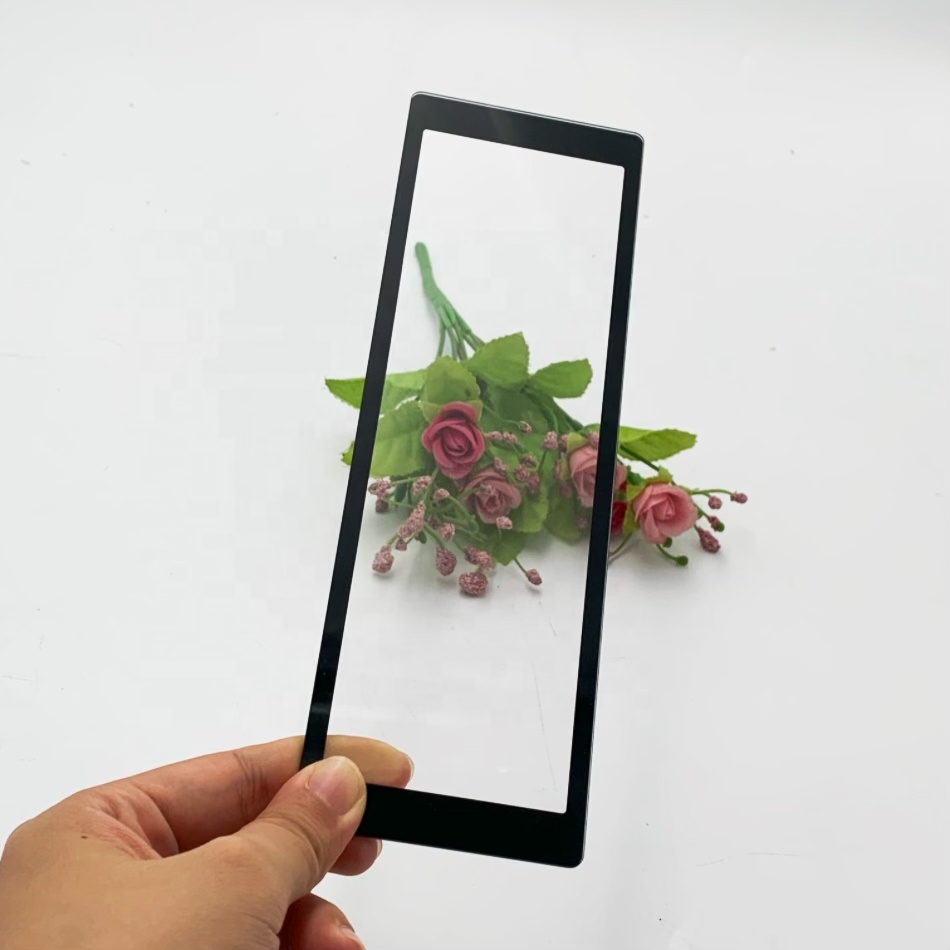
Custom Silk Screen Printed Tempered Glass Panel Touch Screen Display Cover Glass
Suitable for Munich HMI, kiosk, access-control and industrial touch displays requiring printed borders, sensor windows and scratch-resistant surfaces.
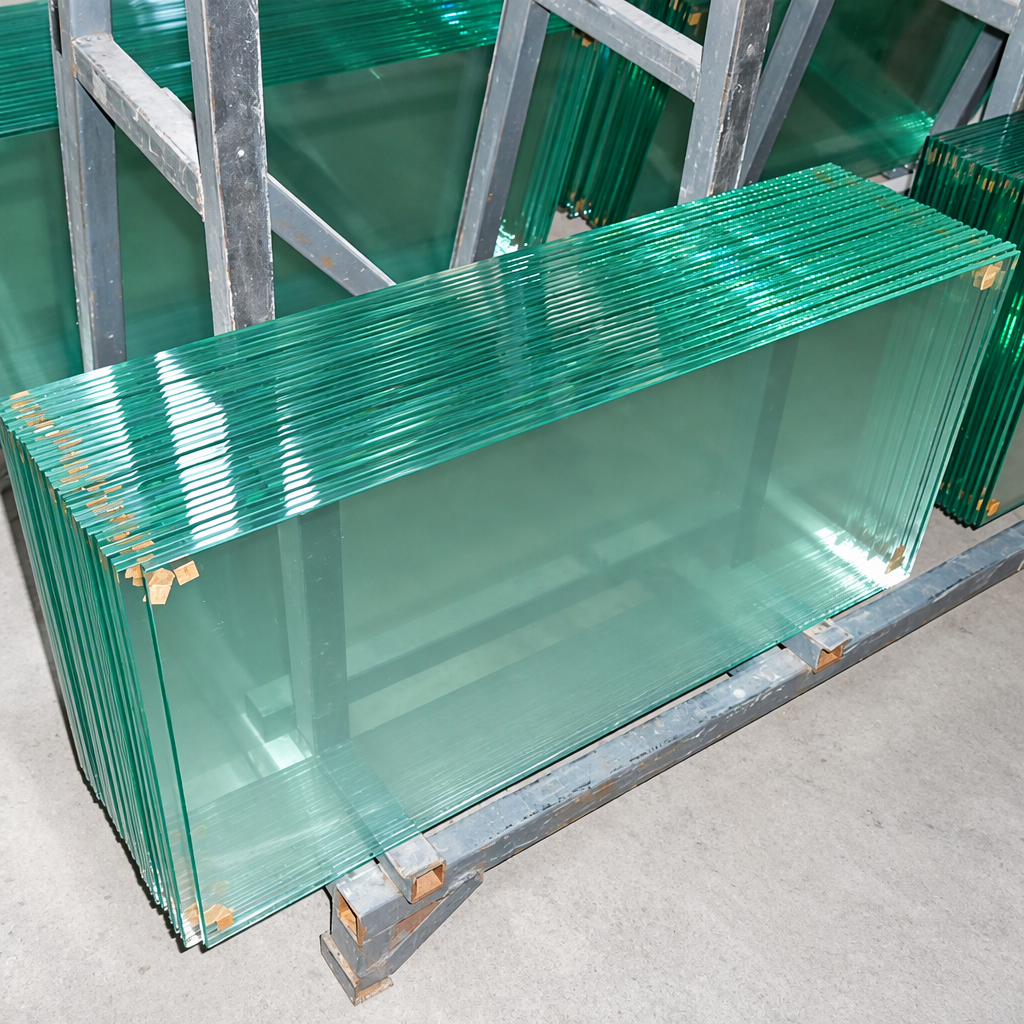
Construction & Real Estate Float Glass Factories in China Tempered Glass
For Munich architecture, interior fit-out and real-estate projects needing custom tempered float glass with edge processing and reliable export packing.

High Quality Industrial Screen Front Cover Glass Frosted Anti-glare Glass for Screen Protector
Anti-glare frosted cover glass for machine control rooms, factory HMI and inspection screens where reflected light reduces readability.
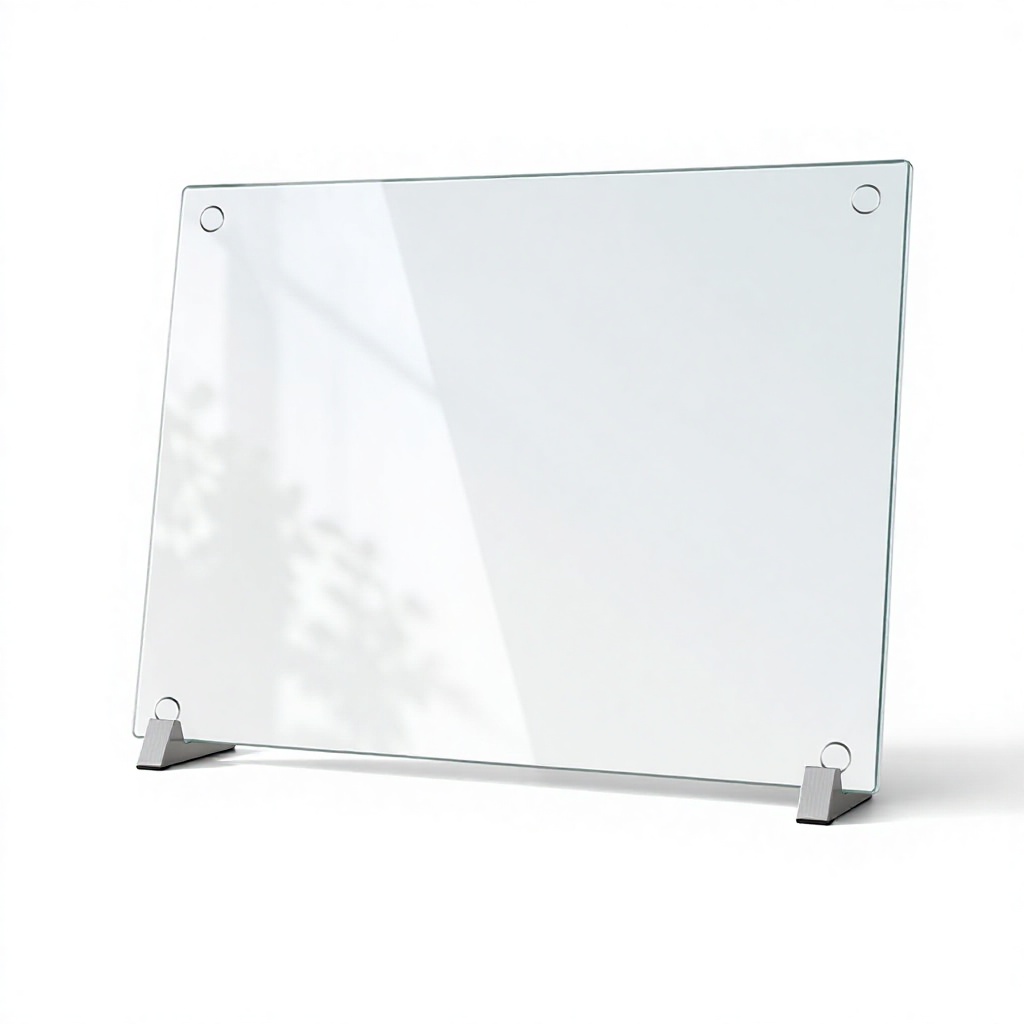
Custom Size Clear Tempered Glass Curtain Wall Panel Multi Function Print Glass Whiteboard Glass
For Munich office interiors, meeting rooms and wall panels requiring clear tempered glass, custom sizing and multi-function printing.
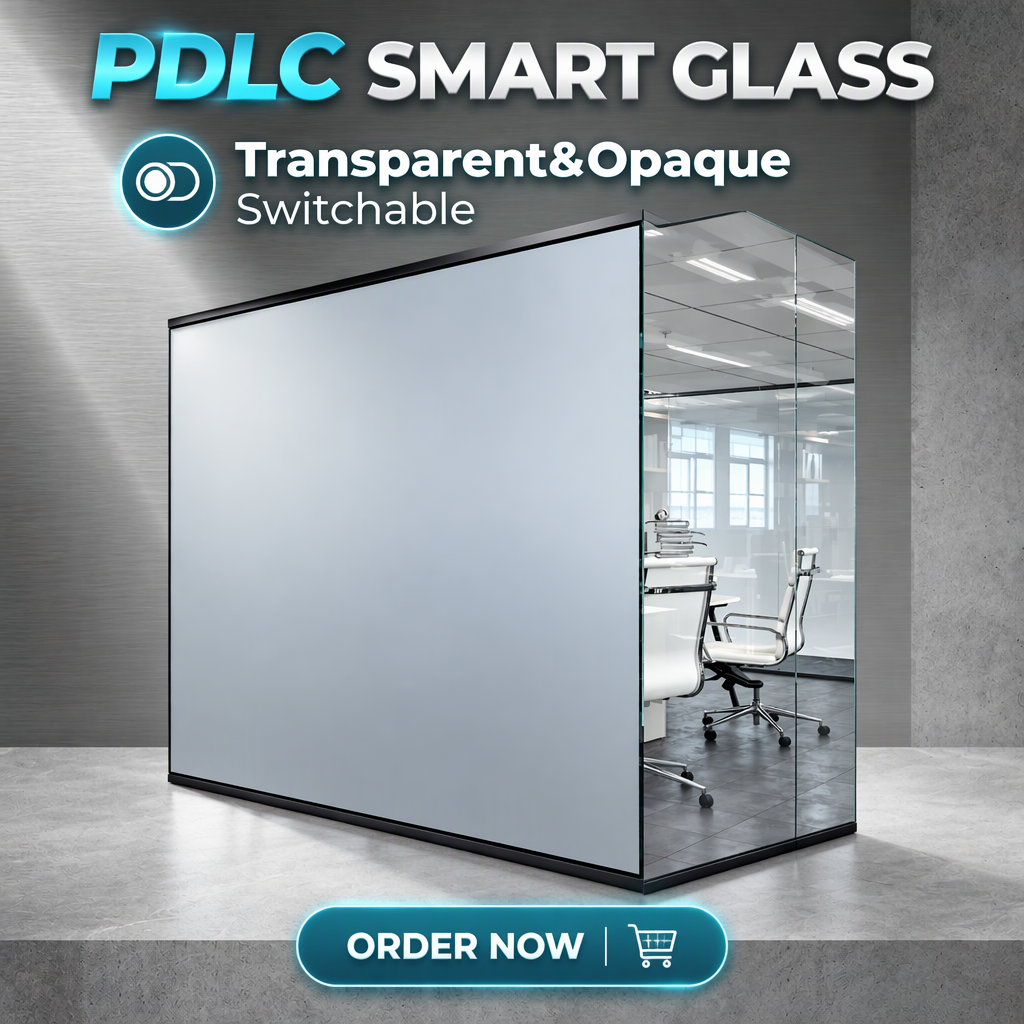
PDLC Smart Film Smart Glass Privacy Film Electrically Transparent Dimmable Glass
Switchable privacy glass for Munich offices, clinic partitions, hotels and meeting rooms where visual privacy must change on demand.
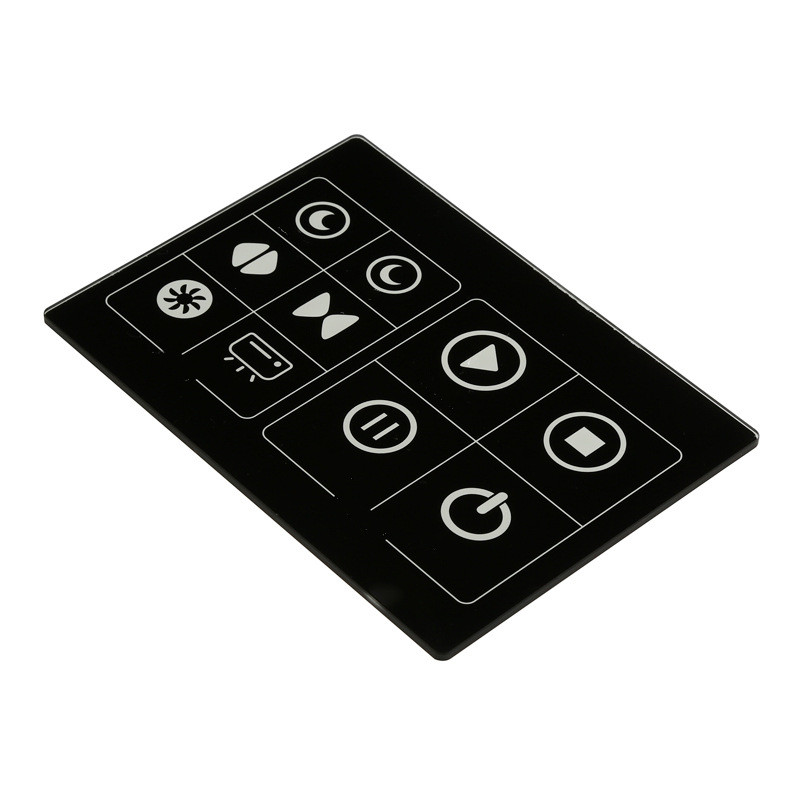
High Temperature Resistant Customized Black Printing Tempered Glass Cooktop Microwave Oven Door Glass for Kitchen
Heat-resistant black printing on tempered glass for cooktops, microwave doors and kitchen appliances sold through German channels.
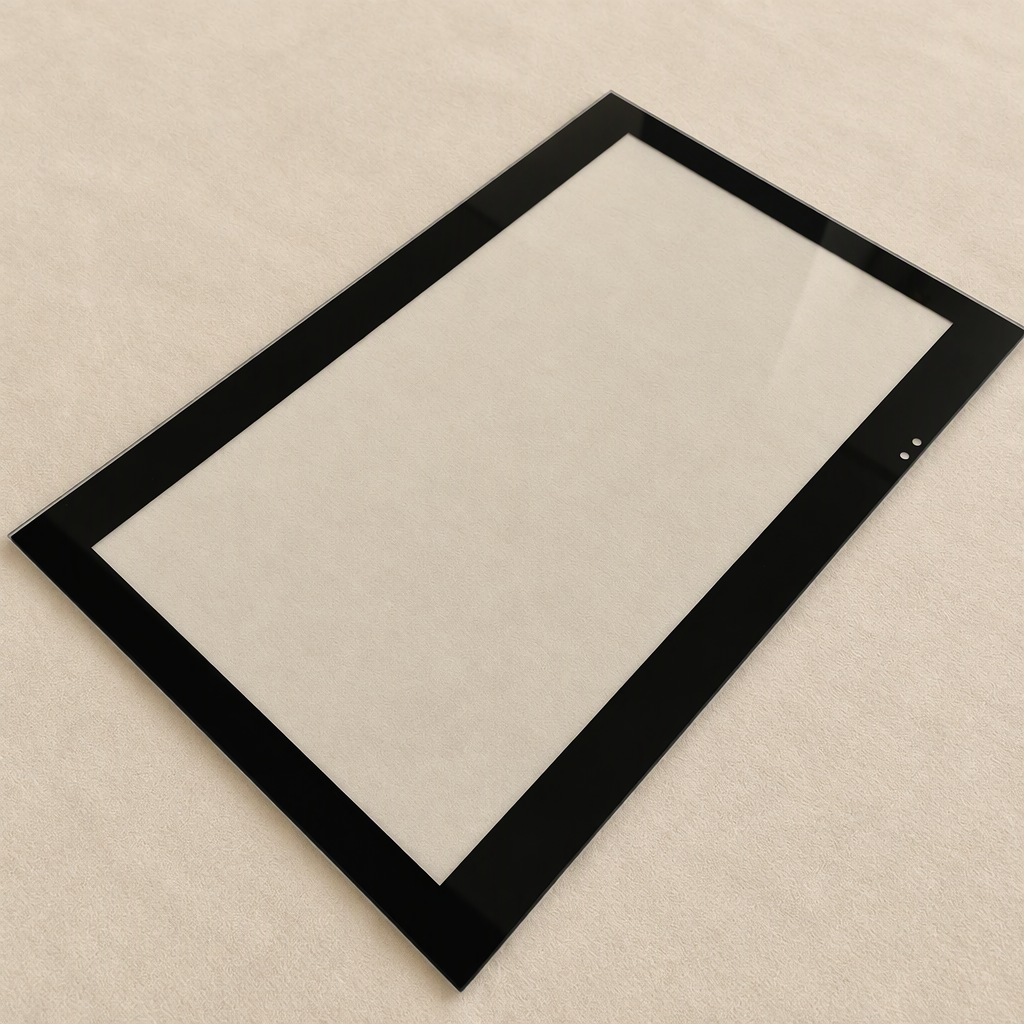
Tempered Glass Panel Silk Screen Printed Flat Display Screen Protector Glass for LCD TV Industrial Decoration
Flat printed cover glass for LCD TV fronts, digital signage and industrial decoration; combines optical clarity with printed design areas.
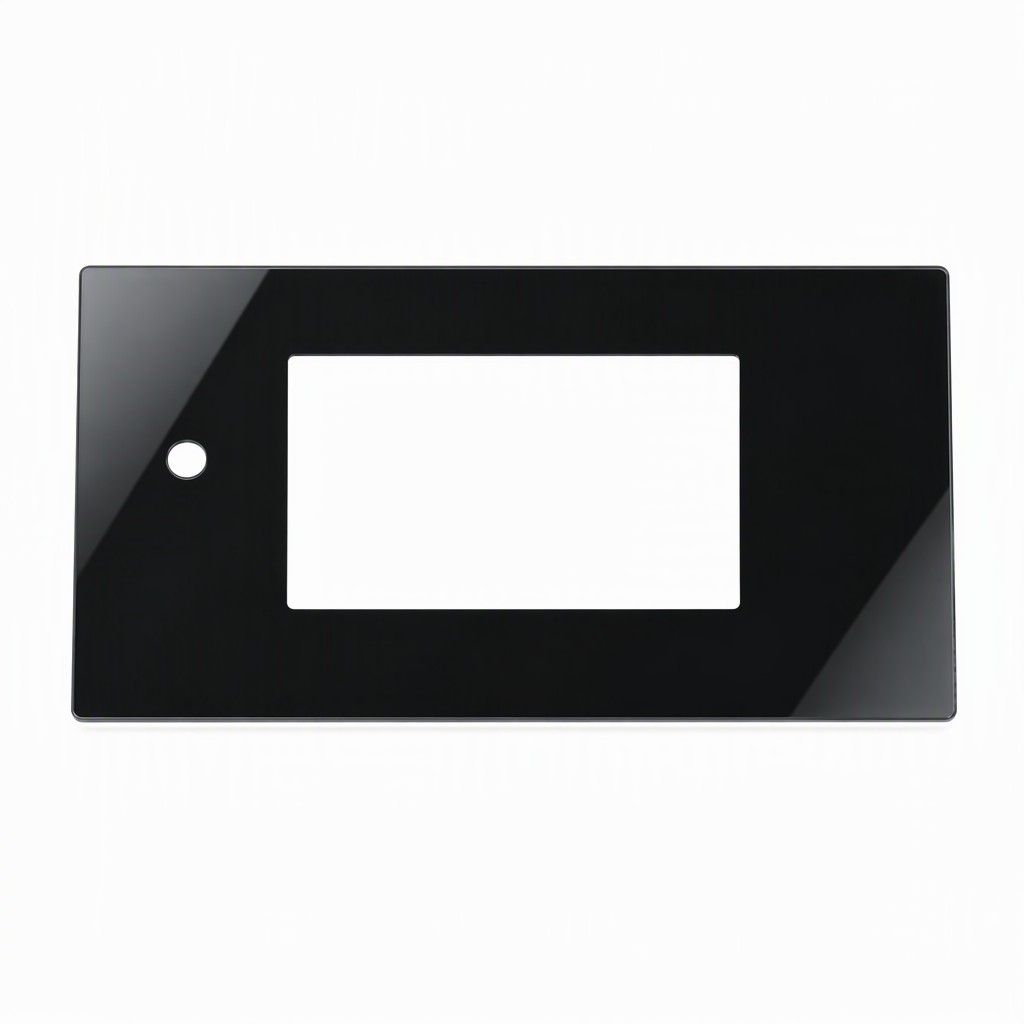
Gorilla Glass Display Protection Cover AR AF Coated LCD Touch Panel Digitizer Front Cover Glass for Industrial Medical Screens
AR/AF coated cover glass for medical and industrial displays that need low reflection, easy cleaning and fingerprint resistance.
Custom OEM Coated Glass for Munich: What Buyers Need to Know
Munich procurement teams searching for a custom OEM coated glass exporter and wholesaler are usually solving a component problem, not simply buying a raw sheet. The glass may be a touch cover for a smart-home switch, an anti-glare window for a machine control panel, an AR/AF front cover for a medical display, a black-printed cooktop panel or a PDLC privacy partition for an office project. Each application changes the correct combination of glass thickness, strengthening method, printing ink, coating, edge finish, tolerance and packaging.
Qingdao Maupe Glass Co., Ltd. is an ISO 9001 glass deep-processing manufacturer founded in 2012 in Qingdao, Shandong. The factory converts flat glass into finished functional parts through cutting, edge polishing, drilling, engraving, silk screen printing, physical tempering, chemical strengthening and AR/AG/AF coating. For Munich buyers, the practical value is a single production chain with export documentation and OEM customization, instead of coordinating several separate processors for glass, printing, tempering, coating and packing.
The phrase “coated glass” also needs definition. In device manufacturing it often means functional optical coating — anti-reflective AR, anti-glare AG or anti-fingerprint AF — combined with printed graphics and strengthened glass. In architecture and interiors it may mean PDLC switchable film, frosted surfaces or printed tempered glass panels. A good Munich supplier should ask what the final product is, how often it is touched, whether it is exposed to heat or cleaning chemicals, and which EU compliance documents the buyer must retain. Those questions prevent costly re-tooling later.
Why Munich OEMs and Wholesalers Choose Qingdao Maupe Glass
For Bavaria-based purchasers, supplier selection is usually a balance of optical quality, glass strength, EU documentation, packaging reliability and communication with the factory that actually controls the process.
OEM / ODM Since 2012
Custom dimensions, holes, notches, edge profiles, print artwork, coating and adhesive options. The factory supports samples, design customization and full OEM production.
One-Roof Process Control
Cutting, CNC shaping, edge polishing, drilling, engraving, printing, tempering, chemical strengthening and coating are coordinated in one factory with eight production lines.
EU Compliance Support
ISO 9001 No. 24025Q20015R1S, RoHS No. 25TYT12395 and CE No. 23TYT082593S are listed on the supplier profile for verification by Munich compliance teams.
Verified Export Experience
SGS onsite assessed, exporting to more than 80 countries with a 91–100% export share of output. The factory is close to Qingdao seaport and Qingdao airport.
AR / AG / AF Coating Expertise
Anti-reflective, anti-glare and anti-fingerprint treatments can be combined with printed borders, icon windows and touch zones for Munich display and control applications.
Export Terms for Munich Projects
FOB, CIF, EXW, FAS, FCA, CPT, DDP, DDU and express delivery are supported. Payments include T/T, L/C, PayPal, Western Union and cash in USD, EUR or CNY.



Coated Glass Applications in Munich and Bavaria
Munich combines advanced manufacturing, medical technology, premium appliances, building automation, automotive engineering and a strong office fit-out market. These local application scenarios help OEM buyers translate a generic glass request into a manufacturable specification.
Smart Home & Building Automation
Printed switch panel glass, card-reader covers, intercom fronts and elevator touch panels for Munich apartments, hotels and commercial buildings. Backlight-ready icons and clean touch zones improve installation quality.
Medical & Laboratory Displays
AR/AF coated front glass for diagnostic monitors, laboratory instruments and clinical screens. Low-reflection coatings improve contrast, while AF surfaces support frequent cleaning routines in sensitive environments.
Automotive & Mobility Interfaces
Anti-glare HMI covers, printed touch panels and display protection for mobility equipment, charging infrastructure and transport information systems used across Munich and Bavaria.
Premium Kitchen & Home Appliances
Black-printed tempered cooktop glass, microwave door glass, oven panels and refrigerator control covers. High-temperature inks and controlled printing support long-service appliance programs.
Industrial Automation & Control Rooms
Frosted AG industrial screen protectors, anti-glare inspection windows and printed control-panel covers for machine builders, testing labs and automation integrators in the Munich industrial belt.
Architecture, Office & Interiors
PDLC switchable privacy partitions, whiteboard glass walls, printed decorative glass and tempered curtain wall panels for Munich office fit-outs, meeting rooms, clinics and hospitality projects.
Development Trends Shaping Coated Glass Procurement in Munich
Semantic search intent in Munich is moving from “cheap tempered glass” toward “verifiable functional glass.” Buyers want proof of coating performance, material compliance, process control and a supplier who understands German documentation expectations.
1. Compliance-Led Sourcing
Munich OEMs increasingly request ISO, RoHS and CE documentation before sampling. Certificate numbers and material declarations help quality teams screen suppliers earlier in the buying cycle.
2. Multi-Coating Instead of Single Property
AR for contrast, AG for glare diffusion and AF for fingerprint resistance are now often combined with printed borders and touch windows rather than specified as isolated surface treatments.
3. Thin Chemically Strengthened Covers
Compact electronics and precise optical windows favour chemically strengthened glass from 0.5 mm to 2 mm, where flatness and optical clarity matter more than the thicker tempered route.
4. Smart Glass in Office and Hospitality
PDLC switchable privacy glass is moving into Munich meeting rooms, clinic partitions and hotel interiors, creating demand for laminated smart-film glass with reliable edge finishing and packaging.
5. Digital Signage and Touch Everywhere
Retail, transport, exhibition and public-information displays need anti-glare or anti-reflective cover glass that remains readable under bright lighting and frequent touch.
6. Supply-Chain Resilience
Rather than splitting cutting, printing, tempering and coating across several vendors, procurement teams prefer one factory that controls the full process chain and can support export terms to Munich.
Tempered, Chemically Strengthened or Coated?
Choosing the wrong strengthening method is one of the most common causes of re-tooling in cover glass projects. Use this comparison during the design stage, then confirm against your drawing and application environment.
| Criteria | Physical Tempered | Chemically Strengthened |
|---|---|---|
| Typical thickness | About 2 mm and thicker | 0.5–2 mm thin glass |
| Strength gain | Roughly 4–5× annealed glass | High surface compression, suited to thin parts |
| Breakage pattern | Small blunt fragments for safety glass applications | Larger pieces, similar to annealed glass |
| Flatness & optics | Very good; slight roller wave possible | Excellent, no heat distortion |
| Post-processing | Cutting, drilling and edging must be completed before strengthening | |
| Best for | Appliance doors, switch panels, display windows and industrial covers | Touch covers, small electronics, wearables and precise optical windows |
Coating and print quick reference
- AR coating: reduces surface reflection and improves contrast for medical, industrial and high-brightness displays.
- AG coating: diffuses reflected light with a matte finish for control rooms, outdoor screens and bright factory environments.
- AF coating: resists fingerprints and oil for frequent-touch interfaces and easy-clean screen covers.
- Silk-screen printing: printed borders, icons, logos, hidden sensor windows and backlight zones with scratch-resistant inks.
- PDLC smart film: electrically switchable privacy glass for partitions, meeting rooms and hospitality interiors.
From Munich Drawing to Delivered Glass: Five Controlled Steps
Custom glass programs work best when purchasing, engineering and quality teams know exactly what happens at every stage, from drawing review to export packing.
Drawing Review
Engineers check outline, holes, tolerance, edge finish, strength route and coating compatibility.
Sampling
Screens and samples are produced for fit, print colour, touch-zone layout and surface appearance.
Mass Production
Cutting, edging, drilling, printing, tempering, strengthening and coating run on eight production lines.
Quality Inspection
Incoming material and finished product inspection are performed before packing and shipment.
Export Shipping
Protective export packing via Qingdao seaport or airport, with FOB, CIF, DDP and express options.
Certified Quality Munich Buyers Can Verify
Certificate numbers are listed so your compliance or procurement team can verify them directly with the issuing bodies. The factory operates an ISO 9001 quality management system and has been onsite assessed by SGS Group as a third-party inspection company.

ISO 9001 Quality Management
Certificate No. 24025Q20015R1S. Scope includes float glass and technical glass products. Listed validity to 02/2028.

RoHS Compliance
Certificate No. 25TYT12395. Restricts hazardous substances for EU electrical and electronic equipment. Listed validity to 12/2030.

CE Marking Support
Certificate No. 23TYT082593S. Tempered glass documentation supporting market access across the European Economic Area. Listed validity to 08/2028.
Packaging, Shipping and Delivery to Munich
Qingdao Maupe Glass is an export-oriented OEM manufacturer, not a Munich shelf-stock warehouse. Custom printing, coating and tempering are made to order; buyers should plan samples and production approvals before release. For repeat programs, a buffer-stock plan can be discussed.
Protective Export Packing
Printed and coated surfaces are protected with interleaves, edge protection, corner protection and moisture-control packaging. Packing is matched to panel size and transport mode.
Routes to Munich
The factory is close to Qingdao seaport and airport. Sea freight can move via major northern European ports with onward trucking to Munich; air freight and express are available for samples or urgent approvals.
Trade & Payment Terms
Delivery terms include FOB, CIF, EXW, FAS, FCA, CPT, DDP, DDU and express delivery. Payments include T/T, L/C, PayPal, Western Union and cash in USD, EUR or CNY.
Common Questions About OEM Coated Glass Wholesale and Export
These are the questions most often raised by European buyers comparing custom glass factories, exporters and wholesale suppliers for Munich-bound projects.
What is the minimum order quantity for custom printed tempered glass?
Most custom silk-screen printed panels start from 10 to 100 pieces depending on size, thickness and number of print colours. Large-size display cover glass can start from 10 pieces. High-alumina cover glass projects may start from 300 pieces. Samples are available for fit and print verification before mass production.
Should Munich engineers choose physical tempered or chemically strengthened glass?
Physical thermal tempering suits glass typically 2 mm and thicker, such as appliance doors, switch panels and display windows, and breaks into small blunt fragments. Chemical strengthening suits thin glass from 0.5 mm to 2 mm, touch covers and parts requiring excellent flatness and optical quality.
Which certifications can be supplied for EU compliance review?
The supplier operates an ISO 9001 quality management system, holds RoHS and CE certificates for glass products, and has been onsite assessed by SGS Group as a third-party inspection company. Listed certificate numbers include ISO 9001 No. 24025Q20015R1S, RoHS No. 25TYT12395 and CE No. 23TYT082593S.
What files should a Munich buyer send to start a custom glass project?
Send a 2D drawing in DWG, DXF or PDF with dimensions, thickness, edge finish, hole positions and tolerance. Add print artwork in AI or PDF with colour references, state coating requirements such as AR, AG or AF, and describe the final application and expected annual volume.
How are samples handled before a Munich production order?
Samples can be produced for fit, print colour, touch-zone layout and surface treatment verification. Approving a sample reduces risk before mass production, especially for printed logos, hidden sensor windows, AR/AG/AF surfaces and adhesive-ready touch covers.
Which coating is best for Munich HMI, medical or smart-home screens?
AR reduces reflection and improves contrast for medical and industrial displays. AG diffuses glare for bright control rooms and public terminals. AF helps resist fingerprints and oil on frequent-touch screens. Many projects combine printing with one or more coatings, so the final stack should be confirmed against the device environment.
What trade and payment terms are accepted for Germany-bound shipments?
Accepted delivery terms include FOB, CIF, EXW, FAS, FCA, CPT, DDP, DDU and express delivery. Accepted payments include T/T, L/C, PayPal, Western Union and cash in USD, EUR or CNY. The factory is close to Qingdao seaport and airport, which supports export planning to Munich.
Can the factory support long-term OEM supply rather than one-off orders?
Yes. The company has supplied OEM and ODM glass since 2012, exports to more than 80 countries and keeps cutting, printing, tempering and coating coordination under one roof. For repeat Munich programs, buyers can discuss annual volume planning, protective packaging and documentation requirements in the quotation stage.
Ready to Source Custom Coated Glass for Munich?
Send your 2D drawing, print artwork, coating request, target application and expected volume. Our team will review manufacturability and recommend the suitable tempered, chemically strengthened or coated glass route for your Munich project.