OEM Glass Grinding · Denpasar, Bali · ISO 9001 · RoHS · CE
Custom OEM Glass Grinding Manufacturers & Supplier Serving the Denpasar Market
Custom tempered glass, CNC edge grinding, silk-screen printing, AR/AG/AF coating and PDLC smart glass for villas, hotels, retail, smart homes and commercial projects in Denpasar and greater Bali.
8 Custom OEM Glass Products for Denpasar Buyers
Denpasar projects rarely buy glass by thickness alone. Buyers specify an outcome: a clean edge on a villa shower screen, a printable touch panel for a smart switch, a low-reflection cover for a hotel display, or a durable decorative glass for a restaurant. The eight products below reflect common custom OEM glass grinding requirements from Bali-based architects, contractors, hotel groups and distributors.
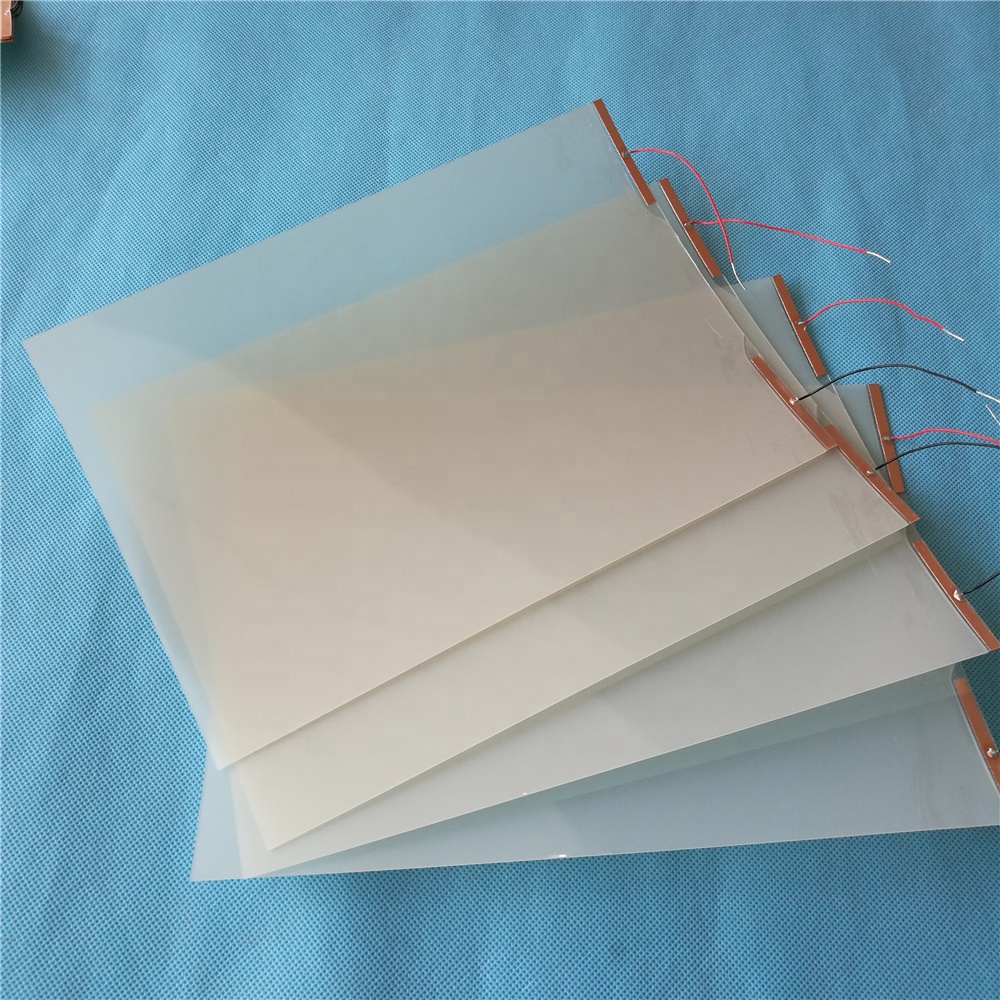
Factory Price Electrochromic Anti-UV PDLC Film Smart Switchable Privacy Glass Office Partition and Curtain Walls
Switchable privacy for villa bathrooms, hotel suites, office partitions and curtain walls. Anti-UV film, custom shapes and edge grinding support design-led Bali interiors.
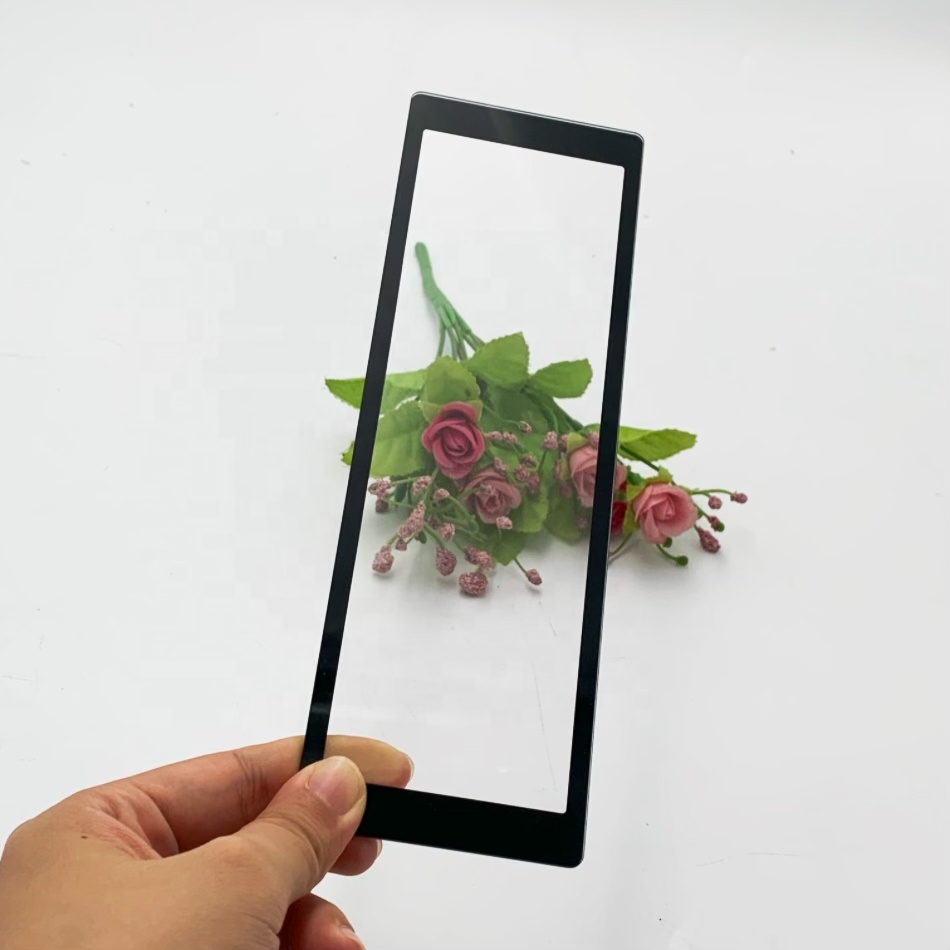
Custom Silk Screen Printed Tempered Glass Panel Touch Screen Display Cover Glass
Printed touch covers for appliances, kiosks, access control and control panels. Multi-color printing, abrasion-resistant inks and custom grinding improve fit and brand consistency.
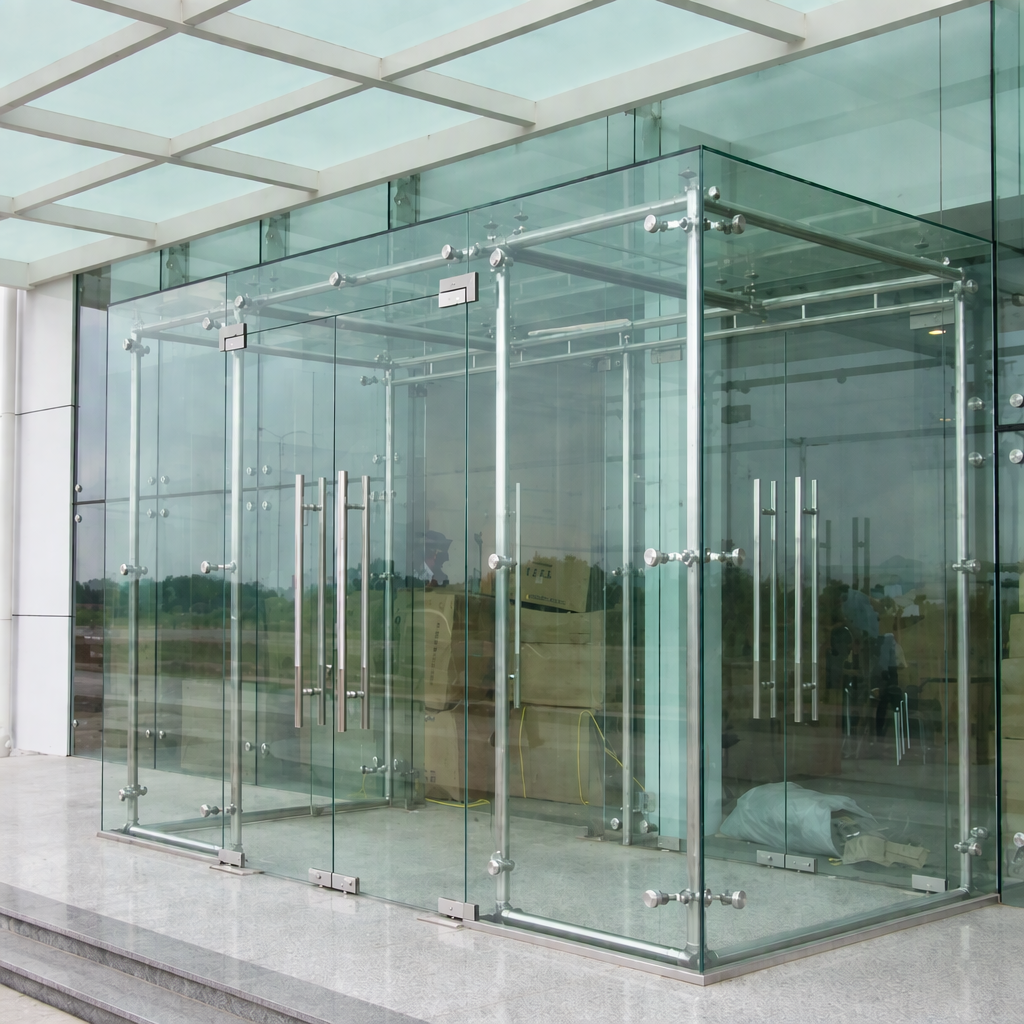
Tempered Glass Solar Window Glass High Transmittance Clear Flat Tempered Glass
High-transmittance tempered glass for solar and daylighting applications where clarity, flatness and dependable edge quality matter in tropical project conditions.
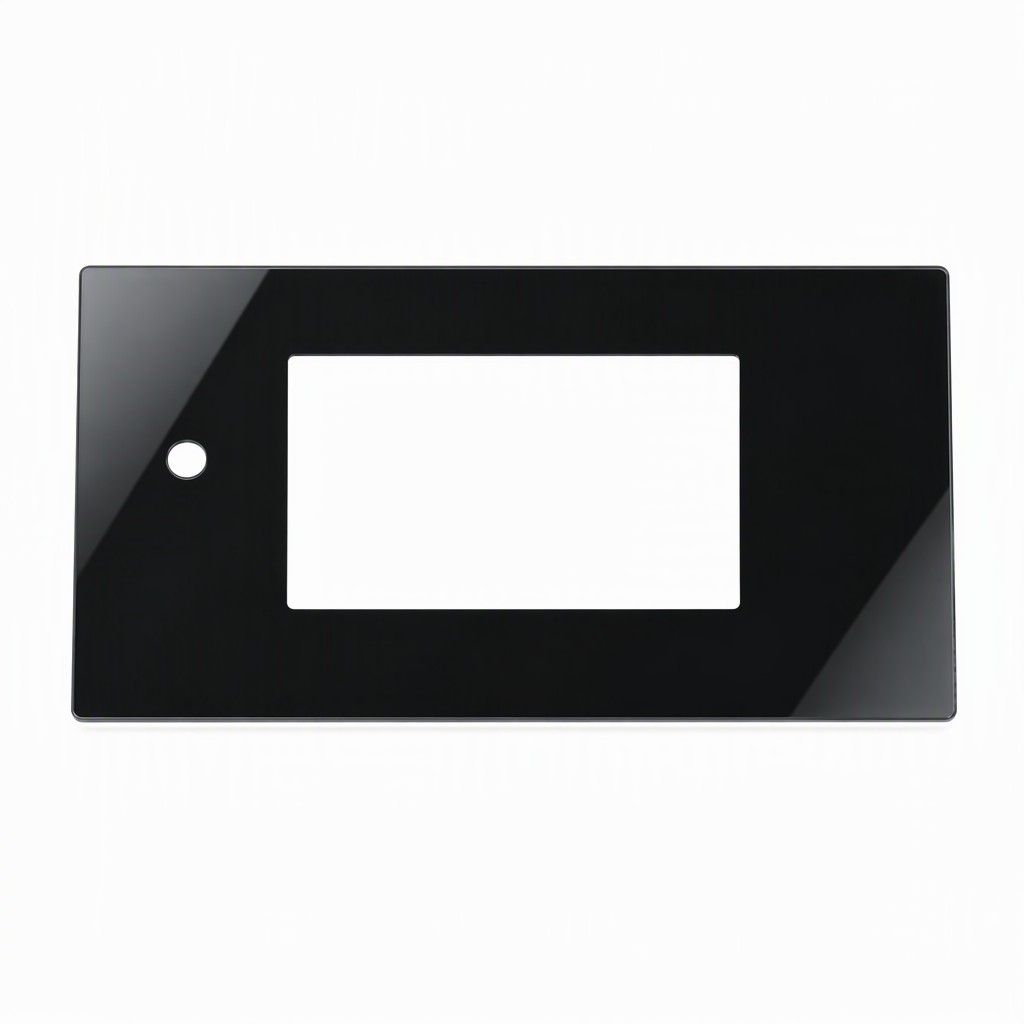
Gorilla Glass Display Protection Cover AR AF Coated LCD Touch Panel Digitizer Front Cover Glass for Industrial Medical Screens
AR and AF coated display covers for medical, industrial and high-touch screens. Improve readability, reduce glare and help maintain a clean interface in bright Bali environments.

Glass Factory Customized High Quality Transparent Display Touch Screen Glass Silk Screen 9H Hardness Industrial Screen Protector
9H hardness industrial touch screen protection with printed borders and custom cut-outs for kiosks, HMIs, retail displays and commercial equipment.
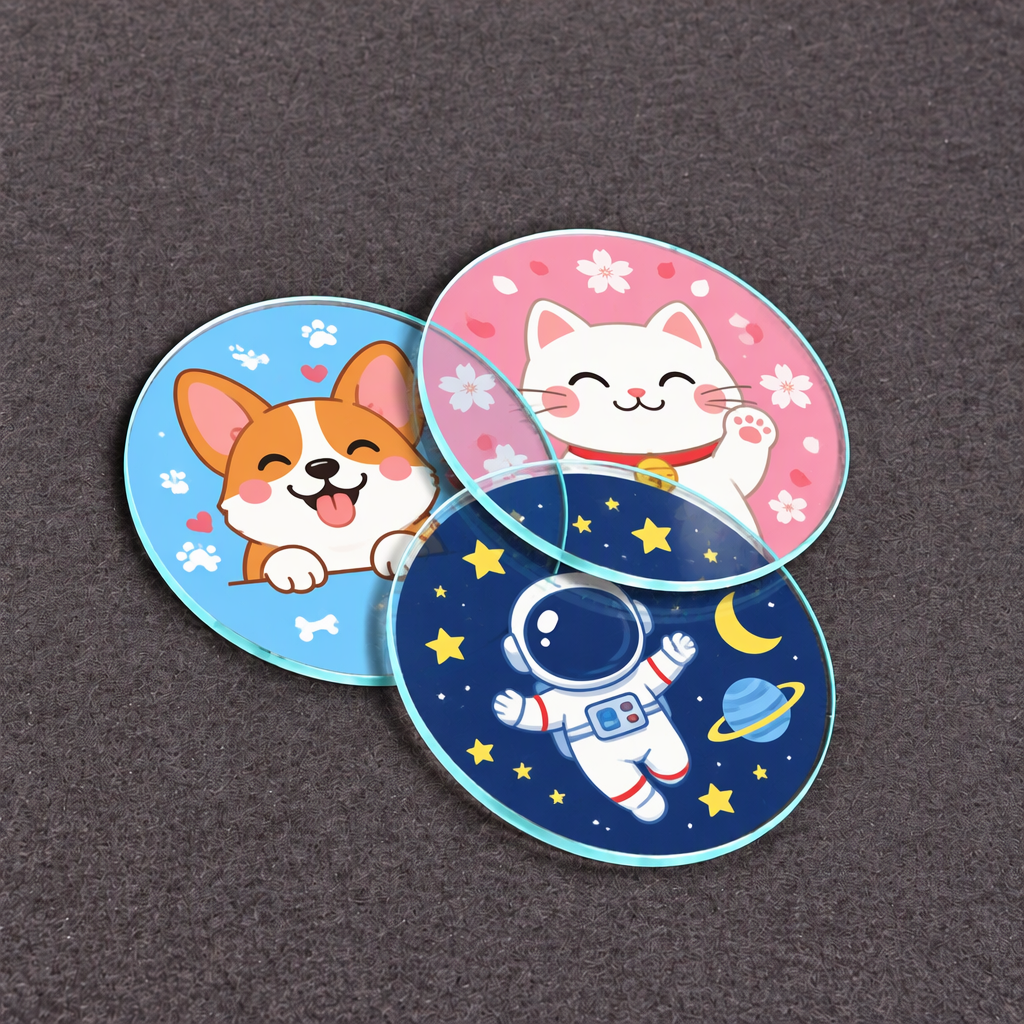
Eco-Friendly Custom Printed Glass Coasters Custom Design Tempered Glass Coaster
Custom printed tempered glass coasters for hotels, villas, cafés and restaurants. Polished edges, brand-matched printing and compact export packing suit HoReCa supply.
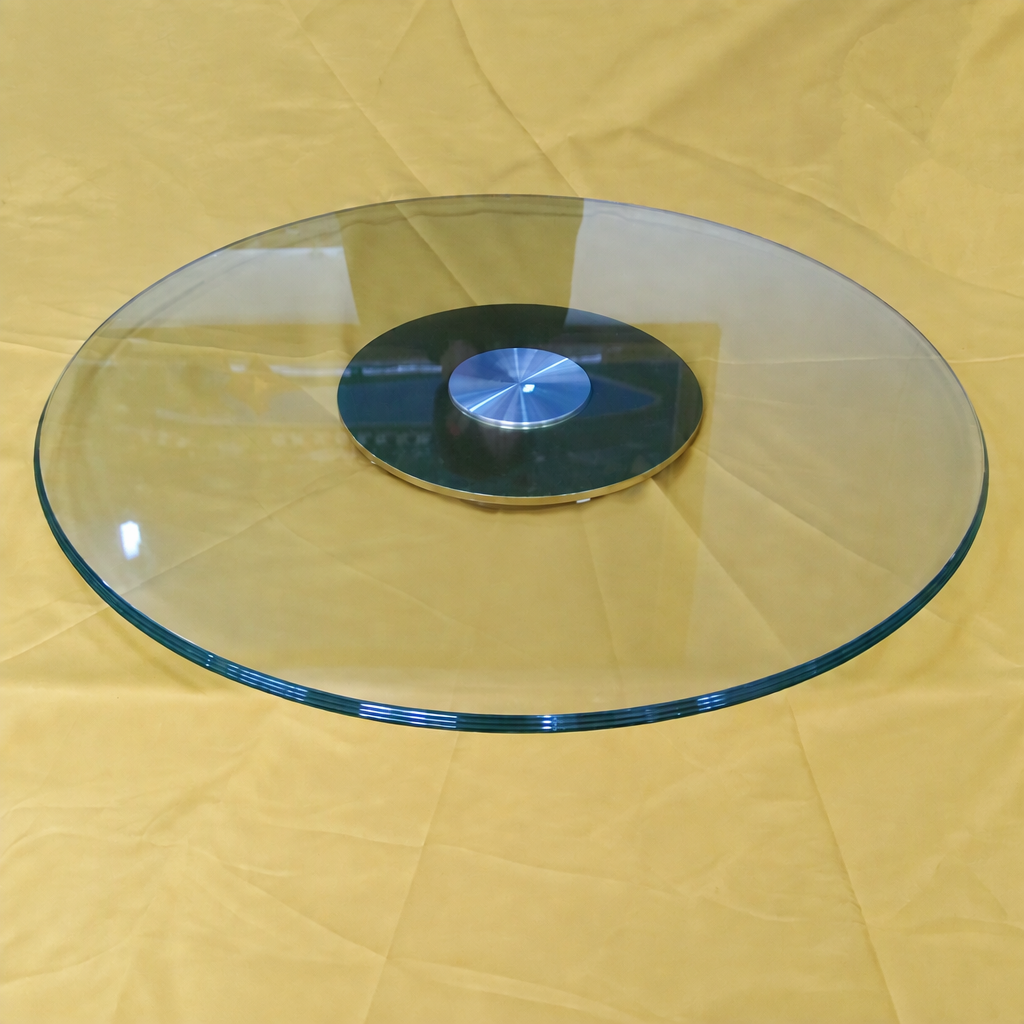
Tempered Glass Lazy Susan 50cm 60cm 70cm 90cm Lazy Susan Turntable Strengthened Glass
Strengthened glass turntables for restaurant and villa dining tables. Multiple diameters, ground edges and easy-clean surfaces support high-turnover hospitality use.
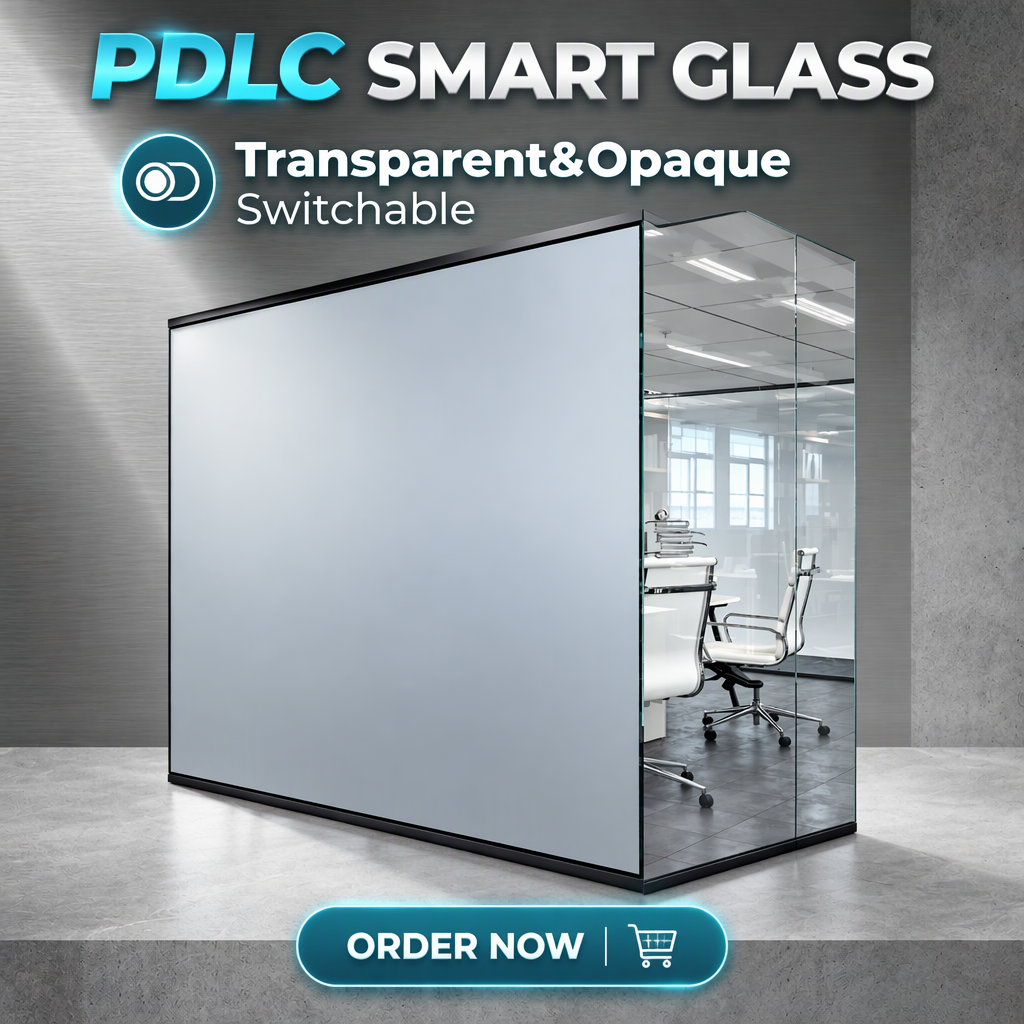
PDLC Smart Film Smart Glass Privacy Film Electrically Transparent Dimmable Glass
Electrically dimmable PDLC film for retrofit privacy on existing glass. Useful for villas, clinics, meeting rooms and bathrooms where instant privacy is required.
What Denpasar Buyers Actually Need from a Custom OEM Glass Grinding Manufacturer
Denpasar is a specification-driven market. A hotel in Sanur, a villa project in Canggu, a retail rollout in Kuta, or a smart-home installer near Renon may all search for “custom glass grinding,” but they are buying different outcomes. One buyer needs a 10 mm tempered shower panel with a flat-polished edge that will not chip during installation. Another needs a thin chemically strengthened cover glass with printed icons and an anti-fingerprint coating for a touch switch. A third needs decorative tempered coasters or a glass Lazy Susan that matches a restaurant’s brand. The common thread is not the sheet size; it is the ability to control edge geometry, print quality, flatness, coating performance, export packing and delivery into Bali.
Search intent in this market usually clusters around four questions: who can grind glass to my drawing, who can print and temper it without re-tooling, who can provide certification and consistent export packing, and who can support a project schedule that involves imported materials and site installation. A supplier that only sells standard sheets will create avoidable work for the contractor. A manufacturer that controls grinding, printing, tempering, coating and inspection in-house can reduce the number of hand-offs and make responsibility clearer when tolerances matter.
Grinding precision and edge quality
Edge polish, corner radius, hole position and chip tolerance should be defined in the drawing. These details influence handling safety, lamination, touch sensitivity and long-term appearance.
Climate-aware specification
Bali’s humidity, salt air and high UV load make edge sealing, coating durability, hardware compatibility and export packing more important than a simple price comparison.
Traceable compliance
Hotel groups, developers and brand owners increasingly ask for ISO 9001, RoHS, CE and third-party inspection evidence before a supplier is approved for a Denpasar project.
Glass Grinding and Edge Finishing: The Detail That Decides Installation Quality
Grinding is often treated as a cosmetic step. In reality it is a functional step. The edge of a glass part is where handling stress, installation pressure and thermal movement concentrate. A poorly ground edge can leave micro-chips that become crack initiation points.
A well-controlled CNC line will produce a consistent profile, remove sharp arrises, maintain hole-to-edge distances and protect the print or coating zones during handling. For Denpasar buyers, the practical question is not only “Can you polish this edge?” but “Can you repeat the same edge, hole and print position across the sample, the pilot order and the mass-production shipment?” That is why drawing review, first-article approval and packaging discipline belong in the same procurement conversation.
| Processing option | What it solves | Typical Denpasar application | Specification checkpoint |
|---|---|---|---|
| Flat polished edge | Clean vertical lines, safe handling and predictable fit in frames or clamps. | Shower screens, office partitions, tempered panels and display windows. | Define polish quality, chip tolerance and edge-to-hole distance. |
| Pencil round edge | Softer touch profile for exposed edges that people may contact. | Villa furniture, restaurant table glass, retail displays and signage. | Confirm radius consistency and corner transition. |
| Beveled edge | Adds visual depth and a premium finish to visible glass edges. | Hotel interiors, mirrors, table tops and decorative glass features. | Specify bevel width, face width and corner treatment. |
| CNC cut-outs and notches | Creates space for sensors, hinges, sockets, card readers and cable routing. | Access control, smart locks, touch panels and appliance covers. | Provide CAD with hole positions, minimum edge distance and tolerance. |
| Safety corner or chamfer | Reduces sharp points and improves handling safety in public areas. | Hotels, clinics, schools, restaurants and high-traffic commercial spaces. | Define corner radius, chamfer size and polishing requirement. |
| Step edge or rebate | Supports flush mounting and controlled overlap with frames or housings. | Appliance panels, control boxes, display covers and door glass. | Confirm step depth, flatness and assembly clearance. |
Product Application Scenarios in Denpasar and Greater Bali
From Sanur and Renon to Canggu, Seminyak and Ubud, glass specifications are shaped by hospitality operations, tropical weather and design expectations.
Villa and resort bathrooms
Shower screens, partition panels and privacy glass need edges that are safe to handle and easy to clean. PDLC switchable film can provide instant privacy without curtains, while tempered glass with polished edges suits wet-area partitions.
Hotel F&B and restaurant tables
Tempered glass Lazy Susans, printed coasters, table-top covers and menu display glass combine durability with brand presentation. Custom printing allows a restaurant in Seminyak or Sanur to carry its identity into small-format glass items.
Smart homes, resorts and automation
Touch switch covers, smart lock panels, control glass and PDLC film are part of the growing automation layer in Bali villas and boutique hotels. Print alignment, coating compatibility and flatness matter because these parts sit in visible, high-touch locations.
Retail, showroom and F&B branding
Printed cover glass, AR/AF display glass and 9H industrial screen protectors help protect displays while keeping logos and interfaces legible. A showroom or café can use custom-printed glass for a consistent look across signage, display and tabletop items.
Office, co-working and commercial partitions
Switchable PDLC glass and tempered partition panels allow open-plan spaces to change from transparent to private. For meeting rooms, specify the control method, power supply location and edge finishing before the partition is fabricated.
Solar, daylighting and energy upgrades
High-transmittance solar tempered glass can support daylighting and solar-related applications where clarity, flatness and edge quality are important. In Bali’s intense sun, the interaction between glass, coating and shading should be reviewed as a system.
Development Trends Shaping Custom Glass Demand in Denpasar
Bali’s project market is moving toward higher customization, smarter building systems and stronger supplier verification.
Design-led renovation and small-batch customization
Denpasar’s hospitality and villa market rewards differentiation. Buyers increasingly request custom sizes, printed logos, edge profiles and mixed material palettes, which favors manufacturers that can handle low-to-mid volume customization.
Privacy-on-demand and smart glass
PDLC switchable glass and film are moving from novelty to practical specification in villas, clinics, offices and hotel bathrooms. The buying conversation is shifting from “does it work?” to “how is it controlled, maintained and integrated?”
Heat, humidity and salt-air performance
Bali’s climate puts a premium on edge quality, coating durability, packing and material compatibility. Buyers are asking more specific questions about UV exposure, cleaning chemicals, condensation and corrosion-resistant hardware.
Compliance and procurement professionalization
International hotel groups, developers and brand owners increasingly require ISO 9001, RoHS, CE and third-party inspection evidence before approving a supplier. Procurement teams are also consolidating orders to reduce freight complexity and site delays.
Why Qingdao Maupe Glass Fits Denpasar Custom Glass Projects
Qingdao Maupe Glass Co., Ltd. was founded in 2012 in Qingdao, Shandong, and operates as a glass deep-processing manufacturer and international supplier. The company runs an ISO 9001 quality management system, holds RoHS and CE certificates, and has been onsite-assessed by SGS Group.
The factory covers approximately 3,000–5,000 m² with 8 production lines, and export sales account for 91–100% of output. More than 80 countries are served across the Americas, Europe, Oceania, the Middle East, Africa and Asia. For Denpasar buyers, the practical advantage is a single production chain for cutting, CNC shaping, edge grinding, drilling, engraving, silk screen printing, tempering, chemical strengthening and AR/AG/AF coating.
Full-process control
Cutting, grinding, drilling, printing, tempering, chemical strengthening and coating are coordinated in-house, reducing hand-offs and making tolerance and color consistency traceable from raw sheet to packed carton.
Certifications and third-party checks
ISO 9001 certificate No. 24025Q20015R1S, RoHS certificate No. 25TYT12395 and CE certificate No. 23TYT082593S support compliance reviews. SGS onsite assessment and procurement-contract verification add further supplier evidence.
OEM/ODM and brand supply experience
With more than a decade of OEM experience and verified supply experience for Fortune 500 buyers, the factory is structured for drawing-based production, sample approval and repeat orders rather than one-off stock sales.
Export packing and logistics
Located close to Qingdao seaport and airport, the supplier supports FOB, CIF, EXW, FAS, FCA, CPT, DDP, DDU and express delivery. Protective export packing is planned around glass size, edge exposure and mixed-item cartons.
Low MOQ and sampling
Most custom printed panels start from 10 to 100 pieces depending on size, thickness and print colors. Large display cover glass can start from 10 pieces, and samples are available for fit, color and touch verification before mass production.
Engineering communication
Send a 2D drawing, print artwork, coating requirement, destination and target schedule. The team can review manufacturability, suggest the strengthening method and quote trade terms for Denpasar-bound shipments.



Reduce Project Risk Before the Glass Leaves Qingdao
Quality evidence should be specific enough for a procurement team to check. Ask for certificate numbers, scope, validity, and the test standard behind a claim. Maupe Glass lists ISO 9001 certificate No. 24025Q20015R1S, RoHS certificate No. 25TYT12395 and CE certificate No. 23TYT082593S in its company information.
For a Denpasar project, combine document review with sample approval: check edge chips under light, print adhesion with a cross-hatch or tape test where applicable, color against the approved master, flatness on a surface plate, hole positions against the drawing, and packing performance after a trial carton drop. These checks are not paperwork for its own sake; they are how a buyer reduces site rework in Bali, where replacing a single custom panel can cost more than the panel itself.
Questions Local Buyers Ask Before Ordering Custom Glass
Clear answers help architects, contractors and procurement teams compare suppliers on the same technical and commercial basis.
What is the minimum order quantity for custom OEM glass grinding in Denpasar?
Most custom silk-screen printed panels start from 10 to 100 pieces depending on size, thickness and number of print colors. Large-size display cover glass can start from 10 pieces. Samples are available for fit, print and touch verification before mass production. For mixed projects, the MOQ is confirmed after the drawing and coating requirements are reviewed.
Can you ship custom glass to Denpasar and Bali?
Yes. Export shipments leave from Qingdao seaport or airport. Denpasar-bound cargo typically routes through Benoa Port or Ngurah Rai International Airport, depending on size, value and urgency. Accepted delivery terms include FOB, CIF, EXW, FAS, FCA, CPT, DDP, DDU and express delivery. The final route, packing method and unloading plan should be confirmed with your freight forwarder and site contractor.
Should I choose physical tempered glass or chemically strengthened glass?
Physical thermal tempering suits glass typically 2 mm and thicker, such as appliance doors, switch panels and display windows, and it breaks into small blunt fragments. Chemical strengthening suits thin glass from 0.5 mm to 2 mm, touch covers and parts that need excellent flatness and optical quality. The right choice depends on thickness, edge design, impact risk, coating, print and the installation method.
What files do I need to send for an accurate quote?
Send a 2D drawing in DWG, DXF or PDF with dimensions, thickness, edge finish, hole positions, cut-outs and tolerance. Add print artwork in AI or PDF with color references, state whether AR, AG or AF coating is required, describe the application and annual volume, and confirm the destination in Denpasar or elsewhere in Bali.
Can you match our brand color and printed logo?
Yes. Silk-screen printing can use high- and low-temperature eco-friendly inks with multi-color layouts, logos, icons and touch zones. Provide Pantone, RAL or approved physical color references, and approve a sample before mass production. Color appearance can change with glass thickness, backing color, lighting and coating, so approval should be made on the final glass construction.
How should glass be specified for Bali’s humidity, salt air and UV exposure?
Start with the installation environment: bathroom, beachfront villa, air-conditioned lobby, outdoor terrace or industrial area. Specify the edge finish, coating, cleaning chemical restrictions, hardware compatibility and packing protection. For coastal sites, confirm that sealants, metal fittings and maintenance procedures are compatible with the glass surface. Actual performance depends on installation quality, hardware, cleaning and maintenance, so the specification should be reviewed as a system.
Which trade and payment terms are accepted?
Accepted delivery terms include FOB, CIF, EXW, FAS, FCA, CPT, DDP, DDU and express delivery. Accepted payments include T/T, L/C, PayPal, Western Union and cash, in USD, EUR or CNY. The factory is close to Qingdao seaport and airport, which supports export coordination for Indonesian buyers.
How do we start a sample and production schedule?
Send the drawing, artwork, target quantity, destination and required installation date. The engineering team reviews manufacturability, confirms the strengthening method and prepares a sample for approval. Mass production begins after sample approval. Lead time is confirmed project by project because multi-color printing, special coatings, large formats and mixed cartons can change the production plan.
Send Your Drawing for a Denpasar Project Review
Share a complete brief so the factory can respond with the right grinding method, tempering option, print review and export packing plan. A clear first message usually shortens the sample cycle and reduces avoidable revisions.
- Application and site location in Denpasar or greater Bali
- 2D drawing with dimensions, tolerance, holes and edge grinding requirement
- Glass type, thickness, color, coating and strengthening preference
- Print artwork, color references and logo files
- Target quantity, annual volume, delivery port or airport and required certification
Talk to the Glass Team
Discuss custom OEM glass grinding, tempered glass, printed panels, PDLC smart glass or AR/AF/AG display covers for the Denpasar market.
info@maupeglass.com