Eight OEM Glass Products for Oleophobic Coating Evaluation
San Antonio buyers usually begin with a functional substrate: tempered float glass, anti-glare screen glass, printed control panels, or decorative beveled glass. Each product below can be evaluated with an oleophobic topcoat, AR/AG/AF treatment, CNC holes, screen-printed graphics, and export-grade packaging. Use this grid as a specification shortlist for your next touchscreen, appliance, kiosk, or architectural display program.
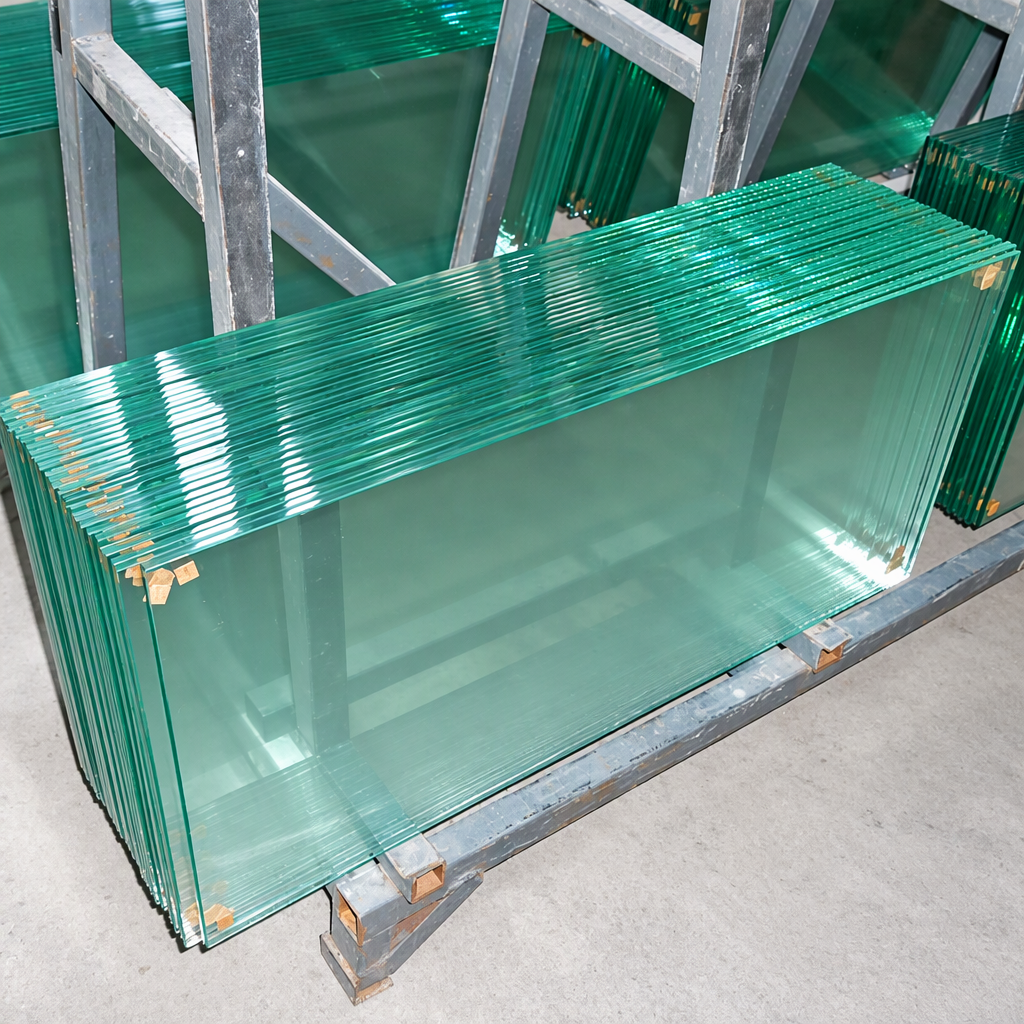
Customized Thickness and Size Clear Tempered Float Glass Panels
A versatile base glass for touch cover plates, industrial windows, display protection, and appliance panels where an easy-clean oleophobic surface is required.
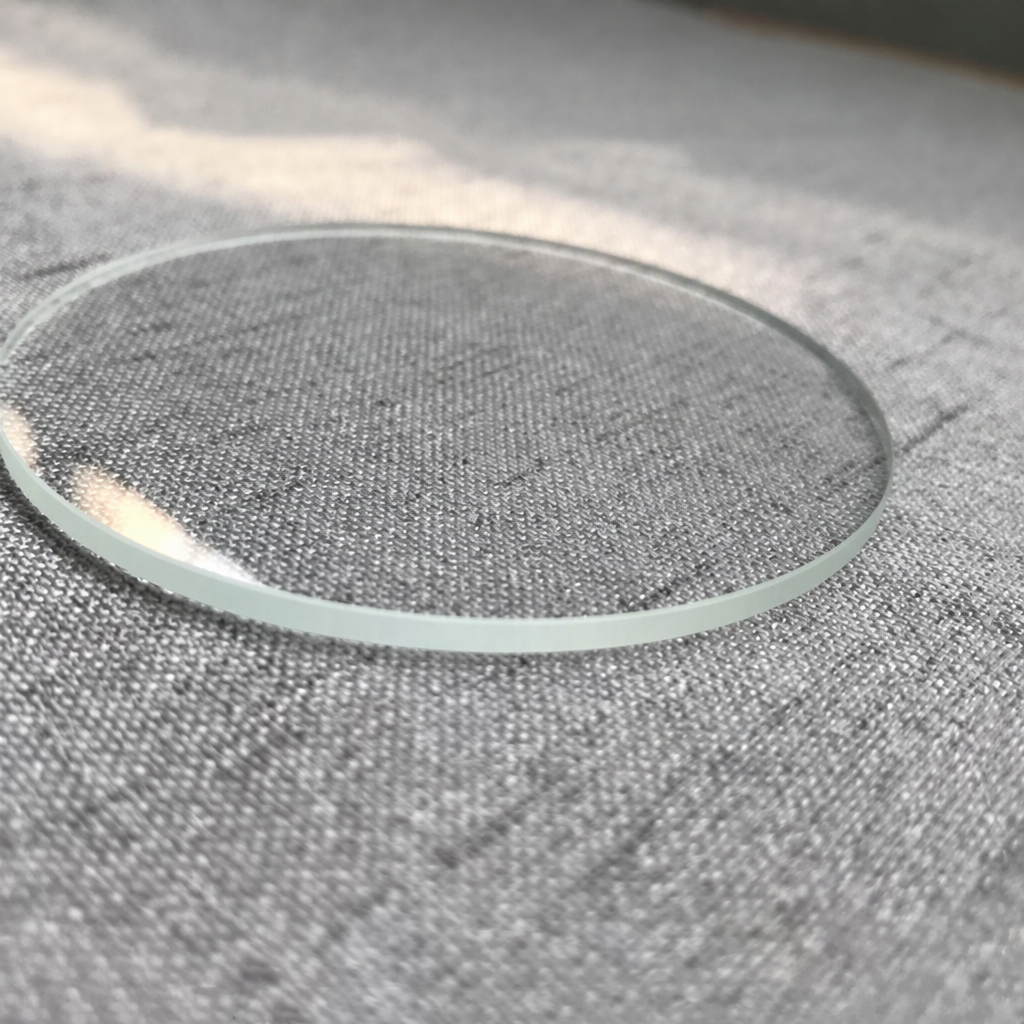
Pressure-resistant Glass Tempered Viewing Mirror Custom Size Clear Glass Panel for Industrial Workshop
Designed for industrial viewing windows and equipment guards; oleophobic treatment helps maintain visual clarity in oily workshop environments.
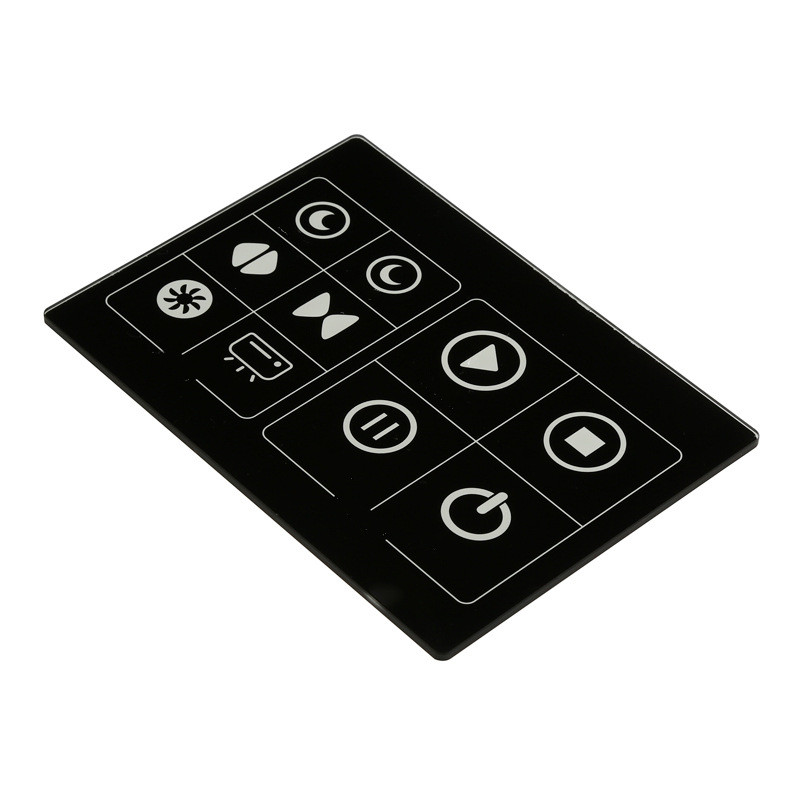
High Temperature Resistant Customized Black Printing Tempered Glass Cooktop Microwave Oven Door Glass for Kitchen
Heat-resistant printed glass for kitchen appliances. Oleophobic coating can reduce cooking-oil smears on visible control zones and door glass.
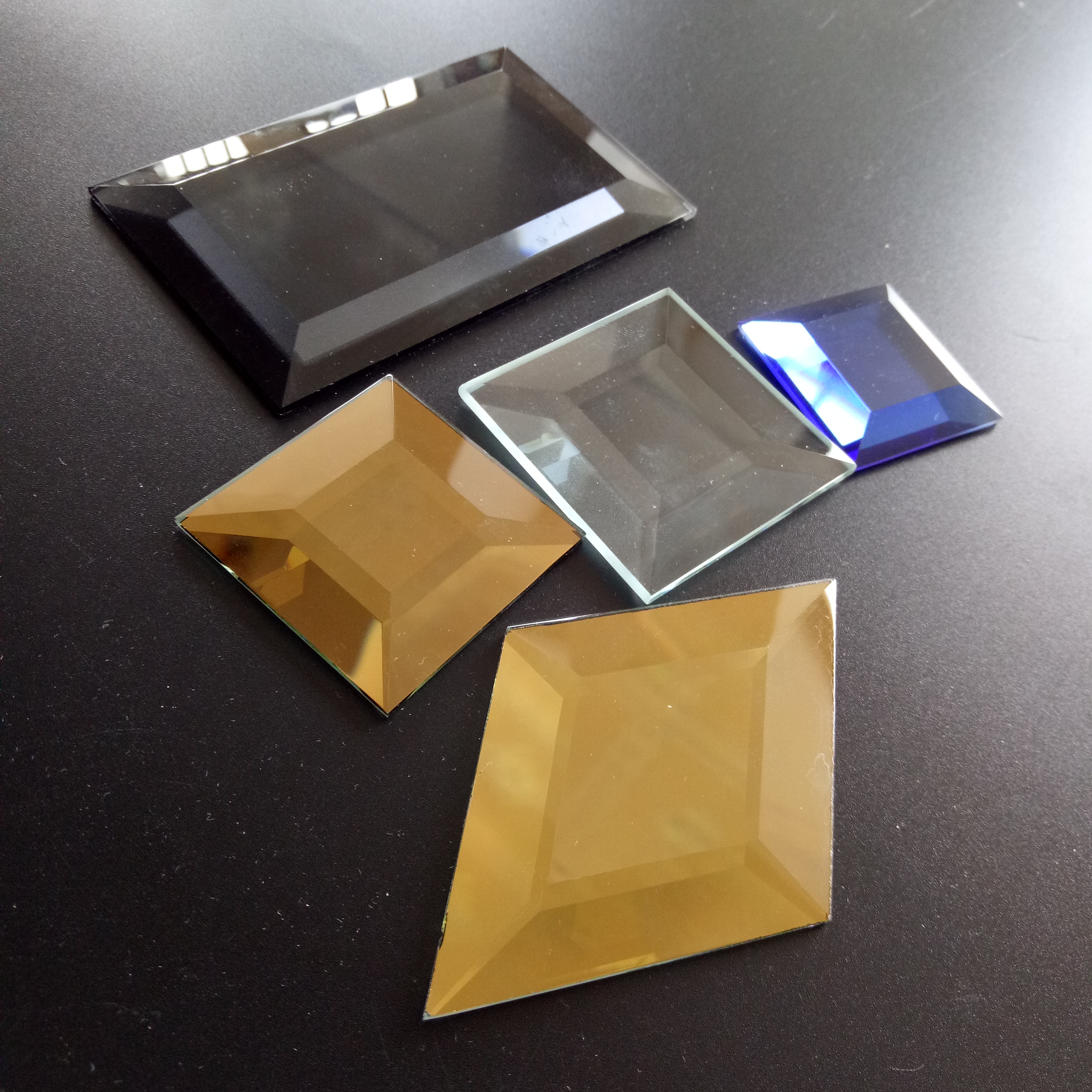
Blue Gold Faceted Beveled Glass for Wall Decoration Clear Beveled Glass Pieces
Decorative faceted glass for hospitality interiors and feature walls; an optional easy-clean coating supports high-touch hotel and restaurant environments.

High Quality Industrial Screen Front Cover Glass Frosted Anti-glare Glass for Screen Protector
AG-treated cover glass for bright factory floors and control rooms. Combine anti-glare diffusion with oleophobic cleanability for operator HMIs.
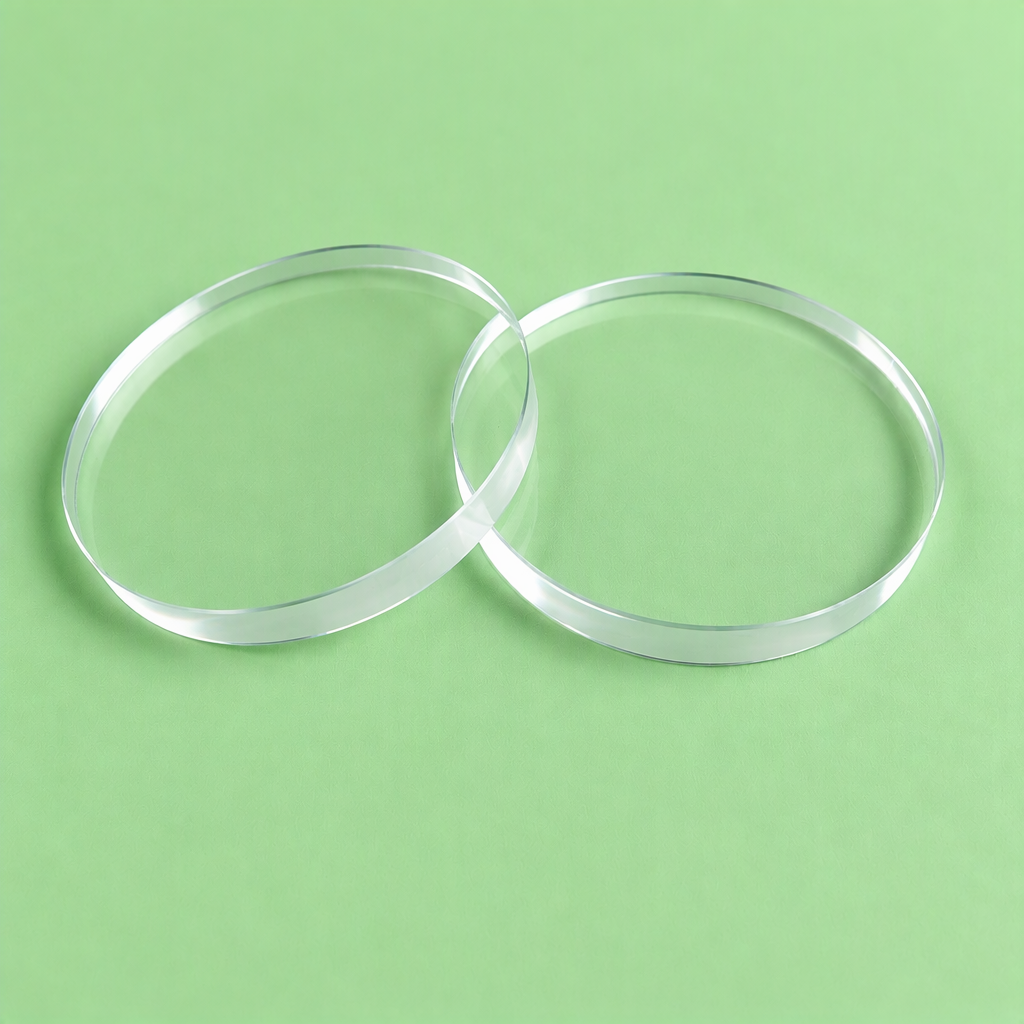
High Strengthen Glass Tempered Glass Custom Size Tempered Clear Glass Panel for Industrial
Strong tempered glass for equipment enclosures, inspection systems, and control panels where optical clarity and cleanability are both required.
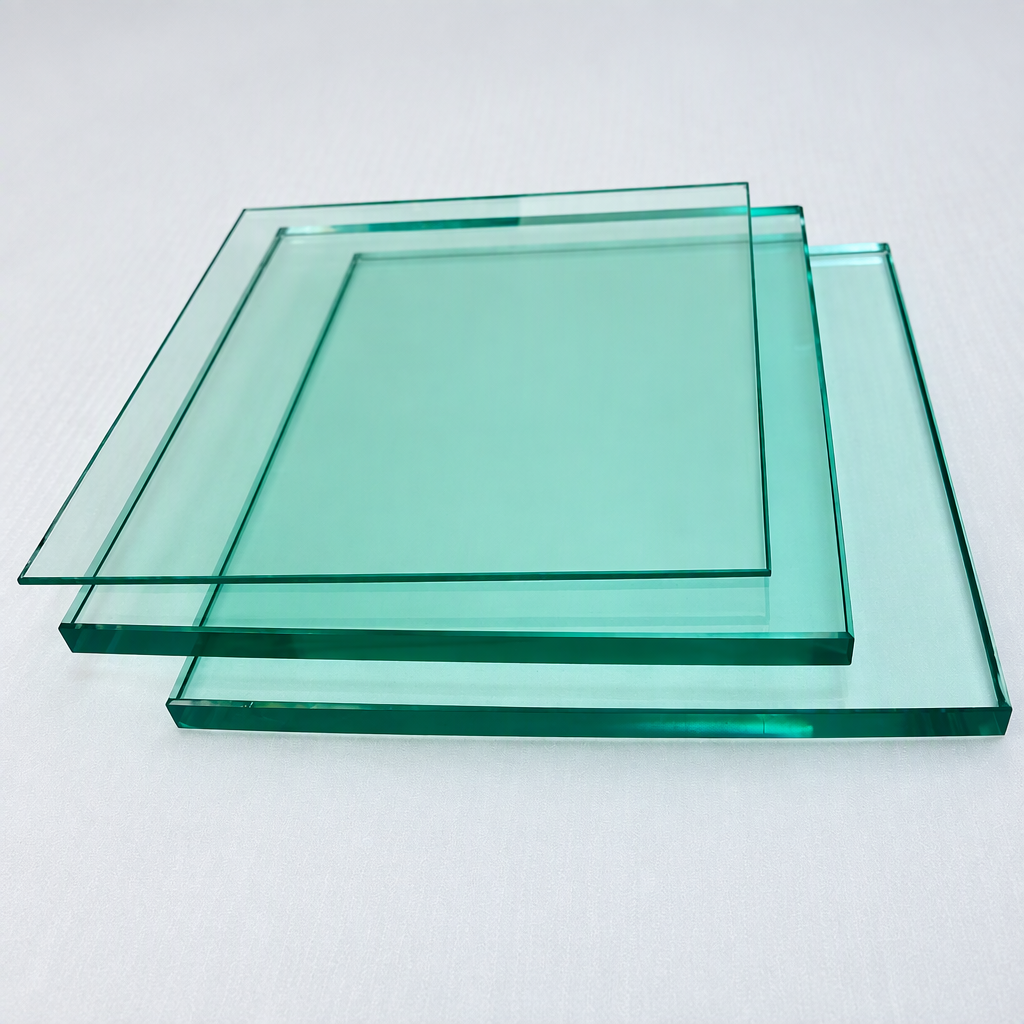
Tempered Glass Panel Safety Glass Flat Structural Tempered Glass
Safety glass for partitions, display windows, and structural covers. Oleophobic treatment is useful on touch-adjacent panels and public-facing glass.
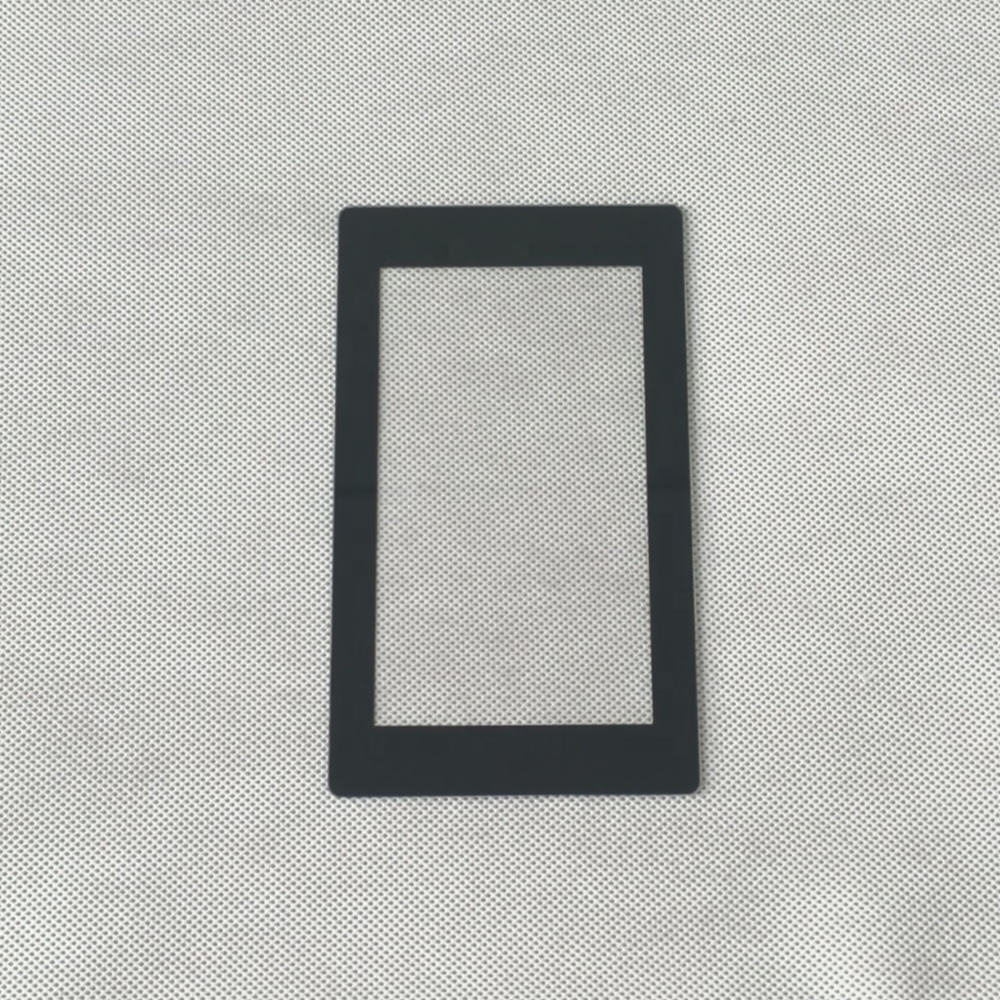
Silk Screen Printed Tempered Glass Panel Self Adhesive Display Cover Glass Flat Electronic Product Glass Screen Protector
Printed cover glass with self-adhesive options for electronics, smart devices, POS terminals, and touch interfaces requiring a low-smudge surface.
Need an oleophobic finish on a custom drawing, printed control panel, or AR/AG display cover?
Send an InquiryOleophobic Glass in Plain Terms — and Why San Antonio Buyers Are Specifying It
Oleophobic glass is not simply “glass with a coating.” It is a system of substrate, surface preparation, printed graphics, strengthening method, and topcoat durability that must be specified together.
Oleophobic glass is glass with a low-surface-energy topcoat designed to repel oils and reduce the visual impact of fingerprints, lotions, food residue, and cleaning streaks. The coating is often described as anti-smudge, anti-fingerprint, or easy-clean, but its real value is that it changes the maintenance burden of a high-touch surface. It is not a substitute for anti-glare (AG), anti-reflective (AR), or anti-fingerprint (AF) coatings. AG controls glare, AR improves transmission, AF repels moisture and contaminants, and oleophobic treatment primarily targets oils and fingerprint visibility. A properly designed stack can combine these functions.
San Antonio’s operating environment makes the difference visible. Intense sun, dust, pollen, and frequent commercial cleaning stress public and industrial touch surfaces. A clinical reception display near the South Texas Medical Center, an access-control panel serving a defense-adjacent facility, a hotel check-in kiosk near the River Walk, or an HMI on a production floor all share the same issue: users see the glass before they see the software. A smeared surface makes the entire system feel less precise. A well-specified oleophobic surface helps the display look cleaner between cleaning cycles and reduces the effort required to restore optical clarity.
Procurement is also changing. Buyers are moving from decorative glass to performance glass. They ask for contact-angle targets, abrasion methods, haze and transmission budgets, adhesion checks after chemical wiping, and a clear definition of which layer is responsible if a failure appears. That is good procurement discipline. We recommend documenting these requirements before the first sample, not after mass production. It is also why this guide focuses on testable specifications, process control, and application fit rather than generic claims.
Optical clarity budget
Define visible transmission and haze limits before sampling. The easy-clean layer should support the display image, not dull it.
Touch-first cleanliness
For kiosks, medical displays, and command consoles, cleaning frequency and surface friction matter as much as appearance.
Supply chain traceability
Record coating runs, ink batches, tempering cycles, and inspection results so a San Antonio quality team can audit the finished part.
San Antonio Application Scenarios for Oleophobic Coated Glass
San Antonio is not a single market. Healthcare, defense-adjacent technology, hospitality, education, advanced manufacturing, and commercial real estate create different touch and display requirements.
Healthcare and clinical touch displays
Hospitals, clinics, labs, and administrative facilities around the South Texas Medical Center rely on touchscreens, nurse-station monitors, diagnostic displays, and check-in kiosks. Oleophobic cover glass can reduce fingerprint visibility and make compatible cleaning routines more efficient. For clinical environments, specify the cleaning agents that will be used and validate coating compatibility before approving the part.
Defense, cybersecurity, and command environments
San Antonio’s defense and cybersecurity ecosystem uses control-room displays, access-control panels, rugged HMIs, and secure collaboration screens. Low-glare AG glass combined with an oleophobic surface can improve readability from multiple viewing positions while reducing smudges from frequent operator interaction. For these projects, document abrasion resistance and chemical-wipe durability.
Hospitality, tourism, and convention kiosks
Hotels, restaurants, attractions, and convention spaces need self-service check-in, wayfinding, ticketing, and digital menu boards that look presentable at all hours. Oleophobic glass helps reduce visible fingerprints on bright display glass. In tourist-heavy areas such as the River Walk, easy-clean performance directly supports the guest-facing brand experience.
Advanced manufacturing and automotive HMI
San Antonio’s manufacturing base, including automotive and supplier networks, uses touch HMIs, inspection screens, and equipment control panels. Oily mists, dust, and repeated gloved-touch operation make cleanability important. Specify tempered or chemically strengthened glass with an oleophobic topcoat and confirm compatibility with coolant, lubricant, and cleaning exposures.
Education and campus wayfinding
Universities, colleges, and K–12 campuses deploy interactive panels, digital directories, and lab equipment displays. Anti-glare treatment plus an oleophobic surface can improve readability in sunlit lobbies and reduce the maintenance cycle for shared touchscreens. Include edge quality and mounting tolerances in the drawing review.
Commercial real estate, elevators, and access control
Smart buildings use glass elevator panels, access-control readers, intercom covers, and lobby displays. Printed borders can hide sensors while the clear window remains readable. An oleophobic surface helps public-facing controls stay cleaner and easier to wipe, especially where the same buttons are touched hundreds of times per day.
Localized Development Trends Reshaping Glass Specifications
The San Antonio buyer’s checklist is becoming more technical. Requests are moving from “Can you print glass?” to “Can you document optical performance, surface durability, and process repeatability?”
Hygiene performance is now measurable
High-touch surfaces are evaluated not only by appearance but by cleaning effort. Buyers want coatings that survive compatible disinfectants, reduce smearing, and maintain clarity after repeated wiping. This trend is strongest in healthcare, hospitality, education, and public-sector facilities.
Sunlight and glare control move earlier
San Antonio’s bright conditions make AG and AR requirements part of the initial design, not a late-stage fix. When oleophobic coating is added to an AG or AR stack, the supplier must control haze, color shift, and coating adhesion together.
Thin glass with integrated print
Device makers want thinner front assemblies with integrated logos, touch zones, privacy windows, and sensor openings. Chemical strengthening is often used for 0.5–2 mm cover glass, while physical tempering remains common for thicker appliance and industrial panels.
Resilient sourcing and inventory planning
Texas buyers increasingly plan multi-year programs with qualified second-source options and buffer inventory. A factory that controls cutting, printing, tempering, and coating in one process chain can shorten corrective loops and provide more predictable resupply.
A Whitepaper-Style Procurement Framework for Oleophobic Glass
Do not buy an oleophobic surface on contact angle alone. A credible specification includes substrate, coating stack, abrasion method, optical limits, print durability, packaging, and acceptance sampling.
1. Define the real exposure
State whether the part will face finger oils, food grease, sunscreen, industrial lubricants, medical wipes, or outdoor dust. The cleaning chemical list is part of the requirement.
2. Specify the full stack
Clarify substrate thickness, tempering method, print layers, AR/AG/AF treatment, oleophobic topcoat, edge finish, and adhesive or mounting method.
3. Agree on verification
Use incoming inspection criteria that both sides understand: water contact angle, marker wipe test, steel-wool abrasion, tape adhesion, haze, transmission, and visual limits.
4. Protect the finished part
Glass can pass production and fail in transit. Specify interleaving, edge protection, moisture control, carton strength, and labeling for San Antonio receiving.
| Requirement | What to specify | Why it matters for San Antonio |
|---|---|---|
| Substrate | Glass type, thickness, color, tempering or chemical strengthening, edge finish, holes, tolerance. | Affects strength, flatness, installation fit, and whether the part suits high-touch kiosks or heat-exposed appliances. |
| Coating stack | Oleophobic topcoat alone, or combined with AR, AG, AF, and anti-glare diffusion. | Sunlit lobbies, hospital corridors, and factory floors need different optical trade-offs. |
| Ink type, color references, layer order, hiding windows, touch icons, and adhesion test. | Printed borders and icons must remain crisp after tempering, coating, and cleaning. | |
| Cleanability | Contact angle target, fingerprint visibility criteria, cleaning-agent compatibility, abrasion cycles. | Defines how the glass performs between cleaning cycles in busy public and clinical spaces. |
| Optics | Transmission, haze, color shift, gloss level, and visual acceptance under defined lighting. | Prevents a visually “clean” sample from failing in a bright display or camera window. |
| Packaging | Surface protection film, interleaves, corner guards, moisture barrier, carton drop standard. | Export routes to Texas involve multiple handling points; packaging is part of quality. |
A practical verification protocol
For a high-touch San Antonio project, request a coating verification protocol with the sample. A useful protocol can include: initial water contact angle; fingerprint visibility under controlled lighting; marker or oil wipe test; steel-wool or eraser abrasion at an agreed load; chemical wipe with the actual cleaning agent; tape adhesion; haze and transmission before and after abrasion; and a final visual inspection against a photo limit sample. The exact numbers should be agreed between buyer and supplier because different applications justify different limits.
This approach creates information gain for both sides. The buyer receives evidence that can be compared across quotations, and the factory receives a clear acceptance target. It also reduces the risk of approving a sample that looks excellent on day one but loses its easy-clean feel after a few weeks of commercial cleaning.
Illustrative evaluation priorities
The weighting below is an example for a public-facing touch display program, not a universal formula. Adjust it to the application: medical displays may prioritize cleanability, while outdoor kiosks may prioritize glare control and weather resistance.
What Qingdao Maupe Glass Co., Ltd. Brings to San Antonio Projects
Qingdao Maupe Glass Co., Ltd. is an ISO 9001 glass deep-processing manufacturer founded in 2012 in Qingdao, Shandong. The company serves OEM buyers in more than 80 countries and operates an export-focused production model with cutting, edge polishing, drilling, engraving, silk screen printing, physical tempering, chemical strengthening, and AR/AG/AF coating capabilities.
Complete glass process chain
Cutting, CNC shaping, edging, drilling, printing, tempering, strengthening, and coating under one roof shorten corrective loops and make process responsibility clearer.
Print and coating integration
Silk screen printing with eco-friendly high- and low-temperature inks can be coordinated with surface treatment so icons, windows, and touch zones remain readable.
ISO 9001 quality management
The factory operates an ISO 9001 quality management system with incoming material inspection and finished-product inspection procedures.
Export experience
With 91–100% of output exported and service to 80+ countries, the team understands export packaging, documentation, and the communication rhythm of international OEM programs.
OEM / ODM flexibility
Custom sizes, shapes, holes, edges, printed graphics, and coating stacks are supported. Samples can be produced for fit, color, and touch evaluation before mass production.
Procurement credibility
The company has been onsite-assessed by SGS Group as a third-party inspection company and has supplied buyers with Fortune 500-level procurement requirements. Certificate details can be shared for compliance review.



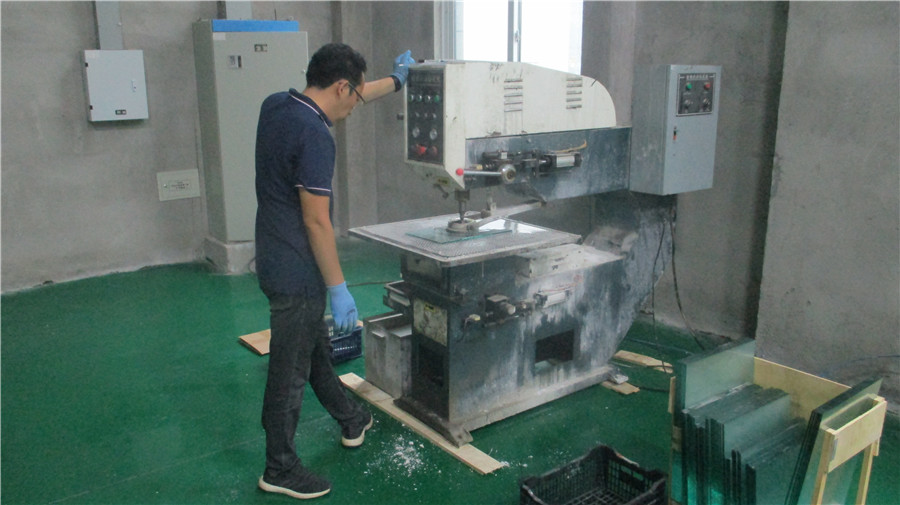
From Drawing to San Antonio Delivery: Five Controlled Steps
A transparent workflow helps purchasing, engineering, quality, and logistics teams understand exactly where decisions are made and where evidence is recorded.
Drawing review
Engineers check dimensions, thickness, edge work, holes, print artwork, strengthening method, and coating compatibility before quoting.
Sampling
Samples are produced for fit, color, print alignment, touch-window clarity, and oleophobic surface evaluation.
Production
Cutting, CNC processing, printing, tempering or strengthening, and coating are controlled as a linked process chain.
Inspection
Incoming material and finished-product inspection are performed before packing, with visual and dimensional checks.
Export delivery
Protective packaging is prepared for Qingdao seaport or airport, with FOB, CIF, EXW, FCA, DDP, DDU, and express options discussed per project.
For San Antonio buyers, the most important checkpoint is usually the transition from sample to production. Ask for the sample’s coating stack, cleaning instructions, optical target, and packaging method to be carried into the production record. When the part is destined for a hospital, hotel, campus, factory, or commercial building, that record becomes part of the buyer’s supplier qualification file.
San Antonio Procurement FAQ
These are the questions most often raised by distributors, integrators, facility teams, and OEM buyers evaluating custom oleophobic glass from an overseas factory.
Do you ship custom oleophobic glass to San Antonio and across Texas?
What is the minimum order quantity for custom oleophobic glass?
Can oleophobic coating be combined with AR, AG, or AF treatment?
How should our team specify oleophobic coating durability?
What files should San Antonio buyers send for a quotation?
What lead time should we plan for a custom project?
What trade and payment terms are available?
Can you support printed logos, custom shapes, and privacy windows?
Do you provide samples before mass production?
How do we begin an OEM oleophobic glass project?
Send Your Drawing for a San Antonio Oleophobic Glass Quote
Share dimensions, thickness, coating stack, print artwork, annual volume, and target installation date. Our engineers can review manufacturability and recommend a practical oleophobic, AR, AG, or AF configuration for your touchscreen, appliance, kiosk, or industrial display program.
Serving San Antonio distributors, integrators, facility teams, and OEM buyers with factory-direct communication and export-ready production.