Eight Production-Ready Glass Families for U.S. Buyers
Below are eight product families from our current catalogue. They show the manufacturing platform behind our custom water gauge glass offer: precision cutting, edge polishing, drilling, silk-screen printing, physical tempering, chemical strengthening and AR / AG / AF coating. Product URLs are preserved from the original catalogue so U.S. purchasing teams can open the exact specification pages directly.
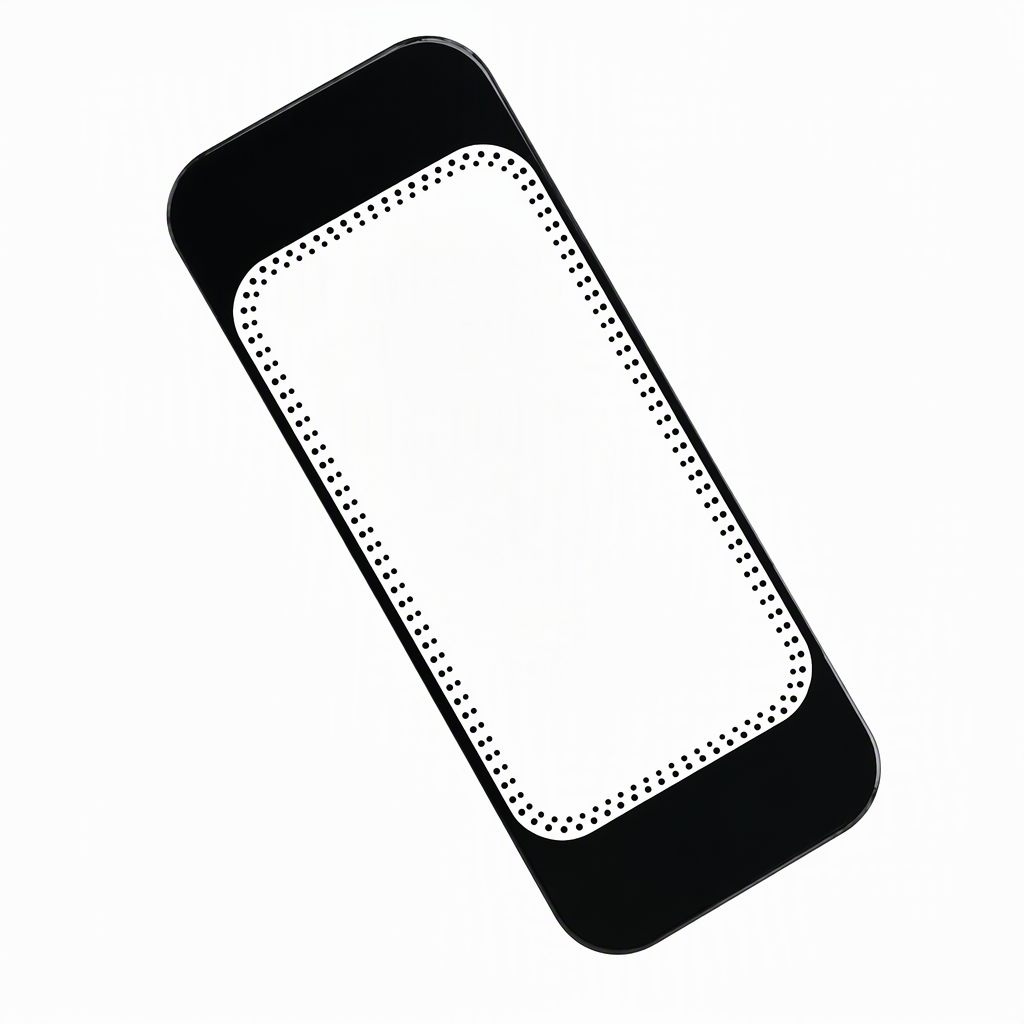
Custom Logo Silk Screen Printing Tempered Glass Panel Tempered Display Glass Screen Protector
Brand-matched printed tempered glass for control windows, display bezels and equipment covers. Suitable for U.S. OEMs that require scratch-resistant graphics and repeatable color.
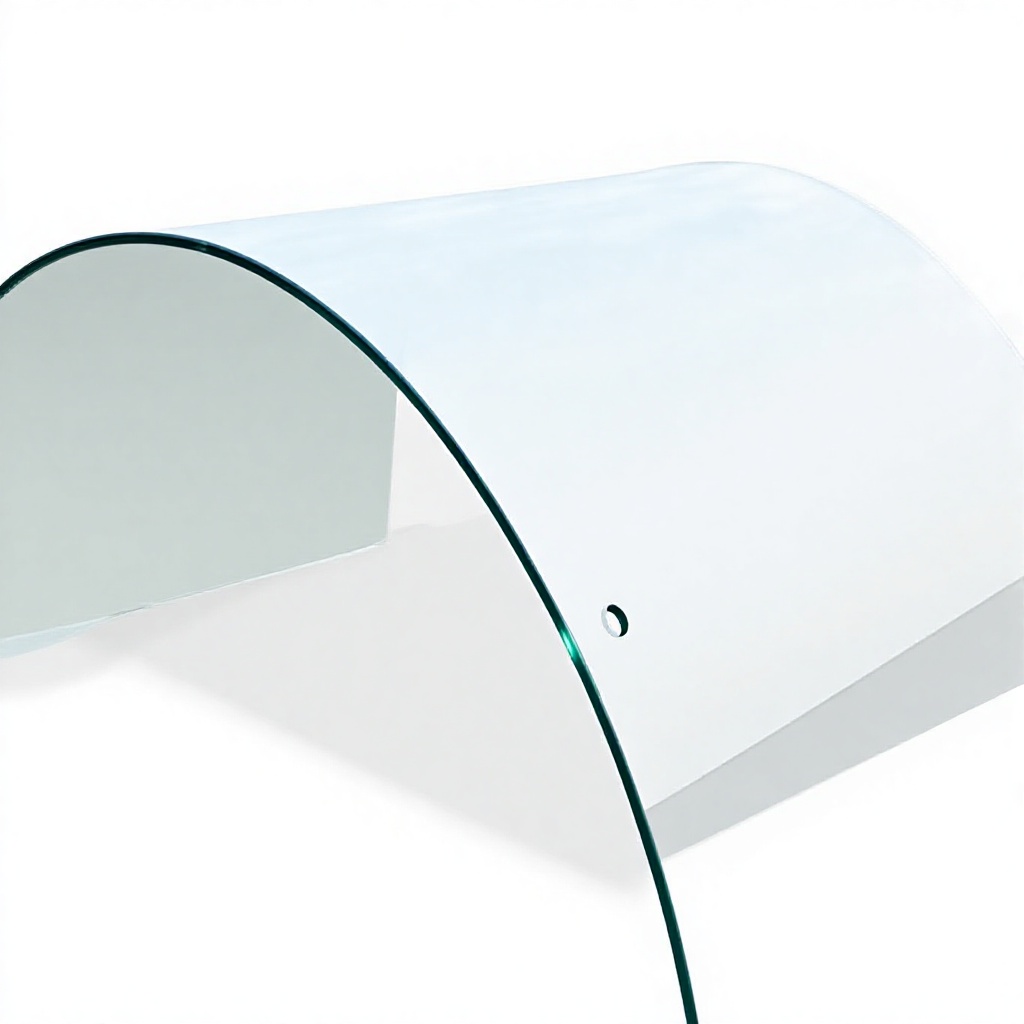
Custom Curtain Wall Glass Balcony Glass Tempered Glass Curved
Curved and flat tempered architectural glass for plant enclosures, control rooms and design-led safety barriers. Edge and hole processing are completed before tempering.
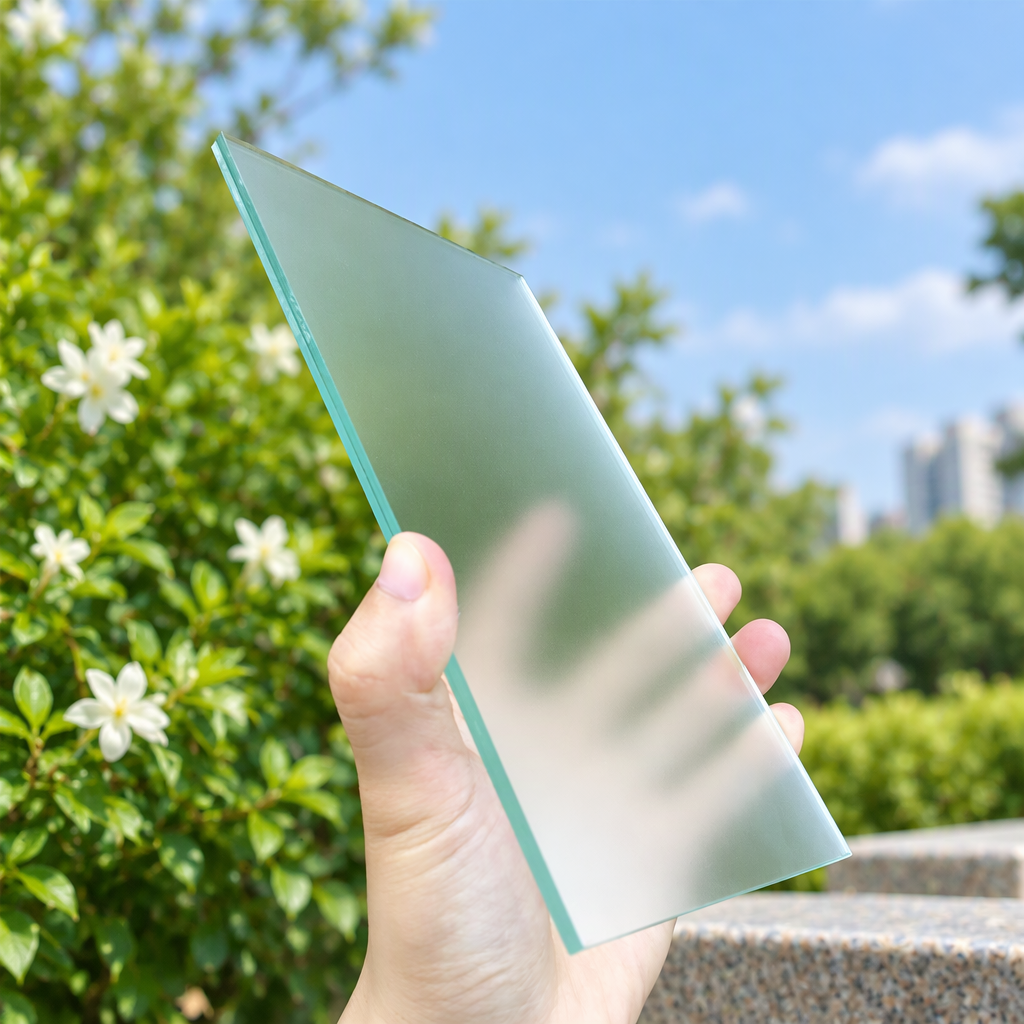
High Quality Industrial Solid Anti-glare Glass Screen Protector Matte Surface Monitor Screen Cover Glass
AG matte glass reduces glare in bright boiler rooms, water treatment control walls, workshop HMIs and outdoor monitoring skids while protecting displays.
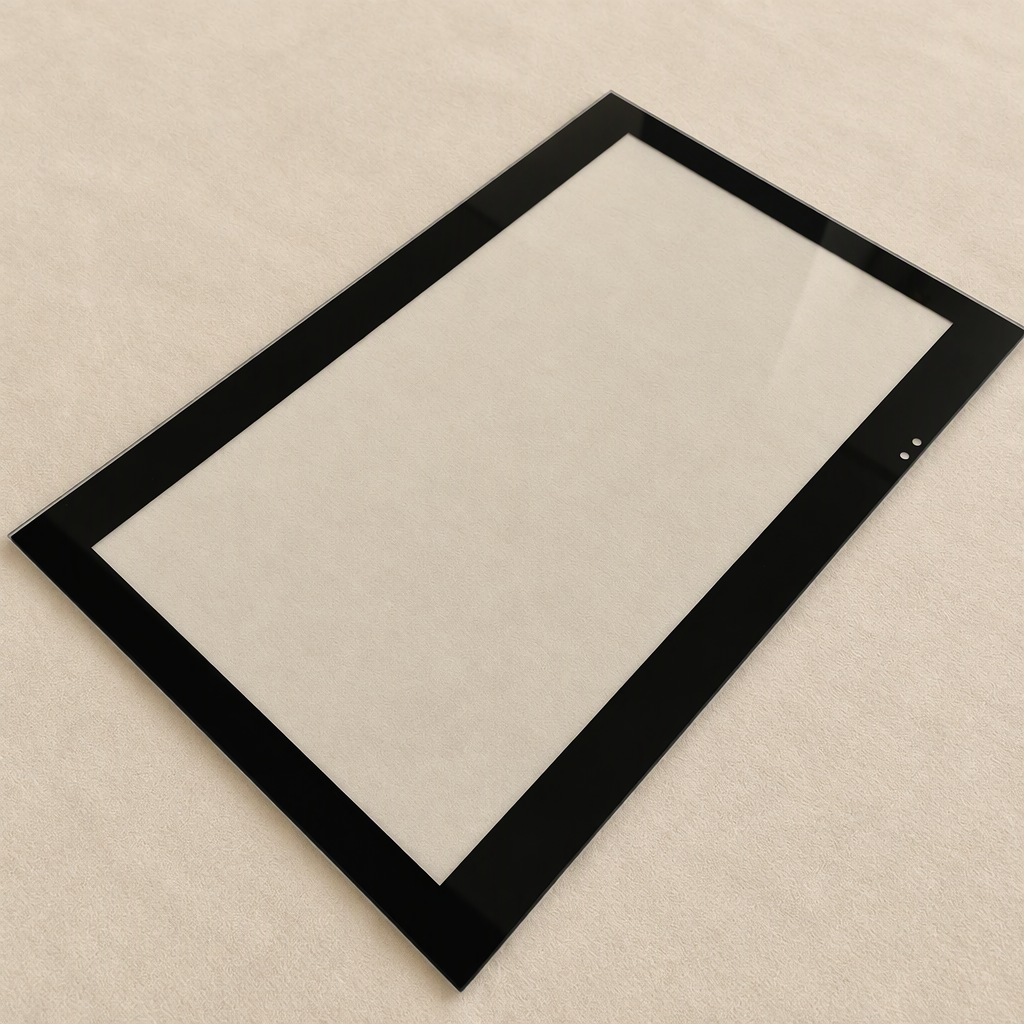
Tempered Glass Panel Silk Screen Printed Flat Display Screen Protector Glass for LCD TV Industrial Decoration
Printed flat glass for LCD, TV and industrial display protection with accurate icon windows. Coating options can be added for reflection and glare control.
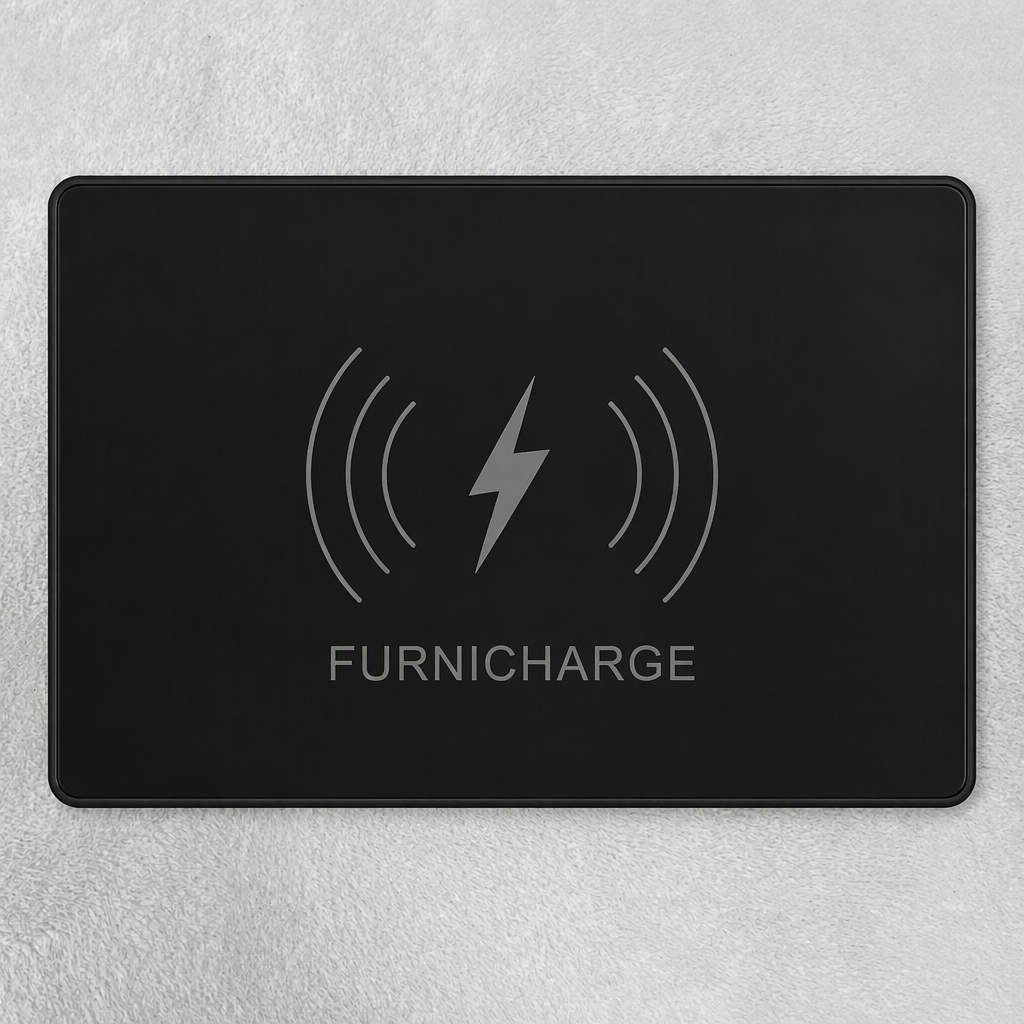
Smart Tempered Glass Bedside Table Panel for Tea Table Wireless Charging Front Cover Glass Touch Light Switch Glass
Thin glass touch cover for smart furniture and charging surfaces. Demonstrates precision touch-zone printing, flatness control and scratch resistance.
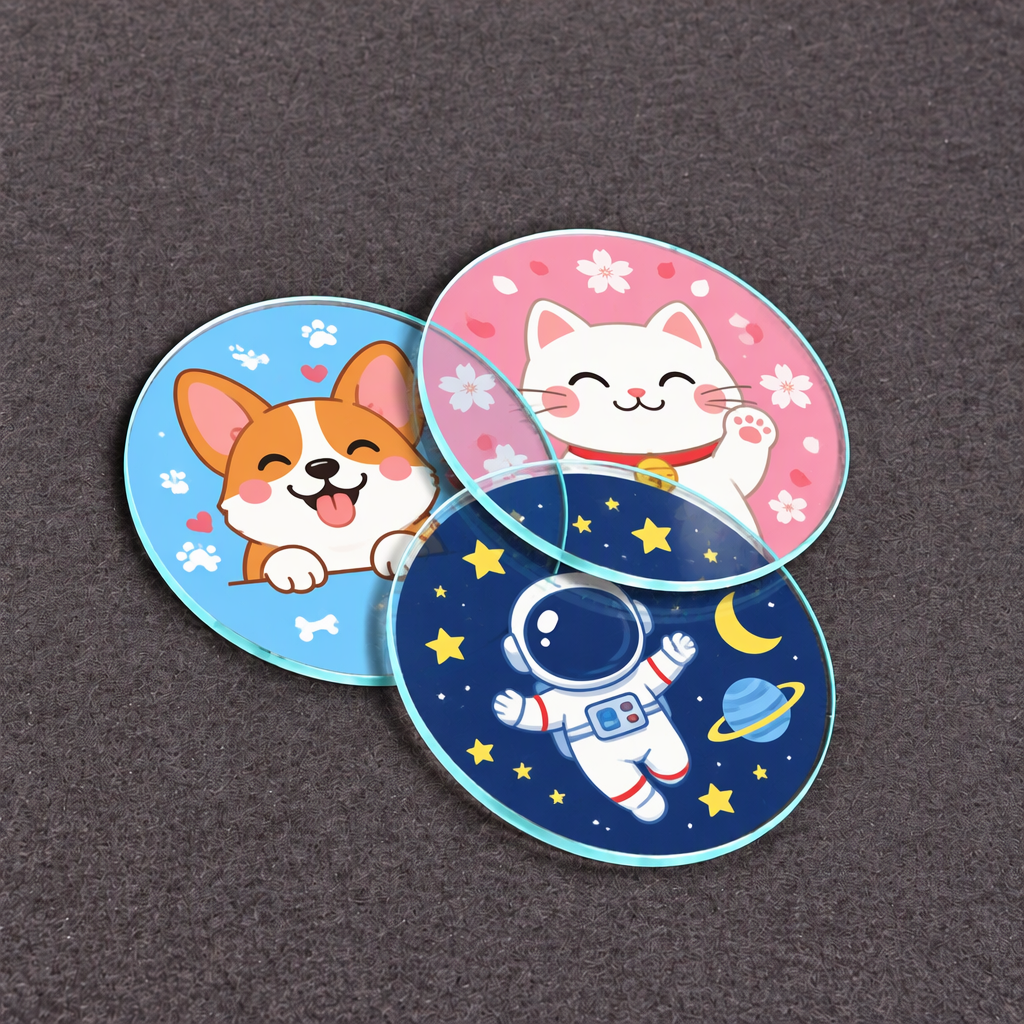
Eco-Friendly Custom Printed Glass Coasters Custom Design Tempered Glass Coaster
Small-format custom printing that demonstrates color control and production flexibility for brand-owned spaces, promotional programs and hospitality projects.
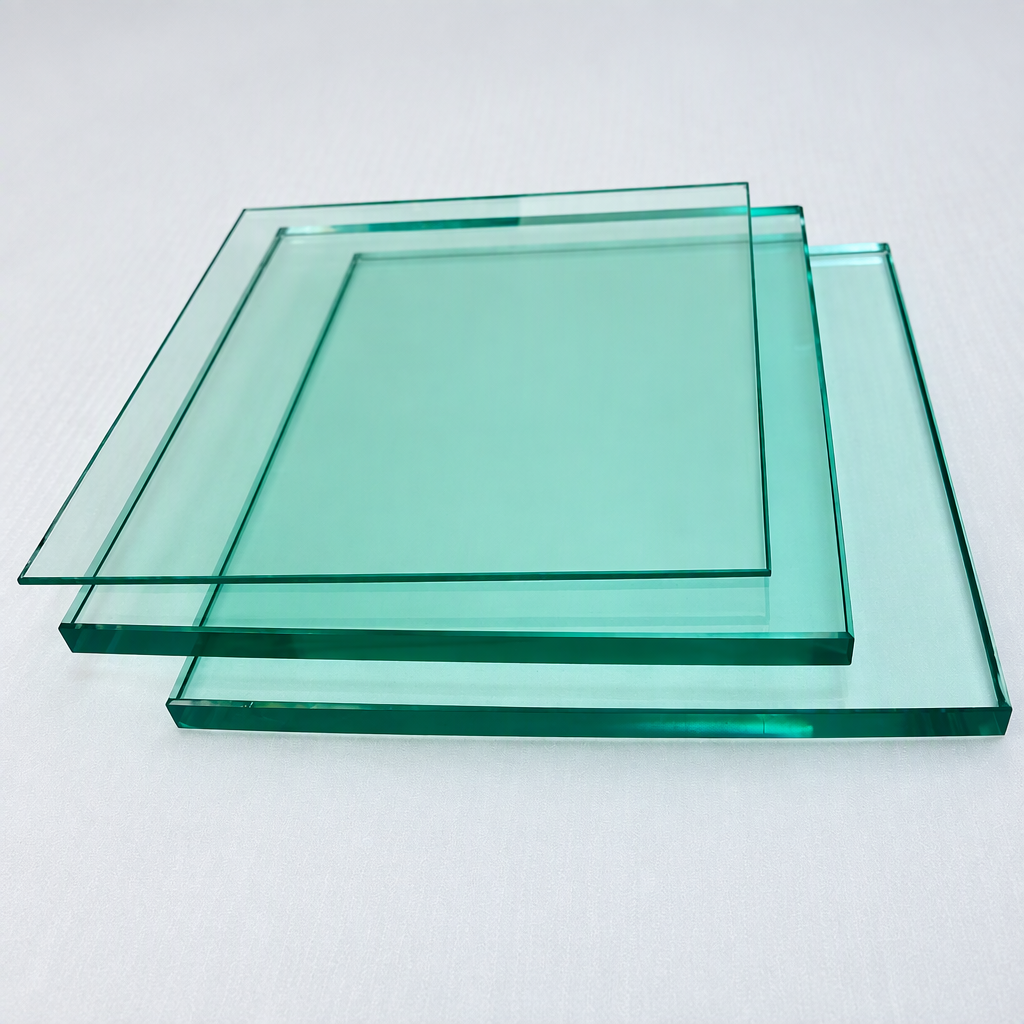
Tempered Glass Panel Safety Glass Flat Structural Tempered Glass
Heat-treated safety glass for protective windows, structural covers and equipment guards. Supplied with edge, hole and corner processing to drawing.
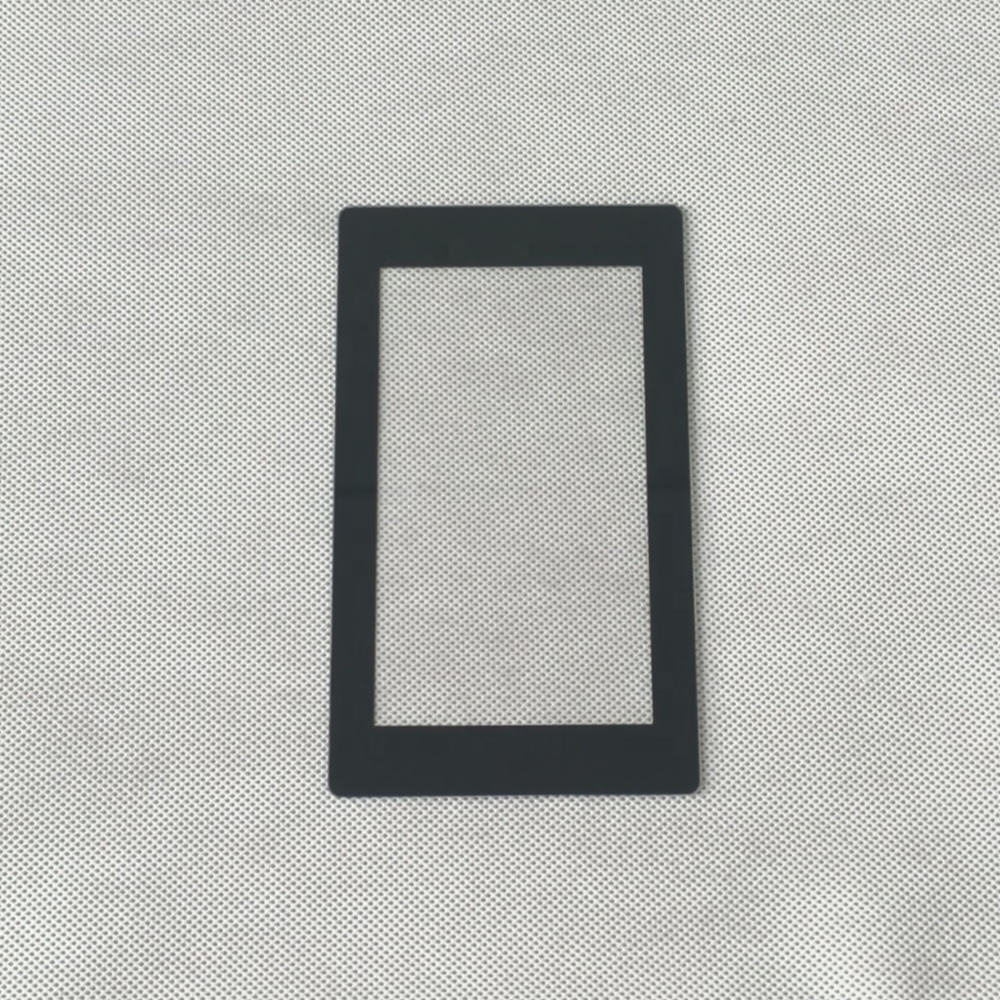
Silk Screen Printed Tempered Glass Panel Self Adhesive Display Cover Glass Flat Electronic Product Glass Screen Protector
Self-adhesive display cover glass for electronics. Combines print, adhesive compatibility and flatness control for clean lamination.
Company Data Points That Matter in U.S. Sourcing
U.S. buyers increasingly ask for evidence before a first order: process control, export record, audit status and repeatable documentation. The numbers below summarise the operating base behind our custom glass supply.
What Is Custom OEM Water Gauge Glass?
Water gauge glass is the transparent glass used to indicate liquid level in boilers, tanks, receivers and process vessels. In U.S. plants, it may be specified as tubular gauge glass or as flat sight glass within a gauge-glass assembly. Custom OEM supply covers length, outside diameter, wall thickness, edge finish, thermal conditioning, print scales, anti-glare or anti-fog treatment and export packaging.
Gauge glass is not generic window glass. Boiler service demands thermal shock resistance; water treatment demands chemical durability; food and beverage plants demand cleanability; marine and coastal facilities demand salt-spray resilience. For U.S. projects, the specification must also reflect the maintenance culture of the facility: how often the glass is inspected, how it is cleaned, whether the line runs continuously and what documentation the plant engineer expects at delivery.
Depending on pressure, temperature and code requirements, the technical discussion may include borosilicate glass, aluminosilicate glass, tempered soda-lime glass, chemically strengthened thin glass or high-clarity flat glass for low-pressure sight windows. The final pressure rating and code compliance must be confirmed by the gauge assembly manufacturer against ASME requirements, state boiler rules and project engineer specifications. Our role is the custom glass manufacturing step: cutting, CNC shaping, edge polishing, drilling, screen printing, tempering, chemical strengthening, coating and inspection.
For U.S. purchasing teams, the most useful supplier is not simply the one that quotes fastest. It is the one that can translate a drawing into repeatable parts, document the process and protect the glass through export logistics. That is why our water gauge glass and sight-window work is supported by the same controlled process chain used for printed control panels, display windows, switch plates, access-control readers and appliance interfaces.
- State the actual working pressure, temperature and fluid, not only the glass dimensions. The assembly manufacturer must confirm pressure ratings and code compliance.
- Request material certificates, dimensional reports, edge inspection and print colour samples before approving mass production.
- Freeze the drawing revision, ink code, coating specification and packing method for repeat orders to prevent colour and fit drift.
- Model landed cost with HTS classification, freight, duties, packaging and incoming inspection—not only the FOB unit price.
- Plan a dual-source or buffer-stock strategy for critical boiler and water-treatment sight windows.
Export & Supply Profile
Where American Plants Use Custom Water Gauge Glass and Sight Windows
A gauge glass that works in a low-pressure tank may be unsuitable for a saturated-steam boiler. Facilities in different U.S. regions also operate with different inspection cycles, washdown routines and climate exposure. These are the application conversations we most often have with American buyers.
Boiler Rooms & Steam Plants
High-temperature and thermal-shock resistance, clear water-level readability and accurate length are critical. Common in Midwest manufacturing plants, Northeast hospitals, university campuses and Gulf Coast process facilities.
Water Treatment & Municipal Utilities
Chemical durability and optical clarity for clarifiers, filters, chemical dosing tanks and level indicators. Specify compatibility with disinfectants, coagulants and cleaning agents used on site.
Food, Beverage & Brewery Processing
Clean-in-place environments need smooth edges, residue-free printing and easy inspection. Custom scale markings and anti-fog options support washdown zones and sanitary process lines.
HVAC, Chillers & Building Services
Low-to-medium pressure level monitoring for chilled water, hot water and expansion tanks. Compact sight windows are often needed for skid-mounted equipment and rooftop plant rooms.
Marine, Port & Offshore Facilities
Salt spray, vibration and UV exposure require stable printing, correct edge finishing and robust export packing for delivery to U.S. ports and coastal facilities.
Power Generation & Heavy Industry
High-pressure, high-temperature and continuous operation make documentation and dimensional repeatability essential for planned maintenance shutdowns and critical spares.
What Is Shaping Custom Gauge Glass Demand in 2025–2026
American buyers are balancing price with supply-chain resilience, code documentation and maintainability. These trends are visible in RFQs from boiler OEMs, water utilities, food processors and industrial distributors.
Infrastructure Modernisation & Boiler Safety
Aging plants and stricter inspection cycles are driving replacement demand for readable, traceable gauge glass and sight windows.
Supply-Chain De-Risking
U.S. buyers are adding second sources and asking for documented process control, not just low unit price.
High-Performance Material Selection
More projects compare borosilicate, aluminosilicate and tempered glass for thermal shock, pressure and chemical exposure.
Visual Clarity & Surface Coatings
AR, AG and AF coatings are moving from consumer electronics into industrial HMI and inspection windows.
Digital Documentation at RFQ Stage
Material certificates, dimensional reports, packing drawings and photo inspection packages are increasingly requested before orders are confirmed.
Tariff & Landed-Cost Planning
Purchasing teams model freight, duties, HTS classification and packaging efficiency before confirming an overseas OEM order.
Matching Glass to U.S. Gauge-Glass and Sight-Window Duty
Use this table as a starting point for the RFQ conversation. It is not a substitute for the gauge assembly manufacturer’s code review, pressure calculation or final material approval.
| Project input | Recommended direction | What to specify | U.S. buyer evidence to request |
|---|---|---|---|
| Low-pressure water tank or visual level window | Soda-lime, tempered soda-lime or suitable flat sight glass | Thickness, visible aperture, edge finish, maximum temperature, print scale, cleaning chemicals | Material certificate, dimensional report, edge inspection, packing drawing |
| Boiler steam service or high thermal shock | Borosilicate or aluminosilicate glass where the assembly design permits | Coefficient of expansion, thermal shock requirement, length tolerance, pressure rating from the assembly maker | Material grade, batch traceability, process records, pre-shipment photos |
| Thin touch cover or display cover | Chemically strengthened glass from 0.5–2 mm | Flatness, surface compression, AR / AG / AF coating, print artwork, adhesive compatibility | Coating spec, gloss or haze target, RoHS statement, flatness report |
| Appliance, switch or control panel | Physically tempered glass typically 2 mm and thicker | Impact and heat exposure, print colour, edge finish, holes, notches, CE / RoHS needs | Tempering record, colour sample, dimensional layout, packaging approval |
| Outdoor, washdown or marine environment | Tempered or chemically strengthened glass with AG / AF surface options | Chemical resistance, cleanability, UV stability, salt-spray exposure, sealed-edge requirements | Coating durability data, inspection criteria, export packing plan |
| Large display window or protective screen | Tempered glass or laminated safety glass depending on the case design | Optical distortion, flatness, safety fragmentation, size, mounting method | Distortion check, size report, safety glass evidence, crate drawing |
Why U.S. Buyers Shortlist Qingdao Maupe Glass Co., Ltd.
Qingdao Maupe Glass Co., Ltd. was founded in 2012 in Qingdao, Shandong, China, and operates an ISO 9001 quality management system. The factory covers approximately 3,000–5,000 m², runs 8 production lines and exports to more than 80 countries; export share of output is 91–100%. The facility is close to Qingdao seaport and airport, which simplifies sampling, consolidated shipments and on-site audits for visiting American buyers.
ISO 9001 Quality Management
Certificate No. 24025Q20015R1S, valid to 02/2028. Process control from incoming glass to final inspection.
RoHS & CE Documentation
RoHS certificate 25TYT12395 and CE certificate 23TYT082593S support electronic, appliance and display projects.
SGS Onsite Assessed
Assessed by SGS Group as a third-party inspection company. Audit evidence and inspection records can be requested.
10+ Years OEM / ODM Experience
Drawing review, sampling, tooling and repeat production for brand owners, distributors and industrial buyers.
Deep Processing in One Factory
Cutting, CNC, edging, drilling, engraving, silk-screen printing, tempering, chemical strengthening and AR / AG / AF coating.
Fortune 500 Supplier Experience
Procurement contract verified. Experienced with the documentation and quality expectations of large U.S. organisations.
Export Logistics from Qingdao
Close to Qingdao seaport and airport. FOB, CIF, DDP, DDU, EXW, FCA and express delivery options are available.
Traceability & Protective Packing
Incoming material inspection, finished product inspection, protective export packing and pre-shipment photo confirmation.

ISO 9001 Certificate
No. 24025Q20015R1S. Scope: float glass and technical glass products.

RoHS Compliance
No. 25TYT12395. Supports EU electrical and electronic equipment requirements.

CE Marking
No. 23TYT082593S. Tempered glass documentation for European market access.
How Custom Water Gauge Glass and Precision Panels Are Controlled
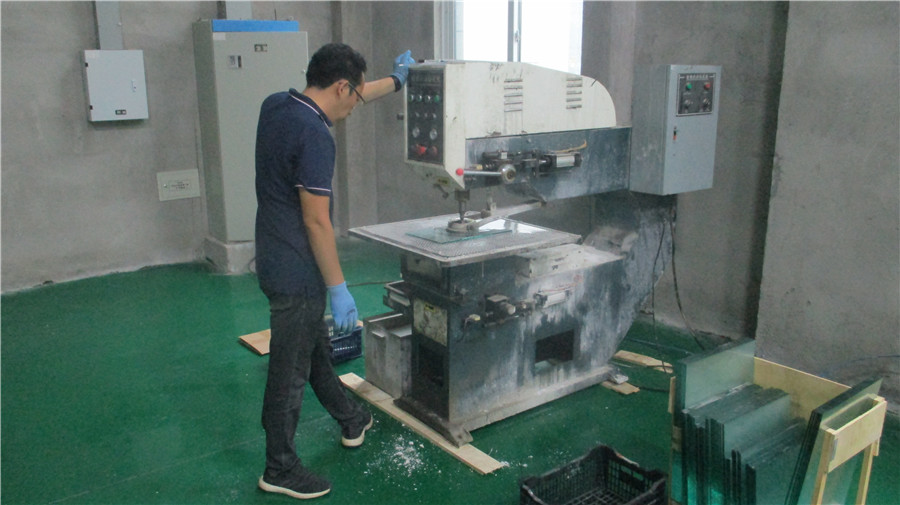
U.S. buyers often ask for proof before placing a first order. These production views show the Qingdao facility used for cutting, printing, tempering, inspection and export packing. The same process chain supports custom cover glass, sight windows and gauge-glass components.

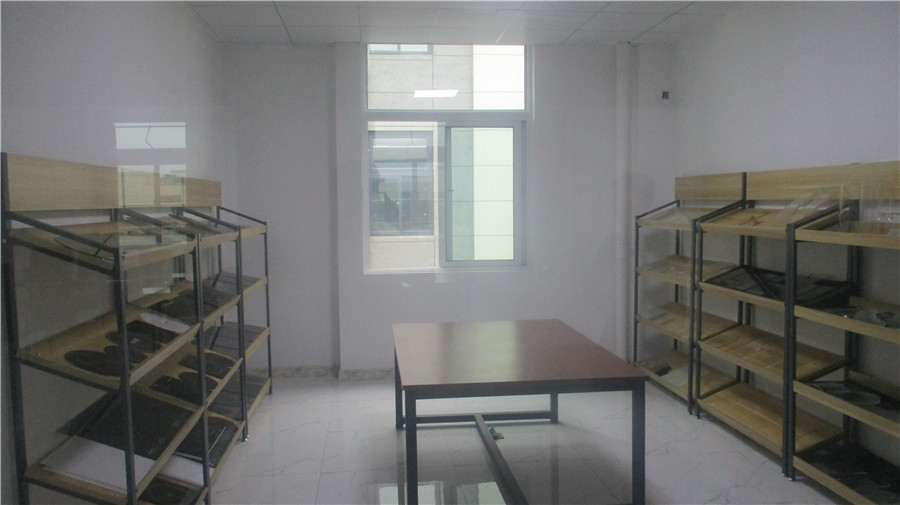
Factory overview and production planning area

Glass cutting and CNC processing workshop

Silk-screen printing line for functional glass

Physical tempering furnace and heat control
Print and surface inspection before packing
Export-grade packaging for sea and air freight
From U.S. Drawing to Delivered Glass
A transparent six-step workflow keeps engineering, purchasing and quality teams aligned before production begins.
Application & Drawing Review
Send PDF, DWG or DXF with thickness, edge, holes, print artwork, coating and working temperature or pressure. Engineers check manufacturability and flag missing data.
Material & Strengthening Recommendation
Compare borosilicate, aluminosilicate, tempered soda-lime or chemically strengthened thin glass against thermal shock, pressure, optical and cost targets.
Sampling & Colour Matching
Screens and samples verify fit, print colour, transparency, coating and edge finish. For gauge glass, dimensions and edge condition are checked against the assembly drawing.
Production on 8 Lines
Cutting, CNC, polishing, drilling, printing, tempering, chemical strengthening and coating proceed under ISO 9001 process control.
Inspection & Documentation
Incoming material inspection, in-process checks and finished product inspection. Material certificates, dimensional reports and photos can be supplied.
Export Packing & U.S. Delivery
Protective packaging for sea or air freight. Shipping via Qingdao to U.S. ports; terms include FOB, CIF, DDP, DDU and express. Buyers confirm HTS and duties with their broker.
Questions American Buyers Ask Before Ordering Custom Water Gauge Glass
These answers reflect the questions we receive from U.S. boiler OEMs, maintenance teams, distributors and industrial importers during the RFQ stage.
01What is your MOQ for custom water gauge glass and precision glass panels?
Most custom silk-screen printed panels start from 10–100 pieces depending on size, thickness and number of print colours. Large display cover glass can start from 10 pieces. Samples are available for fit and print verification before mass production. Gauge-glass projects are quoted against the assembly drawing and a practical minimum production run.
02Can you supply borosilicate or high-pressure sight glass?
We review the assembly requirement and recommend borosilicate, aluminosilicate, tempered soda-lime or chemically strengthened glass where suitable. Pressure rating and code compliance must be confirmed by the gauge assembly manufacturer. We supply glass specifications, dimensional reports and production documentation to support their approval process.
03Which certificates and documents can U.S. buyers request?
ISO 9001 certificate 24025Q20015R1S, RoHS 25TYT12395, CE 23TYT082593S, material certificates, dimensional inspection reports, print colour samples, packing drawings and pre-shipment photos. SGS onsite assessment supports supplier qualification. Project-specific compliance statements can be confirmed in the quotation.
04Should I choose physical tempering or chemical strengthening?
Physical tempering suits glass typically 2 mm and thicker, such as appliance doors, switch panels and display windows, and breaks into small blunt fragments. Chemical strengthening suits thin glass from 0.5 mm to 2 mm, touch covers and parts that need excellent flatness and optical quality.
05What files are needed to start a custom glass project?
Send a 2D drawing in DWG, DXF or PDF with dimensions, thickness, edge finish, hole positions and tolerance, plus print artwork in AI or PDF with colour references. State coating requirements such as AR, AG or AF and the intended application, working temperature and annual volume.
06How do you ship to the United States and what terms are accepted?
We ship via Qingdao seaport or airport. Accepted delivery terms include FOB, CIF, EXW, FAS, FCA, CPT, DDP, DDU and express delivery. Payments include T/T, L/C, PayPal, Western Union and cash in USD, EUR or CNY. Buyers should confirm HTS classification and import duties with their customs broker.
Send Your Custom Water Gauge Glass Drawing for an Engineering Review
Share your drawing, target quantity and application conditions. Our team will review manufacturability, recommend the glass material and strengthening route, and confirm sampling options. If you are comparing suppliers, ask for certificate numbers, inspection evidence and a packing plan—not only a unit price.
Get a Quote