Eight Glass Formats for Cologne Table Top and Interior Projects
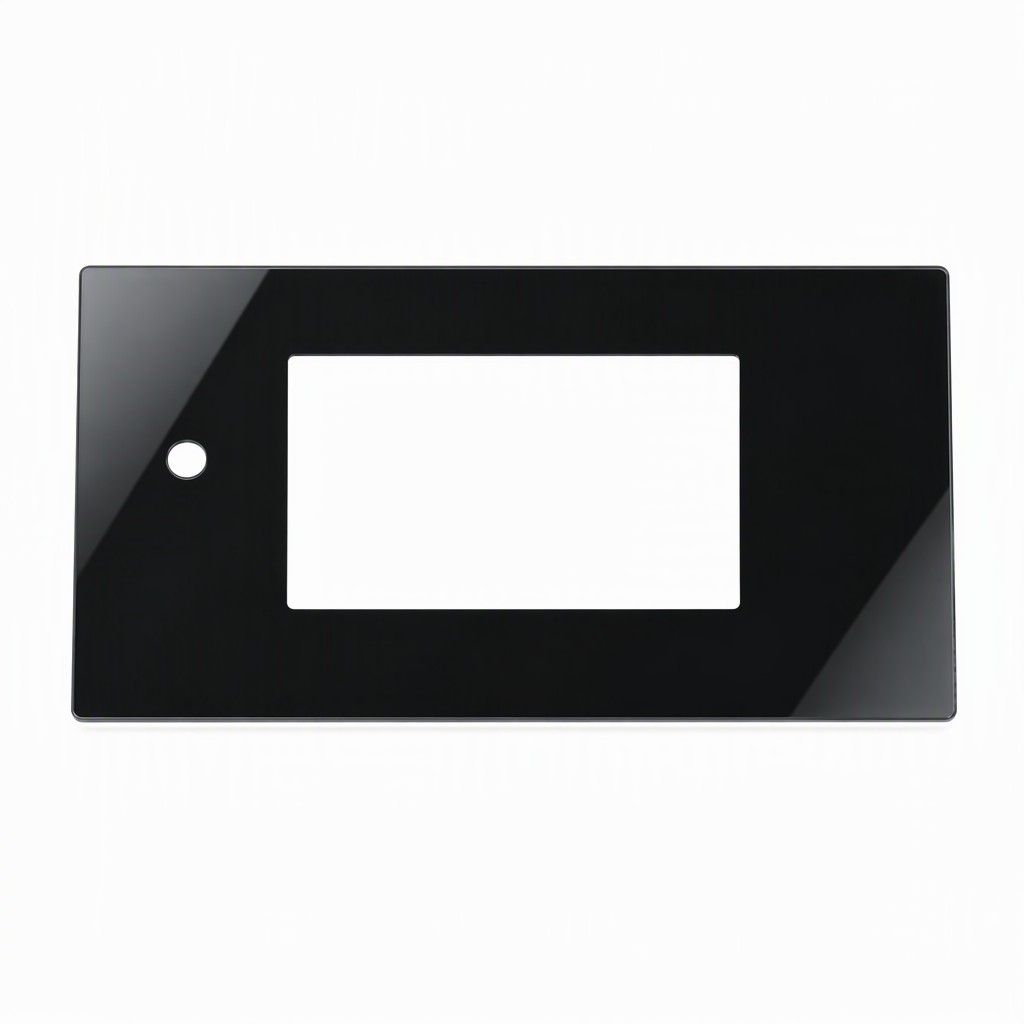
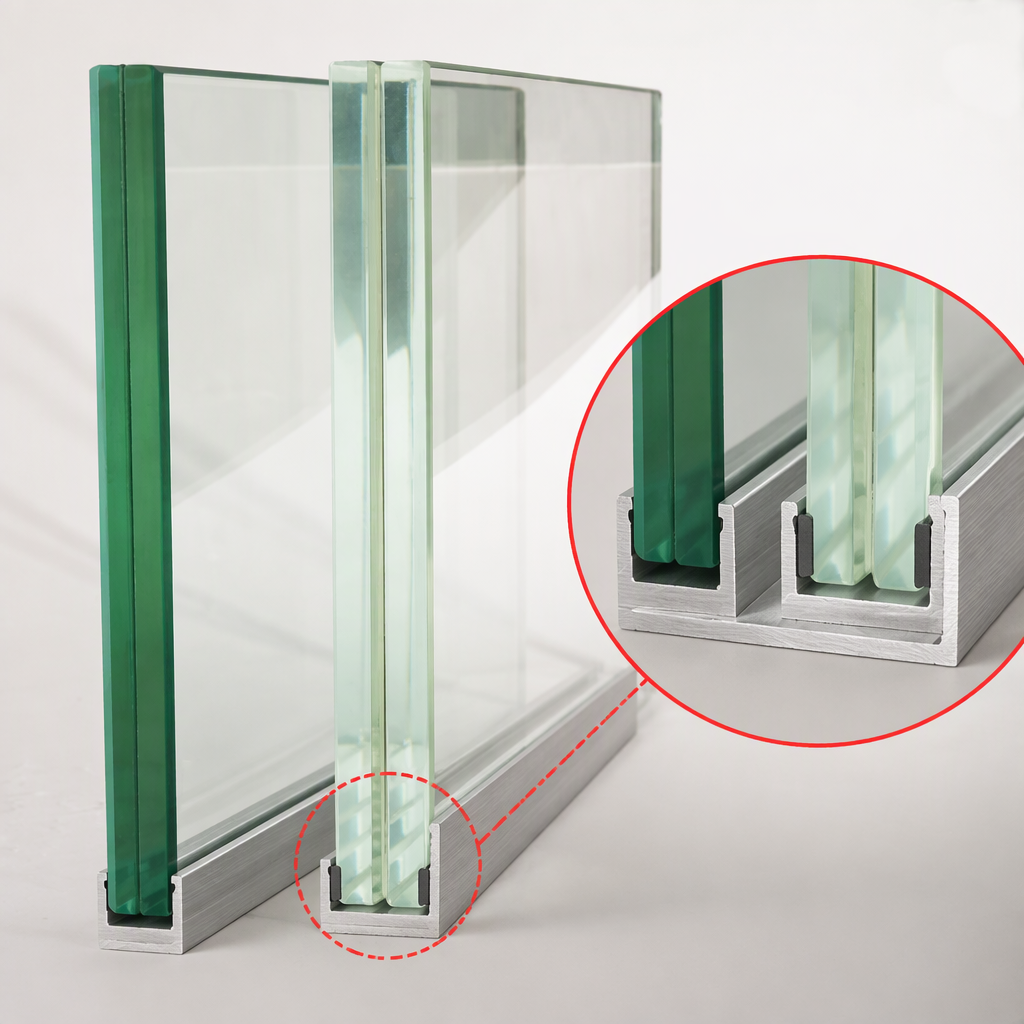
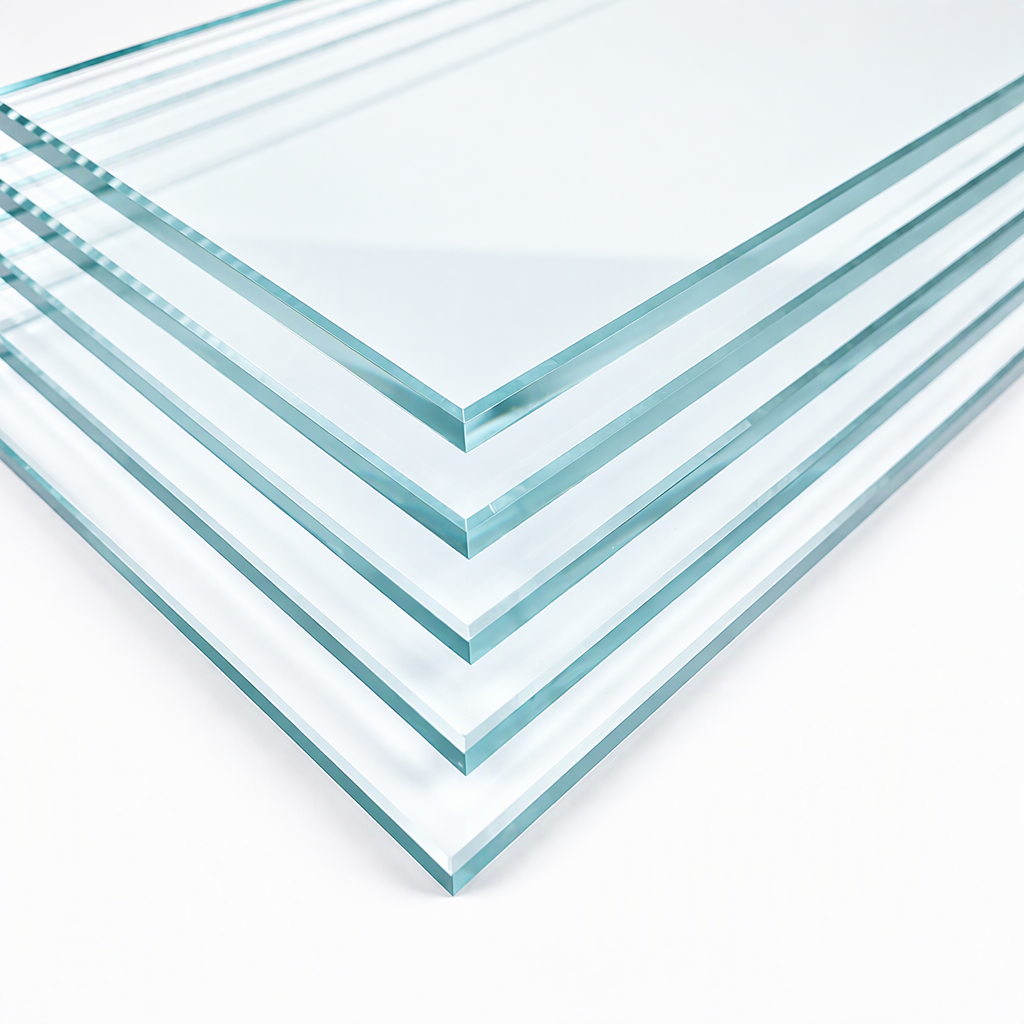
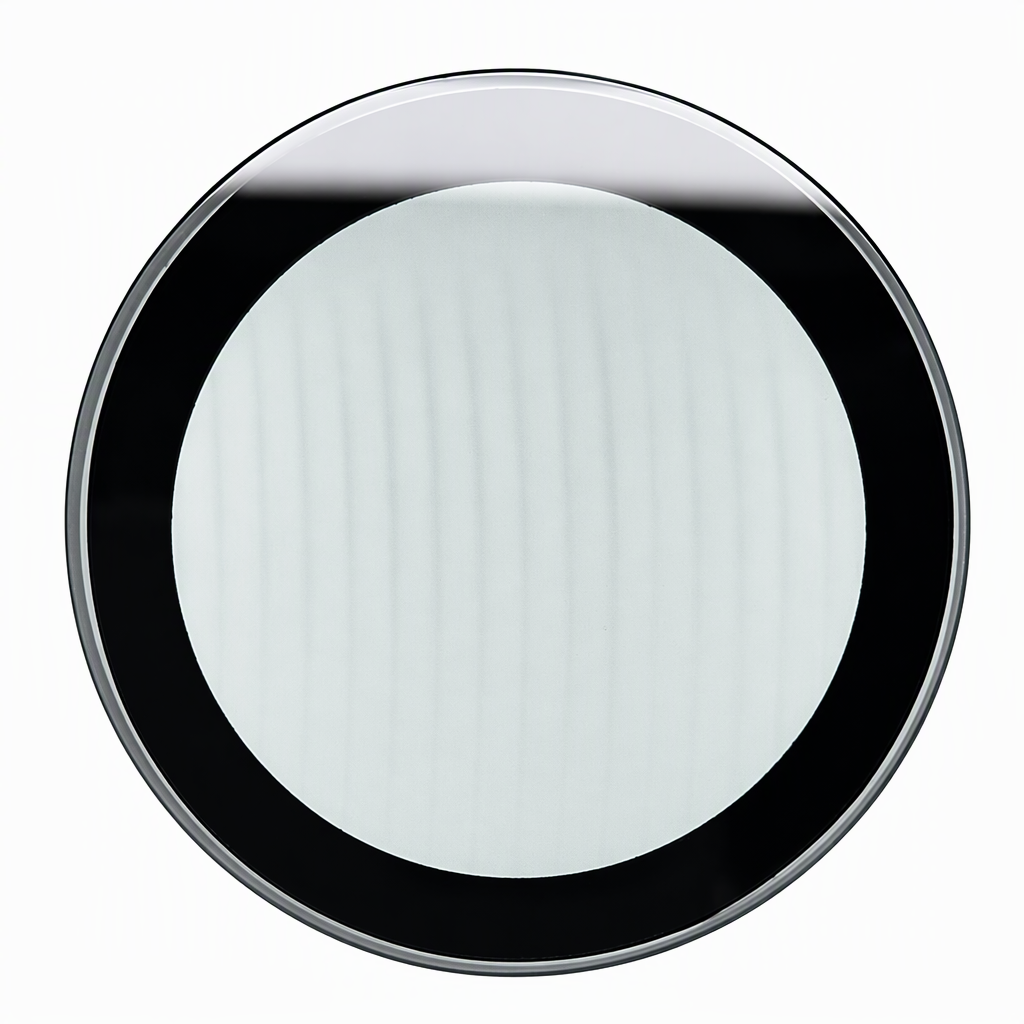
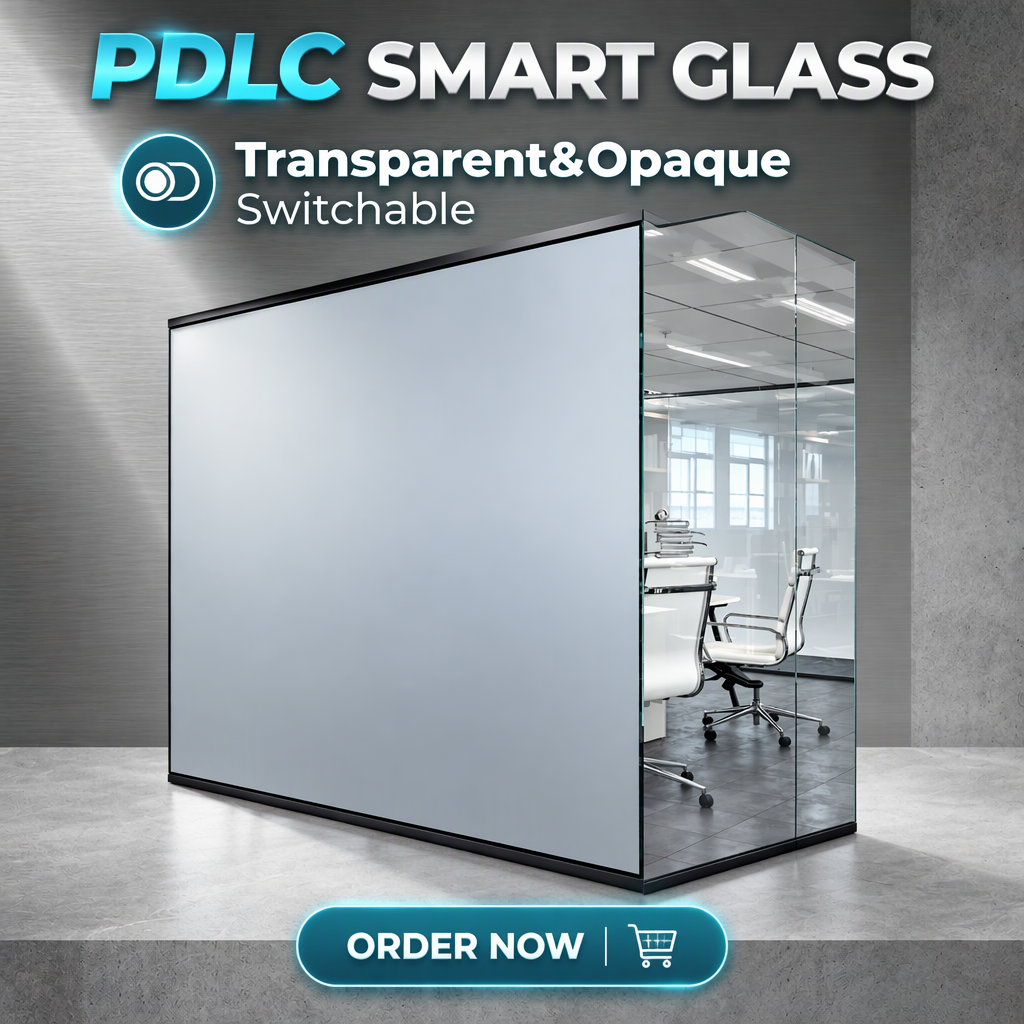
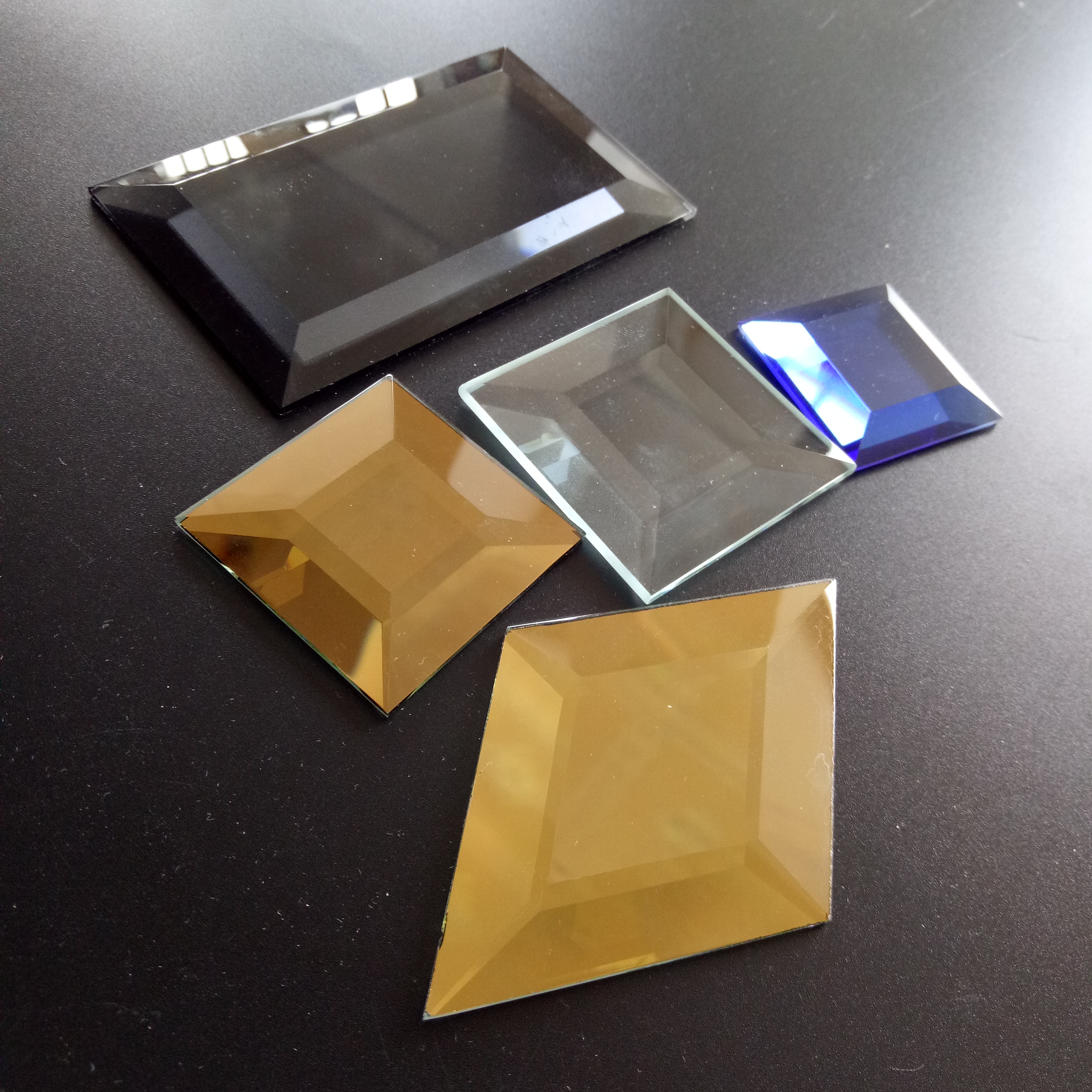
The product series below are often sourced together with custom table tops by European OEM buyers, furniture makers and fit-out contractors. For a custom-size tempered glass table top, begin with the flat solid tempered glass or clear cover plate series, then match heat resistance, round printed shapes, smart privacy or decorative bevel options to the project.

A Drawing-Led Glass Factory for Cologne Buyers, Not a Catalogue Guessing Game
Qingdao Maupe Glass Co., Ltd. has manufactured custom glass since 2012. The figures below show the production and export base behind each custom-size tempered glass table top inquiry.
Why Cologne Buyers Specify Custom-Size Tempered Glass Table Tops
Cologne is a design-conscious city with a dense mix of hospitality, retail, office and residential interiors. Hotels around the Altstadt and Deutz, restaurants near the Rhine, furniture studios in Ehrenfeld, showrooms in the Belgisches Viertel and offices close to the MediaPark rarely buy table tops as anonymous sheets. They buy fit, safety, edge quality and serviceability. A custom-size tempered glass table top matches the base, seating clearance, cable management, lighting, parasol position and printed brand detail. It also removes the visual compromise of oversized off-the-shelf panels and the site work needed to modify them.
A custom-size tempered glass table top is a safety glass panel produced to project dimensions and thermally tempered after cutting, CNC shaping, drilling and edge polishing. The order of operations matters. Once glass is tempered, it cannot be cut, drilled or edge-worked without destroying the safety pattern. This is why a drawing review before production is central to a Cologne fit-out schedule. Our engineers check the outline, hole positions, edge profile, print artwork and intended support method before the first panel enters the line.
Thickness selection is not guesswork. Small side tables may start at 6 mm; dining and meeting tables generally use 8–10 mm; large commercial and outdoor tops often use 10–12 mm; heavy bases or long unsupported spans can require 15–19 mm. The final choice should consider support points, load, edge overhang, wind exposure on terraces and the project specification. For public or high-traffic interiors in Cologne, the glass must also be cleanable, impact resistant and visually consistent across repeat orders.
Cologne’s terraces can move from wet spring weather to strong summer sun. For hospitality projects, specify tempered glass with well-polished edges, corrosion-resistant hardware, drainage and, where the application requires post-breakage integrity, laminated tempered glass. Printed graphics should use inks suitable for the exposure. For indoor dining and conference tables, anti-fingerprint and anti-glare treatments often deliver more perceived value than thicker glass alone.
What a Cologne Project Team Should Send With an Inquiry
Fast, accurate quoting starts with a complete data package. For table tops, our team needs:
- 2D drawing in DWG, DXF or PDF with dimensions, thickness and tolerance.
- Edge profile: flat polished, pencil round, bevel, CNC radius or special shape.
- Hole positions for bases, cable ports, charging modules or parasols.
- Print artwork in AI or PDF with color references and graphic placement.
- Indoor or outdoor use, cleaning exposure, load conditions and annual volume.
If a complete drawing is not ready, send a photo of the base and a hand sketch with key dimensions. We can return manufacturability comments before you finalize the drawing.
Four Specifications That Decide Table Top Performance
Small changes in thickness, edge geometry, hole planning and surface treatment can affect safety, appearance, cleaning and lead time. These are the variables our engineers review most often for Cologne projects.
Load and Span
Use 6–8 mm for light side tables, 8–10 mm for dining, 10–12 mm for conference and large tables, and 15–19 mm for heavy bases or visual statements. Support layout and overhang must be reviewed together.
Edge and Corner
Flat polished, pencil round, bevel and CNC radius edges are available. Rounded corners improve safety in family dining and hospitality settings; edge quality also affects chip resistance during transport and installation.
Hole and Cutout Planning
All holes and cut-outs must be made before tempering. Provide base plate positions, wall thickness, cable routes, charging modules and fixings. Hole spacing and edge distance should be reviewed to protect the tempered panel.
Surface and Print
Clear, ultra-clear, acid-etched, AR, AG and AF surfaces are available for different lighting conditions. Silk-screen printing can add logos, patterns, measurement marks or smart-table graphics using RoHS-compliant inks.
Where Tempered Glass Table Tops Work Across Cologne
Cologne’s project mix ranges from heritage-adjacent interiors to new-build offices and fast-turnaround hospitality refurbishments. The same tempered glass table top can serve very different functions depending on the district and the daily load.
Hotels and Serviced Apartments
Suite desks, lobby consoles, bathroom vanities and breakfast-room tables can use custom glass tops with scratch resistance, printed logos and precise holes for cable management.
Restaurants and Rhine Terraces
Outdoor table tops for cafés and restaurants need polished edges, easy-clean surfaces, wind awareness and stable support. Consider laminated tempered glass where post-breakage retention is required.
Offices, Co-working and Meeting Rooms
Conference tables often combine glass with cable ports, AV hardware, writable surfaces or PDLC smart film. In Ehrenfeld and MediaPark style workspaces, custom glass supports a clean, technical look.
Retail Showrooms and Brand Stores
Display plinths, cash-wrap counters and product presentation tables use printed or beveled glass to reinforce brand identity while staying durable in busy shopping streets.
Residential Interiors in Cologne
Dining, coffee, side and vanity tables in Lindenthal, Rodenkirchen or Mülheim can be shaped to fit compact rooms, radiators, built-in seating and family safety needs.
Smart Tables and Interactive Kiosks
Touch tables, kiosk counters and switchable-privacy meeting tables combine tempered glass with AR/AF coatings, display modules or PDLC smart film for a high-value user experience.
Table Top Thickness and Processing Guide for Cologne Projects
Use this matrix as a starting point for project discussions. Final thickness, support and glass build should be confirmed against the base structure, expected load and the project specifier’s requirements.
| Application | Typical glass build | Common processing | Cologne project notes |
|---|---|---|---|
| Side and coffee tables | 6–8 mm tempered glass | Polished flat or pencil-round edge, radius corners | Compact apartments and hotel rooms benefit from rounded safety corners and easy-clean surfaces. |
| Residential dining tables | 8–10 mm tempered glass | Flat polished or bevel edge, base holes | Check the base footprint, chair clearance and whether children or heavy tableware will be present. |
| Conference and meeting tables | 10–12 mm tempered glass | Polished edge, cable ports, AV cut-outs, printed markings | Plan cable routes and display hardware before tempering. Anti-glare or PDLC options may suit bright rooms. |
| Restaurant and terrace tables | 10–12 mm tempered; consider laminated tempered glass | Polished edge, corner radius, drainage details | For Rhine-side terraces, wind exposure, cleaning chemicals and winter storage should be reviewed. |
| Retail display and brand tables | 8–12 mm tempered glass | Print, bevel, logo alignment and custom outline | Printed glass can carry brand graphics but must be specified with color references and light conditions. |
| Heavy or statement table tops | 15–19 mm tempered glass | Bevel, CNC profile, large-format handling review | Large panels need lifting, packing and installation planning in addition to glass strength review. |
For public, structural or wind-exposed applications, consult the responsible engineer. EN 12150 is commonly referenced for thermally tempered safety glass in Europe; project compliance must be confirmed against the final specification and intended use. Maupe Glass can supply material and certificate documents for review.
What Cologne Buyers Are Asking For in 2025–2026
Procurement in Cologne is moving toward fewer, better-documented orders: custom glass that fits the first time, uses verifiable materials and supports a clear design story for hospitality, office and retail interiors.
Hospitality Refurbishment and All-Season Terraces
Hotels, cafés and restaurants in Cologne continue to refresh interior and outdoor areas with durable, design-led furniture. Buyers want glass tops that survive cleaning routines, terrace seasons and repeated installation, with radius corners, printable branding and correct holes for bases.
Smart Workspaces and Privacy Glass
Office fit-outs around Cologne are integrating PDLC switchable privacy, touch displays and cable-managed conference tables. Custom glass becomes part of the technology interface, so drawing accuracy, optical coating and clean edge work are increasingly important.
Verifiable, Low-Maintenance Materials
Design teams are asking for material documentation earlier in the process. ISO 9001, RoHS-compliant inks, CE certificates and SGS onsite assessment support supplier qualification. Glass remains attractive because it is cleanable, recyclable and dimensionally stable over years of use.
Documents Cologne Procurement Teams Can Verify
For furniture, fitting-out and OEM buyers, certificate copies matter. Qingdao Maupe Glass Co., Ltd. operates under an ISO 9001 quality management system and holds RoHS and CE certificates for its glass products.
ISO 9001 Quality Management
Certificate No. 24025Q20015R1S. The scope covers float glass and technical glass products, with quality management controls from incoming material through finished inspection.
RoHS Compliance
Certificate No. 25TYT12395. This supports electrical and electronic equipment projects that require restricted hazardous substances control, including printed and coated glass parts.
CE Marking
Certificate No. 23TYT082593S for tempered glass. CE documentation can support market access discussions across the European Economic Area, subject to the final product specification.
Certificates are not a substitute for project-specific testing or engineering approval. Our team can provide certificate copies, inspection reports and packing documentation for your Cologne customer’s compliance file. Third-party onsite assessment by SGS Group and a verified Fortune 500 supplier procurement contract are additional indicators of a mature export operation.
Why Cologne OEM Buyers Work With Qingdao Maupe Glass
Custom glass sourcing is a coordination task. The advantage of a deep-processing factory is that cutting, printing, tempering, coating and inspection stay traceable under one quality system.
One Factory, Complete Process Chain
Cutting, CNC shaping, edge polishing, drilling, engraving, silk-screen printing, physical tempering, chemical strengthening and AR/AG/AF coating are managed in-house.
Print and Color Control
Eco-friendly high- and low-temperature inks support logos, icons, touch zones and decorative patterns. Print artwork and color references are reviewed before sampling.
Verified Quality System
ISO 9001, RoHS, CE, SGS onsite assessment and documented inspection procedures give buyers a clear supplier qualification path.
OEM / ODM Experience
Since 2012, the team has supported OEM buyers with sample development, drawing review, custom packaging and repeat production for global markets.
Export Experience
Products are exported to more than 80 countries, with 91–100% of output shipped internationally. Export packing and documentation are routine, not an afterthought.
Logistics to Cologne
FOB, CIF, EXW, FAS, FCA, CPT, DDP, DDU and express delivery can be quoted. The factory is close to Qingdao seaport and airport for flexible sea and air shipping.
Qingdao Maupe Glass Co., Ltd.
Founded in 2012 in Qingdao, Shandong, Qingdao Maupe Glass Co., Ltd. is a glass deep-processing manufacturer and international supplier. The company is not a catalogue-only trader: its core work is turning flat glass into finished functional parts through cutting, edge polishing, drilling, engraving, coating, silk screen printing, physical tempering and chemical strengthening.
The factory occupies 3,000–5,000 m² and runs 8 production lines. Silk-screen printed glass uses RoHS-compliant, eco-friendly inks with high- and low-temperature processes, producing scratch- and wear-resistant prints for displays, electronic control equipment, instrument covers, household appliances, kitchen appliances, furniture and decorative partitions. For Cologne furniture and fit-out projects, this means a table top, matching display panel and decorative glass can be coordinated through one technical team.
Qingdao Maupe Glass exports to more than 80 countries across North and South America, Europe, Oceania, the Middle East, Africa and Asia, with 91–100% of output exported. ISO 9001 certificate 24025Q20015R1S, RoHS certificate 25TYT12395 and CE certificate 23TYT082593S support supplier qualification. The company has been onsite-assessed by SGS Group and has a verified Fortune 500 supplier procurement contract.



Questions Cologne Buyers Ask Before Ordering
These answers reflect common sourcing questions from furniture makers, fit-out contractors, distributors and OEM buyers in Germany and neighboring EU markets. Confirmation for a specific project should always reference the approved drawing.
What is the minimum order quantity for custom-size tempered glass table tops?
Should a Cologne table top use physical tempered glass or chemically strengthened glass?
What files should I send to quote a custom glass table top?
Can you produce round, rectangular, oval and printed table top shapes?
Which glass thickness is best for a dining, conference or terrace table?
How are table tops packed and shipped to Cologne?
Can you provide certificates for EU project files?
How does sampling and production scheduling work?
Send Your Cologne Table Top Drawing for Engineering Review
Share dimensions, thickness, edge profile, base-hole positions, print artwork, annual volume and delivery terms. Our glass engineers will review manufacturability and recommend the right tempered glass build for your Cologne project.
Send an InquiryFor faster handling, write “Cologne table top” in your message and attach a DWG, DXF or PDF drawing if available.