Glass Beveling Manufacturer & Wholesaler in Toronto
Precision beveled, tempered, printed and coated glass for Toronto condos, retail interiors, custom furniture and OEM programs. Manufacturer-direct supply from Qingdao with ISO 9001, RoHS, CE and SGS onsite assessment.
Beveled & Tempered Glass Products for Toronto Wholesale Buyers
These eight products are practical starting points for Toronto distributors, glaziers, interior fit-out teams and OEM buyers. Product links and original images are preserved so your team can compare glass type, edgework, print and application before requesting a custom quote.
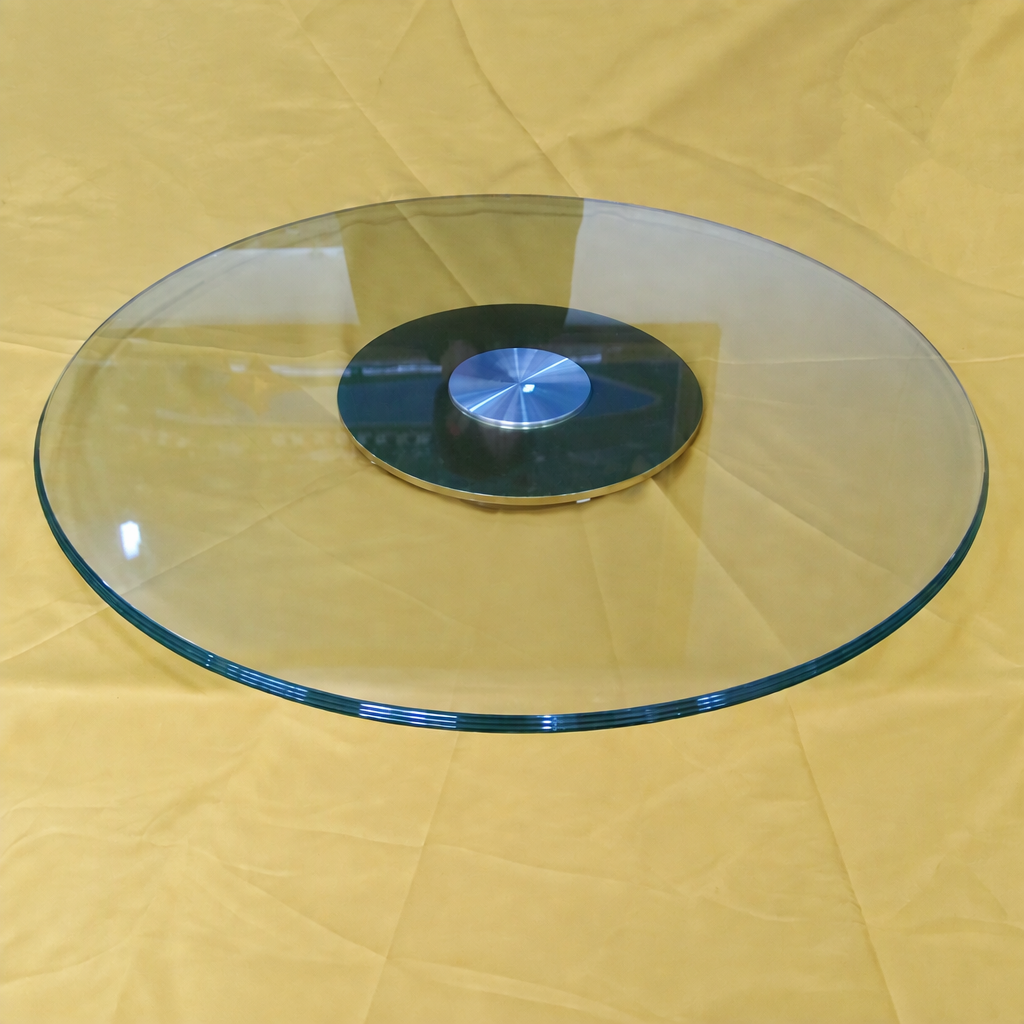
Tempered Glass Lazy Susan 50cm 60cm 70cm 90cm Lazy Susan Turntable Strengthened Glass
A space-smart turntable for compact Toronto kitchens, corner cabinets and retail display tables, with strengthened glass and a clean beveled edge option.

Eco-Friendly Custom Printed Glass Coasters Custom Design Tempered Glass Coaster
Brand-ready coasters for Toronto cafés, hotels, showrooms and corporate gifting, using durable tempered glass, custom print and optional edge polishing.
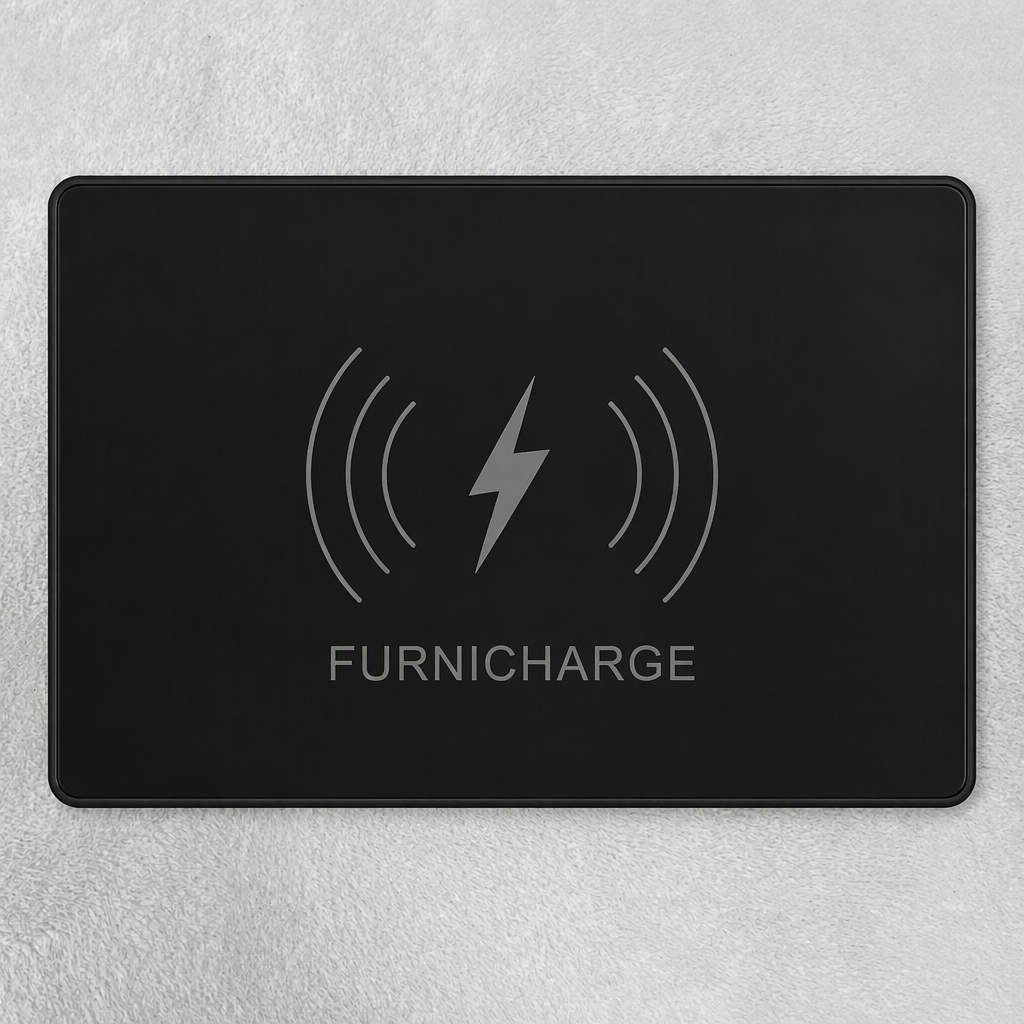
Smart Tempered Glass Bedside Table Panel for Tea Table Wireless Charging Front Cover Glass Touch Light Switch Glass
A multifunctional glass cover for connected furniture and Toronto condo bedrooms, integrating wireless charging, touch lighting and a premium printed surface.
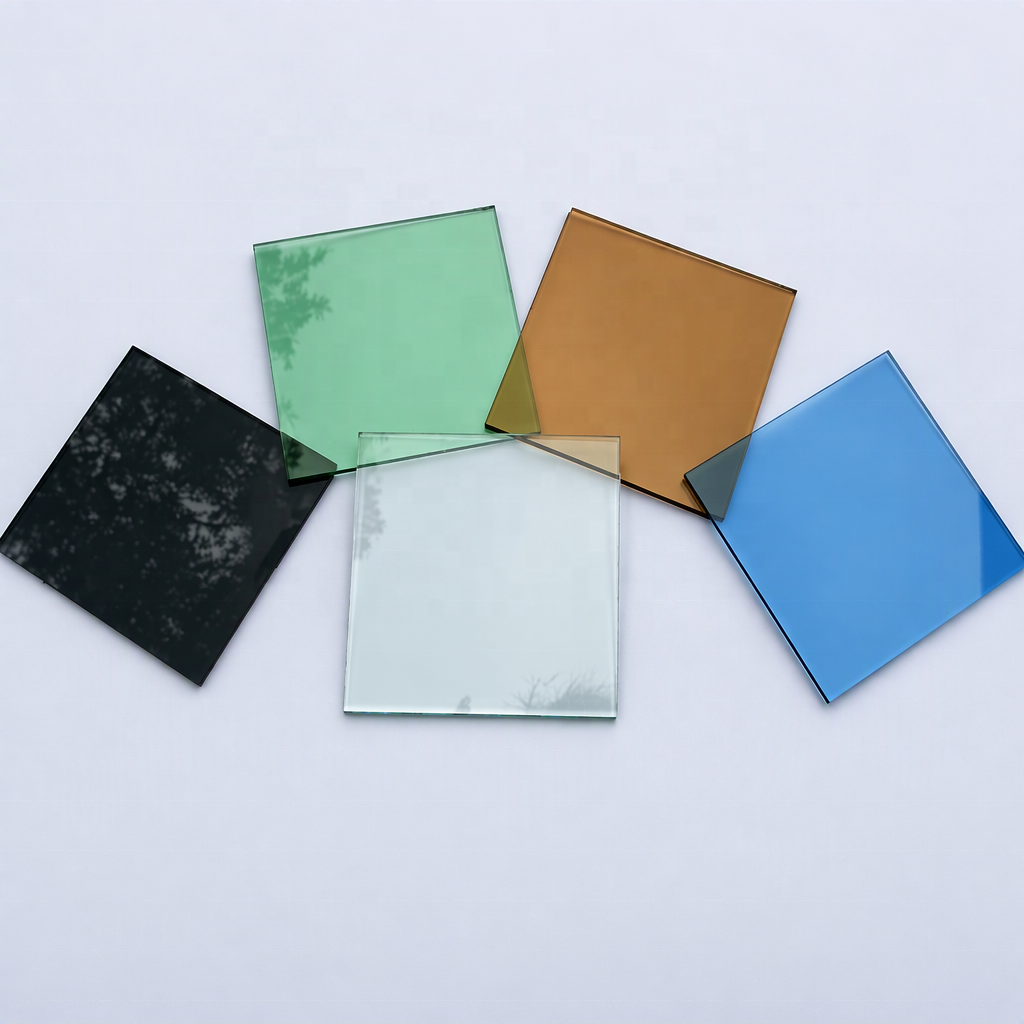
Customized Tinted Tempered Glass Flat Sheet 3mm to 10mm Reflective Colored Glass Toughened Glass
Tinted and reflective glass for GTA office partitions, feature walls, signage and furniture where color consistency and safety glass performance matter.
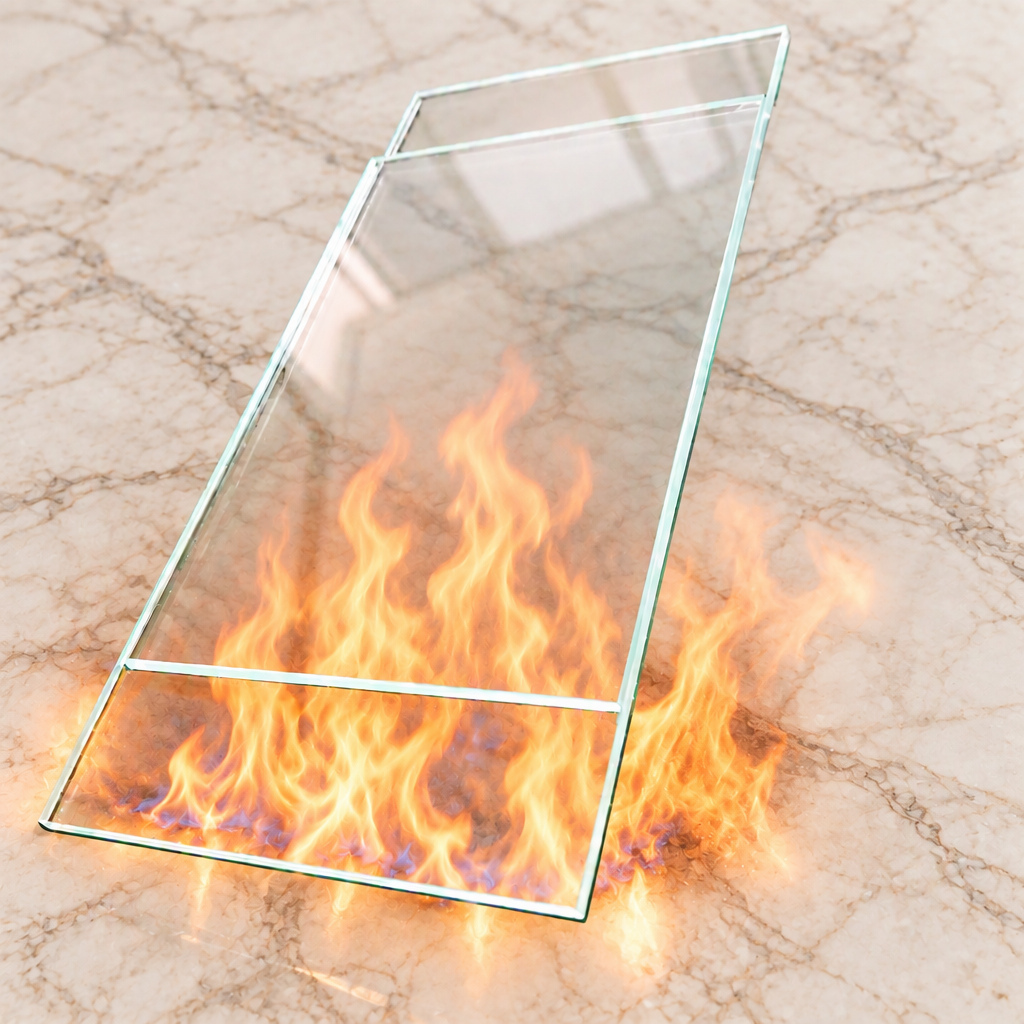
Tempered Glass Flat Solid Glass Panels Heat-resistant Tempered Glass for Various Application
Solid tempered panels for appliance doors, fireplace surrounds, heater covers and equipment viewing windows, supported by drawing-based drilling and edgework.
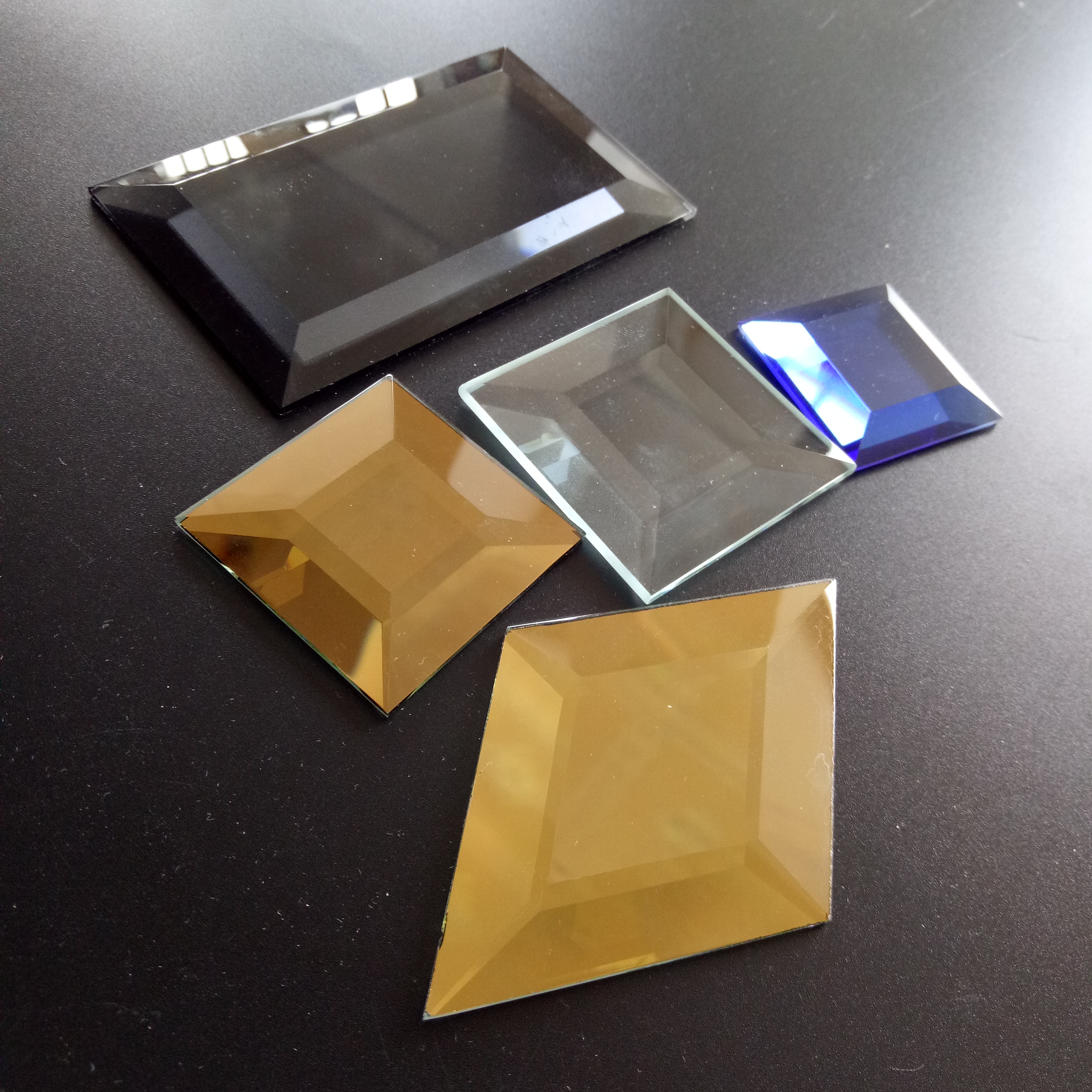
Blue Gold Faceted Beveled Glass for Wall Decoration Clear Beveled Glass Pieces
A design-led beveled glass piece for Toronto hospitality, retail displays and feature walls, with faceted edges that shift reflection under boutique lighting.
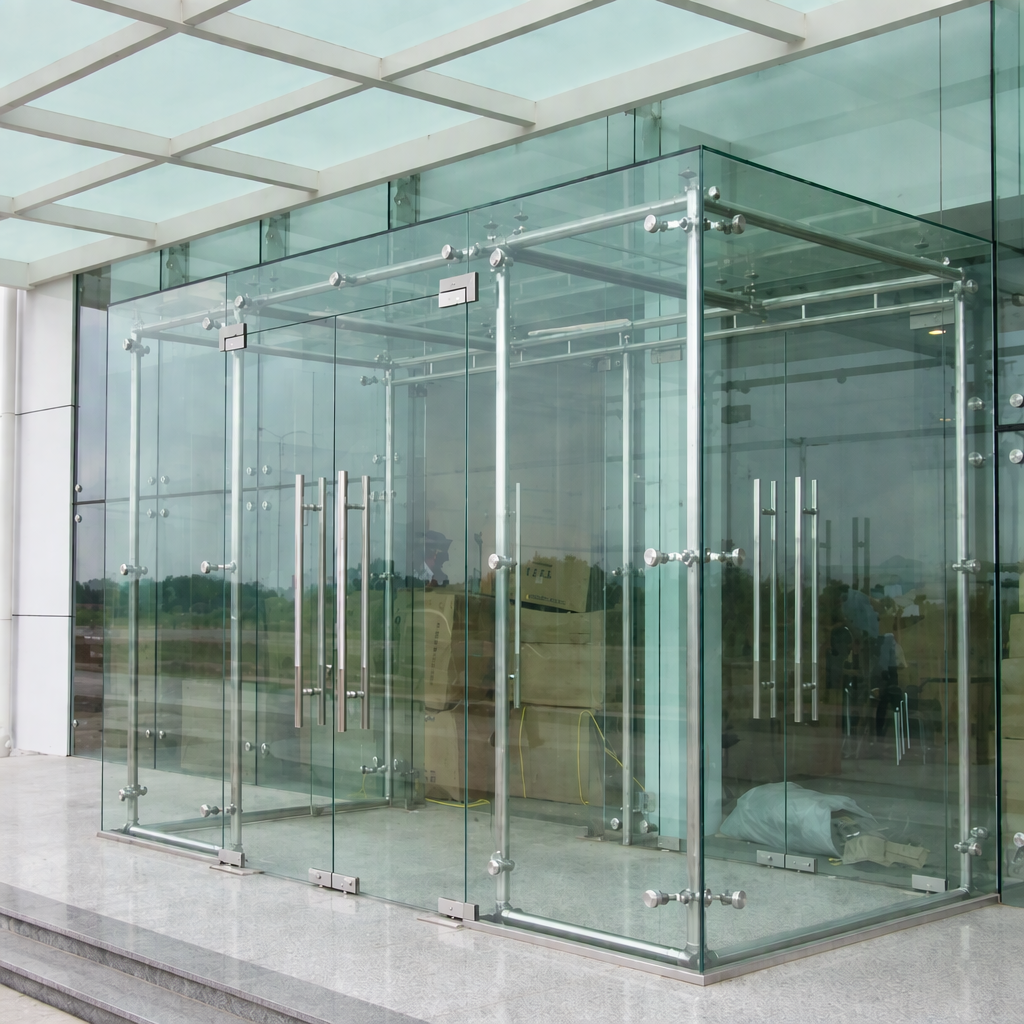
Tempered Glass Solar Window Glass High Transmittance Clear Flat Tempered Glass
High-clarity tempered glass for solar, skylight and display applications where optical transmission, strength and edge quality are specified together.
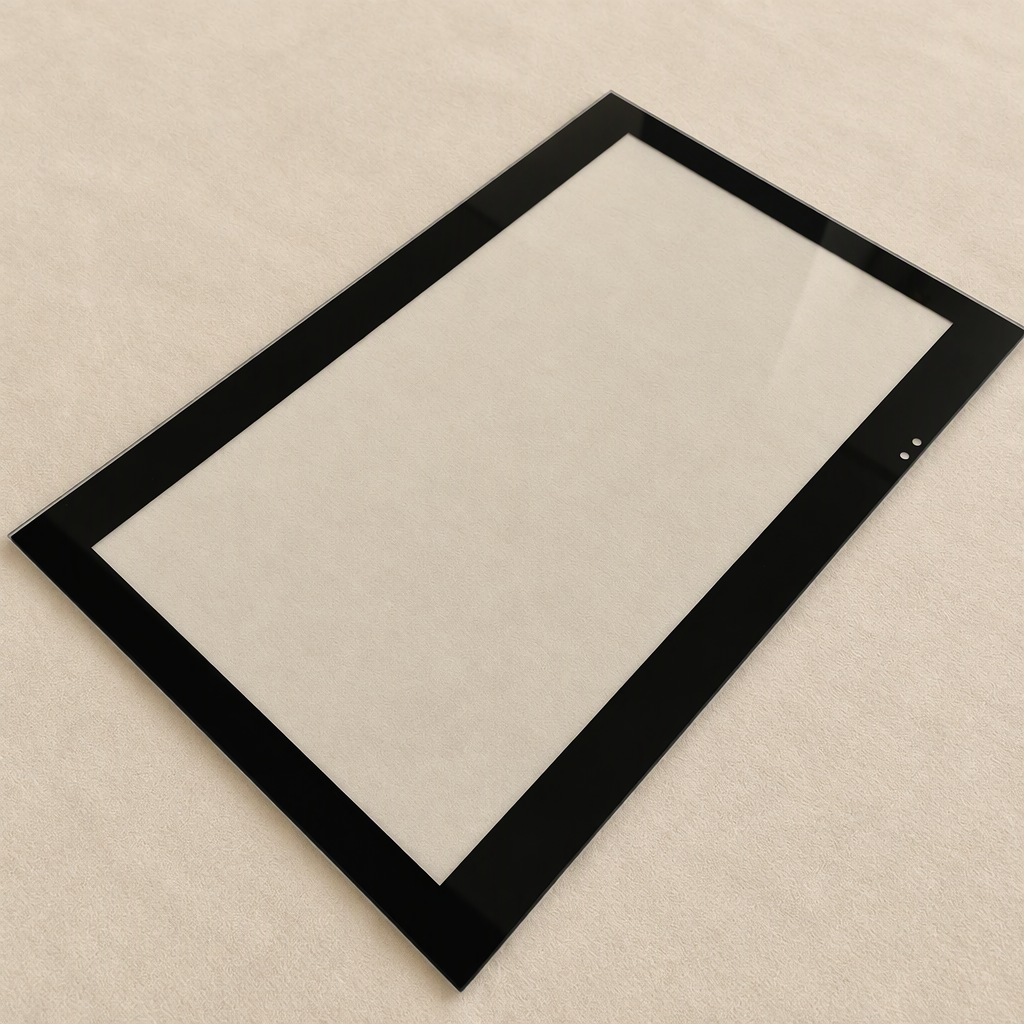
Tempered Glass Panel Silk Screen Printed Flat Display Screen Protector Glass for LCD TV Industrial Decoration
Printed display glass for LCD TVs, kiosks, touch screens and industrial HMIs, protecting the screen while carrying logos, borders and touch-zone graphics.
A Toronto-Focused Glass Beveling Program, Not a Generic Catalog
Toronto is a specification-driven glass market. Condo boards, architects, millwork shops and wholesalers compare edge finish, flatness, print color and breakage risk long before they compare price. A beveled edge that looks correct under showroom lighting can look dull or irregular when installed beside a mirrored wall or a matte lacquer vanity. Our Toronto-focused program therefore starts with the drawing: bevel width, angle, polish sequence, glass type, tempering route and packing method are reviewed together rather than treated as separate line items.
Because the city mixes older buildings, high-rise condos and fast-fit commercial spaces, one standard bevel will not fit every job. A mirrored vanity in a King West condo may need a narrow, mirror-bright bevel; a hotel lobby in the Financial District may use wide faceted bevels to catch evening light; a millwork shop in the GTA may need repeatable 6 mm shelves that arrive chip-free. Our approach is to match the bevel, glass type, strengthening route and packing method to the installation, not to the catalog page. That is how repeatable edge quality, documented compliance and export-ready packing become part of the supply agreement.
What Toronto Buyers Should Specify Before Glass Beveling
A bevel is not simply a chamfer. It is a controlled, polished angle ground into the edge of flat glass and then finished so light reflects in a continuous band. In Toronto interior work, the most common request is a mirror-quality bevel on 6 mm or 8 mm glass for vanities, wall panels, cabinet doors and furniture. In commercial and hospitality projects, designers often widen the bevel to 25–40 mm or combine clear, tinted and low-iron glass to create depth without introducing another material.
The manufacturing order matters. Cutting, CNC shaping, drilling, edge polishing and beveling should be completed before physical tempering or chemical strengthening. Once glass is tempered, it cannot be cut, drilled or given a new bevel without losing its safety properties. For that reason, the drawing review stage is the real quality gate: a 0.5 mm error in a notch or a misplaced hole can force the entire part back to the beginning.
Bevel geometry, edge quality and inspection
A practical starting point is a 10–20 mm bevel on 6–8 mm glass, with the final width confirmed against viewing distance, glass thickness and handling risk. Wider decorative bevels can work well on thick glass in low-traffic feature walls, but they should not be chosen from a photograph alone. The angle, polish compound, arris and edge chip limits all affect how the finished part reads under Toronto’s mix of warm interior light, cool office lighting and strong retail spotlights. For best results, send a DWG, DXF or PDF drawing before production, not a photo of a finished installation.
- 2D drawing with outline, hole positions, cut-outs, tolerance and critical fit points
- Bevel width, bevel angle, polish type, edge break and chip acceptance limits
- Glass type: clear, ultra-clear/low-iron, tinted, reflective, high-alumina or solar-grade
- Strengthening route: physical tempering, chemical strengthening or none
- Surface treatment: silk-screen print, AR/AG/AF coating, lift-off or none
- Installation environment: interior mirror, exterior glazing, heat exposure, touch sensor or display visibility
| Parameter | Typical Range | Toronto Project Note |
|---|---|---|
| Bevel width | 10–40 mm | 20 mm is common for mirrors and vanity panels; wider bevels need thicker glass and careful packing. |
| Bevel angle | 5°–45° | Shallow angles enlarge the reflective band; steep angles create a crisper edge for furniture and retail displays. |
| Glass thickness | 3–12 mm | 6 mm and 8 mm are popular for interior work; 10 mm or 12 mm may be specified for heavy doors and large spans. |
| Edge finish | Flat polish, pencil, bevel, arris | Bevel quality should be reviewed in raking light, not just from the front. |
| Strengthening | Tempered or chemically strengthened | All cutting, drilling and beveling must be completed before strengthening. |
| Tolerance | ±0.2–0.5 mm typical | Confirm critical cut-outs, corner radii and assembly gaps in the drawing review. |
| Inspection | Dimensional, edge chip, scratch, flatness | Use 45° lighting and a documented sample standard for Toronto wholesale approvals. |
Where Beveled Glass Performs Best in Toronto and the GTA
From high-rise condos to commercial retrofits, beveled glass is chosen when light, reflection and edge detail need to be part of the architecture rather than an afterthought.
Condo Kitchens & Compact Dining
Lazy Susan turntables, beveled shelves and mirrored backsplashes make small Toronto units feel larger while improving access to corner storage.
Vanity Mirrors & Bathrooms
Beveled mirror borders and tempered glass panels suit Toronto bathroom renovations, custom vanities and hotel washrooms where edge clarity is visible daily.
Retail, Hospitality & Signage
Faceted beveled glass, tinted partitions and printed display panels help Toronto restaurants, boutiques and showrooms create memorable brand interiors.
Custom Furniture & Millwork
Glass table tops, display cases, cabinet doors and shelving are produced to millwork tolerances for GTA fabricators and design-build teams.
Commercial Partitions & Office Retrofit
Tinted and reflective glass supports Toronto office refreshes, meeting-room privacy, reception walls and touch-enabled control surfaces.
Appliance, Display & OEM Programs
Printed display glass, heat-resistant panels and custom coasters support Toronto OEMs, appliance brands and private-label product programs.
Three Trends Shaping Beveled Glass Demand in Toronto
Buyers are balancing design ambition, denser floor plans and compliance documentation. The right supplier should be able to support all three.
Condo Densification & Small-Space Performance
Toronto’s compact condos reward reflective surfaces, space-saving turntables and dual-purpose glass furniture. Beveled edges visually thicken glass, add perceived value and help mirrors or shelving read as finished architectural details rather than commodity parts. For wholesalers, the opportunity is to hold repeatable specifications that fit standard millwork programs while still allowing custom sizes for premium suites.
Design-Led Commercial Retrofits & Brand Interiors
Retail, hospitality and office retrofits across the GTA are moving toward textured reflection, faceted bevels, tinted glass and printed display surfaces. Designers want the glass to carry brand identity without adding heavy material layers. That increases demand for close color matching, accurate touch-zone printing and short-run custom work, especially where fixtures must fit existing building conditions and elevator access limits.
Compliance-Aware Procurement & Lower Breakage
Toronto procurement teams increasingly ask for ISO 9001, RoHS and CE documentation before approving samples. They also compare packing methods, replacement risk and shipment consolidation because broken glass costs more than freight. Our response is to treat export packing as part of quality: edge protection, interleaving, moisture control and carton labeling are specified before the shipment leaves Qingdao.
Toronto Procurement FAQ: Beveled Glass, Temper, Shipping and MOQ
These are the questions most often raised by Toronto wholesalers, glaziers, architects and product teams during the first technical review.
What is the minimum order for custom beveled and printed glass?
+
Most custom panels start from 10 to 100 pieces depending on size, thickness and print colors. Large display cover glass can start from 10 pieces, while standard switch and display panels often start near 100 pieces. Samples are available for fit, edge and print verification before mass production.
Can beveling be done after tempered glass is produced?
+
No. Physical tempering creates a safety-glass stress pattern; cutting, drilling or grinding a new bevel afterward can release that stress and cause immediate or delayed breakage. All edgework, holes and cut-outs must be completed and inspected before tempering or chemical strengthening.
What lead time should Toronto buyers plan for?
+
Indicative lead time is confirmed by drawing complexity, sample approval and production queue. A typical program includes sampling, first-article approval, production, final inspection and export packing. Air freight, sea freight and consolidated rail-road options can be quoted for Toronto and GTA delivery, with the final schedule confirmed in writing.
How do we specify bevel width and angle correctly?
+
Send the elevation, installation detail, glass thickness, viewing distance and lighting conditions. A 10–20 mm bevel is common for interior mirrors and furniture, while 25–40 mm or faceted bevels suit feature walls and decorative panels. The factory reviews handling risk, flatness and tempering constraints before confirming the drawing.
Which shipping and payment terms are accepted?
+
Accepted delivery terms include FOB, CIF, EXW, FAS, FCA, CPT, DDP, DDU and express delivery. Accepted payments are T/T, L/C, PayPal, Western Union and cash in USD, EUR or CNY. The factory is close to Qingdao seaport and airport, which simplifies export handling and audit visits.
How is quality documented for a Toronto wholesale order?
+
We operate an ISO 9001 quality management system, hold RoHS and CE certification, and have been onsite assessed by SGS Group. Incoming material and finished products can be inspected, and the approval sample becomes the reference for edge quality, print color and dimensional fit. Certificate numbers are available for your compliance file.
Why Toronto Wholesalers Work With Qingdao Maupe Glass
Qingdao Maupe Glass Co., Ltd. is a glass deep-processing manufacturer and international supplier founded in 2012 in Qingdao, Shandong. The company operates under an ISO 9001 quality management system and holds RoHS and CE certification, with certificate numbers available for compliance review. SGS Group has onsite assessed the supplier, and its supplier profile records a verified Fortune 500 procurement relationship and more than ten years of OEM/ODM experience.
For Toronto wholesale buyers, the practical advantage is process concentration. Cutting, CNC shaping, edge polishing and beveling, drilling, engraving, AR/AG/AF coating, silk screen printing, physical tempering and chemical strengthening sit inside one controlled chain. The facility operates 8 production lines across 3,000–5,000 m² and exports to 80+ countries, with 91–100% of output sold to international markets. The factory is close to Qingdao seaport and airport, keeping export logistics and buyer audits straightforward.
Our printed glass uses RoHS-compliant, eco-friendly high- and low-temperature inks, giving scratch- and wear-resistant prints for displays, electronic control equipment, instrument covers, household and kitchen appliances, furniture and decorative partitions. This range supports Toronto projects that need one supplier for beveled glass, tempered safety glass, printed covers and coated display windows rather than a patchwork of vendors.



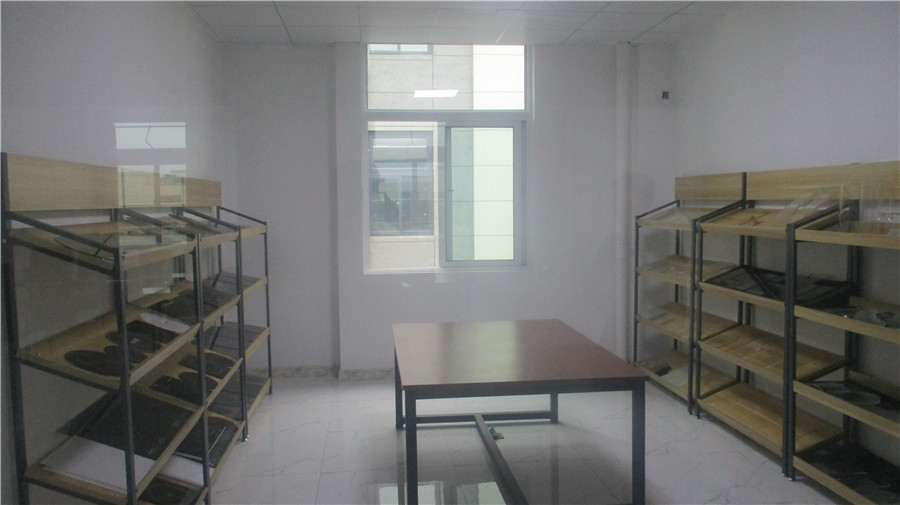
ISO 9001 Quality Management
Certificate No. 24025Q20015R1S. Scope covers float glass and technical glass products, valid through 02/2028.
RoHS Compliance
Certificate No. 25TYT12395. Restricts hazardous substances for EU electrical and electronic equipment, valid through 12/2030.
CE Marking
Certificate No. 23TYT082593S. Tempered glass certification supporting market access across the European Economic Area, valid through 08/2028.
From Drawing Review to Toronto-Ready Export Packing
A controlled five-stage workflow gives purchasing, engineering and quality teams a clear approval point before production moves forward.
Drawing & Bevel Review
Engineers check manufacturability, tolerance, edge geometry, strengthening route and print requirements.
Sampling & Approval
Screens and samples verify fit, color, touch zones and bevel appearance before mass production.
Production & Traceability
Cutting, CNC, beveling, printing, coating and tempering run through controlled production stages.
Inspection & Export Packing
Final inspection, edge protection, interleaving and carton labeling prepare the order for Toronto delivery.
Request a Toronto-Ready Beveled Glass Quote
Send your DWG, DXF or PDF drawing with thickness, bevel width, edge finish, print artwork and target quantity. Our team will review manufacturability and respond with catalog guidance, MOQ and export options for Toronto and the GTA.
Get CatalogServing Toronto wholesalers, glaziers, architects, millwork shops and OEM buyers from an ISO 9001 glass factory in Qingdao.