Glass Components Ready for Customization
Reviewed for industrial workshops, electronic displays, instruments, smart-home interfaces, appliance panels, decorative partitions and switchable privacy applications. Each product page preserves the original specification link, so your engineering team can compare formats before requesting a drawing review.
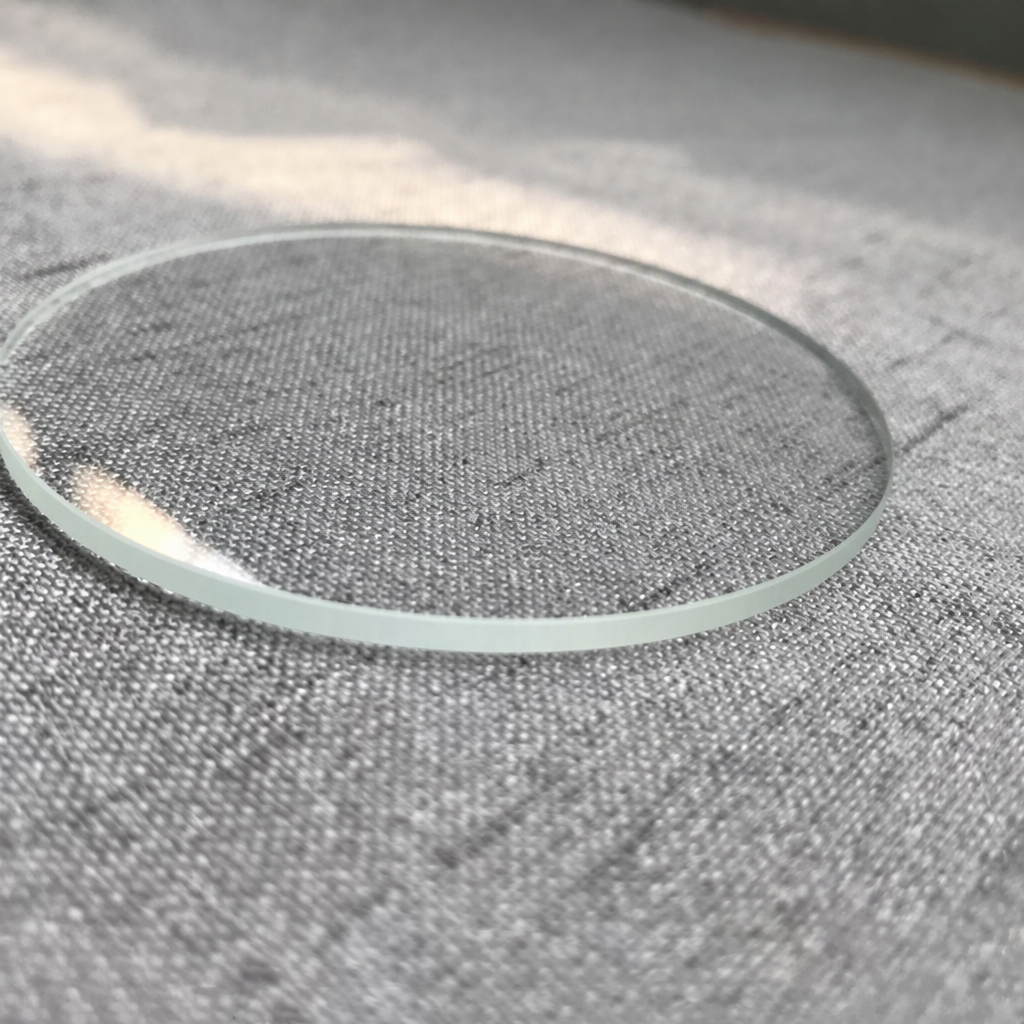
Pressure-resistant Glass Tempered Viewing Mirror Custom Size Clear Glass Panel for Industrial Workshop
Industrial viewing mirrors and pressure-resistant clear panels for workshops, equipment guards, inspection windows and production environments. Custom sizes, edge finishing and export packing are available.
View product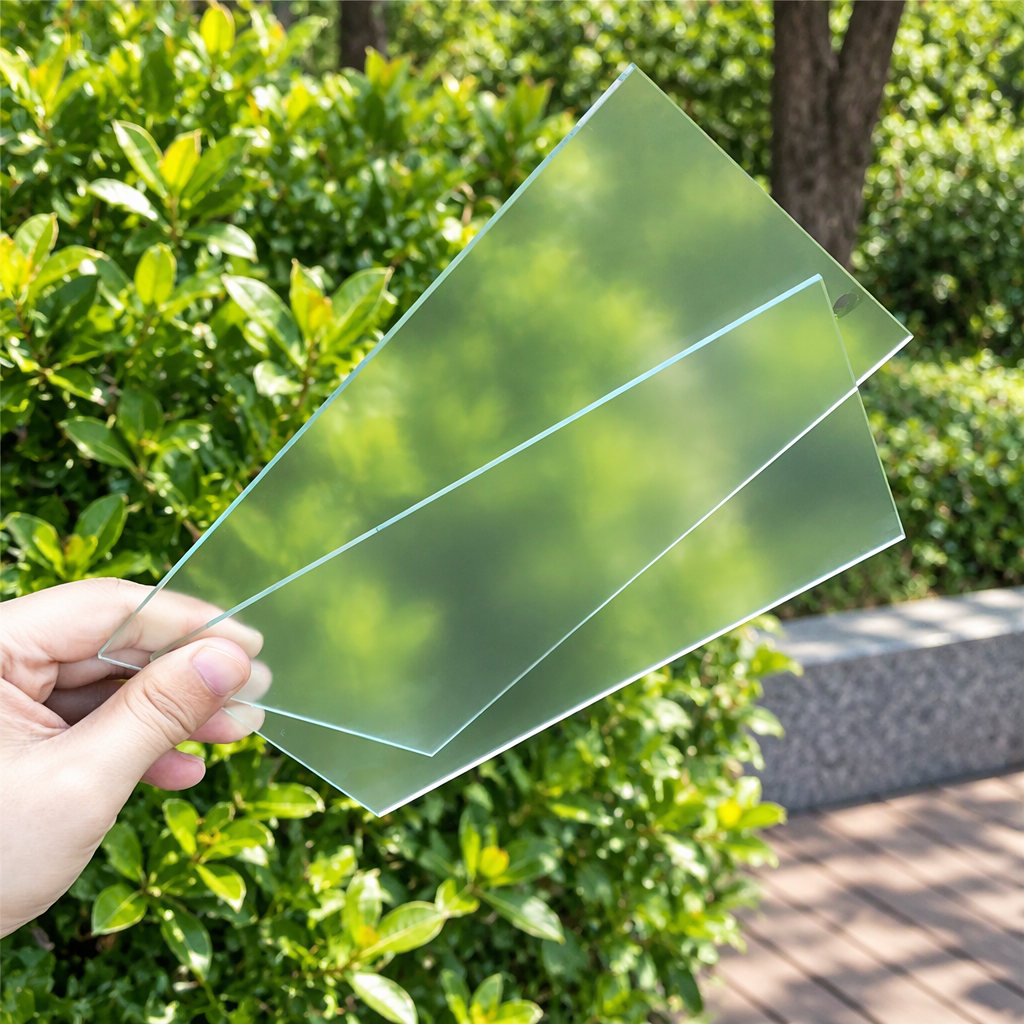
High Quality Industrial Screen Front Cover Glass Frosted Anti-glare Glass for Screen Protector
Frosted anti-glare front cover glass for HMI displays, control-room screens and bright factory floors. The matte surface reduces reflection while protecting the display face.
View product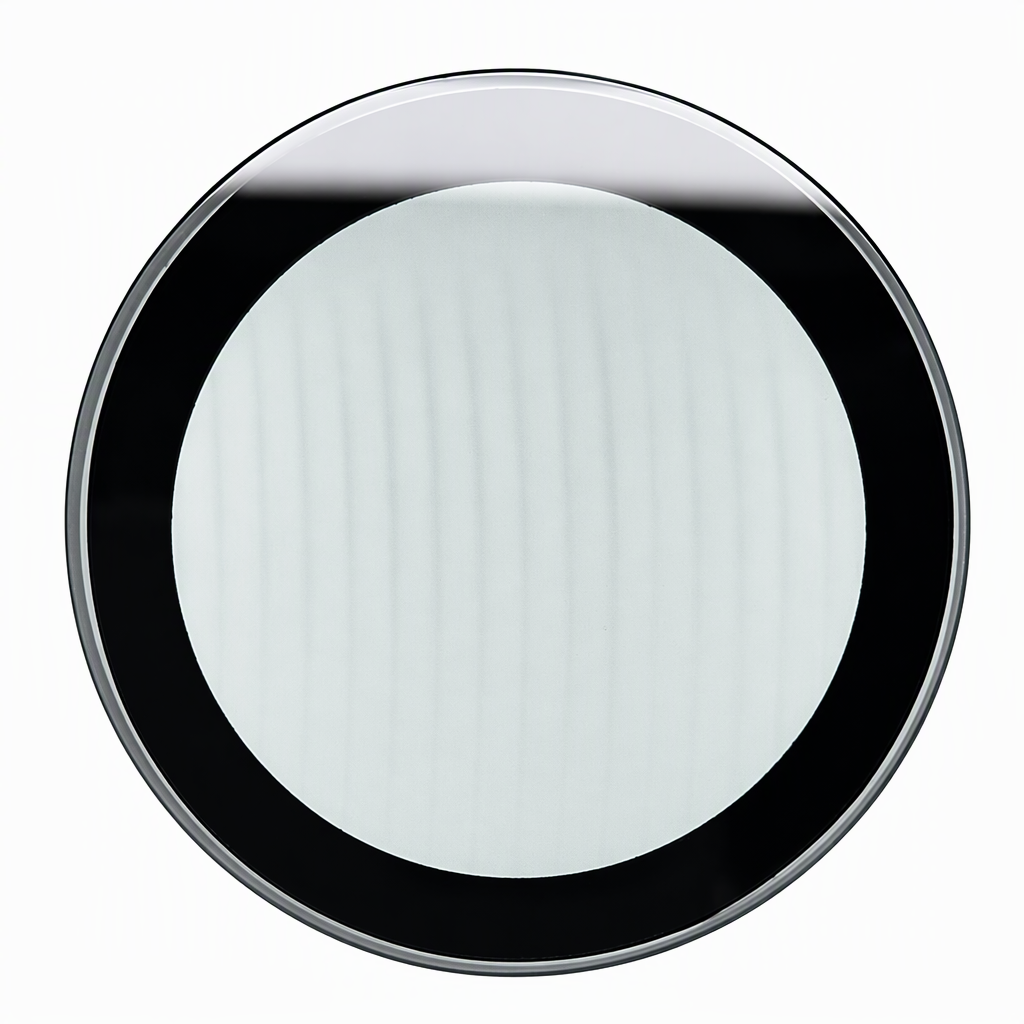
Custom 3-19mm Thickness Flat Tempered Glass Panel for Instrument Use Factory Price Round Shape Printed Tempered Glass
Round, shaped and printed instrument glass from 3–19 mm for gauges, control instruments, bezels and equipment panels. Holes, printing and edge profiles can be customized.
View product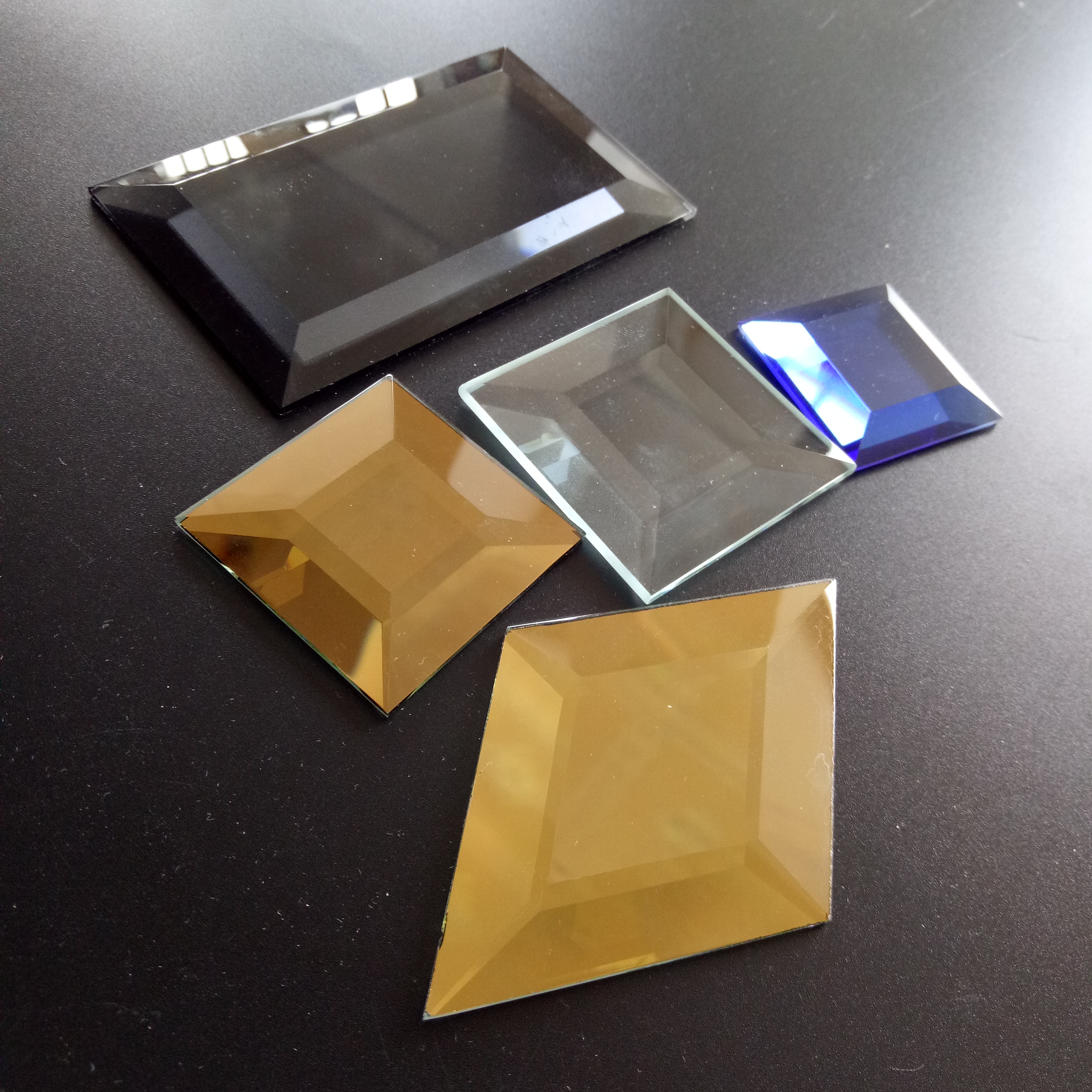
Blue Gold Faceted Beveled Glass for Wall Decoration Clear Beveled Glass Pieces
Decorative faceted and beveled glass pieces for wall features, hospitality interiors, retail displays and architectural accents in blue-gold finishes.
View product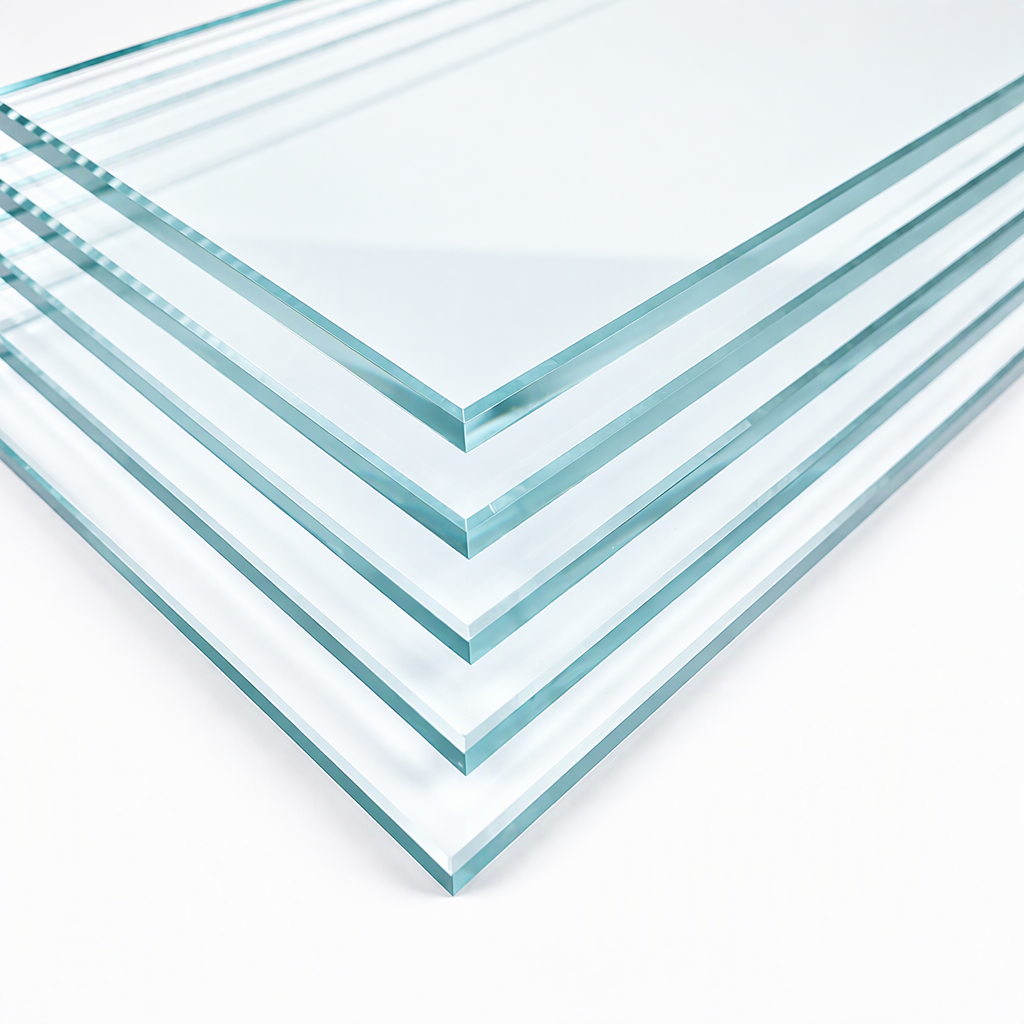
Clear Tempered Glass Transparent Tempered Glass Panel Cover Plate
Clear tempered cover plates for equipment guards, display windows, touch interfaces and protective fronts where transparency and strength are required.
View product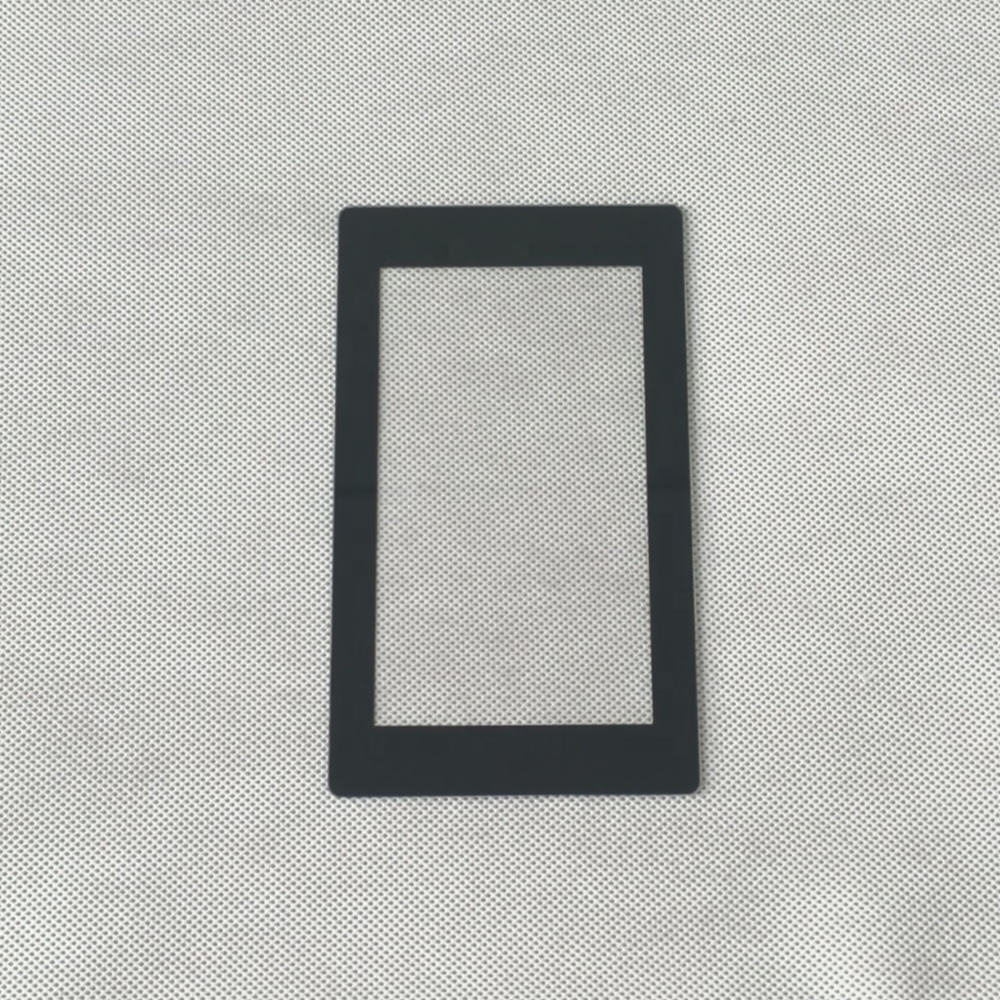
Silk Screen Printed Tempered Glass Panel Self Adhesive Display Cover Glass Flat Electronic Product Glass Screen Protector
Self-adhesive printed display glass for electronic products, with flat glass, silk-screen graphics and protective cover functions for assembled devices.
View product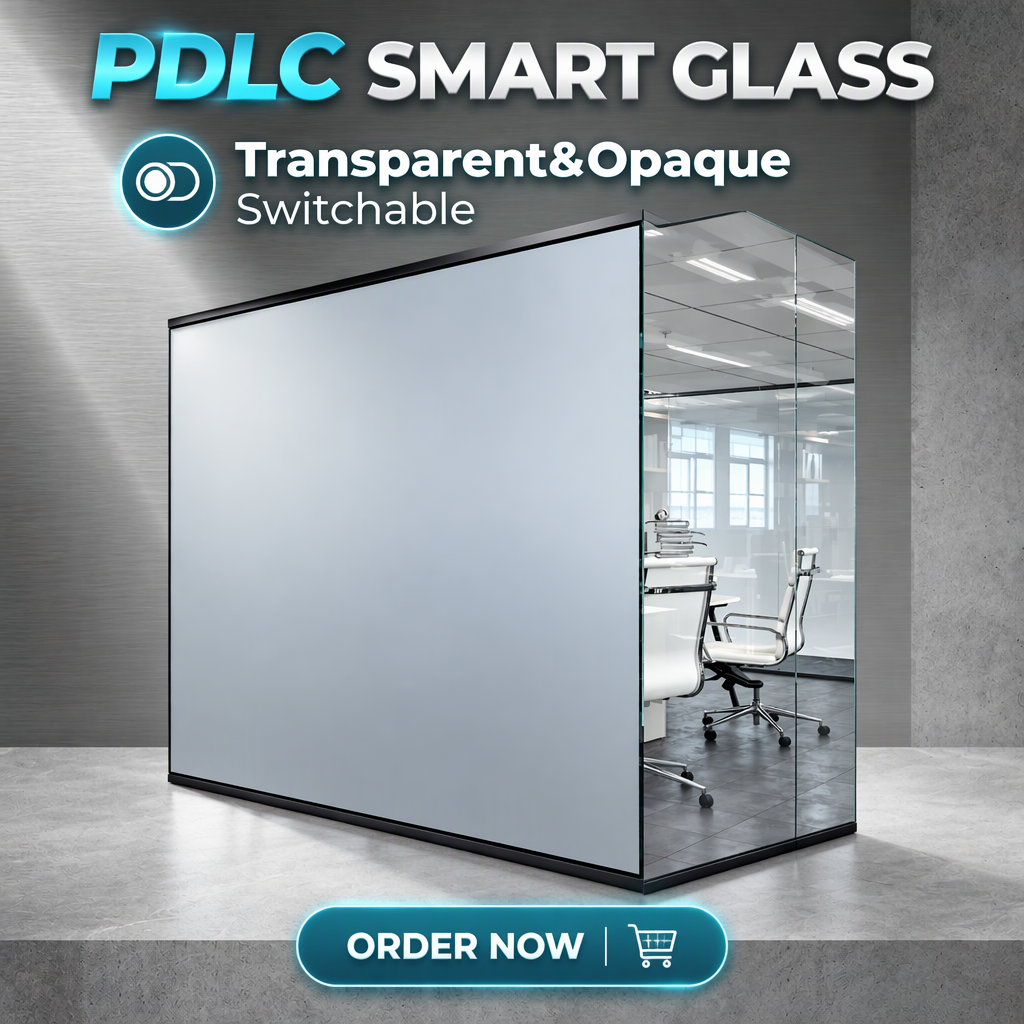
PDLC Smart Film Smart Glass Privacy Film Electrically Transparent Dimmable Glass
PDLC smart film glass for switchable privacy in conference rooms, office partitions, healthcare spaces and residential privacy screens.
View product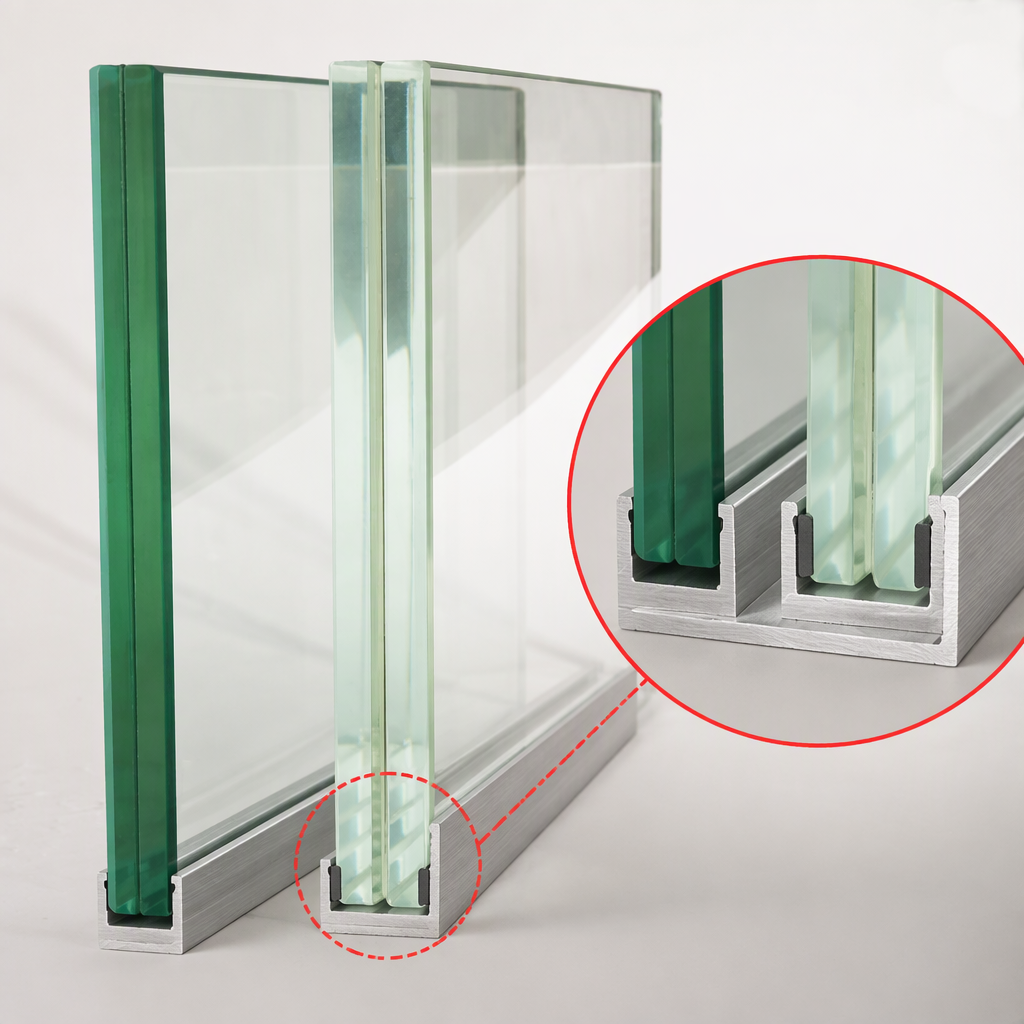
Tempered Glass Flat Solid Tempered Glass Panel Customized Thickness and Size
General flat tempered glass panels customized by thickness, size, edge work, holes and printing for industrial, commercial and appliance applications.
View productWhy Custom Glass Components Matter in Indianapolis
Indianapolis and the surrounding Central Indiana corridor are home to advanced manufacturing, life-sciences suppliers, logistics operations, smart-building integrators, university research groups and consumer-product teams. These buyers rarely purchase ordinary glass as a commodity; they specify functional components that protect displays, support touch interfaces, isolate sensors, resist heat and survive repeated cleaning or daily use.
For an Indianapolis engineer, the purchasing question is not simply “Can you supply glass?” It is whether the manufacturer can interpret a drawing, match print colour, control flatness, validate the strengthening method and pack the part for a long export route without hidden damage. A glass components manufacturer serving the Indianapolis market must therefore behave more like a production partner than a catalogue seller.
Qingdao Maupe Glass Co., Ltd. has operated since 2012 and exports to more than 80 countries. Its published profile lists ISO 9001 quality management, RoHS and CE certificates, SGS onsite assessment, 8 production lines, a 3,000–5,000 m² factory, and an export share of 91–100% of output. For Central Indiana buyers, those facts matter because they indicate repeat export experience rather than occasional overseas shipping.
- Drawing review for dimensions, edge work, holes, tolerances, coating and print layers.
- Sampling before mass production for fit, colour and touch-interface verification.
- Export-grade packaging and documentation from Qingdao seaport or airport.
- Direct communication with the factory team for engineering and quality questions.
Localized Procurement Reality
Most Indianapolis buyers compare three things: technical certainty, communication speed and total landed cost. Our export model addresses all three. We quote against your drawing, recommend physical tempering or chemical strengthening based on thickness and application, and prepare parts for consolidated shipment to Indiana via U.S. ports, rail ramps, trucking lines or air freight to Indianapolis International Airport (IND).
We are not a stockist in Indianapolis and do not claim a local warehouse. That matters for transparency. Custom projects are manufactured in Qingdao, sampled by express, and then shipped in production batches. For teams that need a reliable direct factory channel, this structure can be more efficient than buying through layers of distributors, especially when the part includes printing, coating, CNC processing or special packing.
Use the inquiry button when your team needs a manufacturability review, MOQ confirmation, sample plan or freight discussion. Please include the application, annual quantity, target date, drawing file and any specification such as RoHS, CE or ISO 9001 documentation.
Application Scenarios for Indianapolis OEMs and Integrators
Functional glass is specified by the assembly, environment and user interaction rather than by the glass itself. These scenarios show where custom printed, coated or strengthened glass usually creates measurable value.
Industrial HMI & Equipment Enclosures
Plant-floor displays, machine guarding and control boxes in Indianapolis manufacturing sites need clear or anti-glare front glass that resists scratches, cleaning chemicals and accidental impact. Tempered panels with printed borders, holes and countersinks can be supplied to drawing.
Medical, Laboratory & Life-Sciences Displays
Research and clinical equipment around Indianapolis often asks for chemically strengthened cover glass with flatness and optical clarity. AR and AF coatings improve readability and cleaning, while RoHS-compliant materials support regulated supply chains.
Smart Building, HVAC & Access Control
Switch panels, card-reader windows and thermostat covers for offices, hotels, universities and multi-site facilities. Silk-screen printing hides sensor areas, controls light transmission and gives brand-consistent interfaces.
Appliance, Commercial Kitchen & Interiors
Heat-resistant printed panels for appliance interfaces, plus beveled decorative glass for hospitality, retail and workplace interiors. Custom sizes support renovation projects and OEM product programmes.
Indianapolis Buyer Priorities: What the Market Is Asking For
Across custom-glass quotation requirements, Central Indiana buyers commonly weigh the following priorities. The index is illustrative, based on recurring RFQ themes rather than a formal local survey.
Traceable Quality Documentation
Certificate numbers, inspection plans and material declarations are requested earlier, especially for medical, industrial and supplier-approval programmes.
95% priority indexThin, Optically Clear Touch Covers
Smart interfaces and portable devices increasingly require 0.5–2 mm chemically strengthened glass with clean edges and stable flatness.
88% priority indexAnti-Glare and Anti-Fingerprint Readability
Control rooms, bright production cells and public terminals benefit from AG and AF surfaces that keep information readable and cleanable.
82% priority indexSmaller Initial Batches and Faster Iteration
Engineering teams often begin with samples or 10–100 piece batches before moving to repeat production and annual volume planning.
76% priority indexMatch the Strengthening Method to the Part
Selecting glass by thickness alone can lead to re-tooling. The application, touch-sensor stack, breakage pattern and optical requirements should drive the decision before samples are approved.
When physical tempering is normally preferred
Physical tempering is usually selected for 2 mm and thicker glass where safety glass behaviour, impact resistance and heat resistance matter. Typical parts include appliance doors, switch panels, display windows, equipment guards and industrial viewing parts.
When chemical strengthening is normally preferred
Chemical strengthening suits 0.5–2 mm thin cover glass where excellent flatness and optical clarity are required. It is common for touch panels, electronic covers and precise optical windows that cannot tolerate heat distortion.
In both cases, cutting, drilling, CNC shaping and edge polishing happen before strengthening. Printing and coating steps must also be sequenced correctly to avoid thermal or chemical damage.
Send this to start a review
- 2D drawing in DWG, DXF or PDF with outline, holes, edge finish and tolerance.
- Glass type and thickness: clear, ultra-clear, high-alumina or tinted.
- Print artwork in AI or PDF with colour references and layer order.
- Coating requirement: AR, AG, AF or none, plus the working environment.
- Annual volume, sample target date and destination ZIP code for freight planning.
Physical Tempered
- Typically about 2 mm and thicker.
- Roughly 4–5× stronger than annealed glass.
- Breaks into small blunt fragments.
- Good for appliance doors, control panels and display windows.
Chemically Strengthened
- Best for 0.5–2 mm thin glass.
- Excellent flatness and optical clarity.
- No heat-induced roller wave.
- Good for touch covers, wearables and optical windows.
Review Triggers
- Holes, countersinks or narrow borders.
- Multi-colour print and backlight icons.
- AR/AG/AF coating and adhesive lamination.
- Large-format panels or tight flatness targets.
RFQ checklist for Indianapolis buyers
Please state whether the part is a front cover, display window, control panel, inspection glass or decorative component. This helps engineering select the correct strengthening method, print ink system and packaging format before a quotation is finalized.
What Indianapolis Buyers Can Check Before Awarding a Project
The company profile publishes the facts below. They allow procurement and quality teams to evaluate the factory against supplier-approval criteria before samples or production begin.
ISO 9001 and SGS Onsite Assessment
ISO 9001 quality management is listed with certificate number 24025Q20015R1S. The supplier has also been onsite-assessed by SGS as a third-party inspection company.
In-House Process Chain
Cutting, CNC shaping, edge polishing, drilling, engraving, silk-screen printing, physical tempering, chemical strengthening and AR/AG/AF coating are handled under one factory roof.
Export Experience Since 2012
The company has served OEM buyers in more than 80 countries, with an export share of 91–100% of output and 8 production lines in a 3,000–5,000 m² factory.
OEM / ODM Communication
More than 10 years of OEM experience supports drawing review, sample approval, print-colour checks and repeat production planning for custom glass components.
Export Packing and Freight Planning
FOB, CIF, EXW, FAS, FCA, CPT, DDP, DDU and express options are supported. The factory is close to Qingdao seaport and airport for consolidated shipments to the United States.
Published Procurement Credibility
The company profile cites Fortune 500 supplier procurement verification, RoHS and CE certification, and competitive OEM factory positioning for international buyers.



Quality Documents to Check in Your Supplier File
Certificate numbers are included so your compliance team can verify scope and validity with the issuing bodies. Confirm the current certificate package with the factory before purchase.

ISO 9001 Quality Management
Certificate No. 24025Q20015R1S. Scope includes float glass and technical glass products. Published validity runs to 02/2028.

RoHS Compliance
Certificate No. 25TYT12395. Restricts hazardous substances for EU electrical and electronic equipment. Published validity runs to 12/2030.

CE Marking
Certificate No. 23TYT082593S. Tempered glass certification supporting market access across the European Economic Area. Published validity runs to 08/2028.
From Drawing to Delivery: Four Controlled Steps
A transparent workflow helps purchasing, engineering and quality teams understand where approvals happen and where changes can still be made efficiently.
Drawing and DFM Review
Engineers check outline, holes, edges, tolerance, ink coverage, coating, strengthening method and the operating environment before quotation.
Sampling and Verification
Screens and samples are prepared for fit, colour, touch-zone, optical performance and visual approval before mass production.
Production and Inspection
Cutting, polishing, printing, tempering or chemical strengthening run on 8 lines, followed by incoming and finished-product inspection.
Export to Indianapolis
Protective packing, export documents and freight planning via Qingdao seaport or airport support ocean, rail, truck and air delivery to Indiana.
Questions Indianapolis Buyers Ask Before Ordering
These answers cover the practical issues that commonly appear in supplier qualification, sample planning and first-order discussions.
Do you export custom glass components to Indianapolis, and are you a local stockist?
Yes, we export to Indianapolis and Central Indiana. We are a Qingdao-based manufacturer and exporter, not a local Indianapolis stockist, and we do not claim a local warehouse. Samples are usually sent by express, while production volumes ship by ocean, rail, truck or air depending on schedule and budget.
What is the minimum order quantity and how does sampling work?
Most custom printed tempered panels start from 10 to 100 pieces depending on size, thickness and number of print colours. Large display cover glass can start from 10 pieces. Samples are available for fit, print and touch verification before mass production; sample timing depends on tooling, artwork and coating requirements.
Which certifications and quality documents support supplier approval?
The company lists ISO 9001 certificate 24025Q20015R1S, RoHS certificate 25TYT12395 and CE certificate 23TYT082593S. SGS onsite assessment is also cited. Project-specific inspection reports and material declarations can be discussed, but confirm the exact document package before placing an order.
Should we choose physical tempered glass or chemically strengthened glass?
Choose physical tempering for typically 2 mm and thicker parts that need safety-glass breakage and impact or heat resistance, such as appliance doors, switch panels and display windows. Choose chemical strengthening for 0.5–2 mm thin covers that require excellent flatness and optical clarity, such as touch panels and precision covers.
What files and details should Indianapolis buyers include in an RFQ?
Send a 2D drawing in DWG, DXF or PDF with dimensions, thickness, edge finish, holes, countersinks and tolerance. Add print artwork in AI or PDF with colour references, coating requirements such as AR, AG or AF, the operating environment, annual quantity, sample date and destination ZIP code for freight planning.
What trade terms, payment methods and export packing are used?
Delivery terms include FOB, CIF, EXW, FAS, FCA, CPT, DDP, DDU and express delivery. Payments include T/T, L/C, PayPal, Western Union and cash in USD, EUR or CNY. Glass is protected with film, interleaving, foam, reinforced cartons or crates and palletization as required for the route to Indiana.
Send Your Drawing for a Manufacturing Review
Share the drawing, application, annual volume and destination ZIP code. Our team will respond with the recommended glass type, strengthening method, print or coating options and a practical quotation path for Indianapolis delivery.
Email: info@maupeglass.com · Qingdao, Shandong, China · Export experience across 80+ countries