8 Glass Products for San Jose Disc, Display and Control Panel Projects
These eight production products are practical starting points for San Jose buyers searching for glass disc factories. Each part can be customized by shape, thickness, edge profile, print layout, coating and strengthening method. Circular discs, rings and round window covers can be produced through the same cutting, printing, tempering, coating and inspection process chain.
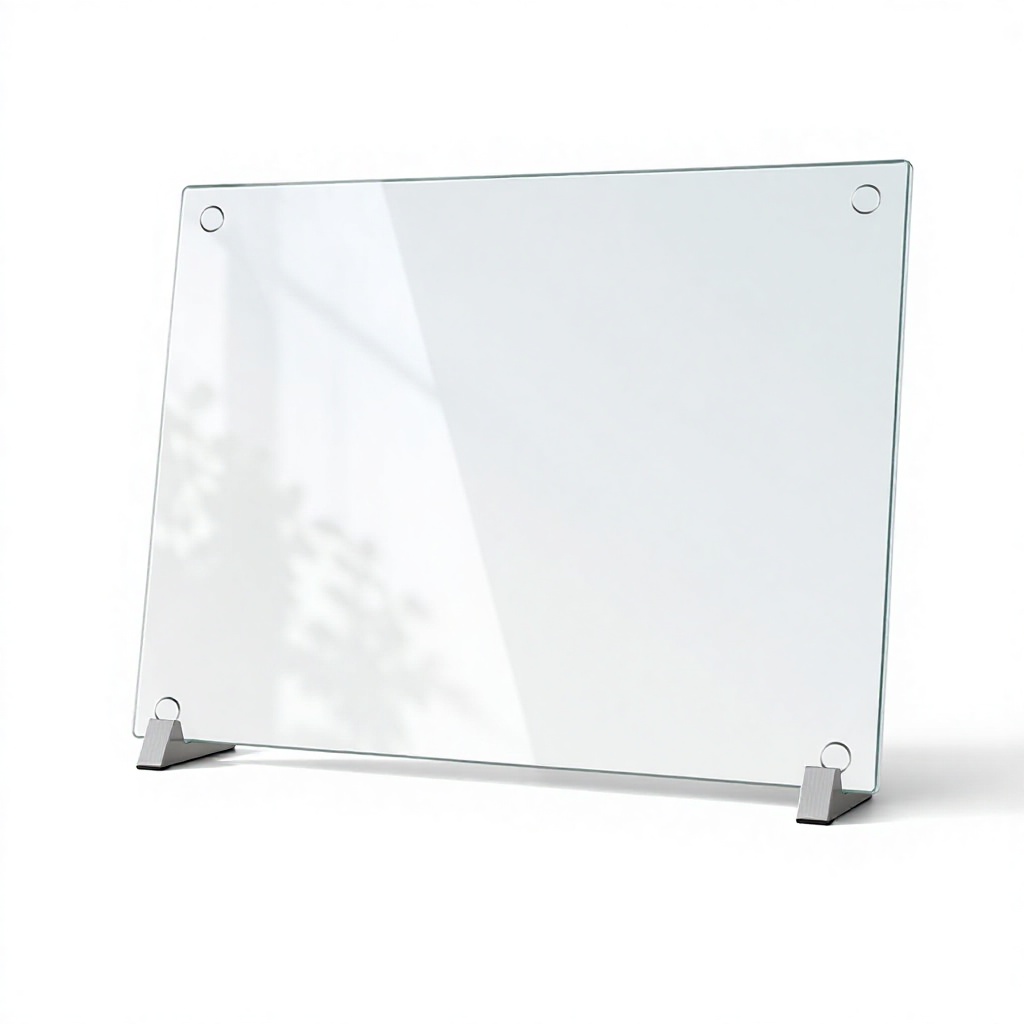
Custom Size Clear Tempered Glass Curtain Wall Panel Multi Function Print Glass Whiteboard Glass
Recommended for architectural glass discs, whiteboard walls and multi-function printed curtain-wall panels with clear tempered glass.
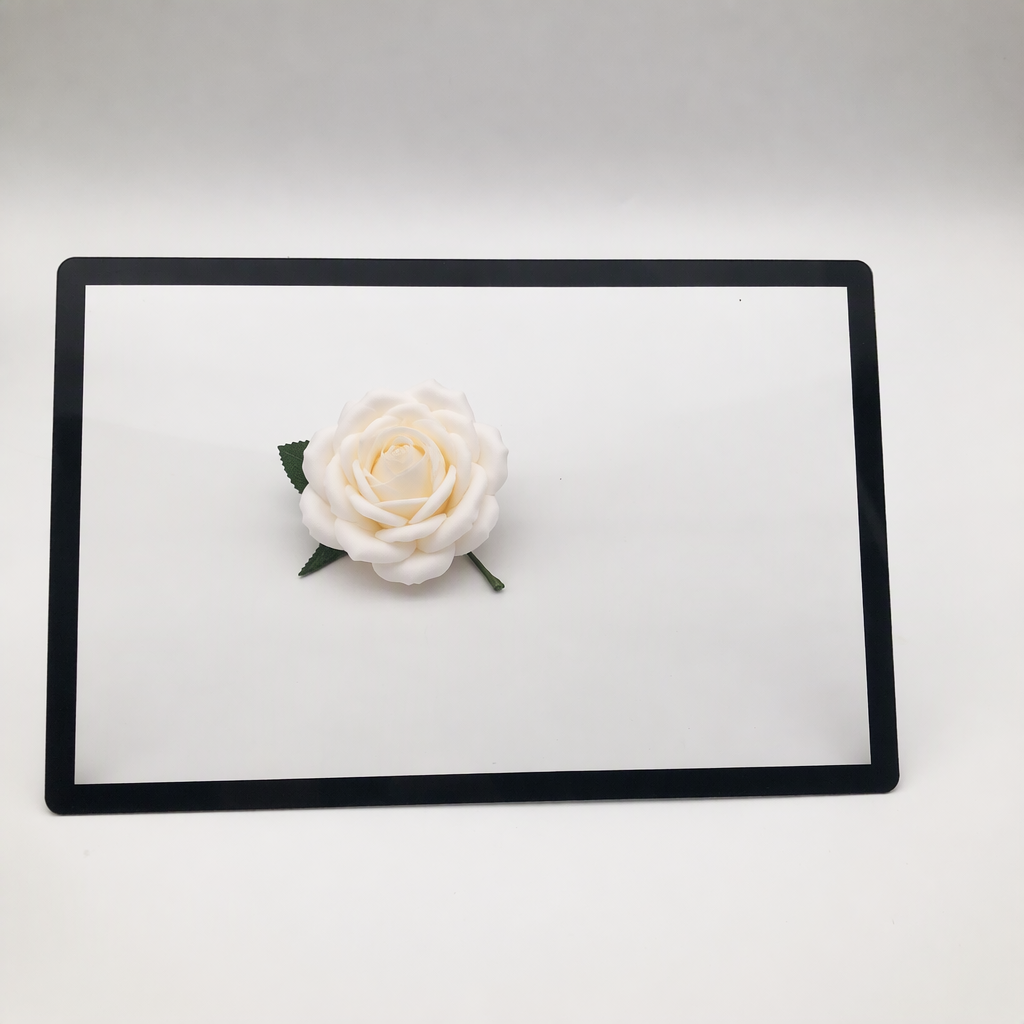
Ultra-Thin Silk Screen Printed Tempered Glass for Display Panels
Recommended for slim display windows and thin display cover glass where crisp silk printing and controlled thickness are required.
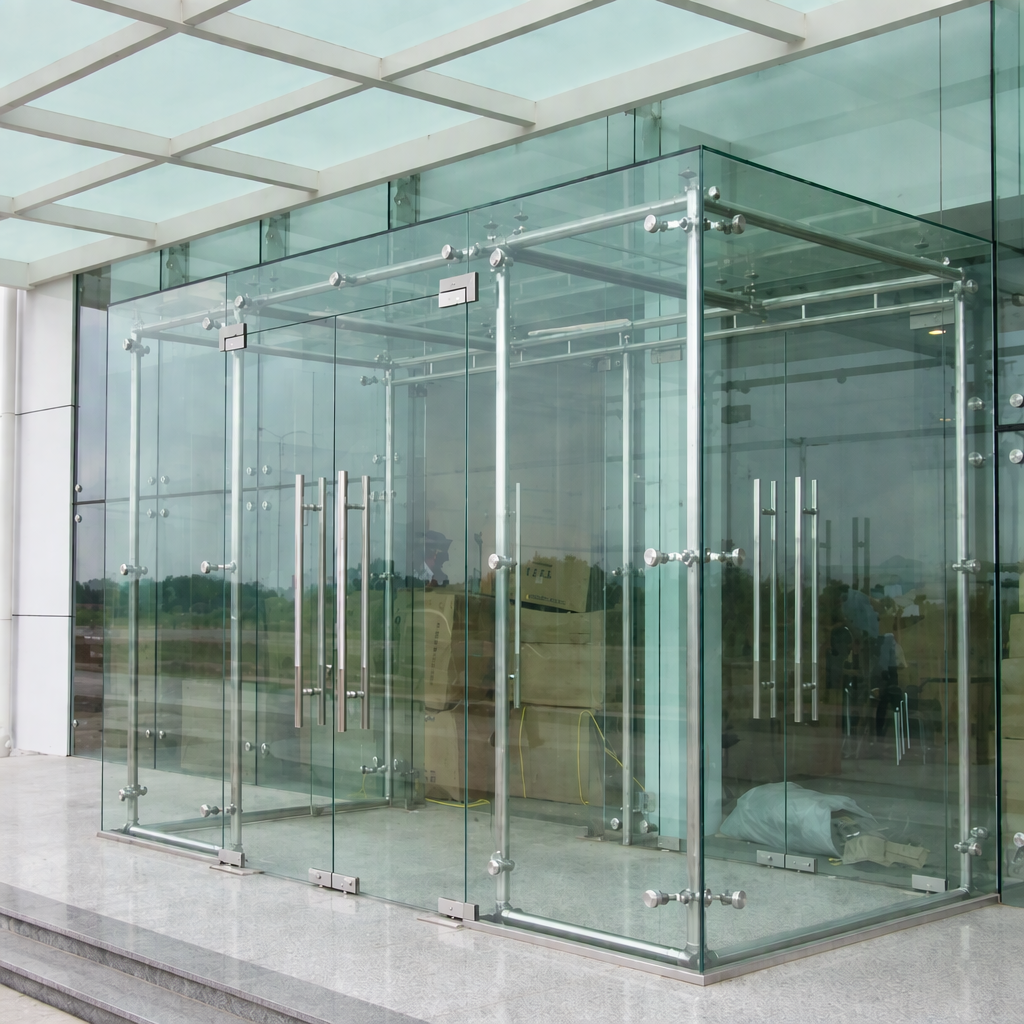
Tempered Glass Solar Window Glass High Transmittance Clear Flat Tempered Glass
Recommended for solar windows, energy equipment and outdoor viewing windows that need high light transmission and flatness.
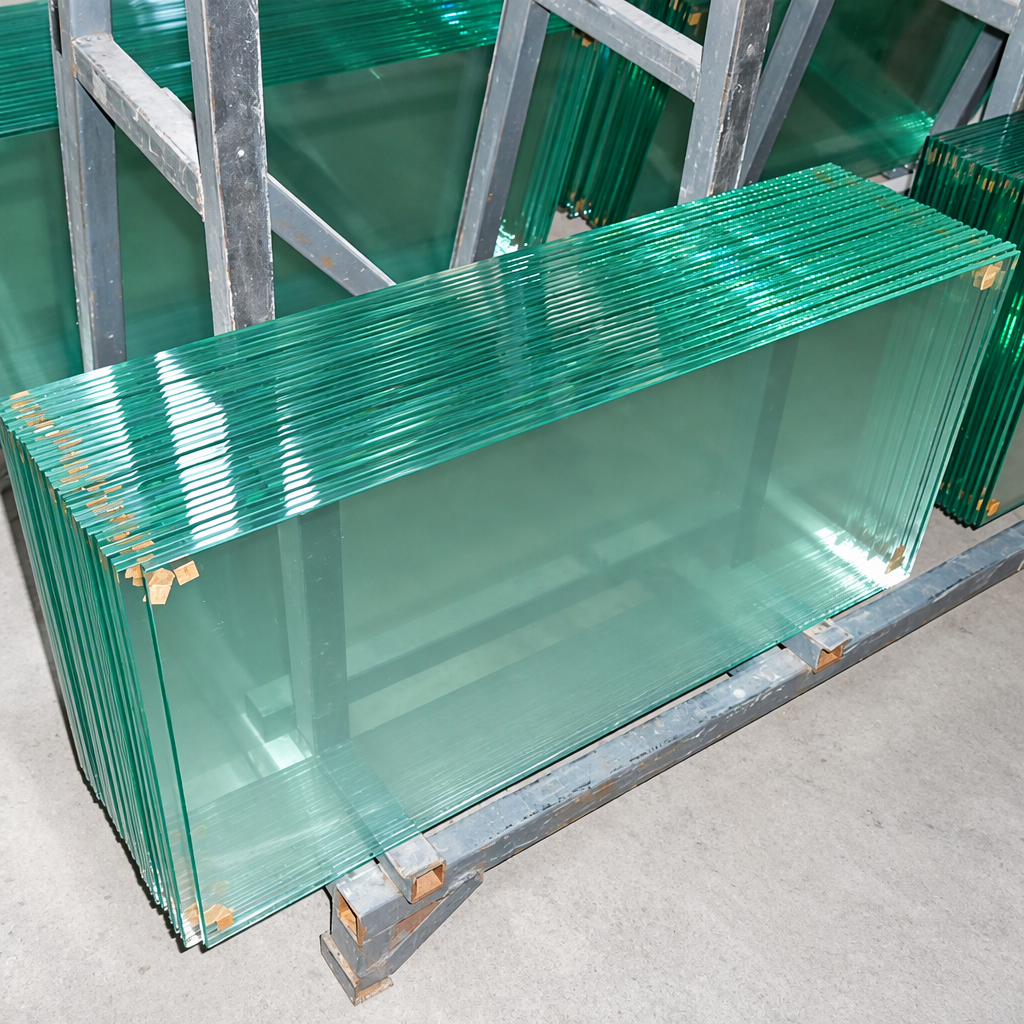
Construction & Real Estate Float Glass Factories in China Tempered Glass
Recommended for construction and real-estate projects that need float glass converted into tempered safety glass.

Glass Factory Customized High Quality Transparent Display Touch Screen Glass Silk Screen 9H Hardness Industrial Screen Protector
Recommended for industrial touch screens, HMI covers and 9H hardness front glass windows used in equipment and control rooms.
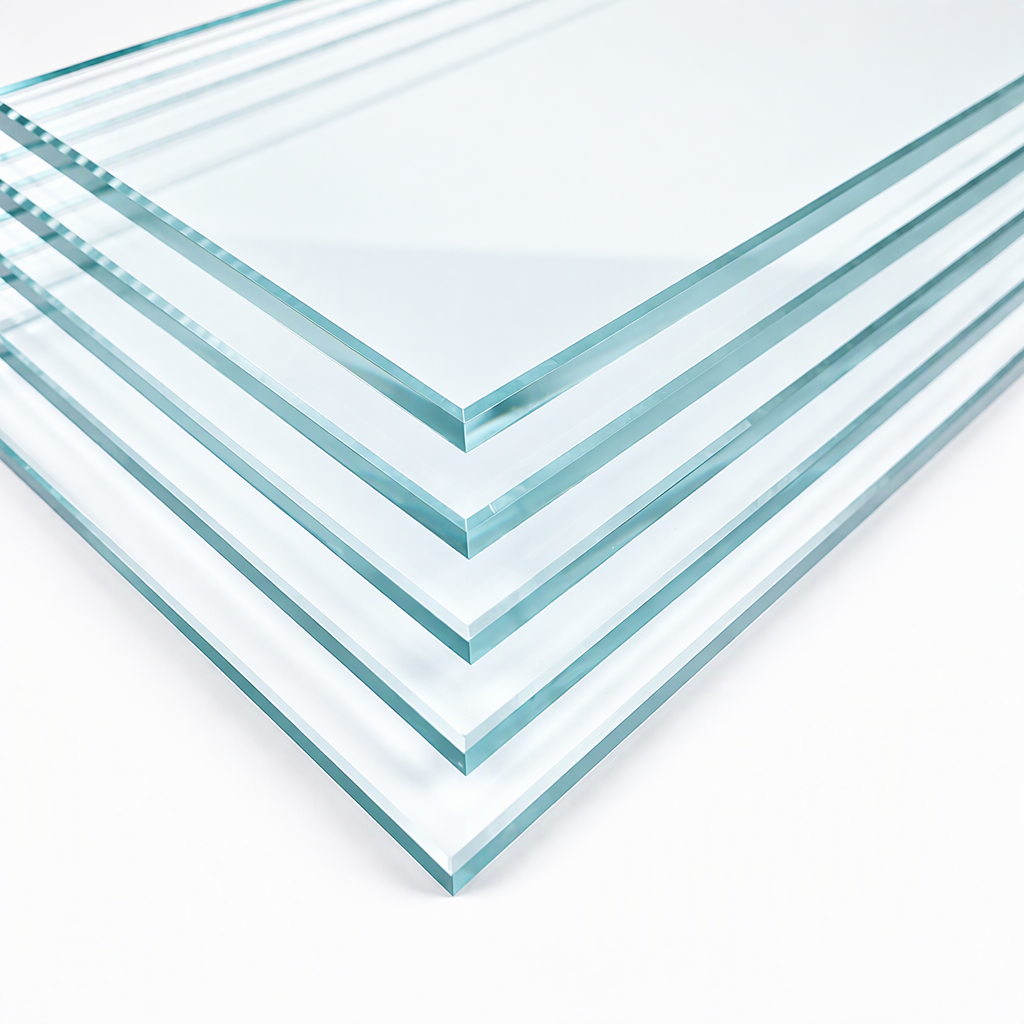
Clear Tempered Glass Transparent Tempered Glass Panel Cover Plate
Recommended for clear cover plates, optical windows and general tempered glass panels that require clean edges and stable flatness.
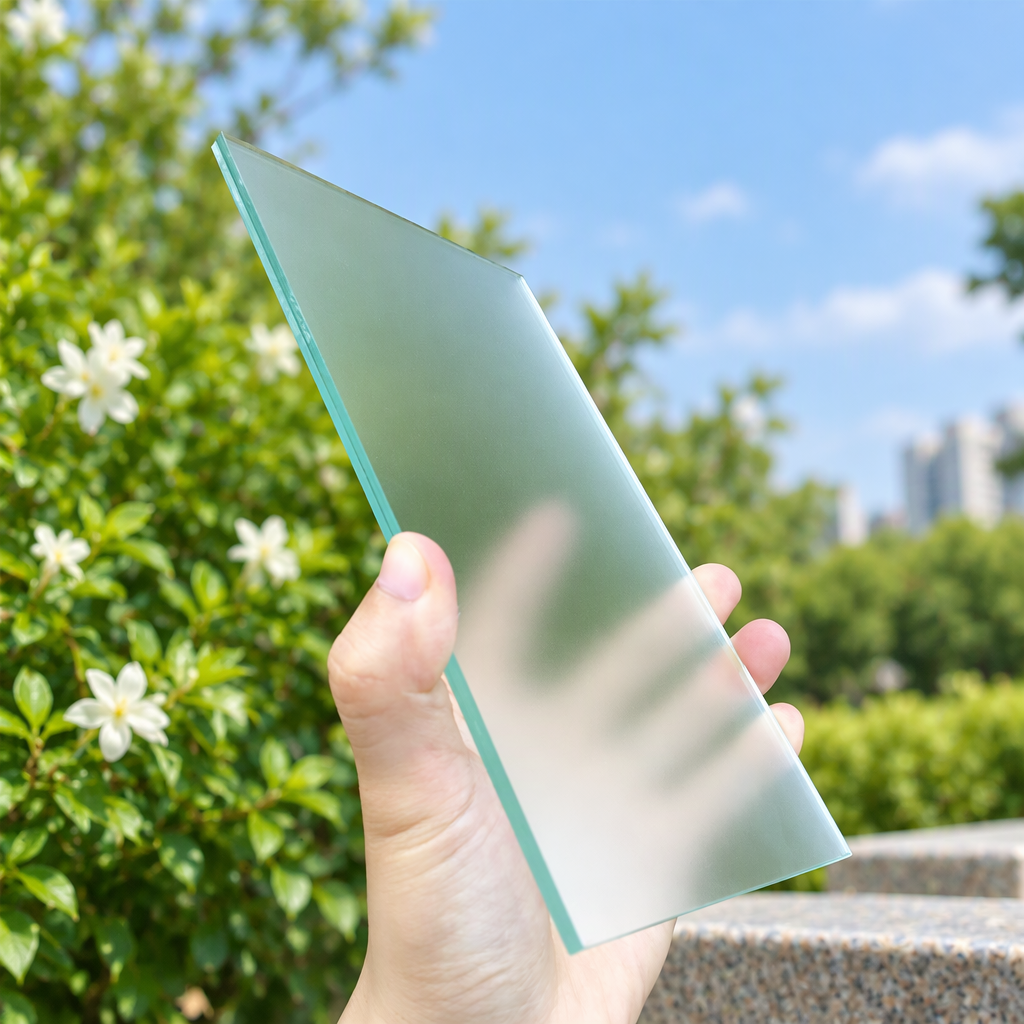
High Quality Industrial Solid Anti-glare Glass Screen Protector Matte Surface Monitor Screen Cover Glass
Recommended for monitor windows and HMI covers in bright environments where a matte anti-glare surface improves readability.
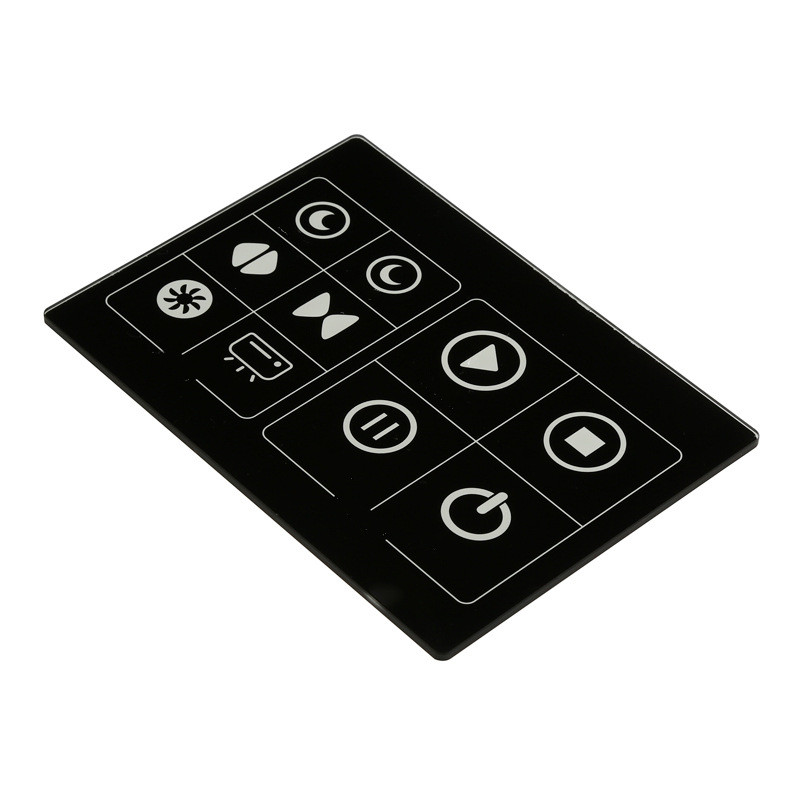
High Temperature Resistant Customized Black Printing Tempered Glass Cooktop Microwave Oven Door Glass for Kitchen
Recommended for high-temperature kitchen appliances, cooktops and microwave door glass with durable black printed areas.
What a Glass Disc Factory in San Jose Should Deliver
San Jose buyers often begin with a local search for a glass disc factory in San Jose, but the technical reality is that high-quality glass discs are frequently produced by a specialist deep-processing factory and shipped to the Bay Area. The right partner should be transparent about where cutting, printing, tempering, coating and inspection happen. That transparency is the difference between a controlled supply line and a broker that cannot own tolerance, color consistency or edge quality.
A circular glass disc is not defined by diameter alone. A useful quotation should lock diameter tolerance, thickness, edge profile, chamfer, hole and notch positions, print registration on a curve, coating type such as AR, AG or AF, hardness target, flatness after coating and the strengthening method. Because round parts have no straight reference edge, drawing review should also confirm how the part will be measured and fixtured during printing, inspection and assembly.
For San Jose engineering teams, the most expensive mistake is not always the unit price of glass. It is a late change after screens are made, a mismatch between touch-sensor stack-up and glass thickness, or an untested coating that lowers yield. A direct factory with an ISO 9001 process, verifiable certificates and a sample-first workflow reduces that risk before mass production begins.
Information gain: details that improve a San Jose quote
- State whether the glass disc is decorative, optical, touch-active, heated or load-bearing.
- Send 2D DXF or PDF plus STEP or DWG for round edges, holes, notches and print alignment.
- Name the ink system: high-temperature or low-temperature, and whether the print faces indoors, outdoors or near heat.
- Define the surface: clear, AR anti-reflective, AG anti-glare or AF anti-fingerprint; include haze and gloss targets where available.
- For California procurement, request RoHS documentation and confirm whether additional supplier declarations are required by your compliance team.
Questions that reveal real capability
1. Who controls the print screen? Ask whether screens, artwork separation and color approval are handled in-house or subcontracted.
2. How is flatness checked after coating? Thin discs can look perfect before coating and fail during sensor lamination if measurement is informal.
3. What is the break pattern? Physical tempered glass breaks into small blunt fragments, while chemically strengthened thin glass behaves differently. Match the method to the application.
4. Can the factory show retained samples? A retained sample and batch record are practical evidence for color, gloss and print registration claims.
5. Is packaging tested for discs? Round edges and printed faces need separators, edge protection and carton design that prevent movement during export.
Use these questions with any supplier, whether the contact is in San Jose, elsewhere in California or overseas. The answers matter more than the postcode.
Where San Jose Teams Use Glass Discs and Precision Glass Panels
San Jose's technology ecosystem uses glass discs and precision panels in applications where a generic cut sheet is not enough. The scenarios below help design and sourcing teams frame the specification before an RFQ is issued.
Semiconductor & Lab Equipment Windows
Round inspection windows, sensor covers and instrument viewports need clean edges, flatness and controlled optical transmission. For cleanroom teams, specify cleanability packaging and avoid print designs that can trap particles.
Data Center & Network HMI
Rack displays, network appliances and control consoles use anti-glare or AR-coated cover glass. Operators need readable screens under mixed lighting, so low haze and consistent gloss are often more important than a decorative finish.
Medical, Life Science & Lab Displays
AR and AF coated cover glass improves clarity and cleaning in laboratory and clinical equipment. Procurement teams should confirm the cleaning chemistry and avoid unverified claims about medical-device certification unless the whole device has been approved.
Smart Building & PropTech
Switch panels, access-control readers, smart locks and elevator controls use printed tempered glass. The print must survive cleaning, UV exposure and repeated touch, especially in shared lobbies and workplace entrances.
EV Charging, Energy & Outdoor Equipment
Charging stations and energy systems need UV-stable print, weather-resistant edges and coatings that keep displays readable. Designers should discuss thermal exposure, condensation and cleaning before finalizing the glass stack.
Architectural & Interior Glass Features
Circular glass partitions, sign faces and decorative wall elements can be tempered, printed or coated. For architectural work, published safety-glass documentation, edge protection and installation tolerances are essential.
San Jose Glass Disc Trends Shaping Procurement in 2025
San Jose and Silicon Valley procurement teams are not only buying glass; they are buying speed, optical performance and evidence. These trends influence how glass disc factories quote and how buyers compare suppliers.
High-Mix, Low-Volume Prototyping
Product teams iterate quickly. Buyers increasingly ask for low MOQs, fast sample rounds and clear drawing feedback instead of large inventory commitments. A factory that can quote 10 to 100 pieces and then scale is more useful than a catalog distributor that cannot adjust print or thickness.
Optical Performance Is User Experience
AR, AG and AF coatings are no longer only for high-end displays. Teams compare haze, gloss, reflection and fingerprint resistance because these values affect readability, cleaning labor and perceived product quality. Specify the measurement method so the sample and production batch are judged the same way.
Supply Chain Visibility Beats a Local Address
A nearby warehouse sounds convenient, but buyers still need process control. Video audits, certificate numbers, sample retention and export packing matter more than a mailbox in San Jose. A factory that can document material traceability and shipment status gives procurement a stronger audit trail.
How to Choose the Right Glass Disc Build
Use this comparison during early design review. It does not replace engineering approval, but it helps the sourcing team ask the right questions before tooling, screens or coating fixtures are released.
| Criteria | Physical Tempered Glass | Chemically Strengthened Glass | San Jose Planning Note |
|---|---|---|---|
| Typical thickness | About 2 mm and thicker | 0.5 mm to 2 mm thin glass | Match thickness to impact, sensor gap, gasket design and frame depth. |
| Break pattern | Small blunt fragments, suitable for safety glass applications | Larger pieces similar to annealed glass | If the application requires safety glass behavior, state it on the drawing and purchase order. |
| Flatness and optics | Very good; slight roller wave can occur | Excellent flatness with no heat distortion | Thin display discs and sensor windows often favor chemical strengthening. |
| Print and coating order | High-temperature inks may be printed before tempering | Print and coating sequence depends on the glass and application | Confirm print, coating and strengthening order in writing before sampling. |
| Best fit | Appliance doors, switch panels, display windows and industrial covers | Touch covers, small electronics, wearables and precise optical windows | Describe the application, not only the dimensions, so the factory can recommend a process route. |
Factory Advantages San Jose Buyers Can Verify
Qingdao Maupe Glass Co., Ltd. is a glass deep-processing manufacturer founded in 2012 in Qingdao, Shandong, China. The company is not only a trading office: cutting, edge polishing, drilling, engraving, silk screen printing, physical tempering and chemical strengthening are handled as an integrated process chain. For San Jose buyers, that means one technical contact can review a drawing, arrange a printed sample and coordinate export packing.
Certified Quality System
ISO 9001 certificate 24025Q20015R1S supports process control for float glass and technical glass products. RoHS certificate 25TYT12395 and CE certificate 23TYT082593S help procurement teams organize compliance documents for EU and international projects. The company has also been onsite-assessed by SGS Group as a third-party inspection company.
OEM/ODM Experience and Export Scale
With 8 production lines, a 3,000–5,000 m² factory floor and exports to 80+ countries, the factory is organized around custom work rather than one-size-fits-all stock. The company reports 91–100% of output is exported and has more than ten years of OEM experience, including documented procurement experience with a Fortune 500 supplier.
San Jose-Friendly Communication
English project communication, drawing review feedback, sample verification and export logistics support from Qingdao seaport and airport help Bay Area teams manage time zones and freight. Incoterms and payment terms can be discussed commercially; the inquiry process is designed to clarify specifications before a final quote is issued.

Factory production floor: cutting, edge processing and handling are organized for custom glass projects rather than stock-only sales.

Tempering equipment supports physical tempered glass production for appliance, display, control panel and architectural applications.
Integrated Capabilities for Glass Discs and Printed Panels
A single process chain matters because a disc may pass through cutting, CNC shaping, drilling, printing, coating, strengthening and inspection. Moving the part between vendors adds handling risk and makes it harder to assign responsibility for scratches, color shifts or edge chips.
Precision Cutting & CNC Shaping
Straight, round and special-shaped parts from clear, ultra-clear, tinted and high-alumina sheet, including diameter, chord and edge tolerance control.
Silk Screen Printing
Eco-friendly high- and low-temperature inks, multi-color layouts, logos, icons, touch zones and light windows with scratch-resistant finishes.
Physical Tempering
Thermal tempering for thicker panels and discs used in appliance doors, switch panels, display windows and industrial covers that must resist impact and heat.
Chemical Strengthening
Ion-exchange strengthening for thin 0.5–2 mm cover glass where flatness, optical clarity and strength are all required for touch or display parts.
AR / AG / AF Surface Coating
Anti-reflective, anti-glare and anti-fingerprint treatments for displays, medical screens, industrial HMIs and bright environments where readability matters.
Edge Finishing & Inspection
Flat, pencil and beveled edges, safety corners, countersunk holes and pre-pack inspection for chips, print defects and dimensional issues.
From Drawing to Delivery in Five Controlled Steps
A transparent workflow helps purchasing, engineering and quality teams understand exactly what happens at every stage of a custom glass disc or printed panel project.
Drawing Review
Engineers check manufacturability, tolerance, edge profile, print alignment and the appropriate strengthening method.
Sampling
Screens and samples verify fit, color, coating, gloss and touch response before mass production.
Production
Cutting, edging, printing, coating and tempering are coordinated across 8 production lines.
Inspection
Incoming material and finished-product inspection cover dimensions, appearance, print and packaging.
Export Shipping
Protective packing is arranged around glass edges and print surfaces, with shipment planned through Qingdao port or airport.
Questions San Jose Buyers Ask Before Ordering
These are the practical questions that often appear in RFQs from San Jose, Santa Clara County and the wider Bay Area. Clear answers at the inquiry stage reduce rework and shorten sample cycles.
Can you manufacture circular glass discs rather than only square panels?
Yes. The factory processes straight, round and special-shaped glass parts. For circular discs, send a 2D drawing with diameter, thickness, edge profile, hole positions and print layout, plus a STEP file if the edge is curved or the print must align to a center axis.
What is the MOQ and sample process for a San Jose project?
Most custom silk-screen printed panels start from 10 to 100 pieces depending on size, thickness and number of print colors. Large display cover glass can start from 10 pieces. Samples are available for fit, color, coating and print verification before mass production.
How do you ship glass discs and panels to San Jose?
Small samples are usually shipped by international express. Production orders can be quoted with common trade terms such as FOB, CIF, EXW, FCA, CPT, DDP or DDU where supported. For San Jose, delivery often combines ocean freight to a West Coast port with trucking, or express delivery for urgent sample rounds.
Which certificates can San Jose procurement teams verify?
The company operates an ISO 9001 quality management system, holds RoHS and CE certificates for its glass products, and has been onsite-assessed by SGS Group as a third-party inspection company. Certificate numbers include ISO 9001 24025Q20015R1S, RoHS 25TYT12395 and CE 23TYT082593S.
What should we send with an RFQ for a custom glass disc?
Send a 2D drawing in DWG, DXF or PDF with dimensions, thickness, edge finish, hole positions and tolerance. Add print artwork in AI or PDF with color references, state the coating requirement such as AR, AG or AF, and describe the working environment, annual volume and target sample date.
How do you control print color and coating quality across batches?
Color and coating requirements should be defined before sampling. Useful controls include a signed first article, retained samples, agreed light source for color checking, gloss or haze targets where relevant, and inspection criteria for scratches, pinholes, edge chips and print position.
Need a Reliable Glass Disc Factory for a San Jose Project?
Send your drawing, target thickness, print artwork and coating requirement. Our team can review manufacturability, suggest a suitable strengthening method and prepare a quotation for samples or mass production.
Email: info@maupeglass.com · Factory support from Qingdao, China · ISO 9001 · RoHS · CE · SGS onsite assessed