What Kyoto Buyers Really Need from a Glass Grinding Manufacturer
Search intent for “glass grinding manufacturers & factory in Kyoto” usually combines local supplier discovery with OEM factory comparison. The useful answer is not a broad sales page. It is a clear production model, verifiable quality evidence and a practical route from drawing to delivered part.
Buyers in Kyoto and the wider Kansai region often work in high-mix, lower-volume production environments: smart hospitality equipment, precision instruments, medical and wellness devices, industrial control panels, architectural interiors and premium retail fixtures. For these projects, glass grinding is not a cosmetic finish. Edge quality, hole strength, print registration, flatness and coating consistency directly affect assembly yield, field reliability and brand perception.
Qingdao Maupe Glass Co., Ltd. is a glass deep-processing manufacturer established in 2012 in Qingdao, China. It is not presented as a decorative glass shop inside Kyoto. For Kyoto buyers, the relevant value is a factory-direct supply route supported by an ISO 9001 quality management system, RoHS and CE certificates, SGS onsite assessment, and export experience across more than 80 countries. The factory is close to Qingdao seaport and airport, which supports FOB, CIF, DDP, DDU and express delivery planning for Kansai projects.
The production scope covers cutting, CNC shaping, edge grinding, drilling, engraving, tempering, chemical strengthening, silk screen printing and AR/AG/AF surface treatment. That process chain matters because all cutting, drilling, edging and engraving must be completed before strengthening. When a Japanese buyer sends a DWG, DXF or PDF drawing, the review should confirm not only the visible dimensions but also hole positions, edge profile, print datum, coating side and the environment where the finished glass will be used.
For buyers comparing a local Kyoto supplier with an overseas factory, the practical evaluation should cover sample traceability, certificate numbers, packaging method, and whether the supplier can explain the difference between physical tempered glass and chemically strengthened glass. This page provides those details, plus product recommendations, localized application scenarios and procurement FAQs for Kyoto teams.
8 Custom Glass Products for Kyoto and Kansai OEM Projects
These glass panels are representative of common OEM requirements: custom thickness, printed touch zones, anti-glare surfaces, strengthened display covers and pressure-resistant viewing windows. All product URLs below are retained from the original product references.
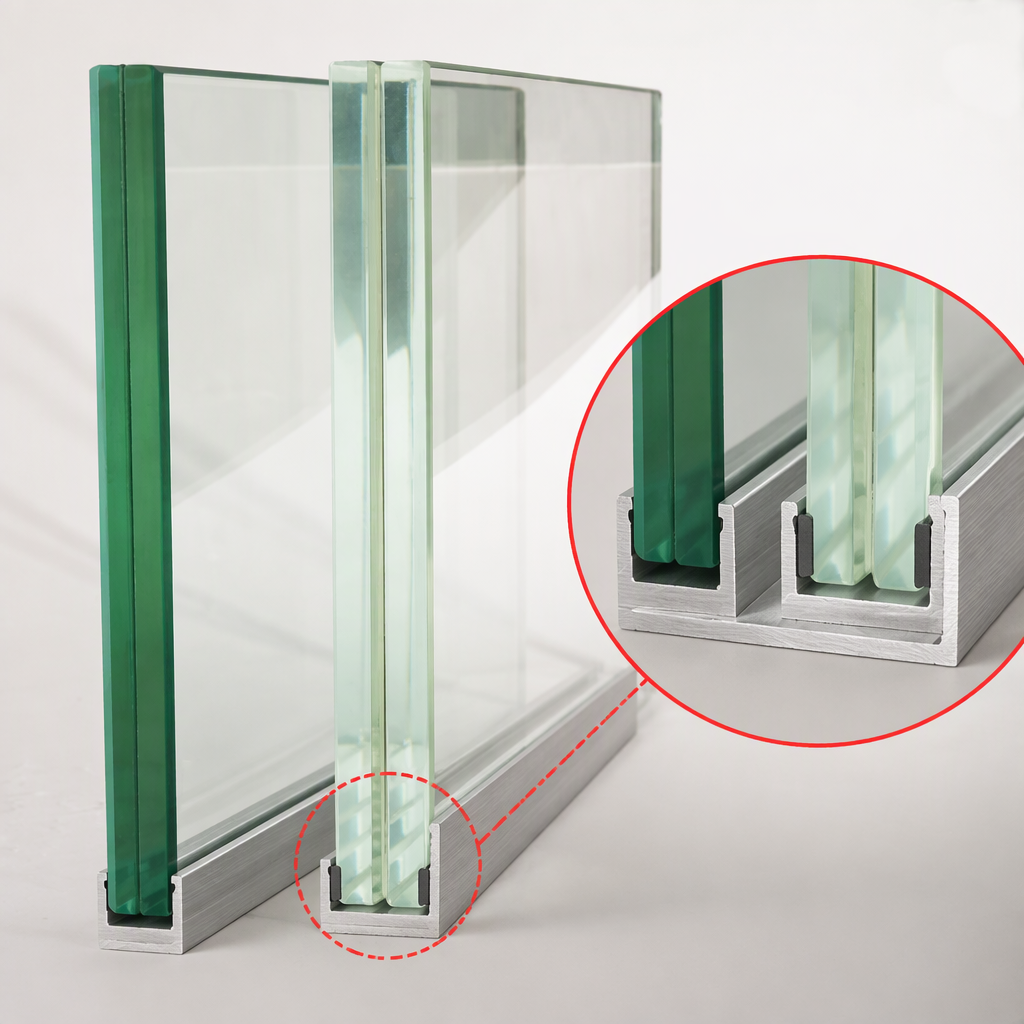
Tempered Glass Flat Solid Tempered Glass Panel Customized Thickness and Size
Best for Kyoto precision equipment enclosures, clean display windows and machine covers where thickness and size follow the drawing.
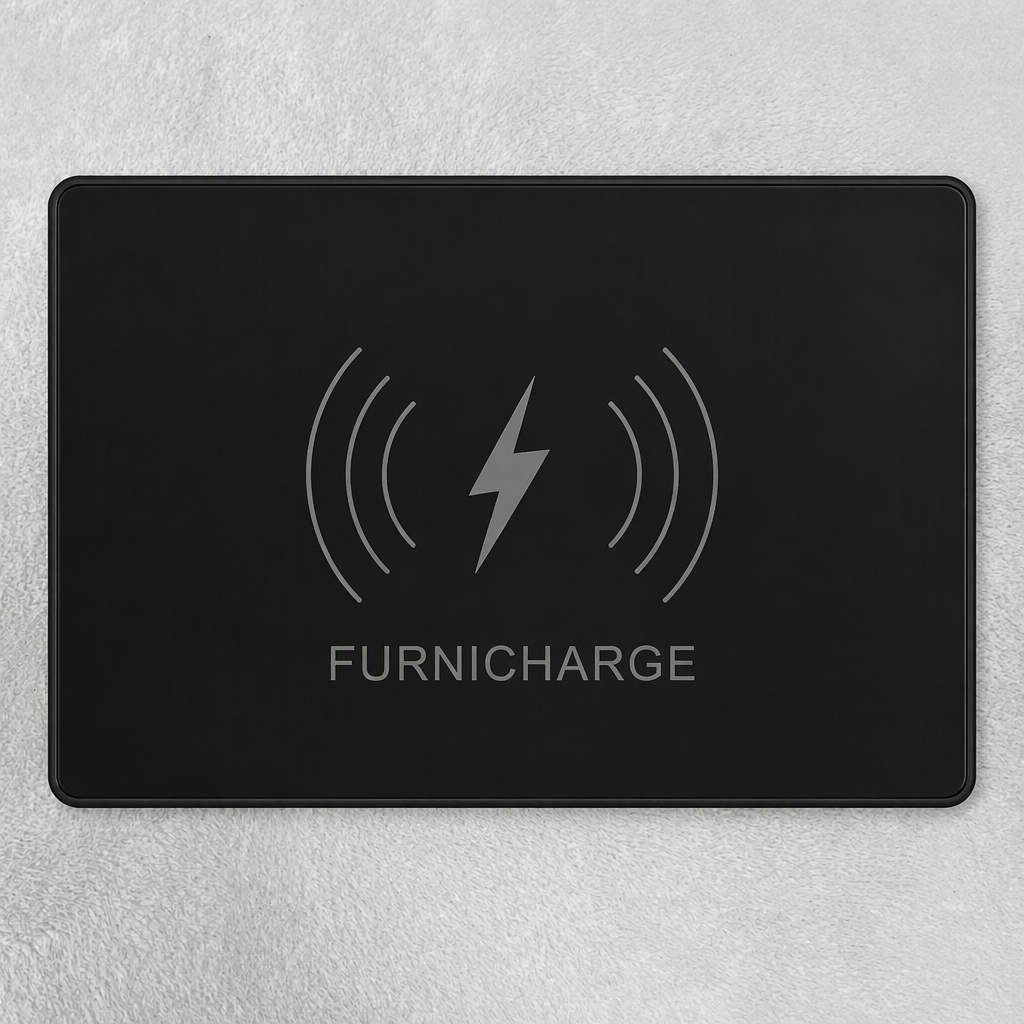
Smart Tempered Glass Bedside Table Panel for Tea Table Wireless Charging Front Cover Glass Touch Light Switch Glass
Suited to Kyoto hotel guest rooms, tea tables and smart furniture where touch and wireless charging are integrated into one surface.
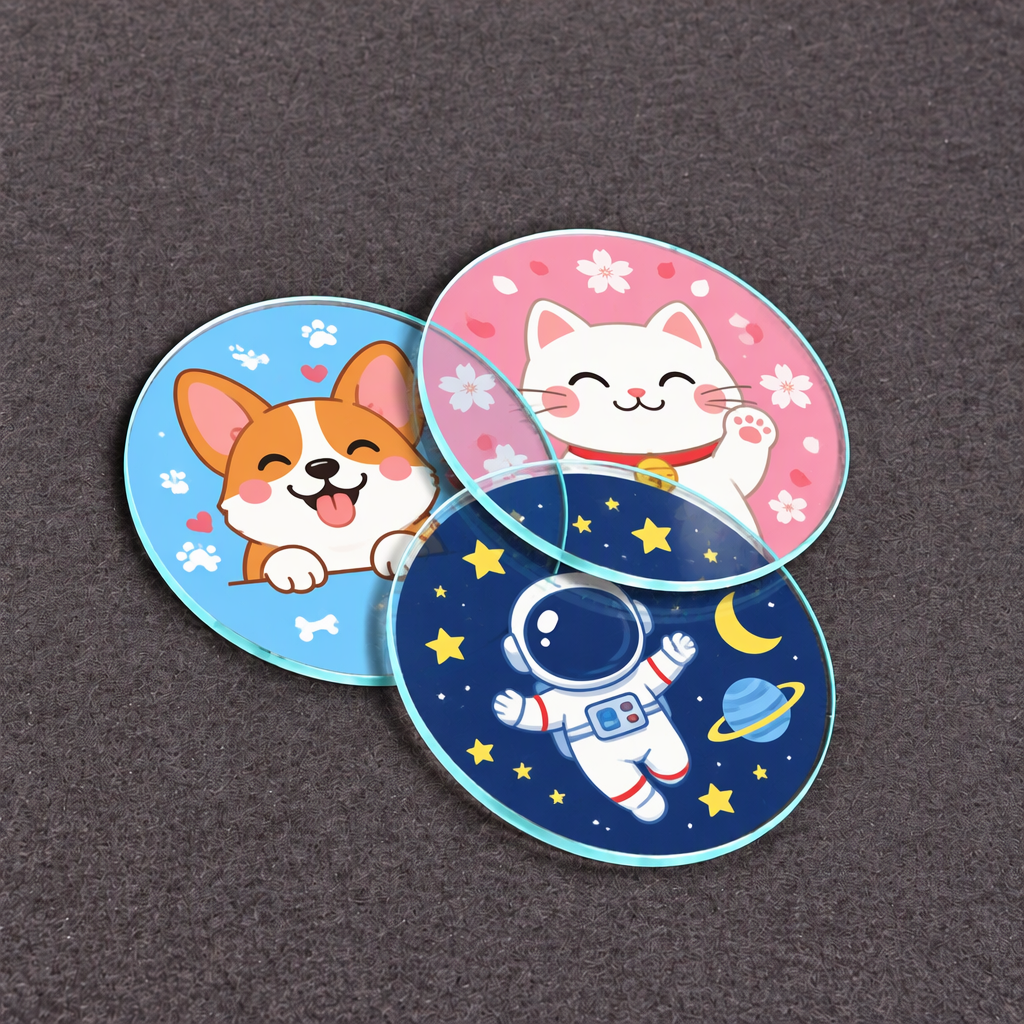
Eco-Friendly Custom Printed Glass Coasters Custom Design Tempered Glass Coaster
Useful for Kyoto hospitality gifts, café branding, tea rooms and retail collections needing eco-friendly printed glass.

Glass Factory Customized High Quality Transparent Display Touch Screen Glass Silk Screen 9H Hardness Industrial Screen Protector
Recommended for Kansai HMI, kiosk, control terminals and industrial touch displays requiring 9H hardness and printed borders.
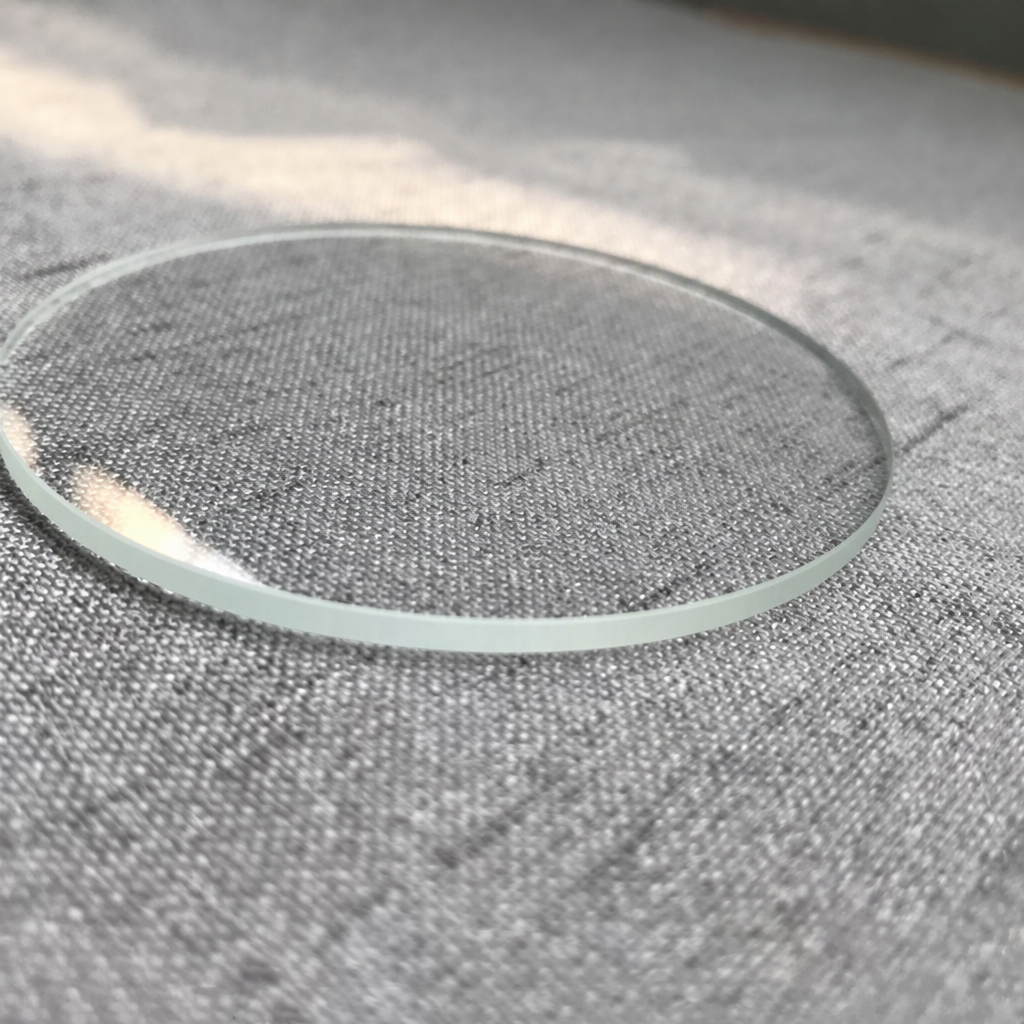
Pressure-resistant Glass Tempered Viewing Mirror Custom Size Clear Glass Panel for Industrial Workshop
For machine viewing windows, safety inspection panels and industrial workshop covers where clear visibility and strength are required.

High Quality Industrial Screen Front Cover Glass Frosted Anti-glare Glass for Screen Protector
For factory floors and bright rooms where glare reduces readability. AG treatment diffuses reflections while protecting the display.
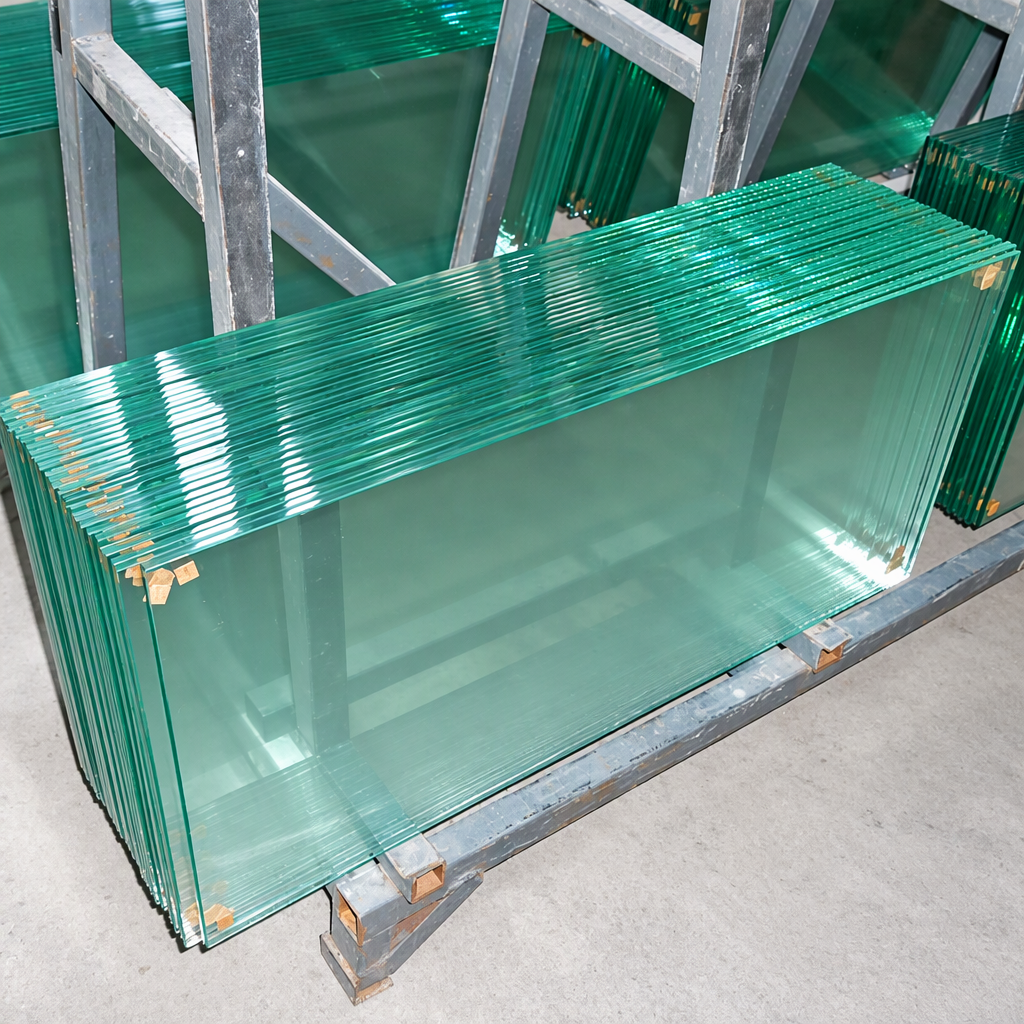
Customized Thickness and Size Clear Tempered Float Glass Panels
Used in Kyoto architectural interiors, partitions, display fixtures and furniture where clear glass and custom dimensions are needed.
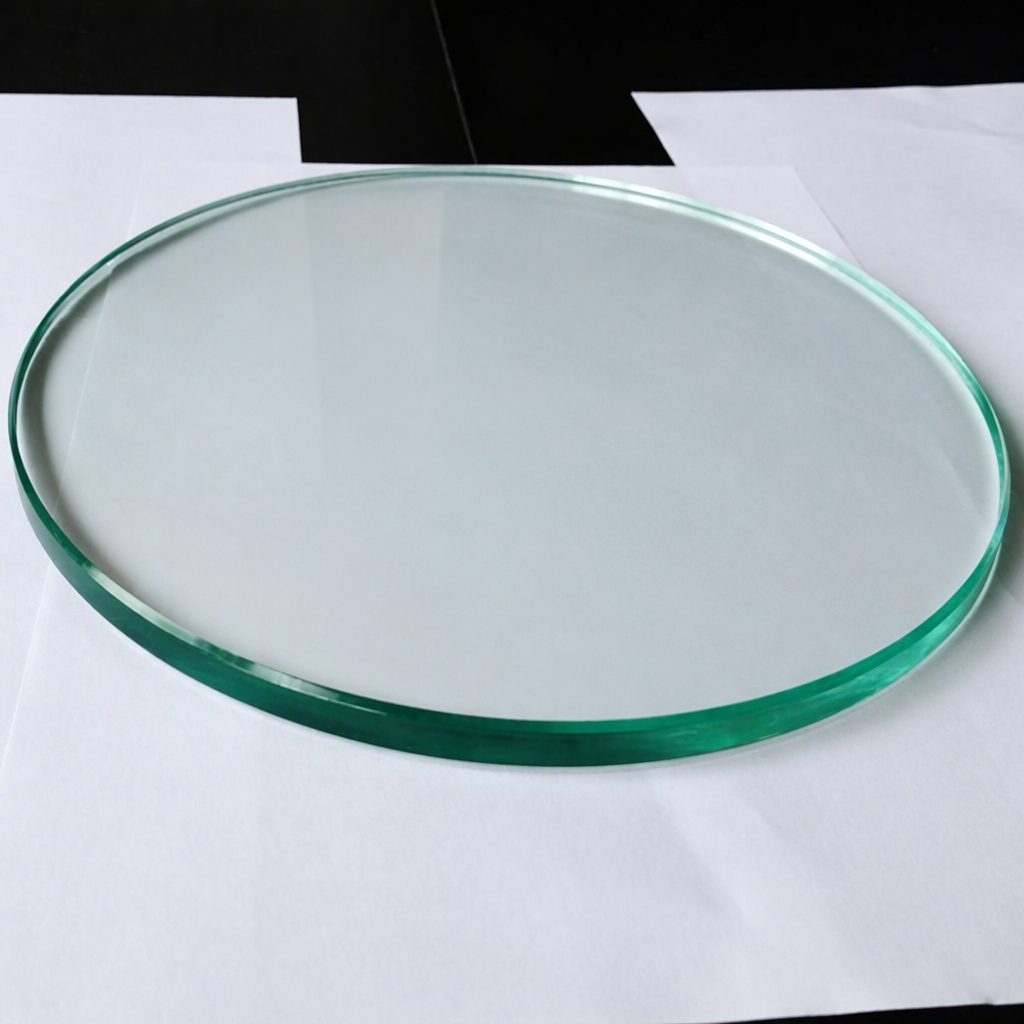
12mm Tempered Glass Round Tempered Glass Beveled Round Glass Pieces
For furniture, premium retail displays and architectural details needing a thicker round glass with bevelled edge finishing.
Glass Applications That Fit Kyoto’s Design, Hospitality and Equipment Sectors
Kyoto’s economy combines craft heritage, premium hospitality, precision manufacturing and advanced electronics. A glass specification that works for a generic appliance may not meet the expectations of a Kyoto hotel renovation or a Kansai instrument maker.
Smart Hospitality & Tea Rooms
Kyoto hotels, ryokan renovations, cafés and tea spaces use touch switch panels, wireless charging table surfaces, printed coasters and easy-clean tempered glass. The best specification balances scratch resistance, low reflectivity and surface print quality.
Precision Equipment & HMI
Kansai equipment makers often need anti-glare display covers, 9H screen protectors and pressure-resistant viewing windows. The critical checks are hole tolerance, edge quality, coating side and whether the part will be exposed to vibration, heat or cleaning chemicals.
Medical & Wellness Displays
Clinical monitors, wellness devices and laboratory instruments benefit from AR-coated, AF-coated or chemically strengthened cover glass. Flatness and optical clarity matter more than the simple question of thickness.
Architecture, Craft Retail & Interiors
Kyoto projects frequently specify clear tempered glass, bevelled round edges, printed glass and custom display panels. For heritage-sensitive interiors, modern glass components should look precise without feeling industrial.
Kyoto Market Trends Shaping Custom Glass Demand
Buyers are not only shopping by price. They are comparing documentation quality, sampling speed, packaging reliability and whether a supplier can support smaller, more customized production runs.
High-Mix, Lower-Volume Production
Kyoto and Kansai projects often require several sizes, printed designs or coatings rather than one generic SKU. Suppliers need controlled sampling and clear drawing review before mass production.
Compliance-Led Purchasing
Procurement teams increasingly ask for certificate numbers, material declarations and process control evidence. ISO 9001, RoHS and CE documentation reduce approval friction for electronics and industrial projects.
Smart Hospitality & Touch Surfaces
Hotels, tea rooms and furniture makers are integrating touch controls, wireless charging and backlit icons into glass surfaces. This pushes demand for printed switch glass and custom table panels.
Durable, Low-Reflection Interiors
Kyoto’s premium interiors and equipment interfaces favour glass that is easy to clean, resistant to scratches and visually quiet. Anti-glare, anti-fingerprint and clear tempered finishes are growing in relevance.
Grinding, Tempering, Printing and Coating: What Kyoto Buyers Should Compare
A glass part can look correct in a photo but fail in assembly if the edge profile, hole stress relief, print datum or coating orientation is not controlled. Use the comparison and RFQ checklist below to evaluate suppliers on the details that affect yield.
What to send in a Kyoto RFQ
- 2D drawing in DWG, DXF or PDF with outline, hole positions, edge profile and tolerances.
- Glass thickness, material type and surface requirement: clear, ultra-clear, high-alumina, frosted or coated.
- Print artwork in AI or PDF, including colour references, icon layers, printed borders and touch-zone layout.
- Coating requirements such as AR, AG or AF, plus which side must be coated.
- Working environment: heat, outdoor exposure, touch sensor, medical cleaning, industrial vibration or decorative interior use.
- Estimated annual volume and sample quantity so MOQ and production planning can be confirmed accurately.
Why edge grinding is a quality issue
CNC edge grinding is more than smoothing a sharp edge. It removes micro-chips and scratch lines, establishes the final edge geometry, supports accurate assembly and helps reduce stress concentration around drilled holes and cutouts. For tempered glass, poor edge quality can become the starting point for breakage during handling, installation or field use.
AR coating improves optical transmission and reduces reflection; AG coating diffuses reflected light for better readability; AF coating helps resist fingerprints and makes cleaning easier. Each treatment changes the specification, so the correct coating must be confirmed before sampling.

Enterprise Advantages Behind the Supply Chain
Qingdao Maupe Glass Co., Ltd. has been an OEM glass supplier since 2012, with a 3,000–5,000 m² factory floor and 8 production lines. The original company profile cites export coverage in more than 80 countries and an export share of output between 91% and 100%, supported by a location close to Qingdao seaport and airport.
The value for Kyoto buyers is a single factory chain that covers cutting, CNC shaping, edge polishing, drilling, engraving, printing, strengthening and coating. This reduces the risk of specifications being lost between multiple subcontractors.
One-Roof Process Control
Cutting, printing, tempering and coating are managed together for better consistency and shorter coordination cycles.
Verified Quality System
ISO 9001 management, RoHS and CE certificates, SGS onsite assessment, incoming material inspection and finished product inspection.
OEM / ODM Experience
Drawing review, screen sampling, print proofing, custom packaging and production planning for customized glass panels.
Export-Ready Service
Trade terms include FOB, CIF, EXW, FAS, FCA, CPT, DDP, DDU and express delivery, with payment in USD, EUR or CNY.
Certifications Kyoto Procurement Teams Can Verify
Compliance evidence should be easy to check. The certificate images and numbers below are included so an engineering, purchasing or compliance team can verify the supplier’s documentation rather than relying on generic claims.

ISO 9001 Quality Management
Certificate No. 24025Q20015R1S. Scope includes float glass and technical glass products. This supports a documented approach to quality management for Kyoto OEM buyers.

RoHS Compliance
Certificate No. 25TYT12395. RoHS documentation is relevant for electrical and electronic equipment projects and supports environmental compliance checks.

CE Marking
Certificate No. 23TYT082593S. CE documentation supports market access requirements in the European Economic Area and provides additional evidence of product conformity.
From Kyoto Drawing to Delivered Glass in Four Controlled Stages
A transparent workflow helps engineering, purchasing and quality teams know who reviews what, when samples are approved and how finished parts are protected before shipment.
Drawing Review
Manufacturability is checked for size, thickness, holes, edge profile, strengthening method, print layout and coating side.
Sampling
Samples and screen proofs are prepared for fit, colour, touch-zone and optical verification before mass production.
Production & Inspection
Cutting, edging, printing and tempering are followed by finished product inspection before packing.
Export Shipping
Protective packaging is prepared for export through Qingdao port or airport, with trade terms matched to the Kyoto project.
Questions Kyoto and Kansai Buyers Ask Before Ordering
These answers address common procurement, engineering and shipping questions. For a project-specific answer, send the drawing, print artwork and estimated annual volume through the contact button below.
Do you operate a glass grinding factory inside Kyoto city?
What is the minimum order quantity for custom printed tempered glass?
Should a Kyoto project choose physical tempered glass or chemically strengthened glass?
What files should we send to start an RFQ?
Can you ship to Kyoto and what trade terms are accepted?
Which certifications can be verified?
Can you produce anti-glare and anti-fingerprint surfaces for display glass?
How is packaging controlled for fragile glass shipped from Qingdao to Kyoto?
Send Your Kyoto Project Drawing for a Manufacturability Review
Share dimensions, thickness, edge finish, print artwork, coating requirements and estimated annual volume. The factory team can review the drawing, confirm the appropriate strengthening method and prepare a sample plan for Kyoto and Kansai projects.
Contact UsFactory: Qingdao, China · Serving Kyoto and Kansai buyers · info@maupeglass.com · ISO 9001 · RoHS · CE · SGS onsite assessed