Eight Custom Glass Products for Vancouver Buyers
Each product below is produced to drawing for thickness, shape, holes, edge finish, print artwork, coating, and packaging. For Vancouver projects, confirm the glass type, installation method, coastal-exposure conditions, and any applicable safety-glazing requirements before releasing a purchase order.
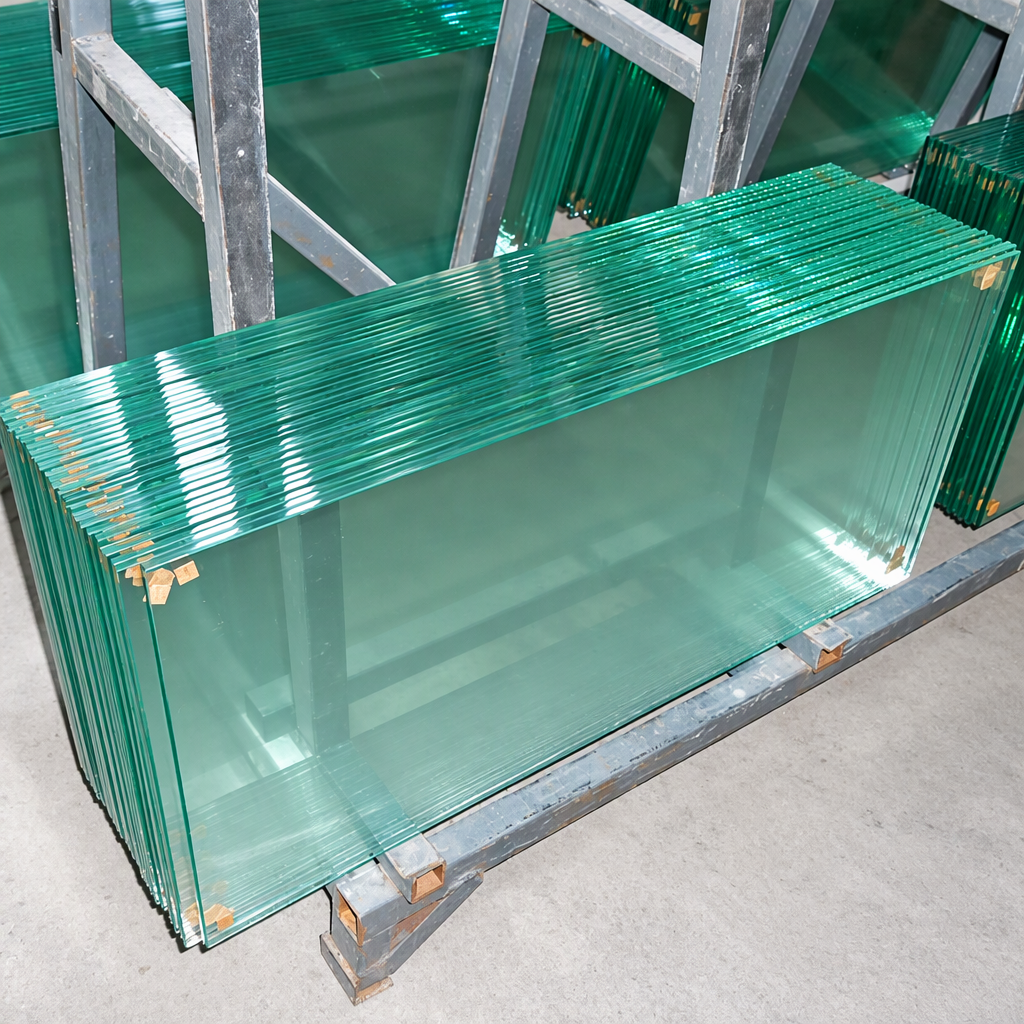
Customized Thickness and Size Clear Tempered Float Glass Panels
A clear tempered float glass base for architectural glazing, display windows, partitions, and protective covers. Useful when a Vancouver project needs design freedom in thickness and size without losing factory process control.
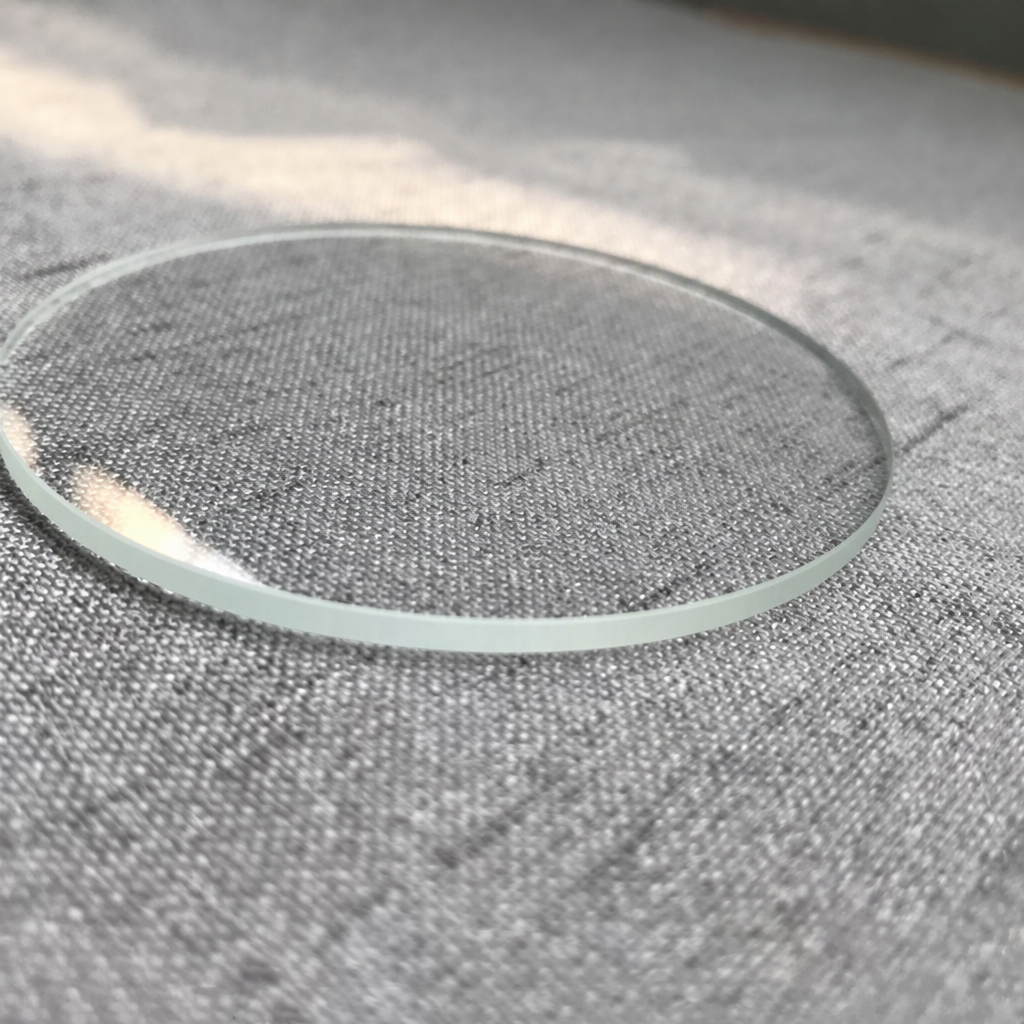
Pressure-resistant Glass Tempered Viewing Mirror Custom Size Clear Glass Panel for Industrial Workshop
A robust viewing window for industrial equipment, workshop enclosures, maintenance rooms, and marine-adjacent facilities. Discuss pressure differential, gasket design, impact expectation, and cleaning exposure before confirming thickness.
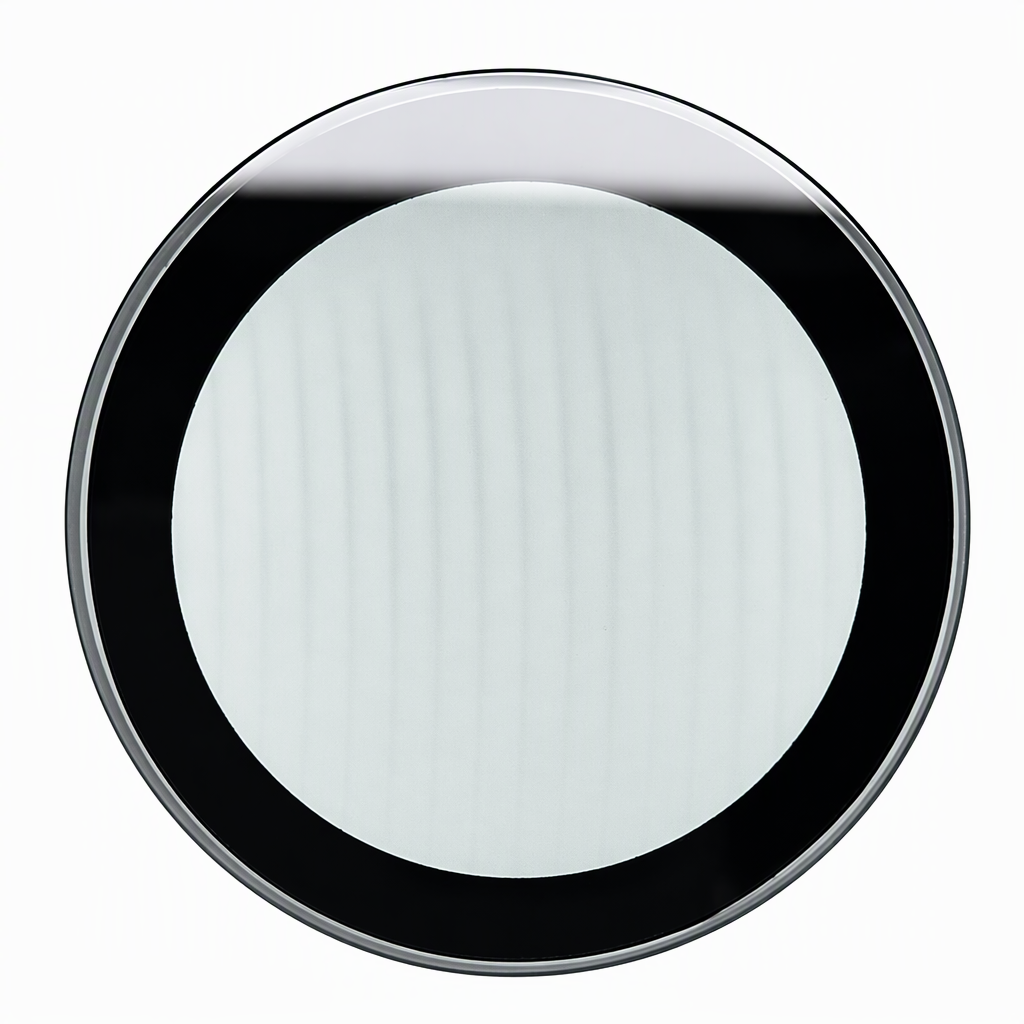
Custom 3-19mm Thickness Flat Tempered Glass Panel for Instrument Use Factory Price Round Shape Printed Tempered Glass
Round printed glass for gauges, dials, instrument faces, and control readouts. Print registration is critical: a small drift in icon spacing or scale alignment can affect readability and assembly fit.

Tempered Glass Panel With 3M Adhesive Tape Silk Screen Printing for Electrical Appliance Decoration Front Cover Glass
A production-ready cover panel with adhesive for appliance fronts, control boards, and electronics. For Metro Vancouver assembly, confirm tape grade, surface energy, cleaning procedure, and cure conditions.
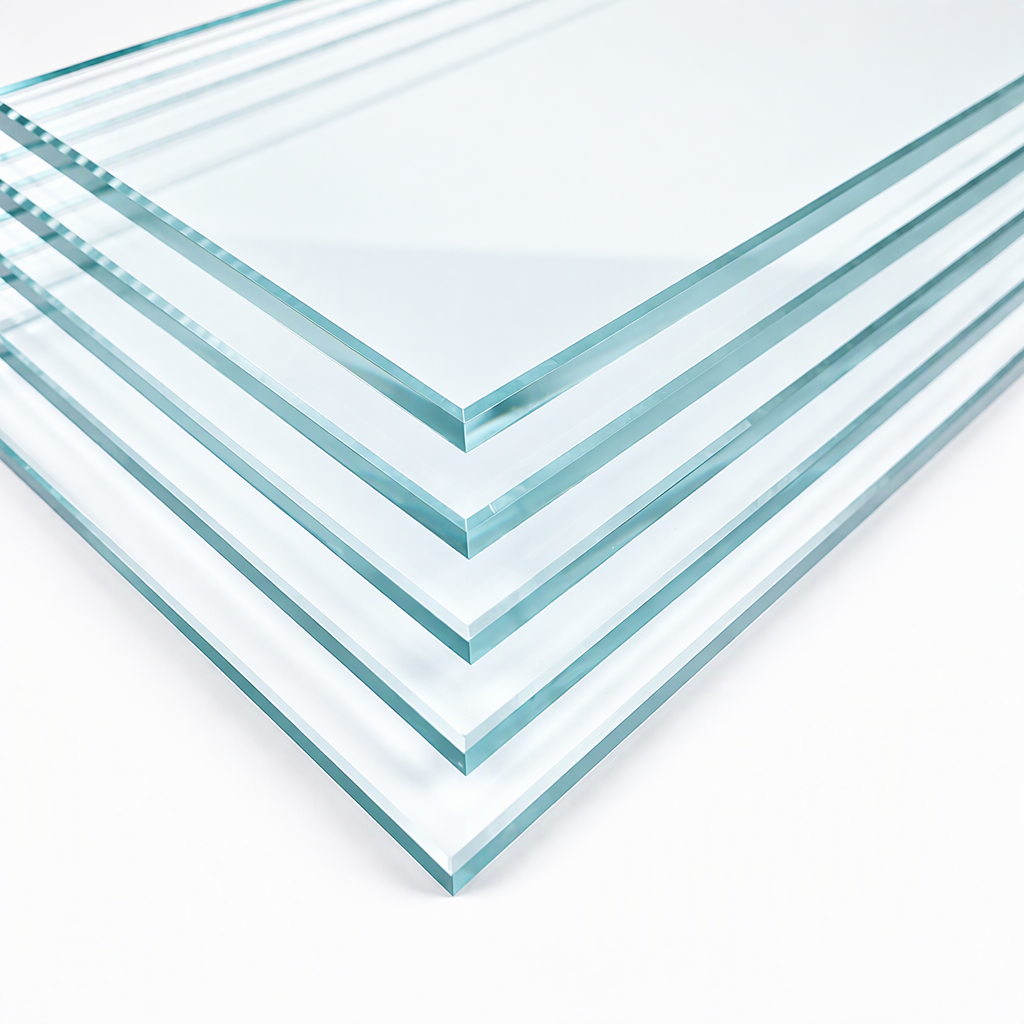
Clear Tempered Glass Transparent Tempered Glass Panel Cover Plate
A clear cover plate for displays, signage, protective barriers, and equipment windows. Pair this product with AR, AG, or AF coating when glare, fingerprint visibility, or cleaning wear is a concern.
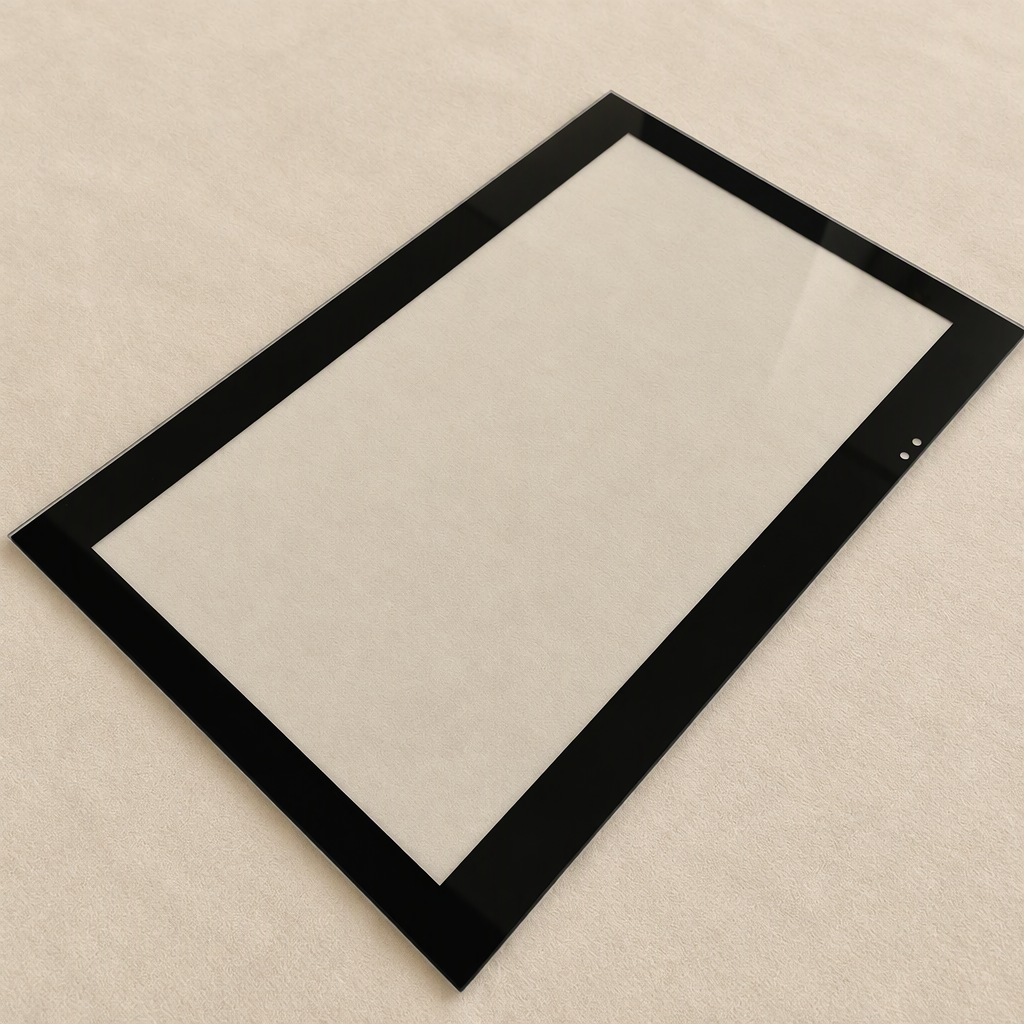
Tempered Glass Panel Silk Screen Printed Flat Display Screen Protector Glass for LCD TV Industrial Decoration
Printed flat display protection for LCD TVs, kiosks, human-machine interfaces, and industrial enclosures. Specify viewing-window dimensions and print opacity early so sensors and displays perform as expected.
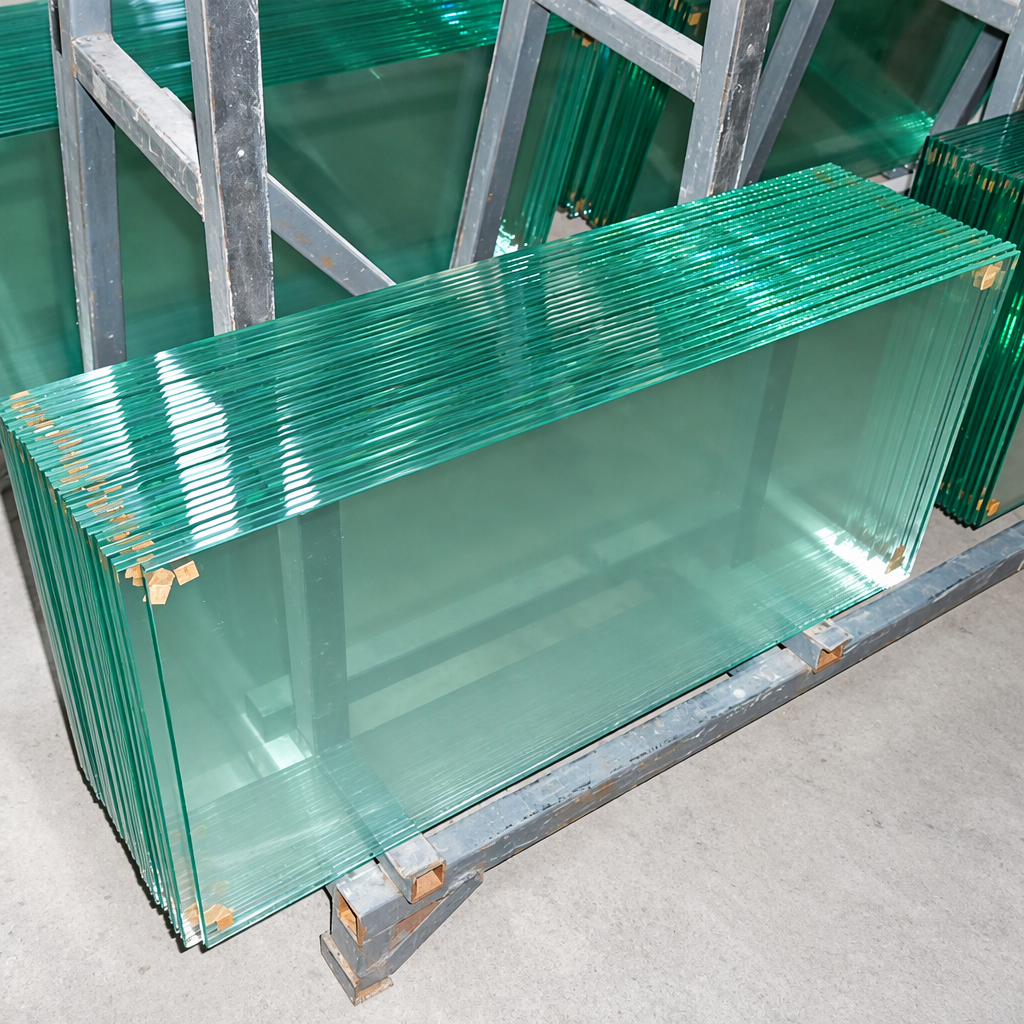
Construction & Real Estate Float Glass Factories in China Tempered Glass
Float-based tempered glass for construction and real estate programs. Suitable for repeatable architectural projects when the specification, packing method, and inspection plan are standardized across phases.
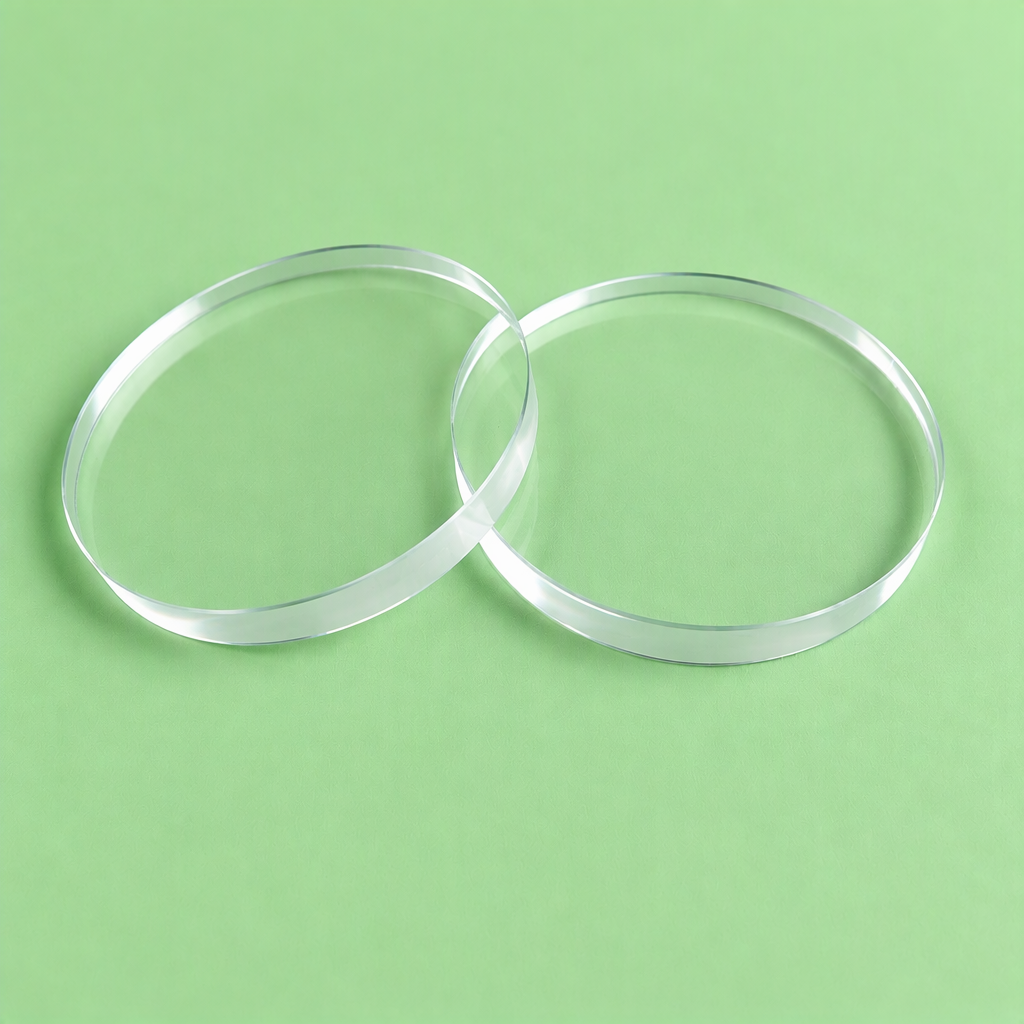
High Strengthen Glass Tempered Glass Custom Size Tempered Clear Glass Panel for Industrial
High-strength clear panels for machine guards, equipment doors, industrial covers, and protective windows. Confirm impact, thermal, and mounting loads with the project engineer before finalizing the specification.
Why Metro Vancouver Buyers Need a Different Approach to Printed Tempered Glass
Vancouver is not a single glass market. It is a network of distinct procurement environments: architects specifying interior glazing and display features; OEMs assembling smart-home controls and appliances; transit, retail, and facilities teams maintaining elevators, kiosks, and access control; and marine, healthcare, and industrial operators needing robust viewing windows. For these buyers, silk-screen printed tempered glass is not a commodity sheet. It is a custom component whose value depends on drawing control, print registration, strengthening method, coating choice, packaging, and delivery reliability.
A local wholesaler may provide stock availability, local delivery, and urgent replacement support. A factory-direct manufacturer may provide deeper customization, tighter control over tempering and printing, and better unit economics at volume. The strongest procurement plan often combines both channels: factory-direct production for custom printed parts, supported by a local distributor, glazier, or installer for final handling, installation, and replacement stock. This is particularly relevant in Metro Vancouver, where high-rise residential, mixed-use, transit-oriented, and marine projects often require repeatable custom components rather than one-off stock sheets.
The lowest FOB price can also be misleading if it excludes artwork setup, color proofing, edge polishing, adhesive tape, protective film, export packing, inspection documentation, freight, brokerage, or applicable taxes and duties. Vancouver buyers should evaluate landed cost, schedule risk, and quality traceability—not just the unit price on a quotation.
Matching the Product to the Vancouver Application
Use the following selection logic to narrow the specification before requesting samples or a production quotation.
| If your project involves | Recommended starting product | What to confirm before ordering |
|---|---|---|
| Commercial interiors, partitions, or display windows | Clear tempered float glass or clear cover plate | Safety-glazing requirement, edge finish, hole positions, installation hardware, and whether local code review is required. |
| Smart-home switch panels or access-control readers | Silk-printed front panel with 3M adhesive or custom control panel glass | Print opacity, touch-sensor compatibility, adhesive grade, cleaning chemicals, and color consistency across unit types. |
| Industrial viewing windows or marine service rooms | Pressure-resistant viewing mirror or high-strength industrial panel | Pressure differential, gasket design, vibration, salt-air exposure, impact expectation, and maintenance access. |
| Appliance and electronics front covers | Printed front cover glass with adhesive or AR/AG/AF coating | Ink temperature rating, tape selection, display readability, fingerprint resistance, and packaging protection. |
| Instrument dials, gauges, and control readouts | Round printed tempered glass for instruments | Print registration tolerance, glass thickness, scale legibility, backlighting, and assembly fit. |
| LCD TVs, kiosks, and HMI enclosures | Flat display screen protector glass | Viewing-window size, print border width, reflection treatment, sensor clearance, and mounting method. |
Where Printed Tempered Glass Creates Value in Metro Vancouver
Vancouver’s mix of high-density housing, transit, port activity, healthcare, hospitality, and marine recreation creates practical demand for durable custom glass interfaces.
High-Rise Elevator & Lobby Touch Interfaces
Elevator call panels, lobby directories, and access readers face frequent cleaning and public contact. Specify scratch-resistant print, clean edge quality, and sensor-compatible glass thickness for towers in Vancouver, Burnaby, and Richmond.
Multi-Family Smart Home & Switch Panels
Surrey, Coquitlam, and Burnaby developments increasingly use touch switches in show suites and rental towers. Print registration, icon alignment, and color consistency matter across repeated unit types and replacement orders.
Port, Marine & Industrial Equipment
North Vancouver and Vancouver Harbour operations need viewing windows, control covers, and readout panels that resist moisture, cleaning, and vibration. Discuss gasket design and salt-air exposure before finalizing the glass build.
Healthcare & Laboratory Display Protection
Clinics, dental offices, and research facilities need easy-to-clean cover glass with optional AR and AF coatings. Avoid unsupported performance claims; request test reports if antimicrobial or chemical-resistance language is required.
Restaurant & Appliance Equipment
Restaurants, commissaries, and appliance distributors need durable cover glass for ovens, microwaves, control panels, and display fronts. Confirm cleaning chemicals, ink temperature rating, and adhesive compatibility.
Transit Kiosks & Access Control
SkyTrain-adjacent retail, parking garages, secure offices, and bike rooms use card readers and touch kiosks. Printed borders can conceal sensors while leaving a clear scanning window and a clean architectural face.
Vancouver Trends Shaping Printed Glass Demand in 2025–2027
Transit-Oriented Density
Mixed-use towers and transit-oriented developments reward repeatable print and color control. Standardizing artwork, glass thickness, and packaging across phases reduces rework when later floors or future buildings are ordered.
Coastal Climate & Cleaning Protocols
Humidity, salt air, UV exposure, and commercial cleaning products can challenge ink adhesion and edge durability. Request suitable ink systems, protective films, and packaging for ocean transport to British Columbia.
Smart Building & Touchless Access
Access control, intercoms, elevator dispatch, and smart-home controls increasingly use glass as the visible interface. Buyers need tight print registration, sensor compatibility, and a supply partner who can repeat the same finish.
Local Inventory Plus Factory Customization
Local distributors can hold fast-moving items and provide urgent replacement support, while factory programs handle custom print, adhesive, coating, and non-standard sizes. Splitting the supply model by risk and volume often improves service.
Shorter Project Cycles
Pre-construction schedules leave less room for late artwork changes. Ask for sample kits, approved color proofs, dimensional reports, and forecast-based production slots before the first purchase order is issued.
Documentation & ESG Review
Procurement teams increasingly ask for ISO 9001, RoHS, CE, material declarations, and packaging details. Clear documentation shortens supplier onboarding and supports facilities, OEM, and public-sector purchasing reviews.
Local Wholesalers vs. Importers vs. Factory-Direct Programs
Vancouver buyers can source through several channels. The right choice depends on customization, volume, project schedule, and how much quality inspection your team can manage.
| Channel | Best for | Custom print capability | Key risk control |
|---|---|---|---|
| Local wholesaler or distributor | Fast local availability, simple cut-to-size, urgent replacement, small renovation orders | Often limited for multi-color custom print or adhesive-backed assemblies | Verify country of origin, certificates, tolerance, and whether the item is stocked or re-ordered. |
| Importer or converter | Consolidated shipments, local account support, mixed-product projects, moderate customization | Moderate, depending on the overseas factory behind the importer | Ask for factory audit evidence, artwork approval workflow, and pre-shipment inspection photos. |
| Factory-direct OEM program | Custom thickness, silk-screen print, AR/AG/AF coating, 3M adhesive, volume production | High, with direct control over printing, tempering, coating, and packing | Requires disciplined drawings, sample approval, inspection criteria, and freight planning to Vancouver. |
How to Build a Vancouver-Ready Glass Specification
A complete RFQ prevents expensive assumptions. The goal is not to send more files; it is to send the right files with enough context for the factory to review manufacturability, fit, and risk.
- 2D drawing in DWG, DXF, or PDF with outline, holes, notches, and tolerance.
- Glass type and thickness: clear float, ultra-clear, high-alumina, or other specified material.
- Strengthening method: physical tempered glass or chemically strengthened glass.
- Edge finish, corner radius, countersinks, chamfers, and any assembly-critical dimensions.
- Print artwork in AI or PDF, color references, layer order, opacity, and viewing-window dimensions.
- Surface treatment: AR, AG, AF, anti-glare etch, or no coating.
- Mounting method: 3M adhesive tape, gasket, bracket, standoff, or direct-bonding requirements.
- Export packing, inspection documentation, annual volume, and required delivery window to Vancouver.
Information gain for buyers
A complete drawing is cheaper than a rushed reprint. For Vancouver projects, include the installation environment—indoor, outdoor, marine, healthcare, transit, or food service—because this can change the ink system, coating, edge treatment, and packing recommendation.
If the panel includes 3M adhesive, specify the substrate, surface preparation, operating temperature, and cleaning method. If the glass will be used near salt air or in a high-traffic lobby, discuss protective film and edge protection during installation.
For public-sector or multi-phase projects, keep the approved sample, color proof, and inspection report on file. This creates a repeatable reference for future orders and replacement parts.
Quality, Compliance, and Due Diligence for Vancouver Procurement
Reliable sourcing is not only about a certificate image. It is about matching the certificate scope, inspection routine, and production evidence to the part you are buying.
Qingdao Maupe Glass Co., Ltd. operates under an ISO 9001 quality management system, holds RoHS and CE certificates for its glass products, and has been onsite-assessed by SGS Group as a third-party inspection company. For Vancouver buyers, these documents support supplier onboarding, but they should still be checked against the exact product, ink, coating, and adhesive used in your project.
Before production, agree on the inspection criteria: print alignment, color against an approved reference, glass dimensions, hole positions, edge quality, coating appearance, adhesive tape placement, and packing method. Before shipment, request inspection photos and, where appropriate, third-party inspection. For Canadian building projects, confirm with the authority having jurisdiction whether safety glazing, impact resistance, fire performance, or other standards apply. CE marking supports European market access; it is not a substitute for Canadian code review.
For coastal British Columbia, also review packaging protection. Ocean freight to Vancouver can expose cartons and pallets to humidity changes. Export packing should separate glass surfaces, protect corners, control movement, and provide a moisture barrier suitable for the shipment method.

ISO 9001
Certificate No. 24025Q20015R1S · Quality management scope related to float glass and technical glass products.

RoHS
Certificate No. 25TYT12395 · Supports EU electrical and electronic equipment substance restrictions.

CE Marking
Certificate No. 23TYT082593S · Tempered glass documentation supporting European Economic Area market access.
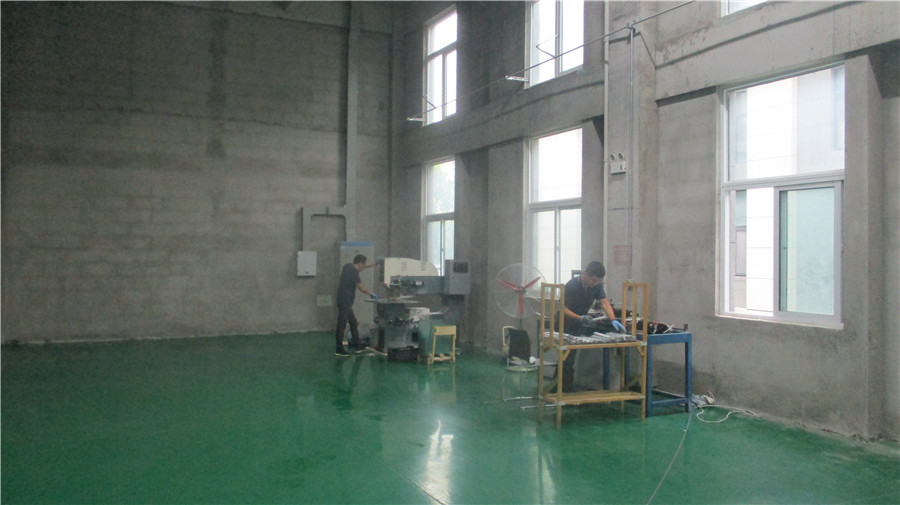
Inside the Factory: Why Qingdao Maupe Glass Supports Vancouver Buyers
Founded in 2012 in Qingdao, Shandong, Qingdao Maupe Glass Co., Ltd. is a glass deep-processing manufacturer and international supplier. The company’s core work is turning flat glass into finished functional parts: cutting, edge polishing, drilling, engraving, coating, silk-screen printing, physical tempering, and chemical strengthening. For Vancouver buyers, this integrated model reduces the need to coordinate separate printers, tempering shops, coating vendors, and packing suppliers.
Silk-screen printing is central to the product range. Using RoHS-compliant, eco-friendly inks with high-temperature and low-temperature processes, the factory produces scratch- and wear-resistant prints for displays, electronic control equipment, instrument covers, household and kitchen appliances, furniture, and decorative partitions. The factory is located near Qingdao seaport and airport, supporting export logistics and making onsite supplier visits practical for international buyers.
Advantages relevant to the Vancouver market include factory-direct engineering support, OEM/ODM service, multi-step glass processing under one roof, sample development, inspection before packing, and experience serving more than 80 countries. The company states that its annual export share of output is 91–100%, which reflects a production model built around international specifications and export packing rather than domestic-only distribution.




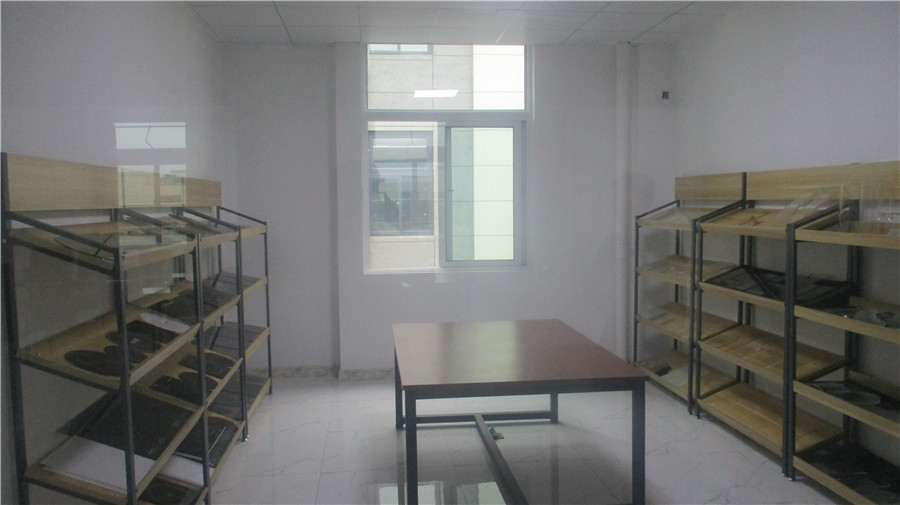
From Drawing to Delivery in Five Controlled Steps
A transparent process helps purchasing, engineering, and quality teams understand what happens at each stage before the shipment leaves Qingdao for Vancouver.
Drawing Review
Engineers check manufacturability, tolerance, edge details, print layout, and strengthening method.
Sampling
Screens and samples are prepared for fit, color, touch, and assembly verification.
Production
Cutting, edging, printing, coating, and tempering are scheduled through controlled production lines.
Inspection
Dimensions, print appearance, edge quality, coating, adhesive, and packaging are checked before shipment.
Export Packing
Protective packing is prepared for ocean or air freight, with shipping documents coordinated for Vancouver delivery.
Questions Vancouver Buyers Ask Before Ordering
These answers reflect common RFQ issues for custom printed tempered glass sourced from a factory-direct supplier and shipped to British Columbia.
Can a China-based factory supply custom printed tempered glass to Vancouver?
Yes. Many Vancouver buyers source custom printed glass from qualified overseas factories while using a local glazier or installer for final handling. The factory prepares the printed and tempered component; the buyer coordinates freight, customs clearance, local delivery, and installation. For best results, approve a production sample before mass production.
What is the minimum order quantity for custom printed tempered glass?
Most custom silk-screen printed panels start from 10 to 100 pieces depending on size, thickness, and the number of print colors. Large display cover glass can start from 10 pieces. Samples are available for fit and print verification before mass production, which is recommended for first-time Vancouver projects.
What lead time should we plan for delivery to Vancouver?
Lead time depends on artwork approval, glass thickness, coating, adhesive taping, production volume, and shipping method. Plan time for sample approval, mass production, export packing, ocean or air freight, customs clearance, and local delivery. Ask for a project-specific schedule instead of relying on a generic lead-time figure.
Which shipping and payment terms are accepted?
Accepted delivery terms include FOB, CIF, EXW, FAS, FCA, CPT, DDP, DDU, and express delivery. Accepted payments include T/T, L/C, PayPal, Western Union, and cash, in USD, EUR, or CNY. The factory is close to Qingdao seaport and airport, which supports consolidated shipments to Vancouver.
Which certifications should Vancouver buyers verify?
Qingdao Maupe Glass operates an ISO 9001 quality management system and holds RoHS and CE certificates for its glass products. The company has also been onsite-assessed by SGS Group. For Canadian projects, verify the certificate scope against your part and confirm with your code consultant whether additional safety-glazing or project-specific testing is required.
Can you match brand colors and print artwork on glass?
Custom screen printing can match logos, icons, borders, touch zones, and color references. Because glass is transparent or tinted and ink opacity affects appearance, approve a physical sample or color proof under the intended lighting. Provide AI or PDF artwork with layer order, Pantone or other color references, and viewing-window dimensions.
What files are needed to start a custom glass project?
Send a 2D drawing in DWG, DXF, or PDF with dimensions, thickness, edge finish, hole positions, notches, and tolerance. Add print artwork in AI or PDF with color references. State coating requirements such as AR, AG, or AF, the intended application, installation method, annual volume, and any adhesive or packing requirements.
How do you protect printed glass during ocean freight to British Columbia?
Export packing should separate glass surfaces, protect corners and edges, limit movement, and provide a moisture barrier suitable for the shipment method. For adhesive-backed panels, packaging should also protect the tape liner. Before shipment, request packing photos and confirm whether palletization, crate design, or container loading meets your project’s handling plan.
Should we choose physical tempered glass or chemically strengthened glass?
Physical tempering generally suits glass around 2 mm and thicker, such as appliance doors, switch panels, display windows, and industrial covers, and it breaks into small blunt fragments. Chemical strengthening suits thin glass from 0.5 mm to 2 mm where flatness and optical quality are critical. Choose according to thickness, impact risk, installation, and code requirements.
Can you provide samples before mass production?
Yes. Samples are recommended for first-time custom projects, especially when print registration, color, adhesive tape, coating, or assembly fit is critical. The sample approval becomes the reference for mass production inspection. Keep the approved sample and related drawings on file so future Vancouver replacement orders or later project phases remain consistent.
Send Your Vancouver Project Drawing for a Factory Review
Share your dimensions, glass thickness, print artwork, coating requirement, adhesive or mounting method, and target delivery window. Our team can review manufacturability and recommend a practical production and packing plan for Metro Vancouver.