Kawasaki · Kanagawa · Keihin Industrial Belt
Glass Substrate Supplier & Exporter serving the Kawasaki market
Custom tempered, printed, coated and switchable glass panels for Kawasaki OEMs, equipment makers, architects and procurement teams.
8 Glass Substrate Products for Kawasaki Buyers
Below are eight practical product routes for Kawasaki projects. All dimensions, edge finishes, print artwork, coatings and packaging can be reviewed against your drawing. Product links are retained as supplied; every specification starts with a quotation and manufacturability check.
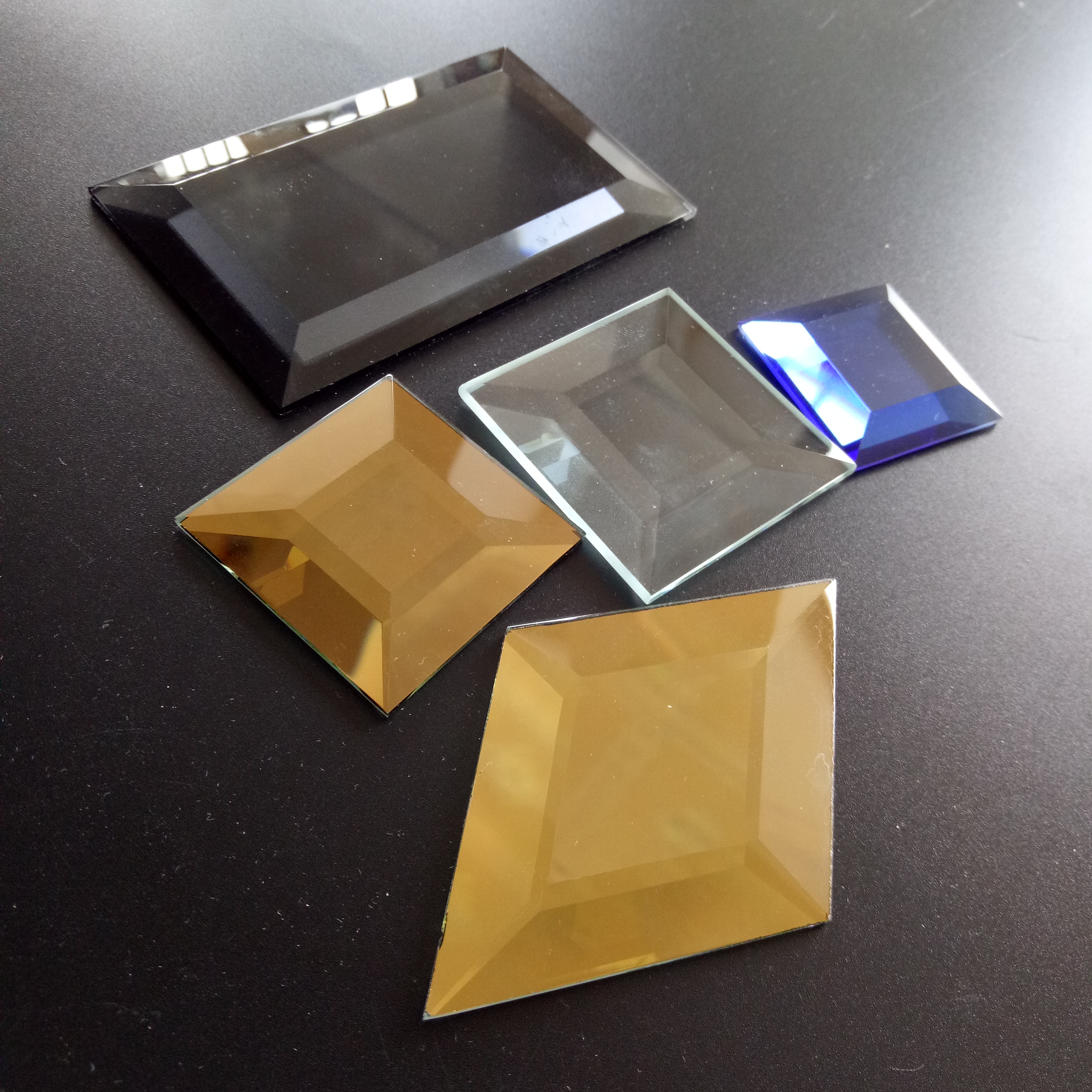
Bule Gold Faceted Beveled Glass for Wall Decoration clear Beveled Glass Pieces
Decorative feature glass for Kawasaki hotel lobbies, showrooms and premium retail interiors. Faceted reflections and beveled edges can be matched to shop drawings, with custom sizes and mounting details reviewed before production.
View product →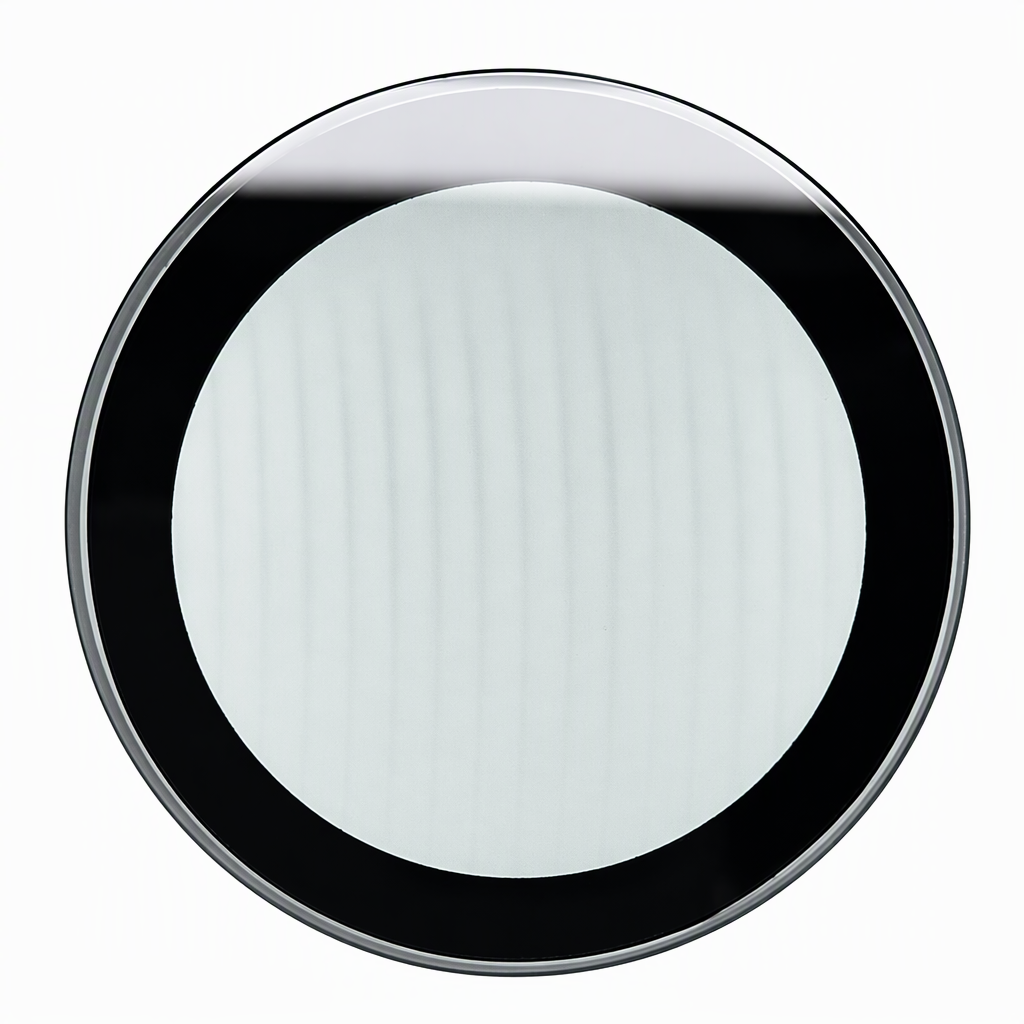
Custom 3-19mm Thickness Flat Tempered Glass Panel for Instrument Use Factory Price Round Shape Printed Tempered Glass
For Kawasaki precision-equipment suppliers needing instrument faceplates, HMI windows and equipment covers. Thickness from 3 to 19 mm, CNC holes, printed graphics and safety-glass behaviour are confirmed against the drawing.
View product →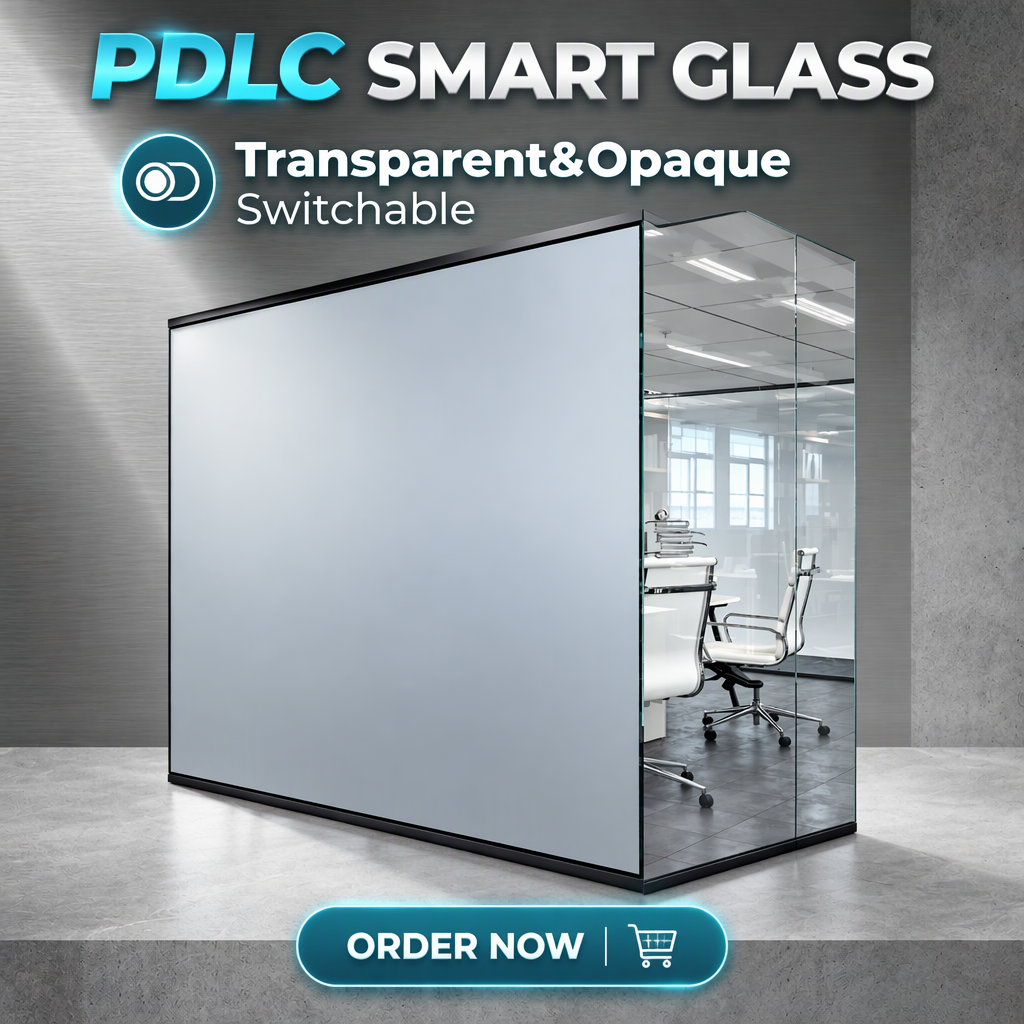
PDLC Smart Film Smart Glass Privacy Film Electrically Transparent Dimmable Glass
Switchable privacy for Kawasaki meeting rooms, clinic partitions and office upgrades. In the clear state the panel remains visually open; in the frosted state it creates temporary privacy. Glass size, busbar position and film layout are project-specific.
View product →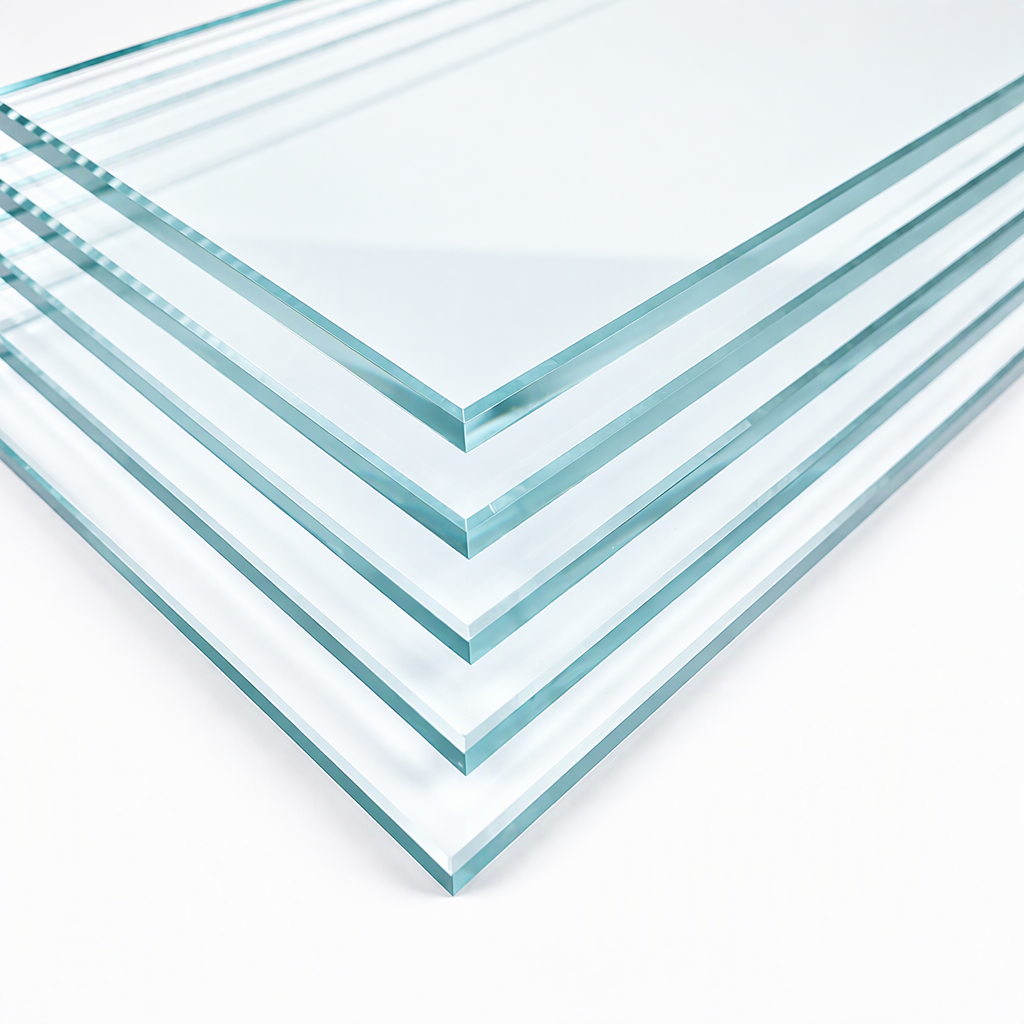
Clear Tempered Glass Transparent Tempered Glass Panel Cover Plate
A practical protective substrate for displays, control boxes, kiosks and industrial HMIs in Kawasaki facilities. Edge polishing, safety corners and hole placement matter in repeated assembly, so tolerances should be fixed before tooling.
View product →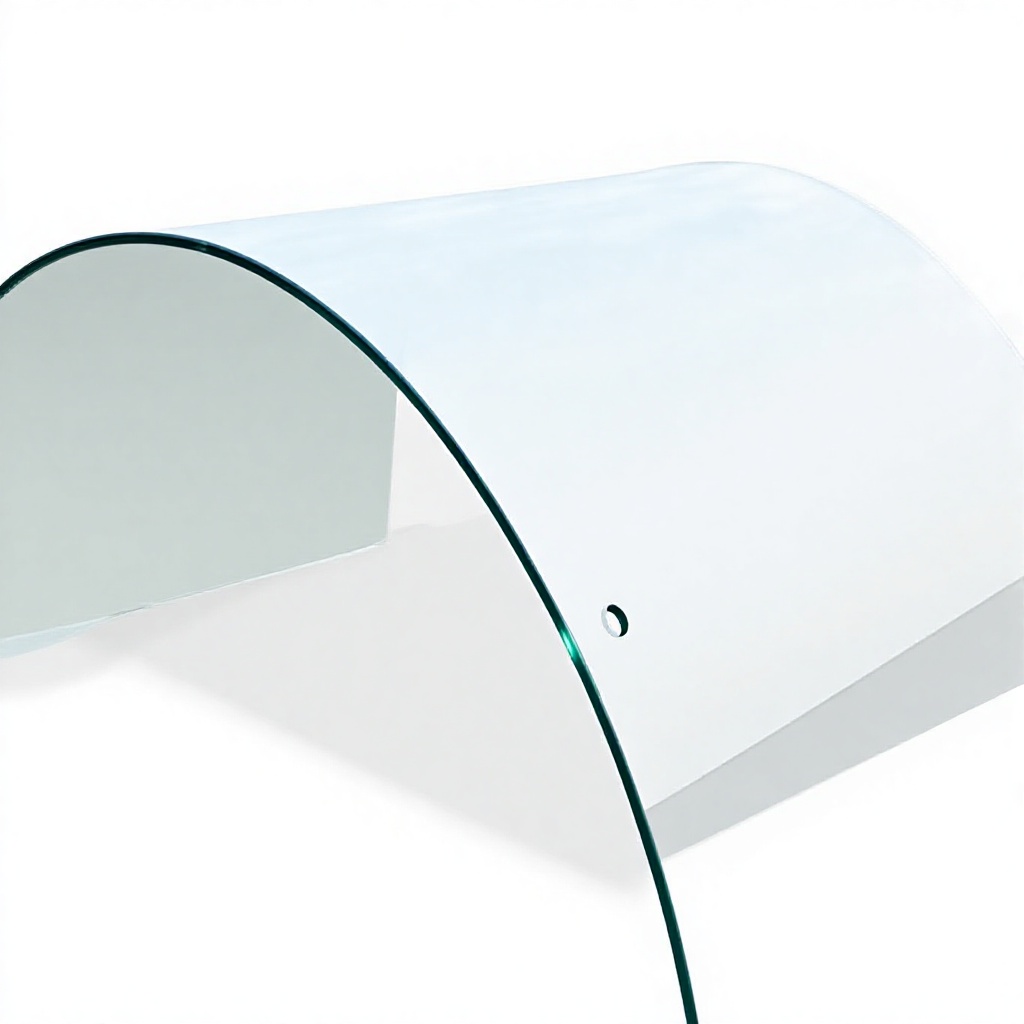
Custom Curtain Wall Glass Balcony Glass Tempered Glass Curved
Curved tempered glass for balcony and facade details in Kawasaki waterfront and commercial projects. Final structural performance depends on the complete railing or curtain-wall system, so glass engineering should be coordinated with the hardware supplier.
View product →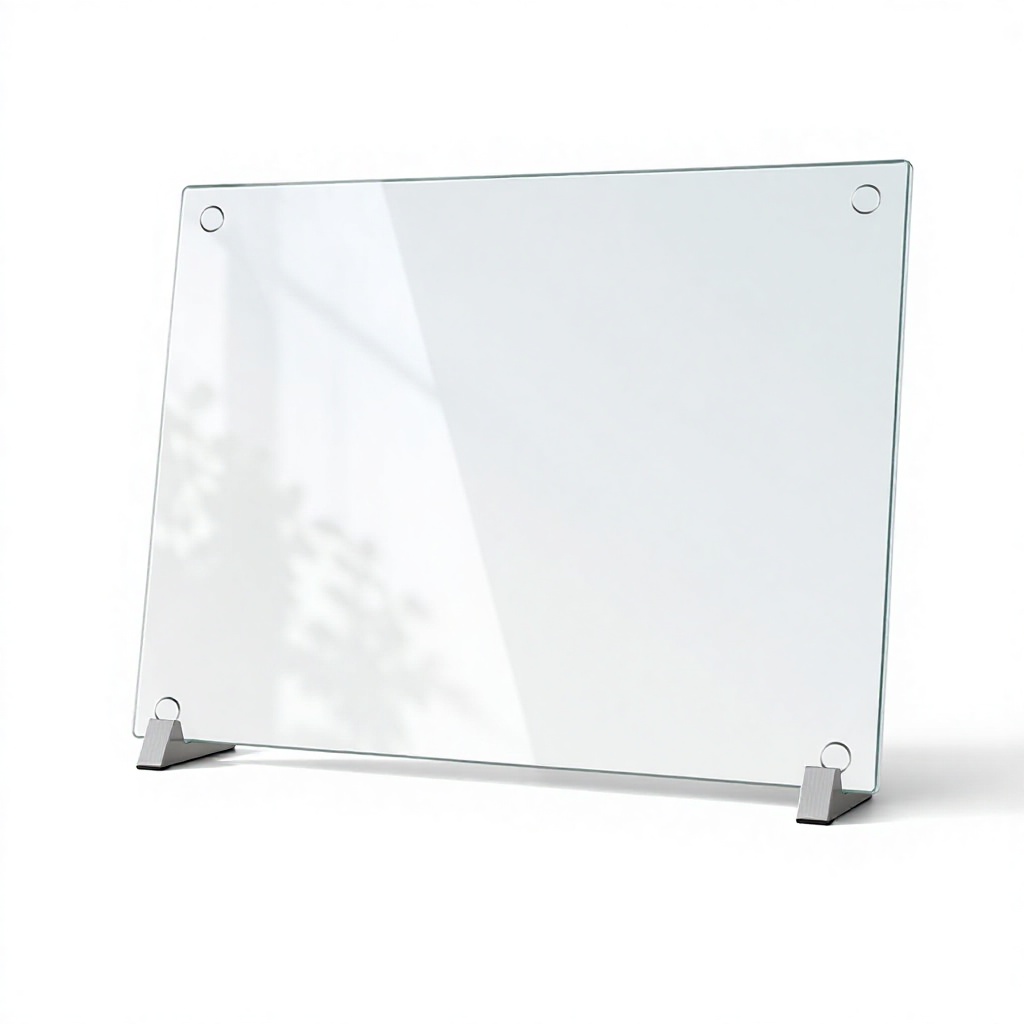
Custom Size Clear Tempered Glass Curtain Wall Panel Multi Function Print Glass Whiteboard Glass
Printed whiteboard glass for Kawasaki collaboration rooms, laboratories and customer experience centres. A writable surface and custom graphics support interior branding; fixing design and substrate condition should be reviewed before installation.
View product →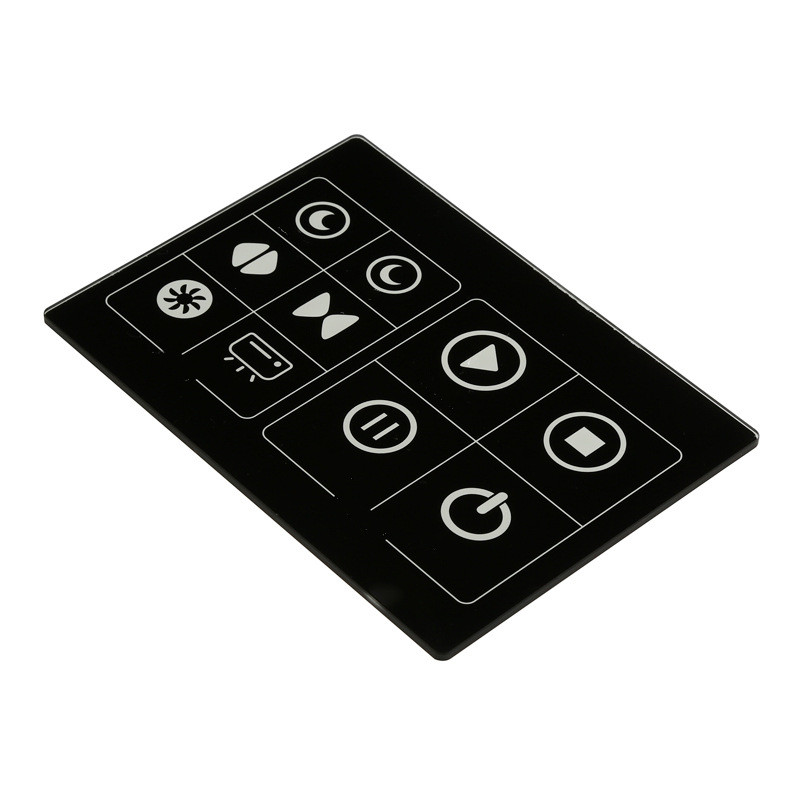
High Temperature Resistant Customized Black Printing Tempered Glass Cooktop Microwave Oven Door Glass for Kitchen
Heat-resistant black printed glass for cooktop, microwave and oven door applications. High-temperature inks and controlled tempering help maintain appearance and safety; compatibility with the appliance design must be validated by the customer.
View product →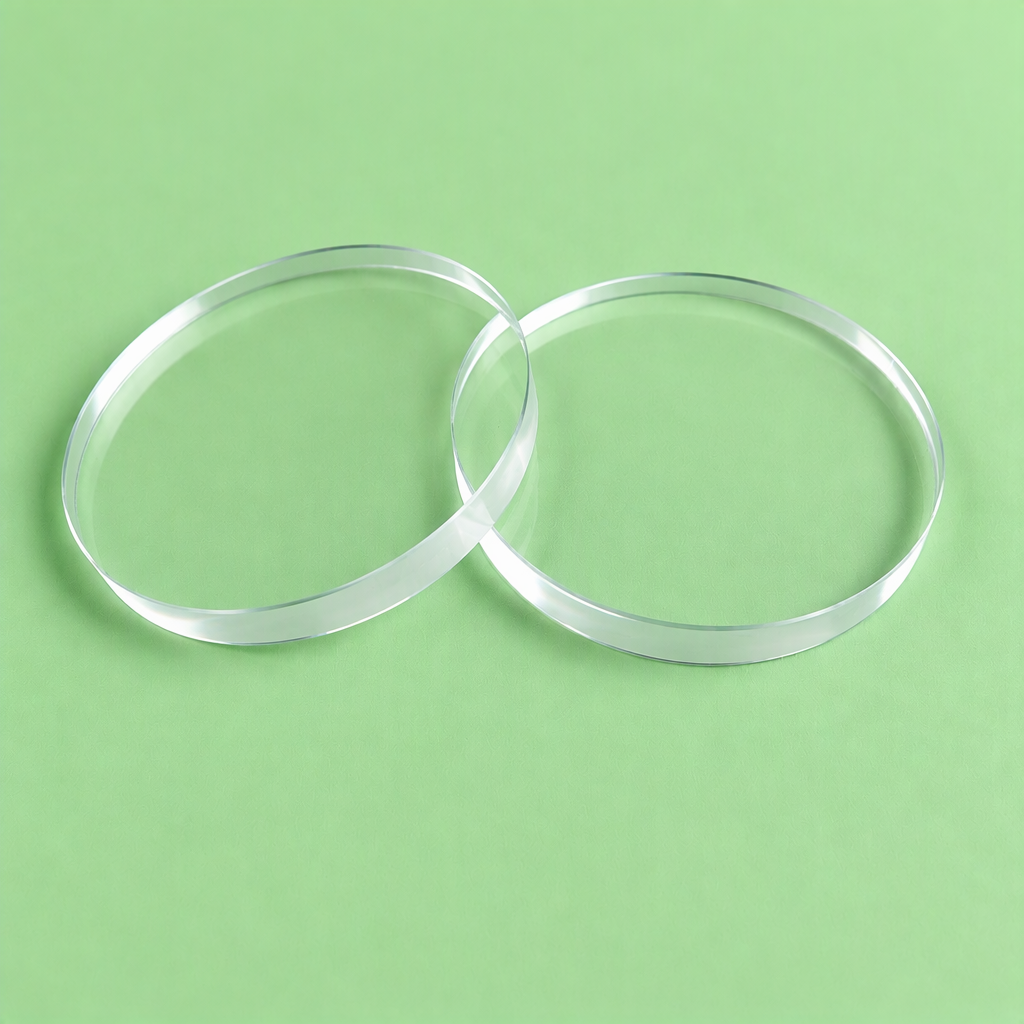
High Strengthen Glass Tempered Glass Custom Size Tempered Clear Glass Panel for Industrial
High-strength clear industrial glass for machine guards, control windows and protective panels in Kawasaki plants and port facilities. Thickness, hole layout and edge finish are matched to the drawing; final safety requirements remain the equipment maker's responsibility.
View product →What Kawasaki Buyers Actually Need from a Glass Substrate Supplier
Kawasaki is not a single buying centre. It combines the Keihin coastal industrial belt, precision-engineering suppliers, smart-building projects around Musashi-Kosugi, commercial interiors in central Kawasaki and logistics connections to Tokyo Bay.
From industrial equipment to smart interiors
A plant engineer in Kawasaki may need a 4 mm printed HMI cover with tight hole tolerances. An architect may need switchable privacy glass for a meeting-room refurbishment. A procurement team may want a repeatable export supply of tempered panels with RoHS documentation. The common thread is drawing-to-part repeatability, not a generic catalogue photo.
This page uses “glass substrate” in the practical OEM sense: a functional glass component processed from flat glass—cut, edged, drilled, printed, tempered, chemically strengthened or coated. It does not refer to silicon wafers or raw glass melting. That distinction matters when comparing suppliers, because buyers should ask which process steps are in-house, which certificates are verifiable and how inspection is recorded.
- Equipment and electronics makers needing instrument glass, display windows and control panels.
- Smart-building contractors needing switch panel glass, privacy glass and whiteboard surfaces.
- Kitchen appliance and commercial kitchen projects requiring heat-resistant printed glass.
- Architectural and interior teams needing beveled feature glass, balcony glass and curtain-wall panels.
- Facilities and maintenance teams looking for replacement clear tempered covers.
Local procurement signals
Kawasaki's location on Tokyo Bay makes logistics part of the buying decision. The Port of Kawasaki, nearby Yokohama Port and air gateways at Haneda and Narita give local buyers multiple import paths. For an overseas supplier, that means export packing, carton labelling, pallet configuration and shipping documents must be correct before the container leaves Qingdao.
Buyers in Kawasaki typically compare suppliers on four points beyond unit price:
- Metric drawings, tolerance notes and edge-chip acceptance criteria.
- Print colour references, ink durability and touch-zone alignment.
- ISO 9001, RoHS, CE and third-party inspection evidence.
- Sample speed, packaging quality and English technical communication.
A low unit price is not useful if replacement glass is needed because a printed panel was packed without enough edge protection. That is why this supplier page focuses on process control and export readiness, not only product names.
Where These Glass Products Fit in Kawasaki
These application modules help purchasing and engineering teams translate a local project brief into a glass specification.
Industrial HMIs
Clear or printed cover glass for control panels, machine interfaces and inspection windows in Kawasaki plants and port facilities.
Smart-Building Partitions
PDLC switchable glass for meeting rooms, clinic partitions and executive offices where privacy must change during the day.
Instrument and Testing Equipment
Tempered printed panels from 3 to 19 mm for measuring equipment, analysers and laboratory housings.
Commercial Interior Features
Faceted beveled glass for hotel lobbies, showrooms and premium retail spaces in central Kawasaki and Kawasaki Ward.
Kitchen Appliance OEM
Heat-resistant black printed glass for cooktops, microwave doors and oven fronts in appliance showrooms and refurbishment projects.
Medical and Laboratory Displays
AR, AG and AF coating options for display readability where glare, fingerprints or reflection control are specified.
Balcony and Facade Details
Curved tempered glass for balcony and curtain-wall design review, coordinated with the full railing and fixing system.
Office Collaboration Walls
Whiteboard glass and printed wall panels for laboratories, project rooms and customer experience centres.
Kawasaki-Localized Trends Shaping Glass Demand
Procurement patterns in Kawasaki are moving toward smaller custom batches, stronger documentation and multi-function glass surfaces.
Small-Batch Customization
OEM teams increasingly request 10–100 piece runs for instruments, control panels and pilot builds rather than large commodity stock.
Privacy-on-Demand
Office and clinic refurbishments in Kawasaki show interest in PDLC smart glass for flexible meeting-room privacy.
Anti-Glare Readability
Bright factory floors and control rooms drive demand for AG, AR and AF surface options on display cover glass.
Heat-Resistant Printed Glass
Premium kitchen appliance projects require black printed tempered glass that keeps its appearance under heat exposure.
Documentation-First Procurement
ISO 9001, RoHS and CE evidence is checked earlier in the supplier selection process, before samples are approved.
Export Packing Quality
Because Kawasaki buyers can import through several gateways, packaging and labelling quality is now part of the total-cost comparison.
Qingdao Maupe Glass Co., Ltd.: Export-Focused Glass Deep-Processing for Kawasaki Procurement
Founded in 2012 in Qingdao, Shandong, Qingdao Maupe Glass Co., Ltd. is a glass deep-processing manufacturer and international supplier operating under an ISO 9001 quality management system. The work is not raw glass melting; it is turning flat glass into finished functional parts.
One factory, the complete process chain
Keeping cutting, edge polishing, drilling, engraving, silk screen printing, physical tempering, chemical strengthening and AR/AG/AF coating under one roof helps shorten lead times and make tolerance and colour consistency traceable from raw sheet to packed carton. The factory floor area is approximately 3,000–5,000 m² and sits close to Qingdao seaport and airport, which keeps export logistics simple and makes on-site audits easier for visiting buyers.
Our silk screen printed glass uses RoHS-compliant, eco-friendly inks with high- and low-temperature printing processes. This supports scratch- and wear-resistant prints for displays, electronic control equipment, instrument covers, household and kitchen appliances, furniture and decorative partitions. For Kawasaki buyers, the value is a single engineering partner for multiple materials, print colours, coatings and strengthening methods.
Projects can start from samples and drawings. Typical custom printed tempered glass orders start from 10 to 100 pieces depending on size, thickness and number of print colours; large-size display cover glass can start from 10 pieces. Accepted delivery terms include FOB, CIF, EXW, FAS, FCA, CPT, DDP, DDU and express delivery. Accepted payments include T/T, L/C, PayPal, Western Union and cash in USD, EUR or CNY.



In-House Deep Processing
Cutting, CNC shaping, edging, drilling, printing, tempering, chemical strengthening and coating reduce process hand-offs and improve traceability.
Verifiable Quality System
ISO 9001 certificate No. 24025Q20015R1S, RoHS certificate No. 25TYT12395 and CE certificate No. 23TYT082593S are available for compliance review.
SGS Onsite Assessment
The company has been onsite-assessed by SGS Group as a third-party inspection company, with documented material inspection and finished-product inspection procedures.
OEM / ODM Project Support
More than a decade of OEM experience supports screen making, sampling, print colour checks and production approval before mass manufacturing.
Procurement-Ready Documentation
Supplier assessment procedures, inspection records and certificate numbers help Kawasaki buyers compare suppliers on evidence, not claims. The company profile also includes Fortune 500 supplier experience.
Export Packing and Qingdao Logistics
Protective export packing, pallet control and Qingdao port access support FOB, CIF, DDP and express shipping to Kawasaki and the wider Kanagawa market.
Specify the Glass Substrate Before You Compare Prices
For Kawasaki procurement teams, the fastest quote comes from a complete drawing package. Use this table as a buyer checklist.
| Specification to confirm | Why it matters in Kawasaki procurement | What to send |
|---|---|---|
| Size and tolerance | Prevents assembly rework in instruments, control panels and architectural details. | 2D drawing in DWG, DXF or PDF with critical dimensions marked. |
| Thickness and glass type | Clear, ultra-clear, tinted or high-alumina sheet changes strength, colour and optical performance. | Target thickness, glass colour, annual volume and application environment. |
| Edge finish and holes | Sharp edges, countersinks and hole spacing affect handling, fit and breakage risk. | Edge profile, corner treatment, hole positions and chip acceptance. |
| Print artwork and ink | Backlight icons, touch zones and brand colours must match the device design. | AI or PDF artwork with colour references, layer order and print side. |
| Strengthening method | Physical tempering and chemical strengthening suit different thicknesses and breakage patterns. | Thickness, load conditions and whether safety-glass fragments are required. |
| Coating and packing | AR/AG/AF treatments, protective film and export cartons influence yield after shipping. | Coating target, cleaning method, packing preference and destination port. |
From Drawing to Delivery in Six Controlled Steps
A transparent workflow for purchasing, engineering and quality teams in Kawasaki.
Drawing Review
Engineers check manufacturability, tolerance, edge finish and strengthening method.
DFM Feedback
Potential issues with holes, print alignment, coating and glass thickness are raised early.
Sampling
Screens and samples are made for fit, colour and touch verification before approval.
Mass Production
Cutting, edging, printing, tempering and coating run on eight production lines.
Quality Inspection
Material inspection and finished-product inspection are performed before packing.
Export Shipping
Protective packing and Qingdao port logistics support FOB, CIF, DDP and express terms.
Certified Quality You Can Verify
Certificate numbers are listed so your compliance team can check them directly with the issuing bodies.
ISO 9001 Quality Management
Certificate No. 24025Q20015R1S. Scope: float glass and technical glass products. Valid to 02/2028.
RoHS Compliance
Certificate No. 25TYT12395. Restricts hazardous substances for EU electrical and electronic equipment. Valid to 12/2030.
CE Marking
Certificate No. 23TYT082593S. Tempered glass. Supports market access across the European Economic Area. Valid to 08/2028.
Questions Kawasaki Buyers Ask Before Ordering
These answers reflect the usual sourcing questions from OEM, architectural and procurement teams comparing a glass substrate supplier and exporter.
Can you supply custom glass substrates to Kawasaki and across Kanagawa?
What is the minimum order quantity for a Kawasaki OEM project?
Can you review metric drawings and suggest manufacturable tolerances?
Should we choose physical tempered glass or chemically strengthened glass?
Which certificates and inspection documents are available?
How do you protect printed and coated glass during export to Kawasaki?
What files do you need to start a quotation?
Which trade and payment terms are accepted?
Send Your Drawing, Target Thickness and Application
Share your requirements for tempered, printed, coated, curved or switchable glass. Our engineers will review manufacturability, suggest the right substrate and coating route, and reply with a quotation path for your Kawasaki project.
Get a QuoteWorking language: English · Drawings in mm · FOB, CIF, DDP and express options · ISO 9001 · RoHS · CE · SGS Onsite Assessed