8 Product Recommendations for Austin Switch-Plate, Touch-Control and Architectural Glass Projects
Not every part below is a wall switch plate. The list is a practical shortlist for Austin buyers who want to consolidate custom glass purchases across smart-home interfaces, appliance panels, access control, furniture glass and industrial equipment. Every product link below is preserved for direct technical review.
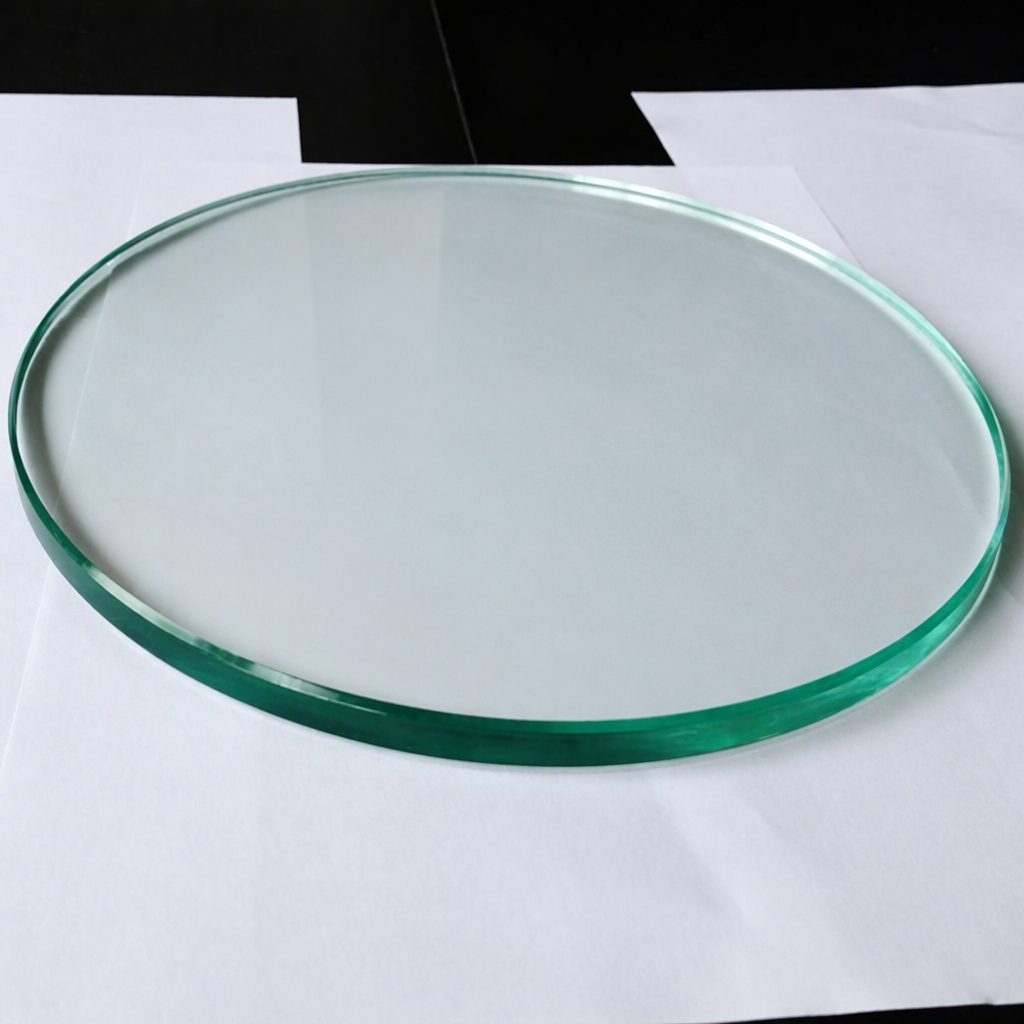
12mm Tempered Glass Round Tempered Glass Beveled Round Glass Pieces
For Austin furniture, lighting and premium switch-plate concepts that need a thick, jewelry-like edge. Round beveled geometry softens touch points; confirm mounting holes and safe edgework on the drawing.
View product details →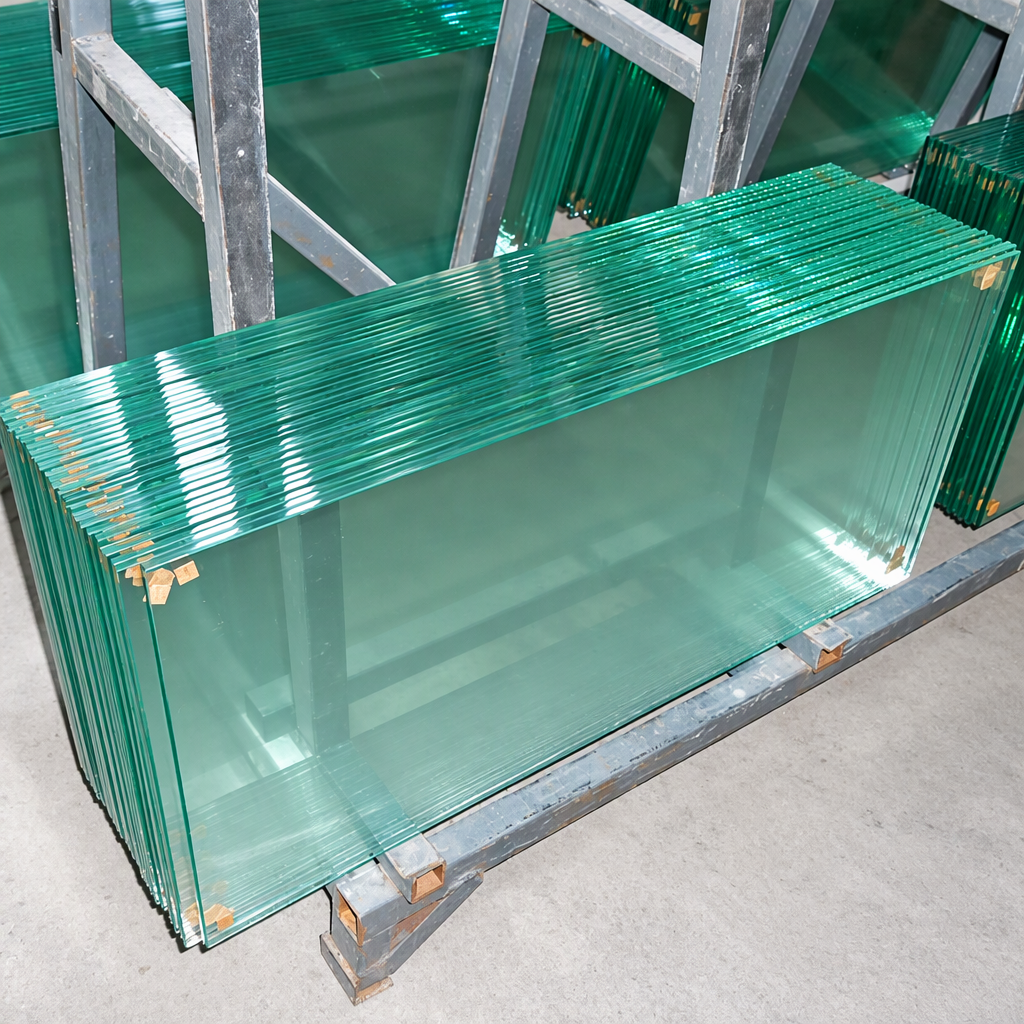
Customized Thickness and Size Clear Tempered Float Glass Panels
A practical base material for local fabricators and OEMs that need custom thickness, size and edgework before printing or coating. Use it for control-panel blanks, display windows and architectural inserts.
View product details →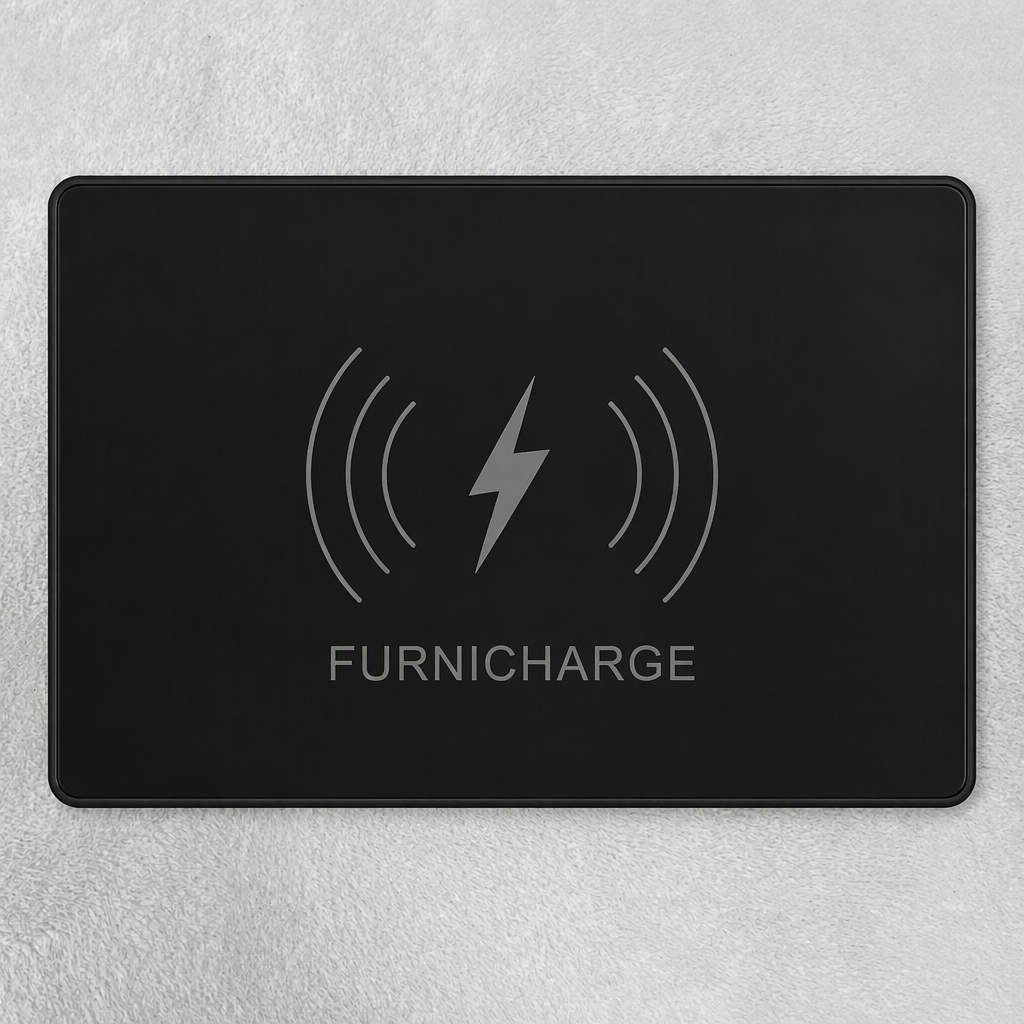
Smart Tempered Glass Bedside Table Panel for Tea Table Wireless Charging Front Cover Glass Touch Light Switch Glass
Combines wireless charging, touch control and a glass front cover. Relevant to Austin smart-home furniture, hospitality and multifamily projects where a clean glass interface hides the electronics.
View product details →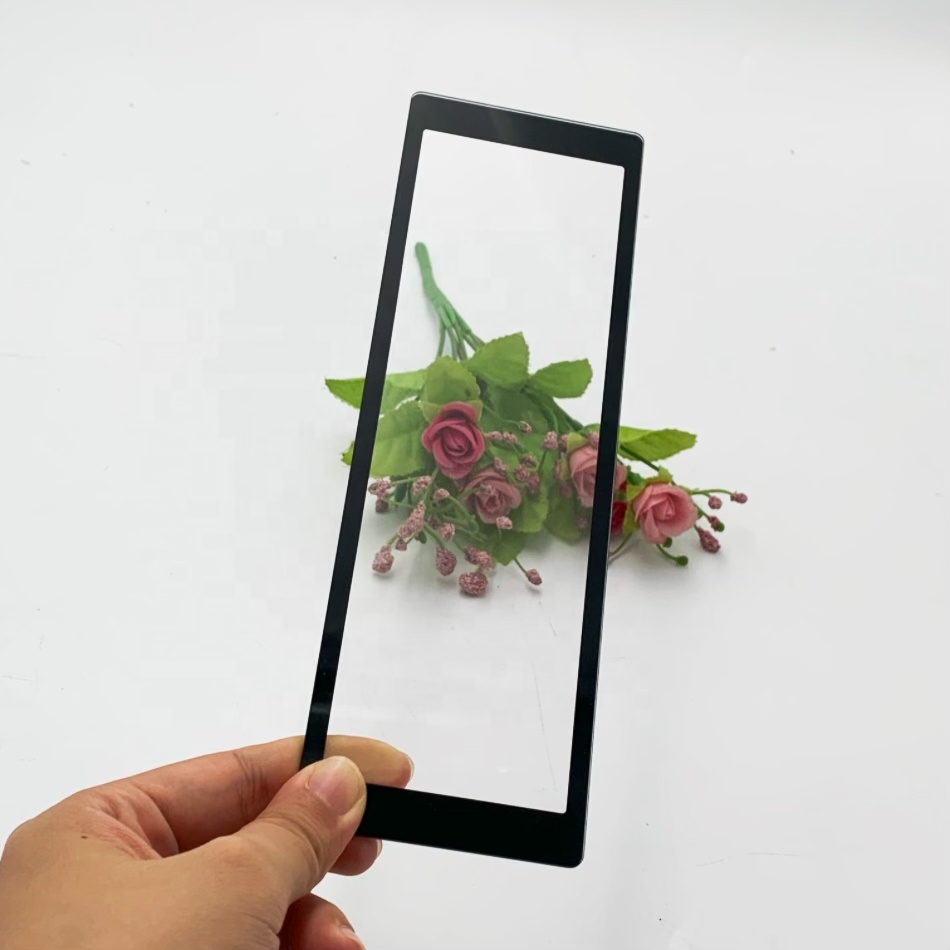
Custom Silk Screen Printed Tempered Glass Panel Touch Screen Display Cover Glass
The core recommendation for glass switch plates and touch controls. Print icons, backlight windows, borders and brand colors on durable tempered glass with a scratch-resistant finish.
View product details →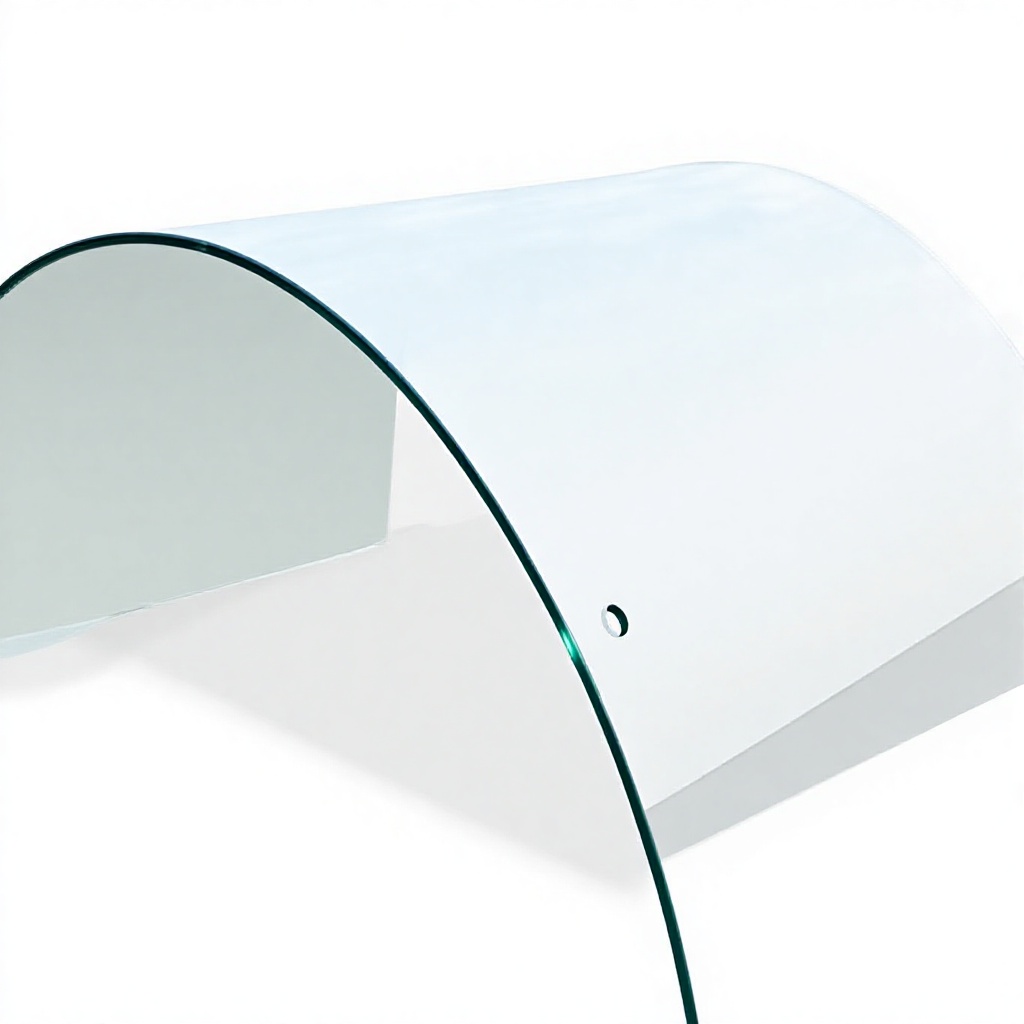
Custom Curtain Wall Glass Balcony Glass Tempered Glass Curved
For design-led Austin homes and commercial facades. Glass switch plate projects rarely need curved curtain wall, but this part shows the factory capability in curved architectural glass and custom geometry.
View product details →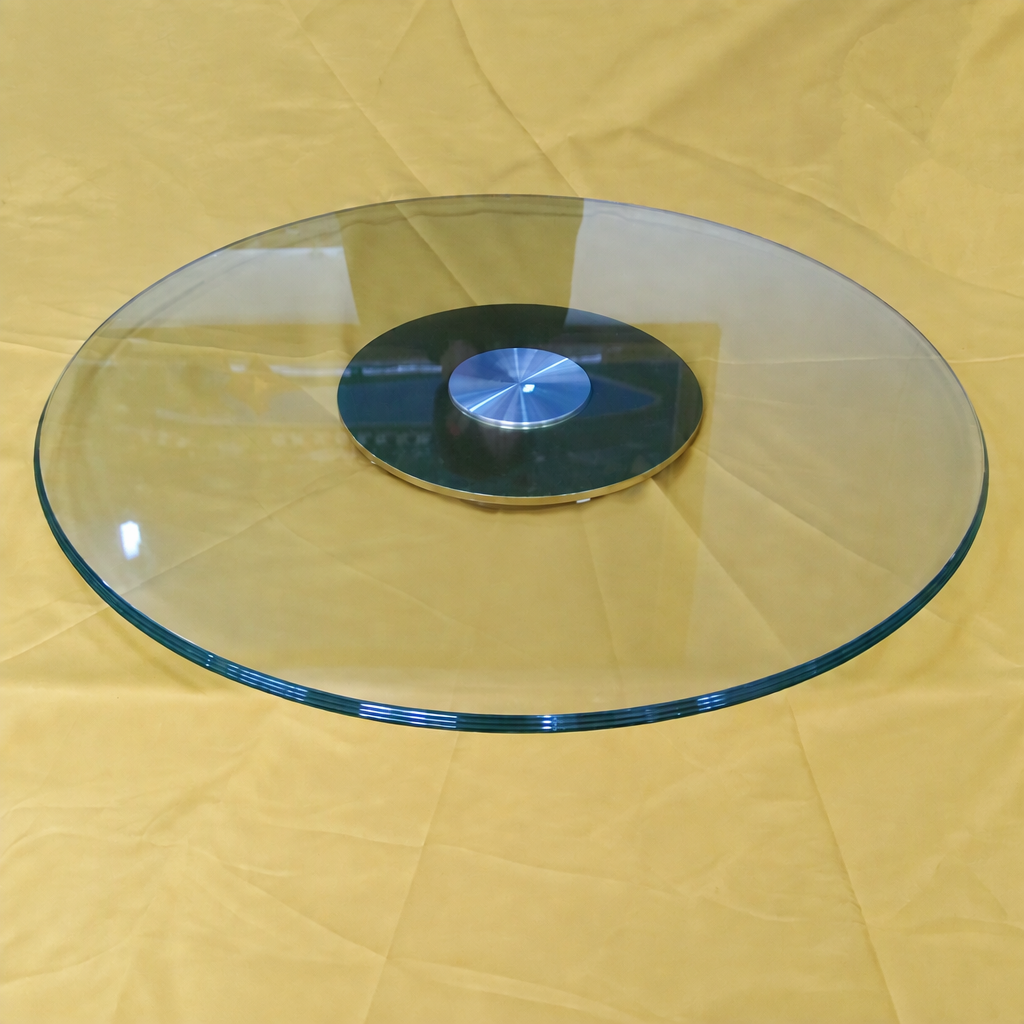
Tempered Glass Lazy Susan 50cm 60cm 70cm 90cm Lazy Susan Turntable Strengthened Glass
A niche product for hospitality, cabinetry and tabletop applications. Useful when an Austin project needs a tempered glass rotating surface paired with precise diameter and edge finishing.
View product details →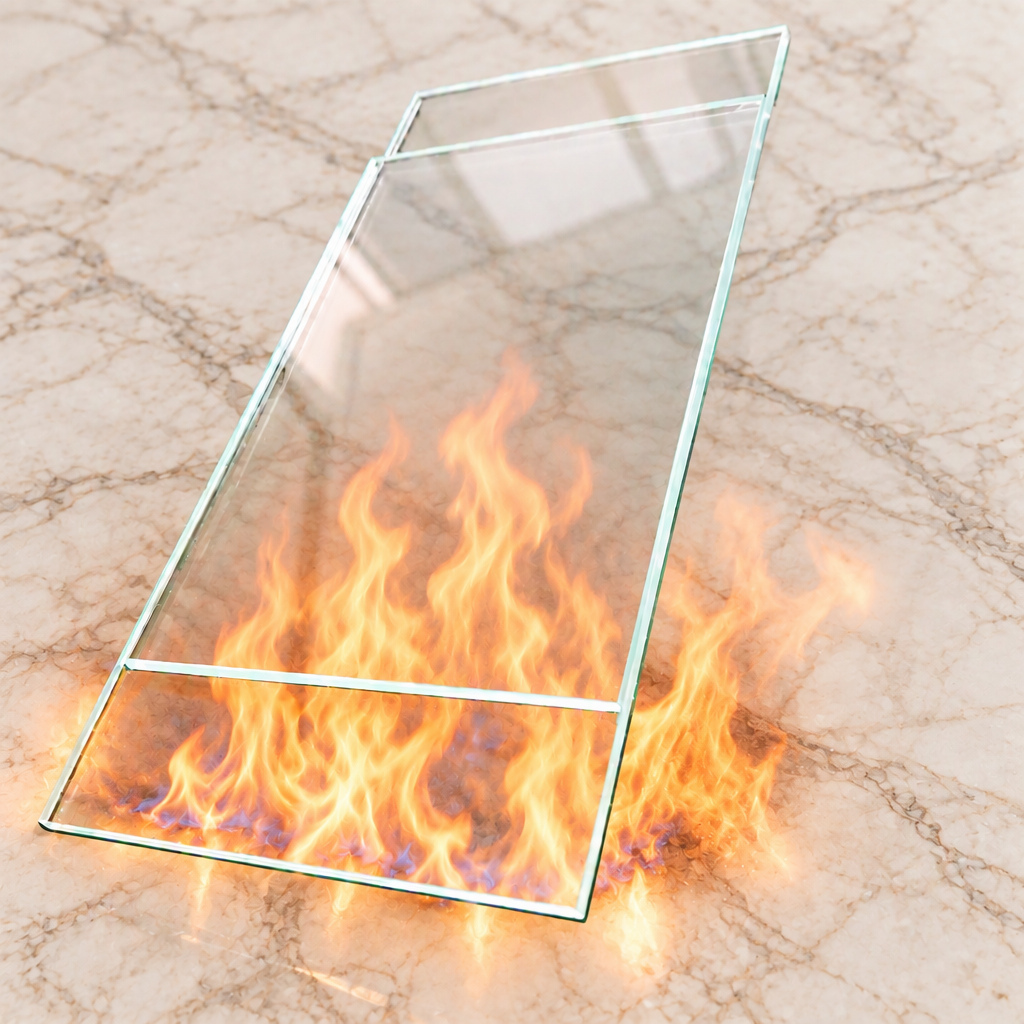
Tempered Glass Flat Solid Glass Panels Heat-resistant Tempered Glass for Various Application
For kitchen, appliance and equipment applications exposed to heat. Use it for cooktop-adjacent covers, oven windows and heat-exposed control panels, with ink and glass type matched to the working temperature.
View product details →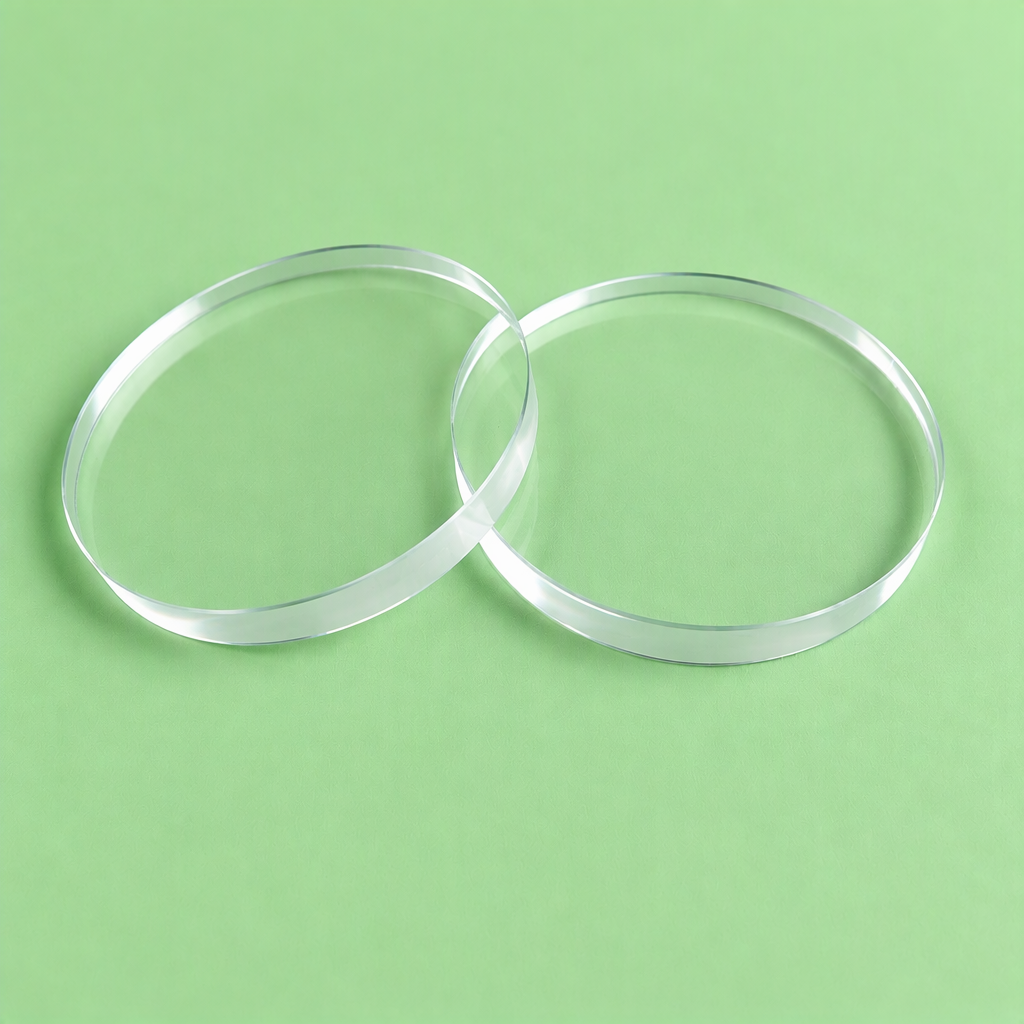
High Strengthen Glass Tempered Glass Custom Size Tempered Clear Glass Panel for Industrial
For industrial machine guards, HMI windows and equipment enclosures. Clear visibility, custom size and tempering make it a robust option for Austin labs, workshops and production equipment.
View product details →Qingdao Maupe Glass Co., Ltd. at a Glance
Austin buyers evaluating glass switch plate manufacturers need more than a product photo. They need a factory profile that can be checked against drawings, certificates and export documents.
What Austin Buyers Should Know Before Sourcing Glass Switch Plates
Search demand for glass switch plate manufacturers and a manufacturer in Austin often mixes two different buying jobs. Separating those jobs early prevents costly sample loops.
One buying job is a design and finish purchase: a homeowner, interior designer or electrician wants a decorative glass cover that fits a standard wall box. The other is an OEM purchase: a smart-home brand, appliance maker, commercial integrator or elevator company needs a printed tempered glass interface manufactured to a drawing. These are not the same RFQ. A decorative cover may start with a device standard and a color target; an OEM panel may need tolerance, print layer order, touch-zone registration, edge treatment, tempering method, packaging and compliance records. The supplier must be able to discuss both.
Another local issue matters in Texas: US-style plates such as toggle, Decora/rocker and multi-gang layouts do not use the same opening pattern as the European 86-type switch glass seen in many catalog photos. An Austin buyer should state the device standard, screw or adhesive mounting, wall-box depth and whether the plate is a cosmetic skin or a structural front cover. If a supplier only quotes “86 type” without asking about the device standard, that is a warning sign for a US retrofit.
Climate also affects the specification. Austin’s heat, sun and humidity do not automatically require outdoor-rated glass for indoor switch plates, but they do affect parts in pool houses, shaded patios, restrooms and commercial entries. Ask how edges, print, coatings and adhesive are specified for the actual location. Do not assume a decorative panel is weather-rated unless the drawing and approval say so. For commercial work, request submittal-ready information: glass type, thickness, edge finish, ink system, coating, strengthening method and packing method.
Because the supplier is an export manufacturer rather than an Austin storefront, the strongest procurement model is sample-led and document-led. Start with a drawing review, confirm the sample, then scale to production. That workflow protects the project schedule and gives the installer a known part before walls are closed or control equipment is assembled.
Four RFQ Details That Reduce Risk
Localized Application Scenarios for Austin Projects
Austin is a design-conscious, tech-heavy and fast-growing market. Glass interfaces appear in places that range from a single residential switch wall to a commercial lobby full of touch controls. The right specification depends on the installation, the user and the cleaning routine.
Smart Home and Multifamily Switch Walls
For Austin smart-home integrations, glass switch plates can group lighting scenes, motorized shades and HVAC controls behind one clean surface. Print icon layouts that match the control app, and define backlight zones before sampling.
Commercial Offices, Coworking and Hospitality
Downtown Austin and mixed-use developments need surfaces that resist daily cleaning and fingerprints. Anti-fingerprint coating and consistent print color help elevator banks, conference rooms, hotel suites and lobby controls stay presentable.
Kitchen Islands and Appliance Controls
Central Texas homes often combine large kitchen islands with touch controls, charging zones and appliance panels. Heat-resistant tempered glass and high-temperature inks should be specified where the part sits near ovens, cooktops or warming drawers.
Access Control, Card Readers and Smart Locks
Austin offices, gyms and multifamily properties use QR, IC and RFID readers. Printed glass covers can hide inactive areas while keeping the reading window clear. Confirm scanner wavelength, window size and ink opacity before production.
Elevator and Building-Control Panels
Elevator touch buttons and building-control interfaces need clear icons, durable print and comfortable touch feel. For bright lobby lighting, ask whether anti-glare or anti-reflective treatment improves legibility.
Design-Led Residential and Branded Interiors
For custom homes and branded spaces, glass switch plates can carry a logo, a finish direction or a color-matched border. Ask for a printed color target and a physical sample, not only a digital mockup.
Austin Sourcing Trends That Change the Specification
The Austin market rewards suppliers who can move from a design idea to a verifiable part. These four trends are visible in inquiries from smart-home, commercial and OEM buyers.
Smart-Home Consolidation
Instead of one switch per function, Austin buyers increasingly ask for multi-zone glass interfaces. That means more print layers, more backlight windows and tighter registration between the glass and the electronics.
Cleanable Premium Interiors
Commercial and hospitality teams want a premium look without a fragile surface. Anti-fingerprint coatings and edge polishing are now discussed at the sample stage rather than after installation.
Documentation-First Buying
Purchasing teams want ISO 9001, RoHS and CE records attached to the quote. A supplier that can state certificate numbers and scope is easier to approve than one that only sends a catalog.
Sample-Led Custom Runs
Austin designers often need a specific color, icon set or unusual shape. Low-volume custom runs and physical samples reduce the risk of a mismatch between the digital artwork and the installed glass.
Choose the Strengthening Method Before You Choose a Finish
One of the most common causes of rework in cover glass projects is choosing the wrong strengthening method too late. Use this comparison during the design stage, then confirm with the factory against your drawing.
What to Include in an Austin RFQ
- 2D drawing in DWG, DXF or PDF with outline, holes, cutouts and tolerance
- Glass thickness, type, edge finish and corner radius
- Print artwork in AI or PDF with color references and layer order
- Surface treatment requirement: AR, AG, AF or none
- Application environment, mounting method, annual volume and target ship date
For switch plates, also send the exact device standard and a photo of the wall box or existing plate. That single detail prevents an expensive mismatch between a beautiful glass sample and the electrical hardware used in Austin.
| Criteria | Physical Tempered | Chemically Strengthened |
|---|---|---|
| Typical thickness | About 2 mm and thicker | 0.5–2 mm thin glass |
| Strength gain | Roughly 4–5× annealed glass | High surface compression suited to thin parts |
| Breakage pattern | Small blunt fragments for safety glass applications | Larger pieces, similar to annealed glass |
| Flatness and optics | Very good; slight roller wave is possible | Excellent, with no heat distortion |
| Post-processing | Cutting, drilling and edging must be completed before strengthening | |
| Best for | Appliance doors, switch panels, display windows and industrial covers | Touch covers, small electronics, wearables and precise optical windows |
One Controlled Process Chain from Qingdao to Austin
Qingdao Maupe Glass Co., Ltd. is an ISO 9001 glass deep-processing manufacturer and international supplier. For Austin buyers, the advantage is direct access to the people who review the drawing, print the sample, temper the part and inspect the finished panel.
Established Factory Profile
Founded in 2012 in Qingdao, Shandong, with 8 production lines and a 3,000–5,000 m² floor area. The factory sits close to Qingdao seaport and airport for export logistics and buyer visits.
ISO 9001 Quality Management
Certificate No. 24025Q20015R1S covers float glass and technical glass products. The system supports incoming material inspection, production control and finished-product inspection.
RoHS, CE and SGS Verification
RoHS Certificate No. 25TYT12395 and CE Certificate No. 23TYT082593S support compliance discussions. The company has also been onsite-assessed by SGS Group as a third-party inspection company.
One-Roof Deep Processing
Cutting, CNC shaping, edge polishing, drilling, engraving, silk screen printing, physical tempering, chemical strengthening, AR/AG/AF coating and inspection are kept within one controlled process chain.
Export Experience
The company serves clients in more than 80 countries, with an export share of output listed at 91–100%. Accepted delivery terms include FOB, CIF, EXW, FAS, FCA, CPT, DDP, DDU and express delivery.
OEM / ODM Support
Drawing review, sampling, mass production, inspection and export packing are handled by the factory team. This is especially useful for Austin brands that need custom print, low-volume validation and repeatable production.




From Austin RFQ to Export Carton: Five Controlled Steps
A transparent workflow helps purchasing, engineering and quality teams know what happens at each stage before a custom glass part is approved.
Drawing Review
Engineers check manufacturability, tolerance, device standard, print layers and the correct strengthening method.
Sampling
Screens and physical samples are made for fit, color, touch-zone and surface-treatment verification.
Mass Production
Cutting, edging, printing, tempering or chemical strengthening are controlled across 8 production lines.
Quality Inspection
Incoming material and finished product checks are completed before packing, with certificate records available.
Export Shipping
Protective export packing moves through Qingdao seaport or airport, with FOB, CIF, DDP and other terms quoted per project.
Records Austin Procurement Teams Can Verify
Certificate numbers are listed so a compliance team can check them with the issuing bodies. Always confirm that the certificate scope matches the exact product and process in your purchase order.

ISO 9001 Quality Management
Certificate No. 24025Q20015R1S · Scope: float glass and technical glass products · Valid to 02/2028.

RoHS Compliance
Certificate No. 25TYT12395 · Restricts hazardous substances for EU electrical and electronic equipment · Valid to 12/2030.

CE Marking
Certificate No. 23TYT082593S · Tempered glass · Supports market access across the European Economic Area · Valid to 08/2028.
Austin Buyer FAQ: Glass Switch Plates, Samples, Shipping and Compliance
These are the questions local buyers commonly ask when comparing glass cover suppliers for a Texas project.
Are you an Austin-based glass switch plate manufacturer?+
Qingdao Maupe Glass Co., Ltd. operates from Qingdao, China, and is not presented as an Austin storefront or local stockist. For Austin projects, the value is direct access to an ISO 9001 OEM glass factory with documented certificates, custom printing, tempering or chemical strengthening, and export packing. This model works well for buyers who need custom dimensions and are comfortable with a sample-and-production workflow.
What is the minimum order quantity for custom glass switch plates or printed panels?+
Most custom silk screen printed panels start from 10 to 100 pieces depending on size, thickness and the number of print colors. Large-size display cover glass can start from 10 pieces. Samples are available for fit and print verification before mass production. MOQ is confirmed after drawing review because artwork complexity and panel size affect setup.
Can you make US-standard switch plate dimensions instead of only 86-type glass?+
Custom manufacturing starts from your drawing, so the key step is to state the device standard: US toggle, Decora/rocker, multi-gang, screwless mount, adhesive mount or a proprietary control module. Send a photo of the wall box and the existing plate with the 2D drawing. Do not rely only on the 86 mm format used by many international switch systems.
Should I choose physical tempered glass or chemically strengthened glass?+
Physical thermal tempering suits glass typically 2 mm and thicker, such as appliance doors, switch panels and display windows, and it breaks into small blunt fragments. Chemical strengthening suits thin glass from 0.5 mm to 2 mm, touch covers and parts that need excellent flatness and optical quality. The final choice should follow the thickness, mounting, touch requirement and safety expectation of the part.
Which certifications and inspection evidence can you provide?+
The company operates an ISO 9001 quality management system under Certificate No. 24025Q20015R1S, holds RoHS Certificate No. 25TYT12395 and CE Certificate No. 23TYT082593S, and has been onsite-assessed by SGS Group as a third-party inspection company. The profile also lists supplier assessment procedures and finished-product inspection. Always confirm that the certificate scope matches your exact product.
How are goods shipped to Austin, and can you quote DDP?+
Accepted delivery terms include FOB, CIF, EXW, FAS, FCA, CPT, DDP, DDU and express delivery. T/T, L/C, PayPal, Western Union and cash are accepted in USD, EUR or CNY. For an Austin delivery, request a landed-cost comparison that clearly states the Incoterm, port or door delivery point, duties responsibility and packaging method. The factory is close to Qingdao seaport and airport.
What files are needed to start a custom glass project?+
Send a 2D drawing in DWG, DXF or PDF with dimensions, thickness, edge finish, hole positions and tolerance. Add print artwork in AI or PDF with color references, layer order and any backlight or touch-zone requirements. State the coating requirement such as AR, AG or AF, the intended application and the annual volume. A physical sample approval is recommended before mass production.
How should Austin buyers evaluate heat, humidity and outdoor exposure?+
Indoor switch plates are usually protected from direct weather, but pool houses, patios, restrooms and commercial entries can expose glass to moisture and cleaning chemicals. Ask the factory to confirm the ink system, edge finish, coating and adhesive for the actual location. Do not assume a decorative panel is outdoor-rated unless the approved drawing and product specification say so. For commercial work, keep the approved sample and specification sheet with the project record.
Send Your Austin Project Drawing for a Manufacturing Review
Share the device standard, 2D drawing, print artwork, target quantity, installation environment and required certifications. The factory team can then confirm the appropriate glass type, strengthening method, surface treatment and quotation basis.