8 Engineered Glass Products Recommended for Caloocan Buyers
Caloocan procurement is rarely one-size-fits-all. A single buyer may need a printed touch cover for a smart-home switch, anti-glare glass for an electronics production line, a tinted flat sheet for a window-related shop-front detail, and a pressure-resistant viewing panel for a workshop. The eight product families below cover the most frequent requests from Metro Manila importers, fabricators and OEM brands. Each link preserves the original product URL so your engineering team can compare specifications before requesting a catalog.
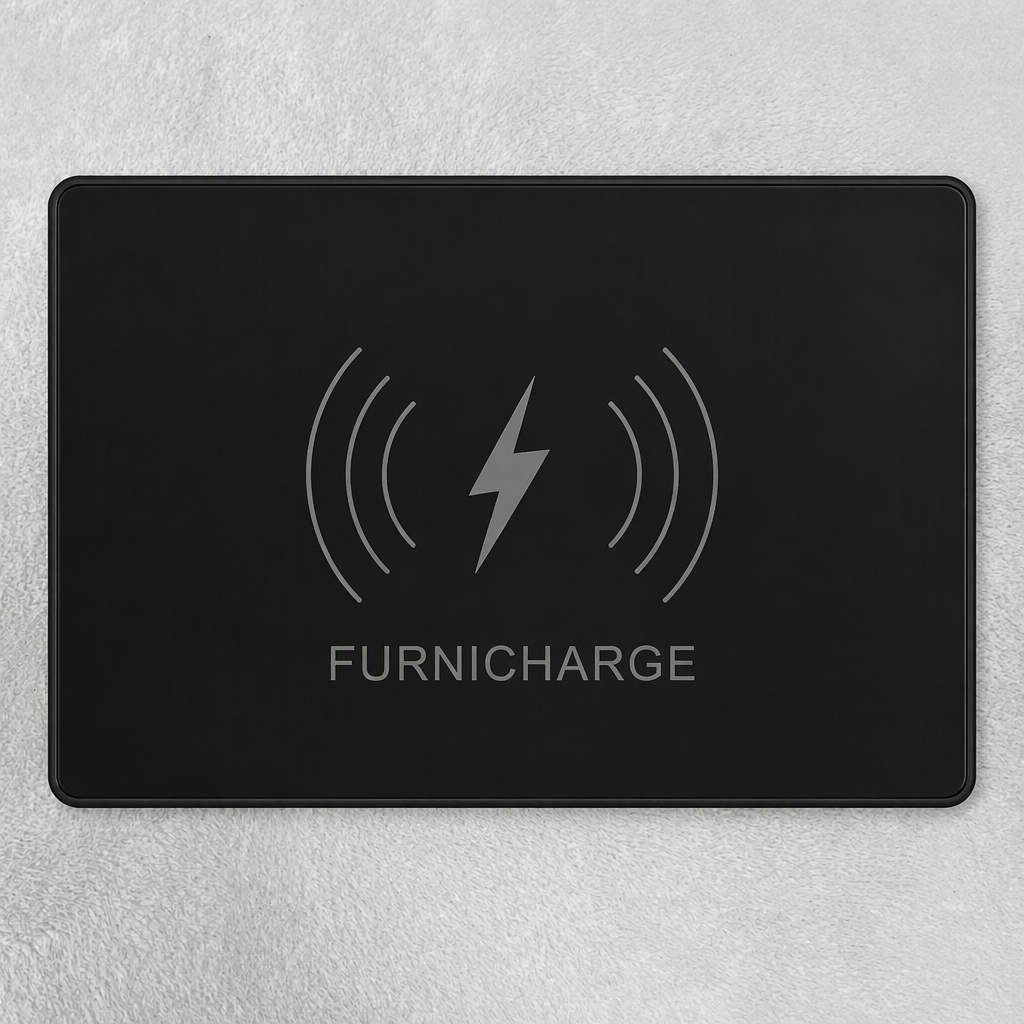


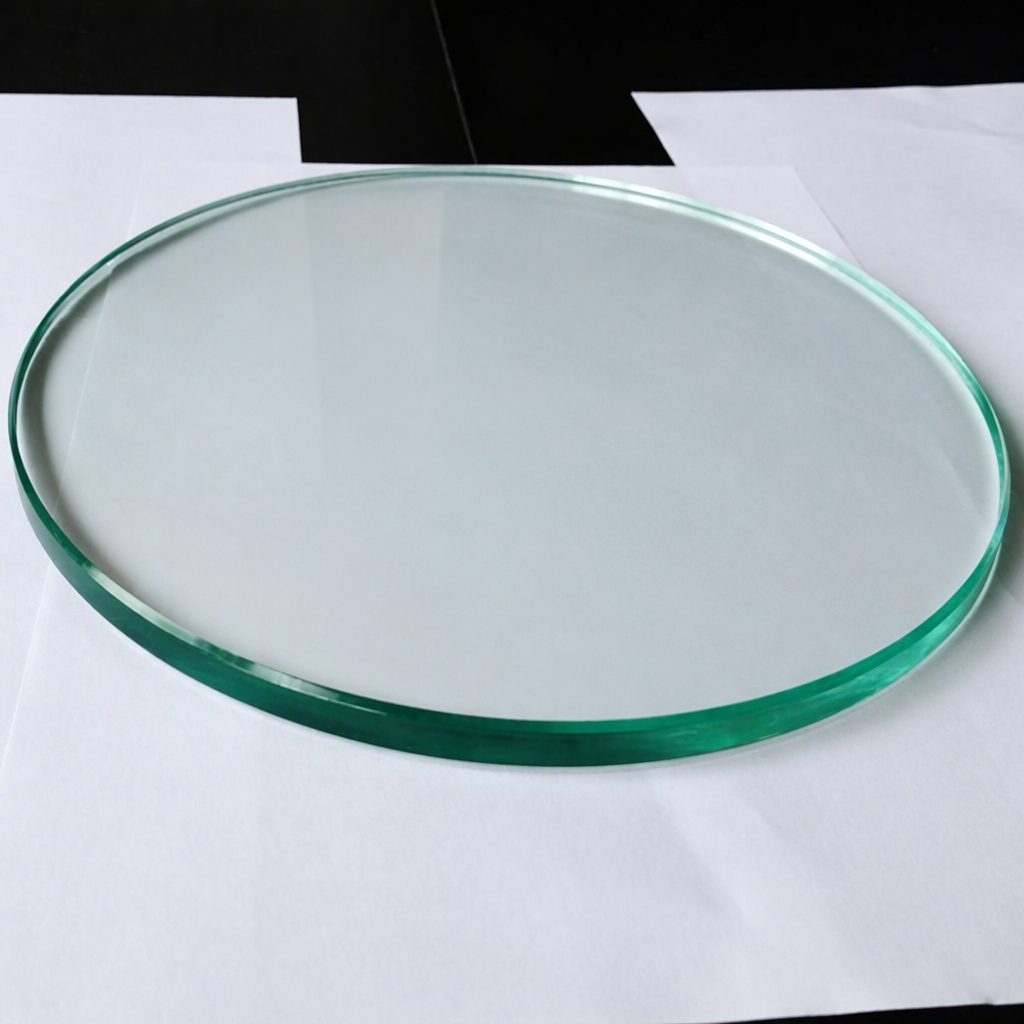
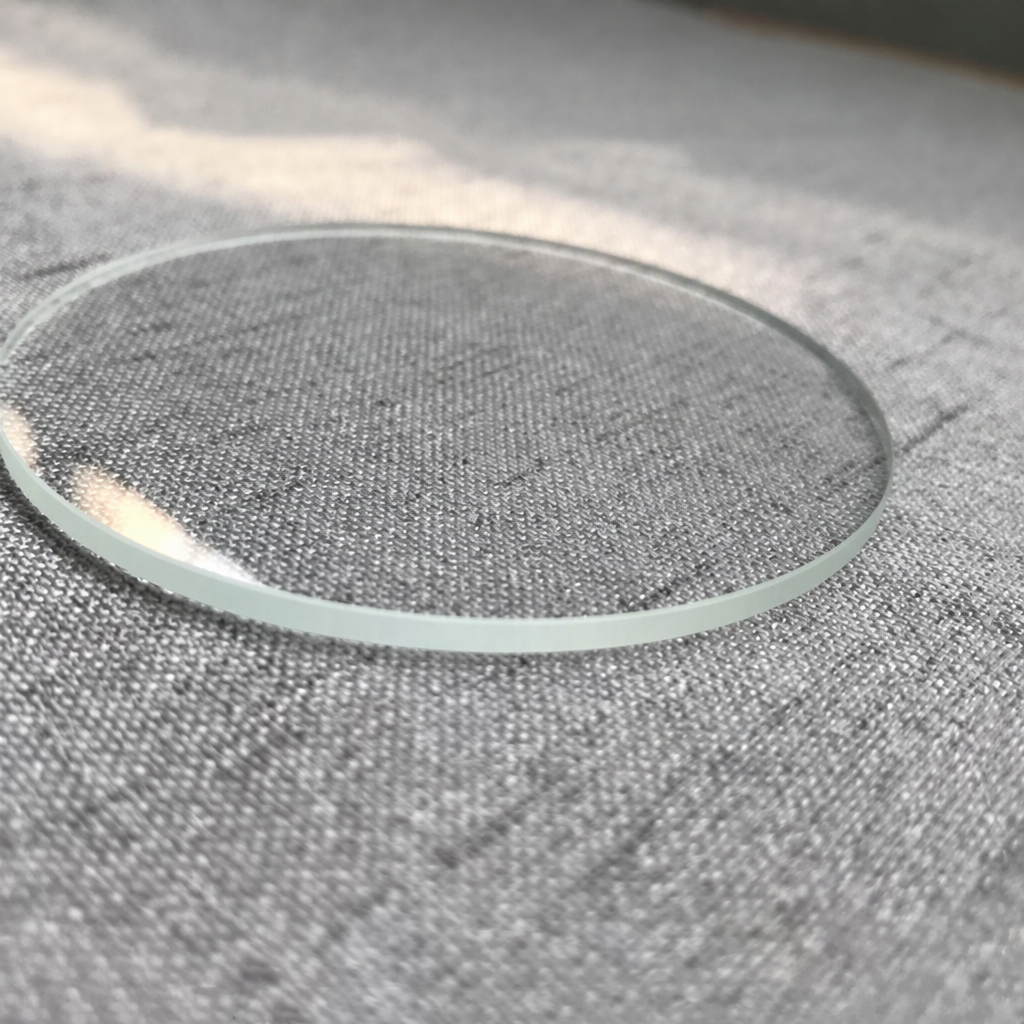
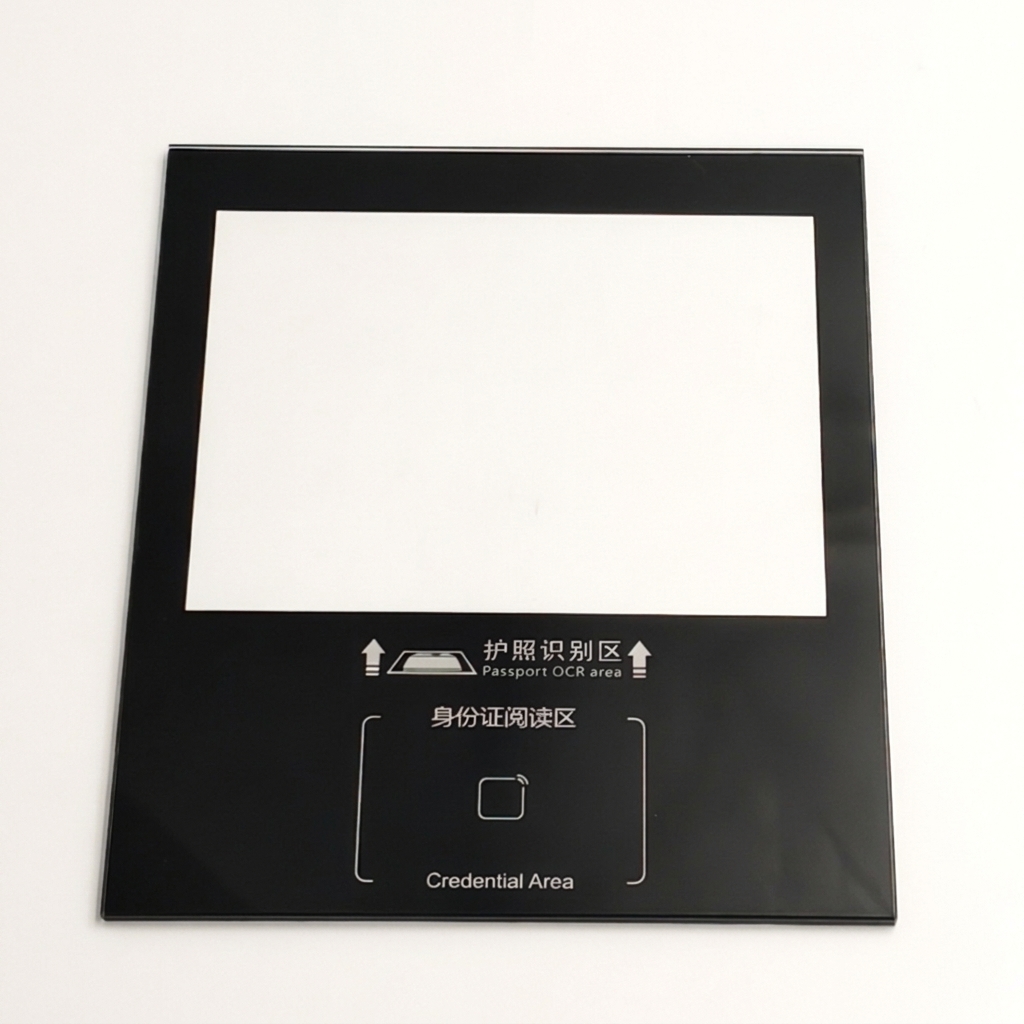
Why Caloocan Buyers Need a Glass Window Supplier with Application Depth
When a search begins with “glass window supplier Caloocan,” the technical request often extends beyond a standard pane. It may mean a viewing window for a machine guard, a printed display window for an appliance panel, a tinted glass sheet for a shop front, or a protective cover glass for a smart-home device. The supplier must understand both the local use case and the fabrication limits.
Caloocan is a dense urban market within Metro Manila. It combines barangay commercial streets, large malls, mixed-use developments, light manufacturing, transport routes, schools, clinics and warehouse offices. Buyers may be glaziers, furniture makers, appliance assemblers, property managers, hotel fit-out contractors or importers serving the wider National Capital Region. This creates three practical requirements for an exporter.
First, mixed specifications must remain controlled. A single purchase order can include clear tempered pieces, printed display protectors and anti-glare screen glass. Color drift, wrong edge polish or reversed print layers can stop installation even when the glass dimensions look correct.
Second, packaging must survive a humid tropical route. Glass moving from Qingdao to Manila port, then to a Caloocan warehouse or project site, may experience handling, moisture and repeated loading. Export packing should be discussed around the final installation method, not treated as an afterthought.
Third, documentation should be readable by both engineers and purchasing teams. Drawings, approved samples, certification copies, inspection notes and packing lists reduce disputes. For OEM buyers, the approved sample is often the working definition of color, icon clarity and edge finish.
Caloocan application matrix
The matrix below is designed as a procurement discussion tool. Confirm final thickness, coatings, tempering method and tolerances against the actual drawing and service conditions.
Illustrative buyer scorecard
Illustrative evaluation priorities for Caloocan fit-out, furniture and OEM buyers. Use this scorecard to align purchasing, engineering and quality teams before requesting quotations.
| Caloocan use case | Typical glass direction | What to verify |
|---|---|---|
| Condominium lobbies and lift areas | Tempered vision panels, tinted sheets and printed wayfinding glass | Safety edge finish, cleaning method, impact expectation, mounting hardware and replacement-batch color |
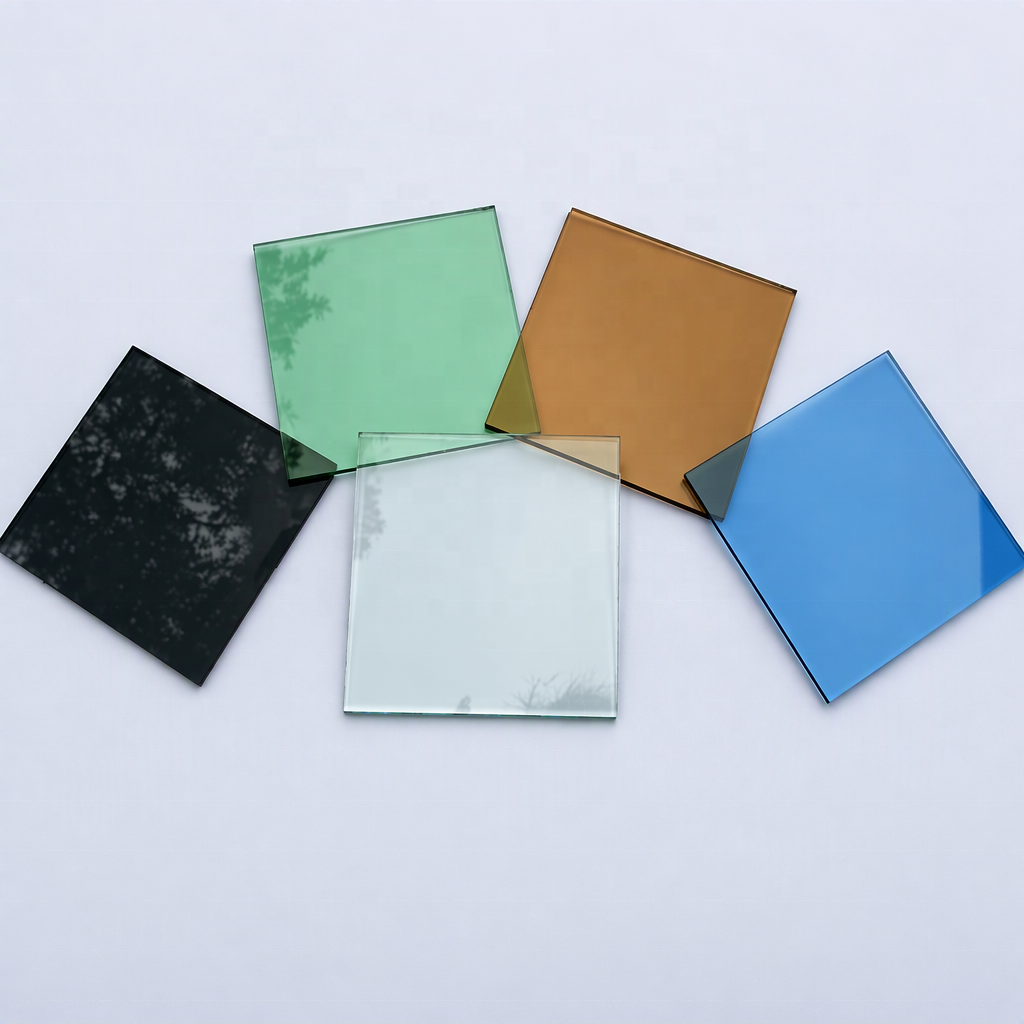
| Street-front retail and mall fit-outs | Tinted or reflective flat glass, silk-screen printed display protectors | Reflectivity, visible color, print opacity, powder or edge condition, and packing for site sequencing |
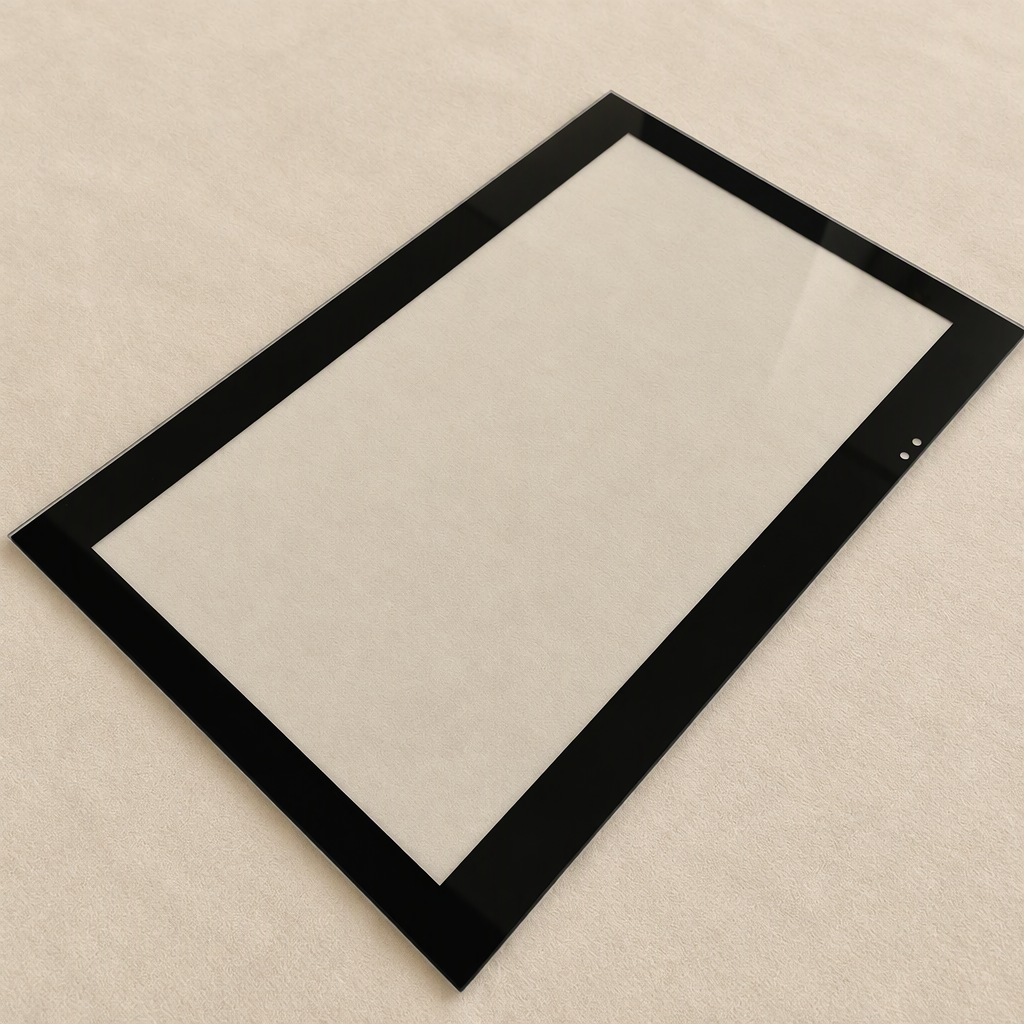
| Smart-home and hotel room controls | Thin printed touch glass, wireless-charging cover panels, switch covers | Ink windows for backlight, touch-zone clarity, glass flatness, adhesive compatibility and fingerprint resistance |
| Appliance and electronics factories | Protective front glass, anti-glare screen glass, custom display covers | Dimensional tolerance, print registration, surface cleanliness, scratch resistance and inspection standard |
| Industrial and machine-shop windows | Pressure-resistant tempered viewing panels and clear glass guards | Frame design, impact expectation, edge finish, light transmission and access for maintenance cleaning |
| Restaurant, café and showroom displays | Tempered Lazy Susan turntables, round beveled glass, decorative flat sheets | Diameter, load, edge polish, base compatibility and mixed-item packing |
| Clinics, schools and laboratories | Frosted anti-glare glass, AR/AG/AF coated display protection | Glare control, cleaning agents, optical clarity and documentation for facility approval |
| Logistics and warehouse offices | Industrial screen protectors, viewing windows and tinted flat glass | Bright-light readability, dust cleaning, robust corners and spare-part repeatability |
Where These Glass Products Fit in Caloocan Projects
Product fit is easier to discuss when the application is clear. These eight scenarios reflect the project types most often raised by Caloocan-area buyers and their Manila-based procurement teams.
Condominium and mixed-use lobbies
Printed directory windows, tinted partitions and tempered vision panels balance branding with durability in high-touch residential buildings.
Mall and street-front retail
Tinted reflective sheets and printed display protectors help control glare while keeping the store front visually consistent.
Smart-home and hotel rooms
Touch switch glass, wireless-charging bedside panels and smart-lock covers require stable print windows for backlight, icons and sensors.
Appliance and electronics assembly
Protective display glass and printed control-panel covers support local assembly, kiosk production and appliance-brand customization.
Industrial and machine shops
Viewing mirrors and pressure-resistant panels provide visibility into guarded machines, workshop rooms and equipment enclosures.
Restaurants and showrooms
Lazy Susan turntables and beveled round glass pieces add a finished look to buffet displays, dining tables and product showrooms.
Clinics, schools and laboratories
Anti-glare and easy-clean screen covers improve readability where lighting is bright and surfaces must be cleaned frequently.
Logistics and warehouse offices
Frosted anti-glare protection and robust tempered covers help equipment survive dusty, bright and busy warehouse environments.
Caloocan Trends Reshaping Glass Demand
These trends are not isolated to one building type. They influence how developers, contractors, distributors and OEM buyers in and around Caloocan compare suppliers.
Urban infill and fit-out cycles
Condominium refurbishment, mixed-use upgrades and commercial fit-outs create repeat demand for small and medium batches. Buyers benefit from an approved color master, controlled edge finish and packaging that supports phased site installation.
Smart-home and appliance localization
Touch switches, wireless charging surfaces and smart-lock covers are moving from novelty to mainstream fit-out choice. Local brands need printed glass that matches wall-box formats, backlight design and fingerprint-resistance expectations.
Heat, glare and energy-conscious renovation
Tropical daylight makes glare control a practical buying factor. Tinted and reflective flat glass, anti-glare screen protection and better light management are increasingly discussed alongside, not instead of, ventilation and cooling design.
Traceable sourcing and compliance
Importers serving larger developers and institutional clients need certificates, inspection records and consistent drawings. Compliance is easier to defend when the factory operates a documented quality system and can connect samples to production records.
How to Specify Glass Windows and Panels for Caloocan Conditions
Caloocan’s urban setting creates a mix of heat, humidity, rain exposure, road dust, bright lighting and high handling frequency. A specification that works in a controlled showroom may fail at a project site unless edge work, printing and packaging are considered together.
Start with the service condition, then choose the glass
For a window-related application, ask what the glass must do: allow viewing, reduce glare, carry branding, protect a display, support a touch sensor, resist impact or simply finish a furniture surface. The answer changes thickness, tempering method, coating and edge polish. A 12 mm beveled round piece may be ideal for a table top but inappropriate for a thin smart-switch cover. A 2 mm chemically strengthened touch cover may offer excellent flatness but should not be treated as a structural window.
Humidity and rain make edge quality and packaging more important. Exposed edges should be specified clearly, and protective film should be discussed with the installer. If film is left on during cutting or installation, adhesive residue and delayed inspection can become a quality dispute. Agree who removes the film, when, and what mark or scratch standard will be used under inspection lighting.
For bright retail or office locations, glare control should be tested against the actual display and lighting. Anti-glare glass is not a substitute for proper screen brightness, and tinted glass is not a substitute for a complete cooling design. These are practical design aids that must be matched to the application.
- State whether the part is decorative, protective, touch-interfaced, structural or safety-related.
- Fix the glass type, thickness, color, edge finish and tolerance on the drawing, not only in email text.
- Approve print artwork with icon windows, color references and layer order before sampling.
- Confirm coating requirements such as AR, AG or AF, including which side is coated and how it will be cleaned.
- Discuss export packing, moisture protection, corner protection and mixed-item labeling for the Caloocan route.
Physical tempered or chemically strengthened?
| Criteria | Physical Tempered | Chemically Strengthened |
|---|---|---|
| Typical thickness | About 2 mm and thicker | 0.5–2 mm thin glass |
| Strength pattern | Roughly 4–5× annealed glass; safety breakage into small blunt fragments | High surface compression for thin parts; breakage pattern closer to annealed glass |
| Flatness and optics | Very good; slight roller wave is possible | Excellent flatness with no heat distortion |
| Best fit for Caloocan | Switch panels, appliance doors, viewing windows, tinted flat glass and industrial covers | Thin touch covers, small electronics, smart-home panels and precise optical windows |
| Processing order | Cutting, drilling and edging must be completed before strengthening | |
Why Qingdao Maupe Glass Co., Ltd. Fits Caloocan Procurement
Caloocan buyers need a supplier that can support both technical questions and commercial follow-through. The points below reflect the company information and production capabilities presented on the original website.
Established OEM factory since 2012
Qingdao Maupe Glass Co., Ltd. is a glass deep-processing manufacturer and international supplier operating under an ISO 9001 quality management system.
Complete in-house process chain
Cutting, CNC shaping, edge polishing, drilling, engraving, silk-screen printing, physical tempering, chemical strengthening and AR/AG/AF coating can be coordinated under one roof.
Printed glass expertise
Eco-friendly high- and low-temperature inks, multi-color layouts, logos, icons and touch zones are supported for displays, appliance panels and control equipment.
Both physical and chemical strengthening
Thicker tempered parts and thin chemically strengthened covers can be matched to the application instead of forcing one process onto every project.
Export experience across 80+ countries
The company reports an export share of 91–100% of output, with experience serving buyers in Asia, Europe, the Americas, Oceania, the Middle East and Africa.
SGS onsite assessed
The factory has been onsite-assessed by SGS Group as a third-party inspection company, supporting buyers who need a verifiable supplier profile.
OEM / ODM and sample support
Sample, design and full customization discussions are available. This is useful for Caloocan distributors and brands that need private-label icons, sizes or packaging.
Logistics near Qingdao port and airport
The factory location supports export shipping via Qingdao seaport and airport, with accepted delivery terms including FOB, CIF, EXW, FAS, FCA, CPT, DDP, DDU and express delivery.



Certification and Documentation for Caloocan Importers
For developers, appliance brands and institutional buyers, a supplier’s quality claim should be verifiable. The certificate details below are provided so your compliance team can review them against project requirements.

ISO 9001 Quality Management
Certificate No. 24025Q20015R1S. Scope includes float glass and technical glass products. The management system supports traceable production and inspection routines.

RoHS Compliance
Certificate No. 25TYT12395. Restricts hazardous substances for relevant electrical and electronic equipment applications, helping buyers prepare compliance files.

CE Marking
Certificate No. 23TYT082593S for tempered glass. This supports market-access discussions where European Economic Area requirements are referenced.
Inspection and packing discussion points
The original quality information notes incoming material inspection, finished product inspection, supplier assessment procedures and SGS onsite assessment. For a Caloocan order, convert these general capabilities into a project-specific inspection plan. Agree the sampling level, lighting condition, scratch acceptance, print color check, edge finish and packaging method. If the glass will be installed after site storage, state the expected storage duration and environment.
Commercial terms
Accepted delivery terms include FOB, CIF, EXW, FAS, FCA, CPT, DDP, DDU and express delivery. Accepted payments include T/T, L/C, PayPal, Western Union and cash, in USD, EUR or CNY. For Caloocan delivery, confirm whether your team prefers a Manila-port CIF arrangement, a DDP door delivery discussion, or a local forwarder nominated by your purchasing group.
Engineering Checks Before a Caloocan Glass Order Is Released
A clear drawing package reduces rework and protects the delivery schedule. Use the following checklist when preparing an RFQ for tempered glass windows, printed panels or protective cover glass.
Files needed to start a custom glass project
- 2D drawing in DWG, DXF or PDF with outline, dimensions, holes, notches and tolerance.
- Glass thickness and type: clear, ultra-clear, tinted, reflective or high-alumina.
- Edge finish: flat, pencil, beveled, safety corner or special profile.
- Print artwork in AI or PDF with color references, icon windows and layer sequence.
- Coating requirement: AR, AG, AF or none; coated side; cleaning and handling notes.
- Application environment: indoor, outdoor, heat, humidity, touch sensor, industrial cleaning or retail display.
- Estimated annual volume, first-order quantity, sample requirements and delivery term.
When the part is intended for a window, a display window or a viewing window, state the frame or mounting method. The frame design can influence edge finish and tolerance. For touch-enabled products, provide the sensor pattern, display module dimensions and the light-transmission target for the printed areas.
Common causes of rework
The most expensive errors usually appear before production: an unapproved icon window, a drawing without a tolerance block, a coating requested on the wrong side, or an edge finish specified by name rather than by appearance or standard. Another common issue is changing a dimension after tempering. Cutting, drilling and edging must be completed before strengthening; post-tempering cutting is not a normal production step for safety glass.
For Caloocan buyers, add one more check: mixed-carton labeling. If a shipment contains several glass variants for different floors or installation teams, clear labels and a packing list help avoid site confusion. A small improvement in packing and labeling can be more valuable than a small price difference.
From Drawing to Caloocan Delivery in Five Controlled Steps
A transparent workflow helps purchasing, engineering and quality teams understand who approves what, and when the order becomes production-ready.
1. Drawing review
Engineers check manufacturability, tolerance, edge work, strengthening method and print layout.
2. Sampling
Screens and samples are prepared for fit, color, touch-zone clarity and finish verification.
3. Mass production
Cutting, edging, printing, tempering or chemical strengthening run on controlled production lines.
4. Quality inspection
Incoming material and finished product inspection are linked to the approved sample and drawing.
5. Export shipping
Protective export packing and shipping documentation are prepared for the agreed trade term.
Questions Caloocan Buyers Ask Before Ordering
These answers are written for importers, fabricators and OEM buyers who need to align local project requirements with an overseas glass factory.
What is the minimum order quantity for custom printed tempered glass?
Can you ship to Caloocan or through Manila?
What files are needed to start a custom glass project?
Should I choose physical tempered glass or chemically strengthened glass for Caloocan humidity and heat?
What about packing for a tropical route to Caloocan?
Can you support mixed items for a Caloocan distributor?
How do we verify quality before shipment?
Are AR, AG and AF coatings available?
Request a Caloocan-Specific Quotation and Catalog
Send your 2D drawing, print artwork, thickness requirement, coating preference and preferred delivery term. The team can review manufacturability and prepare the next step for your Caloocan or Manila-bound glass project.
Get CatalogQingdao Maupe Glass Co., Ltd. · info@maupeglass.com · ISO 9001 · RoHS · CE · SGS Onsite Assessed