Induction Stove Glass Manufacturer & Factories for Yokohama
Custom tempered glass cooktop panels, touch-control covers, and heat-resistant printed glass for Yokohama appliance brands, kitchen renovators, distributors, and hospitality projects.
Eight Custom Glass Products for Yokohama OEM Programs
These representative products show the cutting, printing, tempering, coating, and assembly-ready finishing scope available for Yokohama appliance, kitchen, display, and industrial projects. All product links are retained exactly as supplied.
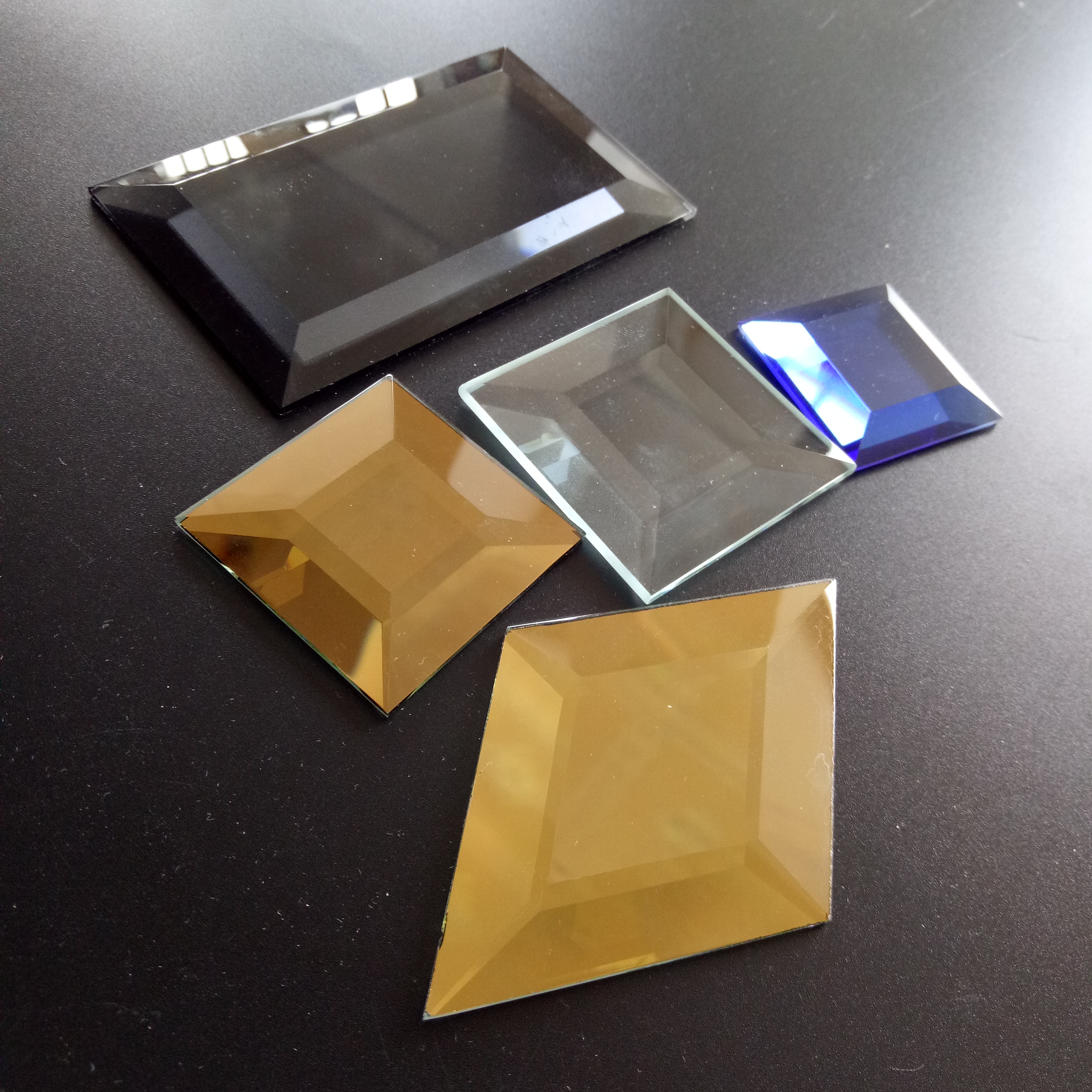
Blue-Gold Faceted Beveled Glass for Wall Decoration
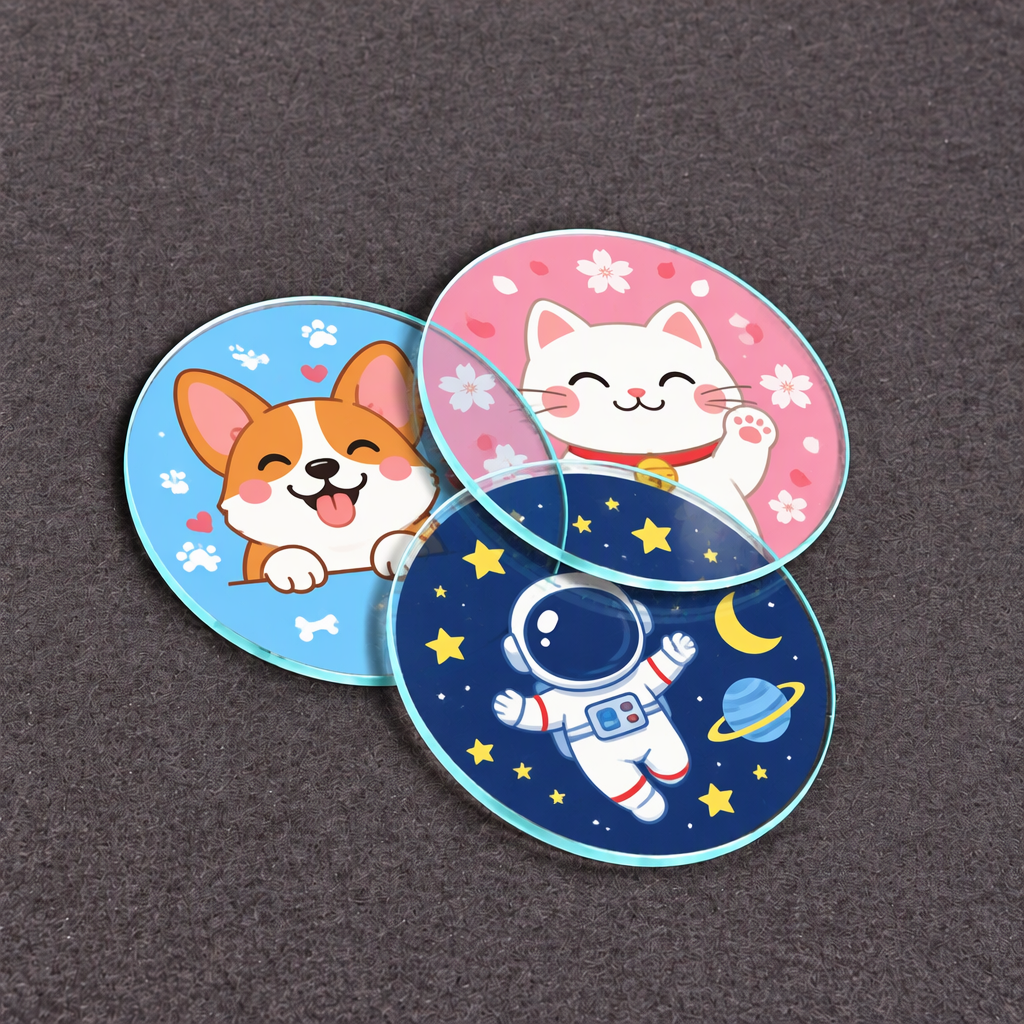
Eco-Friendly Custom Printed Tempered Glass Coasters

Tempered Glass Lazy Susan 50–90 cm Turntable

Industrial Screen Front Cover Glass, Frosted Anti-Glare

Tempered Glass Panel with 3M Adhesive Tape
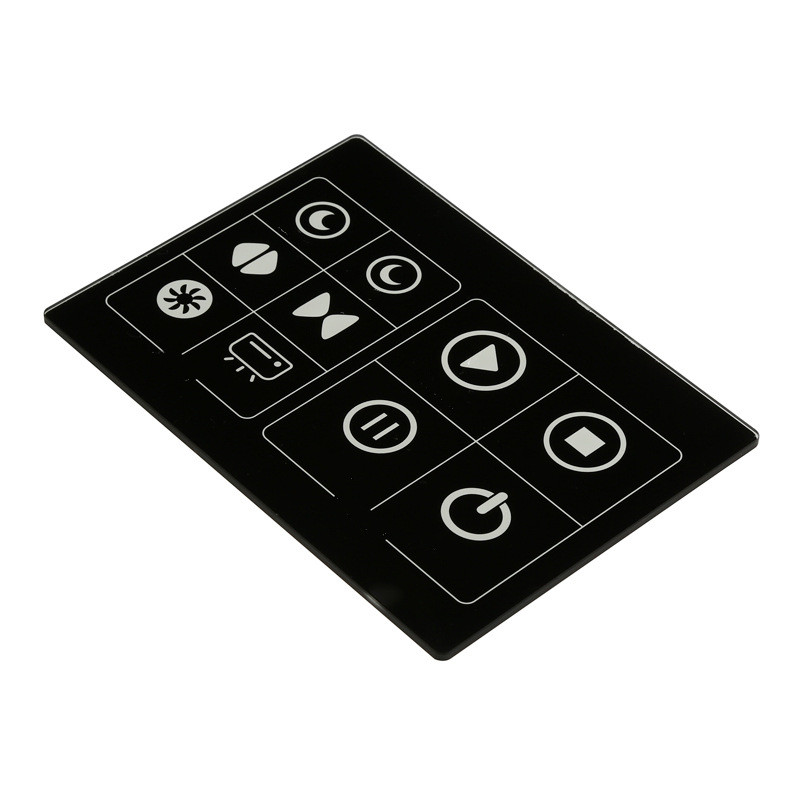
High-Temperature Black Printed Cooktop & Oven Door Glass
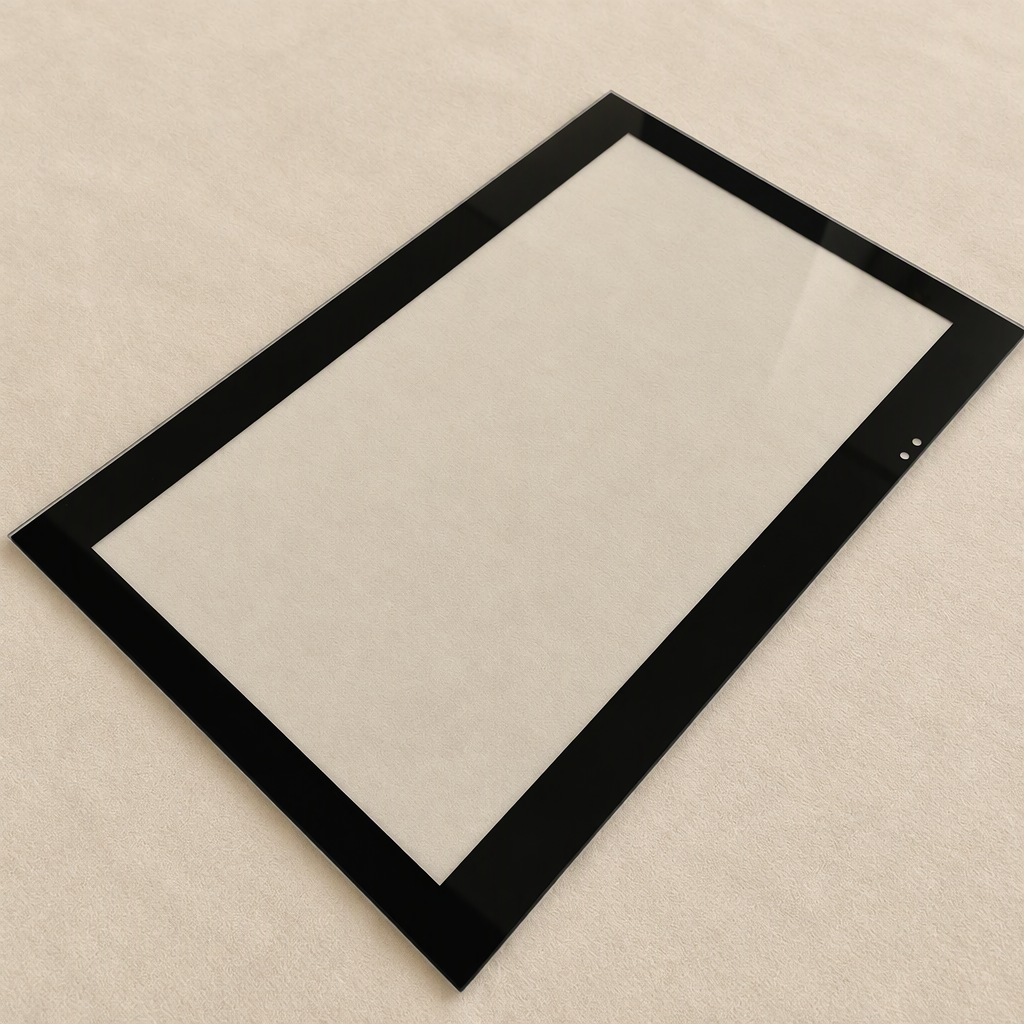
Silk Screen Printed Flat Display Screen Protector Glass
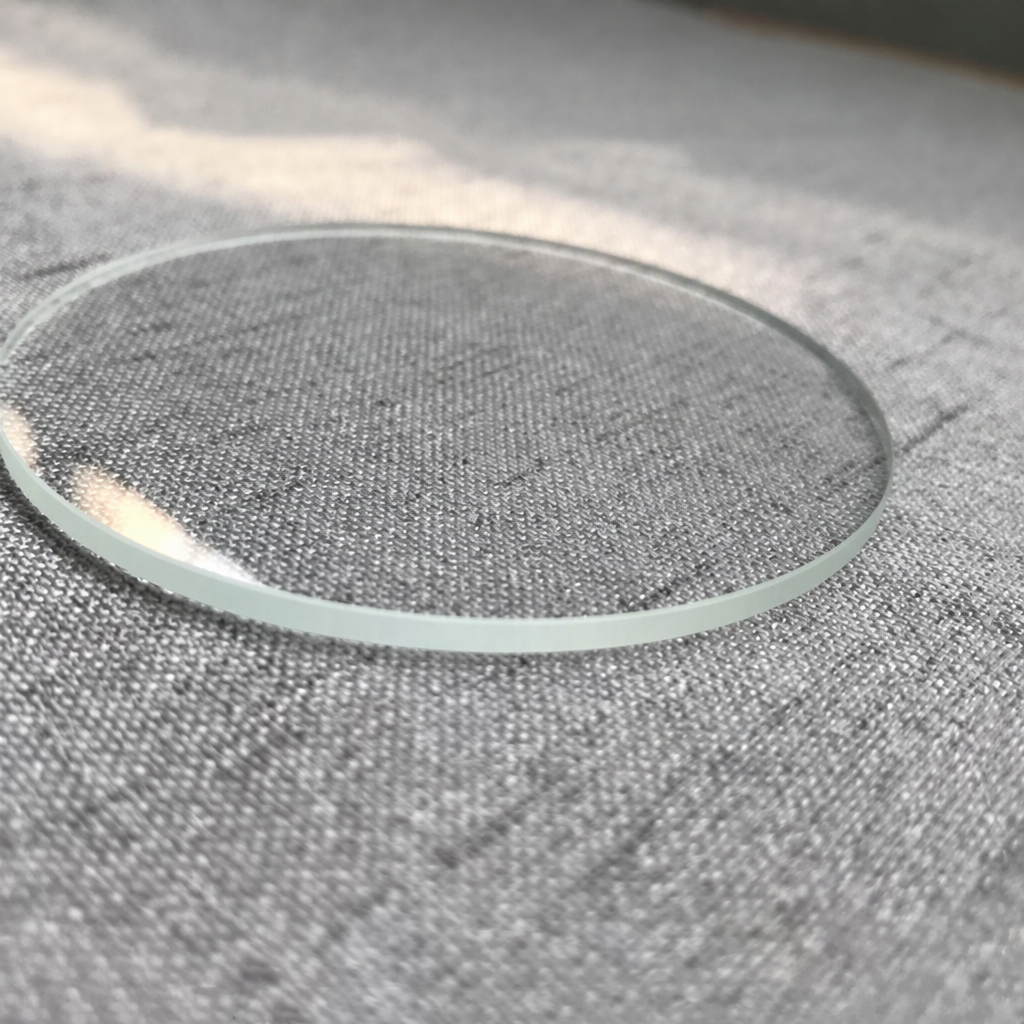
Pressure-Resistant Tempered Glass Viewing Panel
Induction Stove Glass for Yokohama: What Serious Buyers Need to Know
Yokohama procurement teams rarely need “a piece of glass.” They need a controlled component that supports heat resistance, touch sensing, print durability, safe installation, and reliable export packaging.
Yokohama buyers often search for an induction stove glass manufacturer who can combine heat resistance, precise silk-screen graphics, touch-control compatibility, and dependable export documentation. This page is written for appliance OEMs, kitchen renovation contractors, hotel procurement teams, distributors, and industrial equipment buyers in Yokohama who need a factory-grade supply partner rather than a catalog reseller. Qingdao Maupe Glass Co., Ltd. has operated since 2012 as a glass deep-processing manufacturer in Qingdao, China, serving more than 80 countries.
The production scope covers cutting, CNC shaping, edge polishing, drilling, engraving, silk-screen printing, physical tempering, chemical strengthening, and AR/AG/AF coating. For Yokohama projects, the most relevant product routes are heat-resistant black-printed tempered glass for IH cooktop panels, printed control covers with 3M adhesive, anti-glare display windows, touch switch glass, and custom viewing panels for industrial equipment. Whether your project is a compact condominium kitchen in Kohoku New Town, a hotel refurbishment in Minato Mirai, or a restaurant upgrade in Kannai, the same engineering questions matter: thickness, strengthening method, ink durability, edge quality, tolerances, and packing.
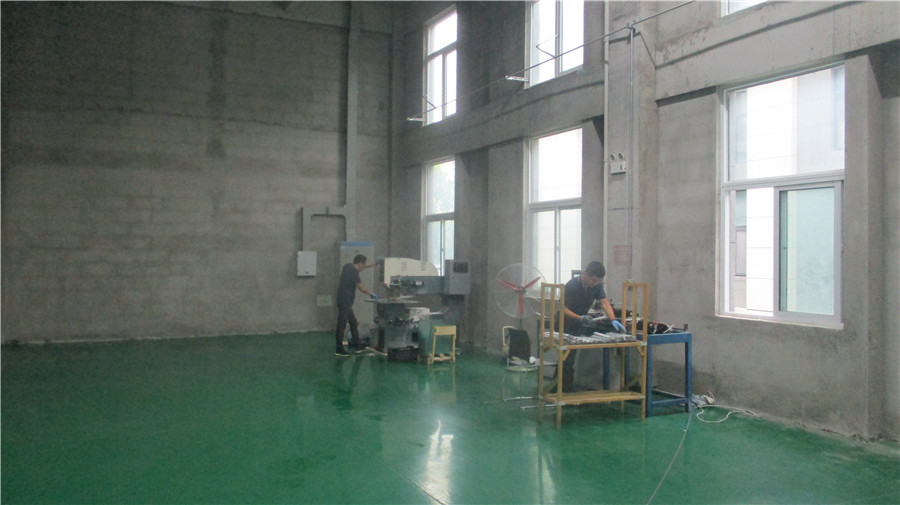
A useful way to evaluate a supplier is to ask how they control the entire route from raw glass to finished panel. If cutting, printing, tempering, and coating are handled by separate subcontractors, color variation, edge damage, and tolerance drift can grow silently. Maupe Glass keeps those steps under one factory roof, which shortens corrective loops and makes specification changes easier to trace. For Yokohama buyers sourcing from overseas, that traceability is an important part of risk management.
Yokohama is also a practical logistics market for Japanese importers. The city’s port system, including Yokohama Port and related container terminals, creates familiar routes for appliance components, commercial kitchen parts, and building products. The factory is located near Qingdao seaport and airport, allowing buyers to discuss FOB, CIF, EXW, DDP, DDU, express delivery, and other terms in line with their own customs and distribution model.
Information Gain: Five Checks Before You Approve a Sample
- Thermal shock route: confirm tempering method and intended heat exposure, not just glass thickness.
- Print registration: verify icon position, touch zones, color density, and hiding power under backlight.
- Edge quality: inspect polished edges, chamfers, holes, and cutouts for handling and installation risks.
- Touch compatibility: test the finished glass over the actual sensor stack, especially for smart-home and IH control panels.
- Export packing: validate moisture protection, corner protection, and carton strength for sea freight to Yokohama.
Why Induction Cooktop Glass Is Not Ordinary Decorative Glass
An induction stove glass panel is both a safety component and a user interface. Low-cost decorative glass can look similar in a photo but fail in daily heat cycles, cleaning, touch response, or installation.
Heat & Thermal Shock
Cooktop glass may see repeated heating and cooling near control areas. Physical tempering, heat-resistant inks, clean edges, and controlled cooling are essential for long-term safety.
Touch & Optics
Capacitive touch icons, hidden displays, and indicator windows require careful ink layering. AR, AG, and AF coatings can improve readability and maintain a premium feel.
Edge & Fit Precision
Yokohama appliance products often demand tight fit with frames, gaskets, and mounting brackets. CNC shaping, polished edges, countersunk holes, and repeatable tolerances reduce assembly friction.
Safety & Compliance
Buyers need traceable materials, stable printing, and verifiable documentation. Glass should be specified against the final appliance standard, not selected only by appearance.
| Yokohama Requirement | Recommended Glass Route | Why It Matters Locally |
|---|---|---|
| IH cooktop top plate | 3–4 mm physical tempered glass, heat-resistant black print, polished edges, controlled flatness | Supports daily cooking cycles in compact Yokohama apartments and commercial kitchens. |
| Touch control strip | 1.5–3 mm tempered glass or 0.5–2 mm chemically strengthened glass with precise icon printing | Keeps capacitive touch reliable while preserving a clean, flat control surface. |
| Display window / HMI | AR, AG, or AF coated display cover glass with optical-grade flatness | Reduces glare in bright high-rise kitchens, hotel fronts, and equipment rooms. |
| Decorative interior glass | Blue-gold faceted, beveled, or printed decorative glass; not intended as a cooking surface | Matches hospitality, retail, and renovation projects across Yokohama and Kanagawa. |
| Industrial viewing panel | Pressure-resistant tempered viewing glass in custom sizes | Useful for workshops, equipment enclosures, and technical facilities near Yokohama Port. |
| Coastal / humid storage | Moisture-barrier export packing, protected edges, anti-fingerprint options where relevant | Yokohama’s coastal climate makes packaging quality and surface protection commercially important. |
Where Yokohama Buyers Use Custom Induction Stove Glass
Yokohama’s mix of dense residential districts, high-rise housing, hospitality venues, port-side industry, and renovation demand creates several practical use cases for custom glass panels.
Condominium Kitchens
Compact kitchens in Yokohama apartments often favor black glass IH cooktops with clean edges, clear icons, and easy-clean surfaces. Custom print layouts help appliance brands keep controls readable.
Hotel & Restaurant Projects
Hospitality procurement teams in Minato Mirai, Kannai, and Yokohama Station areas need durable glass for suites, service kitchens, and public-facing cooking areas, with consistent black levels and scratch resistance.
Smart-Home Retrofits
Renovation contractors in Kanagawa often combine touch switch glass, wireless charger covers, and appliance panels. 3M adhesive-backed panels can simplify assembly for control interfaces and decorative fronts.
Industrial & Port-Side Equipment
Industrial users near Yokohama Port and coastal logistics areas request anti-glare screen glass, viewing windows, and pressure-resistant tempered panels for equipment and workshop visibility.

Local Trends Shaping Yokohama’s Induction Glass Demand
The Yokohama market is influenced by compact housing, kitchen electrification, smart-home adoption, energy efficiency, and a strong renovation culture across Kanagawa.
All-Electric & IH Cooking
As developers and homeowners look for cleaner, safer cooking, induction-compatible glass covers and cooktop panels continue to gain attention in Yokohama’s new-build and renovation market.
Design-Led Black Glass
Black silk-screen printed glass remains a preferred finish for modern kitchens. Smudge resistance, deep black density, and crisp icons are key perceived-value details.
Touch & Hidden Interfaces
Touch zones and hidden indicator windows require trial samples. Buyers increasingly ask for AR/AG/AF coating and careful color matching between glass, frames, and appliance bodies.
Renovation & Resilience
Older Yokohama housing stock is being upgraded with practical, easy-to-clean surfaces. Glass panels can improve daylight, visual clarity, and durability when specified correctly.
Why Qingdao Maupe Glass Fits Yokohama Supply Chains
The original factory profile provides verifiable production, export, and compliance signals. These advantages matter when a Yokohama buyer is comparing a manufacturer with a reseller.
Factory Direct Since 2012
Qingdao Maupe Glass Co., Ltd. is a glass deep-processing manufacturer and international supplier, established in 2012 and operating under an ISO 9001 quality management system.
One-Roof Process Chain
Cutting, CNC shaping, edge polishing, drilling, engraving, printing, tempering, chemical strengthening, and coating are controlled within the production flow.
SGS Onsite Assessed
The supplier profile records SGS Group onsite assessment, along with ISO 9001, RoHS, and CE certification details that compliance teams can check independently.
Export Experience
The factory serves more than 80 countries across North America, Europe, Oceania, the Middle East, Africa, Asia, and South America, with a high export share of output.
OEM / ODM Support
The company profile lists 10 years of OEM experience, supporting drawings, samples, print artwork, tolerance review, and customization for brand-specific programs.
Yokohama-Ready Logistics
The factory is close to Qingdao seaport and airport. Export terms such as FOB, CIF, EXW, FAS, FCA, CPT, DDP, DDU, and express delivery can be discussed for Yokohama delivery.
Verifiable Certifications and Inspection Discipline
For Yokohama procurement teams, certificate numbers and inspection routines are not decoration. They are checkpoints for supplier approval, customs documentation, and internal quality review.
The original company profile lists an ISO 9001 quality management system, RoHS compliance, CE marking for tempered glass, and onsite assessment by SGS Group as a third-party inspection company. The ISO 9001 certificate is listed as No. 24025Q20015R1S, scope covering float glass and technical glass products, valid to 02/2028. The RoHS certificate is listed as No. 25TYT12395, valid to 12/2030. The CE certificate is listed as No. 23TYT082593S for tempered glass, valid to 08/2028. Buyers should verify the current status of each document with the issuing body and confirm any additional Japanese requirements with their own compliance team before mass production.

ISO 9001 Quality Management
Certificate No. 24025Q20015R1S · Valid to 02/2028

RoHS Compliance
Certificate No. 25TYT12395 · Valid to 12/2030

CE Marking for Tempered Glass
Certificate No. 23TYT082593S · Valid to 08/2028
From Drawing to Yokohama Delivery in Five Steps
A transparent process helps purchasing, engineering, and quality teams plan samples, approvals, production, and shipment without hidden handoffs.
Drawing Review
Review dimensions, thickness, edge finish, holes, print artwork, coating needs, and intended operating environment.
Sampling
Produce screens and samples for fit, color, touch, coating, and installation checks before mass production.
Production
Run cutting, CNC shaping, printing, tempering or chemical strengthening, and coating across the factory lines.
Inspection
Check appearance, dimensions, print quality, edge condition, and packing before shipment release.
Export Shipping
Pack for sea freight and coordinate export documents, port handling, and delivery terms for Yokohama.
Common Questions from Yokohama Procurement Teams
These answers address the practical questions that appear most often during supplier evaluation, sample approval, and first-order planning.
Are you a factory or a trading company for induction stove glass projects?
What thickness do you recommend for induction cooktop glass and touch control panels?
Can Yokohama buyers order small trial batches before mass production?
Can you print logos, touch icons, and hidden display windows?
How is glass packed for sea freight to Yokohama?
Which certifications and documents can be provided?
What trade terms and payment methods are accepted?
What files should I send to start a custom induction glass project?
Can you support custom sizes and special shapes for Yokohama industrial projects?
Send Your Drawing for a Yokohama Induction Glass Review
Share your dimensions, thickness target, print artwork, coating requirement, order volume, and preferred delivery term. Our glass engineers can review manufacturability and help you define a sample route for induction stove glass, touch control panels, appliance fronts, or industrial viewing windows.