Induction Stove Glass Manufacturers & Manufacturer in the Washington DC Market
Custom printed tempered glass, chemically strengthened touch covers, display windows and protective panels for induction ranges, multifamily kitchens, luxury condos and commercial foodservice projects. Engineered by Qingdao Maupe Glass Co., Ltd. since 2012.
Custom Tempered Glass Products for Induction Appliance Programs
These eight production platforms cover the glass components most often specified around induction stove programs: printed control panels, touch covers, display windows, safety glazing, viewing panels and decorative appliance glass. For the heated cooking zone itself, specify qualified glass-ceramic rather than ordinary tempered glass; the products below are for the UI, display, trim and validated appliance glazing layers.

Tempered Glass Panel With 3M Adhesive Tape Silk Screen Printing for Electrical Appliance Decoration Front Cover Glass
Printed front glass with 3M adhesive tape for induction range fascias, touch control plates and appliance decoration where the panel does not form the heated cooking surface.
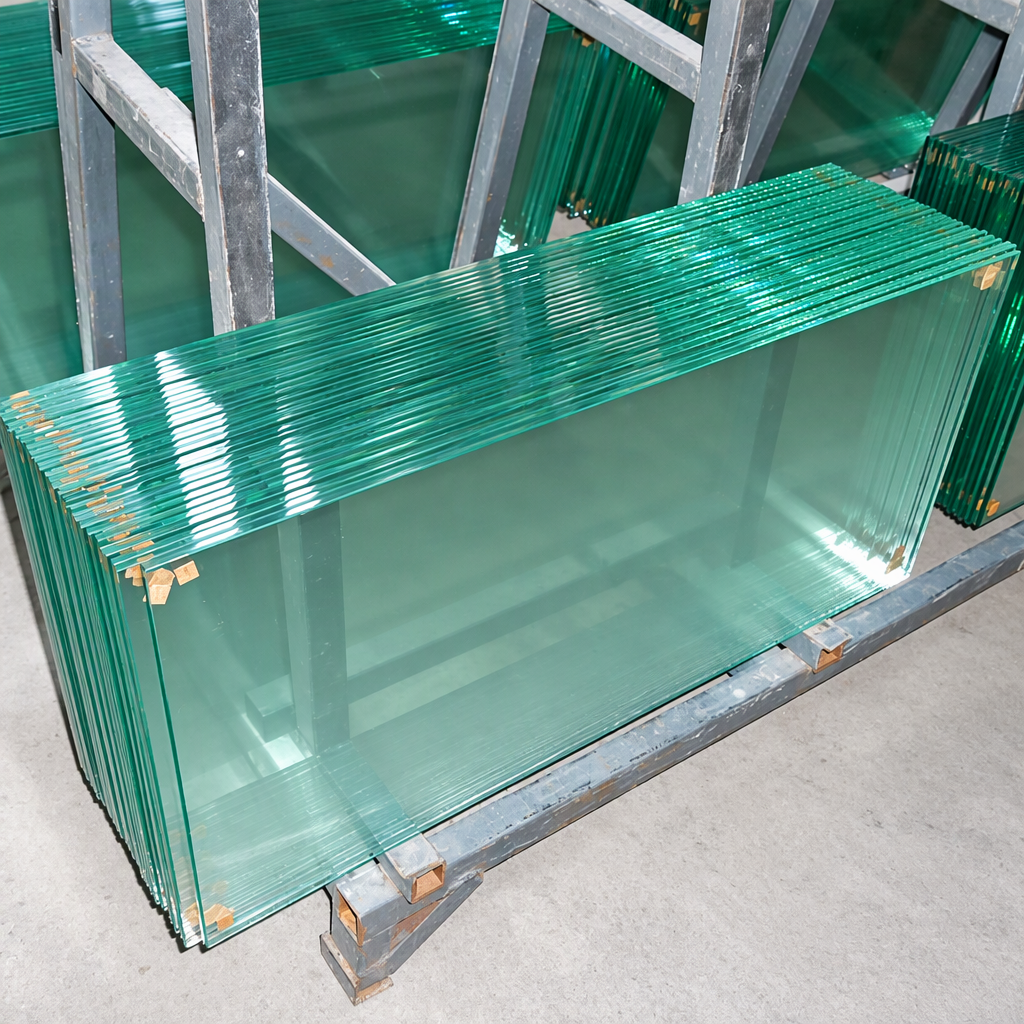
Customized Thickness and Size Clear Tempered Float Glass Panels
Clear tempered float glass for protective covers, control housings and edge-trim parts. Thickness, hole positions, edge finish and tolerance are confirmed to drawing before tempering.
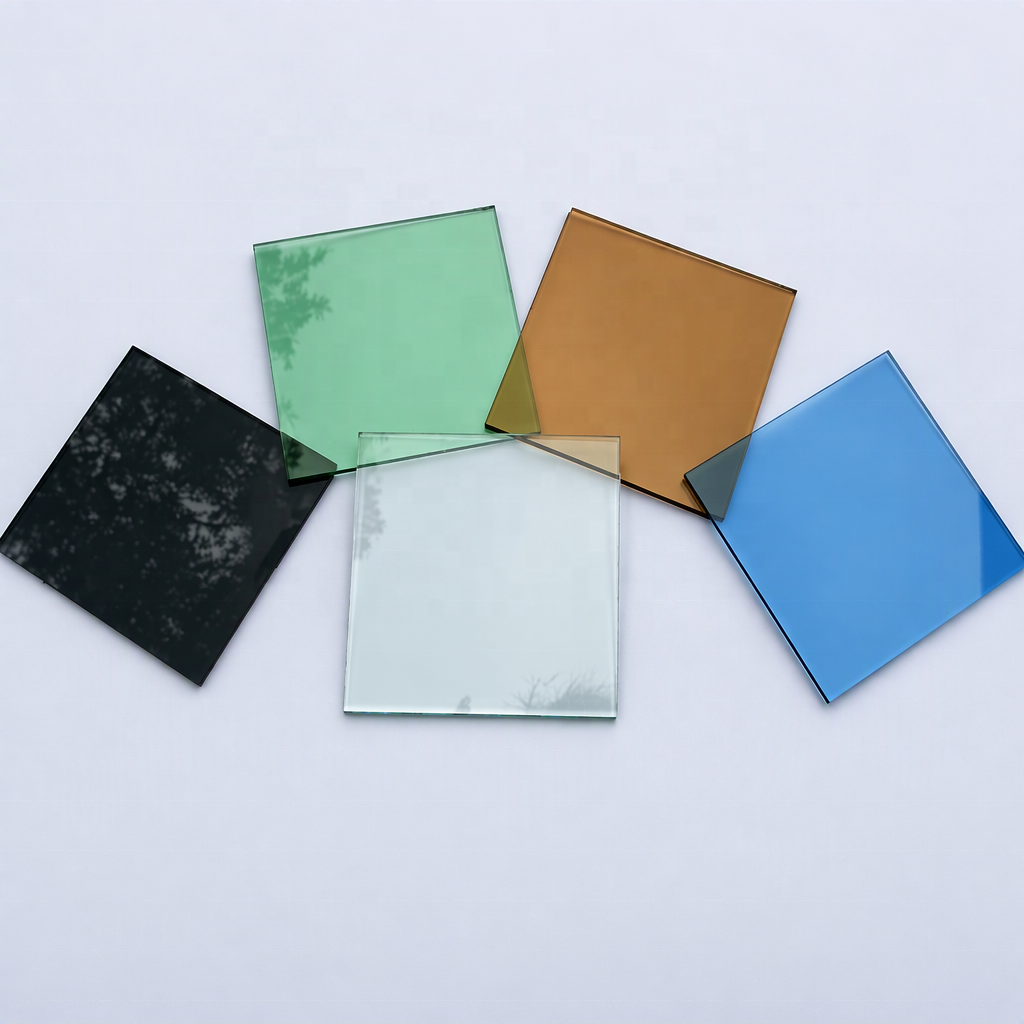
Customized Tinted Tempered Glass Flat Sheet 3mm to 10mm Reflective Colored Glass Toughened Glass
Tinted and reflective tempered flat glass for design-led induction appliance fascias, display surrounds and decorative control panels requiring color depth and scratch resistance.
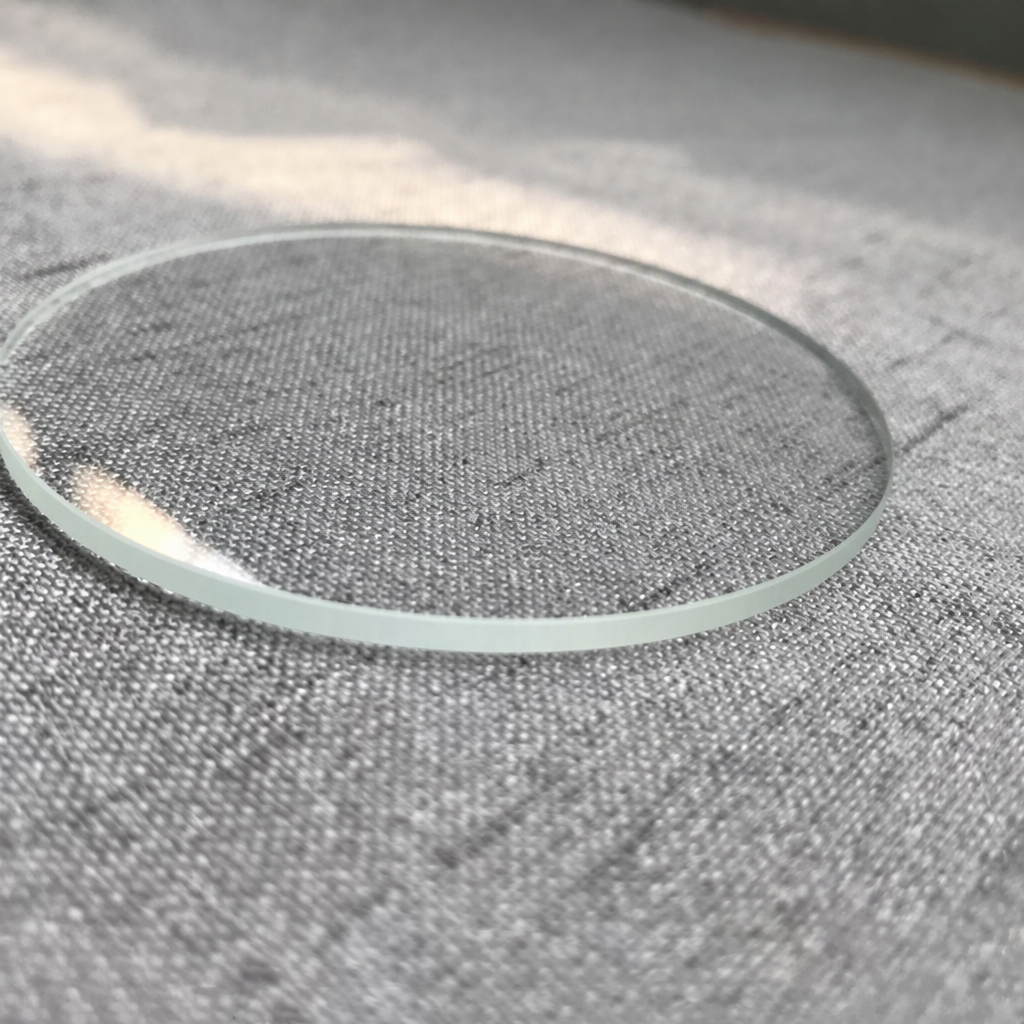
Pressure-resistant Glass Tempered Viewing Mirror Custom Size Clear Glass Panel for Industrial Workshop
Tempered viewing windows for equipment rooms, commercial kitchen control cabinets, inspection doors and industrial enclosures where visibility and cleanability matter.
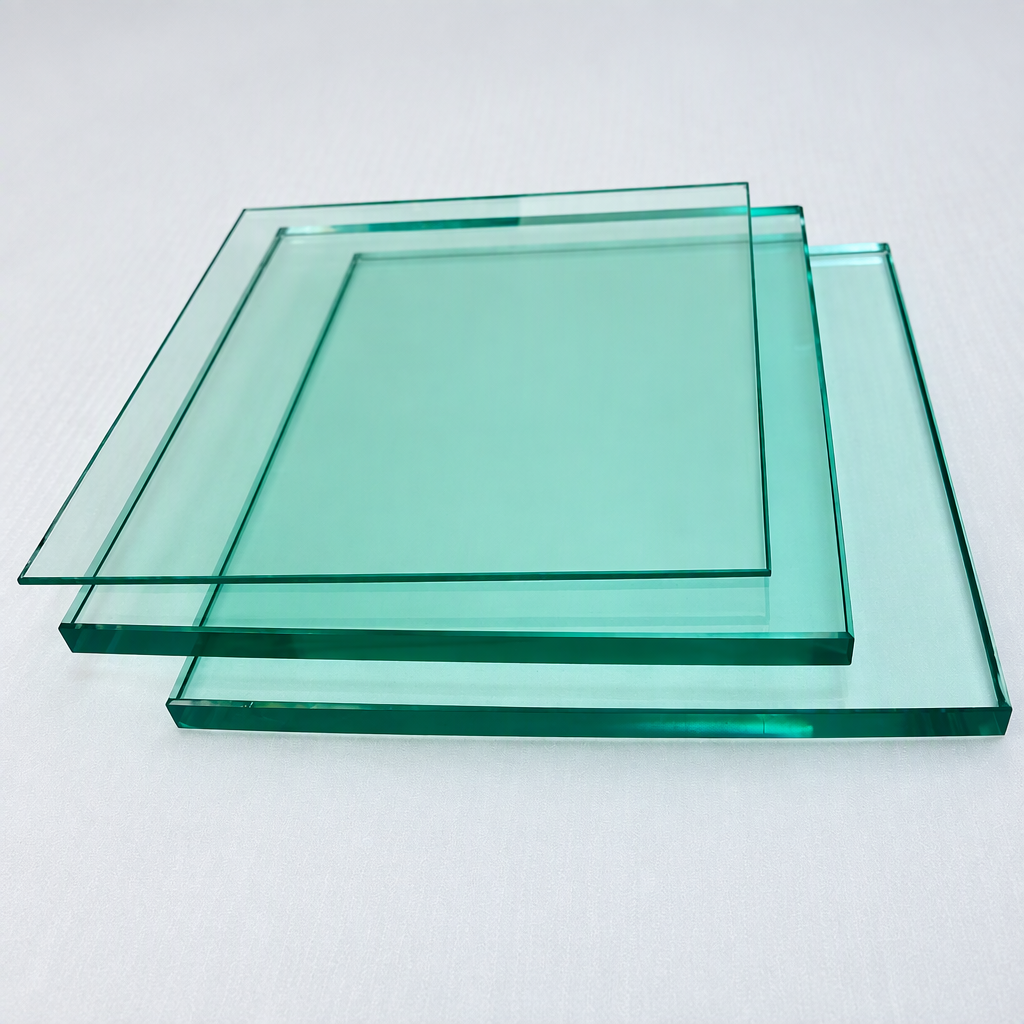
Tempered Glass Panel Safety Glass Flat Structural Tempered Glass
Flat structural tempered safety glass for appliance doors, protective UI windows and partitions. Breaks into small blunt fragments when damaged, supporting safer end-product design.

Tempered Glass Lazy Susan 50cm 60cm 70cm 90cm Lazy Susan Turntable Strengthened Glass
Round tempered glass turntables for specialty kitchen, tabletop and display applications. This is a strengthened glass component, not a substitute for an induction cooktop’s glass-ceramic cooking surface.

Glass Factory Customized High Quality Transparent Display Touch Screen Glass Silk Screen 9H Hardness Industrial Screen Protector
Industrial touch screen cover glass with 9H hardness options, printed borders and coating choices for induction range HMIs, appliance displays and control screens.
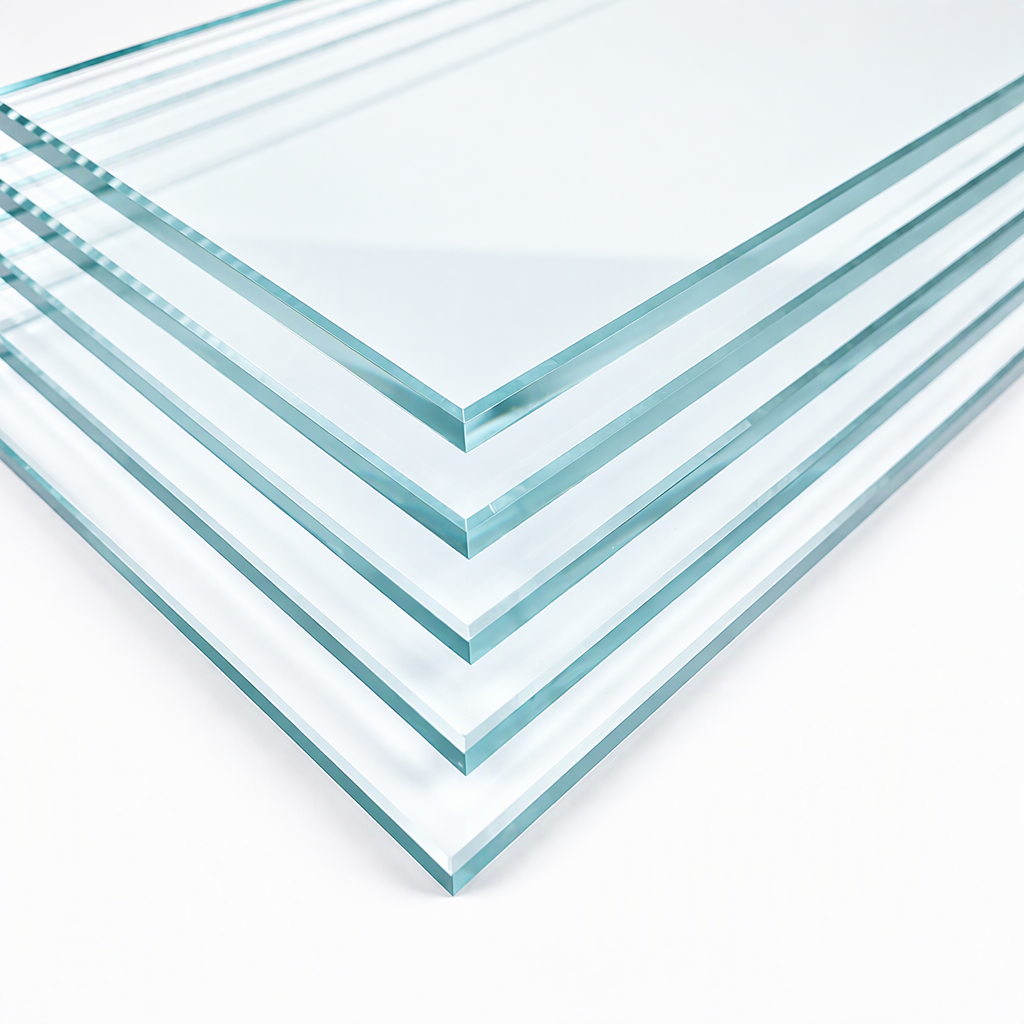
Clear Tempered Glass Transparent Tempered Glass Panel Cover Plate
Clear cover plate for appliance displays, sensor windows and protective glass layers. Edge polishing, screen printing and optional surface treatments can be added to drawing.
What Washington DC Buyers Mean by “Induction Stove Glass”
In the Washington DC market, “induction stove glass” is used for at least three different components. The distinction matters because the most visible part—the black cooking surface—is not normally tempered soda-lime glass. A credible supplier should separate these layers before quoting.
Glass-ceramic cooking surface
The cooktop surface must tolerate hot cookware and transmit the induction magnetic field. It is typically a low-expansion glass-ceramic material, not ordinary tempered glass. Source this layer from a qualified glass-ceramic supplier and validate the appliance design. Do not substitute standard tempered glass into the heated cooking zone.
Printed tempered control panel
The control panel carries power levels, timers, child-lock icons, logos and touch zones. It is commonly 2–6 mm tempered glass or 0.5–2 mm chemically strengthened glass with high-temperature screen printing. Sensor fields, printed windows and adhesive layers must be designed together.
Display window & coated cover glass
Display windows, indicator lenses and touch covers often use AR / AG / AF coatings to improve readability, reduce glare and resist fingerprints. For commercial kitchens, easy-clean surfaces and ink durability matter as much as styling.
Induction Stove Glass Use Cases in the Washington DC Market
Washington DC’s housing stock, hospitality market and commercial kitchens create specific design pressures: compact footprints, historic-building retrofits, premium finishes, high cleaning frequency and repeatable specifications for multifamily projects.
Rowhouse and condominium kitchen renovations
In Capitol Hill, Dupont Circle, Shaw and nearby rowhouse renovations, appliance dimensions and cut-outs are often tight. Printed glass control panels help integrate induction ranges with custom cabinetry, while clear or tinted cover plates protect displays without visual bulk.
Luxury condos in Navy Yard, The Wharf and NoMa
Design-led developments favor frameless black glass, subtle backlit icons, anti-fingerprint coatings and tight color consistency across appliance brands. A supplier should be able to match ink colors, sample printed icons and maintain batch-to-batch appearance.
Historic properties in Georgetown and Capitol Hill
Kitchen upgrades inside older buildings often pair modern induction cooking with constrained cabinet depths and nonstandard appliance fronts. Custom glass thickness, edge polishing and small-batch samples reduce retrofit risk before final millwork is released.
Chef-driven restaurants and commercial kitchens
Commercial foodservice projects demand cleanability, impact resistance and documentation. Tempered glass viewing windows, printed control covers and protective display glass can support induction cooking lines, but the finished equipment must still meet the applicable UL/ETL, sanitation and local code requirements.
Hotels, multifamily and institutional procurement
Repeat buyers need consistent ink shades, replacement-panel availability and protective export packing. Batch traceability and documented dimensional checks are especially valuable when a single specification is used across hundreds of units in DC, Arlington, Alexandria or Bethesda.
Appliance brands and showrooms serving the DMV
Brands selling into Washington DC, Maryland and Virginia often need low-volume prototypes first, then repeatable production. Our factory supports drawing review, printed samples, surface-coating options and export documentation for international supply chains.
Washington DC Market Trends That Affect Glass Specifications
Induction cooking is part of a wider shift toward electrification, compact luxury kitchens and better indoor air quality. For glass suppliers, that shift changes how panels are printed, coated, tested and documented.
Electrification and efficient kitchens
Building performance goals and clean-energy policies are encouraging electric cooking. Induction ranges respond quickly and avoid combustion by-products, making the glass interface a visible brand and usability touchpoint.
Compact, high-design urban kitchens
Condominiums and rowhouses favor frameless black glass, integrated displays and fewer visible seams. Anti-fingerprint surfaces, backlit icons and custom ink colors help appliance brands meet interior-design expectations.
Commercial cleanability and durability
Restaurant and hotel kitchens need nonporous, easy-clean surfaces that tolerate frequent sanitizing. Glass control panels and viewing windows should be specified with durable inks, edge quality and adhesive systems suited to the cleaning regime.
Supply-chain documentation and risk reduction
Buyers want dual sourcing, RoHS/CE documentation, batch traceability and agile shipping to the US East Coast. Qingdao’s seaport and airport access provide practical options for samples, air freight and sea freight.
How to Match Glass Specs to the End Product
A practical induction stove glass program usually starts with the end-use environment, not only the thickness. These three paths help engineering, sourcing and design teams align on the right starting point.
Residential premium OEM
- Chemically strengthened thin glass for sleek touch covers or tempered glass for thicker control plates.
- High-temperature black ink, backlit icons and anti-fingerprint coating.
- Color matching to brand trim; sample approval before mass production.
- Close coordination between printed graphics and capacitive sensor layout.
Multifamily and developer programs
- Repeatable ink color, consistent edge finish and replacement-panel planning.
- 3M adhesive tape options for streamlined assembly.
- Batch traceability and protective packing for multi-unit deliveries.
- Dimensional reports for procurement and quality teams in the DMV market.
Commercial foodservice
- Tempered glass for control covers, viewing windows and protective display layers.
- Durable inks and easy-clean surface treatments for frequent sanitation.
- Documentation for RoHS and component traceability.
- Appliance-level UL/ETL and local code compliance remain the OEM’s responsibility.
Glass, Ink, Coating and Touch-Sensor Decisions That Affect Reliability
For a Washington DC appliance launch, the glass component must be treated as part of a system: thermal environment, printed artwork, adhesive, sensor stack and end-product certification all interact.
1. Separate the cooking surface from the interface surface
Induction heating works by generating a magnetic field that couples with ferromagnetic cookware. The cooking surface must be transparent to that field and tolerant of hot cookware; this is why glass-ceramic is used for the heated zone. Printed tempered glass is best used for the control panel, display window, decorative fascia, sensor cover or protective viewing layer.
This distinction is central to accurate sourcing. A supplier claiming that ordinary tempered glass can replace the glass-ceramic cooking surface should trigger a technical review. The correct material choice depends on whether the part touches hot cookware or only supports user interaction.
| Decision area | Glass-ceramic cooking surface | Tempered control panel | Chemically strengthened thin cover |
|---|---|---|---|
| Primary function | Heated cooking zone; must tolerate thermal shock and transmit the magnetic field. | Touch keys, printed graphics, display framing and decorative fascia. | Thin touch covers and optical display protection where flatness matters. |
| Typical thickness discussion | Specialty glass-ceramic thickness specified by the cooktop designer. | Commonly 2–6 mm, depending on strength, print and assembly design. | Commonly 0.5–2 mm for thin capacitive interfaces. |
| Thermal exposure | Designed for hot cookware and repeated heating cycles. | Application-specific; maintain clearance from heat sources and test ink adhesion. | Not intended for direct cooking heat; use in protected UI areas. |
| Breakage behavior | Material-specific; follows the glass-ceramic supplier’s engineering data. | Tempered glass breaks into small blunt fragments under qualifying conditions. | Chemical strengthening improves strength but breakage pattern differs from tempered safety glass. |
| Documentation focus | Appliance-level safety listing, thermal validation and material traceability. | Dimensional report, ink color, adhesion, RoHS and coating performance. | Optical quality, flatness, hardness, drop/impact validation and RoHS. |
2. Print and coating choices influence both appearance and durability
Silk screen printing can deliver logos, touch-zone windows, light-diffusion layers and decorative borders. For induction appliance control panels, high-temperature inks and controlled curing help maintain appearance near warm components. Low-temperature inks may be suitable for cooler display areas, but they should be validated against the cleaning agents and heat exposure expected in the final product.
AR coating reduces reflection for readable displays; AG coating scatters light to reduce glare in bright kitchens; AF coating makes fingerprints and grease easier to remove. A premium panel may combine several treatments, but each layer must be tested for abrasion, chemical resistance and compatibility with the chosen ink and adhesive.
3. Touch sensing and assembly require cross-functional validation
Capacitive touch performance depends on cover thickness, adhesive, air gaps, sensor size and the controller tuning. A glass panel that looks correct on a drawing can still cause false triggers if the printed window, grounding or adhesive layer is not coordinated with the electronics team. For multifamily and commercial projects, we recommend approving both a printed sample and an assembled fit sample before mass production.
Why Qingdao Maupe Glass Co., Ltd. Supports OEM and Project Supply
Qingdao Maupe Glass Co., Ltd. is a glass deep-processing manufacturer and international supplier established in 2012. The company combines cutting, edging, drilling, engraving, silk screen printing, tempering, chemical strengthening and coating in one production chain.
ISO 9001 quality system
Quality management certificate No. 24025Q20015R1S supports process control, inspection discipline and traceability for custom glass orders.
RoHS and CE documentation
RoHS certificate No. 25TYT12395 and CE certificate No. 23TYT082593S support buyers who need compliance files for international projects.
SGS onsite assessed
The company has been onsite-assessed by SGS Group as a third-party inspection company, giving procurement teams another reference point during supplier review.
OEM / ODM experience
Since 2012, the team has supported drawing review, sampling, design customization and full OEM production for appliance, electronics and industrial buyers.
8 production lines
Cutting, CNC shaping, edge polishing, drilling, engraving, silk screen printing, tempering and coating capabilities shorten coordination time between process steps.
80+ export countries
Export share of output is stated at 91–100%, with experience serving North America, Europe, the Middle East, Oceania, Asia, Africa and South America.
Fortune 500 supplier reference
The seller profile includes a verified Fortune 500 procurement contract reference, supporting confidence for buyers who require structured supplier qualification.
Qingdao logistics access
The factory is close to Qingdao seaport and airport, supporting sample dispatch, sea freight, air freight and trade terms such as FOB, CIF, DDP and express delivery.
From Drawing to Delivery in Five Practical Steps
A transparent workflow helps purchasing, engineering and quality teams understand where decisions are made and when samples should be approved.
Drawing review
Engineers check glass type, thickness, holes, print layers, coating and strengthening method.
Sampling
Printed and dimensioned samples are prepared for fit, color, touch and appearance approval.
Mass production
Cutting, edging, printing, tempering or chemical strengthening proceed against the approved specification.
Inspection
Dimensional checks, appearance review and packing verification are completed before shipment.
Export shipping
Protective packing and export documentation are prepared for air, sea or express delivery.
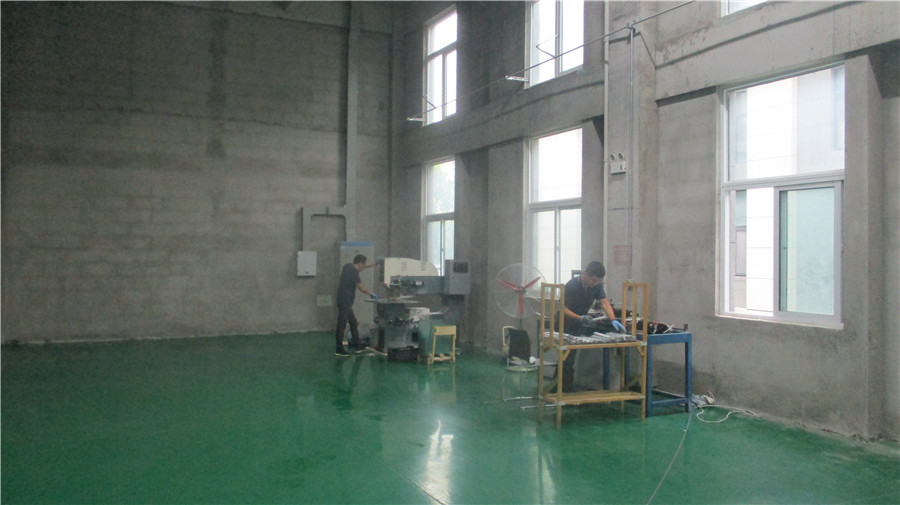
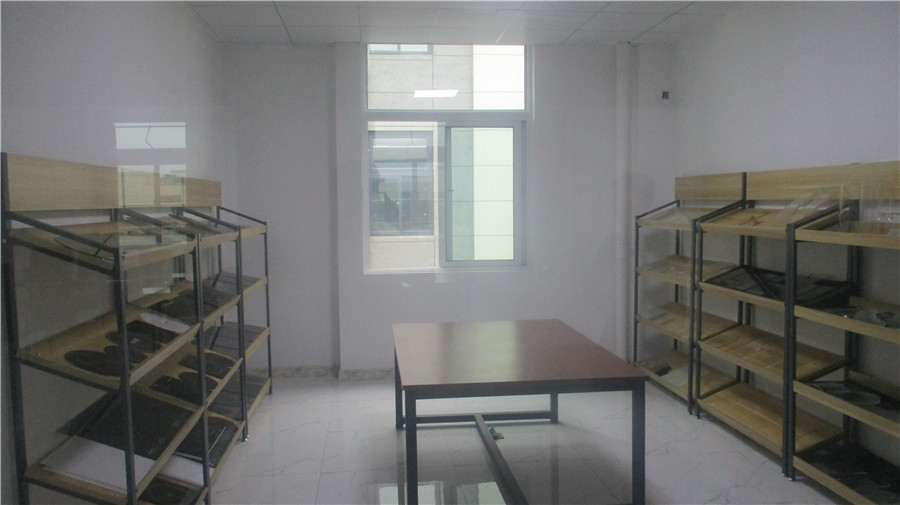
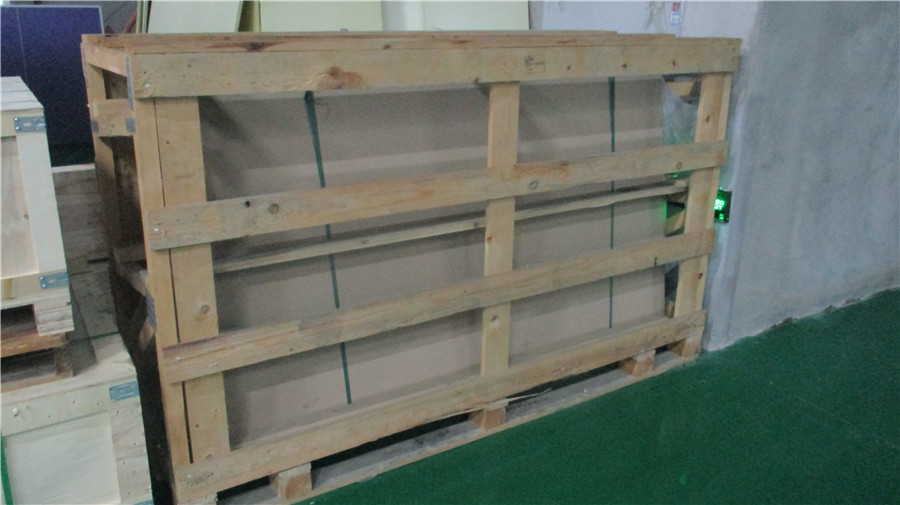
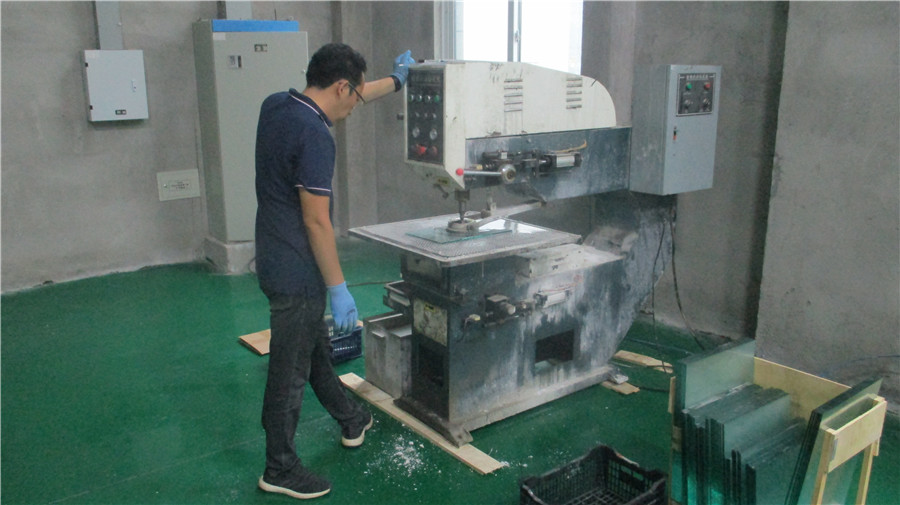
Production, Processing and Inspection Images
Image evidence helps buyers evaluate production depth before requesting samples. These images correspond to the original company production and factory content.




Common Procurement Questions Before Ordering Induction Stove Glass
These answers reflect the questions most often raised by appliance brands, fabricators, developers and sourcing teams evaluating custom tempered glass for the Washington DC market.
Are you a local Washington DC glass manufacturer?
Can ordinary tempered glass be used for the induction cooking surface?
Which glass is best for an induction stove control panel?
How do we avoid touch-sensor interference?
What documents support Washington DC procurement review?
What are the minimum order quantity and sample options?
What files should we send for a quote?
Can you match brand colors and printed icons?
How are glass panels packed and shipped to Washington DC?
Have an Induction Stove Glass Drawing Ready?
Send your drawing, printed artwork and intended application for a manufacturability review. Our engineers will check glass type, thickness, edge details, ink layers, coating and assembly considerations for your Washington DC market program.
info@maupeglass.comPrepared by the engineering and export team at Qingdao Maupe Glass Co., Ltd. Reviewed for 2025 specification planning. Component information does not replace appliance-level certification or local code review.