8 Functional Glass Products for Nagoya Wholesale & OEM Buyers
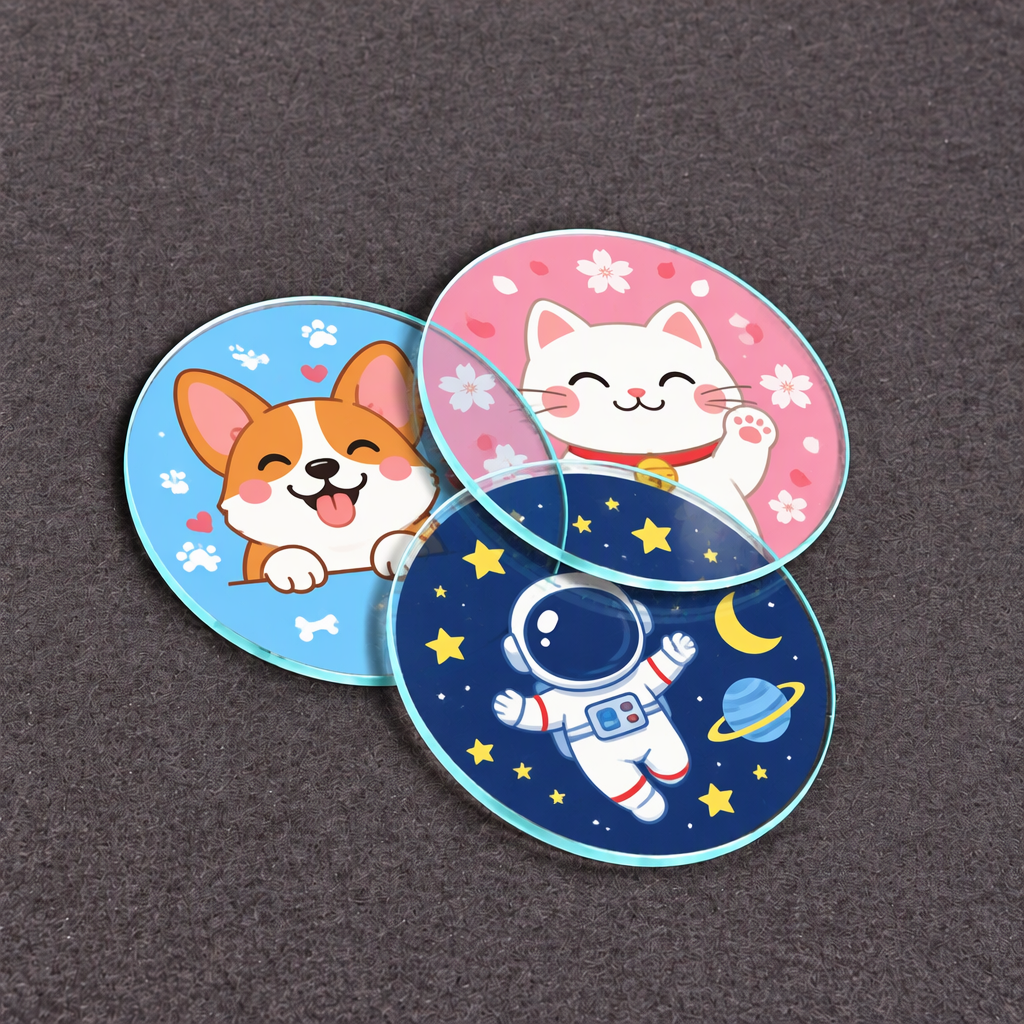
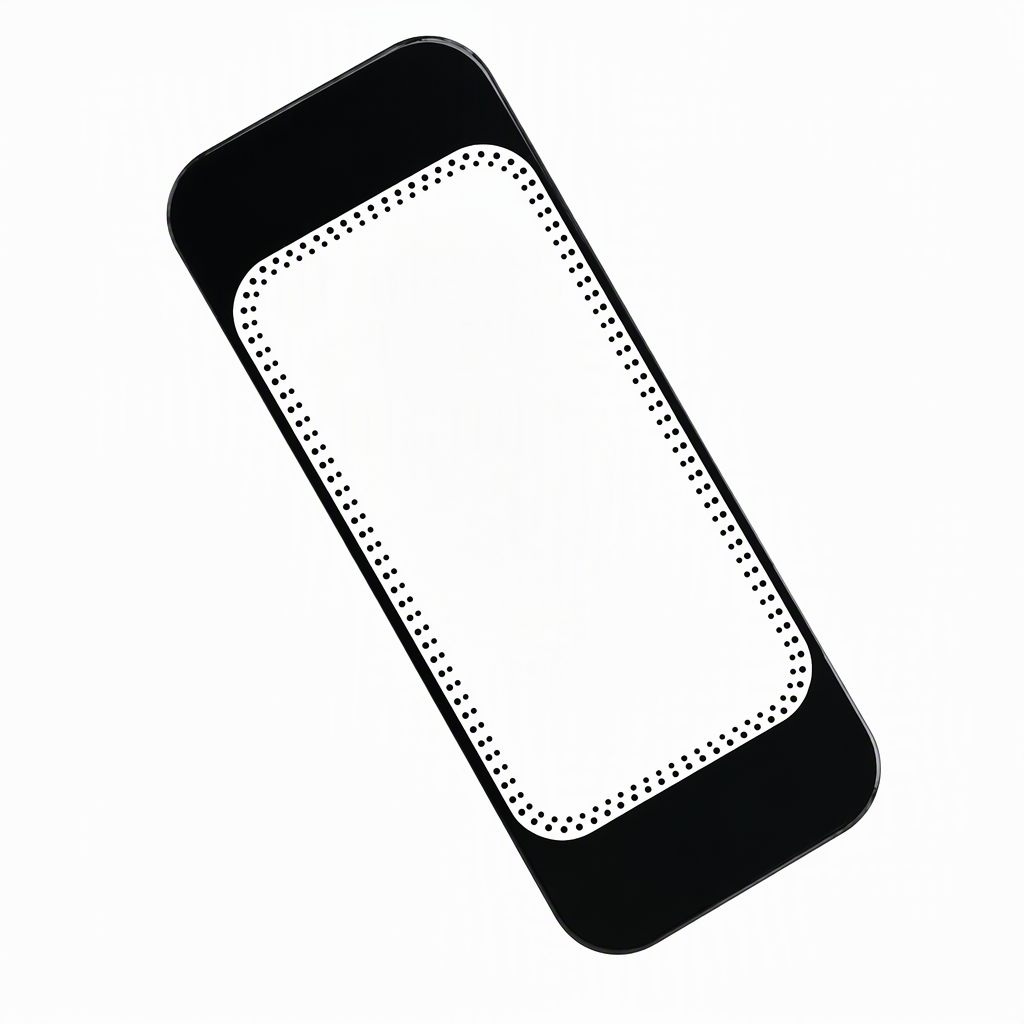
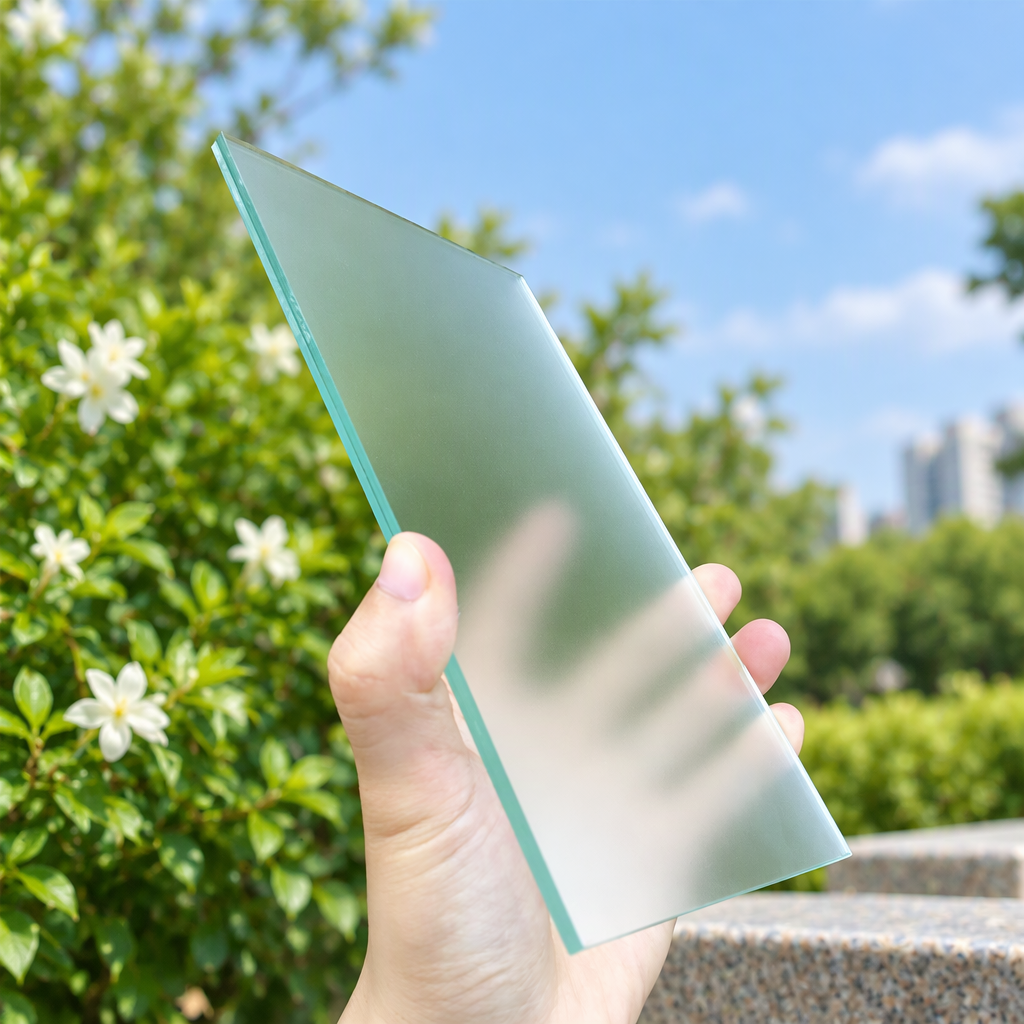
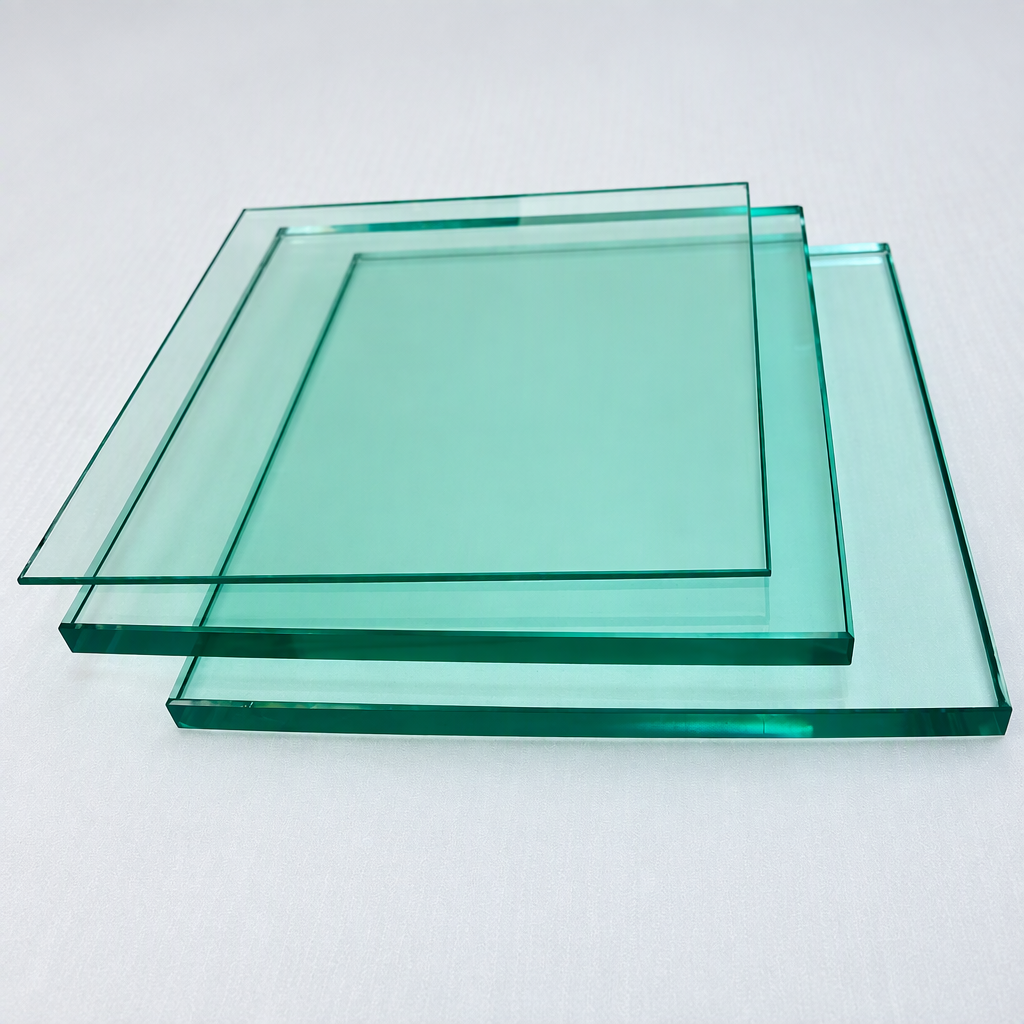
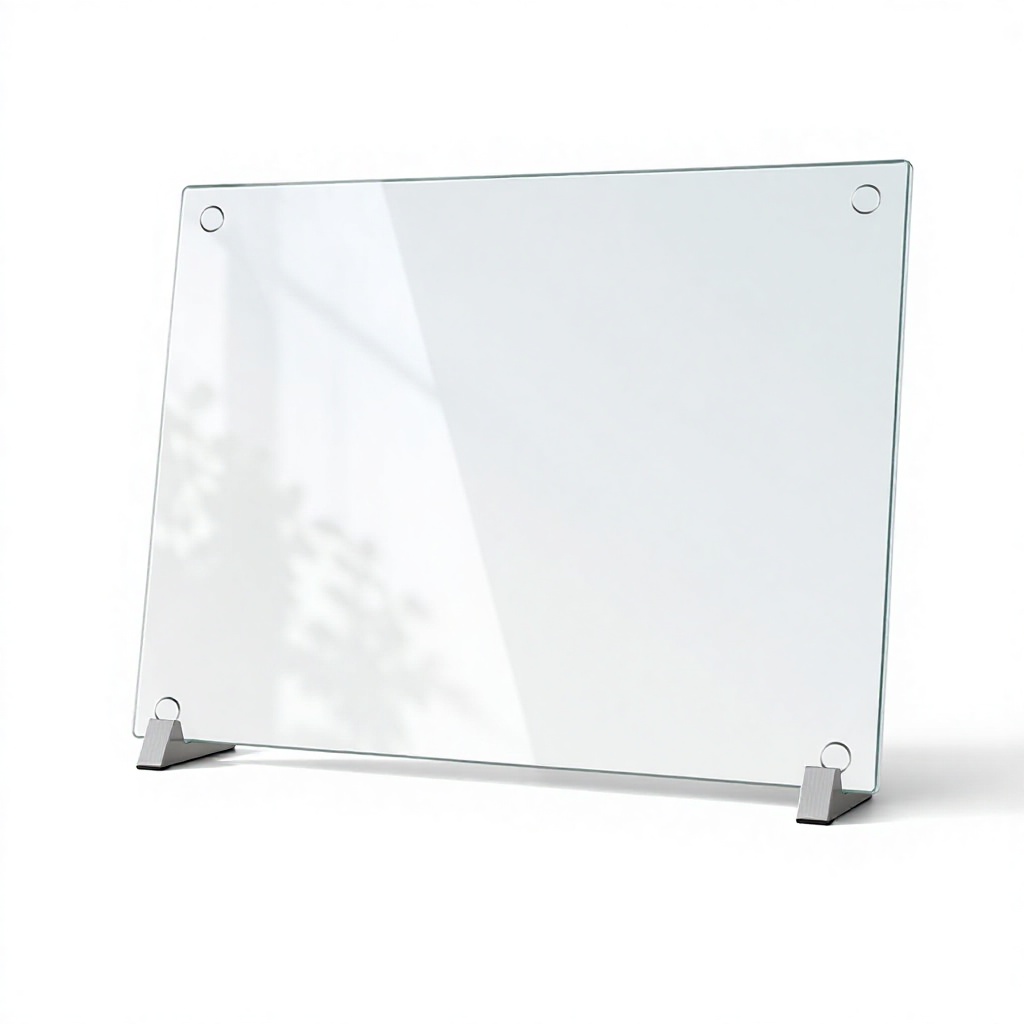
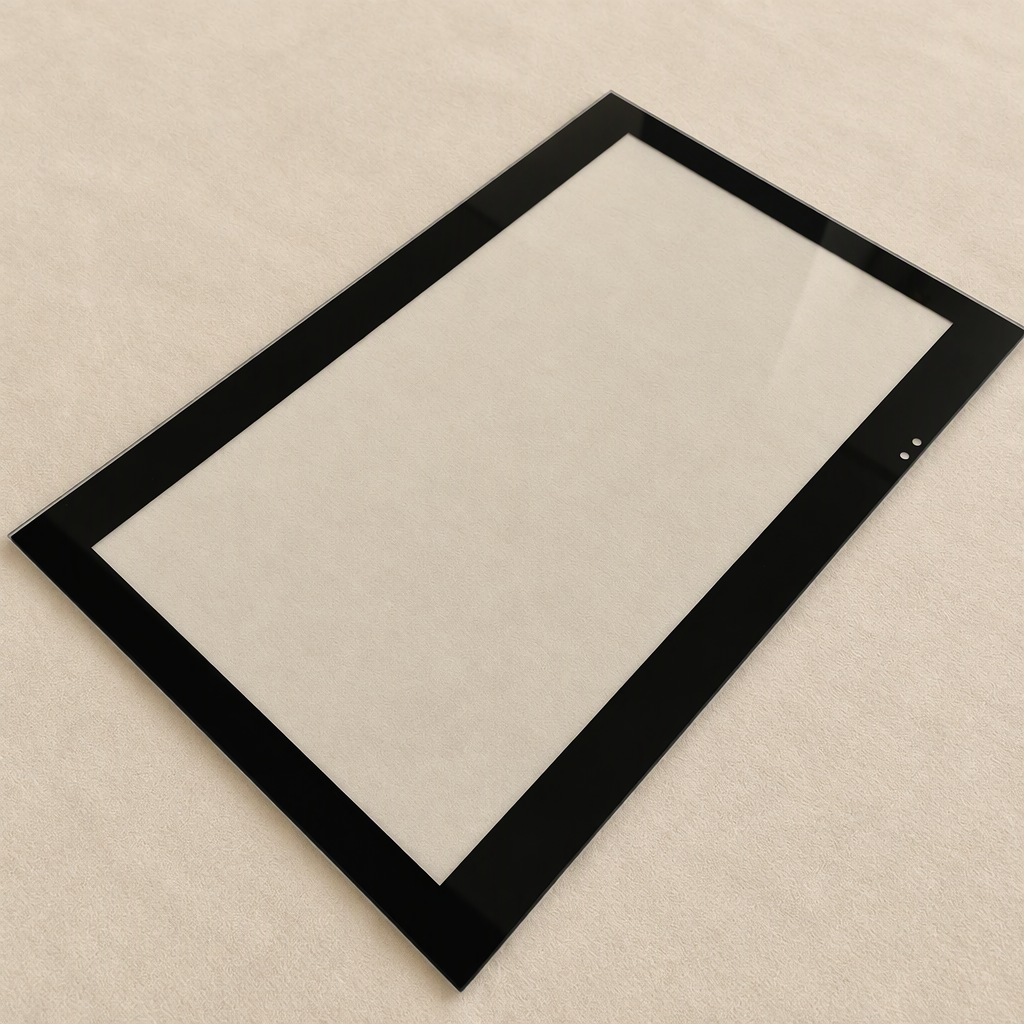
Below are eight product formats frequently requested by Nagoya-area wholesalers, electronics distributors and equipment manufacturers when building infrared ceramic glass assemblies, control interfaces, appliance panels and protective display windows. The URLs shown are preserved for direct product review.

Why Nagoya Buyers Shortlist Experienced OEM Glass Manufacturers
For B2B buyers in Nagoya, supplier evaluation is not only about price. It is about material traceability, drawing review, packing protection, communication speed and repeatable quality across production lots.
What Nagoya Buyers Usually Mean by “Infrared Ceramic Glass”
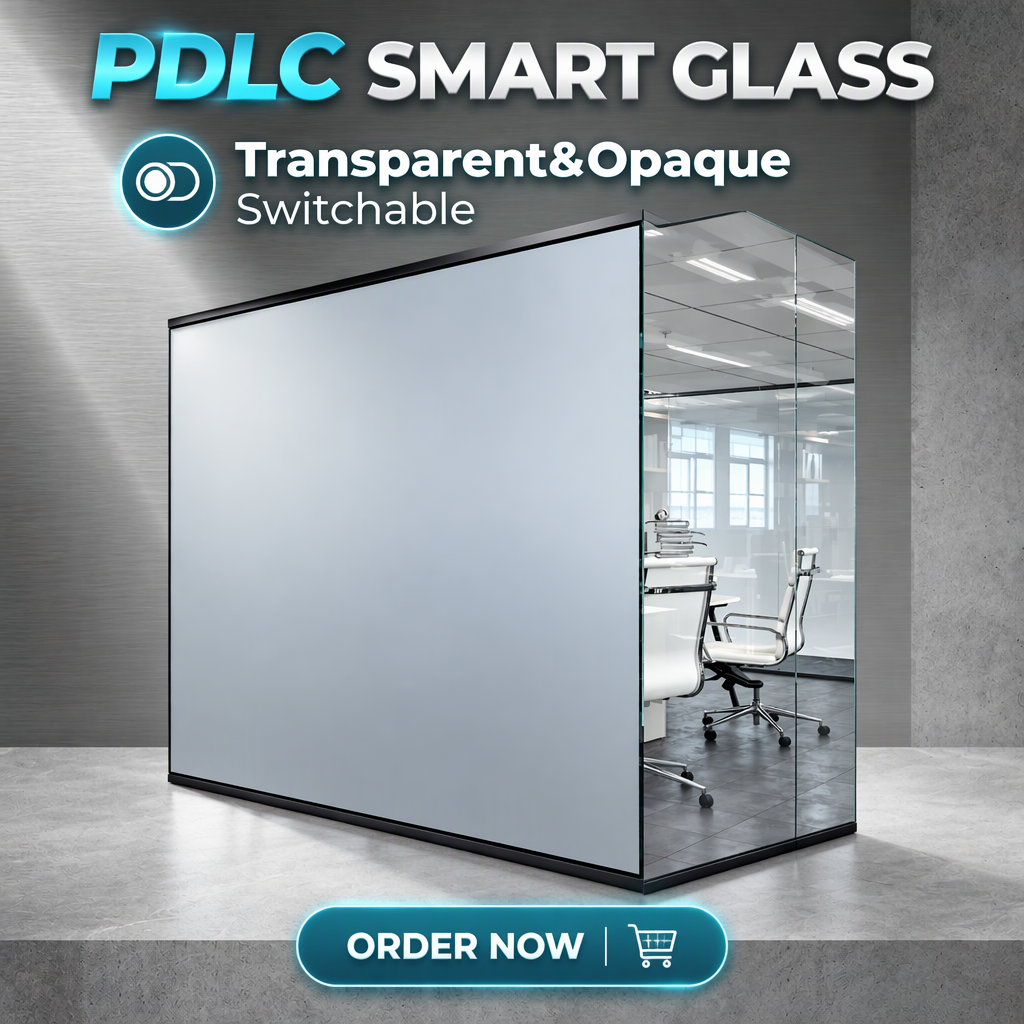
In real procurement conversations, the term infrared ceramic glass is often used in a broader sense than a single material grade. It may refer to dark glass-ceramic panels for infrared heaters, high-temperature cooktops, industrial drying equipment, sensor windows or thermal display covers. Some buyers actually need heat-resistant tempered glass, printed control glass, anti-glare display glass or PDLC privacy glass for an infrared-based system.
Material Validation
Confirm whether the request is for true glass-ceramic, printed tempered glass, coated display glass or a composite assembly.
Supplier Qualification
Check ISO 9001, RoHS, CE where applicable, SGS onsite assessment and lot-level inspection records.
Wholesale Support
Ask about mixed SKU planning, Japanese label requests, protective packaging and shipment consolidation.
Total Cost & Lead Time
Compare sample cost, tooling, MOQ, inspection time and freight to Port of Nagoya or Chubu Centrair.
Infrared Ceramic Glass and Functional Glass Applications in Nagoya
Nagoya and the wider Aichi region have a dense base of automotive, aerospace, robotics, factory automation, electronics, appliance and building-material companies. That creates demand not only for heat-resistant ceramic glass but also for matching display windows, printed control panels and protective covers used in the same equipment.
Automotive & EV Electronics
Aichi’s automotive supply chain uses inspection windows, touch glass, printed panels and anti-glare display covers in battery, motor and electronics production lines.
Industrial Heaters & Drying Systems
Infrared heating modules, ovens and thermal process equipment often require high-temperature viewing glass, sensor windows and heat-resistant control covers.
Smart Offices & Privacy Partitions
Nagoya commercial interiors use PDLC smart glass, printed glass whiteboards and partition glass for meeting rooms, showrooms and customer experience centers.
Appliance & Cooktop Controls
Printed tempered glass panels are widely used for induction cooktops, ovens, range hoods and smart home switch interfaces in Japanese appliance programs.
Medical & Laboratory Instruments
AR, AF and anti-glare cover glass supports readable diagnostic displays, laboratory instruments and cleanliness-critical touch interfaces.
Kiosks & Access Control
Card reader glass, face-recognition terminal covers and touch-screen protectors are common requirements for stations, factories and public facilities near Nagoya.
Localized Development Trends Affecting Infrared Ceramic Glass Procurement
The Nagoya buying market is moving toward higher technical accountability, smaller initial orders and more flexible supply chains. Wholesalers are expected to add engineering support rather than simply move inventory.
Electrification & Thermal Management
EV, battery, semiconductor and aerospace programs are increasing demand for heat-resistant materials with stable optical and electrical performance.
High-Mix, Low-Volume Production
Nagoya OEMs increasingly test multiple configurations before mass production, so sample speed and small custom batches matter.
Compliance & Sustainability
RoHS, REACH and eco-friendly printing inks are checked more seriously by Japanese electronics and appliance supply chains.
Resilient Cross-Border Supply
Wholesalers in Nagoya are balancing local stock, China OEM manufacturing and rapid air freight through Chubu Centrair.
Why Qingdao Maupe Glass Co., Ltd. Supports Nagoya Wholesale Programs
Founded in 2012, Qingdao Maupe Glass Co., Ltd. is an ISO 9001 certified glass deep-processing manufacturer and international supplier. The company turns flat glass into finished functional parts through cutting, edge polishing, drilling, engraving, coating, silk screen printing, physical tempering and chemical strengthening.
ISO 9001 Quality System
Certificate No. 24025Q20015R1S, with documented inspection and process control suited to repeat OEM orders.
RoHS & CE Documentation
RoHS certificate No. 25TYT12395 and CE certificate No. 23TYT082593S support buyer compliance checks.
SGS Onsite Assessed
Third-party onsite assessment and Fortune 500 supplier procurement verification help reduce sourcing risk.
Full Process Chain
Cutting, CNC shaping, printing, tempering and coating are coordinated under one roof for faster feedback.
Export Experience
Products serve customers in more than 80 countries, with export packing and trade terms aligned to B2B orders.
Drawing-Based Engineering
Send 2D drawings and artwork files for review of thickness, edge finish, print layout and strengthening method.

Manufacturing Depth for Wholesalers, Not Just Stock Glass
Nagoya wholesalers often need a supplier that can handle mixed specifications: one order may include a printed control panel, another may require anti-glare display cover glass, and a third may need PDLC smart glass for an office project. Maupe’s production structure is designed for this kind of custom technical glass work, with engineering review before mass production and export packing prepared for long-distance transport.
For infrared ceramic glass sourcing, the first step is to clarify whether the final application needs true glass-ceramic material, heat-strengthened safety glass, chemically strengthened thin cover glass or a coated display window. This prevents a costly mismatch between the search term and the actual component specification.
Send an InquirySupplier or Wholesaler? How Nagoya Buyers Can Compare the Right Route
A local Nagoya wholesaler can be valuable for stock availability, Japanese-language communication and urgent delivery. A direct OEM glass manufacturer can be stronger for custom dimensions, printing, coatings and long-term cost control. Many successful projects combine both models.
Local Wholesaler Strengths
- Fast access to standard stock and small emergency quantities.
- Japanese-language purchasing support and local delivery coordination.
- Useful for mixed orders combining glass with other industrial components.
- Can hold buffer inventory for repeat MRO or production support.
OEM Manufacturer Strengths
- Custom size, thickness, hole position, edge finish and print artwork.
- Engineering review of tempering, chemical strengthening and coating options.
- Better traceability for production lots, inspections and certification requests.
- Scalable unit cost once drawings and print colors are approved.
RFQ Checklist for Nagoya Buyers
- 2D drawing in DWG, DXF or PDF with dimensions, holes and tolerance.
- Glass type, thickness, color, edge finish and corner treatment.
- Print artwork in AI or PDF with color references and layer order.
- Surface requirement: AR, AG, AF, PDLC or no coating.
- Working environment: heat exposure, outdoor use, touch sensor or display brightness.
- Annual volume, trial order quantity and required delivery destination.
Logistics Notes for Nagoya
- Sea freight can route to the Port of Nagoya for larger and heavier glass shipments.
- Air freight via Chubu Centrair can support urgent samples and small trial batches.
- Export packing should include edge protection, moisture control and breakage-resistant cartons.
- Accepted terms can include FOB, CIF, EXW, DDP and express delivery depending on the project.
Common Questions from Nagoya Wholesalers & OEM Purchasing Teams
These answers reflect the questions most often raised during the supplier selection process for custom glass panels, display covers and infrared-related technical glass projects.
Are you a manufacturer or a trading company?
Qingdao Maupe Glass Co., Ltd. is a glass deep-processing manufacturer operating an ISO 9001 quality management system, not a pure trading company. The factory handles cutting, printing, tempering, coating and related processes.
What is the MOQ for custom glass?
Many printed or tempered panels start from 10 to 100 pieces depending on size, thickness and number of print colors. Large display cover glass can start from 10 pieces. Samples are available for fit and print verification.
Should I choose tempered glass or chemically strengthened glass?
Physical tempered glass is typically used at about 2 mm and thicker for appliance doors, switch panels and display windows. Chemical strengthening suits thin glass from 0.5 mm to 2 mm where flatness and optical clarity are critical.
What files should I send for quotation?
Send a 2D drawing in DWG, DXF or PDF with dimensions, holes, tolerance and edge finish, plus print artwork in AI or PDF with color references. Also state AR, AG or AF coating requirements and the intended application.
Can you print Japanese text and brand logos?
Yes. Silk screen printing can support logos, icons, touch zones, warning text and decorative layouts. Customers should confirm font outlines, ink color references and print layer order before sampling.
Which certifications are available?
The company operates ISO 9001 certificate No. 24025Q20015R1S, RoHS certificate No. 25TYT12395 and CE certificate No. 23TYT082593S. SGS has also onsite-assessed the supplier as a third-party inspection company.
How do you ship glass to Nagoya safely?
Export packing includes protective film, edge cushioning, moisture control and reinforced cartons or crates where needed. Shipments can be arranged by sea to the Port of Nagoya or by air to Chubu Centrair.
What trade and payment terms are accepted?
Delivery terms include FOB, CIF, EXW, FAS, FCA, CPT, DDP, DDU and express delivery. Payment options include T/T, L/C, PayPal, Western Union and cash, in USD, EUR or CNY.
Ready to Compare Infrared Ceramic Glass and Custom Functional Glass Options?
Share your drawing, target application and annual volume. The engineering team can review manufacturability, suggest tempered versus chemically strengthened glass, confirm coating options and advise on export packing for Nagoya delivery.
Send an Inquiry