Laboratory Glass Tubing Manufacturers & Supplier Serving the Nashville Market
A technical procurement white paper for borosilicate and neutral glass tubing, custom tube fabrication, traceable documentation, and responsive supply to laboratories, universities, healthcare campuses, and OEM equipment builders in Nashville and Middle Tennessee.
8 Glass Products for Nashville Laboratory, Healthcare, and Facility Projects
Laboratory glass tubing RFQs are usually managed as a separate engineered line item. However, Nashville buyers often bundle tubing with flat technical glass, privacy glass, instrument covers, and facility glazing to reduce supplier count. The eight products below preserve the exact product URLs and images from Maupe Glass’s existing catalog. They are recommended for adjacent laboratory, cleanroom, healthcare, and facility projects, while the tube specification itself can be reviewed through the same inquiry channel.
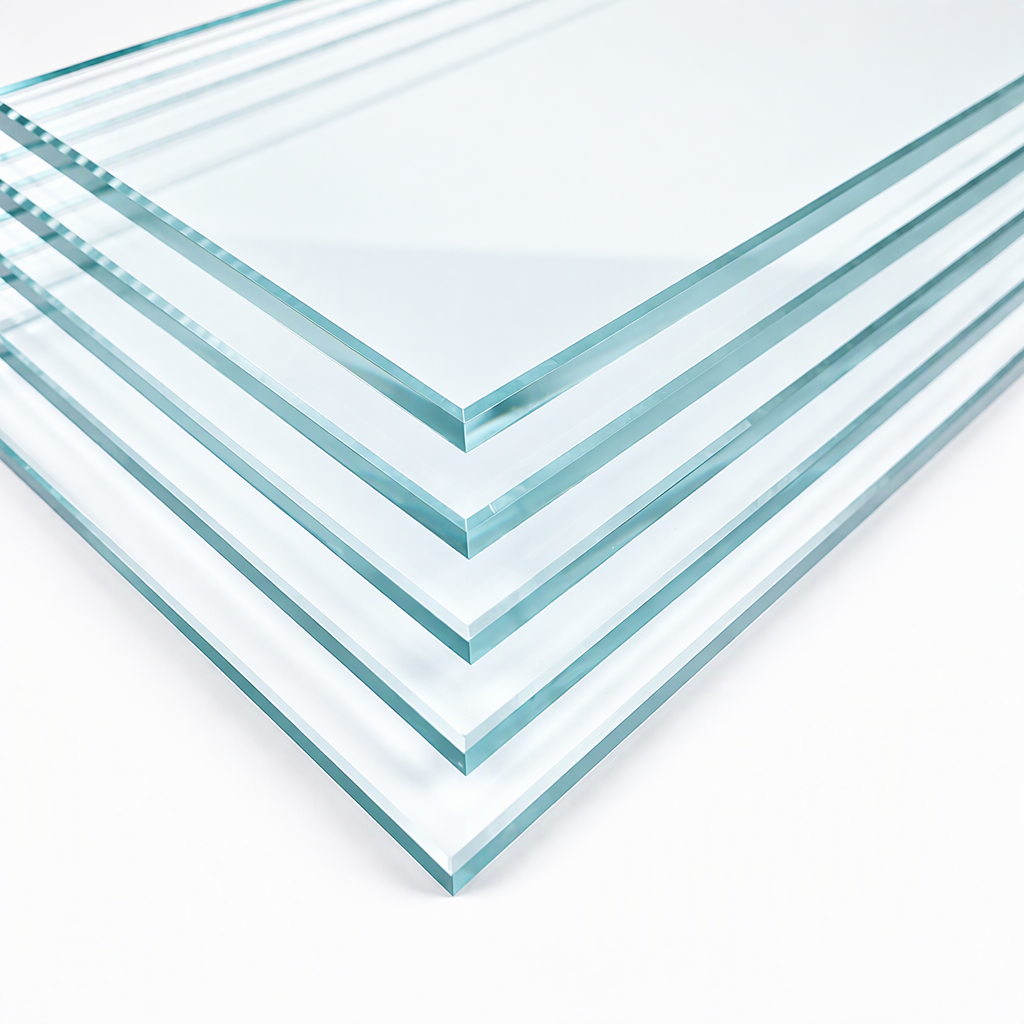
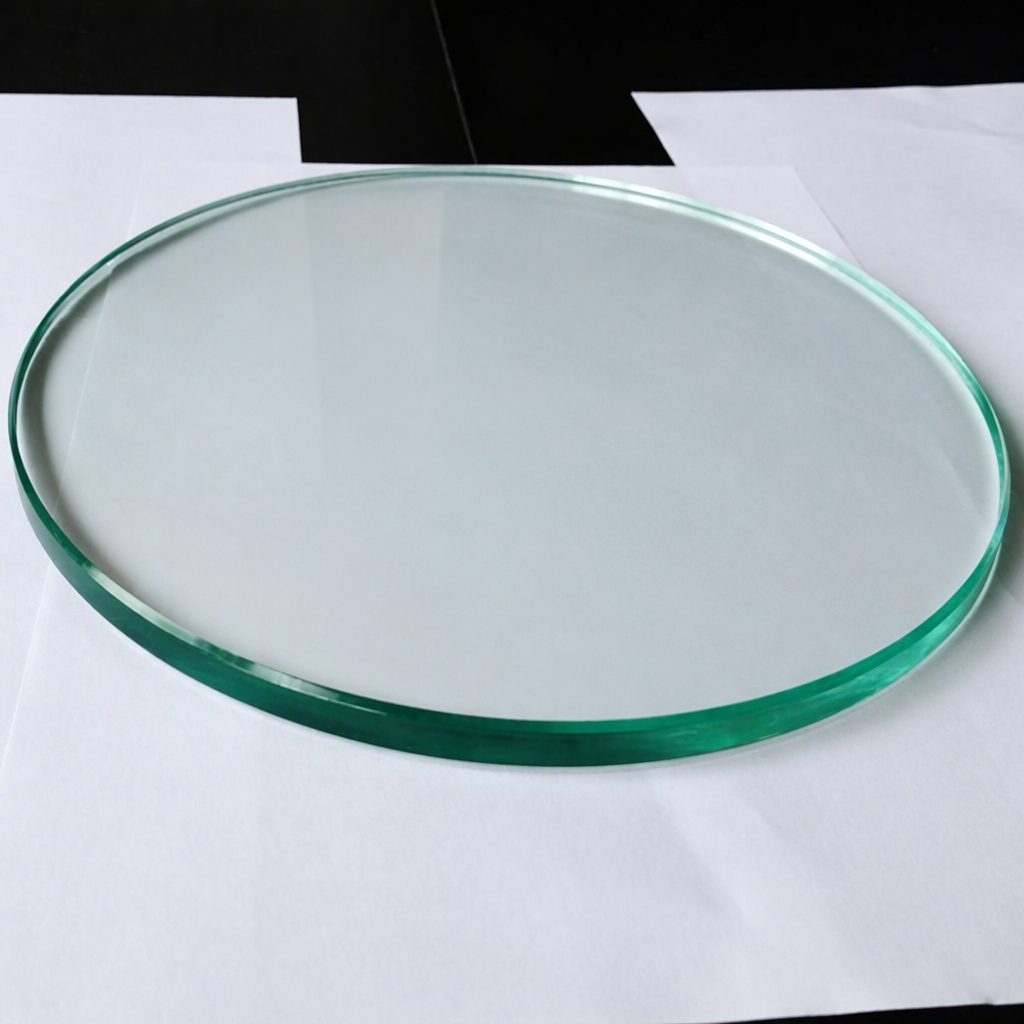
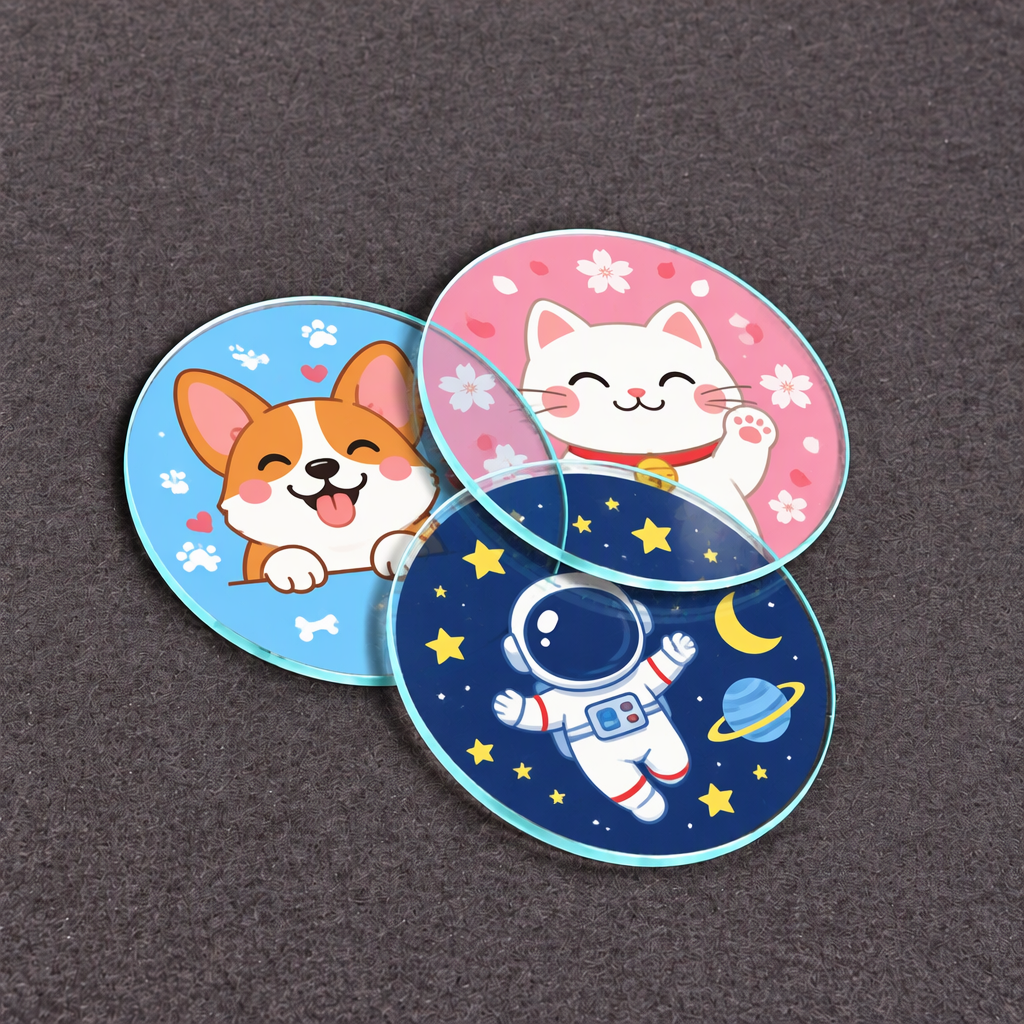
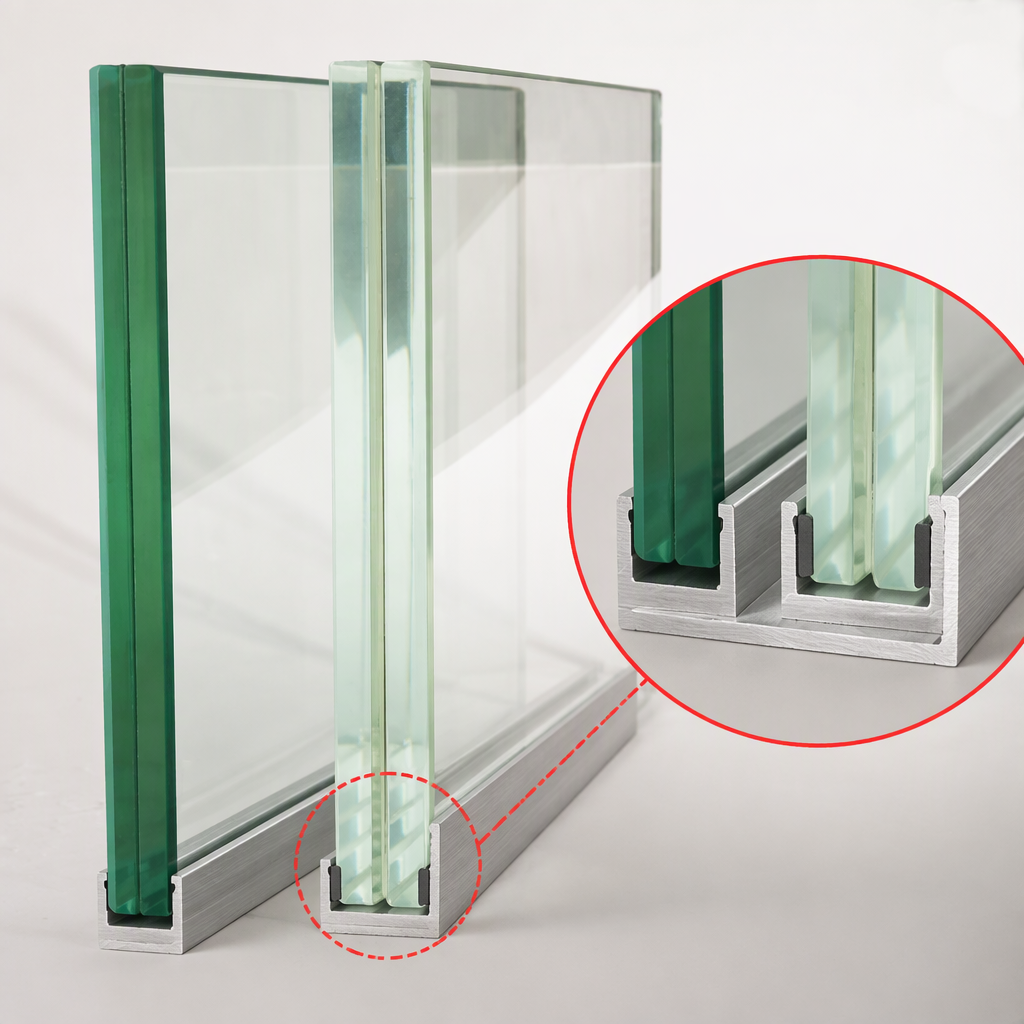
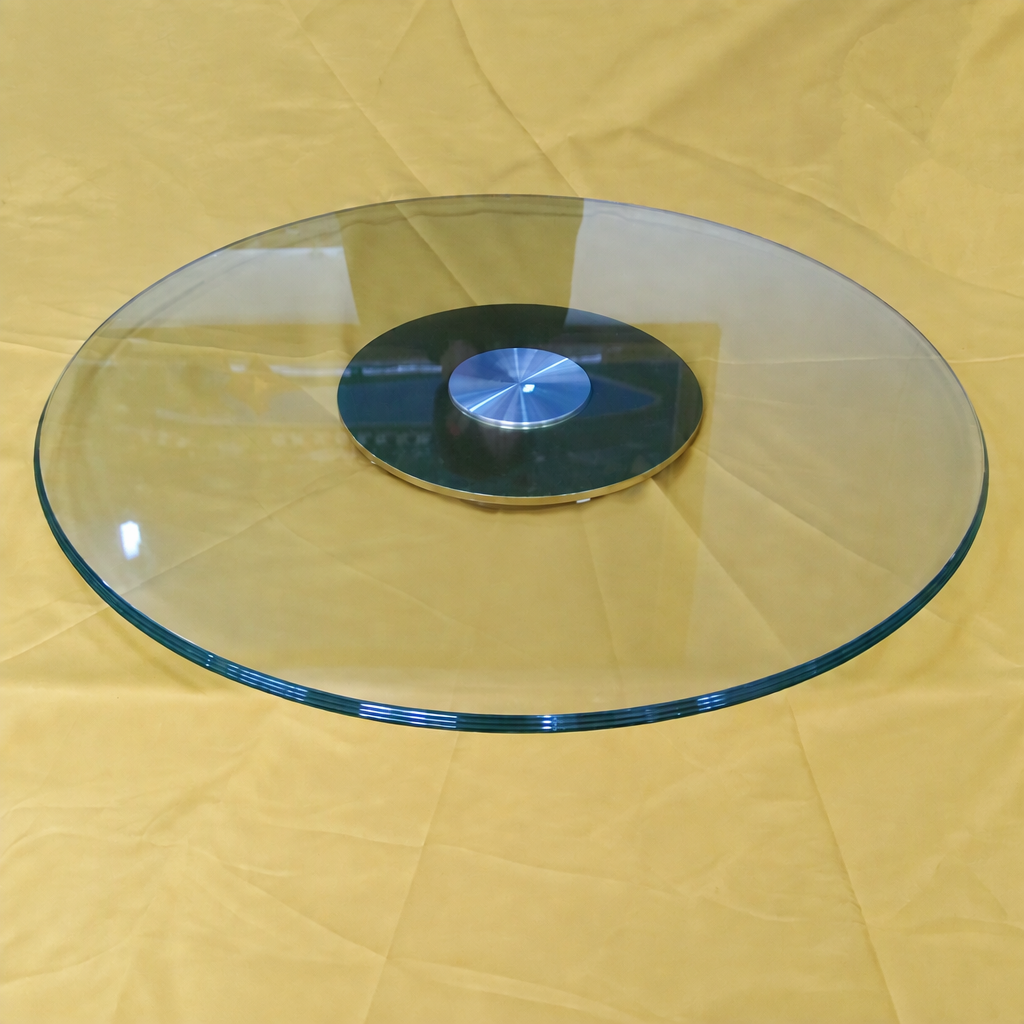
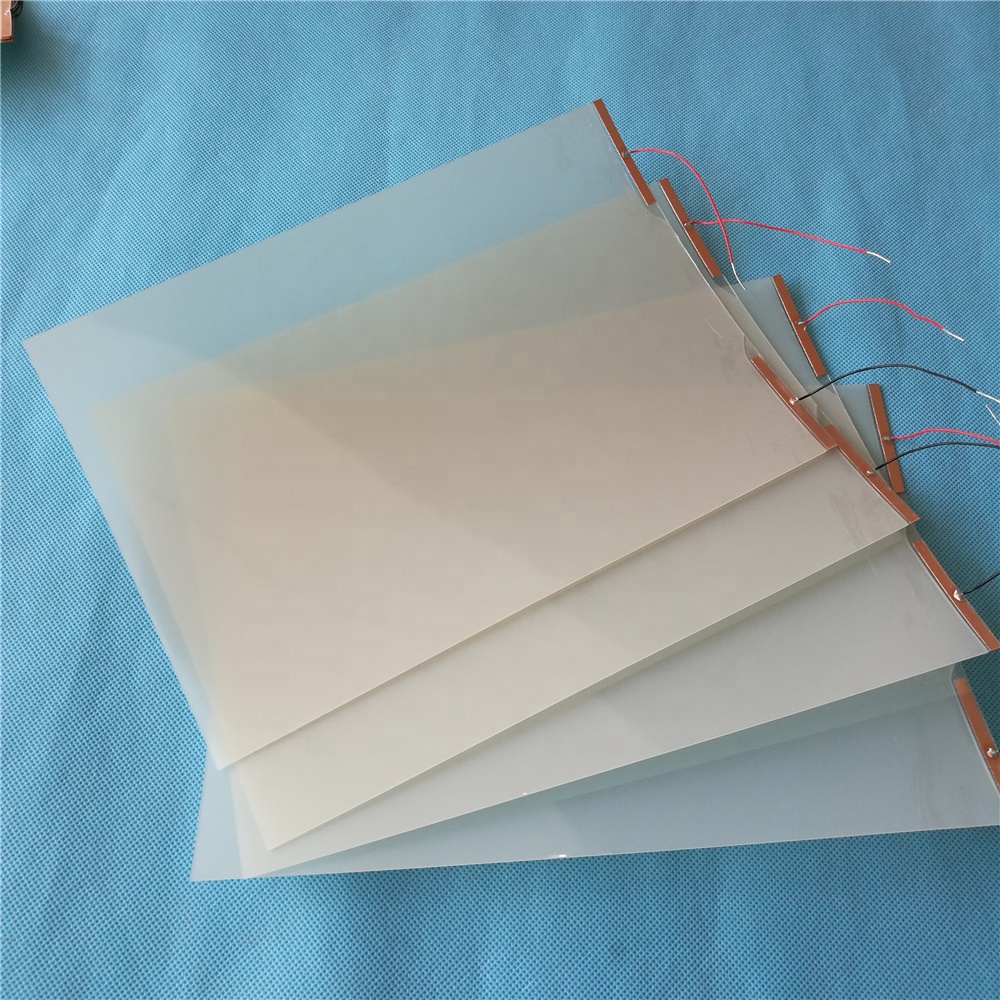
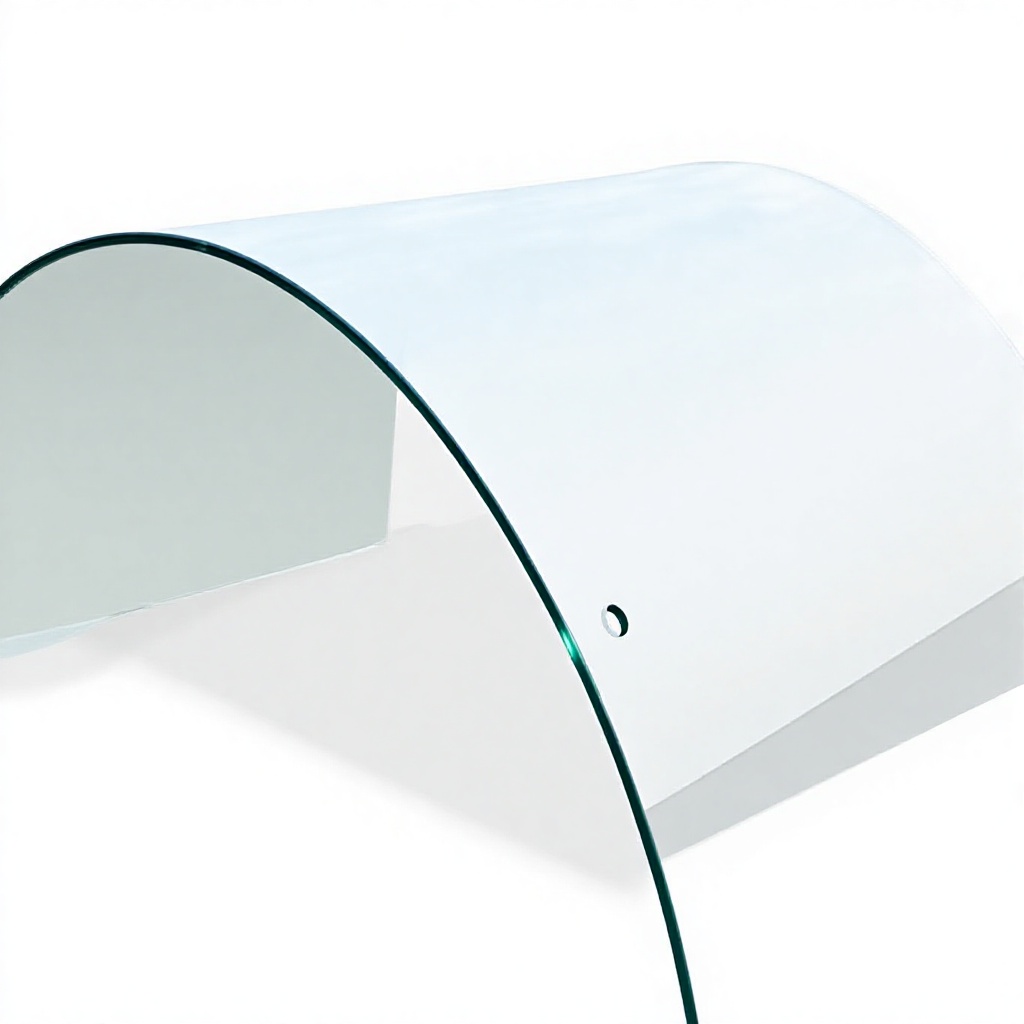
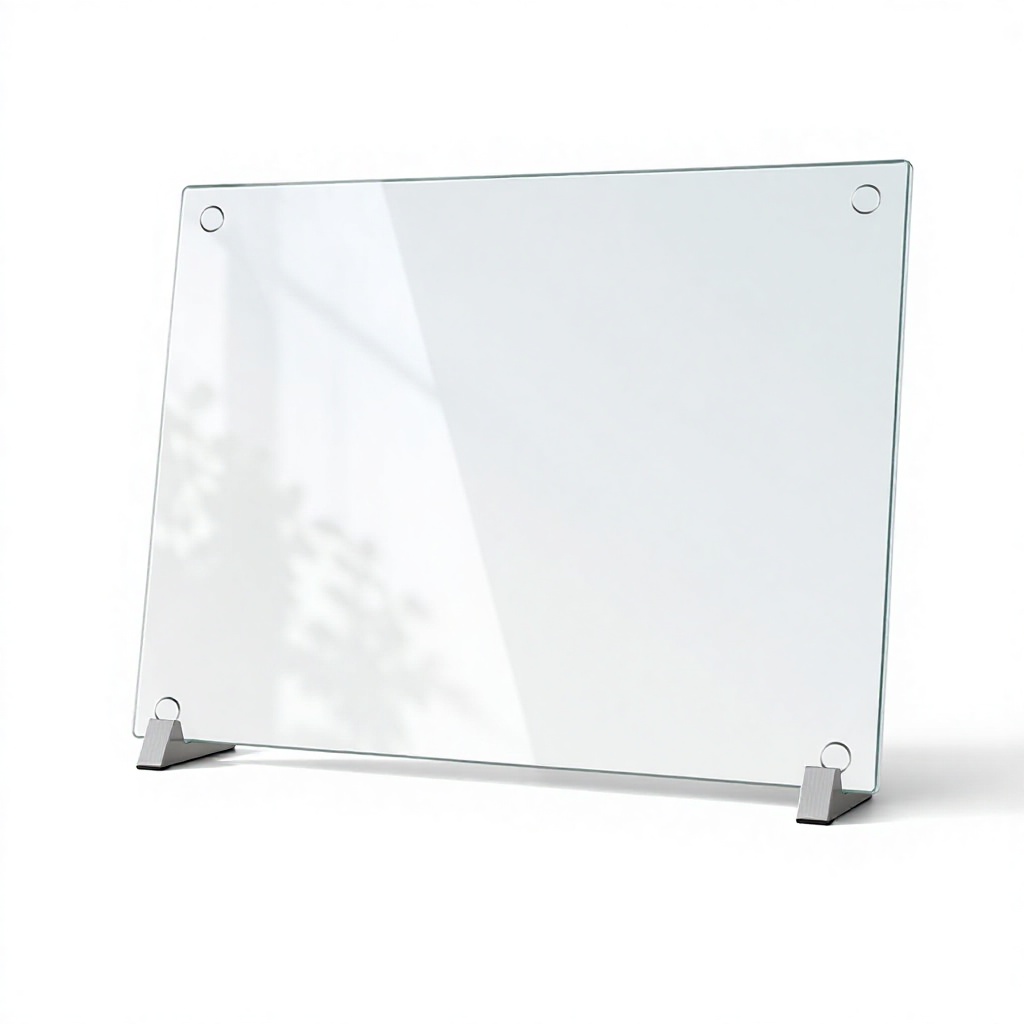
Need a custom tube, manifold, sight glass, flow-cell cover, or instrument window rather than a flat panel? Send the application, drawing, and annual demand for an engineering route review. Get a Quote
What Nashville Buyers Actually Need from a Laboratory Glass Tubing Supplier
A search for “laboratory glass tubing manufacturers & supplier serving the Nashville market” is a high-intent procurement query, not a casual research query. The searcher is often a laboratory manager, research engineer, healthcare procurement specialist, facilities contractor, or OEM buyer comparing suppliers for a renovation, replacement part, analytical instrument, or new production line. Nashville’s growth across healthcare, higher education, diagnostics, advanced manufacturing, and commercial construction means the same buyer may need a standard tube size today and a custom-fabricated assembly next quarter. The supplier must therefore answer five practical questions quickly: what material grade is appropriate, what tolerances can be held, how the tube will be cleaned and packed, what documentation can be audited, and how the order will move from Qingdao to Nashville without breaking the project schedule.
Laboratory glass tubing cannot be specified by outside diameter alone. The material, wall thickness, end finish, annealing, and dimensional consistency all influence performance. A borosilicate 3.3 tube may be essential for thermal cycling and chemical resistance, while a lower-expansion quartz grade may be required for analytical optics or high-temperature work. A soda-lime tube may be acceptable for a protective guard but unsuitable for aggressive reagents or repeated autoclaving. Procurement teams in Nashville are also asking for lot traceability, certificate packages, and packaging that protects fire-polished ends during parcel or LTL delivery. The most useful supplier response is not a generic catalog PDF; it is a drawing-specific review that states assumptions, confirms the material route, and identifies any tolerance or documentation risk before the purchase order is issued.
Local context matters. Nashville facilities frequently combine new construction with renovation of older laboratories, which creates non-standard dimensions, mixed equipment fleets, and urgent replacement demand. A supplier that understands this environment will accept smaller qualification batches, provide clear first-article inspection options, and quote multiple shipping terms so the buyer can compare landed cost rather than unit price. For hospital and diagnostic customers, clean packing and consistent documentation can be as important as the glass itself. For university and industrial research buyers, the ability to move from a sample to a repeat order without re-engineering the part is often the deciding factor.
Laboratory Glass Tubing and Technical Glass Scenarios in Nashville and Middle Tennessee
The same tube specification can behave differently depending on the facility, cleaning protocol, and equipment interface. These are the four procurement scenarios most often seen in the Nashville market.
University and Research Laboratories
Campuses around Vanderbilt, Tennessee State University, and Meharry Medical College support chemistry, biology, engineering, and materials research. Common needs include replacement tubes, custom apparatus, fire-polished sample tubes, instrument windows, and small-batch glassware modifications. Documentation and reproducible dimensions matter when multiple labs order the same part.
Hospitals and Diagnostic Facilities
Nashville health systems and reference laboratories need reliable replacement parts for analysers, sample handling, and sterile processing areas. Buyers prioritize clean packaging, clear material certificates, and consistent fit because equipment downtime can interrupt patient-facing workflows. Small qualification lots and repeat-order stability are especially valuable.
Pharmaceutical, Biotech, and QC
Quality-control laboratories, cleanroom support areas, and process development teams around the Franklin, Brentwood, and Murfreesboro corridors often require borosilicate 3.3, neutral glass, and tightly controlled end finishes. A supplier should be ready to discuss cleaning, traceability, inspection reports, and change control before the first order.
Equipment OEMs and Industrial Labs
Advanced manufacturing, automotive, battery, food and beverage, and water-treatment operations need sight glasses, flow-cell components, protective covers, and custom tube assemblies. Procurement teams often compare landed cost, packaging protection, and the ability to combine flat glass, coated glass, and tubing-related components in one supplier conversation.
Specifying Laboratory Glass Tubing for Nashville Facilities
A drawing that is clear to a machinist may still be incomplete for a glass tube supplier. The specification should define material grade, dimensions, end finish, inspection method, cleaning level, and packaging before quotation.
Fields that prevent rework
Send the application first, then the drawing. The application tells the supplier whether thermal shock, chemical exposure, pressure, optical clarity, or autoclave cycling is the critical risk. The drawing then controls the geometry.
For critical projects, request a first article or qualification sample before mass production. A sample verifies fit, end finish, optical quality, and packing—not just the nominal dimensions on the drawing. When the tube is part of an assembly, send the mating part or interface dimensions so the supplier can review concentricity, insertion depth, and sealing surfaces.
| Material | Typical strength / thermal profile | Best-fit Nashville use | Procurement note |
|---|---|---|---|
| Borosilicate 3.3 / neutral glass | Low expansion, excellent chemical resistance, good thermal-shock performance; often referenced as USP Type I or ISO 3585 grade. | Research labs, hospital and diagnostic equipment, pharmaceutical QC, autoclave-adjacent components. | Specify annealing, lot traceability, and end finish. Avoid substituting 5.1 when 3.3 is required by protocol. |
| Borosilicate 5.1 | Moderate thermal shock resistance, lower cost than 3.3, suitable for many general laboratory and educational uses. | Teaching labs, general fluid handling, non-critical guards, and lower-temperature applications. | Confirm chemical exposure and thermal cycling before approval. Do not assume equivalence to 3.3. |
| Fused quartz / silica | Very low expansion, high temperature capability, high optical purity, and strong UV transmission options. | Analytical instruments, optical cells, high-temperature processes, and specialty research apparatus. | Higher cost and longer lead time. Define optical grade, OH content, and surface quality clearly. |
| Soda-lime glass | Low cost, good formability, but limited thermal shock and chemical durability compared with borosilicate. | Protective guards, non-critical covers, decorative or mechanical components where chemical contact is absent. | Not a default substitute for laboratory tubing. Document the non-critical use in the purchase specification. |
Final grade selection depends on chemical exposure, pressure, cleaning protocol, autoclave cycles, and dimensional constraints. For regulated applications, review the material certificate and application requirements with your quality team before approval.
Nashville Market Trends Reshaping Glass Tubing Procurement
Nashville’s laboratory supply chain is being shaped by healthcare expansion, research investment, renovation of existing facilities, and a stronger emphasis on supply resilience. These trends affect how buyers source glass tubing and related technical glass.
Documentation and uptime are now buying criteria
Healthcare, diagnostics, and regulated laboratories in Nashville increasingly evaluate suppliers on documentation, packaging integrity, and repeatability—not only price. A clear material certificate, inspection record, and consistent end finish reduce the risk of line interruptions and internal audit findings.
Micro-batch and replacement-part demand is rising
Renovated laboratories often need smaller quantities of non-standard parts. Buyers prefer suppliers that can quote a qualification batch, hold the specification, and then support repeat orders without re-engineering. This is especially relevant for older equipment and mixed-brand laboratory fleets across Middle Tennessee.
Dual sourcing and logistics planning around I-40, I-65, and I-24
Procurement teams are mapping landed cost and recovery time more carefully. For Nashville, a typical supply plan may combine ocean freight from Qingdao to a US West Coast port, rail or truck to a regional hub, and final delivery into Nashville. Urgent samples may move by air to BNA. Suppliers that quote EXW, FOB, CIF, DDP, and related terms make comparison easier.
A resilient Nashville supply plan should include a qualified alternate material, a documented first-article sample, a defined packaging method, and a clear escalation path for replacement parts. The lowest unit price is not always the lowest total cost when a laboratory shutdown or construction delay is at stake.
Why Nashville Procurement Teams Shortlist Qingdao Maupe Glass Co., Ltd.
Maupe Glass is an ISO 9001 certified glass deep-processing manufacturer and international supplier established in 2012. Its core work is converting flat glass into finished functional parts through cutting, CNC shaping, edge polishing, drilling, engraving, silk screen printing, physical tempering, chemical strengthening, and AR/AG/AF coating. The company serves OEM buyers in more than 80 countries, with 91–100% of output exported and a factory footprint of 3,000–5,000 m² across 8 production lines.
OEM / ODM since 2012
Drawing-based customization for electronics, appliances, smart devices, laboratory-adjacent equipment, and commercial projects.
ISO 9001 quality system
Documented quality management with certificate number 24025Q20015R1S and scope covering float glass and technical glass products.
SGS onsite assessed
Third-party onsite assessment supports supplier verification for international buyers and procurement audit teams.
RoHS and CE documentation
RoHS certificate 25TYT12395 and CE certificate 23TYT082593S are available for compliance review where applicable.
8 production lines
Cutting, edging, printing, tempering, strengthening, coating, and inspection are coordinated under one factory workflow.
80+ export countries
Experience with North American buyers, export packing, documentation, and international trade terms reduces onboarding friction.
91–100% export share
Export-oriented production means the team is accustomed to English communication, inspection requests, and buyer-specific labels.
Qingdao port and airport access
Close proximity to Qingdao seaport and airport supports sample dispatch, consolidated shipments, and flexible Incoterms.
Our core strength is converting drawings into repeatable glass parts. For Nashville customers requesting laboratory glass tubing and related technical glass, we review material grade, dimensional tolerances, end finish, cleaning, packaging, and documentation before quoting. Where a process falls outside our in-house scope, we state the manufacturing route and inspection plan clearly rather than hiding it behind a catalog listing. This is how we protect schedule, fit, and compliance for buyers who need a supplier they can audit.

Factory overview: documented production and inspection workflow.

Cutting and shaping: drawing-based glass processing capability.

Silk screen printing: functional graphics, windows, and touch zones.
Quality Documentation Nashville Buyers Can Verify
A certificate logo alone is not enough. Procurement and quality teams should check certificate numbers, validity dates, and scope. The documentation below supports supplier qualification and helps avoid delays during incoming inspection.

ISO 9001 Quality Management
Certificate No. 24025Q20015R1S · Scope: float glass and technical glass products · Valid to 02/2028.

RoHS Compliance
Certificate No. 25TYT12395 · Restricts hazardous substances for EU electrical and electronic equipment · Valid to 12/2030.

CE Marking
Certificate No. 23TYT082593S · Tempered glass · Supports market access across the European Economic Area · Valid to 08/2028.
From RFQ to Nashville Delivery: Five Controlled Steps
A transparent workflow helps engineering, purchasing, and quality teams understand what happens before and after the purchase order.
1. Drawing review
Application, material grade, dimensions, end finish, tolerance, and documentation are reviewed before quotation.
2. Route confirmation
The manufacturing route is stated clearly, including any qualified outsourcing, inspection point, or material certificate requirement.
3. Sample / first article
A qualification sample verifies fit, finish, optical quality, and packaging before mass production or repeat ordering.
4. Production & inspection
In-process checks and finished-product inspection are matched to the approved specification and documentation plan.
5. Export delivery
Protective packing, labels, and export documents are prepared for Qingdao seaport, air freight, or buyer-nominated logistics.
FAQ: Laboratory Glass Tubing Procurement in Nashville
Common questions from laboratory managers, purchasing teams, and OEM engineers comparing suppliers for the Nashville market.
What is the minimum order quantity for custom laboratory glass tubing?
MOQ depends on material grade, diameter, wall thickness, end finish, print or coating requirements, and whether a new tooling or fixture is needed. For many custom flat-glass products, production can start from 10–100 pieces; tubing and fabricated assemblies are quoted after drawing review. A qualification sample is recommended before mass production so the fit and packing are approved.
Should Nashville buyers specify borosilicate 3.3, 5.1, quartz, or soda-lime?
Start with the application. Borosilicate 3.3 is commonly chosen for chemical resistance and thermal cycling; 5.1 may suit general, non-critical work; quartz is considered for high-temperature or optical applications; soda-lime is normally limited to non-critical mechanical or decorative uses. If a protocol or drawing references USP Type I, ASTM E438, or ISO 3585, include that reference in the RFQ.
Can you supply cut-to-length tubing with fire-polished, flared, or ground ends?
Yes, these are drawing-dependent fabrication questions. Provide the end-finish sketch, allowable chamfer or flare dimensions, and inspection method. Fire-polished ends are often requested for handling safety and cleanliness, while ground ends may be preferred for sealing or fixturing. If the tube interfaces with another component, send the mating dimensions so concentricity and insertion depth can be reviewed.
What files should a Nashville buyer send for a fast quote?
Send a 2D drawing in DWG, DXF, or PDF with dimensions, tolerances, material grade, wall thickness, length, and end finish. Add the application, cleaning requirement, annual demand, target delivery date, and Nashville delivery ZIP code. If there is a logo, scale, window, or printed mark, include AI or PDF artwork with colour references and layer order.
How do you handle cleanliness, packaging, and contamination control?
Cleaning and packing requirements should be stated in the RFQ rather than assumed. Depending on the application, the quotation can include individual bagging, foam separation, clean handling, lot labels, and protected cartons. For sensitive laboratory use, request a packaging sample and agree on the inspection method before production. This is especially important for fire-polished ends and optical surfaces.
What documentation is available for quality audits?
Maupe Glass operates an ISO 9001 quality management system and holds RoHS and CE certificates for applicable products. Project documentation can be discussed during quotation, including material certificates, inspection reports, certificate copies, packing lists, and labelling requirements. Buyers should specify the exact documents required for incoming inspection and final audit acceptance before the order is placed.
How do you ship to Nashville, and which Incoterms are supported?
Common options include ocean freight from Qingdao to a US West Coast port followed by rail or truck to Nashville, or air freight to BNA for urgent samples. Supported delivery terms include EXW, FOB, CIF, FAS, FCA, CPT, DDP, and DDU, plus express delivery. Payment terms can include T/T, L/C, PayPal, Western Union, and cash in USD, EUR, or CNY, subject to order review.
Can you support repeat orders and mixed glass component kits?
Yes. Once a specification and first article are approved, repeat orders can be quoted against the same drawing and inspection plan. Buyers can also combine flat glass panels, coated glass, printed glass, privacy glass, and tubing-related components in one supplier conversation to reduce administrative burden. Clearly identify which items are critical-to-quality and which are non-critical so inspection effort is allocated correctly.
Send Your Drawing, Tube Specification, or Annual Demand
Share the outside diameter, inside diameter, wall thickness, length, material grade, end finish, application, target quantity, and Nashville delivery ZIP code. Our engineering team will review manufacturability, documentation options, packaging, and the most practical export route. For urgent samples, mention BNA air freight or a DDP Nashville quotation in your request.
Get a Quote Email: info@maupeglass.com · Qingdao Maupe Glass Co., Ltd. · Serving Nashville and Middle Tennessee